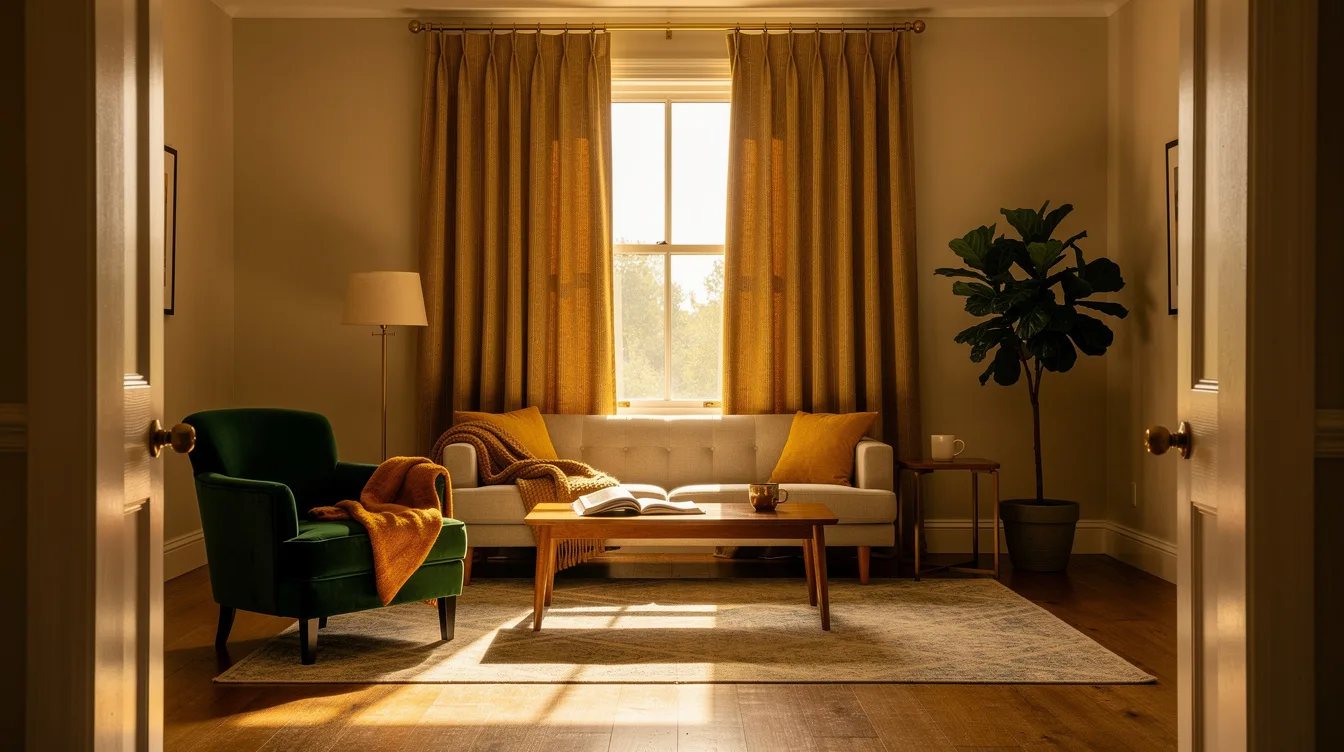
12 Walmart Curtain Finds That Make Ceilings Look Taller
01 october 2026A room can have a generous window and still feel oddly short when the curtain rod sits directly on the frame. Walmart has workable 108-inch panels priced from roughly $16 to $32 per panel, so the taller-looking result usually comes from installation rather than a special fabric.
Mount the rod high, extend it beyond the glass, and let the panels nearly touch the floor. These Walmart curtain ideas show how to use blackout, sheer, velvet, linen-look, and textured options without cutting the wall into smaller pieces.
What you will find inside
- Mount Mainstays 108-Inch Panels High
- Use Woven Slub to Keep Light Moving
- Let Linen-Blend Blackout Panels Kiss the Floor
- Add Dutch Velvet for a Taller, Formal Line
- Keep Chenille Light and Vertical
- Layer a 96-Inch Sheer Under Blackout Drapes
- Choose 95-Inch Panels for Lower Ceilings
- Extend the Rod Past Both Window Edges
- Build Fullness at 1.5 to 2 Times the Rod
- Match the Panel Color to the Wall
- Use a Ceiling-Mounted Track Above the Glass
- Drop Short Panels and Horizontal Bands
Mount Mainstays 108-Inch Panels High
Start with Mainstays Grommet Top Blackout panels in the 40-by-108-inch size, listed at about $15.96 per panel. Their long drop gives a standard window the vertical scale it lacks, while the grommet header makes high placement simple.
Set the rod about 6 to 12 inches above the frame, or as close to the ceiling as the trim allows. The fabric should finish roughly 0 to 1/2 inch above the floor, creating one clean line from ceiling to baseboard.
Use Woven Slub to Keep Light Moving
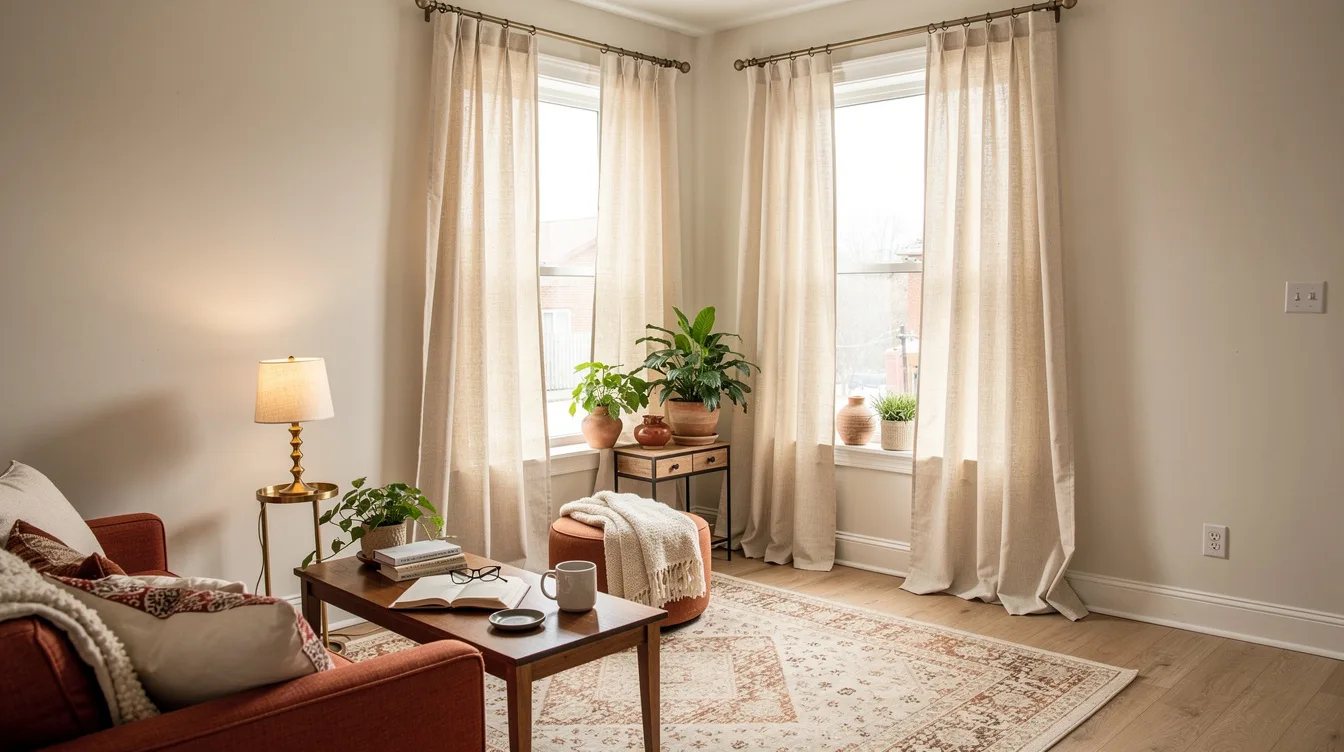
For a bright living room, Better Homes & Gardens Woven Slub Light Filtering panels offer a softer option in a 52-by-108-inch size, with a typical listed price of about $21.86 per panel. The woven texture adds dimension without creating a heavy block across the wall.
Choose a pale neutral close to the wall color, then mount the rod high enough that daylight travels behind the fabric. This combination keeps the upper wall visually open and makes the ceiling feel farther away.
Let Linen-Blend Blackout Panels Kiss the Floor
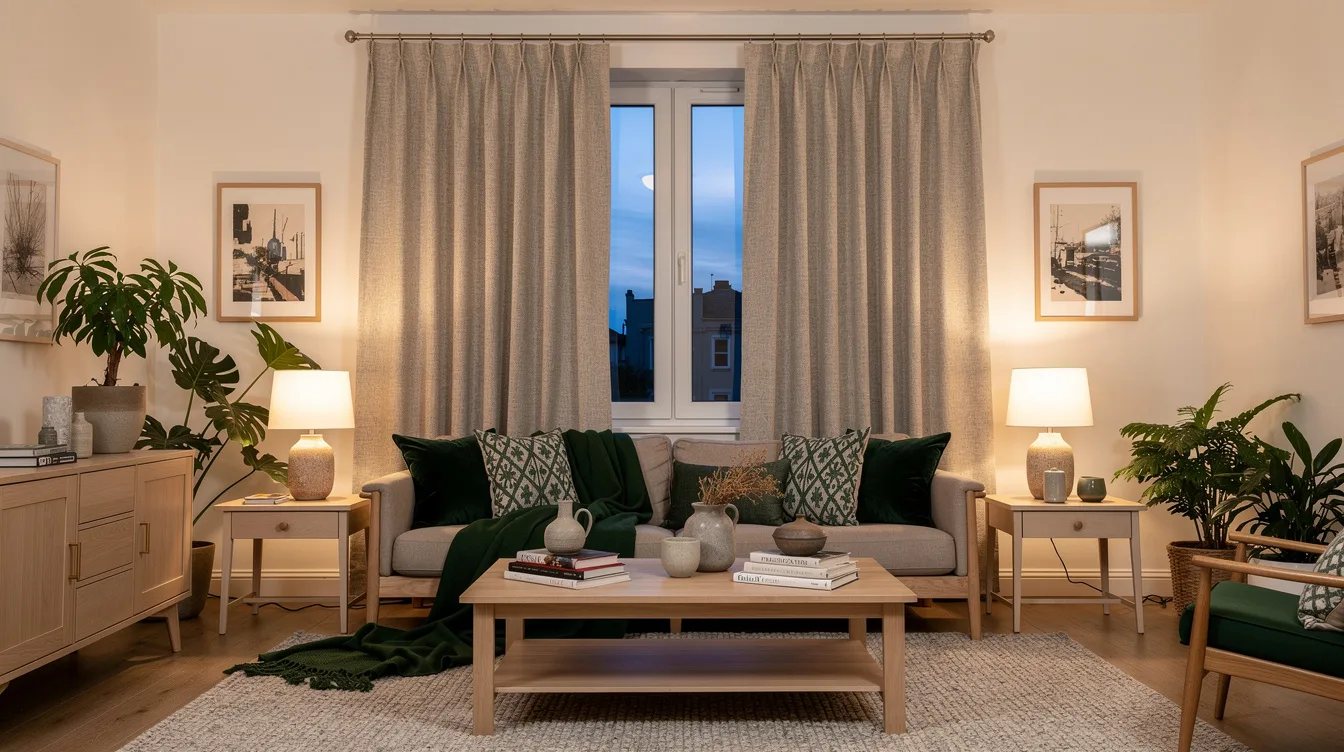
Better Homes & Gardens Linen Blend 100% Blackout panels bring a tailored texture to rooms that need privacy and height. The 50-by-108-inch version is typically about $16.99 to $29.97 per panel, depending on color and sale pricing.
Use the back tab or rod pocket for a restrained top edge, then measure from the installed rod to the floor before ordering. A panel that lands just above the floor looks intentional, while extra length pooling around the base can interrupt the vertical effect.
Add Dutch Velvet for a Taller, Formal Line
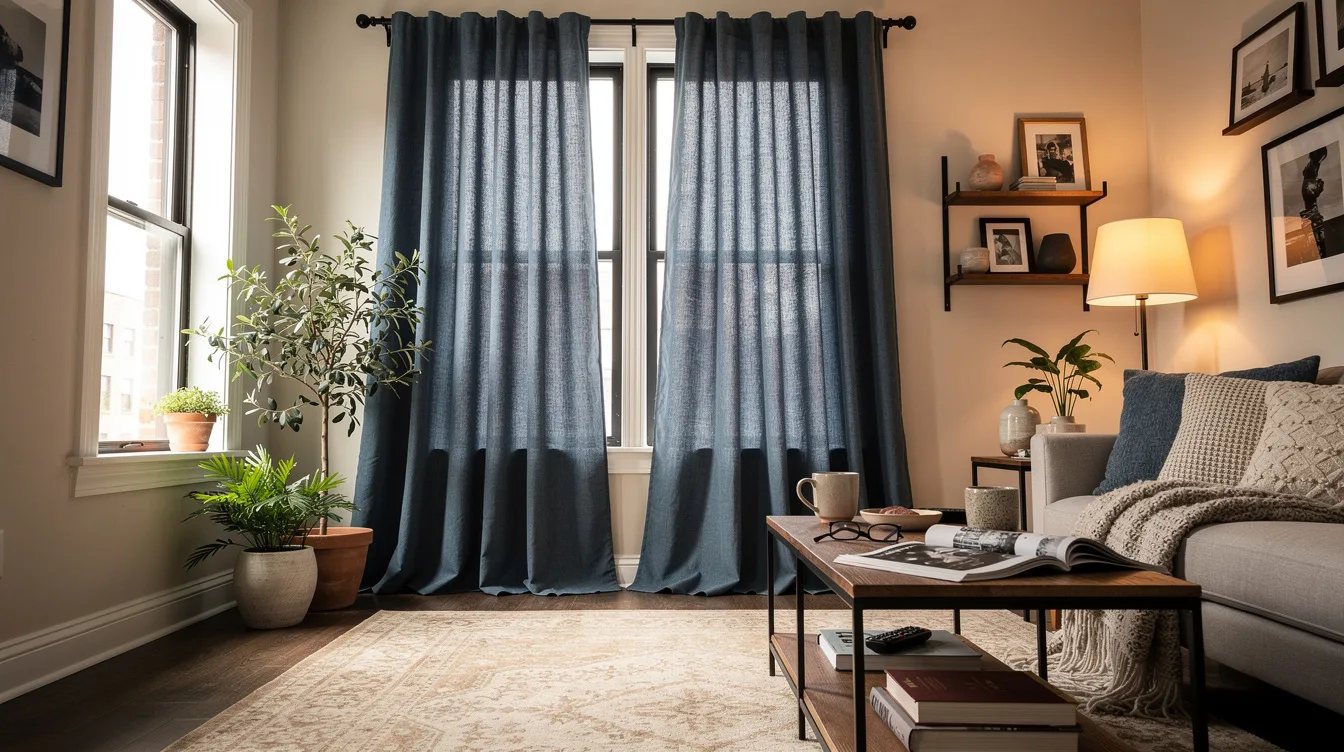
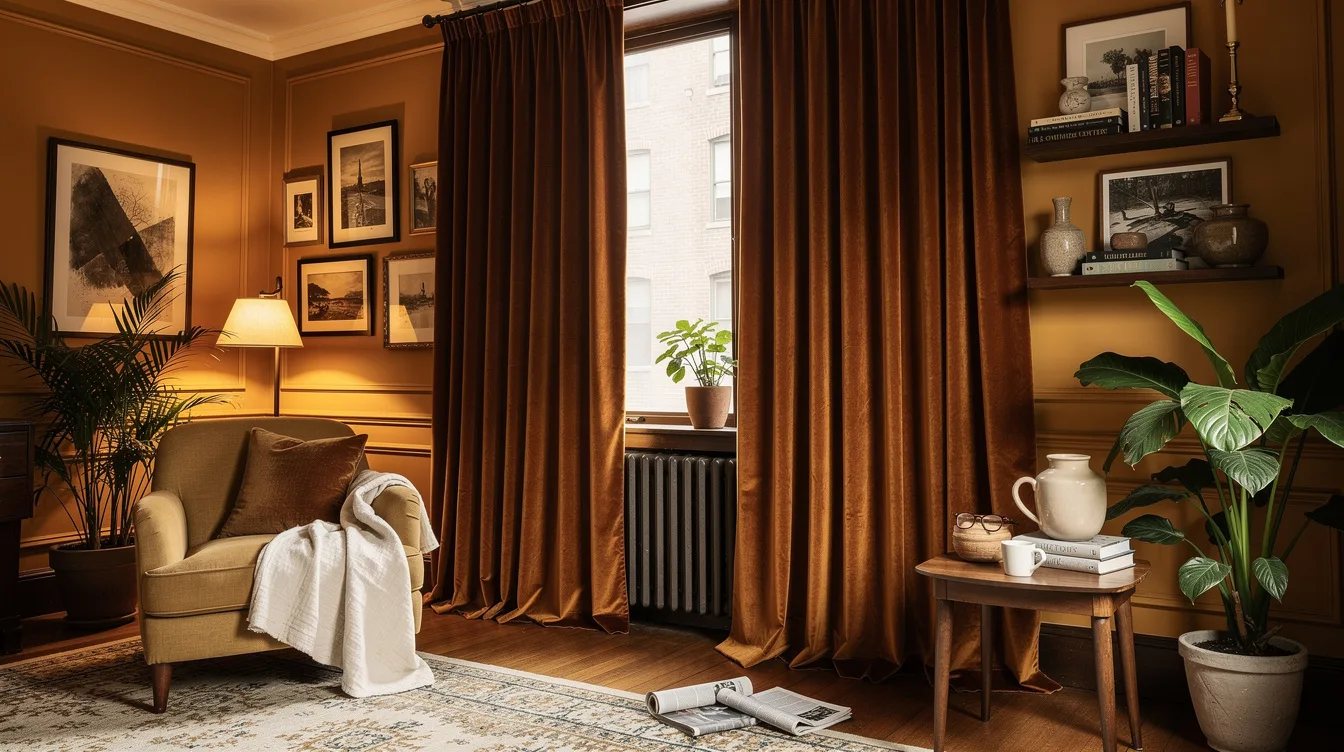
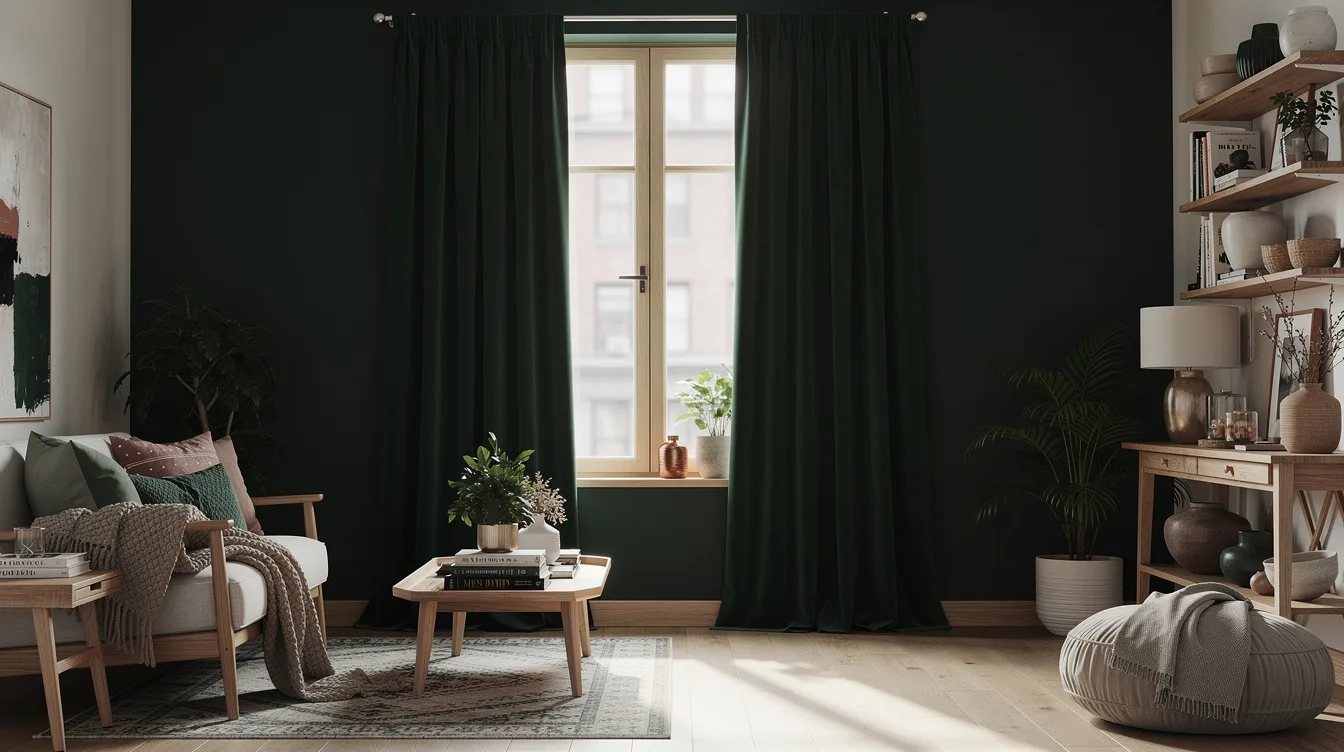
In a dining room or bedroom, Better Homes & Gardens Dutch Velvet 100% Blackout panels create a fuller drop with a more formal mood. The 52-by-108-inch size is listed at roughly $31.96 per panel, and the dense fabric gives the wall a strong uninterrupted presence.
Deep green, navy, and soft neutral shades work especially well when the walls are quiet. Keep the rod wider than the window so the velvet stacks beside the glass when open instead of creating a dark horizontal band across it.
Keep Chenille Light and Vertical
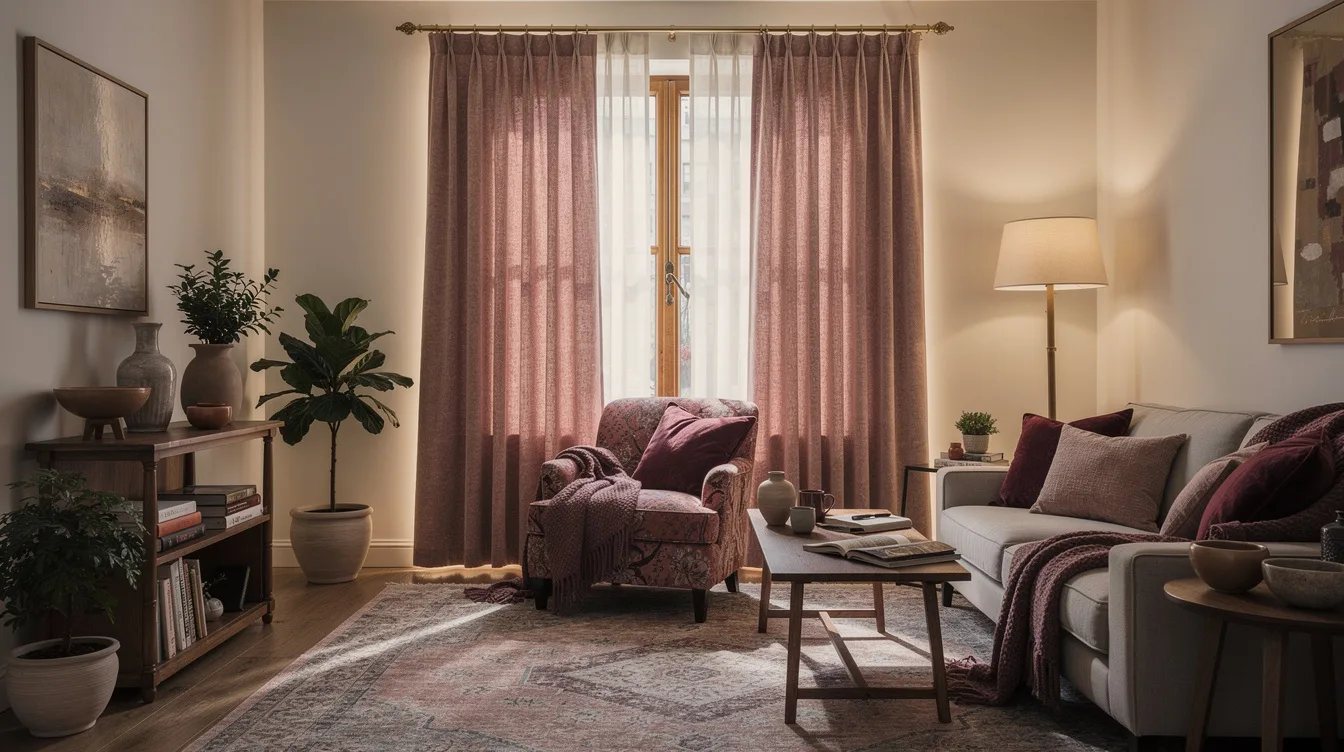
Better Homes & Gardens Textured Chenille Light Filtering panels add visible softness while preserving daylight. The 50-by-108-inch option is commonly listed at about $21.86 per panel, making it a practical choice for a room that needs texture without blackout weight.
Look for a subtle vertical impression in the weave and avoid broad horizontal patterns. The goal is a fabric surface that encourages the eye to travel upward, especially when the panels hang against a wall in a similar tone.
Layer a 96-Inch Sheer Under Blackout Drapes
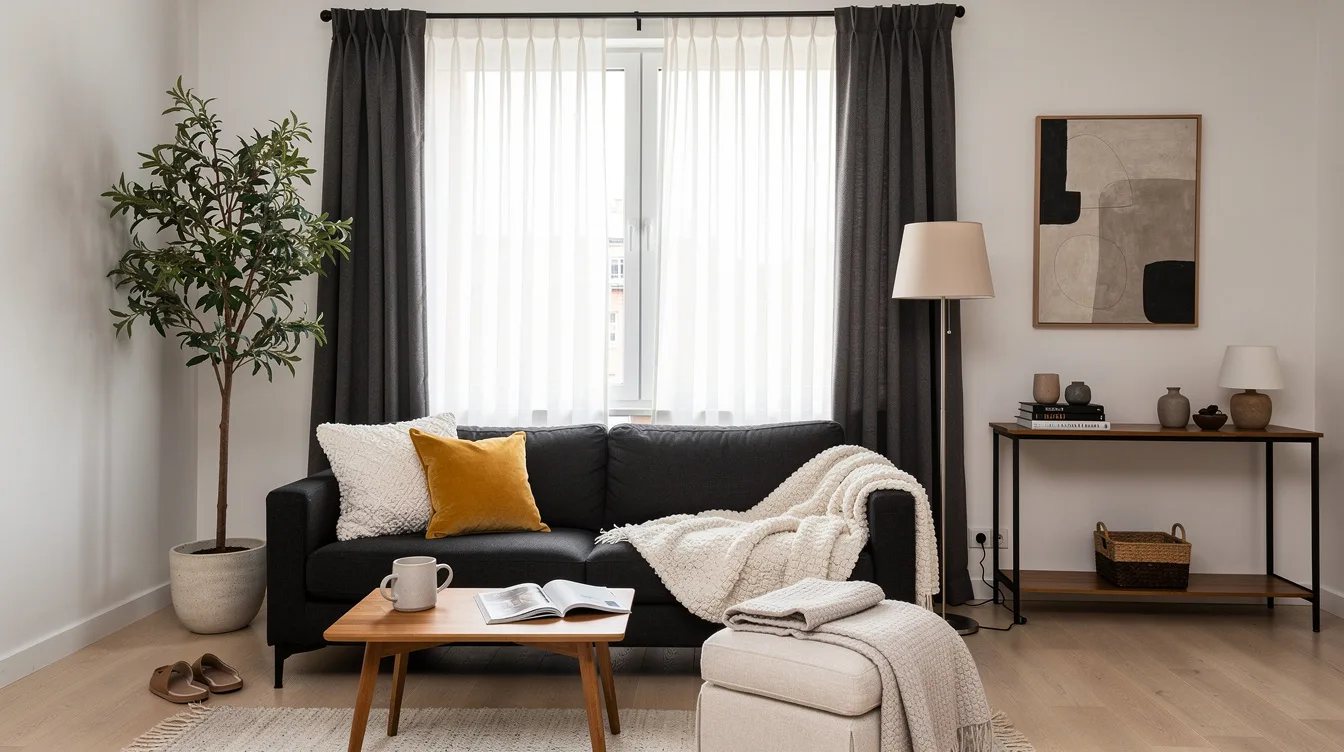
A Walmart-listed embroidered sheer in an extra-wide 54-by-96-inch size can work as the inner layer behind longer blackout panels. With a typical price of about $14.28 per panel, it adds daytime privacy without forcing the room into a dark, heavy scheme.
Use the sheer close to the glass and place the blackout panels on a second rod farther forward. The 96-inch length suits rooms where 108 inches would drag, but the outer panels should still reach nearly to the floor.
Choose 95-Inch Panels for Lower Ceilings
Lower ceilings need accurate length more than dramatic excess, so check the 84- and 95-inch choices available from Better Homes & Gardens. The Woven Slub Light Filtering line is listed in those shorter lengths as well as 108 inches, giving renters more flexibility.
Measure from the proposed rod location rather than from the top of the window frame. A 95-inch panel that ends just above the floor will look taller than a 108-inch panel forced into a puddle that gathers dust and breaks the room's clean edge.
Extend the Rod Past Both Window Edges
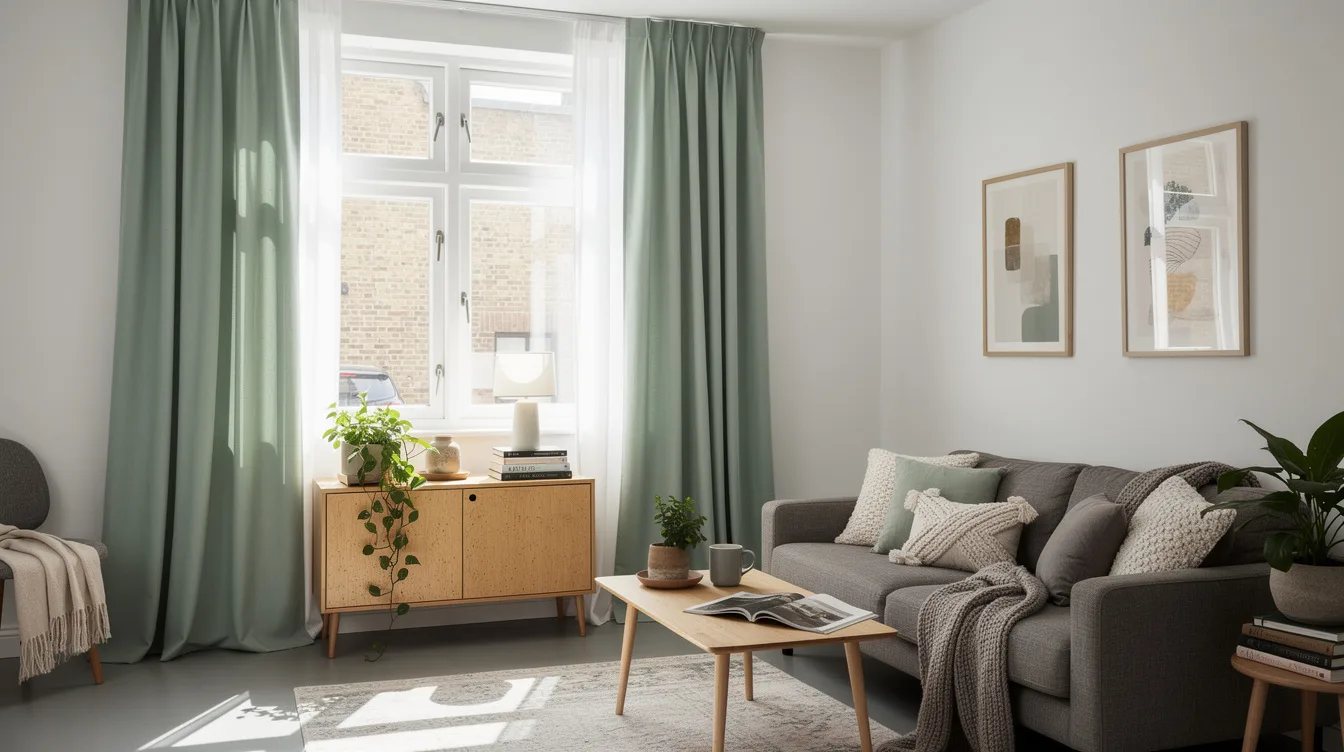
Make the rod wider than the window so each Mainstays panel can stack mostly on the wall when open. This keeps the glass visible and prevents the curtain arrangement from reading as a short rectangle centered on the wall.
Allow roughly 6 to 12 inches of extra rod beyond each side when the wall permits it. The precise extension depends on the window and furniture, but the visual rule stays firm: fabric should frame the opening instead of covering the upper corners.
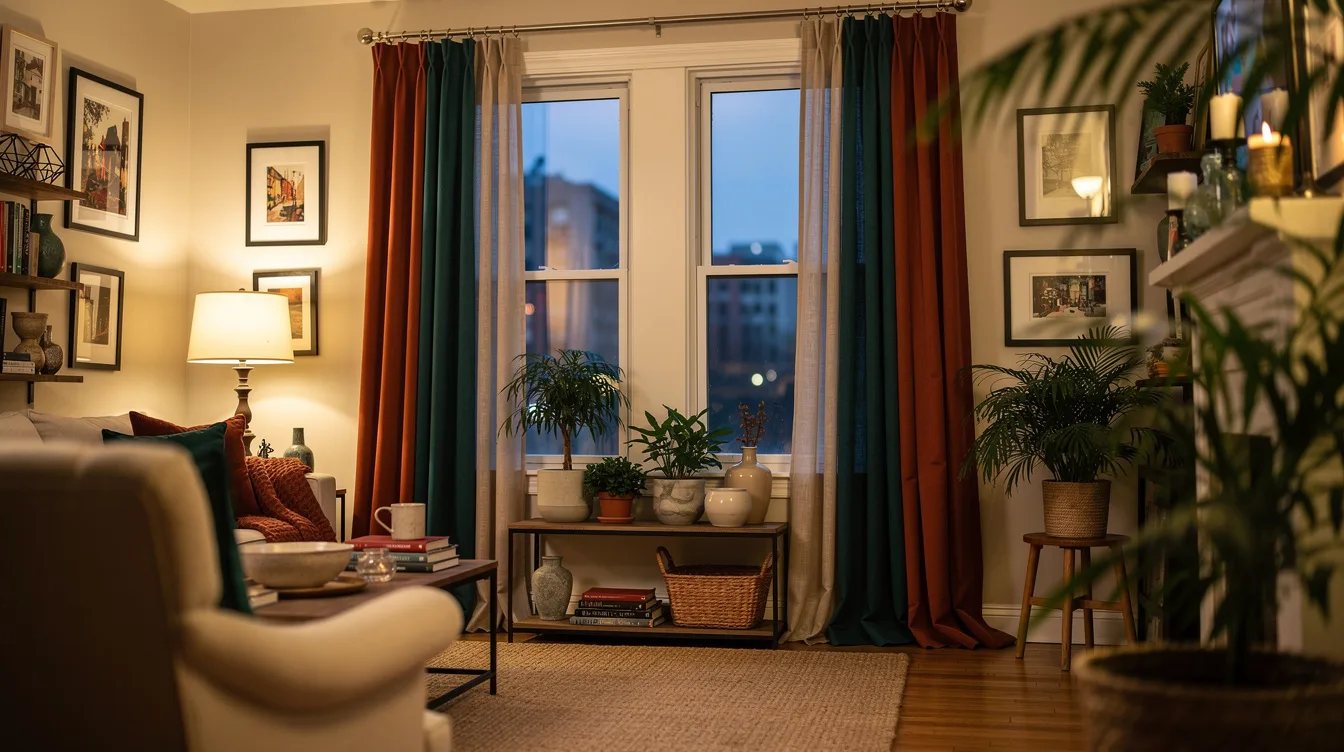
Build Fullness at 1.5 to 2 Times the Rod
Check total fabric width before buying, especially with the 52-inch Better Homes & Gardens Woven Slub panels. For a fuller drape, the combined panel width should generally be around 1.5 to 2 times the rod width.
Too little fabric leaves a flat, stretched sheet that makes the window feel small. Too much can create bulky folds that crowd the wall, so use the wider panels when the room benefits from softness and choose a simpler pair when the window is narrow.
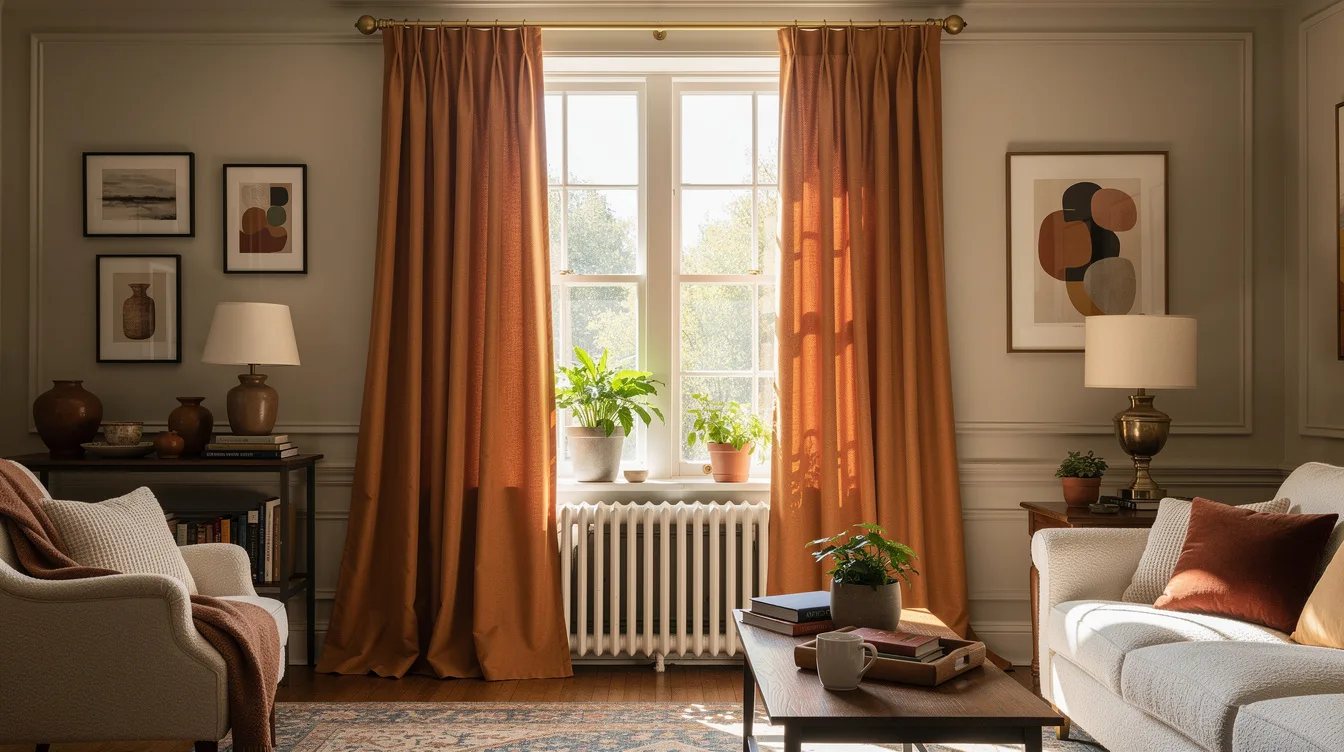
Match the Panel Color to the Wall
A close color match helps Better Homes & Gardens Linen Blend blackout panels disappear into the wall instead of dividing it. Cream against warm white, soft gray against cool gray, or muted beige against sand keeps the eye moving upward without a hard border.
Contrast still has a place, particularly with Dutch Velvet in navy or deep green, but it creates a stronger focal point. For maximum perceived height, skip high-contrast side panels and let the window treatment support the ceiling line.
Use a Ceiling-Mounted Track Above the Glass
When the wall above the window is narrow, a ceiling-mounted metal track creates the cleanest vertical drop. Pair it with long Better Homes & Gardens Textured Chenille panels so the fabric begins at the ceiling and falls toward the floor without a visible rod interrupting the line.
This setup is especially useful beneath crown molding or in a room with unusually tall windows. Leave enough clearance for the panels to open smoothly, and keep the track wide enough that the fabric clears most of the glass.
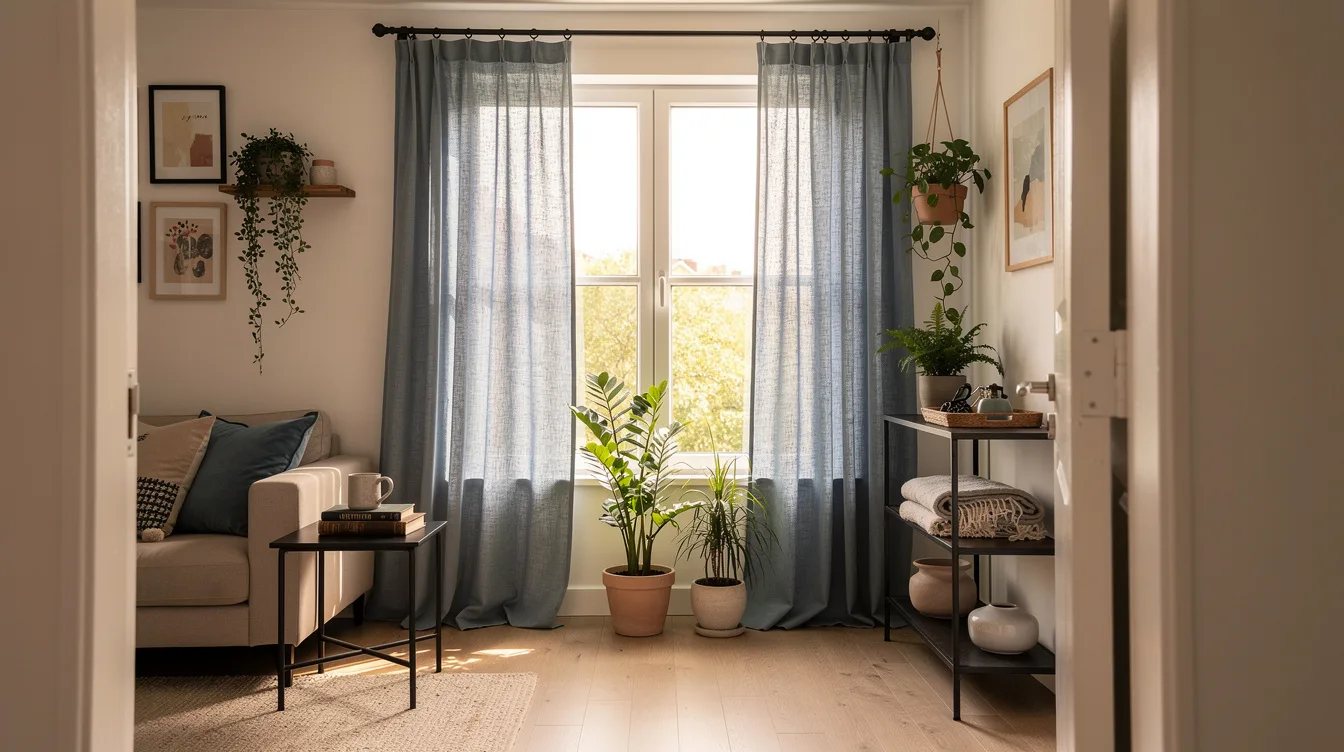
Drop Short Panels and Horizontal Bands
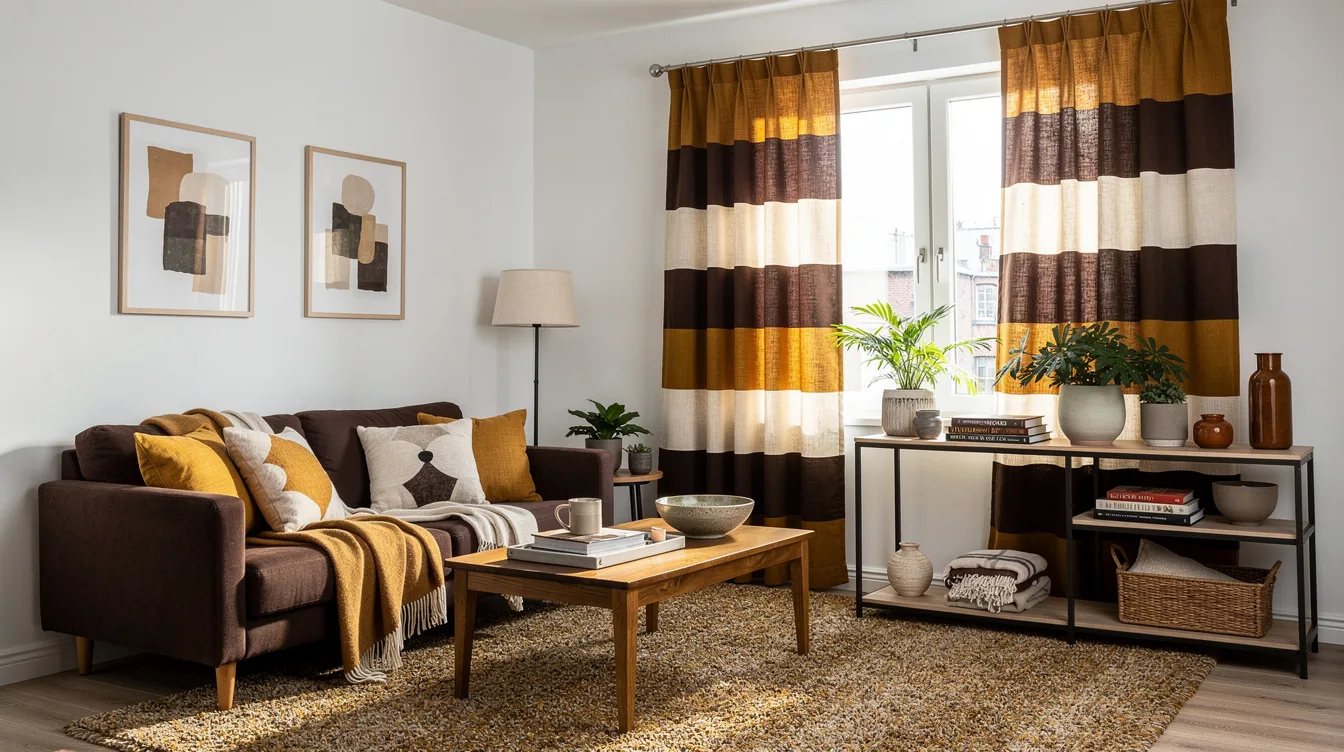
Replace café curtains, sill-length panels, and strong horizontal bands with a full-length Mainstays Grommet Top Blackout option. Short curtains divide the wall into sections, making the ceiling feel lower even when the fabric color is attractive.
The same principle applies to bold stripes across the middle of a panel. Choose solids or restrained vertical texture, then let the fabric run from a high rod to the floor so the room has one dominant direction.
Keep reading
- 12 Designer Curtain Tricks That Make Bedroom Ceilings Look Taller
- 12 Curtain Tricks That Make Small Rooms Look Instantly Taller
- 12 Target Curtain Tricks That Make a Rental Bedroom Look Expensive
Begin by measuring from the highest practical rod position to the floor, then choose the closest 95- or 108-inch Walmart panel. That single measurement will usually matter more than switching between fabrics, colors, or header styles.