12 Target Curtain Tricks That Make a Rental Bedroom Look Expensive
25 september 2026Our rental bedroom started looking expensive when we stopped treating blackout curtains as a single purchase. For a standard window, a convincing hotel-style setup costs roughly $90 to $180 all-in, including two panels, a rod, rings, and anchors.
We focused on full-height, generously wide fabric with real texture, then handled light leaks with wraparound hardware or a hidden shade. The difference came from proportion first, product second.
What you will find inside
- Mount the Rod Near the Ceiling
- Extend Hardware Beyond the Frame
- Calculate Generous Panel Width
- Choose a Tailored Header
- Let Panels Kiss the Floor
- Start With a Matte Woven Texture
- Build the Budget Pair First
- Use Threshold Slub for Soft Contrast
- Bring In Velvet for a Moody Room
- Hide Leaks With a Separate Layer
- Seal the Sides With Wraparound Hardware
- Finish the Room With Warm Neutrals
Mount the Rod Near the Ceiling
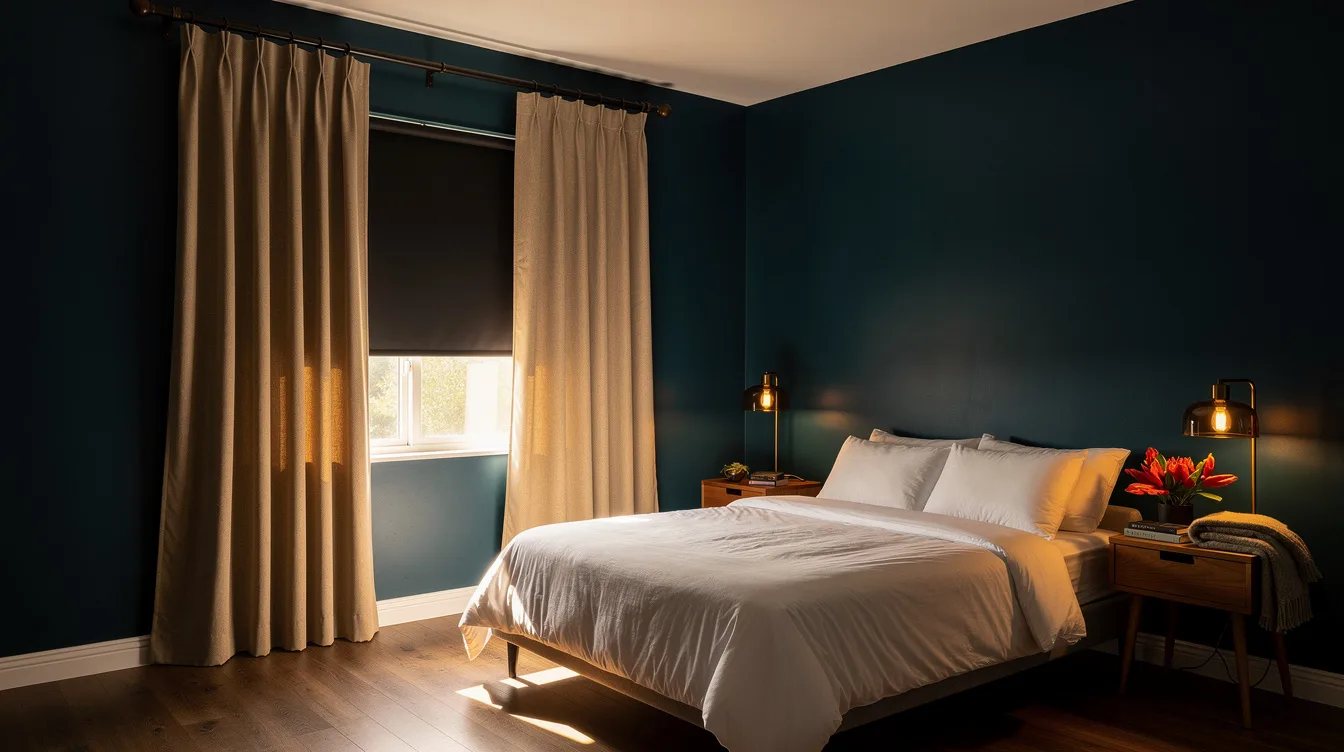
We mounted the matte-black curtain rod about 4 to 8 inches below the ceiling, or just beneath crown molding. That small shift made the rental bedroom feel taller and gave the panels the generous scale associated with hotel rooms.
Mounting directly above the window trim makes the glass look boxed in. Use removable anchors where possible, then keep the hardware substantial enough to support dense fabric.
Extend Hardware Beyond the Frame
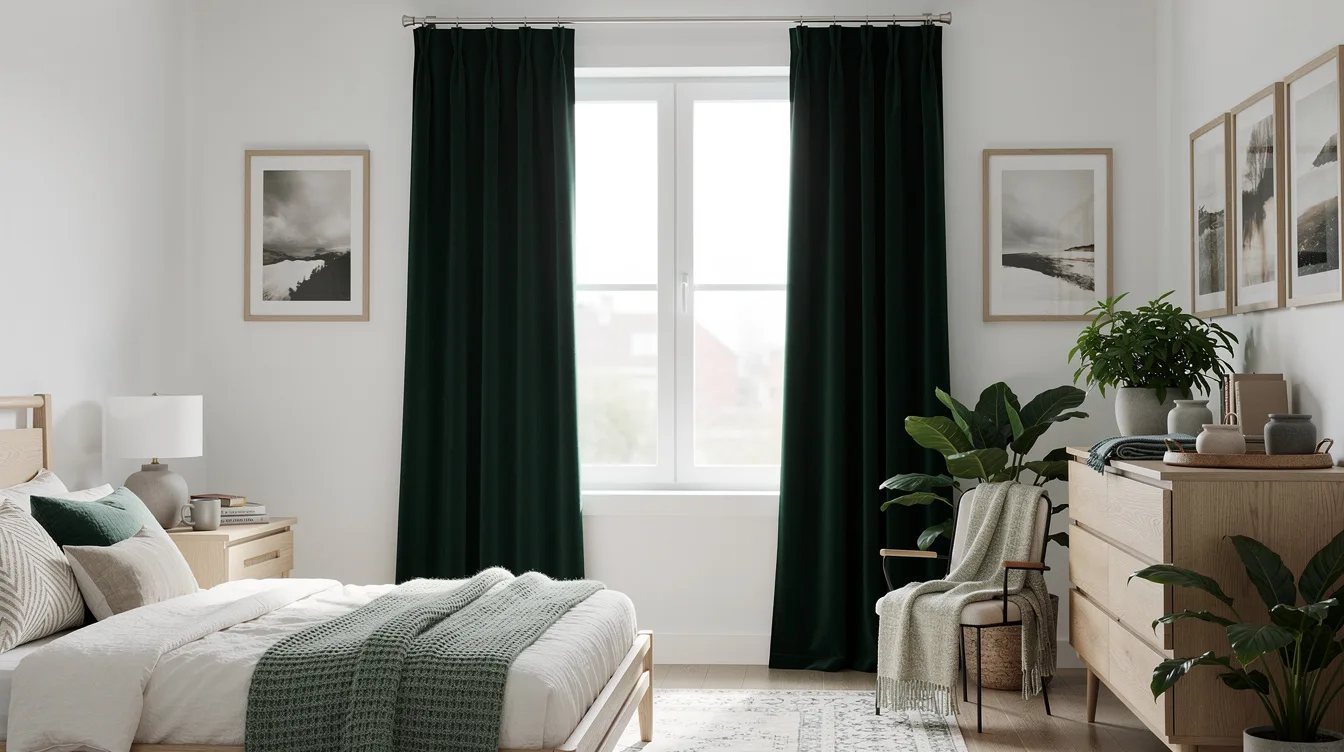
We extended the rod roughly 8 to 12 inches beyond each side of the window frame. The antique-brass rod allowed the panels to stack beside the glass, so the window looked wider when the curtains were open.
This placement also helps preserve daylight and keeps the fabric from crowding the window. Measure the wall space first, especially in a narrow rental bedroom where a nightstand may sit close to the trim.
Calculate Generous Panel Width
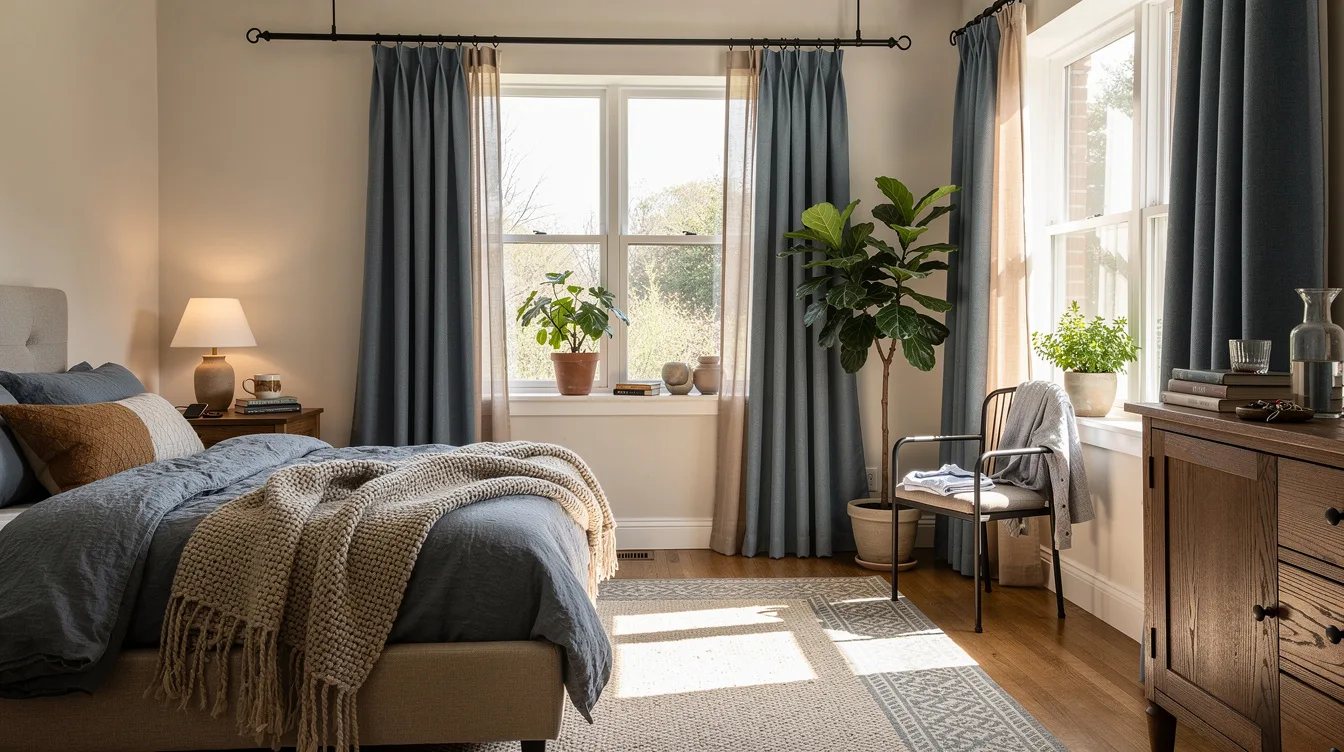
We planned for total curtain width equal to about 2 to 2.5 times the rod width. That fullness gives linen-look panels relaxed folds instead of the skimpy, stretched appearance that makes inexpensive curtains look cheaper.
About 1.5 times the rod width can work with very heavy fabric, but it is the lower limit. Two panels that barely cover the glass will leave the room looking unfinished even when the fabric itself is attractive.
Choose a Tailored Header
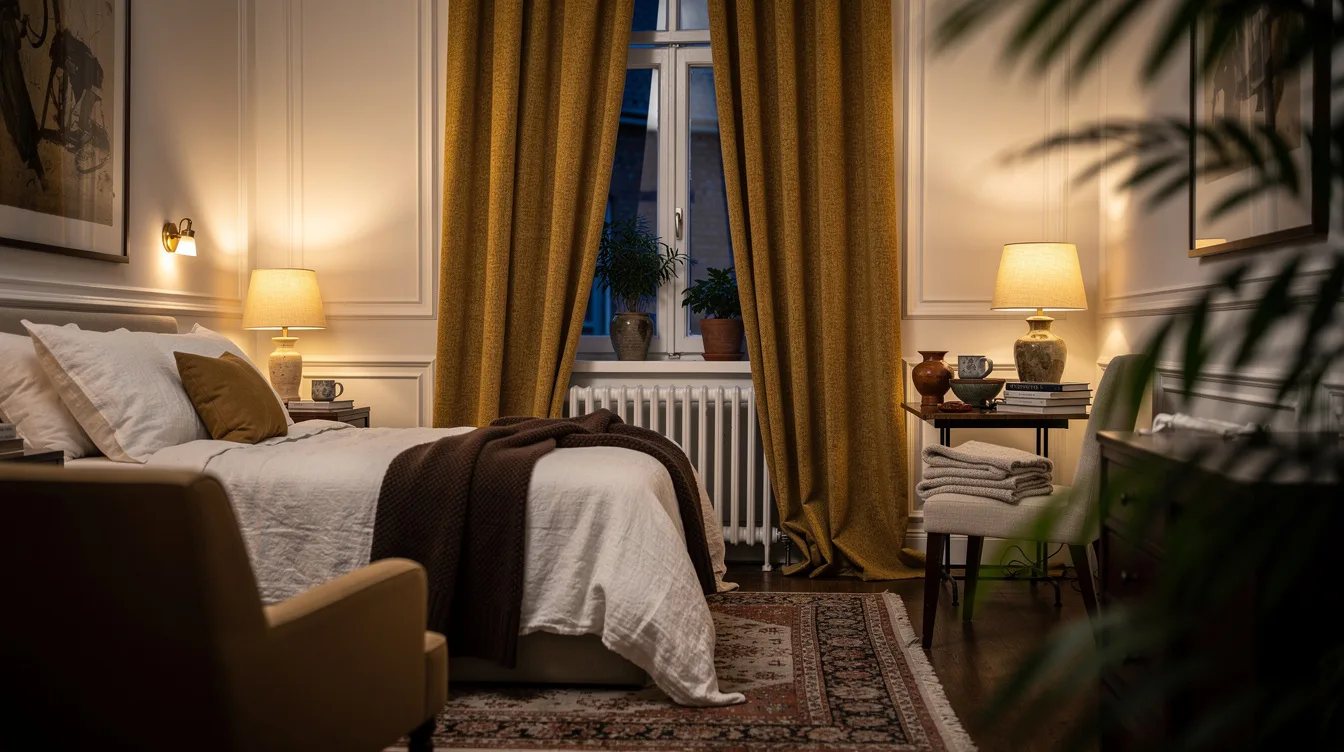
We favored pinch pleats, drapery hooks, or clip rings over oversized shiny grommets. A row of dark-bronze clip rings gave simple panels a cleaner, more intentional header without making permanent changes to the rental.
Back tabs can also look polished when the fabric is substantial. Skip a floppy rod pocket unless the curtain has enough structure to hold an even, quiet fold.
Let Panels Kiss the Floor
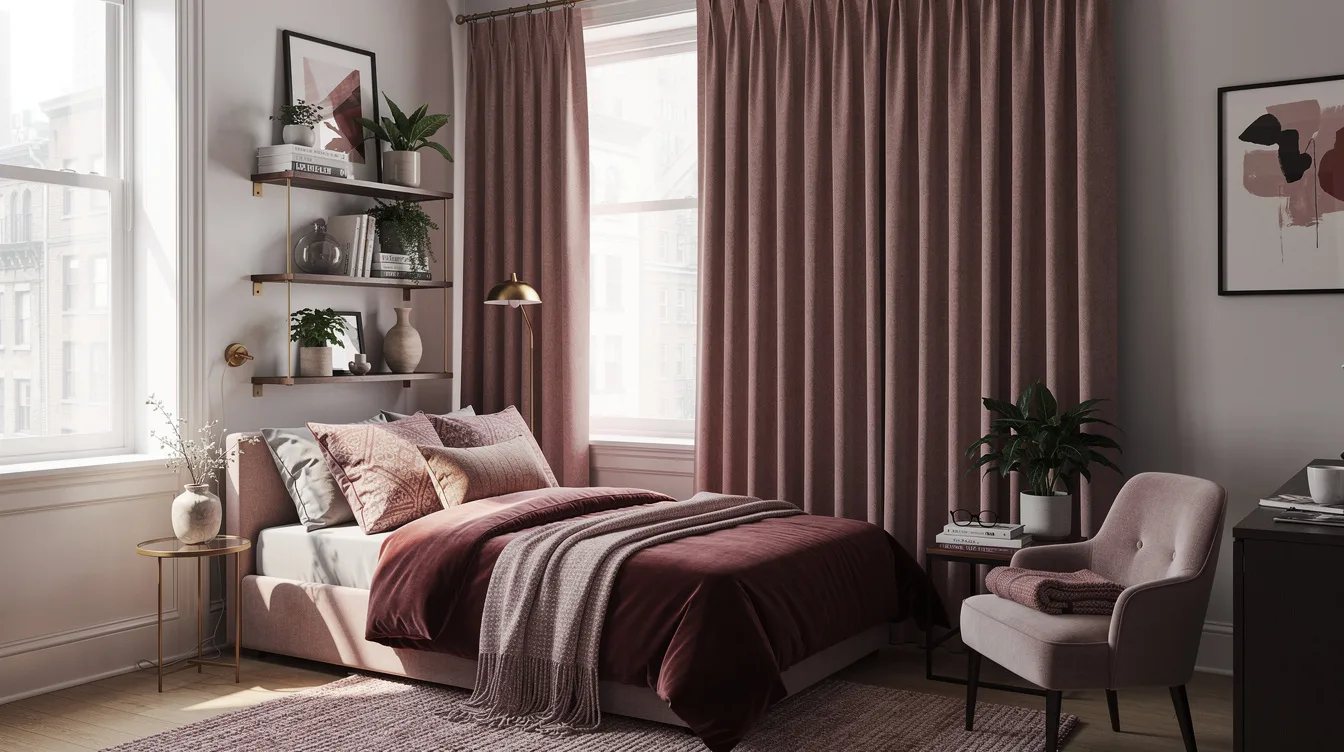
We measured from the rod to the floor before buying panels, then chose a length that just kissed the flooring. A washed-velvet panel can have a tiny break, but a visibly floating hem quickly reveals a short-cut installation.
About 84-inch panels suit a rod-to-floor measurement around 82 to 85 inches, while about 96-inch panels work for a taller opening around 94 to 97 inches. Buy by the actual measurement, not by the window size printed on the package.
Start With a Matte Woven Texture
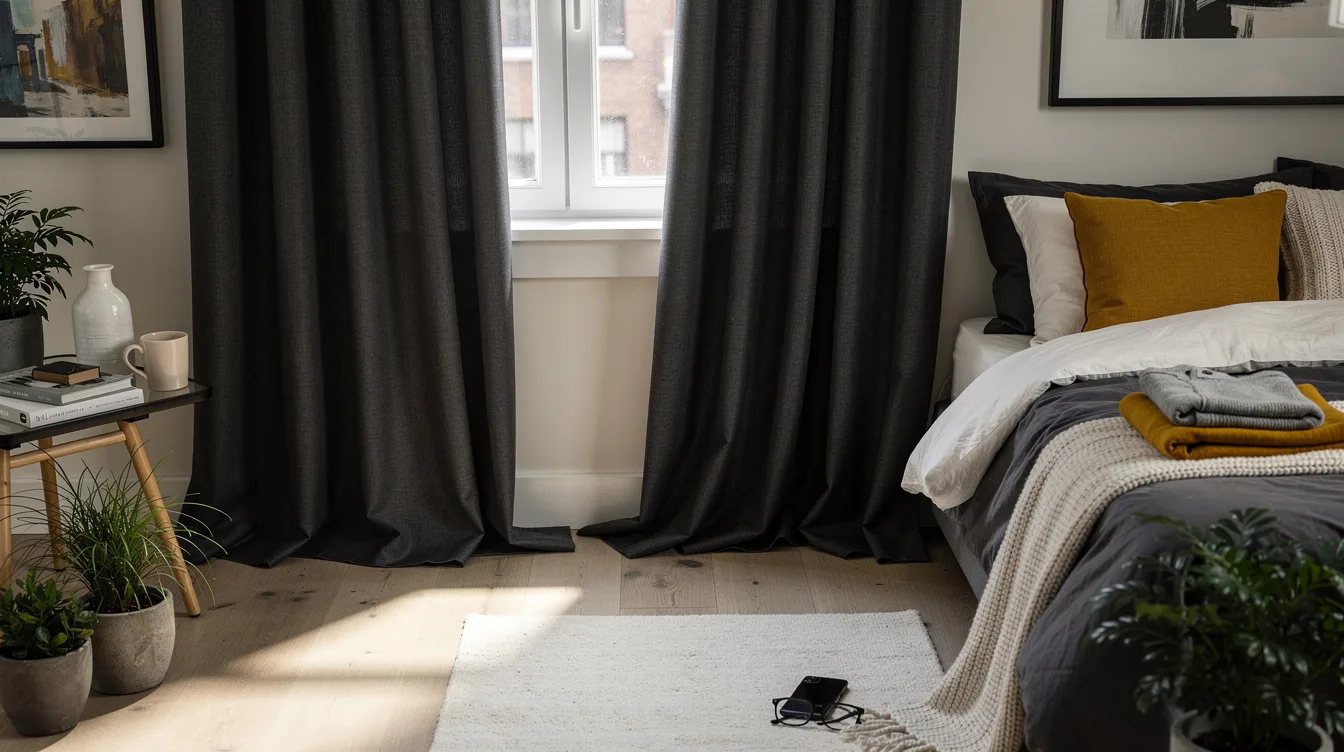
We chose a cotton-linen weave or linen-look surface before considering color. Texture hides the synthetic feel common in inexpensive blackout fabric and catches soft morning light without producing a glossy reflection.
Thin microfiber and sateen polyester made the room feel temporary. A dense woven polyester can still work when its surface is matte and its folds hold their shape.
Build the Budget Pair First
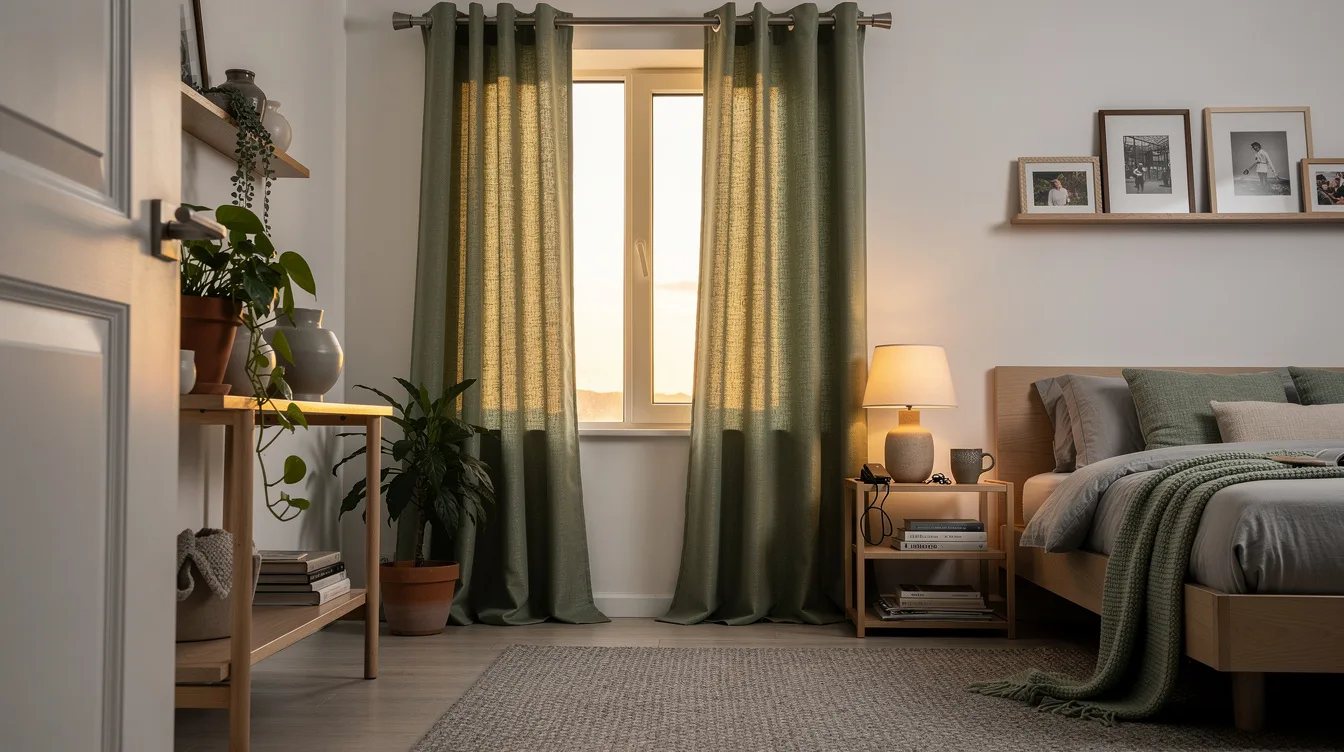
For a standard rental window, we planned roughly $90 to $180 all-in for two panels, a rod, rings, and anchors. The most convincing value came from a Target blackout panel with a warm neutral texture, paired with better-looking hardware.
That arrangement often looked more finished than pricier curtains hung too low or too narrowly. Spend first on height, width, and the rod, because those choices control the room's visual scale.
Use Threshold Slub for Soft Contrast
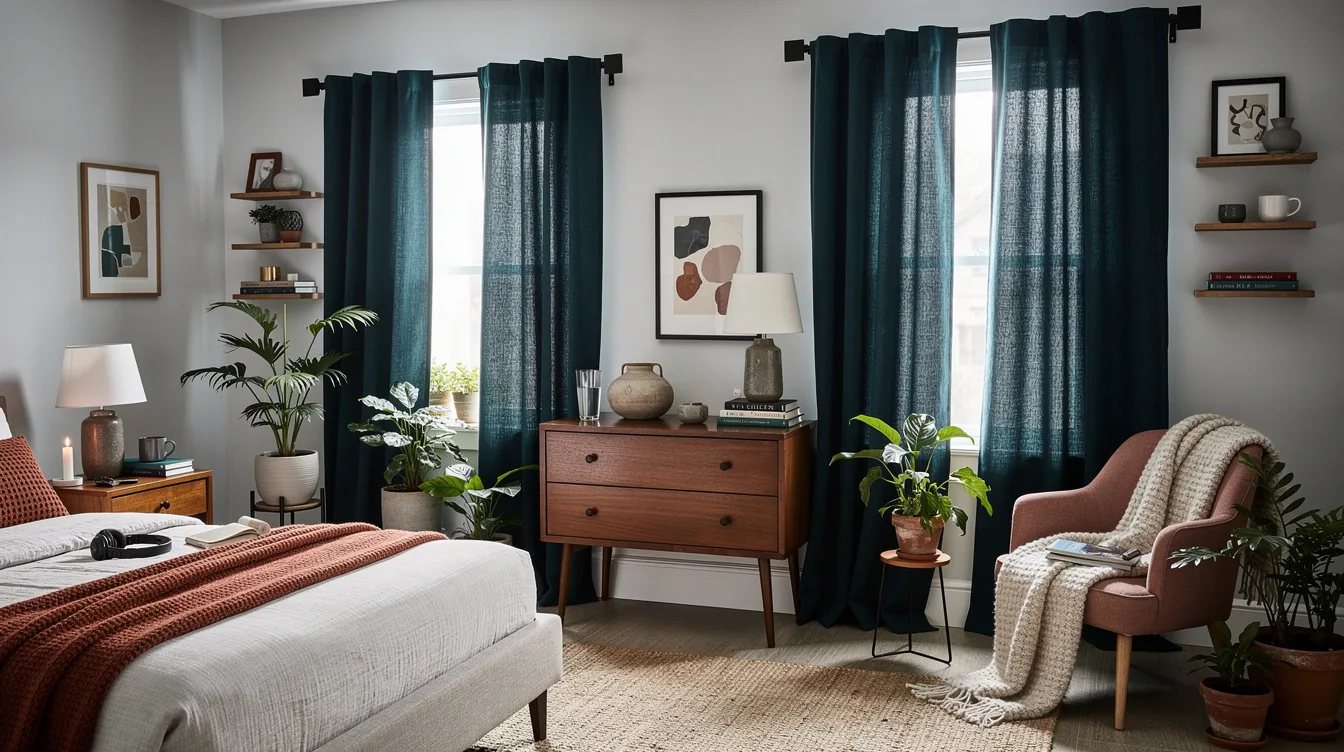
We used Target's Threshold Blackout Slub Weave when the bedroom needed texture without a dramatic color change. The roughly $25-per-panel price made it practical to buy enough width for full folds rather than settling for two narrow pieces.
Its irregular woven surface reads more like fabric than a flat blackout sheet. Pair raw-edge slub panels with simple black rings and ivory bedding for a restrained boutique-hotel effect.
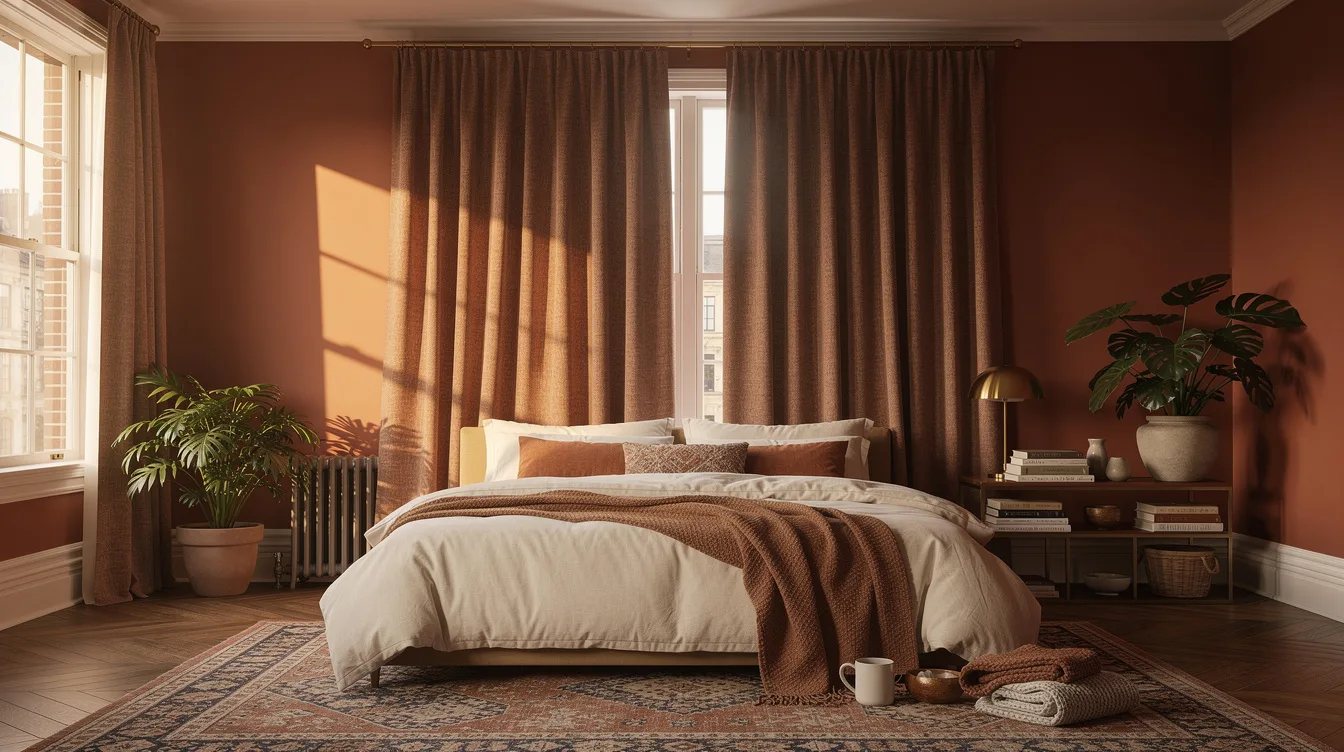
Bring In Velvet for a Moody Room
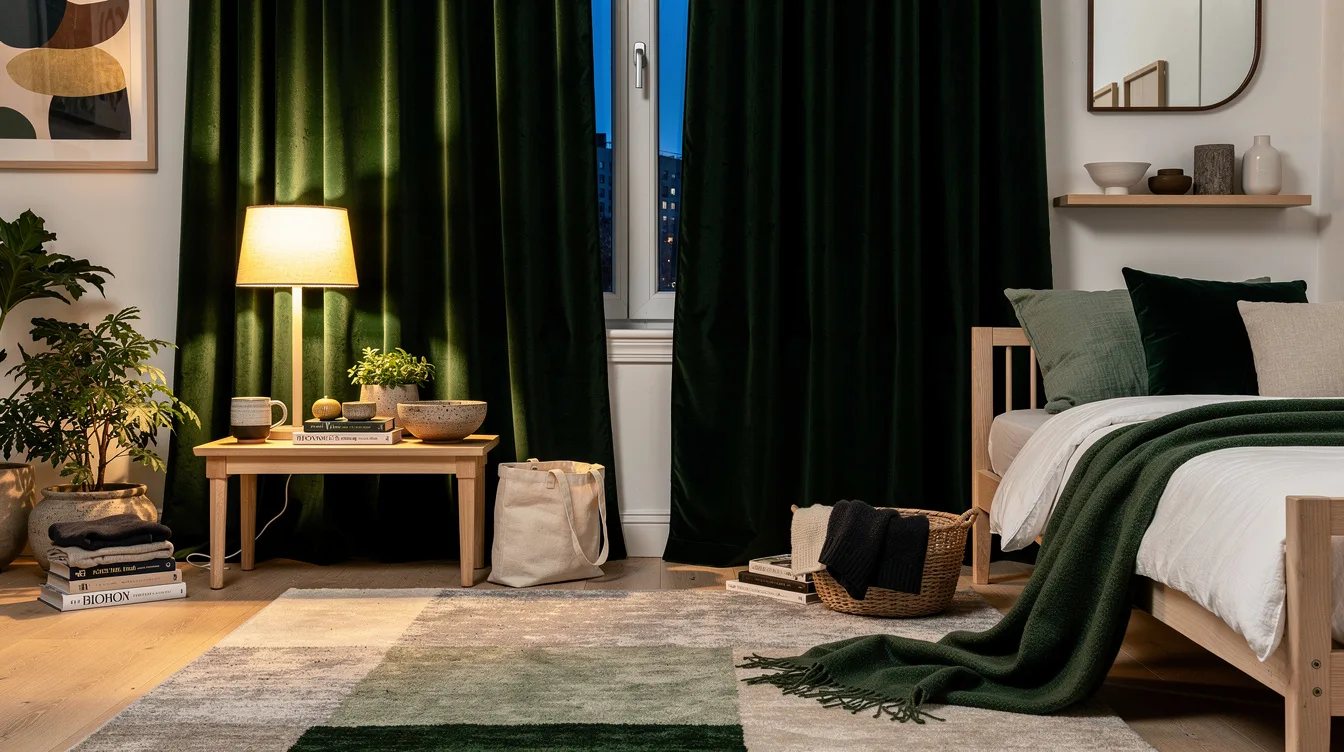
We chose Target's Threshold Blackout Velvet when the rental bedroom needed more depth. At around $40 per 50-by-84-inch panel, it created a richer backdrop in tobacco, copper, moss, forest green, charcoal, or espresso.
Velvet also softens sound and blocks light effectively, though it adds visual weight. Keep the rest of the room quieter with crisp bedding and one warm metal accent.
Hide Leaks With a Separate Layer
We treated the decorative curtain as one layer and darkness as another. A blackout roller shade or hidden liner behind the panels solved the light that escaped around the top and sides.
Curtains alone rarely create complete darkness because the fabric cannot cover every gap. This layered approach also lets you open the decorative panels during the day while keeping the room visually calm.
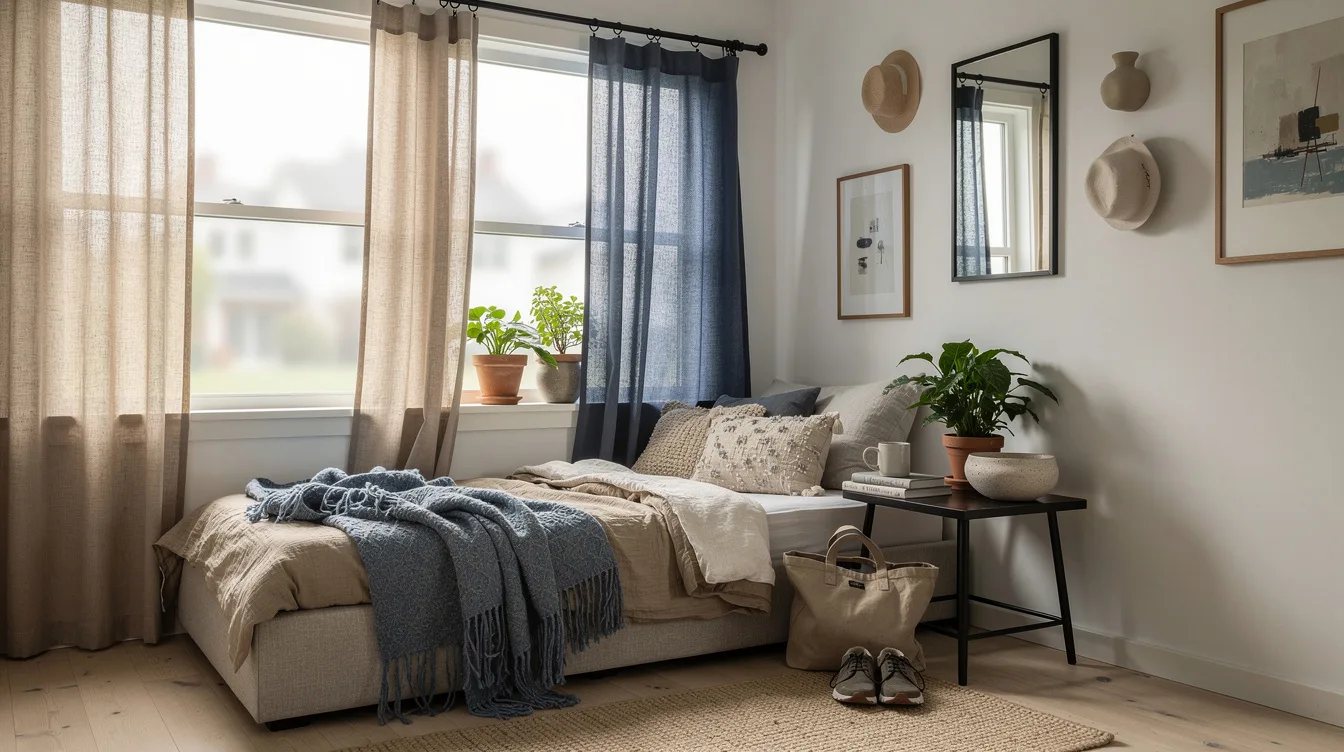
Seal the Sides With Wraparound Hardware
We used a wraparound curtain rod when the bedroom received bright light from the sides. The returns brought the fabric closer to the wall and reduced the narrow strips of brightness that made the blackout setup feel incomplete.
For a rental, choose hardware that can be removed cleanly and keep the brackets aligned with existing wall conditions. The goal is a close side seal, not an elaborate built-in installation.
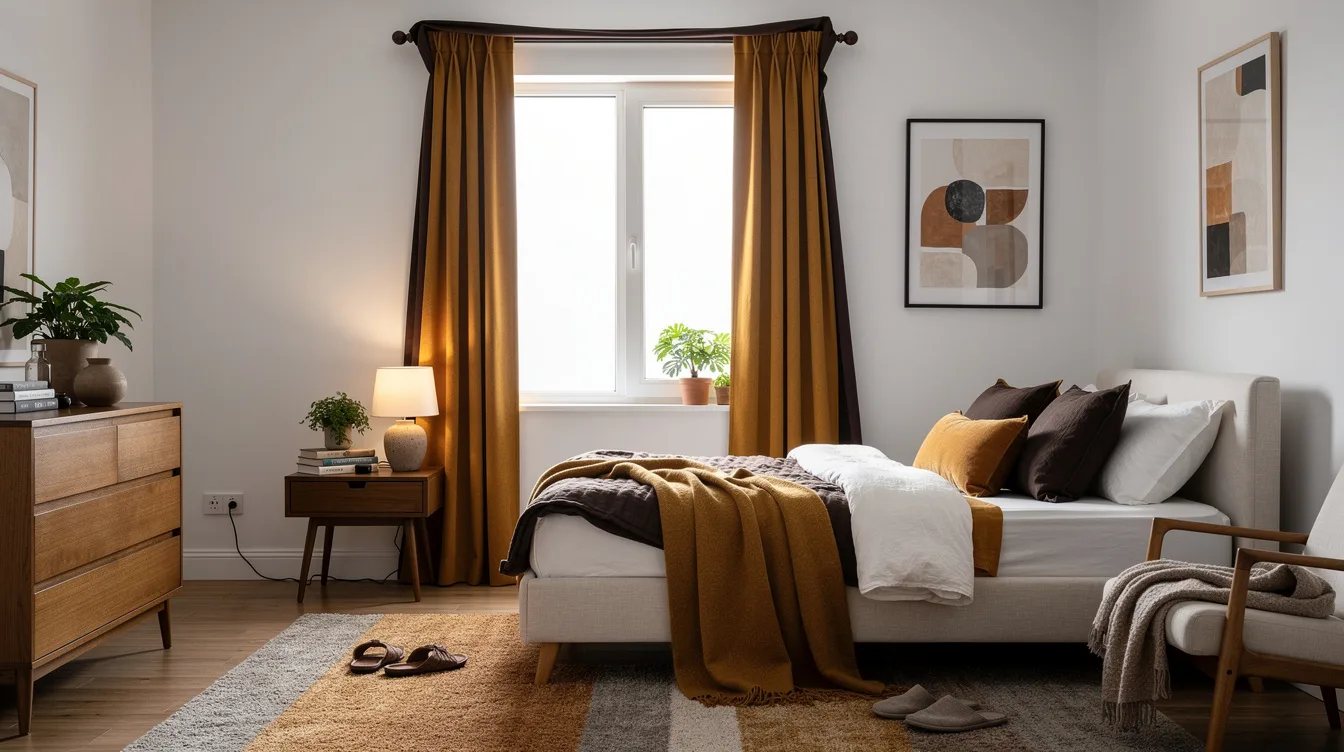
Finish the Room With Warm Neutrals
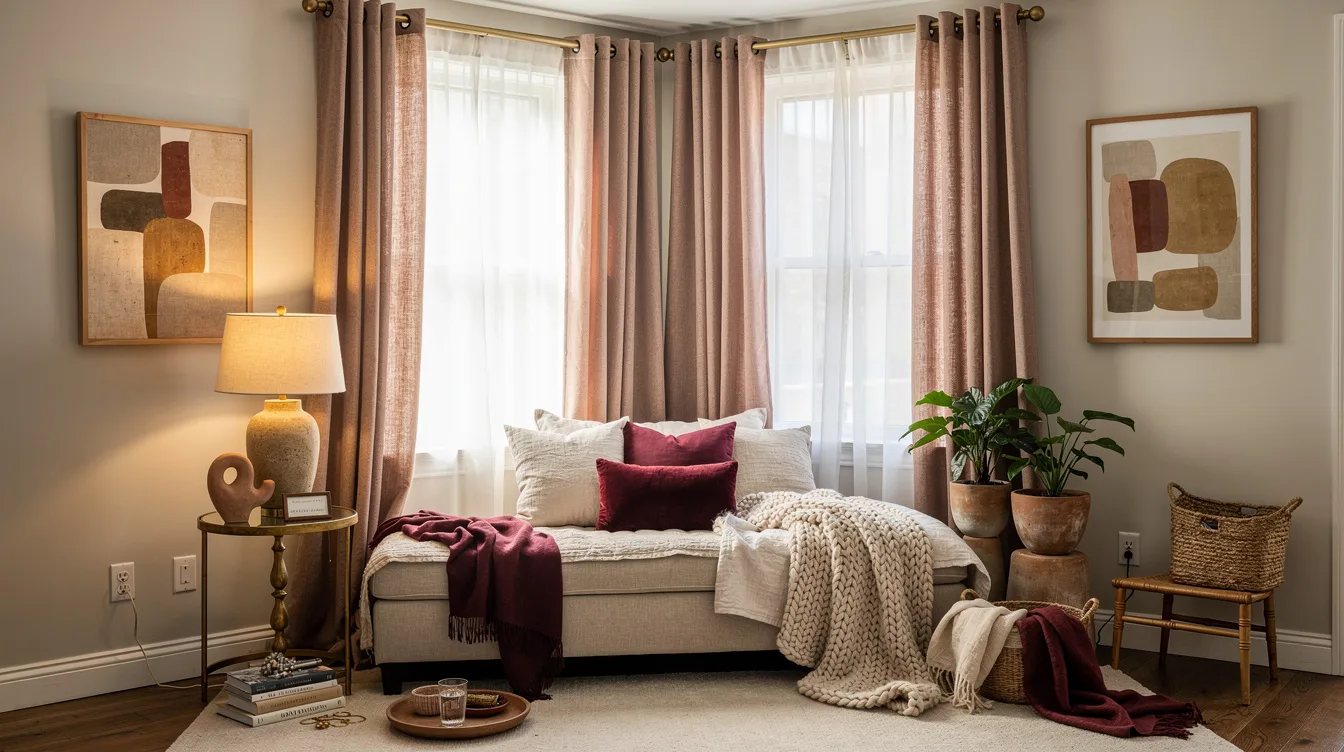
We kept the palette in warm white, ivory, flax, taupe, mushroom, greige, charcoal, tobacco, or deep olive. A flax-colored curtain made the room feel settled while avoiding the cold glare of bright white fabric.
Skip busy prints and high-shine gray when the goal is a hotel-like finish. Complete the setup with crisp bedding, a substantial rod, and enough panel width to create full, regular folds.
Keep reading
- 12 Hotel-Style Nightstand Rules That Make a Bedroom Feel Finished
- 12 Designer Curtain Tricks That Make Bedroom Ceilings Look Taller
- 15 Target Bedroom Finds That Look Way More Expensive Than They Are
Measure the rod-to-floor height and the full wall width before choosing fabric. Then spend the first dollars on generous panels and a strong rod, because those two decisions do the most work in a rental bedroom.