Bedroom Color Feeling Flat? Build These 12 Layers Instead
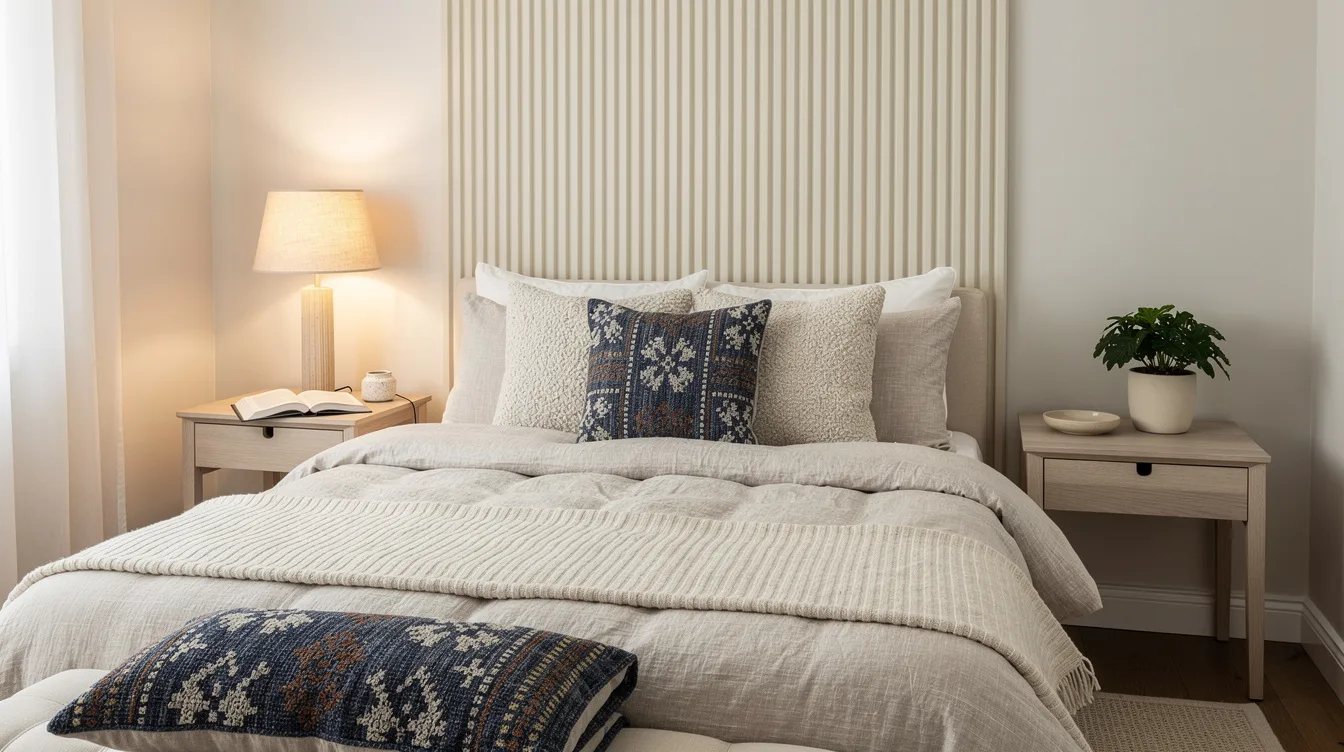
26 november 2026A monochrome bedroom can look unfinished when every surface has the same sheen. Start with one base color, then layer at least three shades and four or five textures so a 54-inch-wide bed feels enveloped rather than swallowed by a blank backdrop.
The fix is practical: separate color, texture, finish, scale, and light. With washed linen, a ribbed throw, soft paneling, and carefully spaced contrast, one color can carry the entire room.
What you will find inside
- Lock In One Undertone
- Build a Three-Shade Ladder
- Let Matte Walls Absorb Glare
- Create Shadows With Paneling
- Start the Bed With Washed Linen
- Shift the Duvet One Step Darker
- Mix Waffle With Boucle
- Fold a Ribbed Throw Across the Bed
- Build Pillow Height With Inserts
- Ground the Palette With a Flatweave
- Repeat the Tone Through Wood
- Layer Three Levels of Light
Lock In One Undertone
Start with one warm or cool undertone, then carry it across every surface. A warm-white bedroom works with pale oak and natural linen, while a cool-white room pairs better with gray-washed wood and crisp cotton.
Choose a warm-white paint from Home Depot or Lowe's and keep the ceiling, trim, and larger furnishings in that same family. A consistent undertone makes every later texture feel intentional.

Build a Three-Shade Ladder
Give the room a clear light-to-dark progression instead of matching every item exactly. Try warm white on the walls, soft ivory on the sheets, and oatmeal on the duvet or throw.
The middle shade should carry the room, while the palest and deepest tones create movement. A linen duvet cover typically costs about $80 to $180, making this shift affordable without replacing the whole bed.

Let Matte Walls Absorb Glare
Make the walls the quietest finish in the bedroom with matte or flat paint. Its low sheen softens daylight and gives glossy fabrics, wood grain, and metal hardware somewhere to land.
Use a slightly satin finish on the baseboards and door so the same color changes gently with the light. This small contrast works harder than adding another paint color.
Create Shadows With Paneling
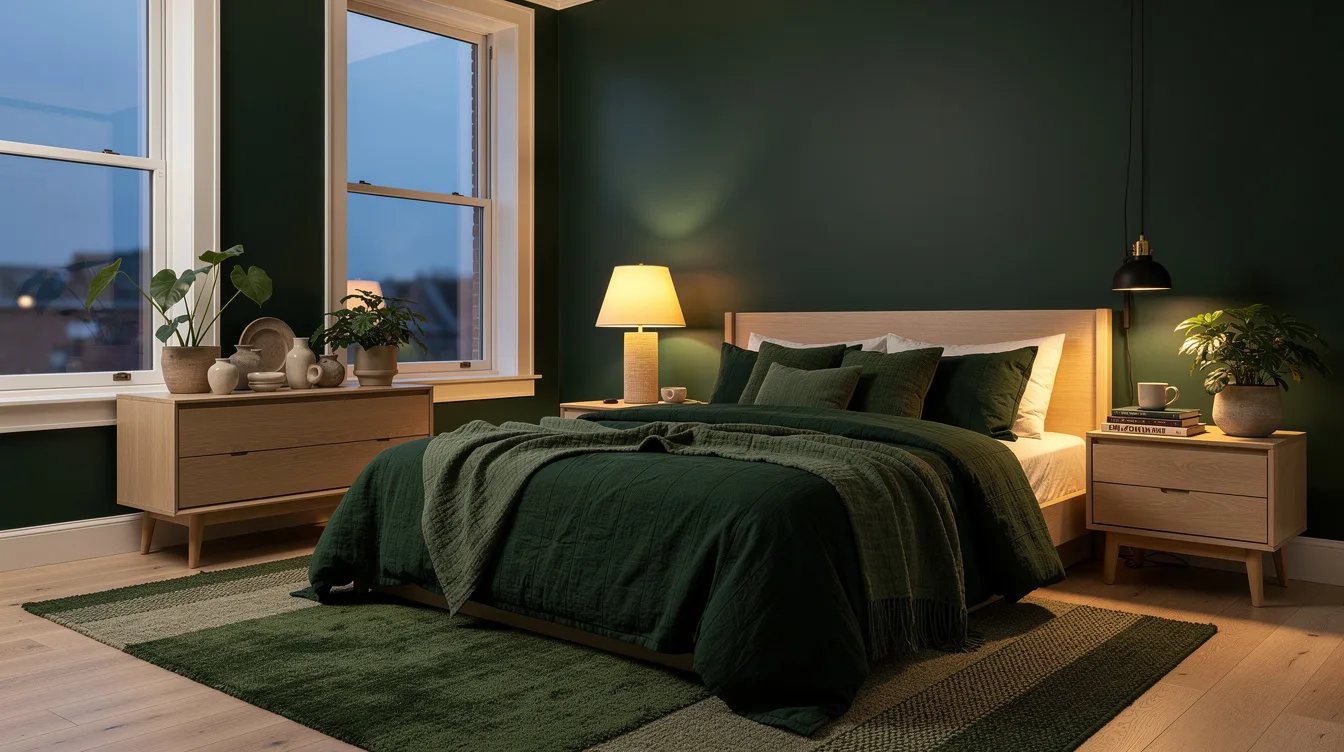
Add vertical beadboard, narrow slats, or fluted wall paneling behind the bed to create depth inside one color family. The grooves catch soft shadows throughout the day and make a pale wall feel layered even when the palette stays restrained.
Paint the paneling close to the wall color, then let the relief provide the contrast. A single paneled wall is enough, especially in a small bedroom where a full treatment could feel busy.
Start the Bed With Washed Linen
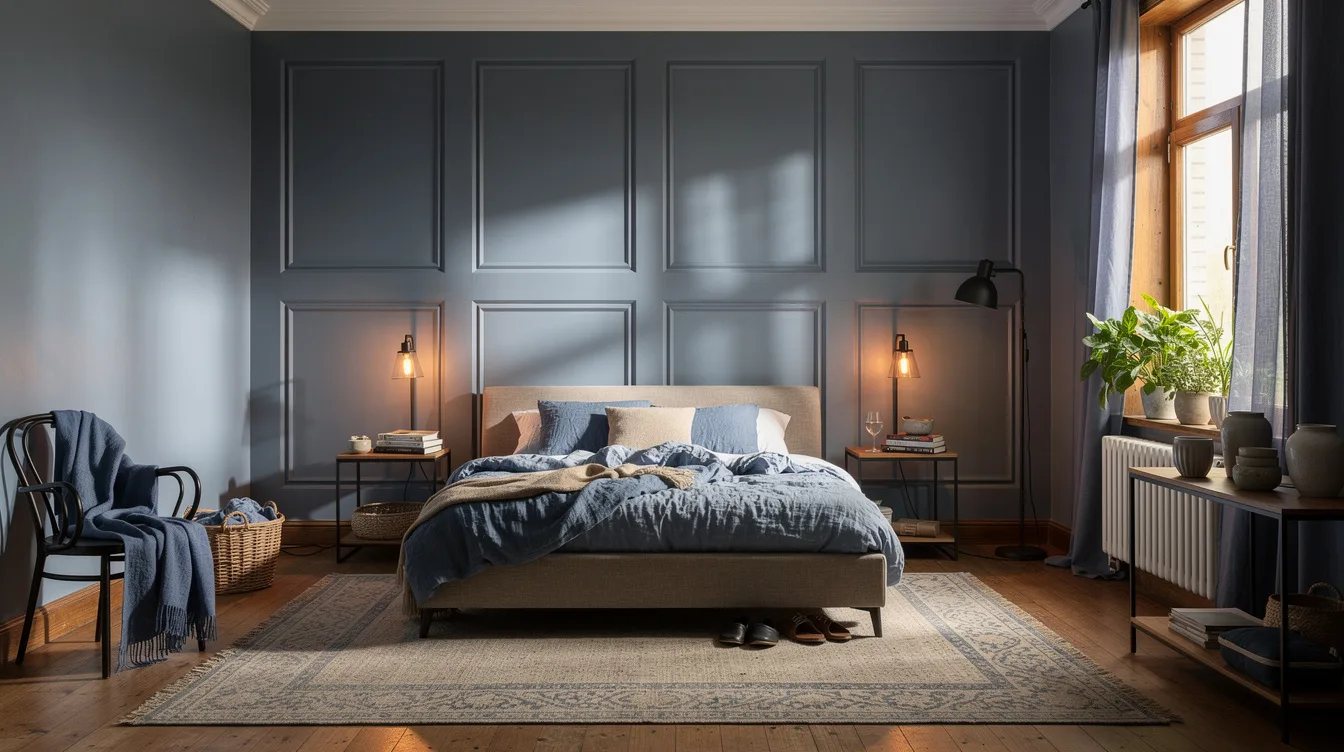
Use washed linen as the first tactile layer because its rumpled surface breaks up a broad field of color. Queen sheet sets from Target or IKEA often sit around $100 to $300, depending on the weave and set size.
Keep the sheets close to the wall shade, then allow their irregular texture to do the visual work. We prefer a softly relaxed bed over sharply matched bedding, which can make a monochrome room feel flat.
Shift the Duvet One Step Darker
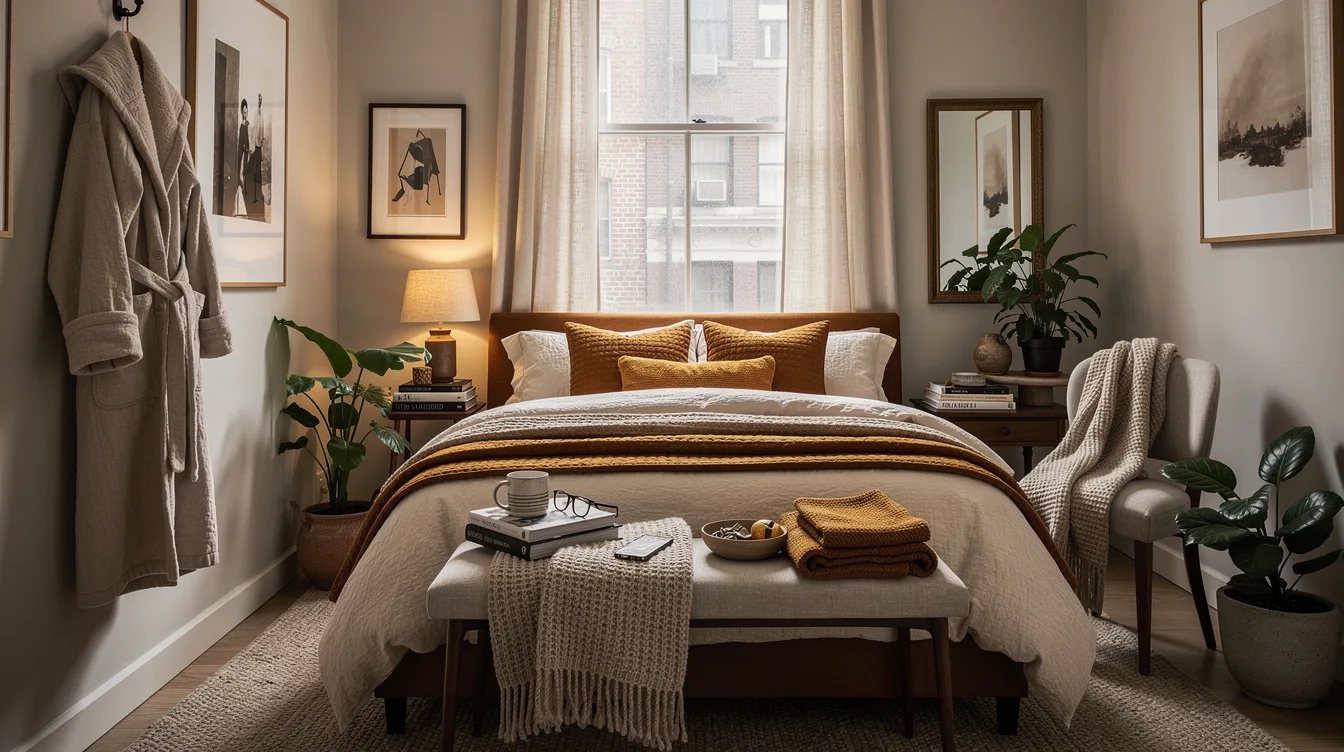
Choose a duvet cover that is only one shade deeper or lighter than the sheets. The IKEA ÄNGSLILJA duvet cover is a useful reference for a muted, natural-toned layer that can sit between pale bedding and a darker throw.
Fold the top edge back slightly so both fabrics remain visible. That narrow band of contrast gives the bed structure without breaking the single-color mood.
Mix Waffle With Boucle
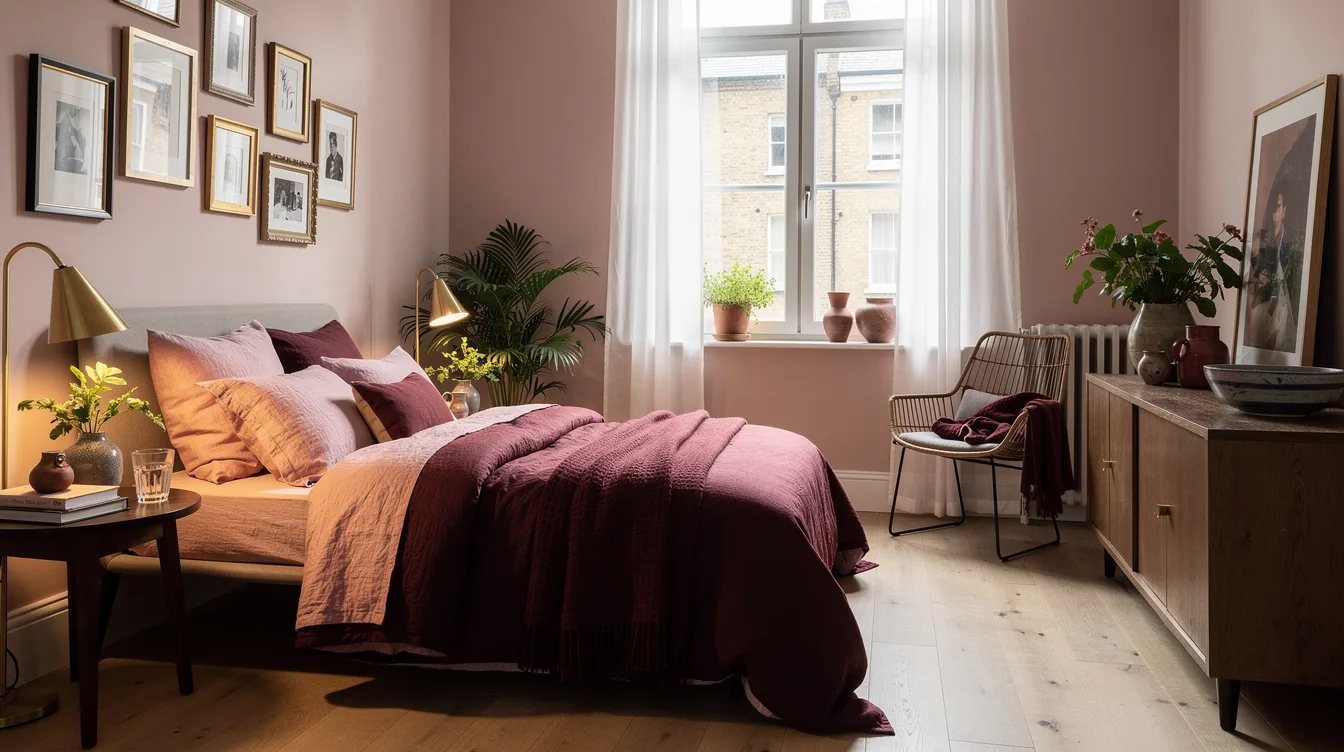
Combine different surface patterns inside the same shade: waffle weave, percale, cotton sateen, boucle, chunky knit, velvet, or faux fur. Four or five textures are enough to make one color feel dimensional.
A boucle accent pillow from Target or Wayfair usually costs about $20 to $50. Place it against smoother cotton rather than beside another nubby fabric, so each texture has room to read.
Fold a Ribbed Throw Across the Bed
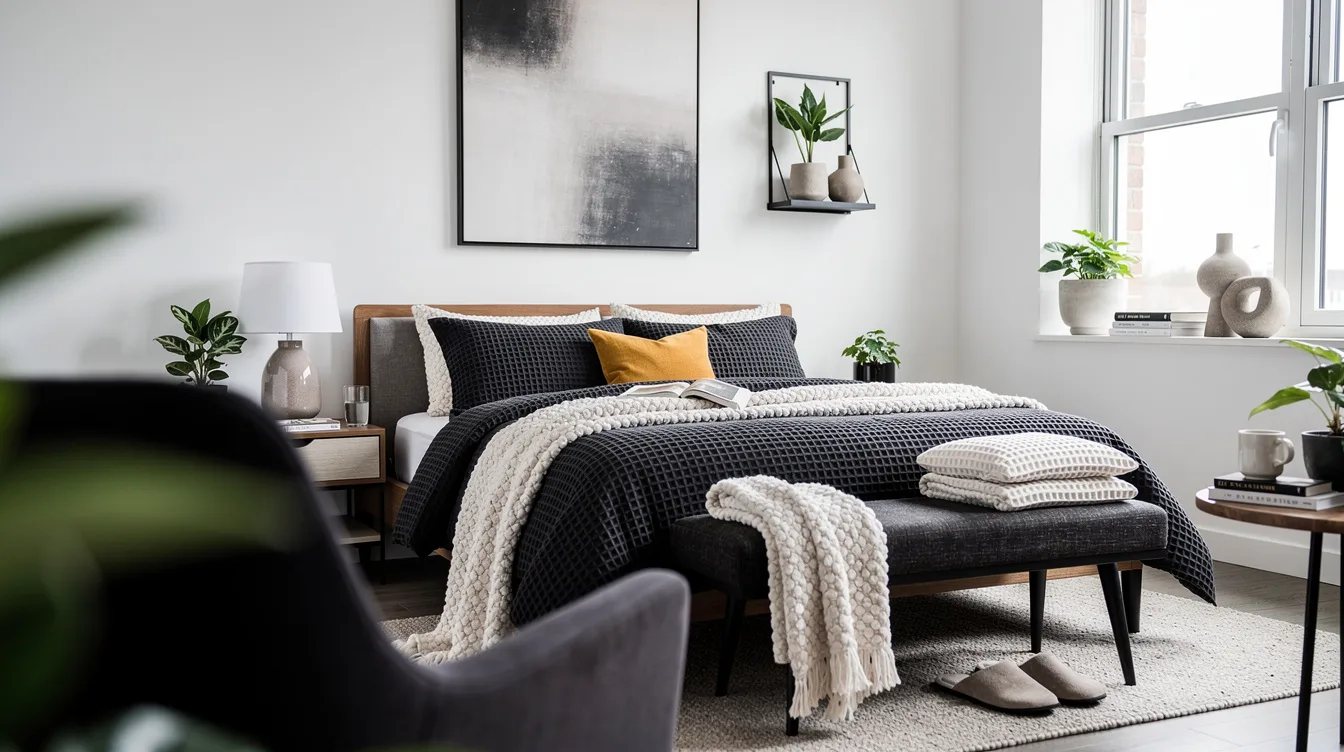
Place a ribbed cotton throw across the lower third of the mattress, with one corner falling naturally toward the floor. A throw measuring about 51 by 67 inches gives a queen bed visible coverage without hiding the duvet.
Linen or cotton throws commonly run about $40 to $120. Choose a subdued version of the room color, then keep the fold loose so the ribbing creates shadows instead of a stiff horizontal stripe.

Build Pillow Height With Inserts
Use three euro shams on a queen or king bed, then add standard pillows in front for a gradual drop in height. Inserts should be slightly larger than their covers so the linen pillow shams look full rather than collapsed.
Vary the pillow faces by finish instead of color: washed linen behind, smooth cotton in the middle, and boucle or velvet at the front. On a twin bed, one to three decorative pillows are enough to keep the arrangement useful.
Ground the Palette With a Flatweave
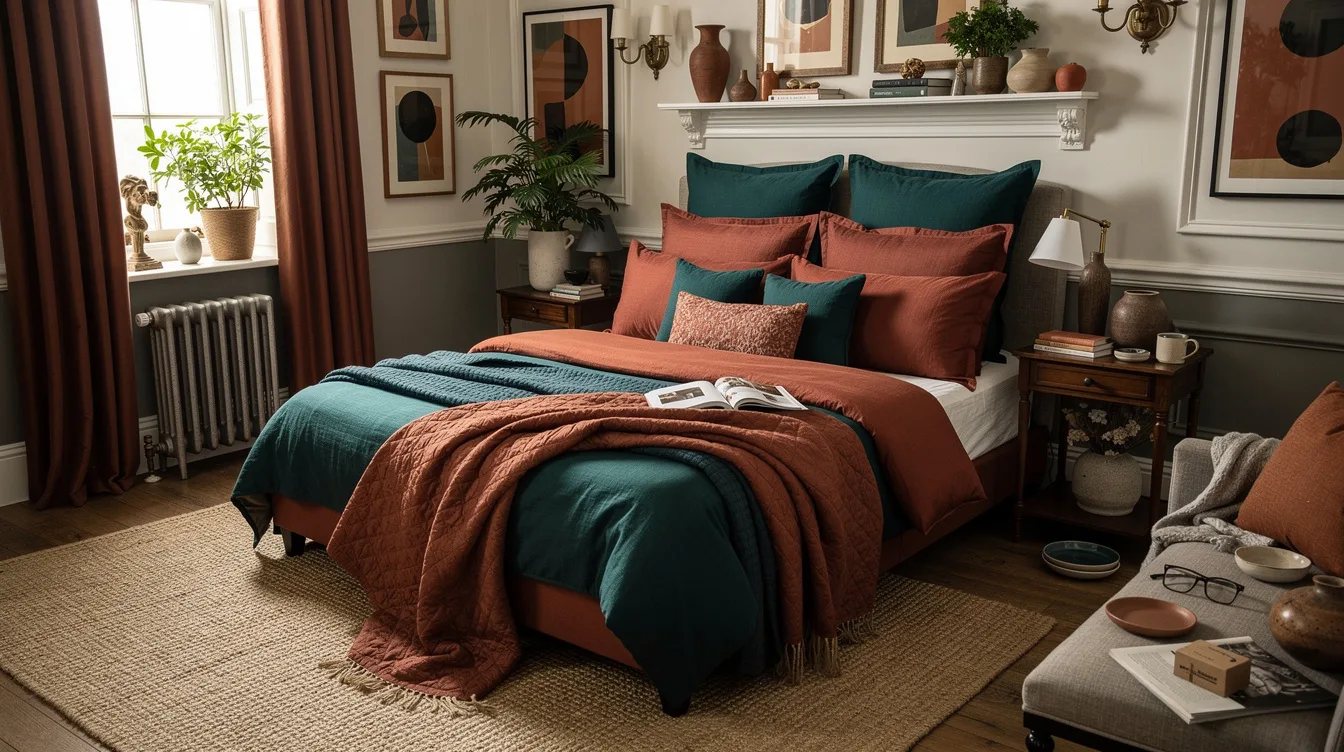
Anchor the room with an 8-by-10-foot flat-woven cotton rug in a shade close to the bedding. Its low pile adds a broad tactile layer beneath the bed without introducing a competing pattern.
Let a little of the floor remain visible around the edges so the rug reads as a deliberate frame. A subtle weave is better than a loud motif when the goal is one-color depth.
Repeat the Tone Through Wood
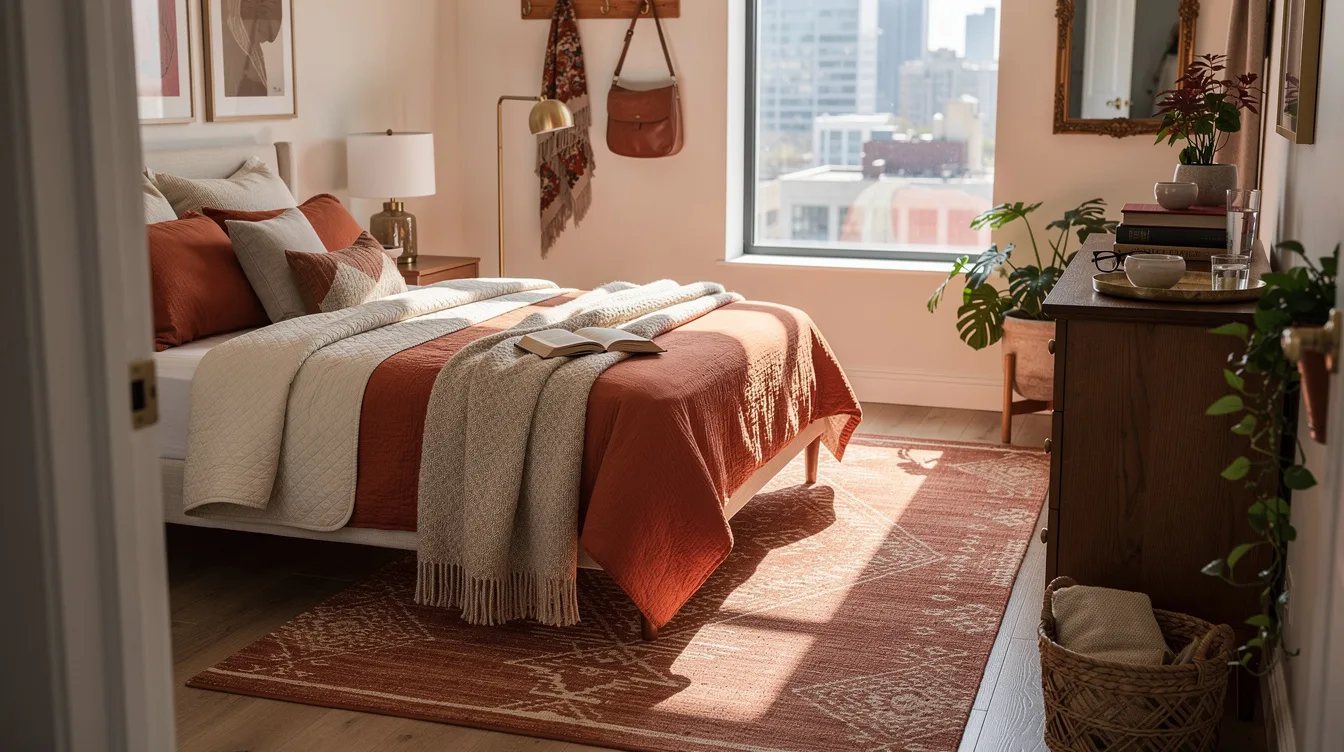
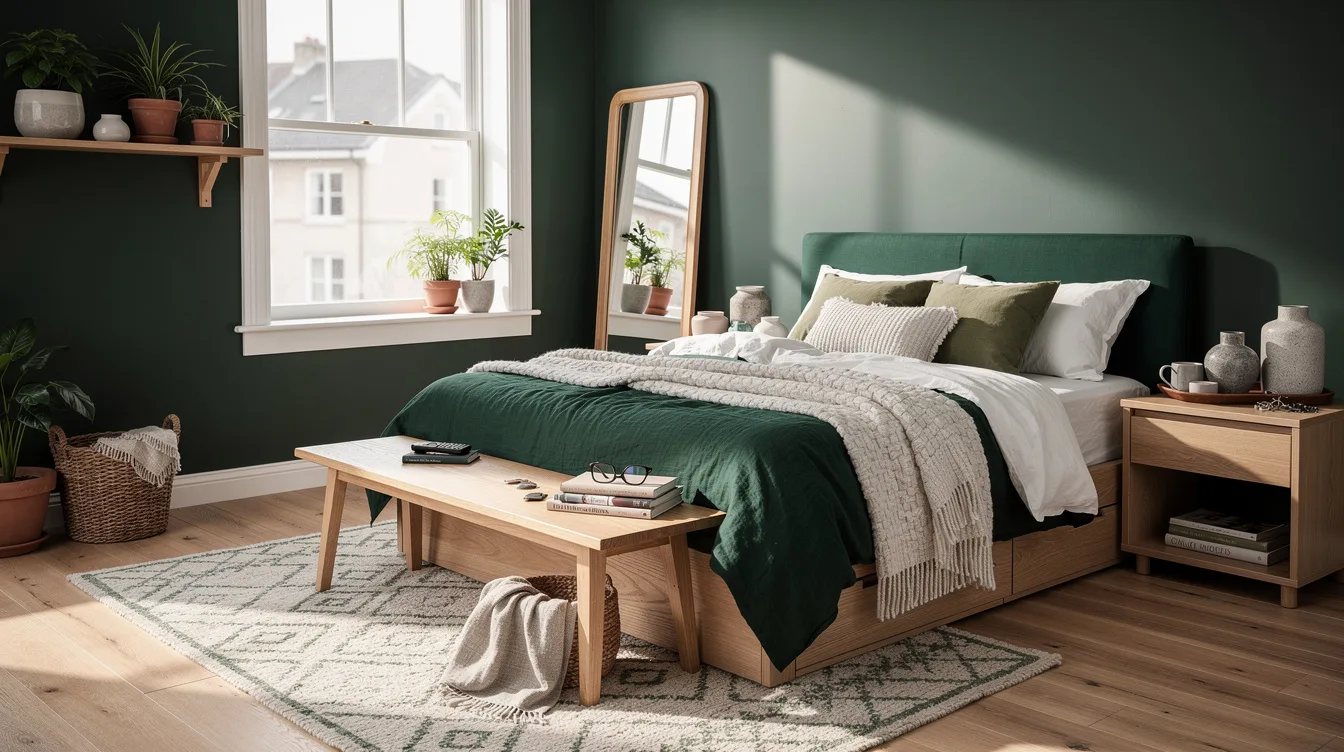
Use pale birch or oak to warm a white, oatmeal, or sand-colored palette without adding a second strong hue. The IKEA BJÖRKSNÄS nightstand has a light wood character that works beside linen bedding and softly painted walls.
Repeat the same wood on one more piece, such as a slim bench or picture frame, then stop. Two related wood surfaces provide continuity while leaving the fabrics in charge.
Layer Three Levels of Light
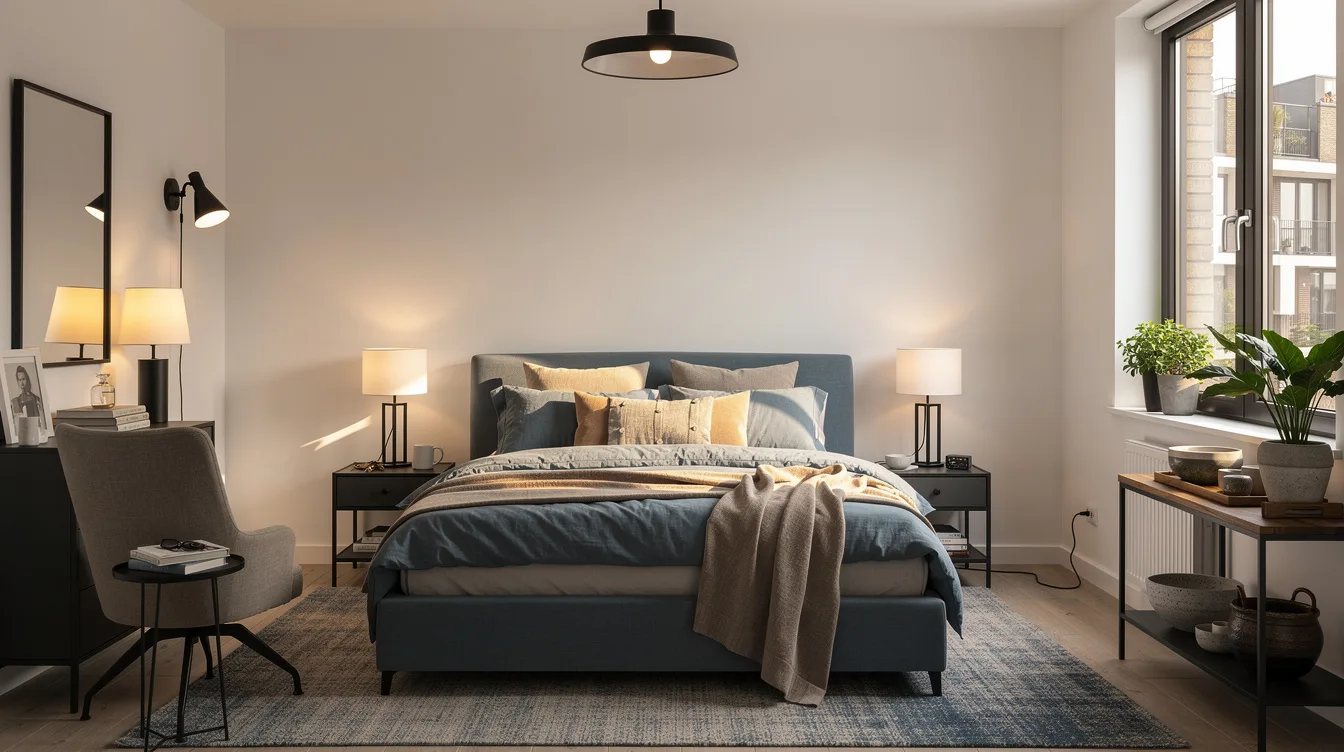
Give the room a dimmable ceiling fixture, a bedside reading lamp, and a softer ambient source such as a wall sconce, floor lamp, or LED strip behind the headboard. A linen-shaded bedside lamp keeps the lighting scheme connected to the bedding.
Use the reading light for function and the ambient light for evening depth. This is one of the most effective changes for the money because it makes matte paint, woven fabric, and paneling shift visibly after dark.
Keep reading
- 12 Bedroom Color Palettes That Make Low Light Feel Brighter
- No Windows? These 11 Lighting Layers Make Rooms Feel Less Flat
- Small Kitchen Feeling Flat? 12 Color-Blocking Ideas Add a Custom Look
Begin with the wall paint and the sheets, then add the duvet, throw, and lighting in that order. Stop when the room has visible depth from across the doorway, because another matching accessory will rarely improve the balance.