14 Amsterdam Canal House Tricks for Tall Narrow Rooms
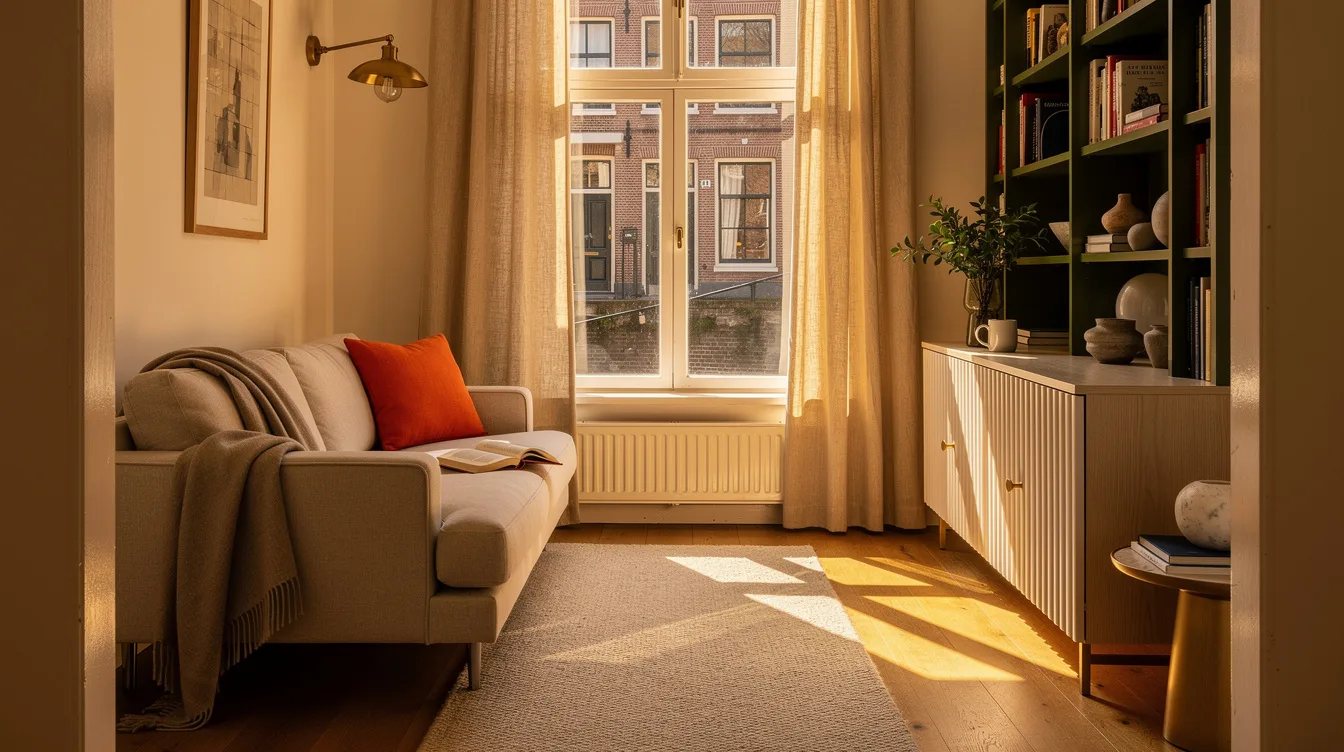
01 september 2026A tall canal-facing window can make a roughly 10-foot-wide living room feel grand, then expose every awkward inch once furniture arrives. The answer is a vertical, layered plan that keeps one long sightline open while letting the room stay warm and useful.
White oak, linen, aged brass, and a deeper accent color give these slender rooms their architectural ease without pretending their irregular walls are square.
What you will find inside
- Protect the Long Window View
- Float a Compact Sofa Along the Wall
- Hang Curtains From the Ceiling
- Build Storage Into the Perimeter
- Divide the Room Into Two Destinations
- Choose Leggy Furniture
- Use One Tall Bookcase as a Vertical Anchor
- Add a Pendant With a Long Drop
- Use Sliding Doors Where Swing Space Fails
- Repeat a Deep Color Once or Twice
- Keep the Rug Visually Quiet
- Turn Irregular Walls Into a Feature
- Stack Art Upward Instead of Spreading It Wide
- Finish With Small Lamps, Not More Furniture
Protect the Long Window View
Set the room up so the eye reaches the canal window or a pale rear wall immediately from the doorway. Keep a full-depth cabinet, sofa back, and oversized plant out of that central route, because visual blockage is what makes a narrow room feel like a hallway.
A low Wayfair console against a side wall is more useful than a towering media unit in the middle. Let circulation hug one edge, with roughly 28 inches as a tight minimum passage when the layout cannot offer more.
Float a Compact Sofa Along the Wall
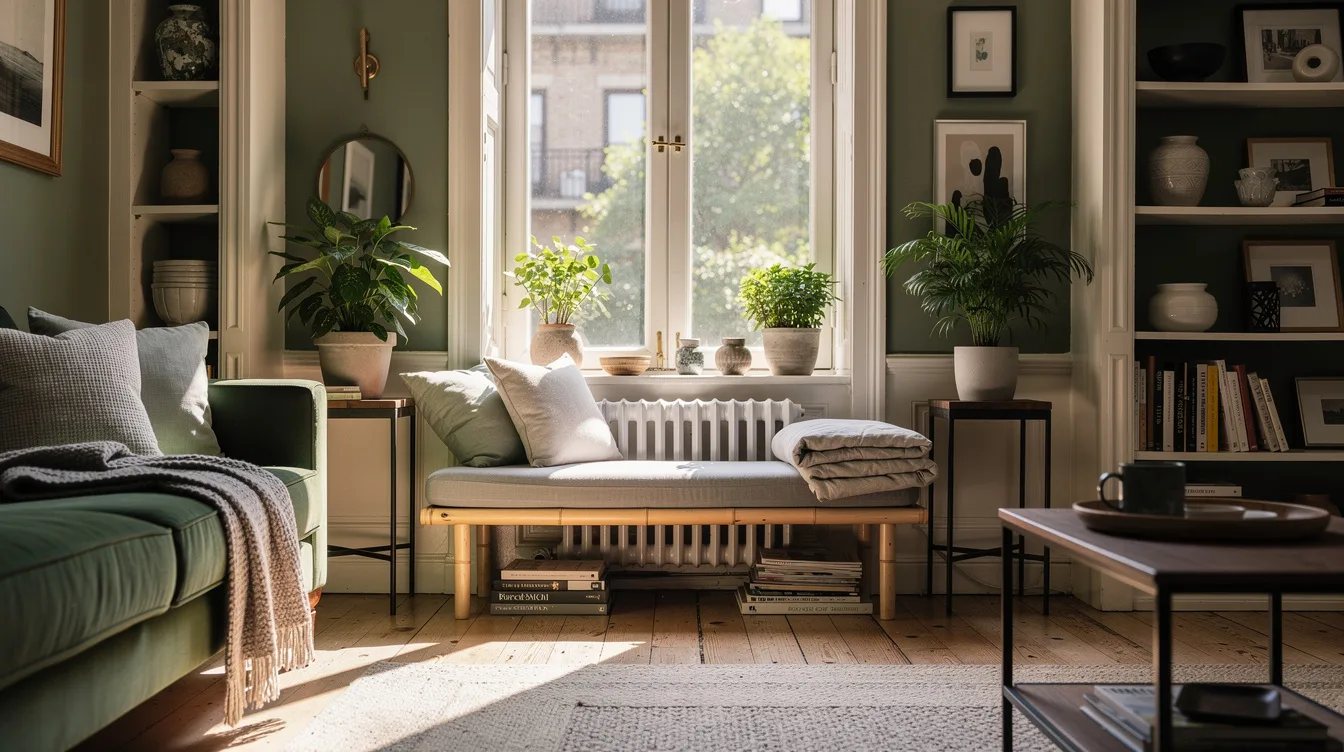
Choose a sofa with a modest depth, around 34 to 39 inches is typical, and run it parallel to the long wall. This creates a continuous lane instead of splitting the room into two cramped strips.
A tailored IKEA sofa in oatmeal fabric keeps the mass quiet and the room’s height visible. Skip a giant sectional, even when it seems like the easiest way to fill empty floor.
Hang Curtains From the Ceiling
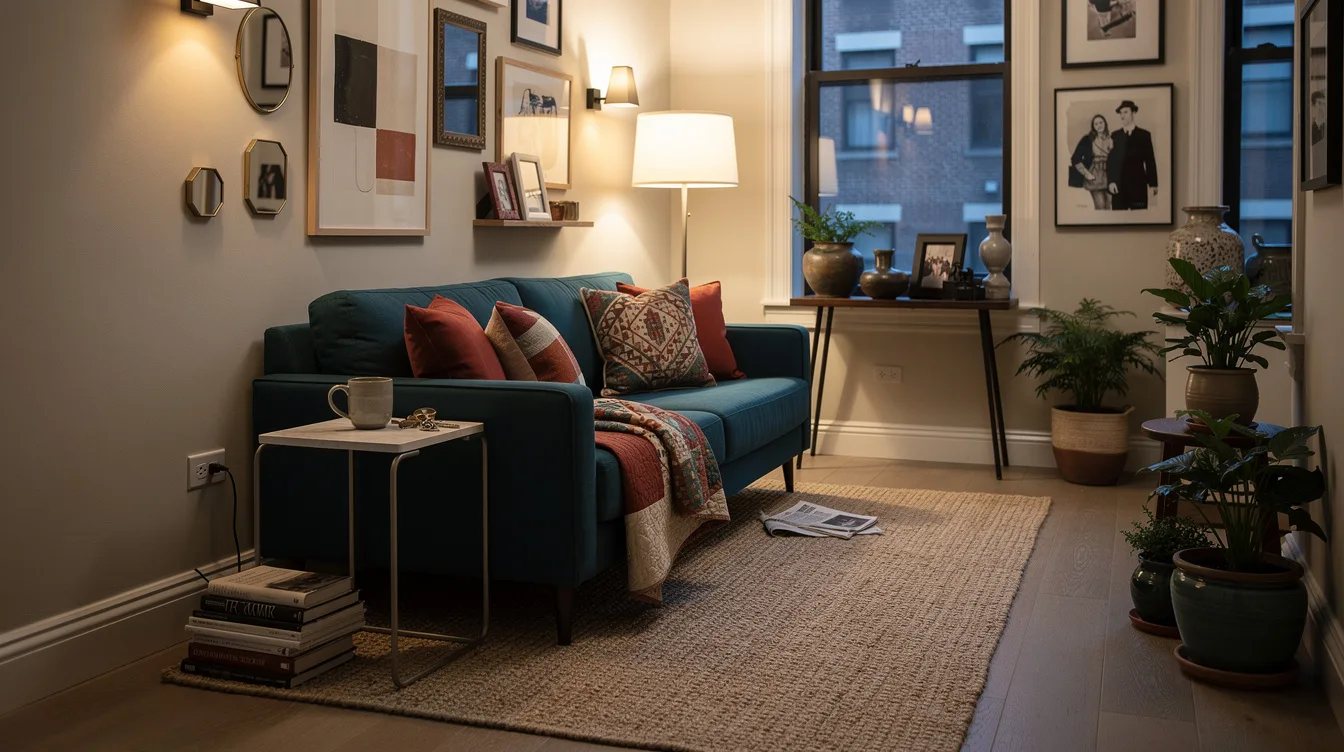
Mount the track wall to wall at the ceiling, then use panels that reach the floor. The uninterrupted drop makes tall windows feel intentional and gives a slightly crooked opening a calmer outline.
Full-height linen sheers soften canal light without sealing the room off. A fitted treatment for a large window often costs about $500 to $1,500 in the U.S., depending on fabric and installation.
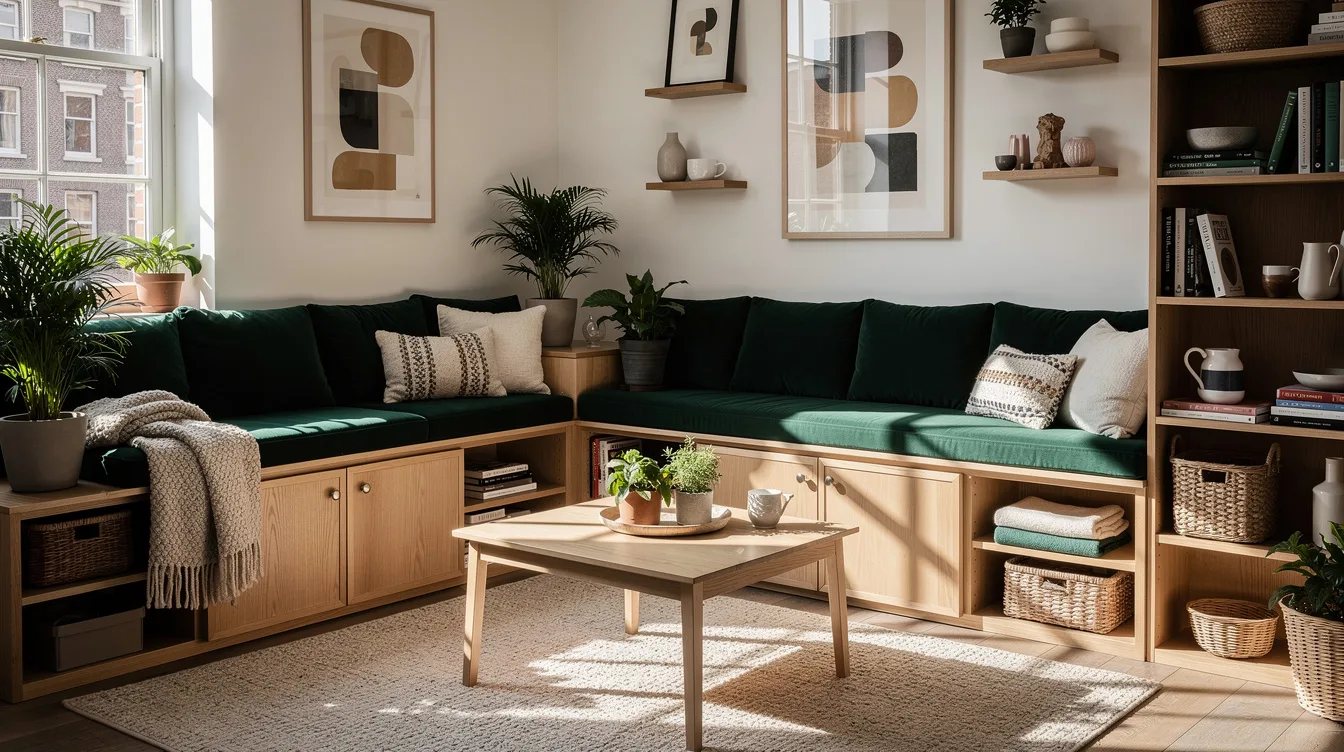
Build Storage Into the Perimeter
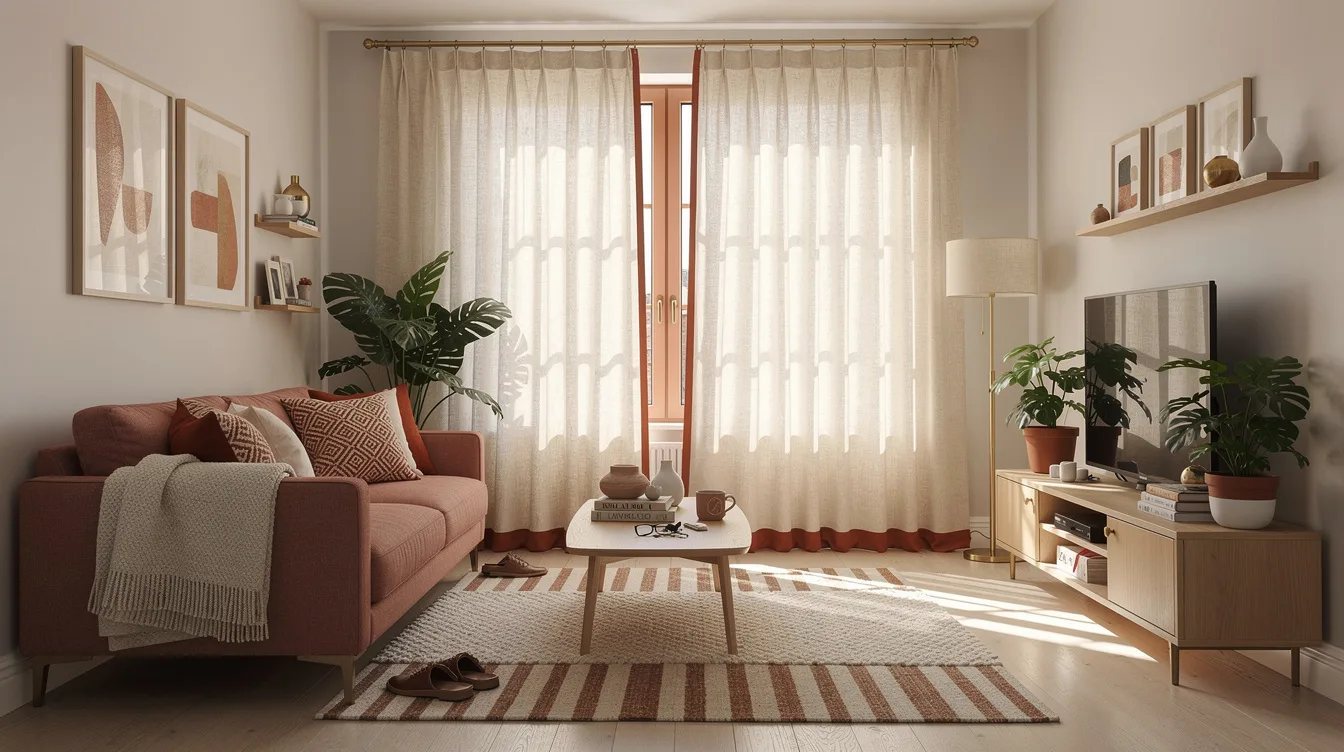
Put storage where the room already has visual weight: along a side wall, beside a chimney breast, or high above a doorway. Shallow built-ins are far better than a deep freestanding bookcase that steals the axis.
Use oak veneer fronts with a deliberate shadow gap where old walls wander. That small reveal looks honest, while tightly forced cabinetry makes historic asymmetry look like a mistake.
Divide the Room Into Two Destinations
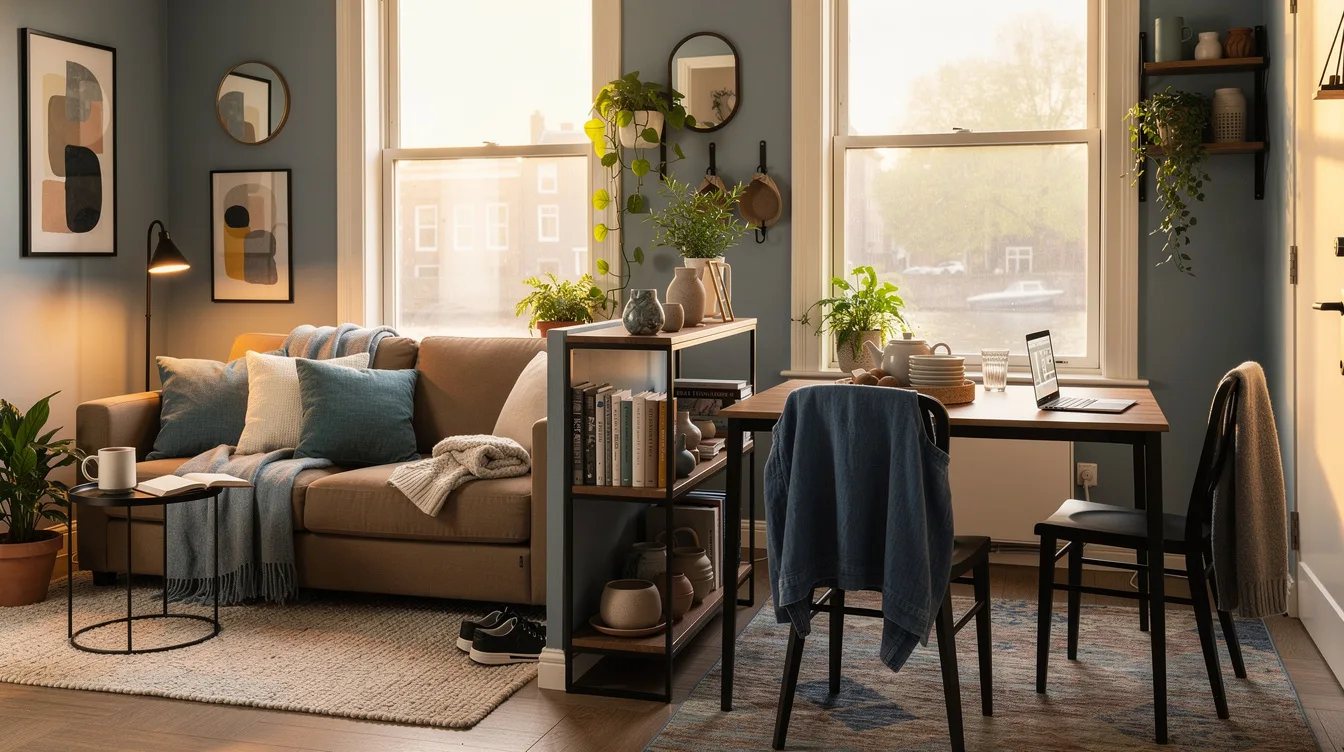
Give the window end one purpose, usually reading or lounging, and place dining or work nearer the rear. Two strong destinations make a long room feel organized; lots of tiny stations make it feel crowded.
A long wool runner can signal the shift without adding a physical barrier. Keep both zones facing into the long dimension so the room still reads as one connected space.
Choose Leggy Furniture
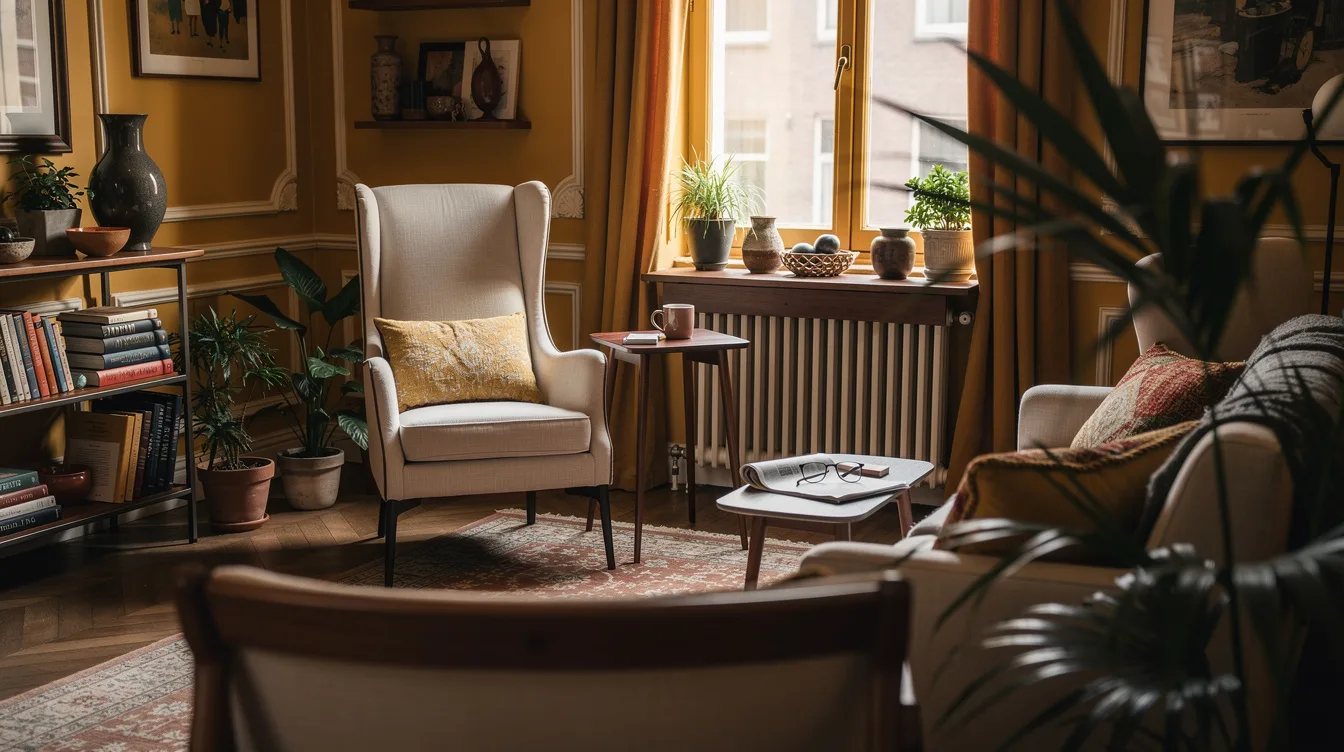
Visible floor is valuable in a narrow room, so favor chairs, consoles, and sideboards that sit on legs. Light can travel underneath them, and the floor plane looks wider than it really is.
A slim Target accent chair with exposed wood legs works harder here than a bulky swivel chair. Avoid skirted seating unless the room has generous width to spare.
Use One Tall Bookcase as a Vertical Anchor
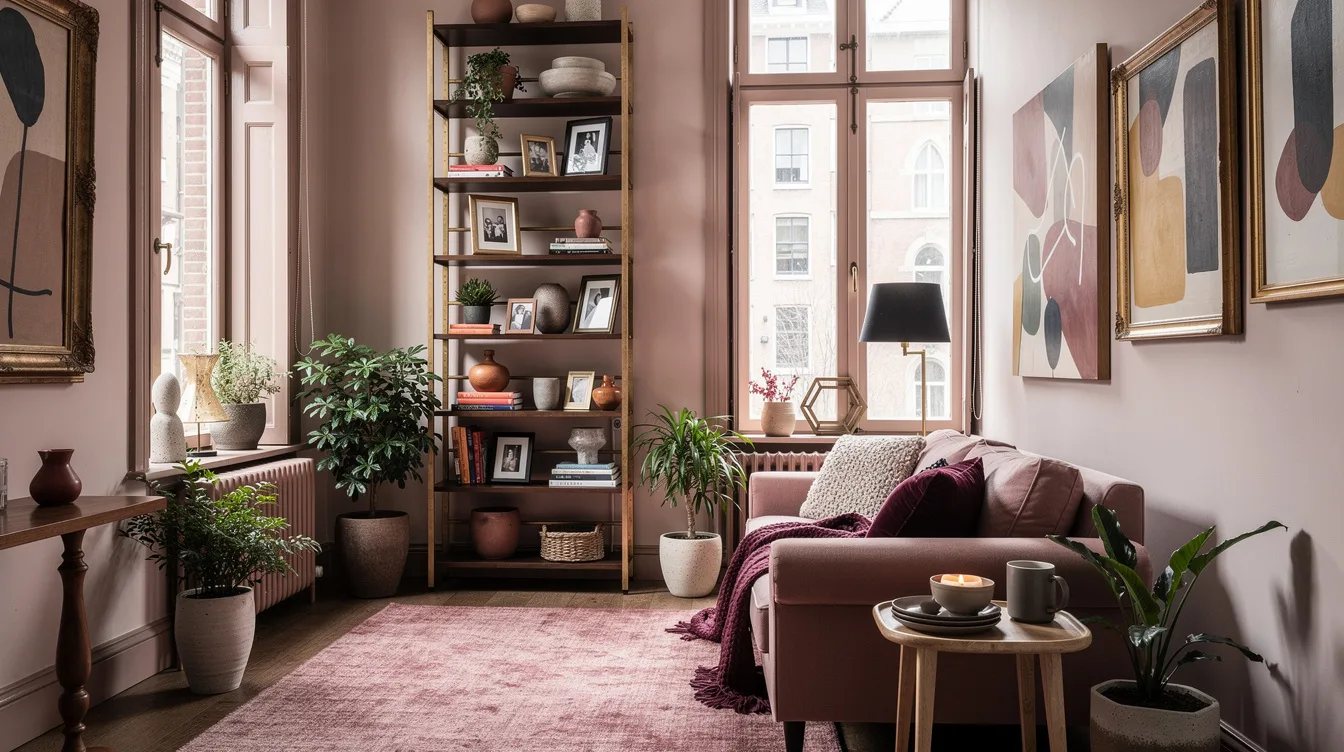
A single tall bookcase gives the ceiling height a reason to exist, especially on the wall farthest from the main window. Fill it selectively, with books, a few ceramics, and breathing room between stacks.
A dark Amazon ladder shelf can work in a rental if it is anchored safely and kept visually spare. Several short bookcases lined up below a tall wall make the room look lower and longer.
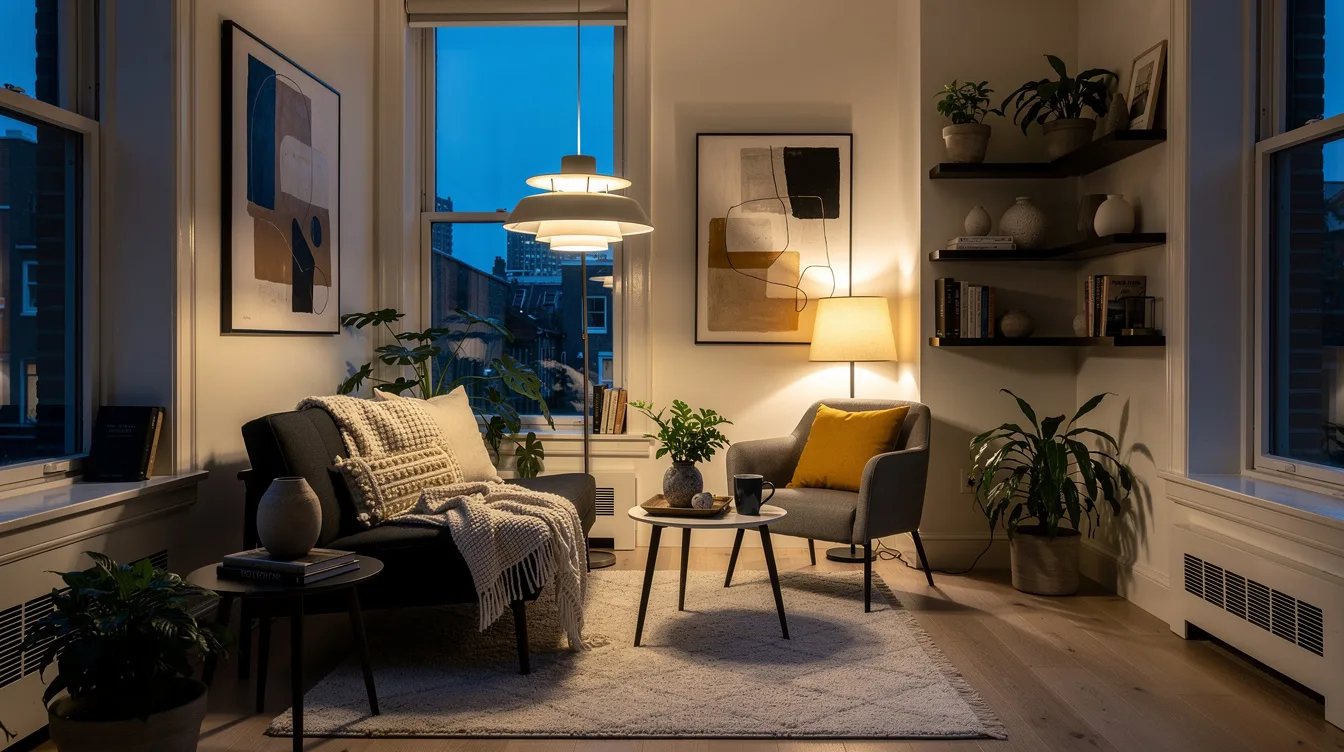
Add a Pendant With a Long Drop
Bring the ceiling into the composition with one pendant centered over the dining table or seating zone. Its drop interrupts the empty vertical stretch and makes the room feel proportioned rather than cavernous.
A roughly 18-inch rattan pendant suits a compact table without taking over the view. Keep the fixture narrow enough that it does not become another obstacle in a slim circulation path.
Use Sliding Doors Where Swing Space Fails
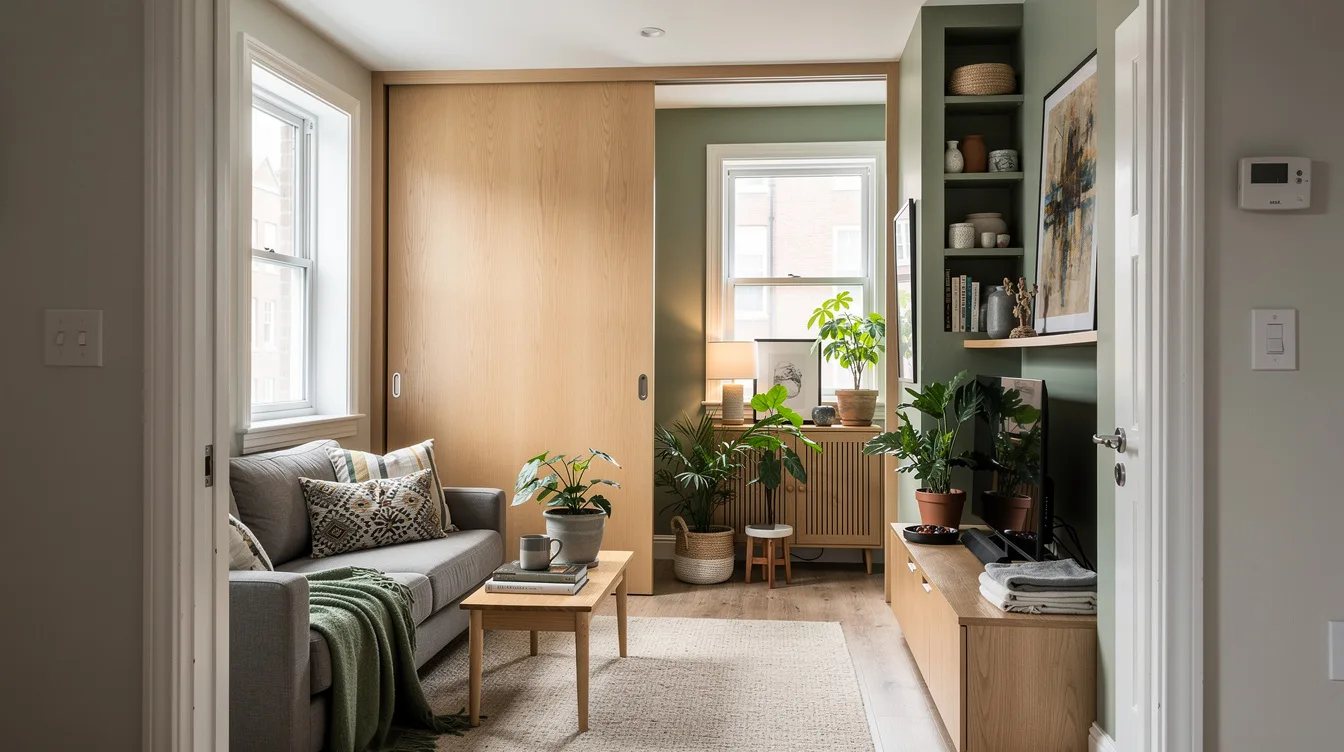
A pocket door or surface-mounted sliding door can return a surprising amount of usable floor near a bathroom, closet, or small study. Reeded glass is especially effective because it keeps daylight moving while hiding visual clutter.
A black-framed Home Depot sliding door gives the transition definition without creating a solid wall. Internal sliding-door projects often run roughly $800 to $2,500 installed, with structural work adding more.
Repeat a Deep Color Once or Twice
Use a deeper color on one destination wall, a bookcase back, or lower cabinetry, then repeat it in a small textile or lamp shade. This gives the long room rhythm without chopping every wall into a separate statement.
Deep olive paint looks especially convincing with old timber, brass, and warm plaster. Keep adjacent walls light, because a fully dark narrow room can lose the daylight that makes canal houses special.
Keep the Rug Visually Quiet
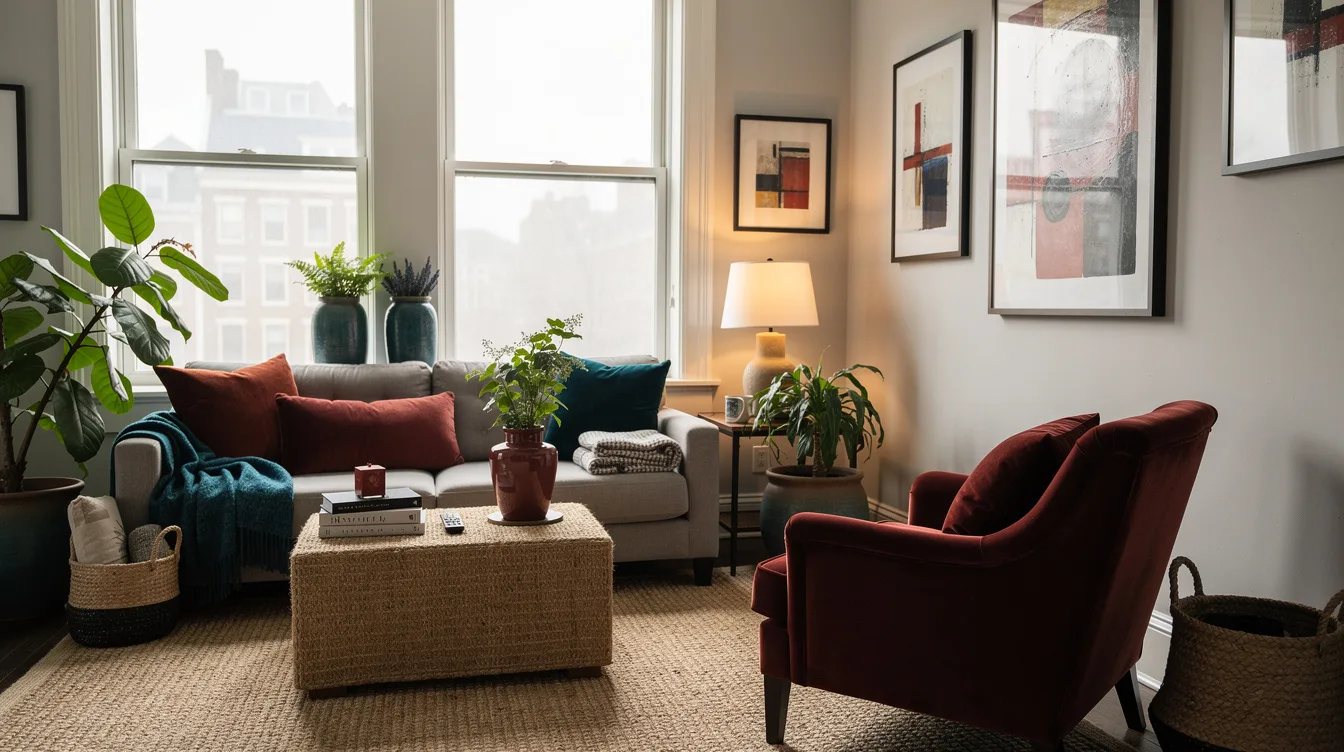
Choose a low-pile rug with a restrained pattern, leaving a clear border of floor around it where possible. The rug should gather furniture into a zone, not become a loud rectangle that emphasizes the room’s skinny proportions.
A flatwoven Costco rug in sand or muted rust is a practical starting point. Skip thick shag, which makes chair legs sink and adds needless visual weight at floor level.
Turn Irregular Walls Into a Feature
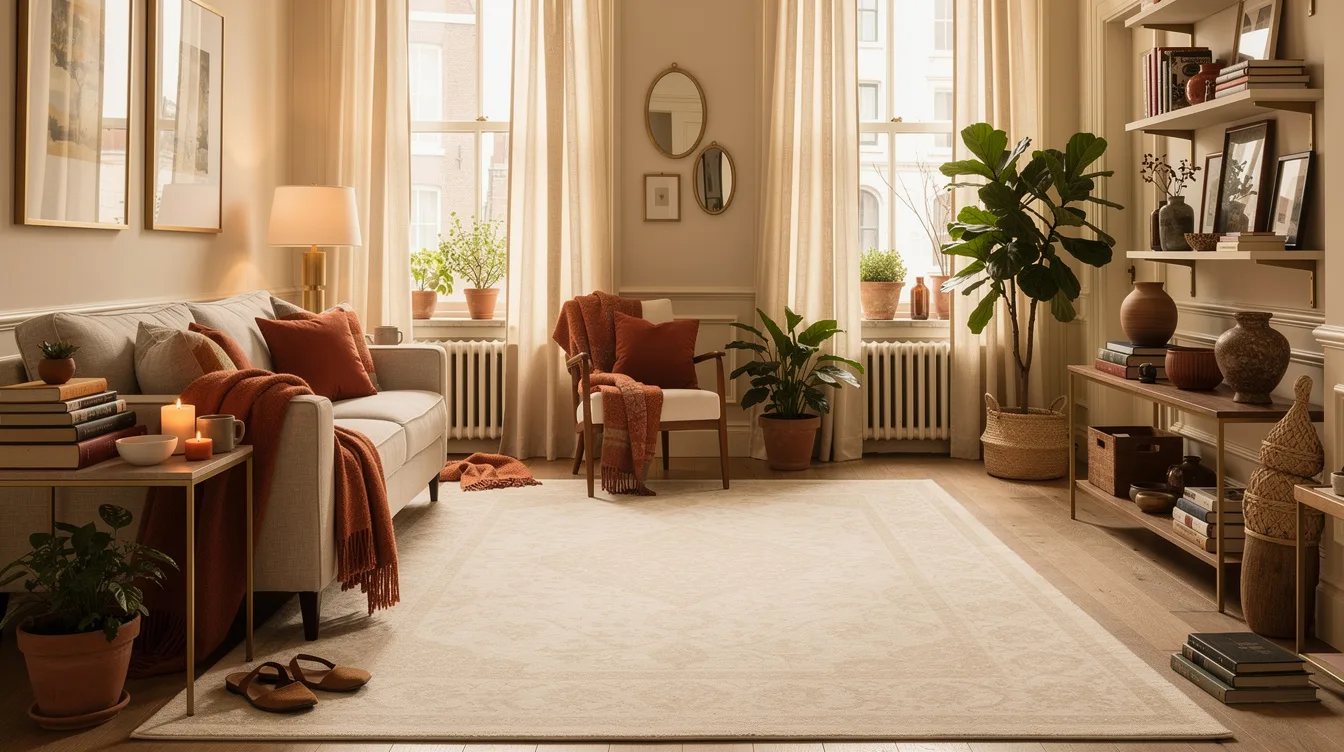
Let a crooked reveal, off-center fireplace, exposed beam, or worn floorboard remain part of the story. Canal houses have earned their odd angles, and trying to erase every one usually produces a stiff renovation.
Frame an uneven opening with limewash rather than a fussy painted stripe. Its soft variation is forgiving beside old plaster and makes the architecture feel settled instead of overly corrected.
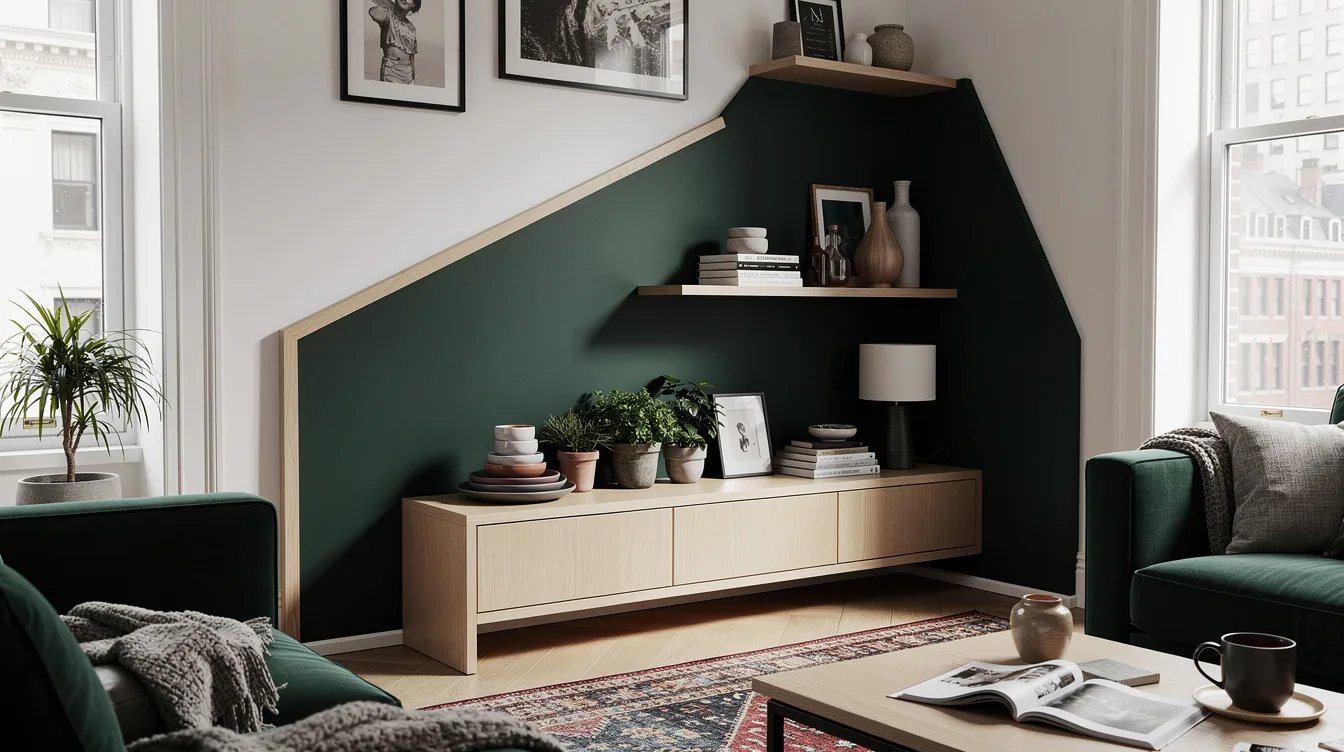
Stack Art Upward Instead of Spreading It Wide
Use a vertical gallery stack on the narrow wall, with the lowest piece aligned to furniture rather than floating at random. The upward movement gives the eye a destination and uses wall height without adding furniture.
Warm brass frames keep the arrangement from feeling too graphic against pale walls. Limit the stack to a coherent column, because a broad salon hang can make a slender room feel busier.
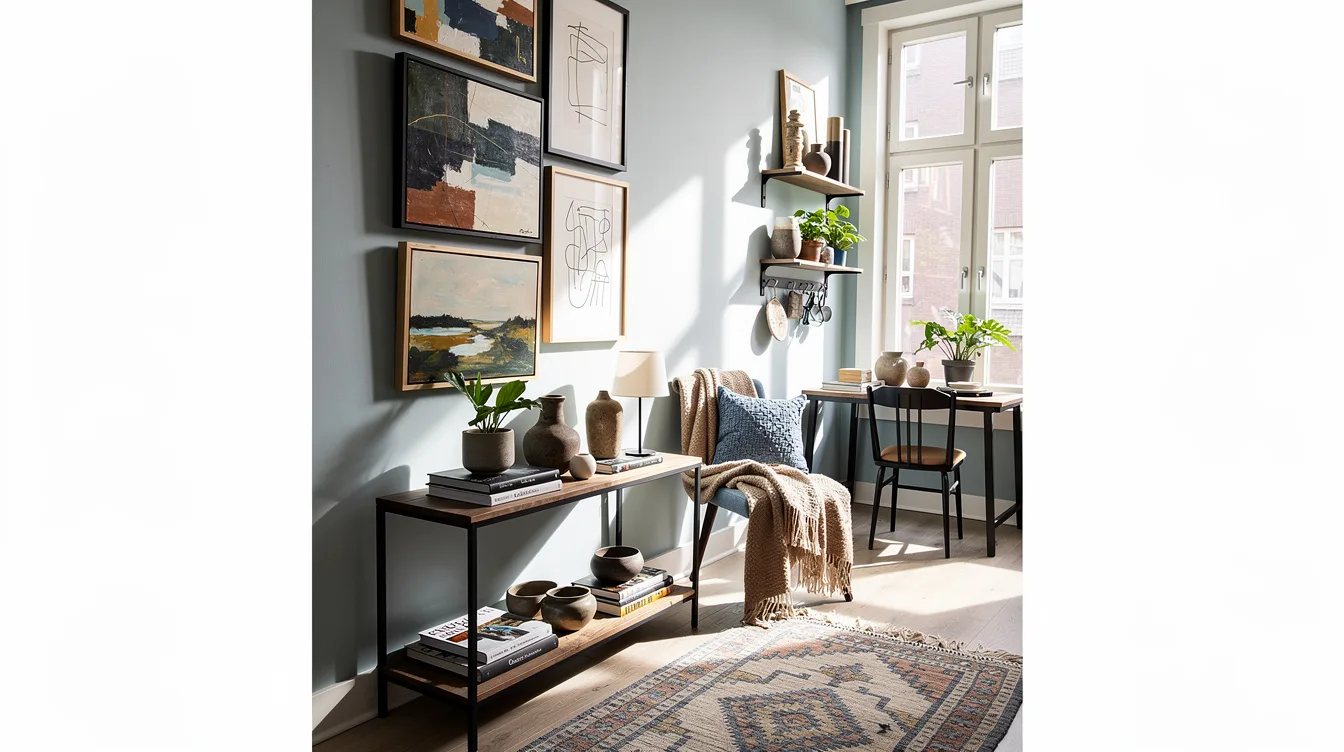
Finish With Small Lamps, Not More Furniture
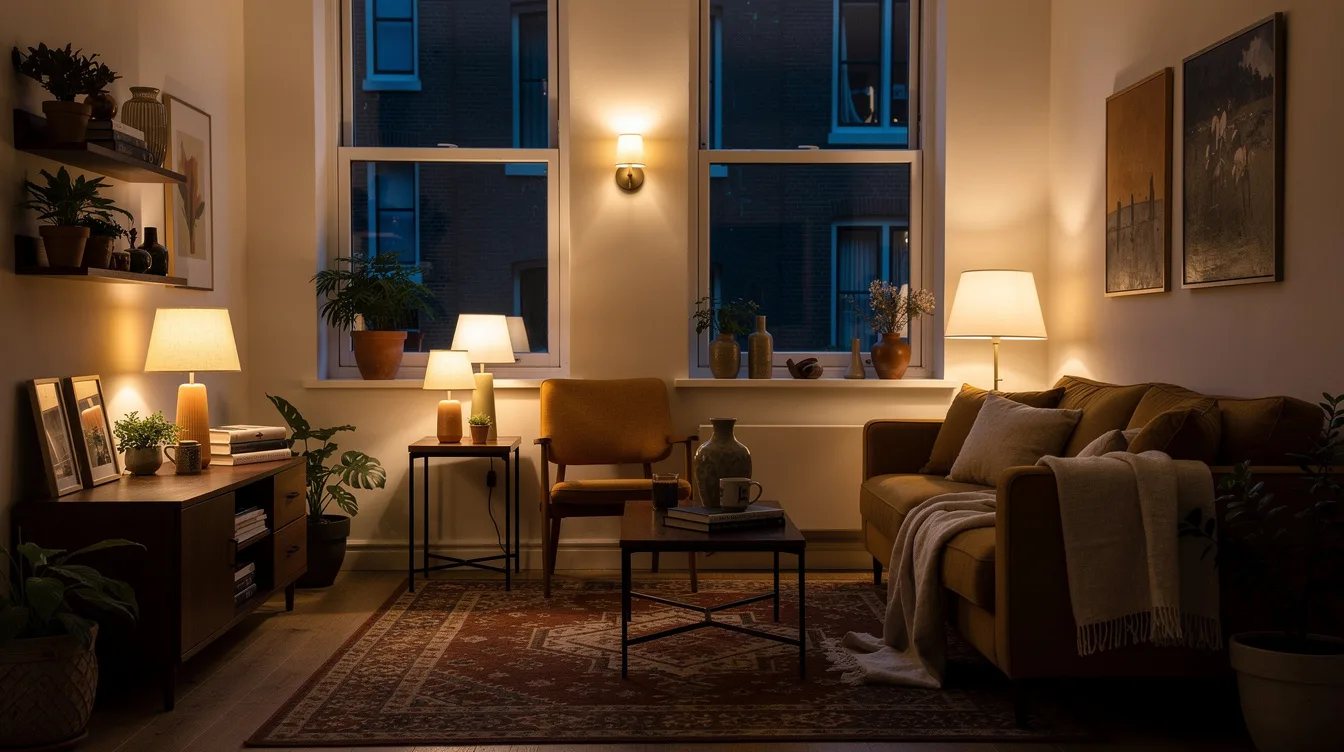
Layer a table lamp, picture light, or narrow floor lamp instead of adding another storage piece to solve every empty corner. Pools of light make the room feel inhabited after dark and underline its separate zones.
A roughly $39 IKEA SINNERLIG lantern can add texture near a window, while a brass picture light gives art a clear role. Start by clearing the central sightline, then add light only where the room needs a destination.
Keep reading
- 12 Curtain Tricks That Make Small Rooms Look Instantly Taller
- 12 Designer-Approved Curtain Tricks That Make Small Rooms Feel Taller
- The IKEA Shelf Layout Designers Use to Make Narrow Rooms Look Wider
Begin at the doorway and remove the first object that interrupts the view to the window. That one edit gives every later choice, from curtains to storage, a clearer job.