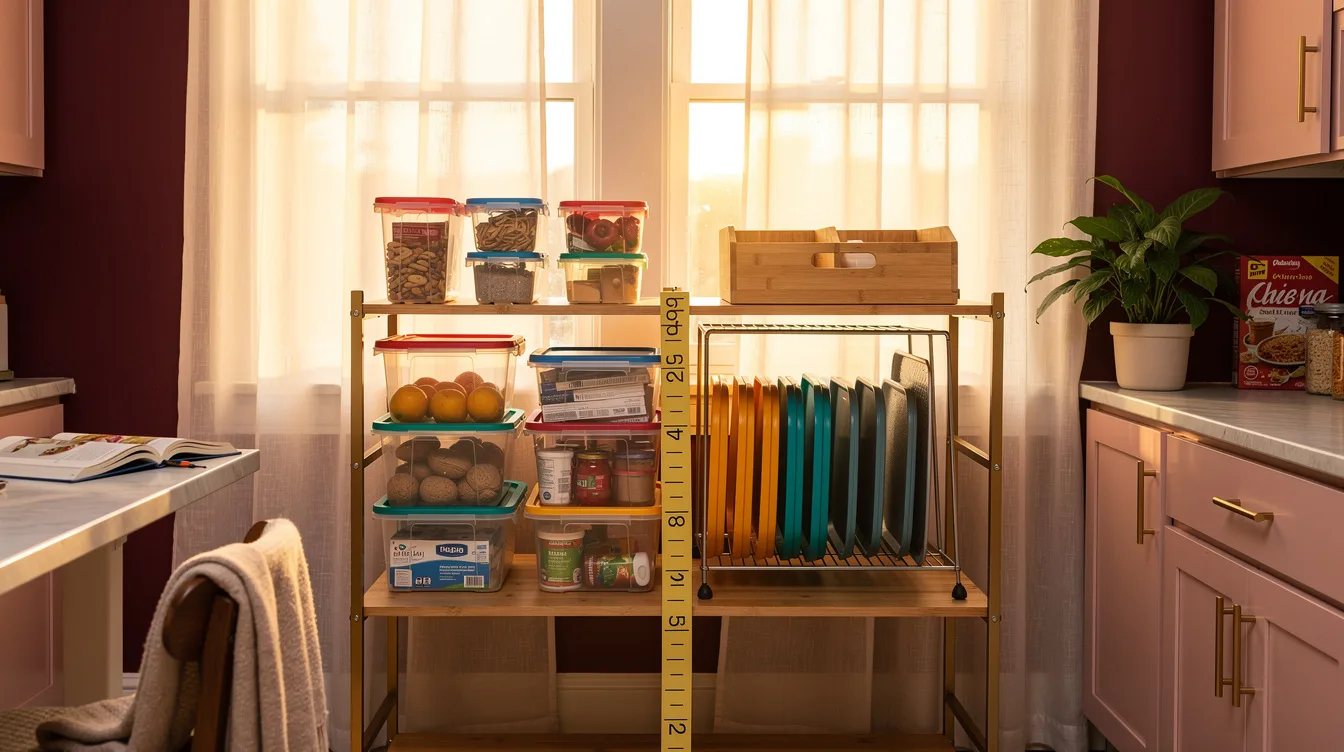
12 Sam's Club Kitchen Storage Finds That Beat Target on Value
14 october 2026We expected the warehouse-club option to win on pack size, but the first comparison exposed a catch: a container can be about 12 inches deep and still waste half its shelf when its shape fights the cabinet.
Target often makes the easier single-item purchase, while a larger bundle can lower the cost per usable section once the measurements, annual membership, and duplicate pieces are counted.
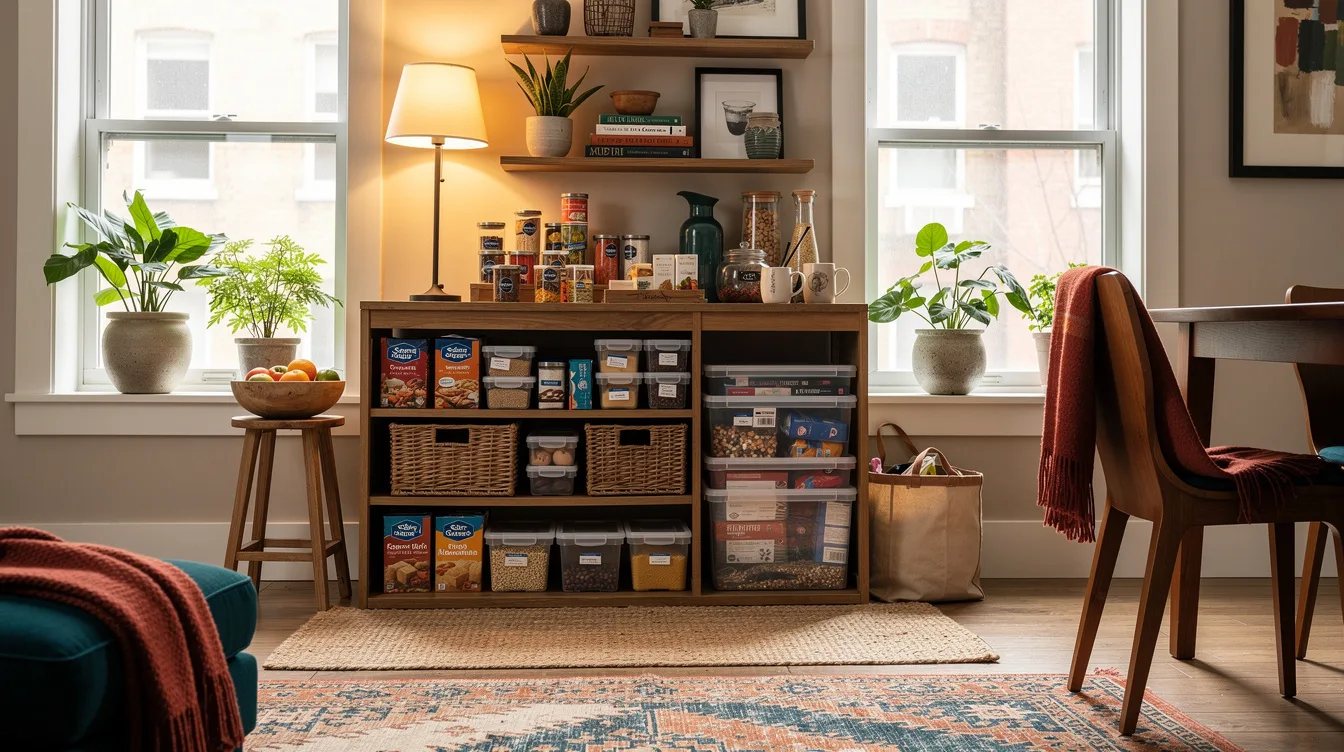
Our test became less about chasing the lowest shelf price and more about building a kitchen storage system that keeps bulk purchases visible, reachable, and worth the space they occupy.
What you will find inside
- Measure the Cabinet Before Shopping
- Compare Usable Space per Dollar
- Group Matching Bins by Task
- Reserve Deep Bins for Backstock
- Use Turntables for Bottles
- Choose Drawers for Small Packets
- Stack Cans with a Front Stop
- Store Lids in a Vertical File
- Give Sheet Pans Their Own Slot
- Match Bulk Purchases to Consumption
- Label the Shelf, Not Every Item
- Leave Room for the Next Trip
Measure the Cabinet Before Shopping
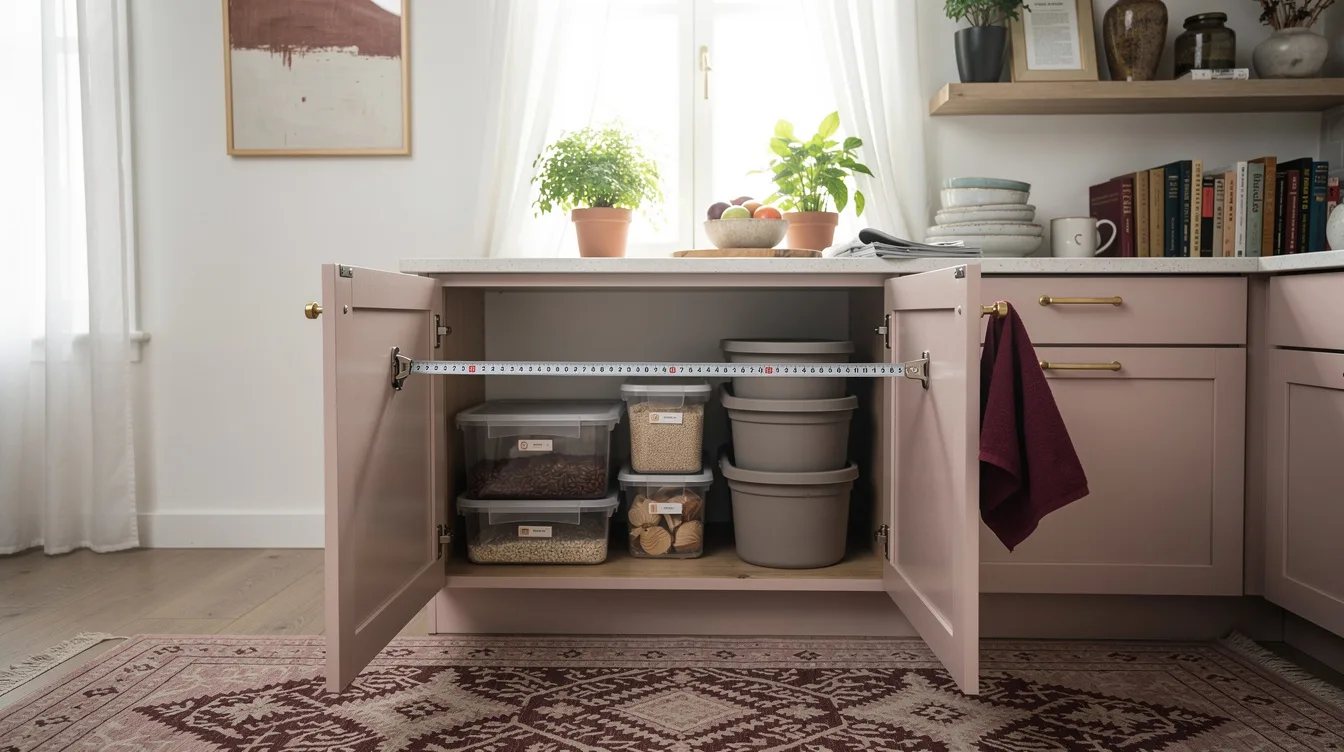
The best warehouse-club storage purchase starts with a tape measure, not a membership card. We measured the cabinet opening, door swing, shelf depth, and the clearance around a typical 12-inch-deep plastic bin before comparing it with Target's shelf organizers.
That small step changed the math because a cheap container that wastes 4 inches of depth costs usable space every day. A cabinet that fits two wide bins can often hold more than one crowded row of narrow containers, even when the narrow option has a lower shelf price.
Compare Usable Space per Dollar
Sticker price tells only part of the storage story. We divide the total purchase cost by usable cubic space, then check how much of the container remains reachable after it slides onto the shelf.
A clear polypropylene bin from Walmart may cost less than a larger warehouse-club pack, but the larger pack can win when every bin fits a full category. Ignore the outside dimensions when thick walls steal space from flour bags, snack boxes, or pans.
Group Matching Bins by Task
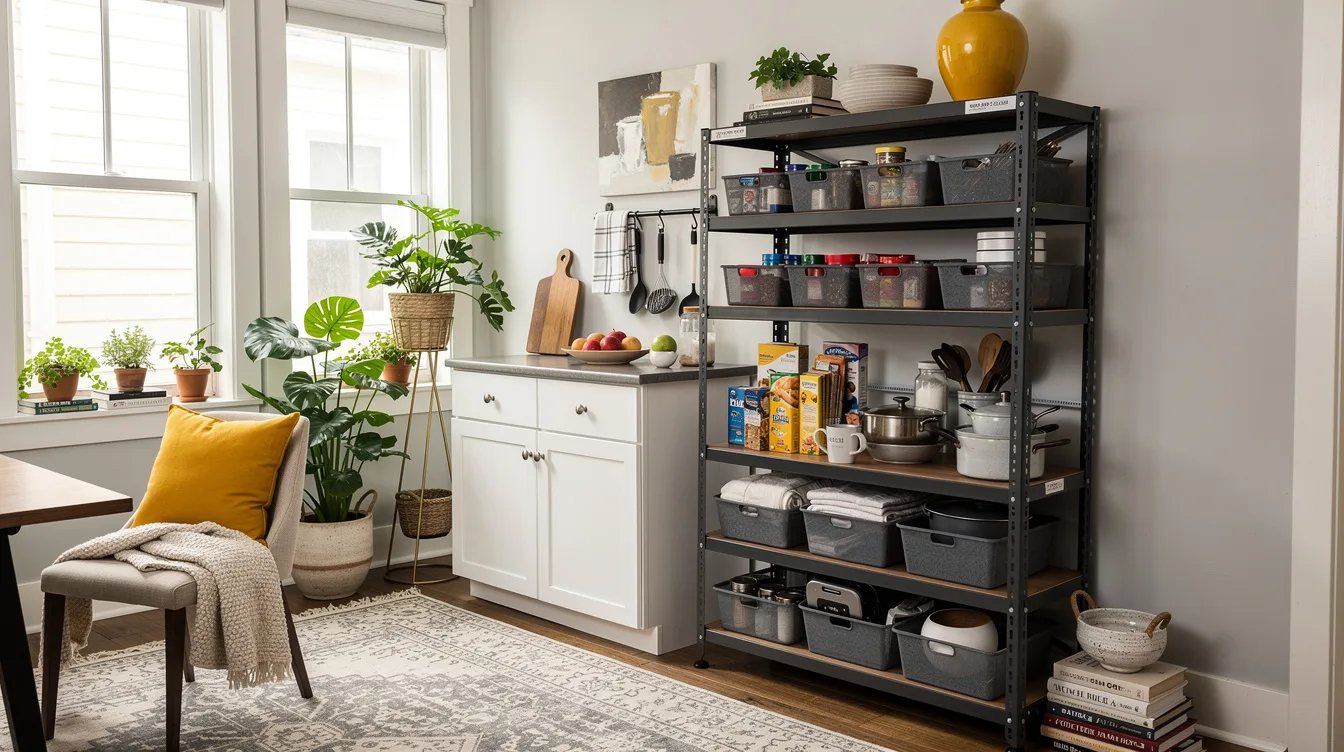
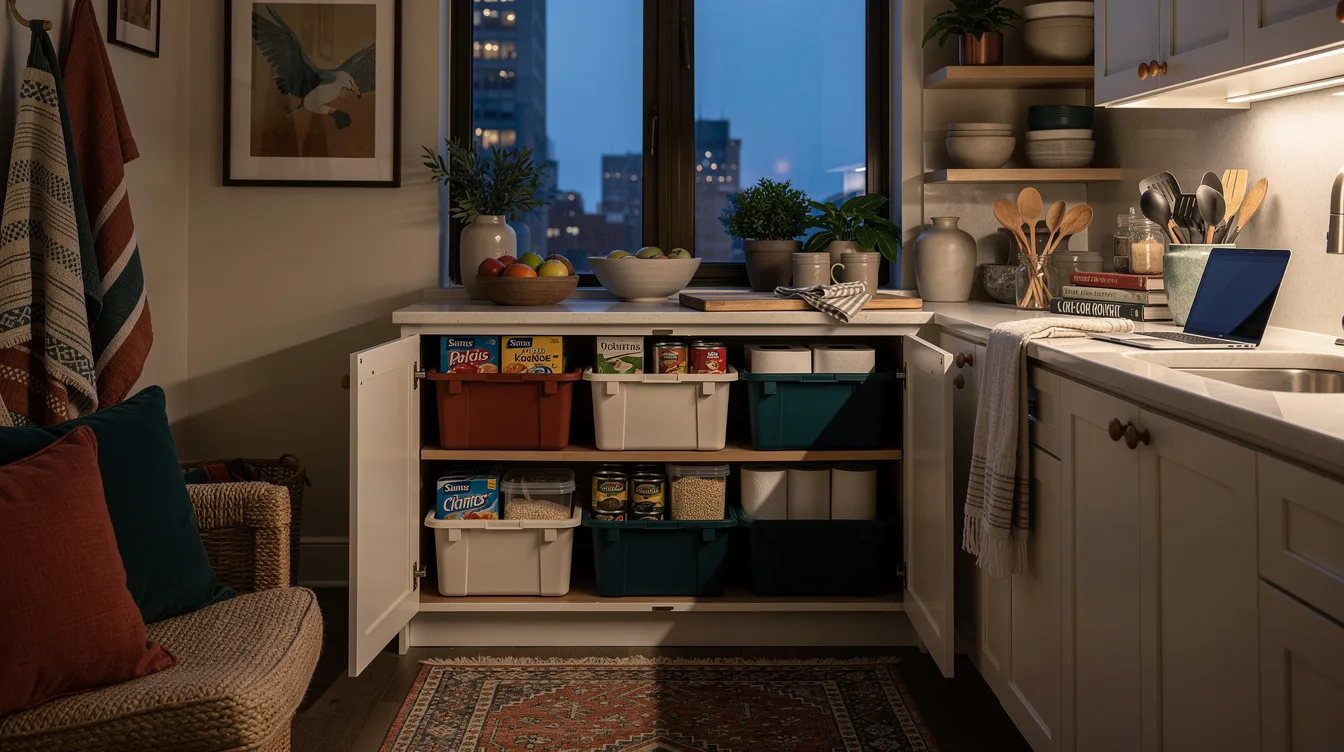
Matching containers work best when each group has one job. We used medium IKEA storage boxes for baking supplies, taller clear bins for bottles, and a low tray for packets that tend to scatter across the shelf.
The point is repetition with purpose, not a showroom of identical boxes. When every bin in a row holds the same kind of item, the warehouse-club bundle becomes easier to justify because the extras have a clear destination.
Reserve Deep Bins for Backstock
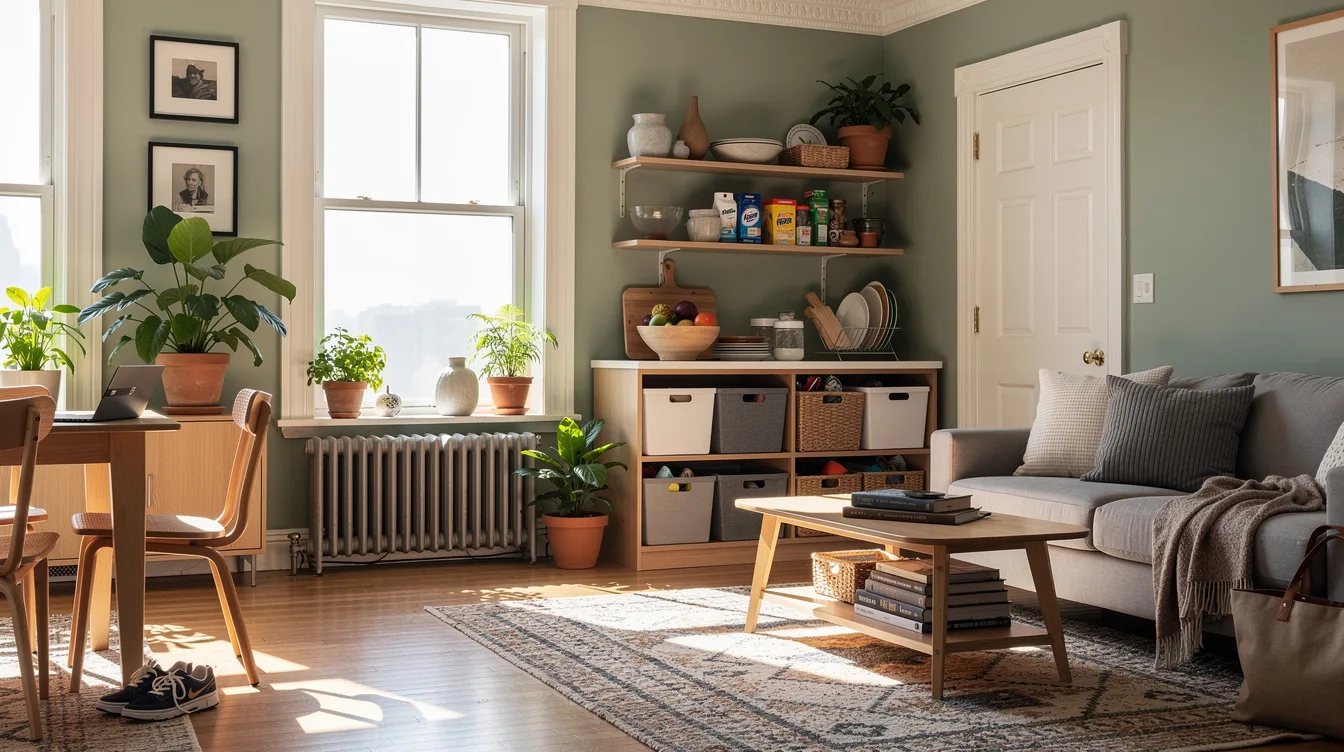
Deep storage belongs at the back of the kitchen, where replacement items can wait without blocking daily supplies. A sturdy Home Depot utility tote can hold extra paper goods, unopened condiments, or bulk baking ingredients that would otherwise crowd the working shelves.
We keep open packages in shallower containers near eye level and move sealed extras behind them. That arrangement prevents a family-size purchase from becoming a forgotten purchase, which is where the apparent savings usually disappear.
Use Turntables for Bottles
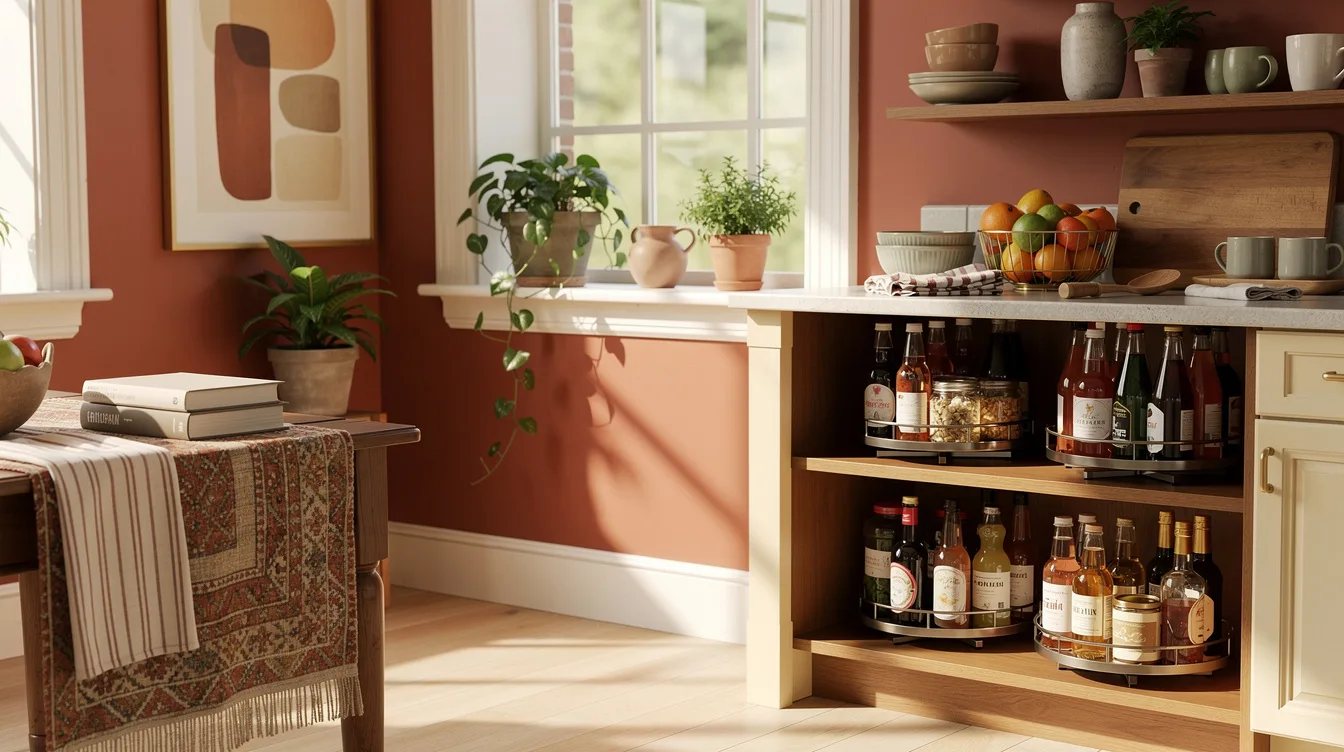
Round turntables solve a different problem than bins: they make the back of a cabinet reachable. A Wayfair bamboo turntable can corral oils, vinegars, and sauces on a shelf where tall bottles would otherwise form an immovable second row.
Measure the turntable's diameter against the cabinet width before adding it to the comparison. The warehouse-club option wins only if the rotating surface replaces wasted depth and keeps labels visible, rather than creating another crowded platform.
Choose Drawers for Small Packets
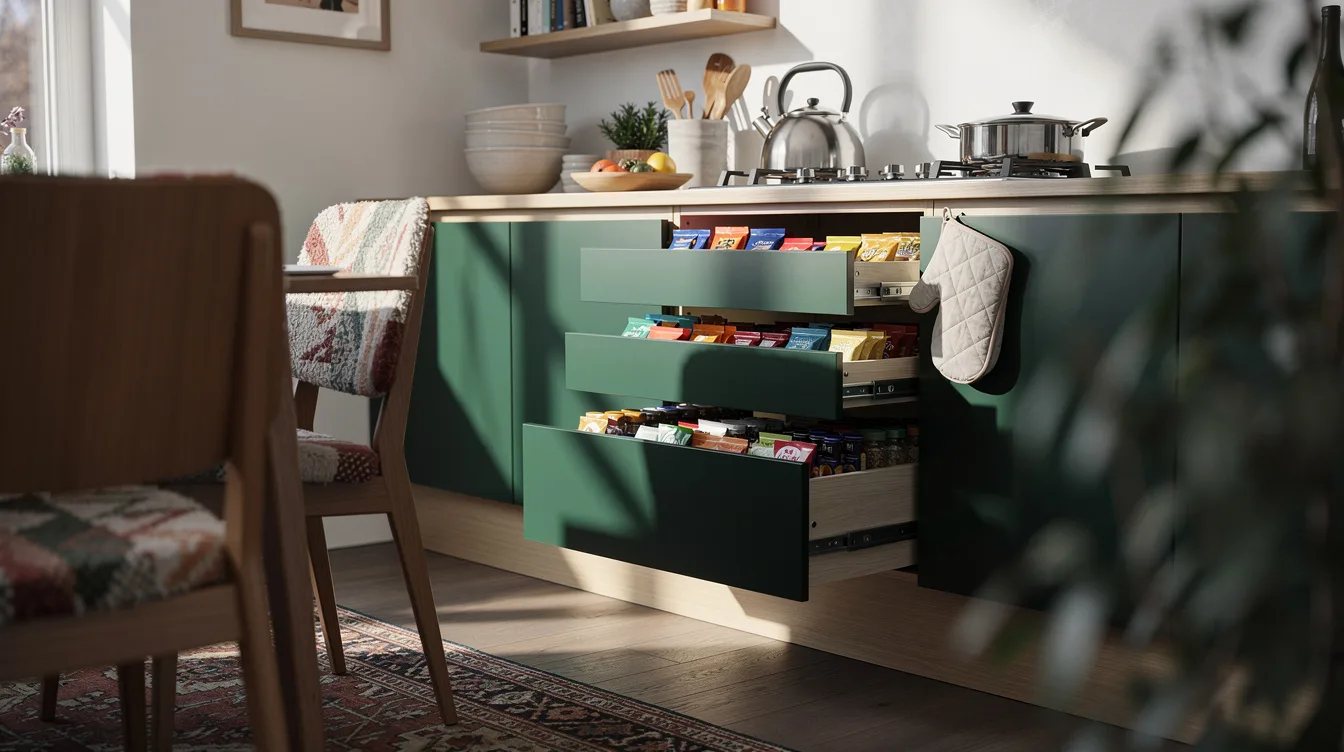
Small packets need a shallow drawer or tray because they vanish inside tall bins. We like a Target bamboo drawer organizer for tea, seasoning envelopes, and spare sweetener, especially when the pieces can be lifted out without moving the items behind them.
For the cost comparison, count how many categories one drawer can separate. A multipack is worthwhile when each section replaces a loose pile, but several shallow trays become wasteful if one wider drawer would hold the same collection.
Stack Cans with a Front Stop
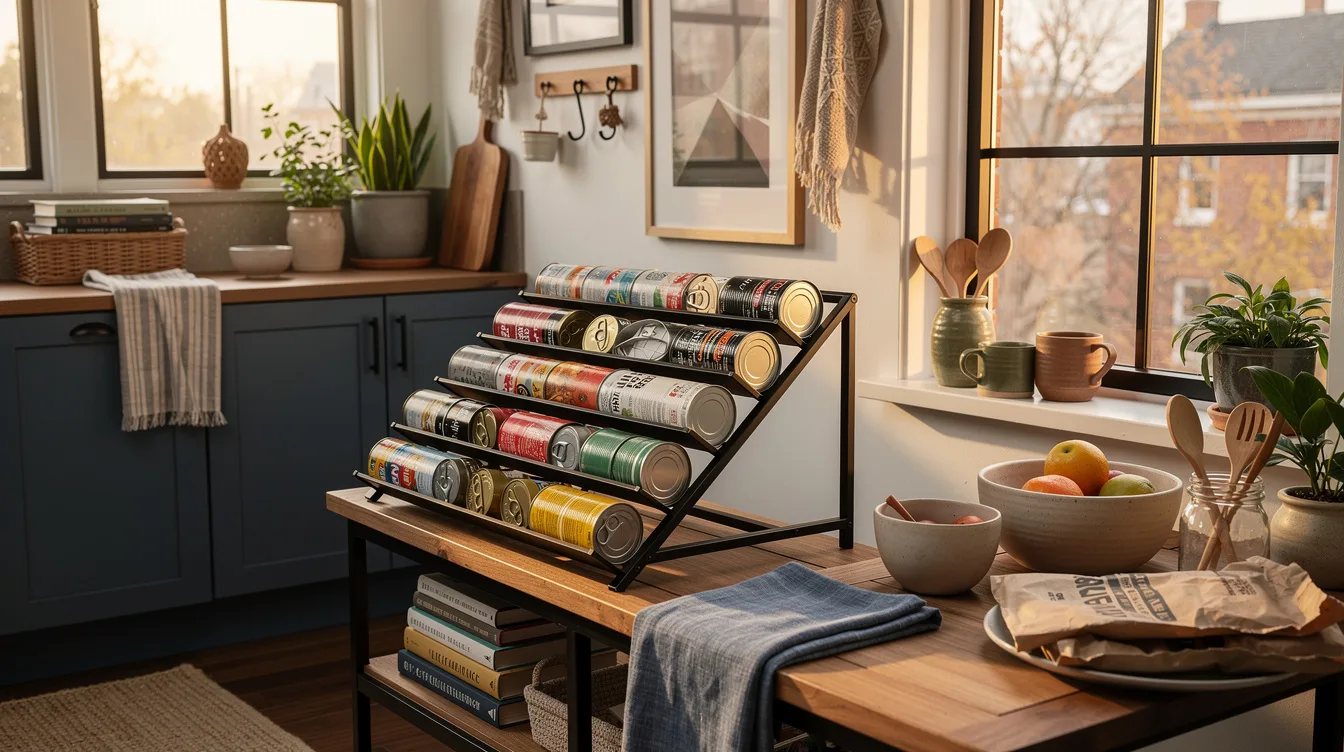
Cans are heavy, repetitive, and easy to lose in a deep pantry. A metal Lowe's shelf riser creates a second level, while a narrow front stop keeps the first row from rolling into the aisle when someone reaches for the back.
We prefer a riser with a solid platform over a delicate wire rack because small cans can wobble through wide gaps. The right setup uses vertical space without forcing the lower shelf to carry an unstable tower.
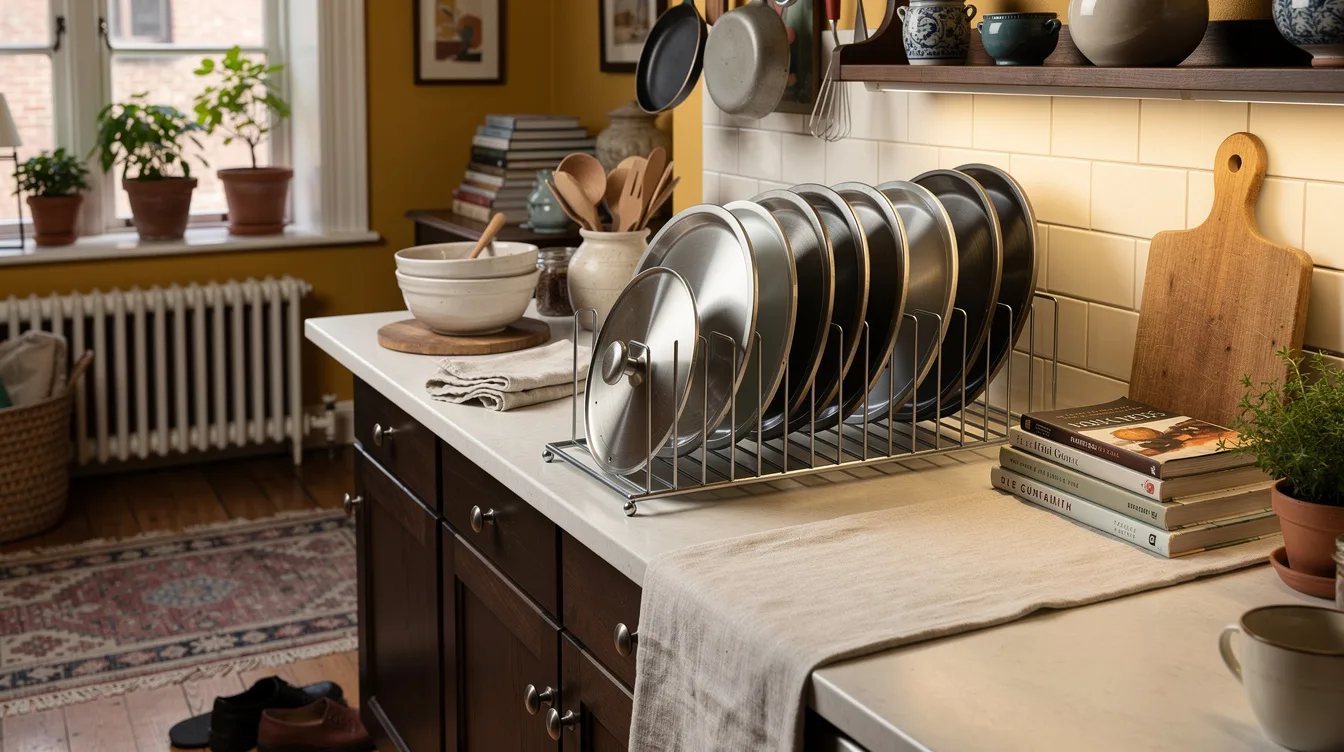
Store Lids in a Vertical File
Lids consume more space than the containers they serve when they lie flat in a drawer. A Amazon adjustable lid rack lets us file them vertically by diameter, so the largest lid can be removed without unloading a stack of smaller ones.
Before buying a bundle, count the lid shapes already in the kitchen. A rack that accepts round, rectangular, and divided-container lids has more long-term value than a cheaper model designed for only one matching set.
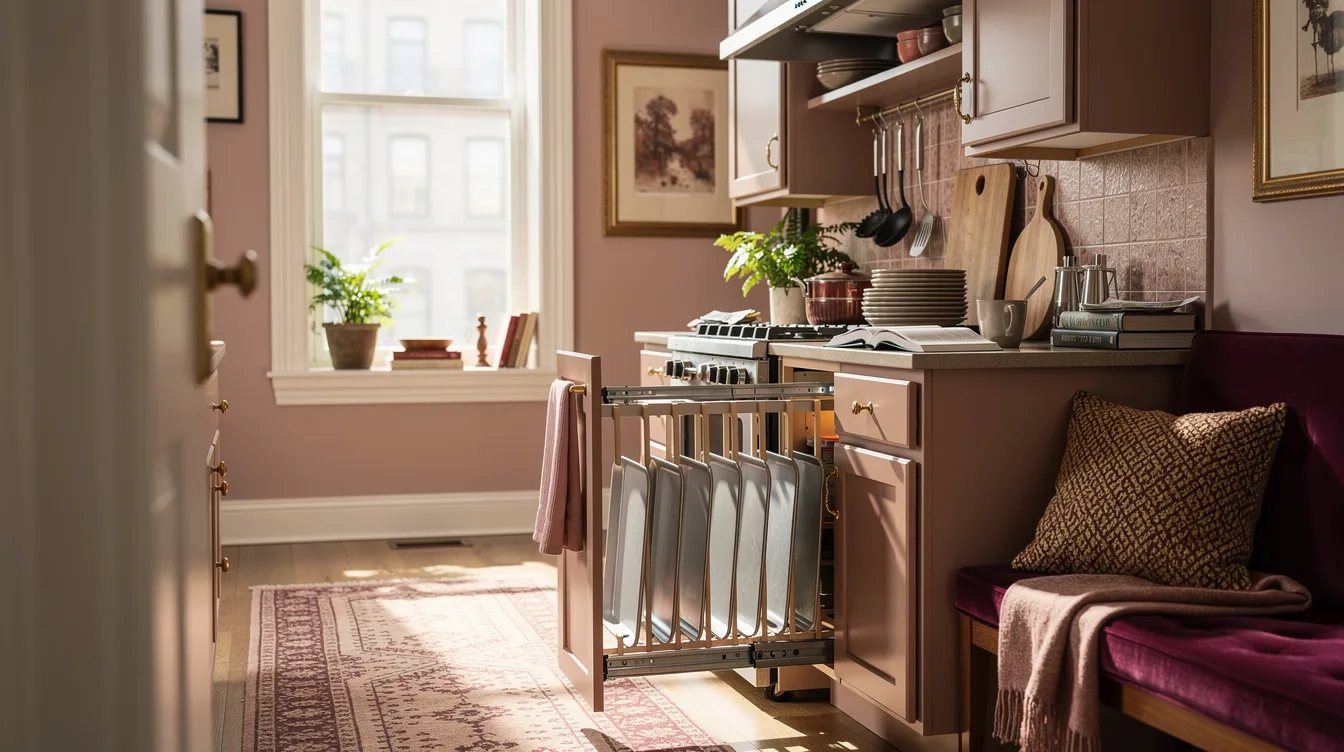
Give Sheet Pans Their Own Slot
Sheet pans, cooling racks, and cutting boards should stand on edge instead of forming a heavy horizontal pile. We used a Wayfair steel divider inside a lower cabinet, leaving enough space between slots for one-handed removal.
That is where a warehouse-club pack can beat a Target single piece, provided the dividers are stable and the cabinet can accept the full width. Count the slots you will actually use, because unused separators still occupy valuable cabinet space.
Match Bulk Purchases to Consumption
Bulk storage saves money only when the household uses the full quantity before quality drops or preferences change. We keep a running list of products that disappear quickly, such as coffee filters and sandwich bags, then avoid oversized packs for foods that linger.
A Costco glass food-storage set can be practical for a busy kitchen, but its value depends on replacing mismatched containers already taking up space. The cleanest comparison includes the cost of keeping old pieces, not only the price of adding new ones.
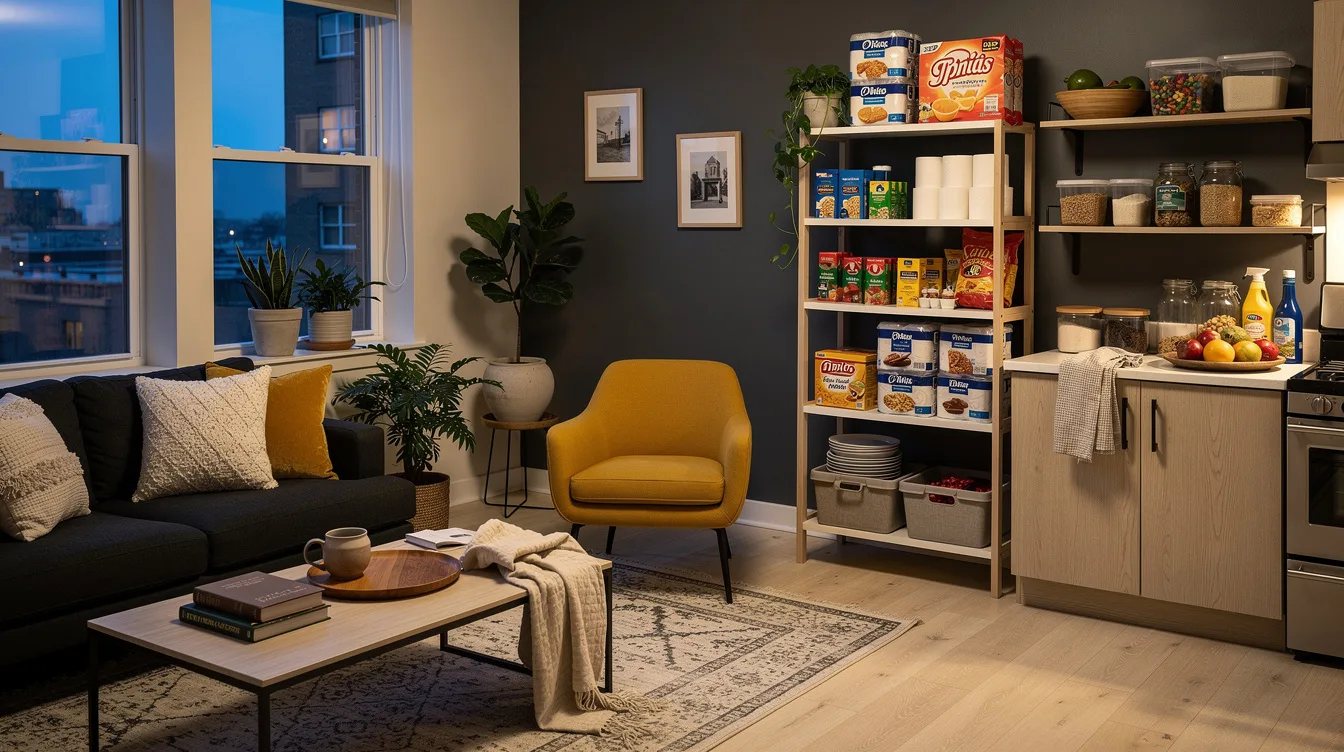
Label the Shelf, Not Every Item
Labels should make a storage system faster, not turn every container into a craft project. We label the shelf zones with simple categories such as breakfast, baking, snacks, and cleaning refills, then use clear Walmart storage bins so the contents remain visible.
A removable label is especially useful when the household changes its shopping habits. We skip permanent lettering on multipacks because a flexible system keeps its value longer than a set designed around one temporary pantry list.
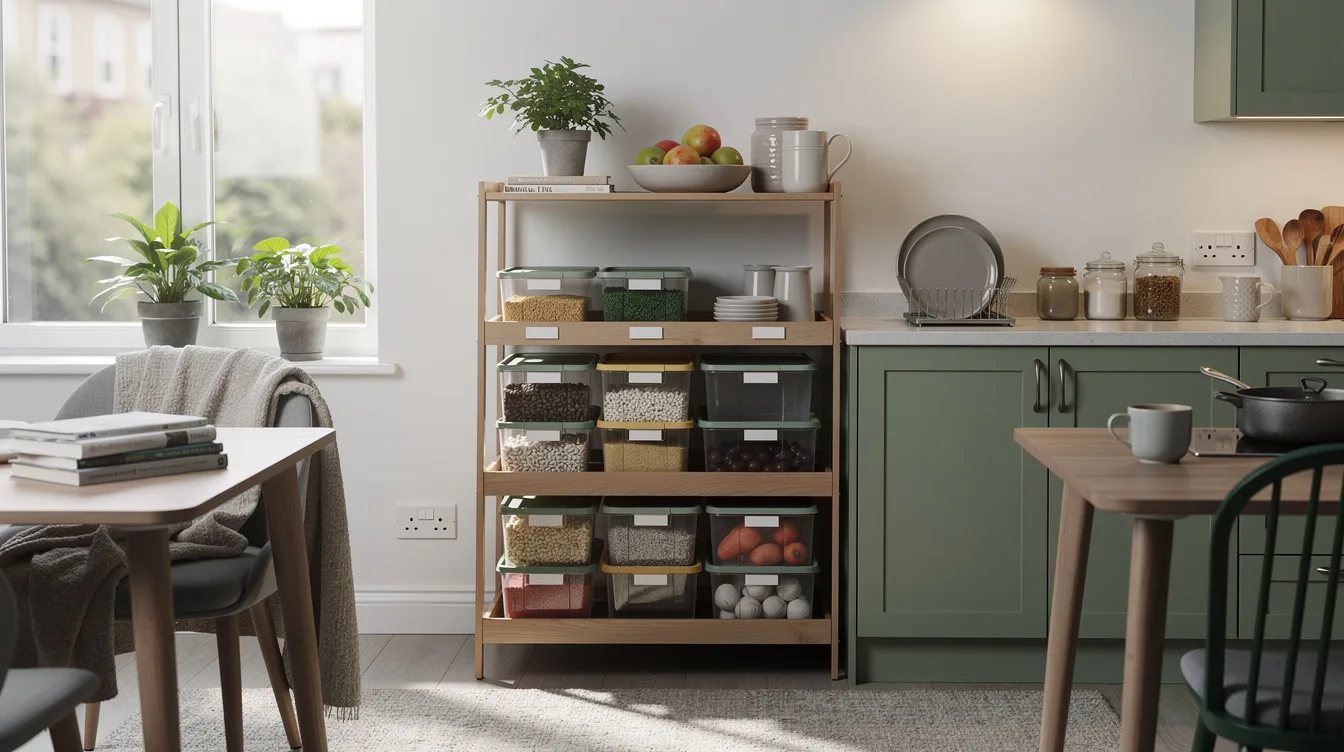
Leave Room for the Next Trip
The final calculation includes empty capacity. We leave about 15 percent of a shelf open so a new box can be put away immediately instead of landing on the counter.
That breathing room makes the warehouse-club purchase feel cheaper over time because it prevents emergency organizers and duplicate containers. A simple Ace Hardware label holder can mark the open zone without taking away usable shelf width, which is a small finishing detail with a practical payoff.
Keep reading
- Target Renters: These 12 Over-the-Door Finds Add Storage Without Holes
- 12 IKEA Kitchen Storage Finds Designers Use in Tiny Spaces
- Anthropologie-Inspired Chairs? These 12 Target Finds Look Custom
Start with the cabinet that causes the most daily frustration, measure its usable space, and buy only the storage pieces that solve that exact bottleneck. The strongest savings come when every container earns a job before the next warehouse-club trip.


