13 Small-Space Color Palettes That Make Rooms Feel More Open
01 september 2026A 54-inch bed can make a bedroom feel crowded before a single drawer is added, especially when bright trim draws a line around every wall. The reliable answer is low contrast: keep walls, doors, trim, and often the ceiling in one light-to-mid color family, then let texture do the work.
White paint is not automatically the open-room answer. A warmer, quieter palette can make corners recede while still giving a compact room a point of view.
What you will find inside
- Wrap a Narrow Bedroom in Warm Ivory
- Soften a Rental Living Room With Pale Greige
- Calm a Compact Bath With Mineral Green
- Warm a Low-Light Hall With Creamy Neutral
- Extend a Studio With Mushroom Beige
- Fade a Work Nook Into Dusty Blue-Gray
- Carry Sand Through a Small Open Plan
- Mute a Sunny Room With Soft Clay
- Use Fog Gray Around a Small Dining Area
- Blend a Tiny Kitchen With Putty Tones
- Cocoon a Guest Room in Faded Sage
- Link a Small Entry With Warm Stone
- Brighten a Dim Room With Buttercream
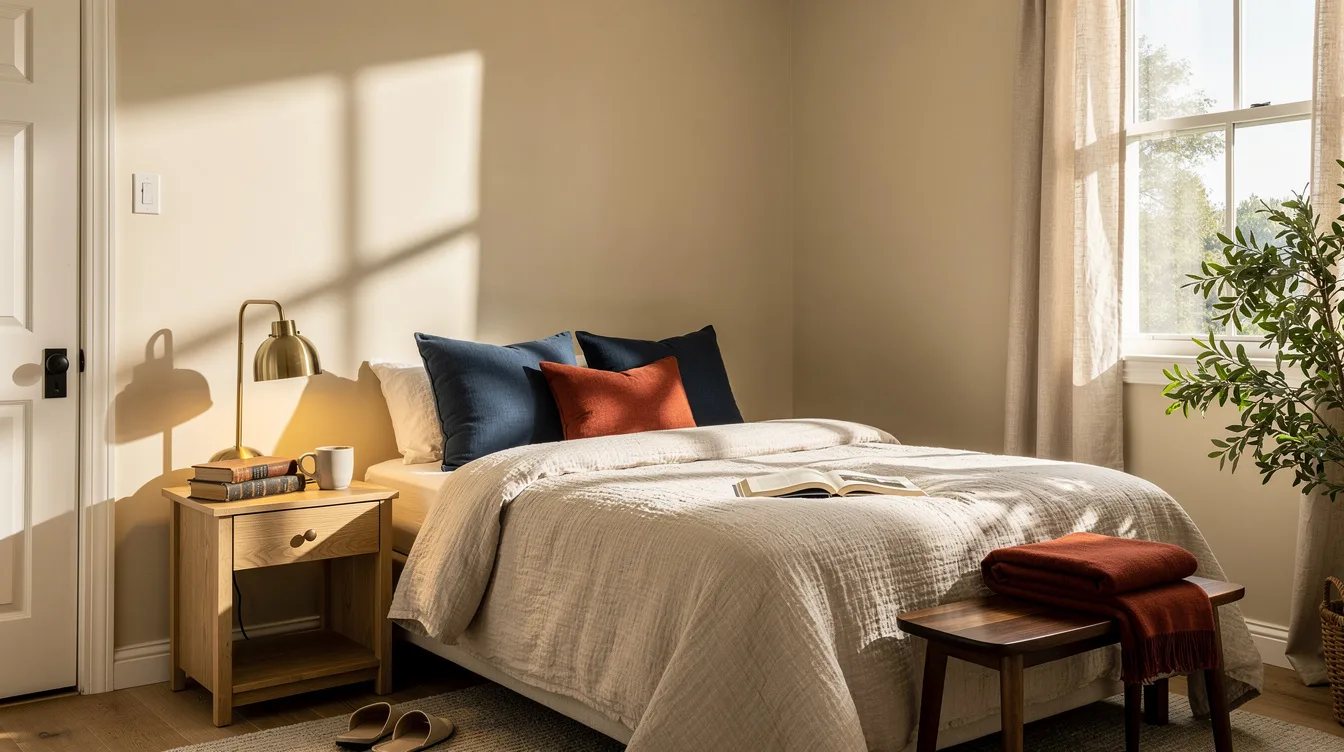
Wrap a Narrow Bedroom in Warm Ivory
Use Benjamin Moore White Dove OC-17 on walls, trim, and doors, then carry it onto the ceiling in a flat finish. Oatmeal linen, light oak, and one brushed-brass reading lamp give this soft ivory envelope enough depth without drawing a dark outline around a tight bed.
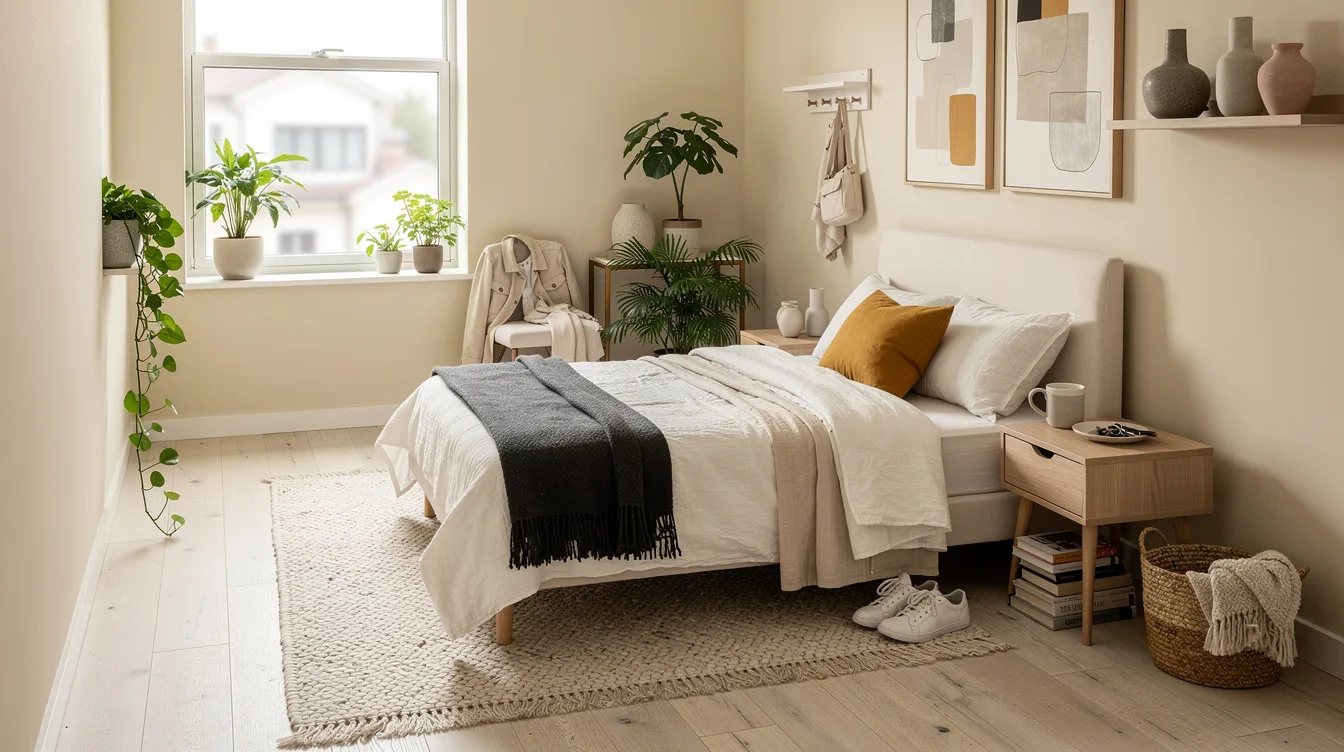
Soften a Rental Living Room With Pale Greige
Start with Benjamin Moore Pale Oak OC-20 on the walls and repeat it on trim when the lease allows, or use White Dove as the restrained backup. Natural oak, flax linen, and a warm-white paper shade make this a far better choice than stark white beside beige carpet or soft-gray tile.
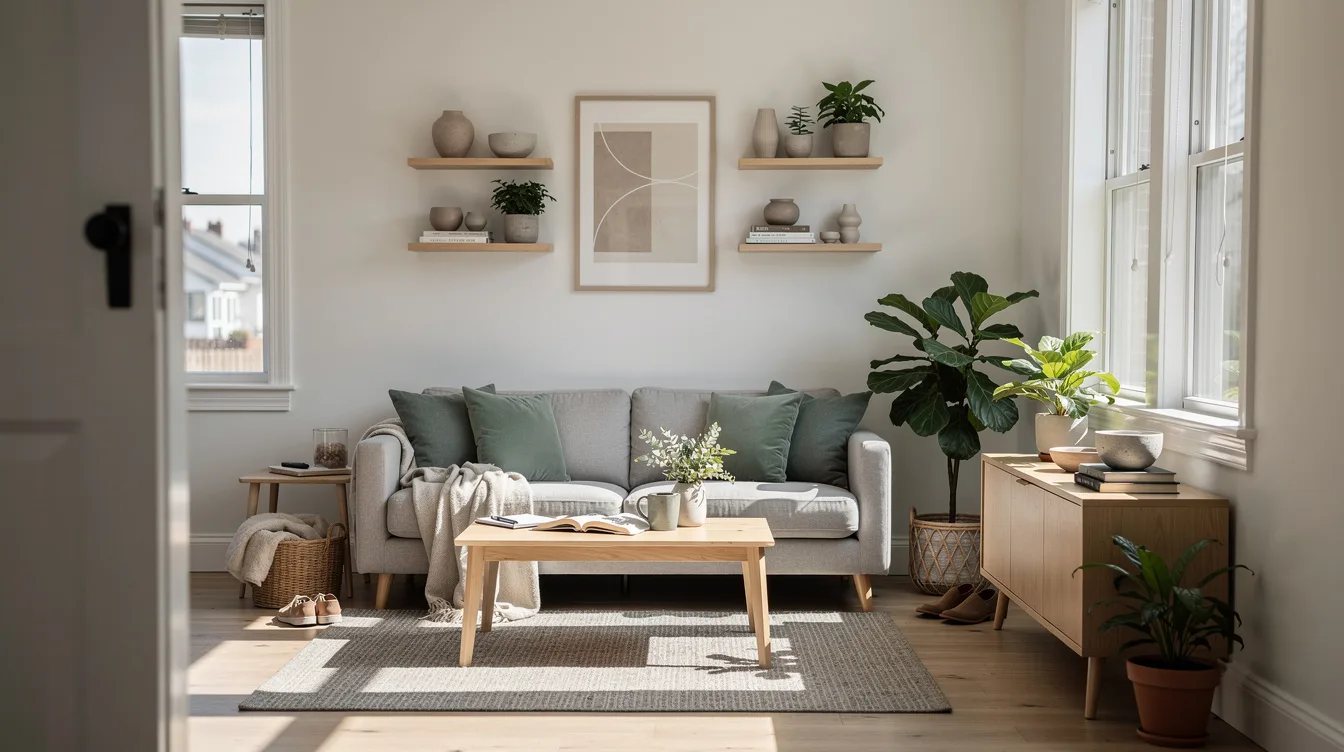
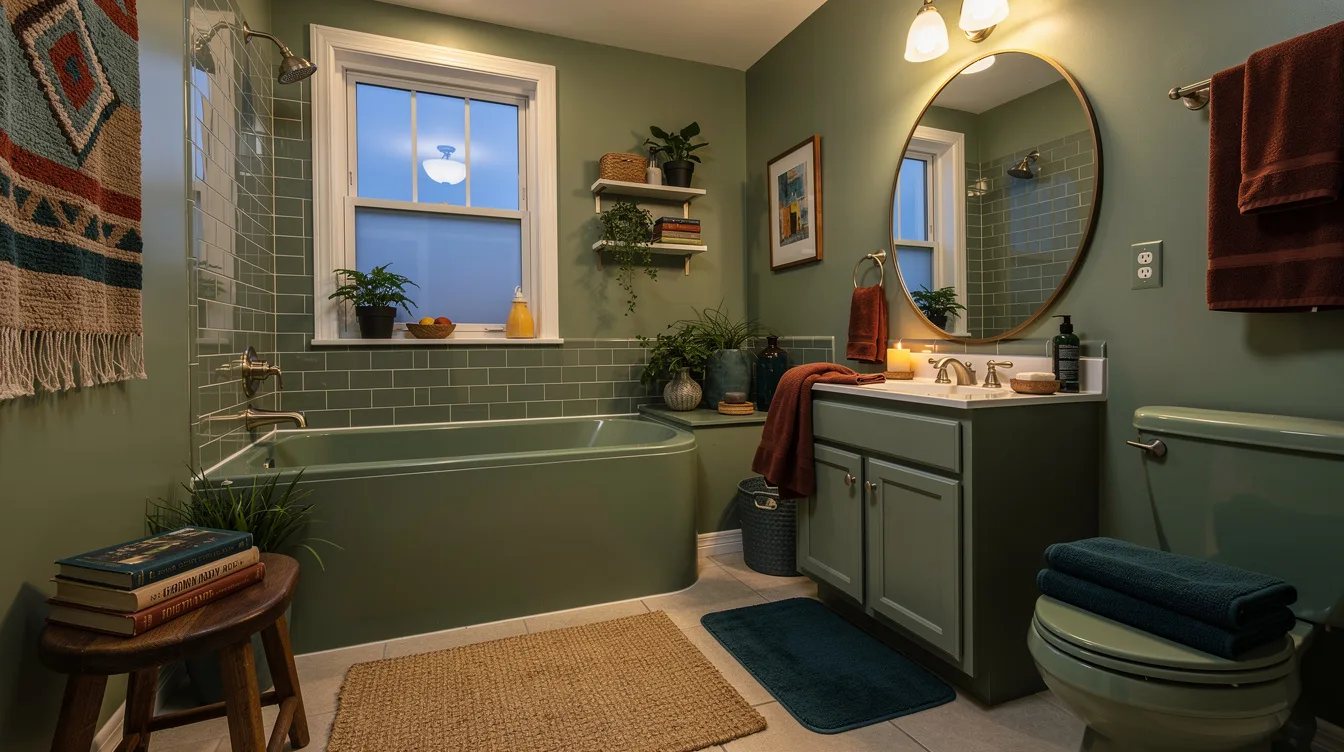
Calm a Compact Bath With Mineral Green
Paint walls and trim in Sherwin-Williams Sea Salt SW 6204, keeping the ceiling in the same shade or a closely related off-white. A white-oak vanity, honed-look porcelain, and aged brass let the muted green-gray read as atmosphere rather than a hard visual boundary.
Warm a Low-Light Hall With Creamy Neutral
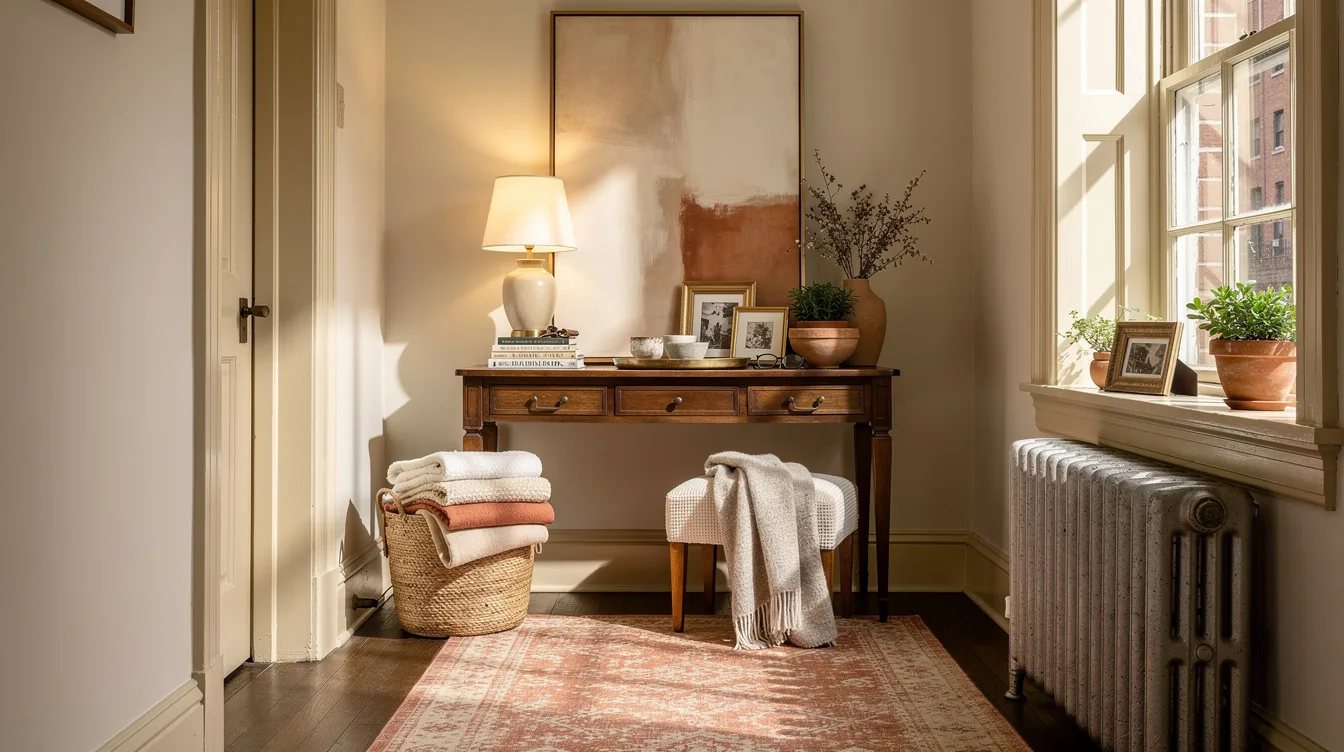
Use Sherwin-Williams Alabaster SW 7008 across walls, trim, and a flat ceiling for one unbroken field of warm off-white. Walnut, cognac leather, and antique brass look grounded here, while bright blue-white trim would make the hallway feel chopped into strips.
Extend a Studio With Mushroom Beige
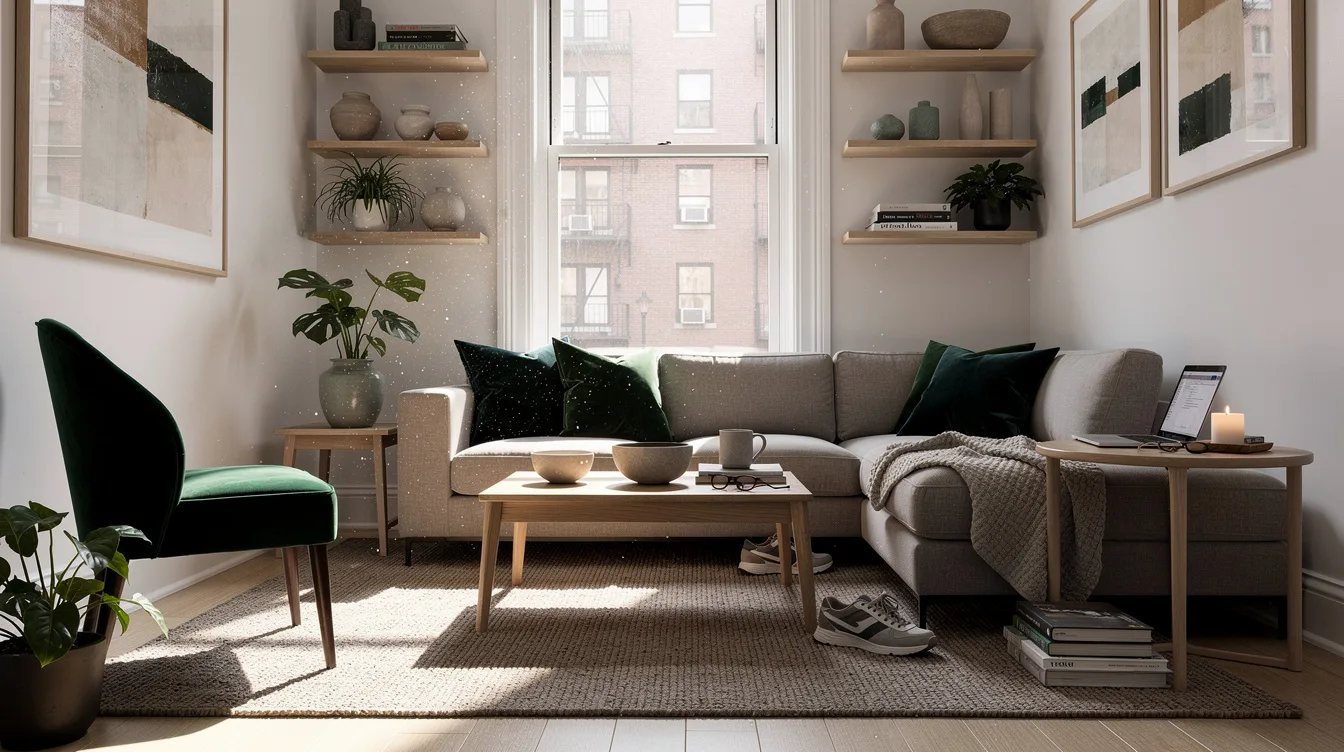
Choose a light mushroom beige for the main room, closet door, and baseboards, then bring in oatmeal upholstery and a pale oak coffee table. This palette has more presence than plain white, yet its close values keep a studio from reading as a collection of separate corners.
Fade a Work Nook Into Dusty Blue-Gray
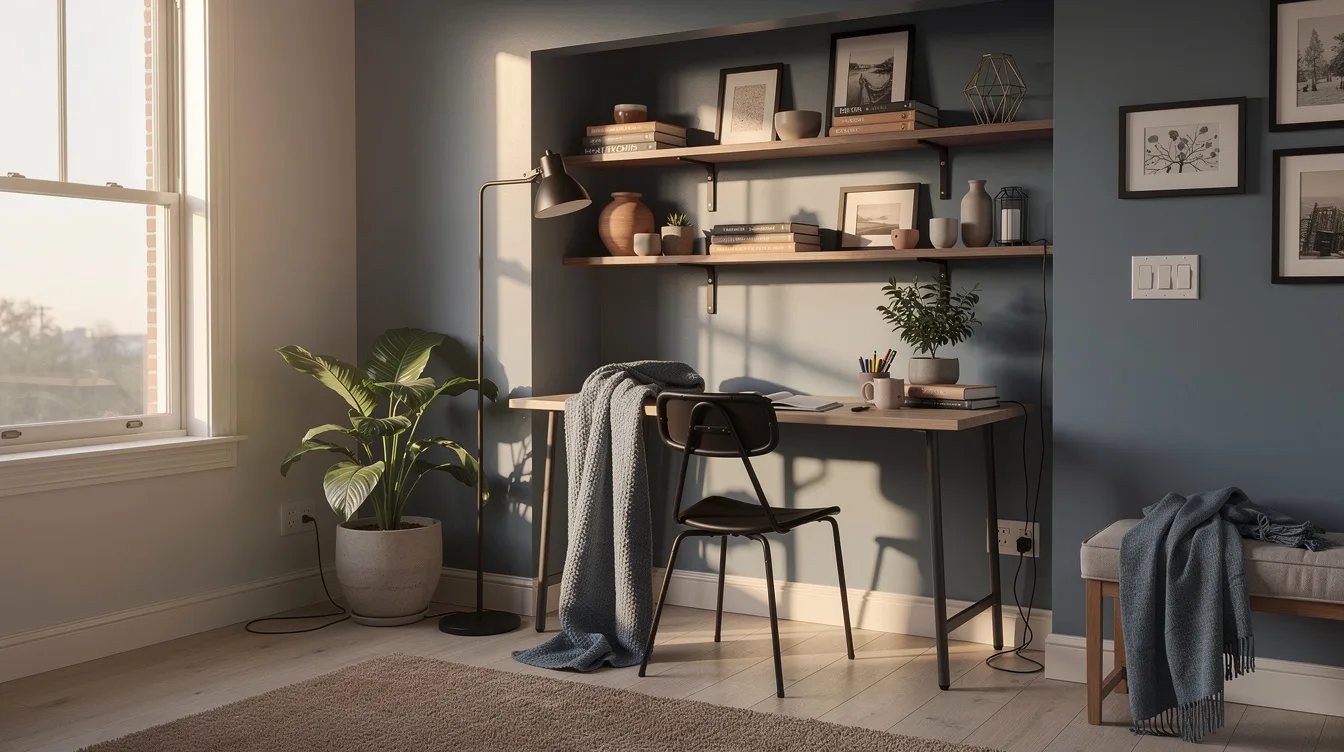
Use a soft blue-gray on the nook walls, surrounding trim, and shallow shelving so the work zone recedes instead of becoming a boxed-in feature wall. Pair it with a light maple desktop and an off-white IKEA FADO globe lamp, then skip black storage bins.
Carry Sand Through a Small Open Plan
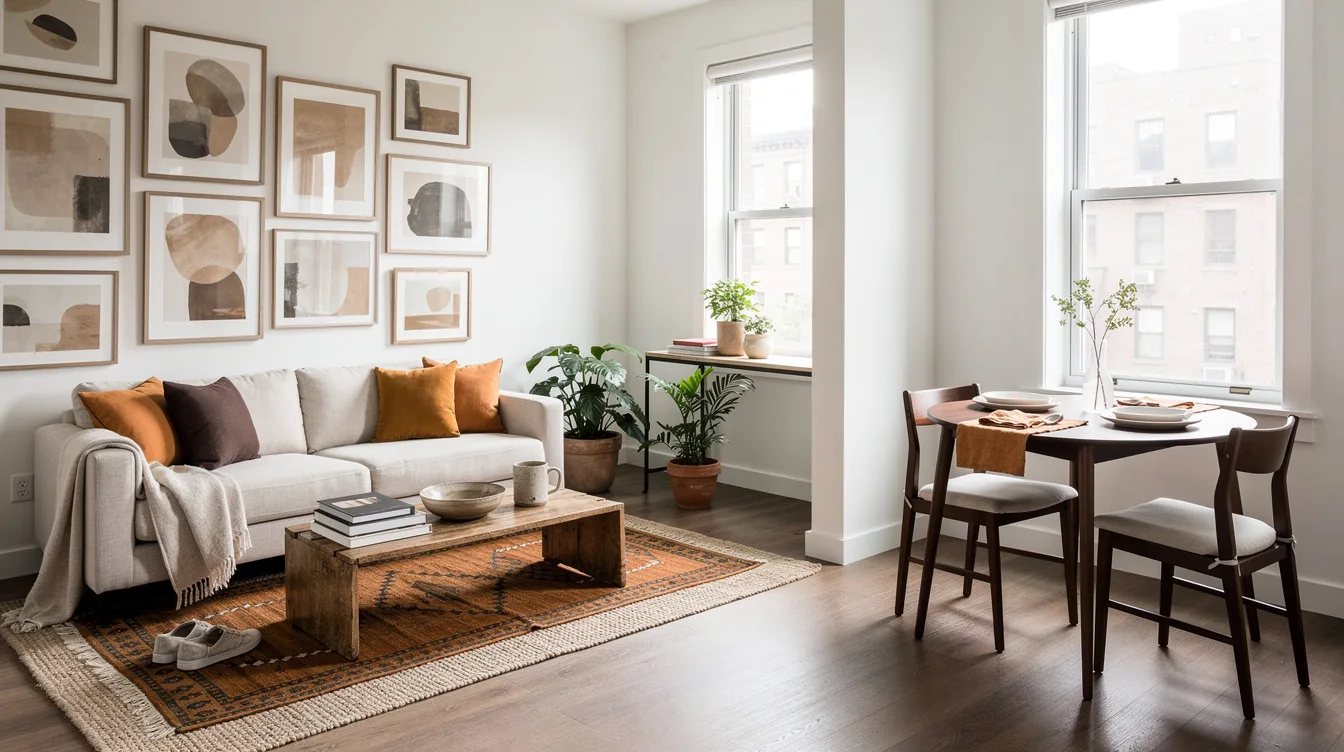
Let pale sand cover the living area walls, nearby kitchen soffit, and interior doors, with a ceiling shade roughly 10 to 20 percent lighter if the room needs lift. Matte ivory tile, woven shades, and a single dark walnut stool add shape without breaking the floor plan into competing color zones.
Mute a Sunny Room With Soft Clay
A pale clay pink on walls and trim can feel expansive in a sunlit room when the ceiling stays in a related chalky blush. Add cream cotton curtains, pale wood, and a quiet bronze floor lamp, because crisp white molding beside this color turns every edge into a visual stop sign.
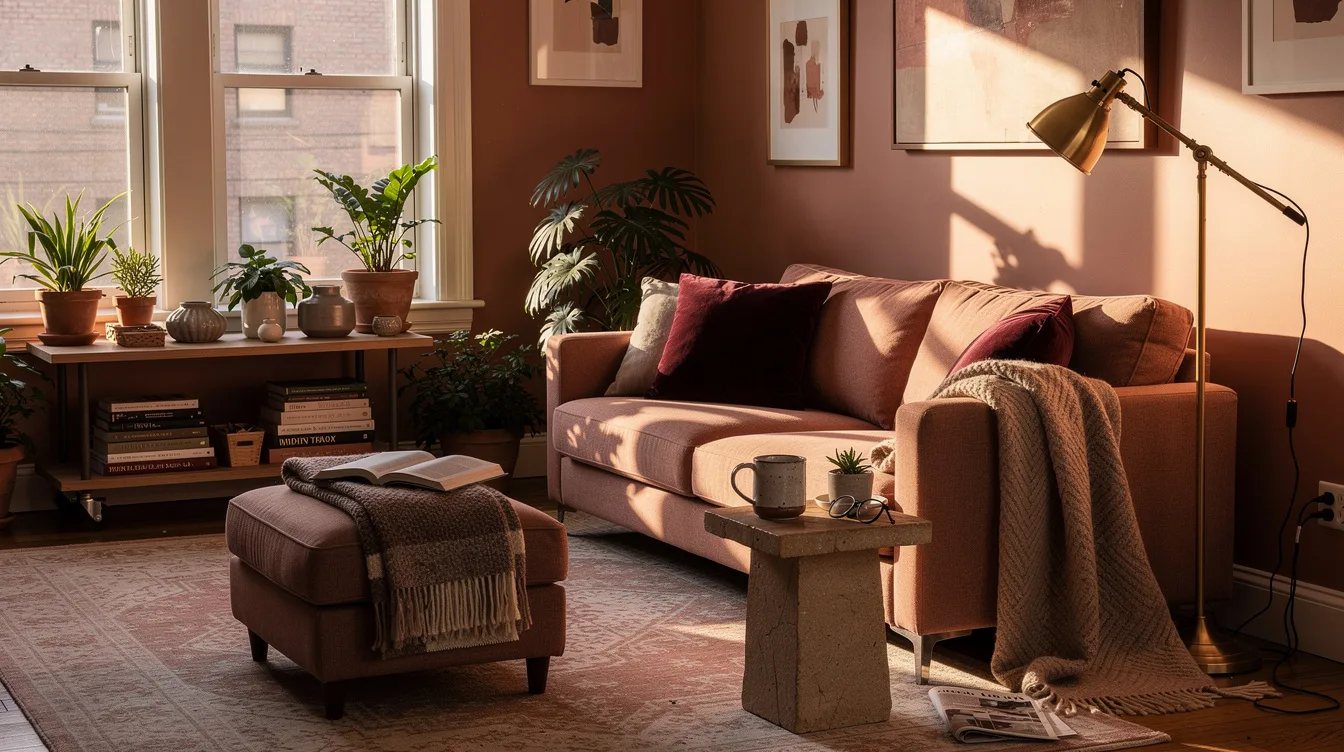
Use Fog Gray Around a Small Dining Area
Choose a light warm gray for walls, trim, and built-in storage, avoiding the cool concrete look that can flatten daylight. A round ash table, ivory shades, and one charcoal pendant keep the room settled; a typical 36-inch round table also preserves a more forgiving path around chairs.
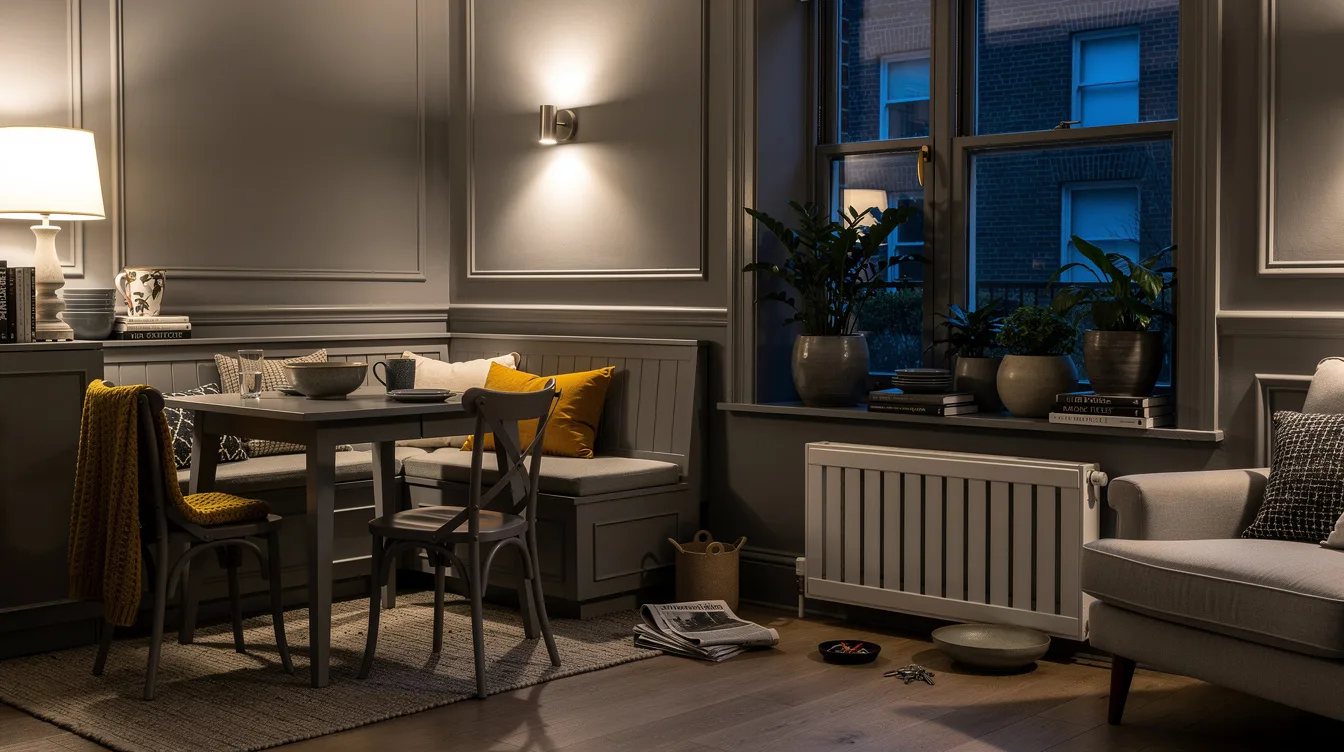
Blend a Tiny Kitchen With Putty Tones
Paint the nearby walls and pantry door a soft putty tone, then select cabinet fronts in a close cream or mushroom value instead of bright white. A satin finish is sensible around splashes, while a pale stone-look backsplash and brushed-nickel hardware keep the compact kitchen visually continuous.
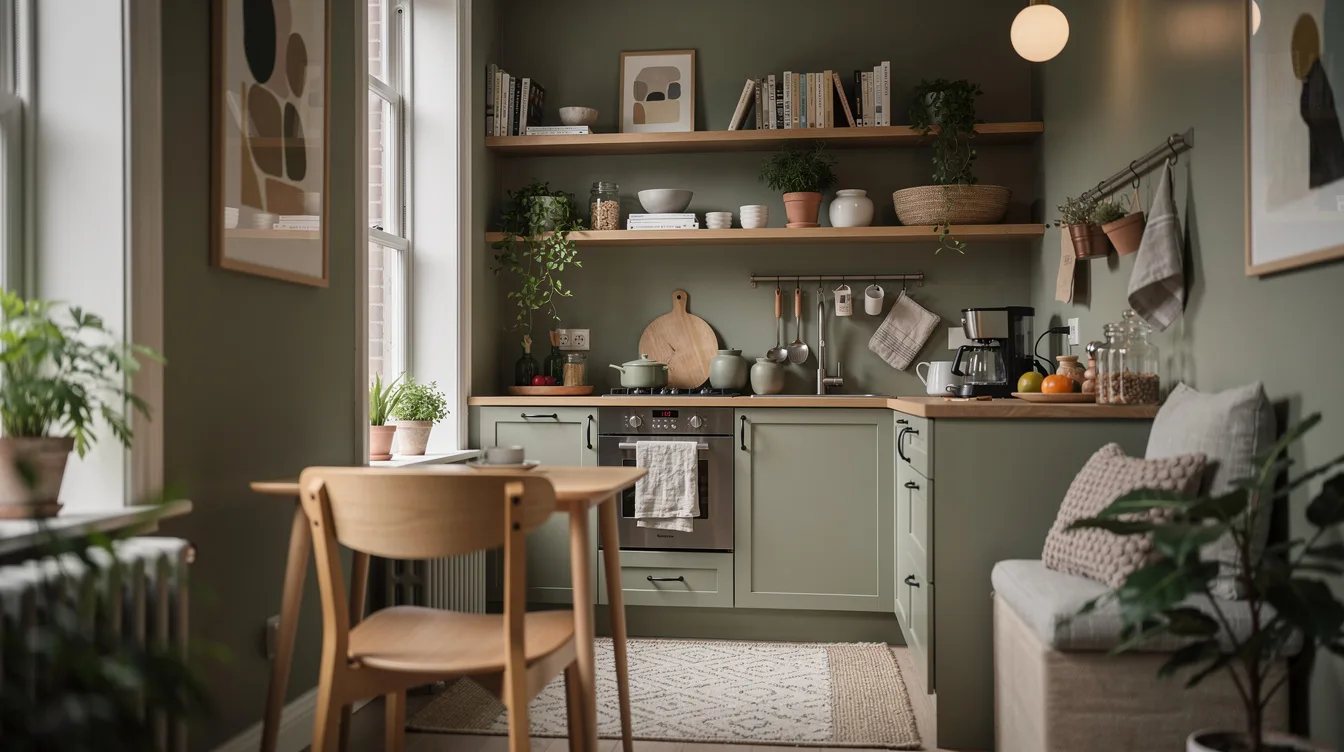
Cocoon a Guest Room in Faded Sage
Bring faded sage over walls, trim, and the ceiling for a gentle all-over room that makes a small guest room feel intentional. Keep the bed frame in light oak and choose white cotton bedding, with one deep green chair as the only deliberately weighty object.
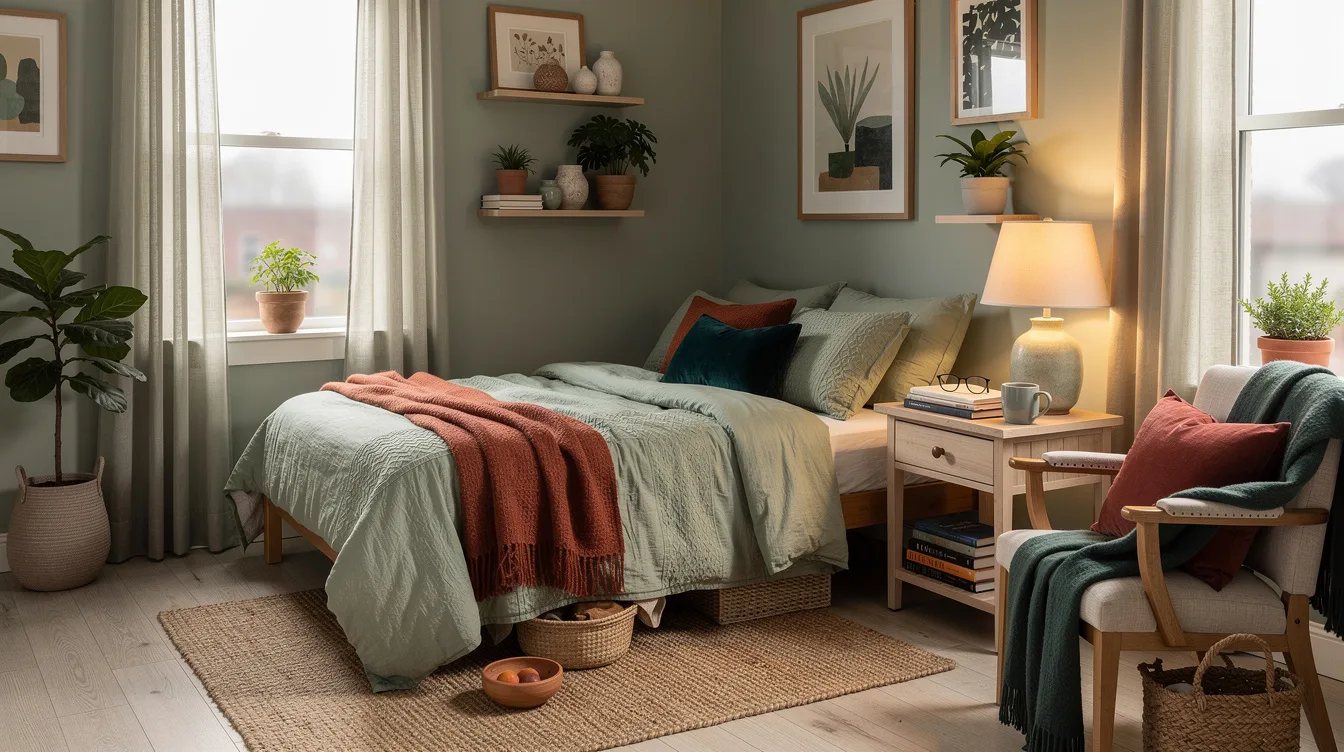
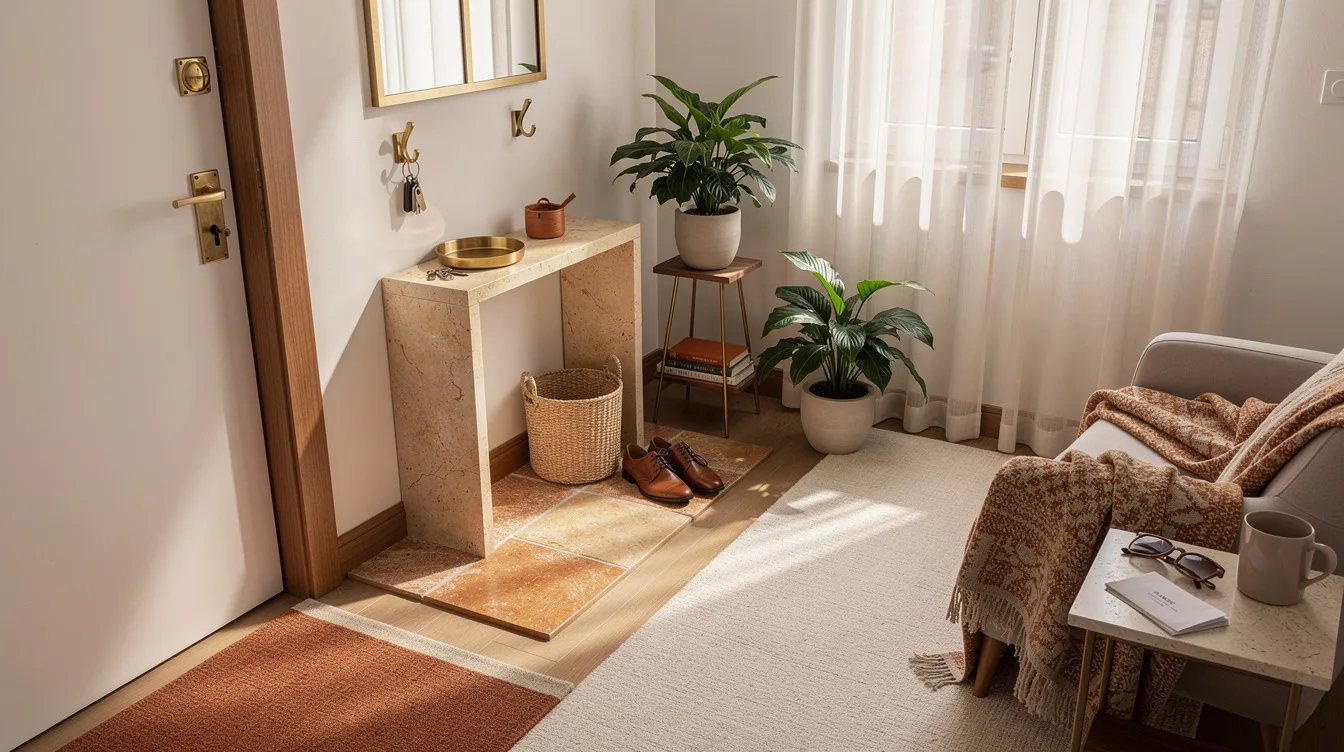
Link a Small Entry With Warm Stone
Use a light warm-stone paint on the entry walls, front-door surround, and baseboards to erase the usual high-contrast threshold. A Wayfair natural-fiber runner and a shallow oak ledge work better than a large black console, which would claim too much of the first view inside.
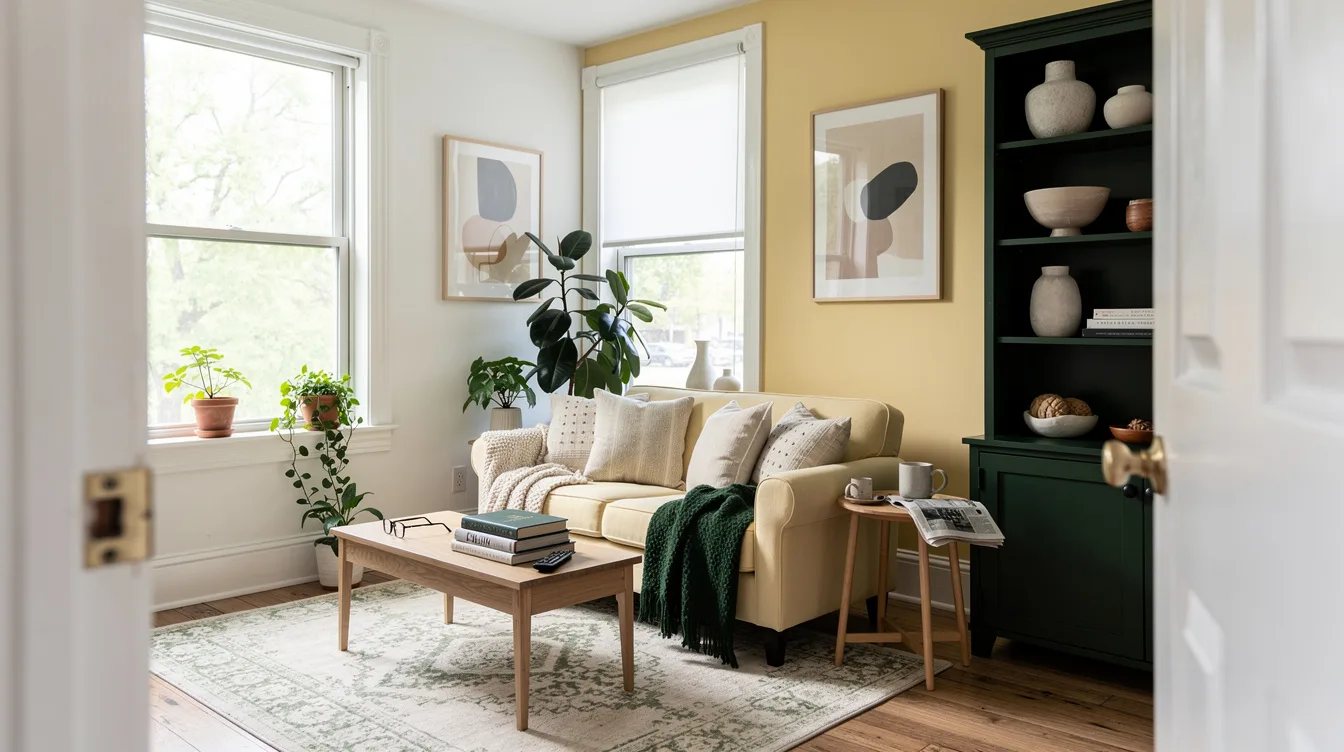
Brighten a Dim Room With Buttercream
For a room short on daylight, choose a soft buttercream with an LRV roughly in the 70 to 85 range, after checking its undertone against the floor. Paint the ceiling in a flat related shade, use eggshell on walls, and anchor the space with one Target walnut-toned lamp rather than several dark accessories.
Keep reading
- 12 Target Color Palette Ideas That Make Small Rooms Feel Larger
- 12 Bedroom Color Palettes That Make Low Light Feel Brighter
- 12 Designer-Approved Curtain Tricks That Make Small Rooms Feel Taller
Begin with the surface that creates the most interruptions, usually trim and doors, and bring it close to the wall color before buying new decor. The room will feel larger long before the first pillow arrives.