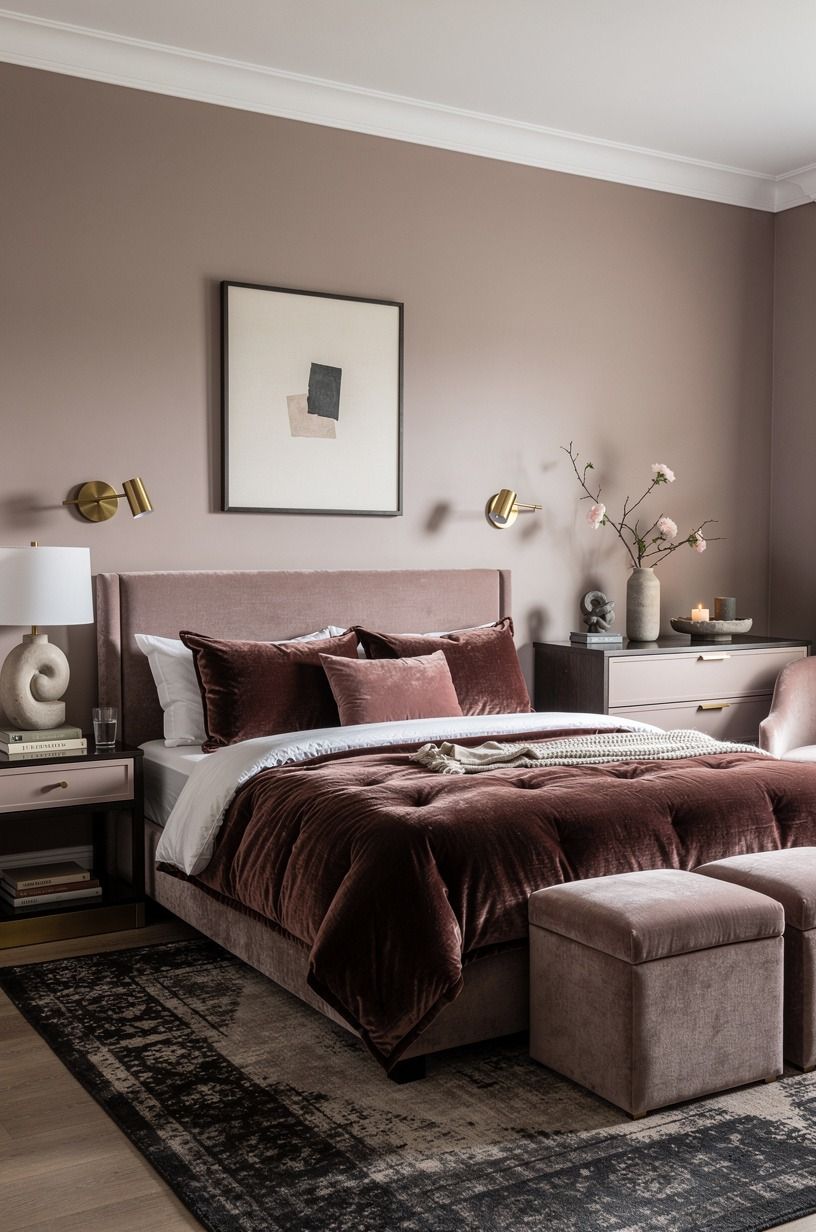
How to Create a Rustic Romantic Bedroom for a Warm, Cabin-Cozy Retreat - 19 Ideas
25 september 2026Rustic romantic bedroom ideas can turn a cold room into a warm retreat for about $200 to $800 at the budget tier. I’ve made this mistake before: buying pretty bedding before fixing the light, floor, and wall color. Start with the room’s bones. Then layer softness, wood, and glow!
- Start with the Bed’s Real Dimensions
- What Do the Walking Paths Need?
- Reuse, Paint, or Replace?
- Paint the Walls a Warm Rustic Shade
- The 8x10 Rug as a Quiet Anchor
- Mix Wood Tones, Don’t Match Them
- Washed Linen Makes the Bed Feel Lived In
- How Does the Three-Height Light Stack Work?
- Higher Drapes, Softer Room
- Mix Iron with Aged Brass
- The Soft-Edge Headboard
- Add a Bench with Real Function
- What Belongs on the Nightstand?
- Art with a Story
- One Wall Treatment, Not Five
- Soften the Floor with Layered Textiles
- Create a Small Reading Corner
- Edit the Rustic Details, Keep the Calm
- Let the Finished Room Feel Restful
1Start with the Bed’s Real Dimensions
Measure your bed before you shop for anything. A queen is 60x80 inches, while a king is 76x80 inches, and those numbers decide whether your room feels airy or jammed. You’ll want at least a clear walking path around the frame, especially if your bedroom is small.
I’d start with a low charcoal mohair-velvet bed frame because it gives your eye a quiet base. A tall, ornate frame can make a rustic romantic bedroom feel heavy. And if you’re renting, an IKEA MALM frame in a charcoal finish can give you the same grounded shape without a permanent commitment.
Keep the bedding simple at first. One dusty-rose linen duvet, two standard pillows, and a folded blanket are enough while you study the room. You don’t need to buy every layer on the first day.
2What Do the Walking Paths Need?
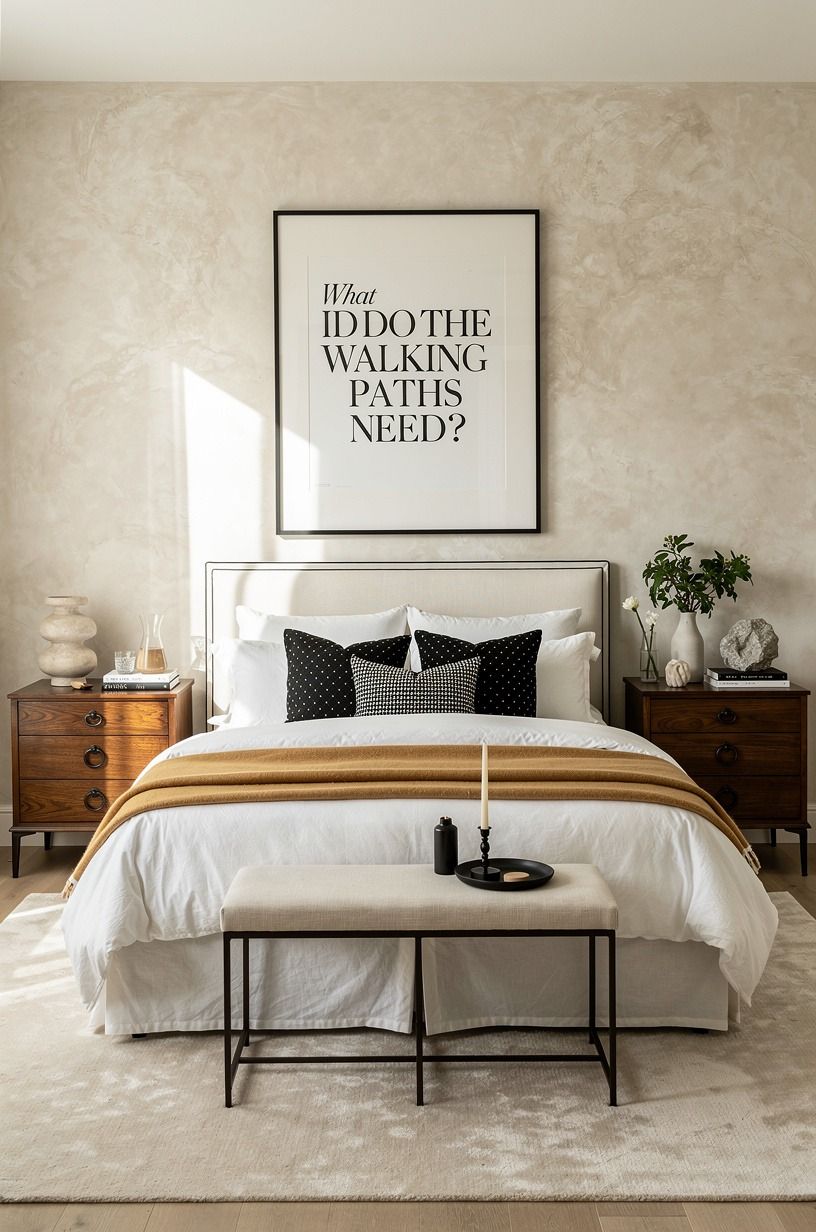
Use painter’s tape to mark the bed, nightstands, and rug before you move furniture.
3Reuse, Paint, or Replace?
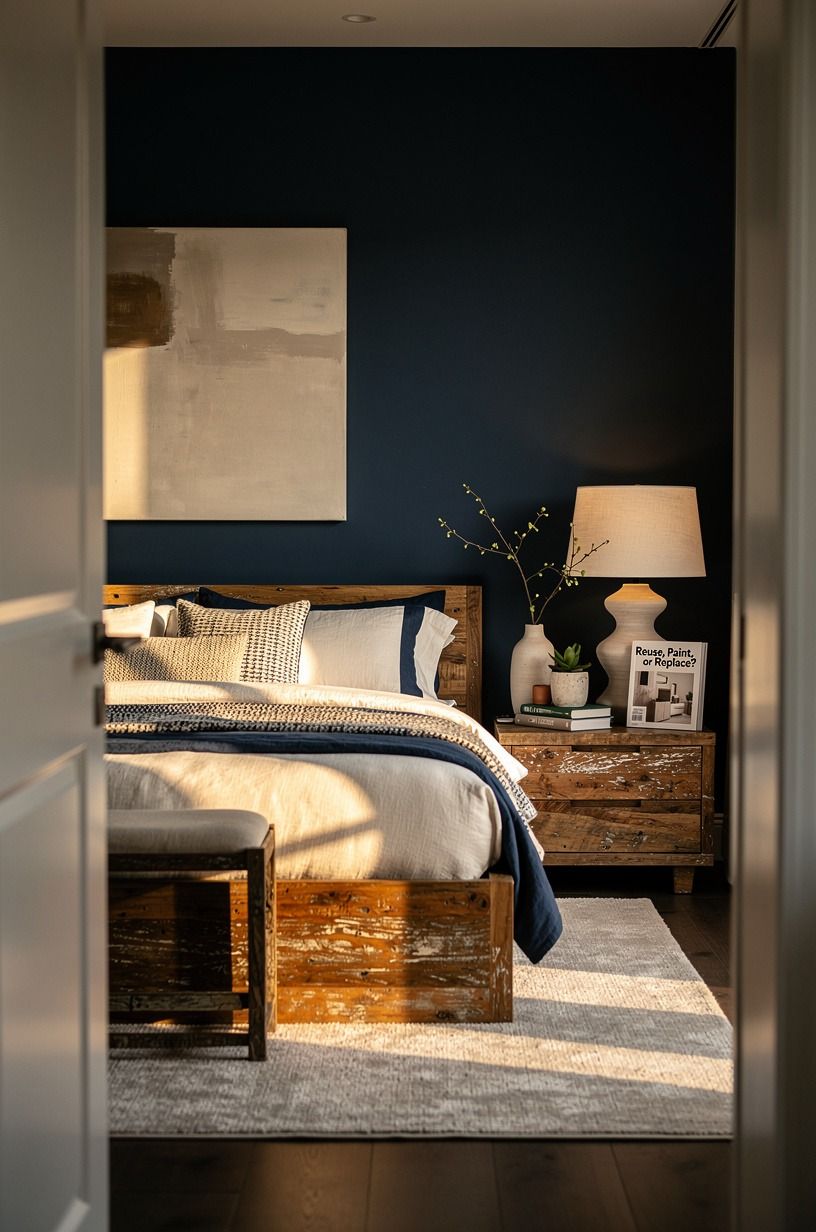
Write your budget in three columns: what you’ll reuse, what you’ll paint, and what you’ll replace. You may find that your existing dresser works once the walls and bedding stop fighting it. That’s good news for your wallet.
Here are typical US costs for a bedroom refresh:
I’d spend first on washed-linen bedding and lighting, not decorative signs. You’ll touch the bedding every night, and the right lamp changes the room after sunset. That matters more than one clever wall accessory.
4Paint the Walls a Warm Rustic Shade
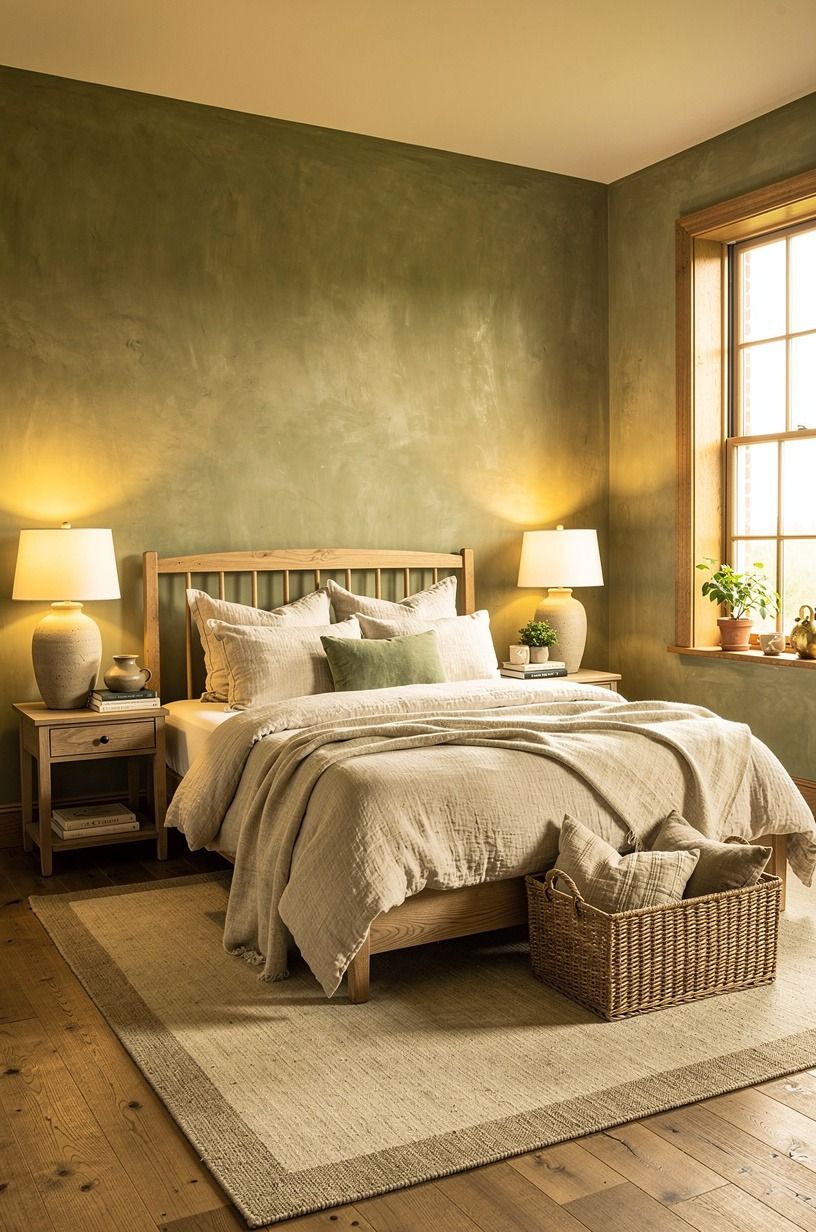
Paint the walls before you bring in the soft goods.
5The 8x10 Rug as a Quiet Anchor
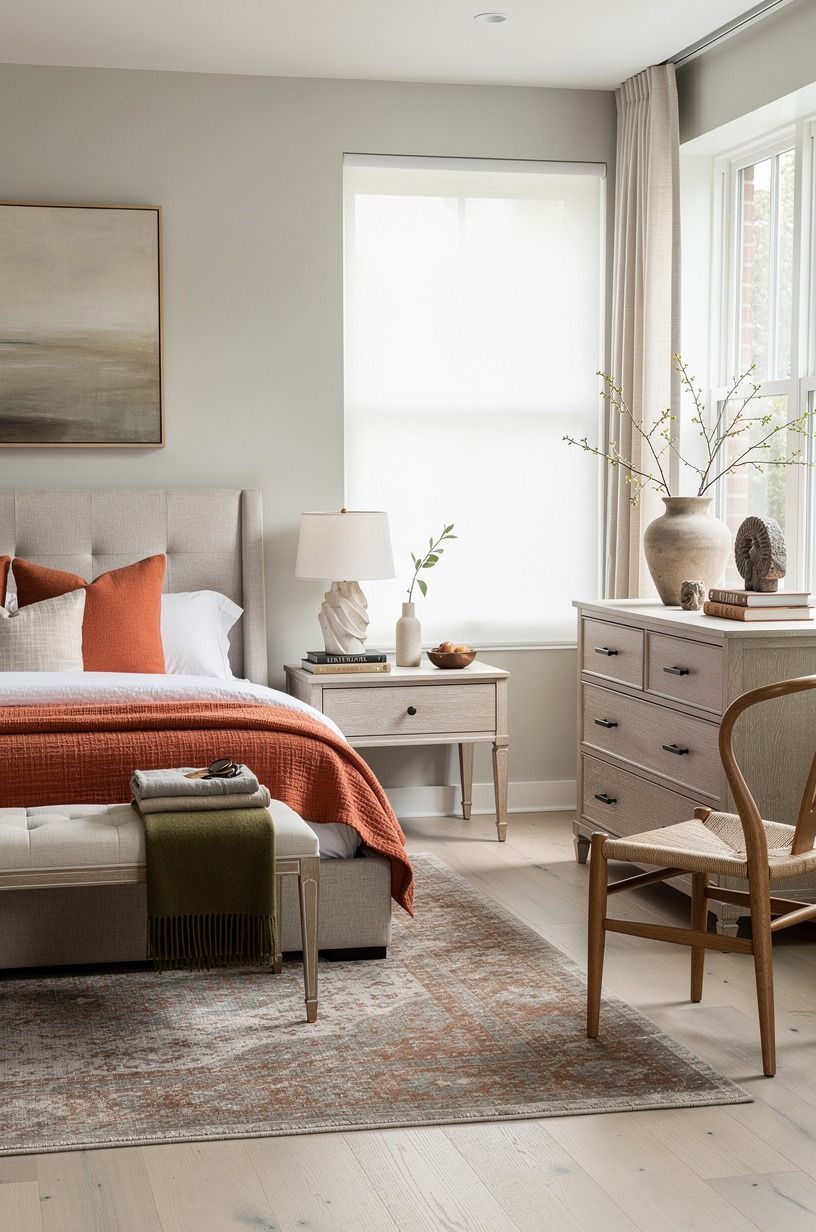
Choose the rug before you choose the final bedside accessories. An 8x10 rug is a useful starting point for many queen bedrooms, and it should extend 18 to 24 inches beyond the bed where possible. Keep enough cerused white oak flooring visible around the edges so the room retains its warm structure.
A faded geometric pattern in terracotta, stone, and olive gives you texture without making the room look themed. I’d avoid a busy lodge print because it competes with the grain of your furniture. Those earthy shades will age better.
If you’re working with a smaller room, place the rug across the lower two-thirds of the bed. You’ll still get softness under your feet without forcing every piece of furniture onto it. That small adjustment can save hundreds of dollars.
6Mix Wood Tones, Don’t Match Them
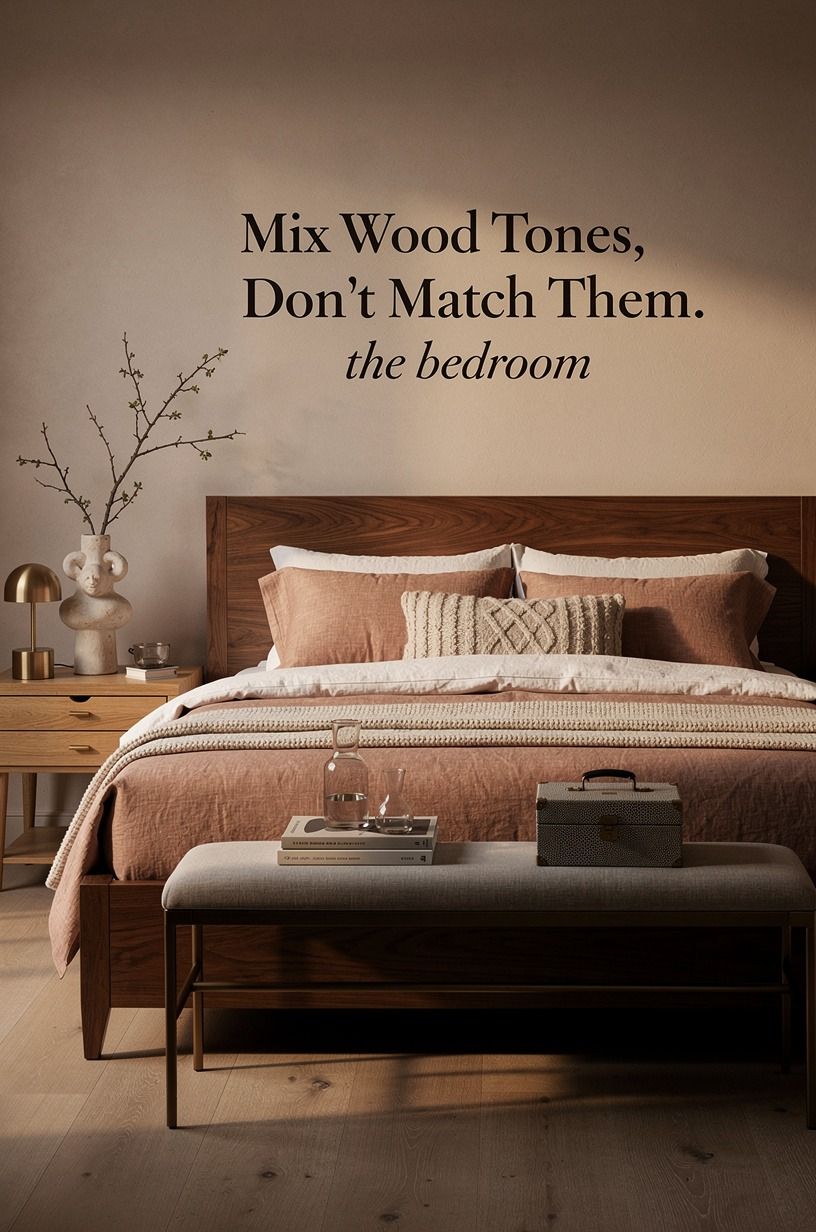
Mix two wood tones, but stop there. The Two-Wood Rule keeps your room collected without turning it into a showroom. Pair a clay-toned nightstand with shagreen accents and a darker walnut dresser, then repeat each tone once so your eye understands the connection.
I’ve made the mistake of buying a complete matching bedroom set. It looked tidy for about a week, then flat. Your room needs a little tension, and shagreen texture supplies it better than extra decoration.
Look for an Article Lenia walnut nightstand or an IKEA HEMNES piece you can stain. You’re not trying to fake a historic cabin. You’re building a room that feels gathered slowly, even if you finished it over one weekend.
7Washed Linen Makes the Bed Feel Lived In
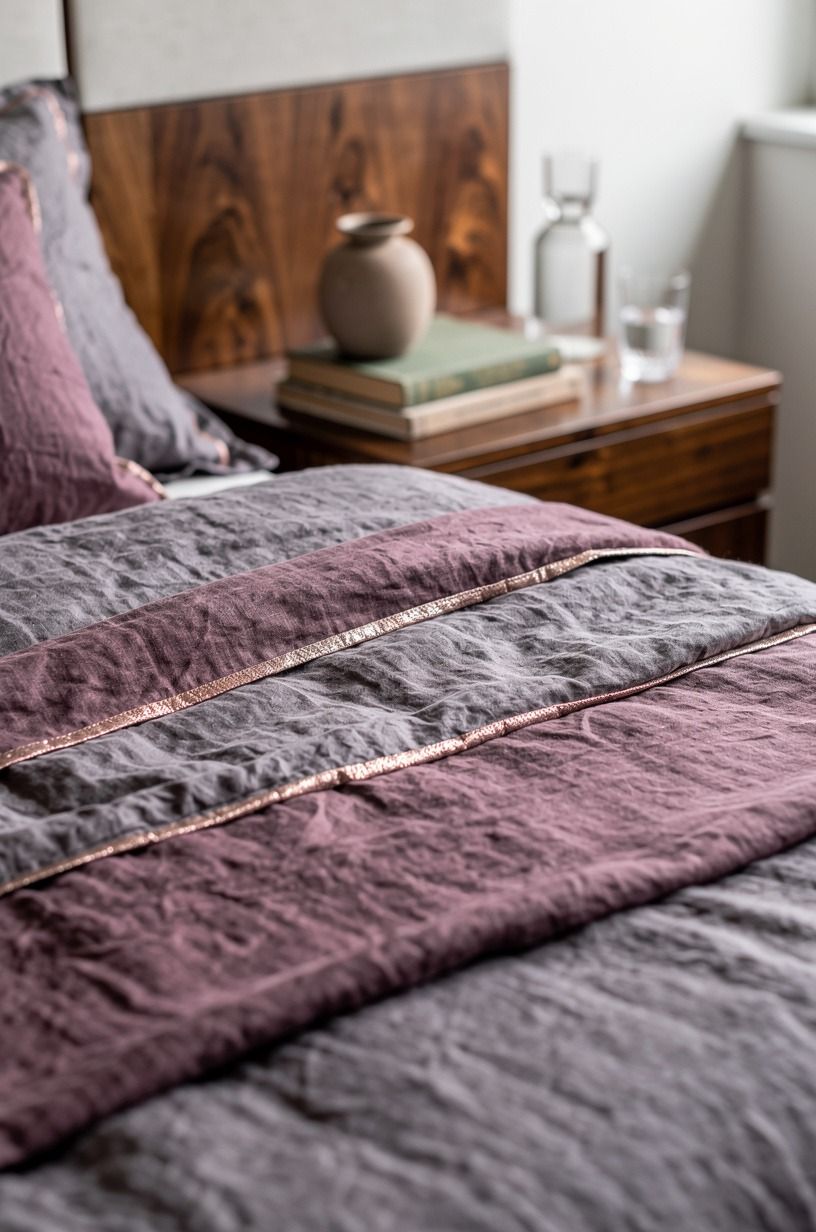
Begin with a cotton sheet, then add washed-linen bedding in a quiet color. A plum duvet, a grey throw, and one rose-gold cushion create more depth than a stack of matching pillows. You’ll feel the difference when the fabrics crease instead of staying stiff.
Keep your pillow count practical. Two sleeping pillows, two shams, and one smaller accent pillow are plenty for a queen bed.
I’d skip the giant pile that has to move onto the floor every night. Romantic doesn’t need to become inconvenient.
And let the bed look used. A slightly rumpled linen cover feels more intimate than a tightly tucked hotel corner.
If you’re choosing between an expensive duvet and decorative cushions, buy the duvet. Your skin will vote for it every night!
8How Does the Three-Height Light Stack Work?
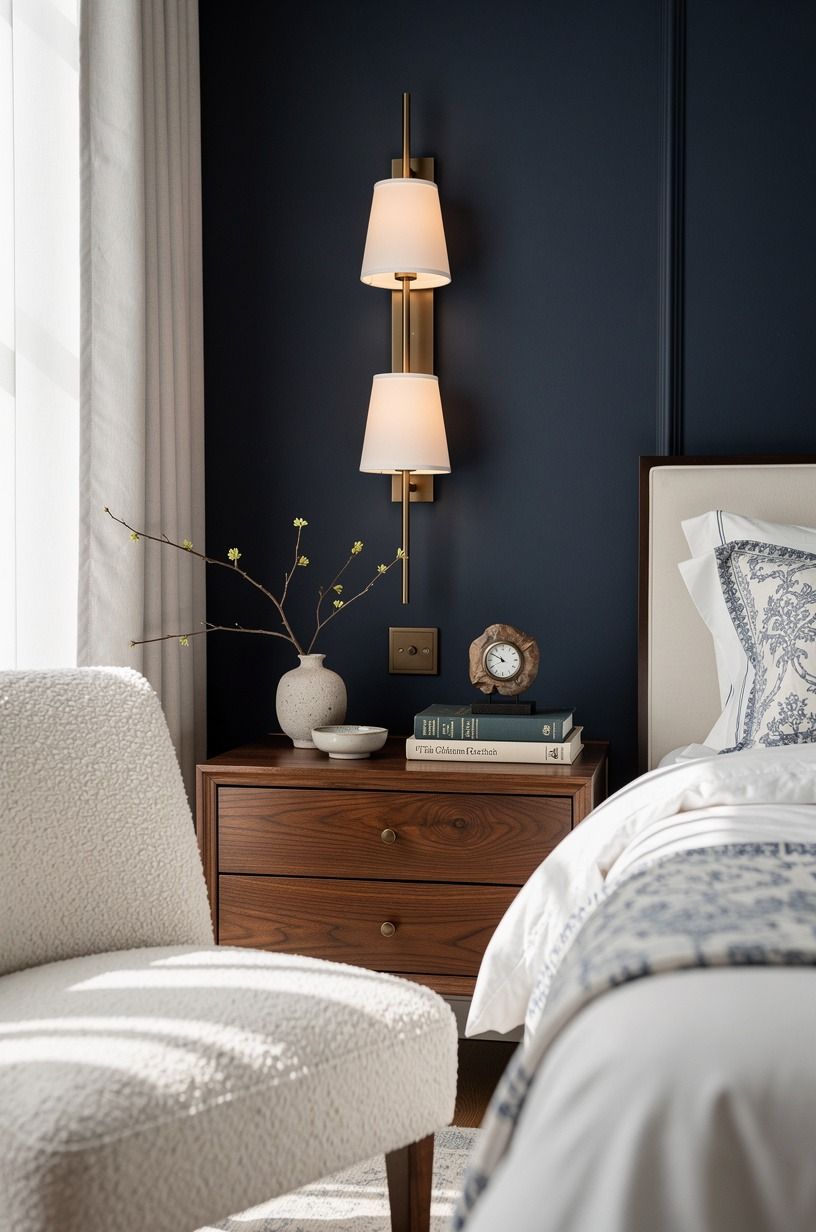
Use three light levels: ceiling, bedside, and low ambient glow. The Three-Height Light Stack gives you enough control to make the room bright for dressing and soft for winding down. You’ll want warm bulbs, ideally around the same color temperature throughout the room.
Place an organic-bouclé table lamp on each side if the layout allows. Then add a low lamp on a dresser or a plug-in sconce above one nightstand. A single overhead fixture can’t create the warm pools that make rustic rooms feel inviting.
I’d avoid exposed cool-white bulbs. They flatten wood, gray out cream textiles, and make your bedroom feel like a waiting room.
Use dimmers where you can, and keep the switch reachable from bed. Small convenience, big payoff.
9Higher Drapes, Softer Room
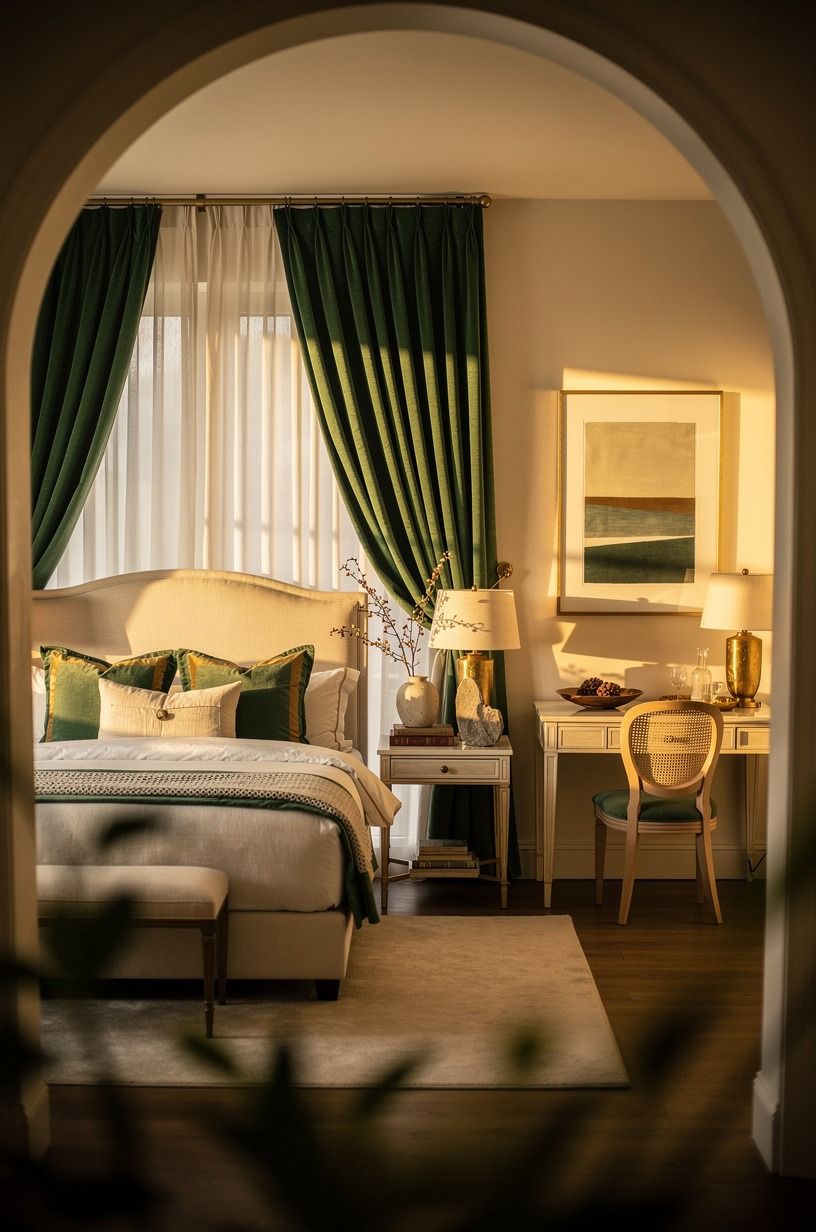
Mount your drapery rod several inches above the window frame and let the panels fall close to the floor.

10Mix Iron with Aged Brass
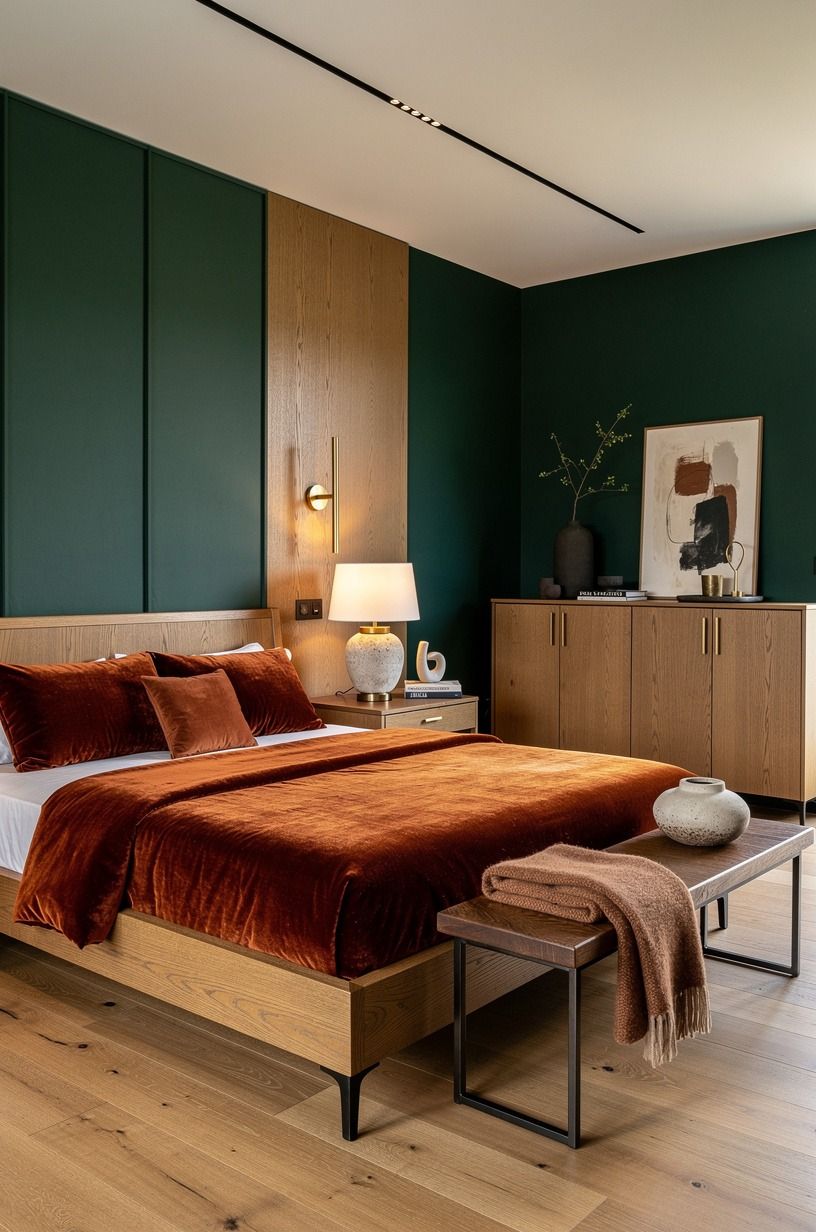
Repeat one metal twice, then let a second metal appear in small amounts. Black iron on the bed frame can meet aged brass in the lamps, while a single bronze picture frame bridges the two. You’ll get contrast without visual noise.
A matte-black iron curtain rod feels grounded, but too much black can make a small room feel sharp. Add an unlacquered brass tray or a warm brass lamp to bring the surface back toward amber.
I’d skip a full matching metal collection. Your bedroom shouldn’t look ordered from one catalog page. Use the hardware you already own when possible, and replace only the piece that catches your eye for the wrong reason.
11The Soft-Edge Headboard
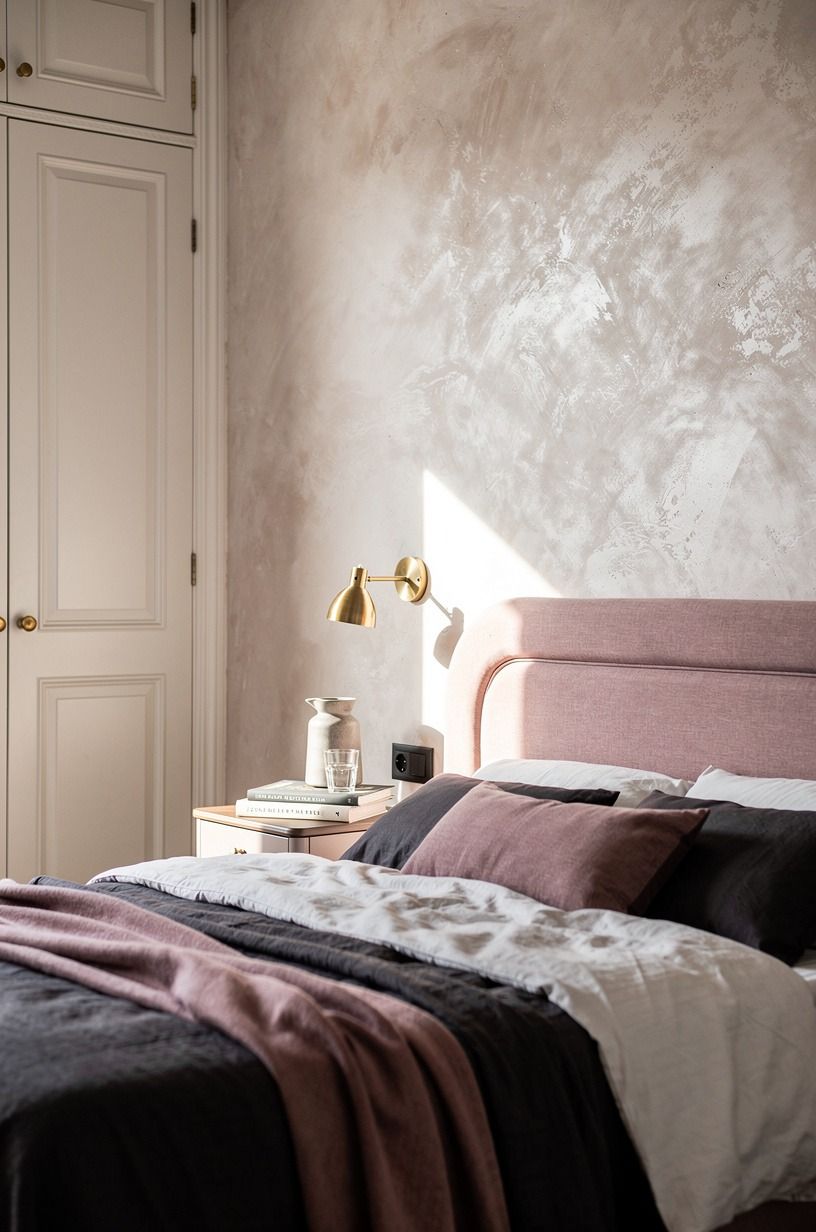
Choose an upholstered headboard with rounded corners if your room has lots of hard wood. The Soft-Edge Frame balances the beams, floorboards, and nightstands, giving your eye somewhere gentle to rest.
A charcoal upholstered headboard works with dusty-rose bedding and brass accents, while a leather headboard brings a more masculine cabin note. I’d avoid a tall tufted design with ornate buttons. It pulls the room toward traditional hotel style instead of relaxed romance.
Keep the headboard a few inches wider than the mattress, not dramatically oversized. You’ll want room for lamps and art on either side. If money is tight, let the hand-applied Venetian plaster behind the bed do the framing.
12Add a Bench with Real Function
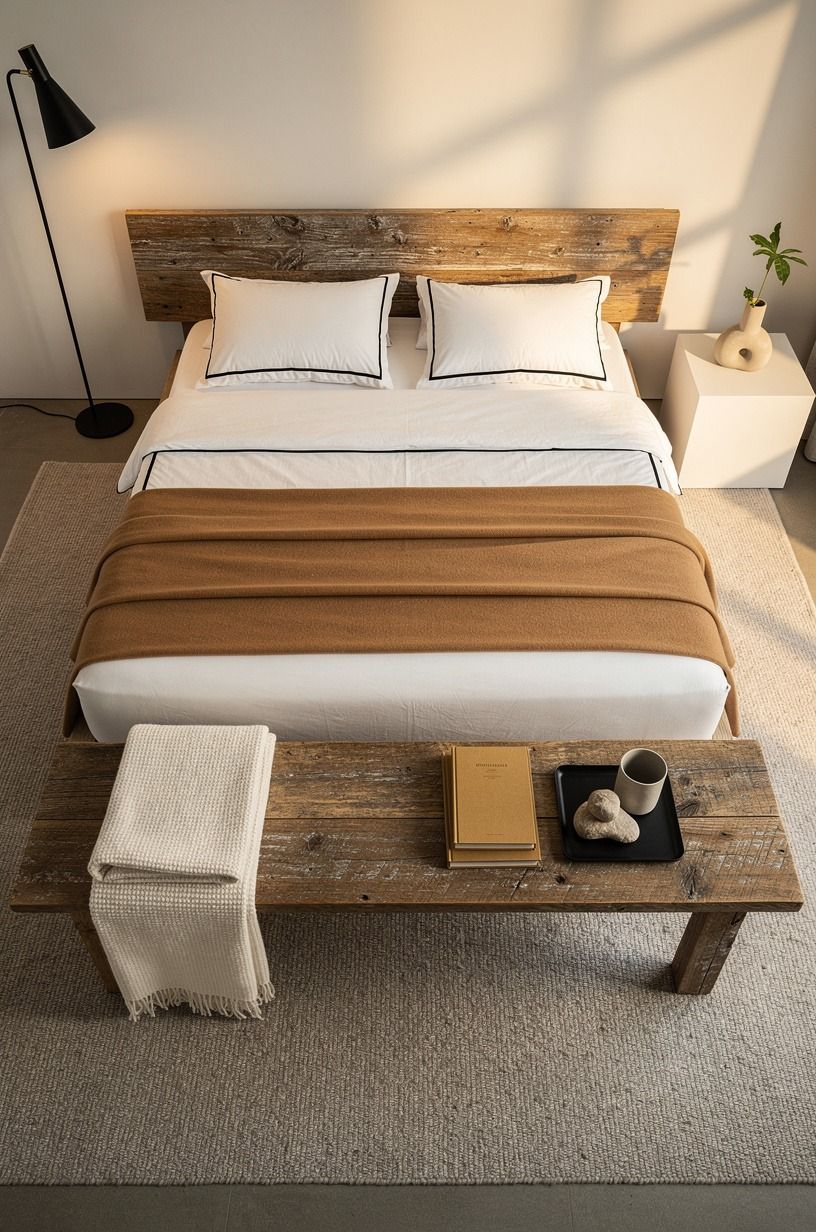
Place a bench at the foot of the bed only if you’ll use it. A narrow seat gives you somewhere to fold tomorrow’s clothes, tie your shoes, or set a book. Otherwise, it’s just another obstacle around your feet.
Try a reclaimed weathered teak bench with a washable camel cushion. The material should connect to something already in the room, such as the warm tone of the floor or a dark detail near the bed.
I’d choose a bench without a deep storage compartment if your bedroom already feels crowded. Hidden storage sounds useful, but it often becomes a place for laundry to disappear. You’ll get more value from a slim shape that keeps the walking path clear.
13What Belongs on the Nightstand?
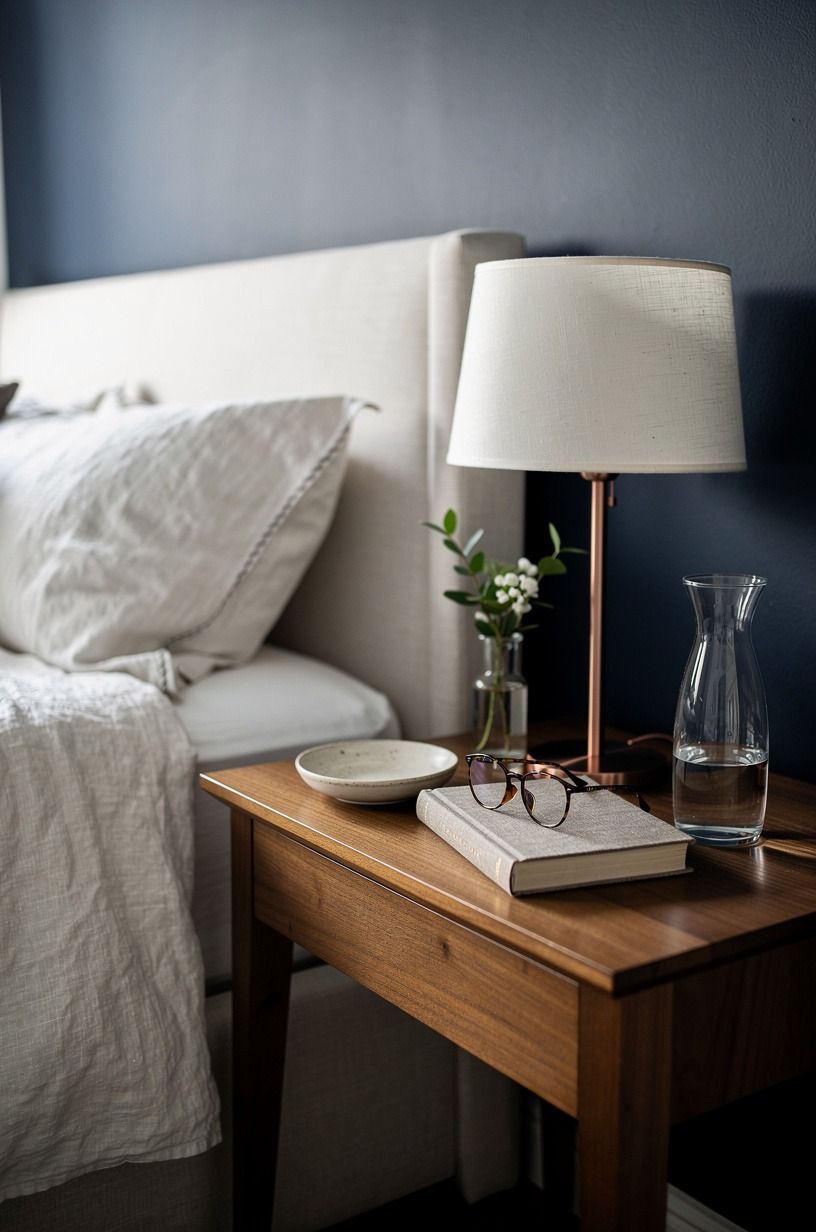
Limit each nightstand to three useful objects: a lamp, a book, and a small catchall. You’ll keep the surface calm, and the bed will remain the room’s center instead of competing with a collection of décor.
An ivory stoneware catchall in a handmade shape adds texture for keys, glasses, or jewelry. Put the book underneath the lamp if the surface is narrow, and keep cords tucked behind the nightstand rather than draped across the wall.
Could your nightstand hold less? Probably.
I’d remove anything you don’t touch within a week. A little empty space beside the bed feels luxurious because it protects your evening routine from clutter.
14Art with a Story
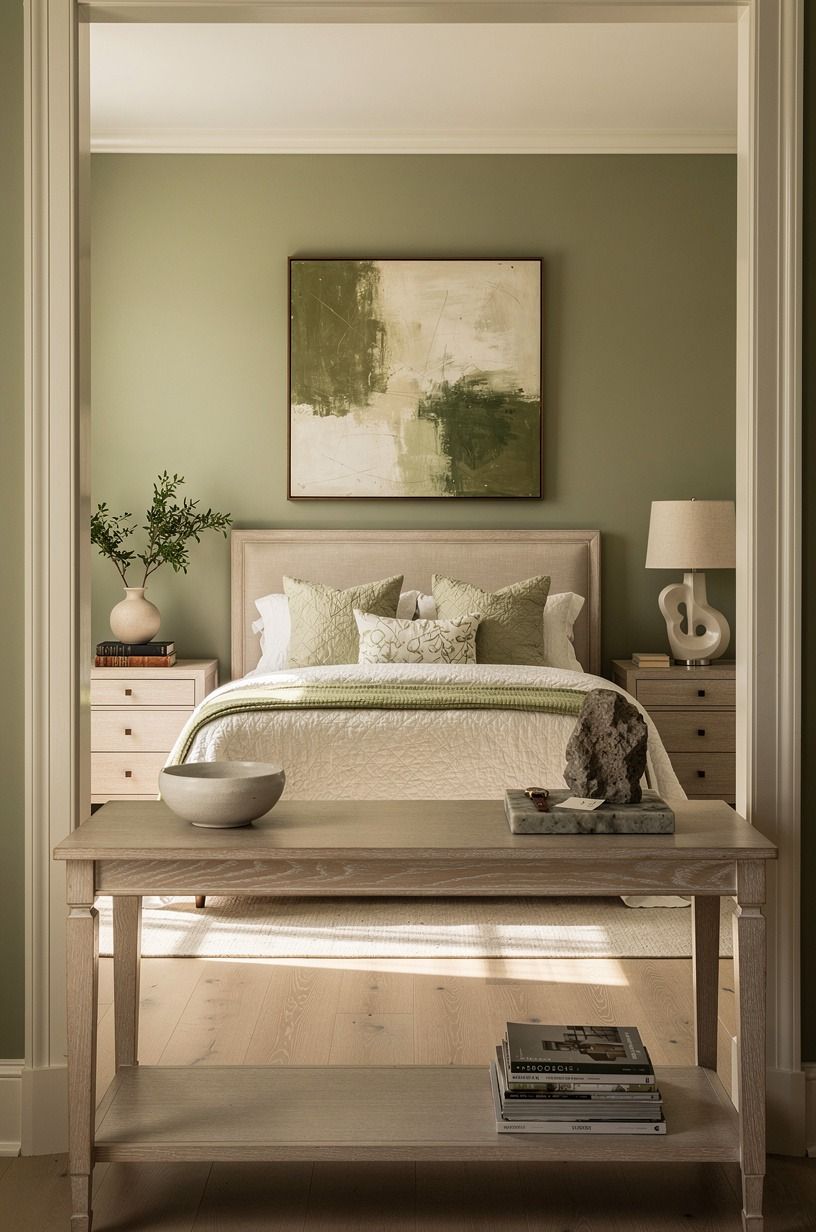
Choose art that gives the room a sense of place.
15One Wall Treatment, Not Five
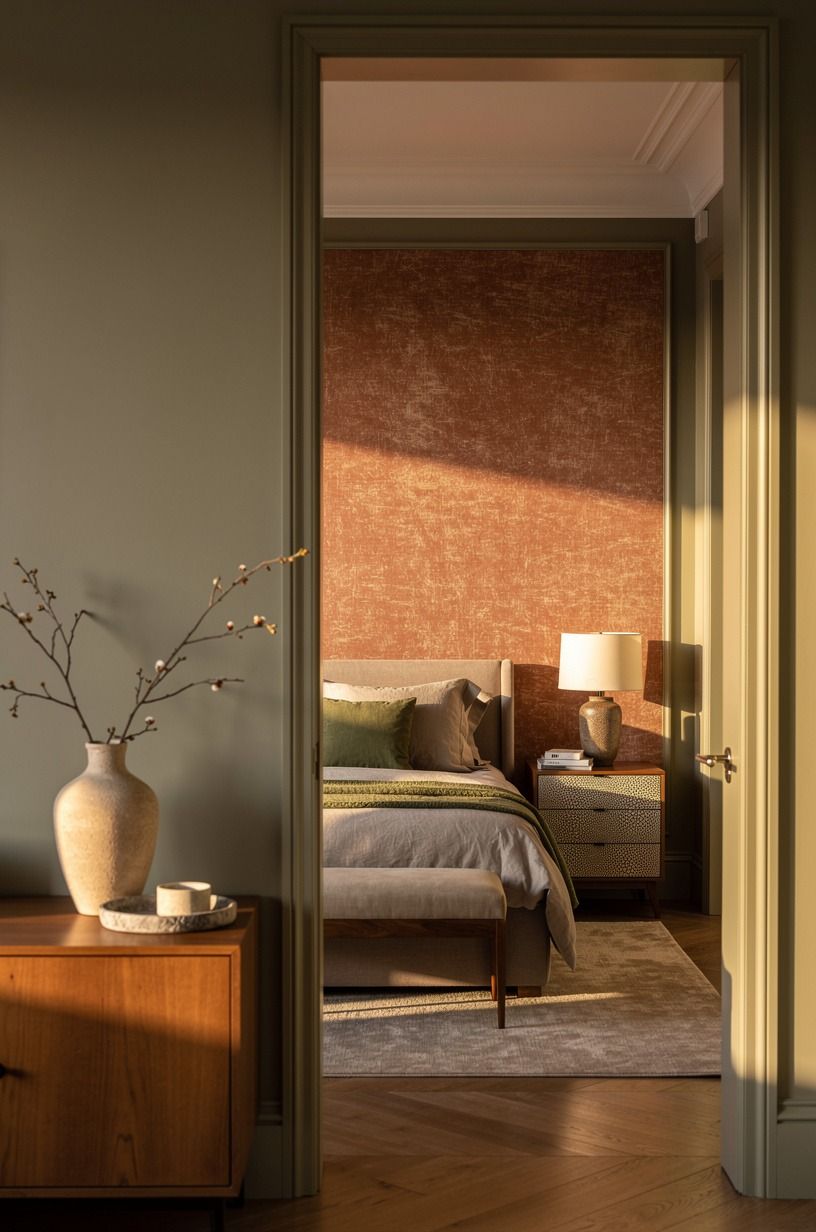
Use one textured wall treatment, not five. Vertical tongue-and-groove boards, limewashed plaster, or a faux beam can introduce the cabin feeling without turning your bedroom into a themed rental.
A shagreen-textured panel catches light in uneven patches, which gives a flat wall more movement. If you’re applying it yourself, test a small section first.
I once rushed a textured wall project and sealed it too late, so the finish changed more than I expected. You’ll want patience here.
Renters can use removable grasscloth-style wallpaper behind the bed. Keep the pattern quiet and the color earthy. A subtle grasscloth texture does more for your room than a loud mural that dominates every photograph.
16Soften the Floor with Layered Textiles
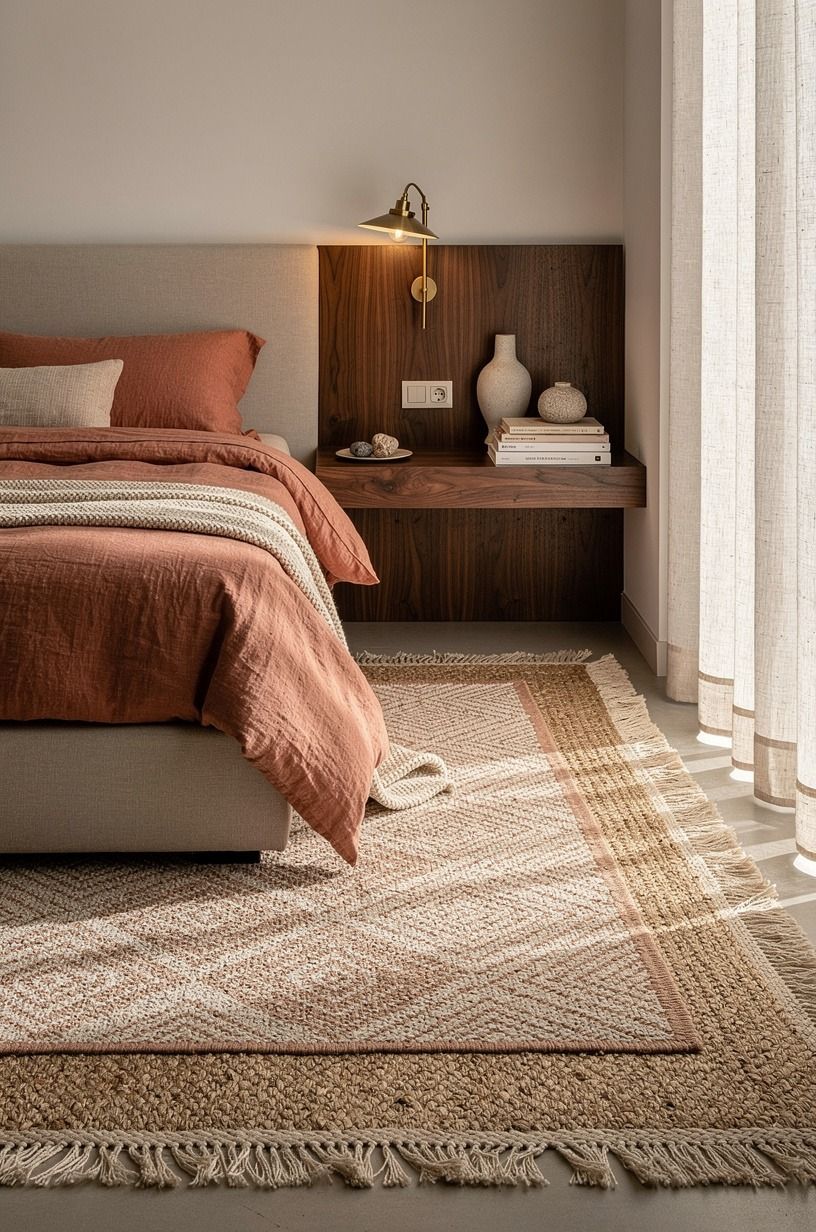
Layer textiles at the places your feet land first. A small runner beside the bed, a folded wool throw on a bench, and a cotton mat near the door can make the room feel warmer without filling every surface.
Choose 600gsm Turkish cotton for a bathrobe or nearby throw if your bedroom connects to a bathroom. Its weight feels substantial, and it can handle regular washing. You’ll notice that practical softness lasts longer than fragile decorative fabric.
And don’t cover a beautiful wood floor completely. Let the boards show around the rug so the room keeps its rustic structure. I’d rather see one honest floorboard than hide everything under too many layers.
17Create a Small Reading Corner
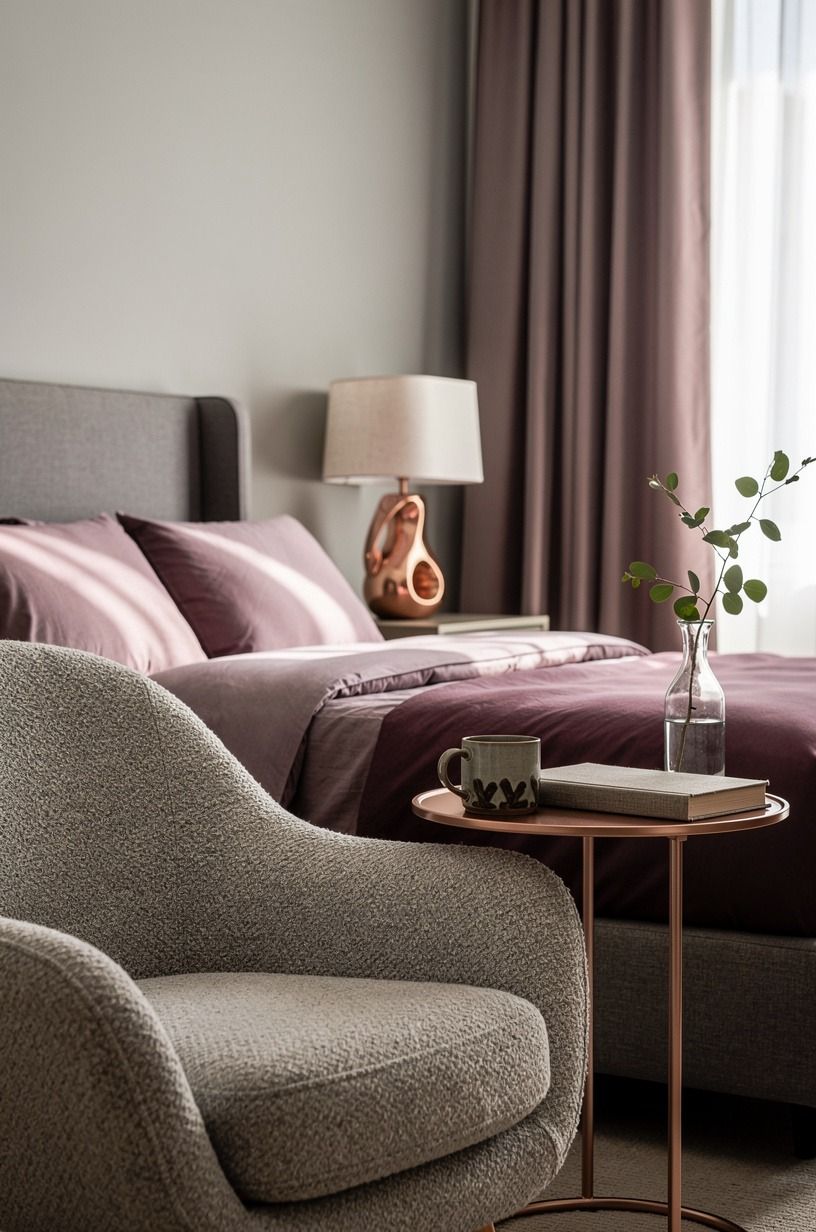
Give yourself one chair if you have the space. A reading corner adds purpose to the room and keeps the bed from becoming the only place to sit, fold clothes, and scroll.
Try an organic-bouclé slipper chair beside a window with a small rose-gold table. The soft texture keeps the corner inviting, while a grey cushion makes it comfortable enough for a chapter or two. You’ll want the chair angled toward the room, not parked like an unused guest seat.
Skip the reading corner if it blocks a closet or door. Your bedroom needs clear movement more than another styled vignette. A compact wooden stool can offer the same landing spot without taking up a full chair footprint.
18Edit the Rustic Details, Keep the Calm
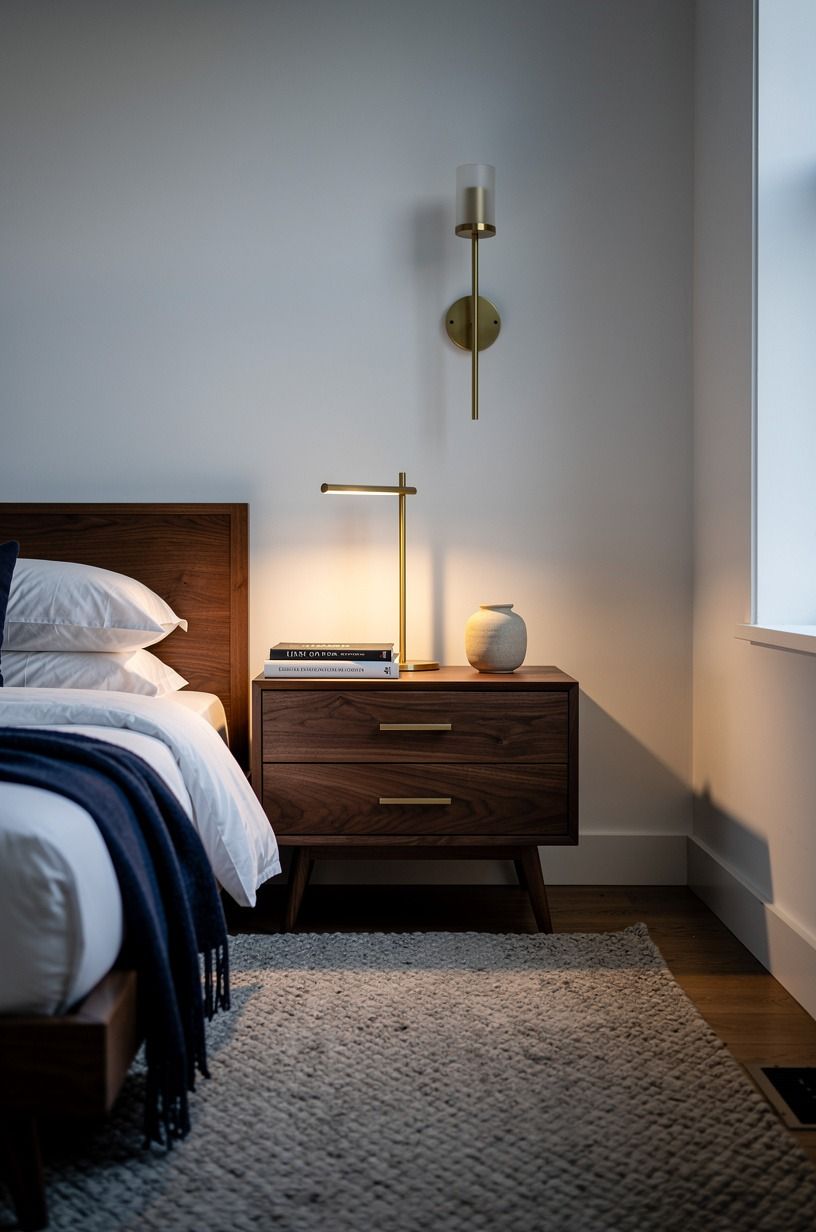
Walk through the room and remove one rustic object from every surface.
19Let the Finished Room Feel Restful
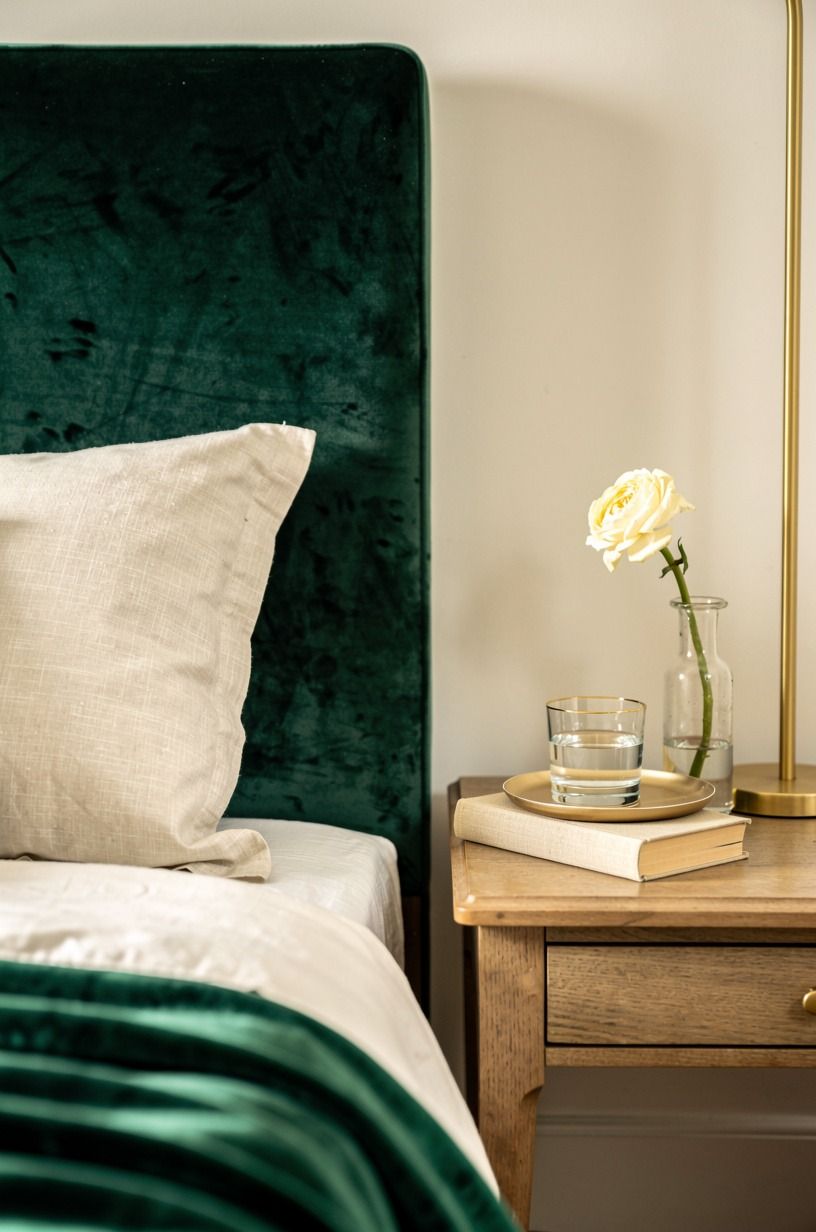
Take in the room from the doorway first. That view shows whether your bed, rug, and light sources create a clear path for the eye. You’ll catch awkward furniture placement faster from the entrance than while standing beside the bed.
Straighten the deep-pile mohair-velvet throw only enough to show its texture. Add one folded throw, open the drapes, and turn on the bedside lamp. The room should feel like someone could rest there tonight, not like it’s waiting for a showroom inspection.
I’d check the room again at dusk, when the warm bulbs meet the darker wood. If the space feels too polished, remove one accessory. Rustic romance usually improves when the room has a little breathing space.
What I Learned Creating This Kind of Room
I used to think rustic romance came from buying the right objects. It doesn’t.
The strongest rooms I’ve worked on began with less: a bed placed properly, a wall color that didn’t fight the floor, and one amber lamp that made the corner feel gentle after dark. Your room needs that order before it needs another basket.
My first mistake was choosing bedding too early. I fell for a patterned quilt, then spent weeks trying to make it work with a cool gray wall and orange-toned furniture.
The quilt wasn’t bad. It was simply louder than the room could support.
You’ll save money if you settle the big surfaces first.
The second mistake was treating rustic as a finish instead of a material story. Distressed signs and fake knots didn’t make the room feel authentic.
Cerused white oak, linen, aged brass, and a little irregularity did. Those materials change under light, and that movement gives your bedroom life.
I’d also resist making everything romantic at once. A ruffled bed skirt, floral wallpaper, crystal lamps, and pink pillows can push the room into costume.
Let romance arrive through softness, low light, and personal objects. The cabin feeling should come from wood, wool, and honest texture.
If you’re deciding where to spend, choose the thing your body meets every day. That might be the rug, the mattress-height nightstand, or the washed linen against your skin. A rustic romantic bedroom works when it supports your habits, not when it performs a style label.
What People Always Want to Know
What is the best rustic romantic bedroom approach for a small bedroom?
A low IKEA HEMNES frame and a narrow oak nightstand are strong small-room choices because they keep the footprint simple. Use one 8x10 rug only if the layout allows it; otherwise, place a runner beside the bed. Warm paint and soft lighting will do more than extra furniture.
Where can I buy rustic romantic bedroom pieces on a budget?
Look at IKEA, Wayfair, and Target for accessible basics, then check Facebook Marketplace and local thrift stores for wood furniture. A secondhand pine dresser can look custom after cleaning, light sanding, and a warm stain. You don’t need every piece to come from the same retailer.
How much does a rustic romantic bedroom makeover cost?
A budget refresh typically runs $200 to $800 in the US, depending on bedding, paint, shades, and art. You can reuse your bed and dresser, rearrange the room for free, and spend first on the washed-linen duvet or a better lamp.
Can I create a rustic romantic bedroom on a budget?
Yes, and you can begin without buying furniture. Repaint one wall, move the bed to improve the walking path, and shop your home for throws and frames. A thrifted wood tray or secondhand lamp can add warmth without pushing you into the mid-range budget.
Is a rustic romantic bedroom worth it in a small space?
Yes, because a small room needs fewer pieces to feel finished. Keep the bed low, use a 24-to-28-inch nightstand, and choose one warm material to repeat. A linen curtain panel can soften a window without taking floor space.
Is rustic romantic bedroom style a good idea for a rental?
Yes. Use peel-and-stick wallpaper behind the bed, a tension rod for linen curtains, and removable hooks for art.
A plug-in sconce can provide bedside light without hardwiring. You’ll get the layered look while keeping the walls easy to repair later.
Where I’d Start First
If I had to pick one step, I’d start with the wall color. Benjamin Moore Pale Oak gives wood and linen room to breathe, while harsh white makes every warm material work harder.
Paint first, then add the bedding. Pin this guide for your next weekend reset.