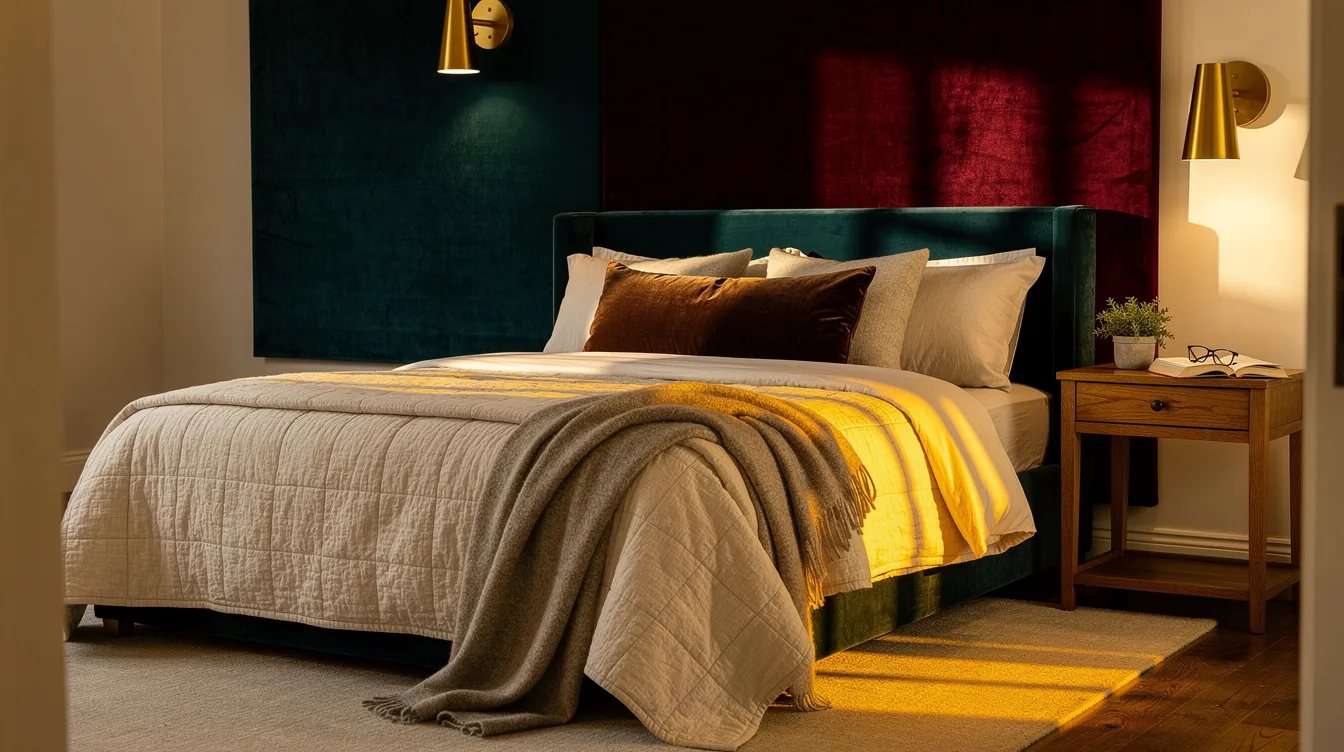
12 Target Bedding Finds That Look Way More Expensive Than They Are
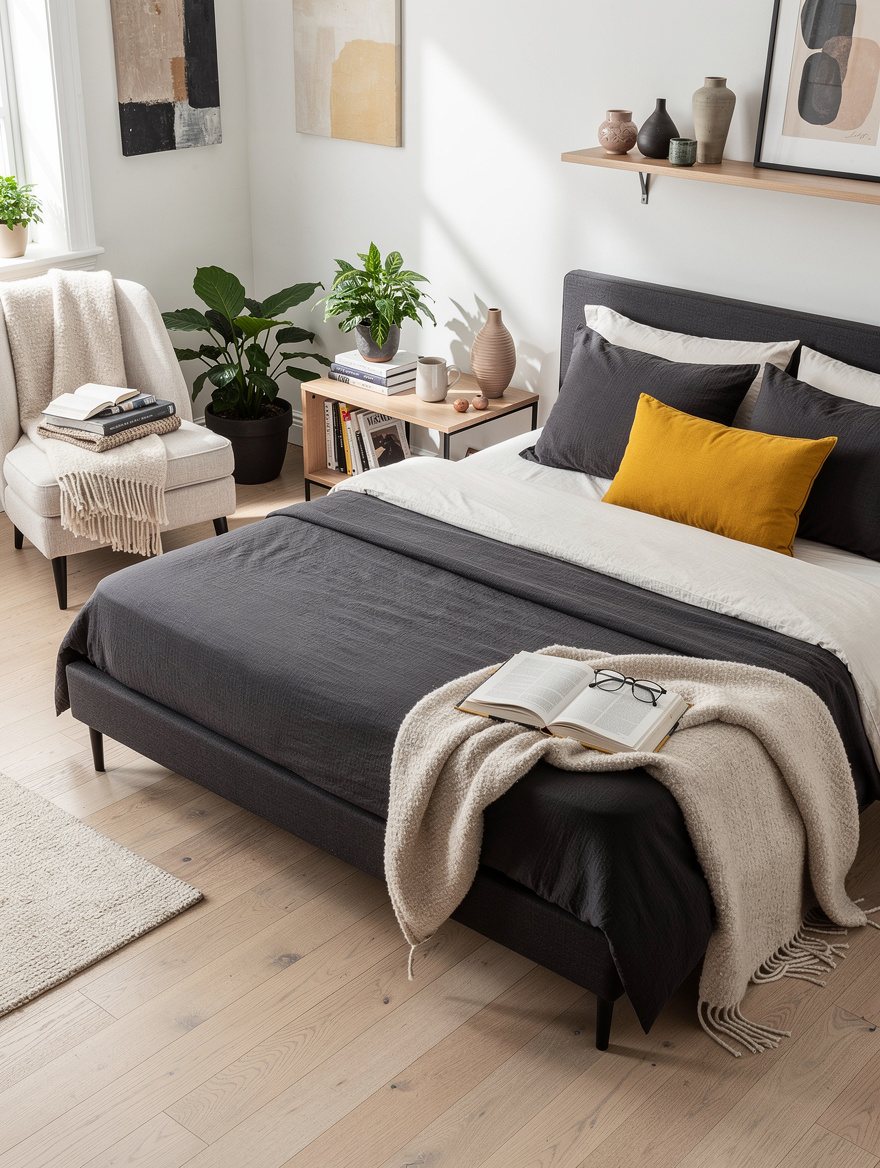
22 august 2026A typical queen bed is about 60 by 80 inches, yet many of them look oddly small because the bedding barely reaches beyond the mattress. The expensive-looking version is rarely a matching set: it has matte fabrics, a fuller duvet, and a few layers that create shape without clutter.
Target is especially useful here because you can build the look piece by piece instead of committing to one prepackaged bedroom formula. I’d spend attention on the duvet cover, pillowcases, and throw, since those are the surfaces everyone notices first.
What you will find inside
- Start With a Matte Percale Base
- Give the Duvet Real Loft
- Pair Ivory Sheets With an Oat Duvet
- Fold a Quilted Coverlet Across the Lower Third
- Build a Full-Width Pillow Stack
- Add One Dark Lumbar Pillow
- Layer Percale Under Washed Linen
- Use a Wool Throw on One Corner
- Ground White Bedding With Chocolate
- Choose Narrow Ticking Stripes
- Replace Shiny Polyester Layers
- Edit the Bed Before Adding More
Start With a Matte Percale Base
A bed can look expensive before the duvet even enters the picture. Start with Threshold cotton percale sheets in warm white or ivory, because their crisp, low-shine finish gives every layer above it a cleaner outline.
Skip bright optic white unless the room is equally sharp and modern. A softer white works with oak, brass, black metal, and painted furniture without making the bed feel like a showroom display.
Give the Duvet Real Loft
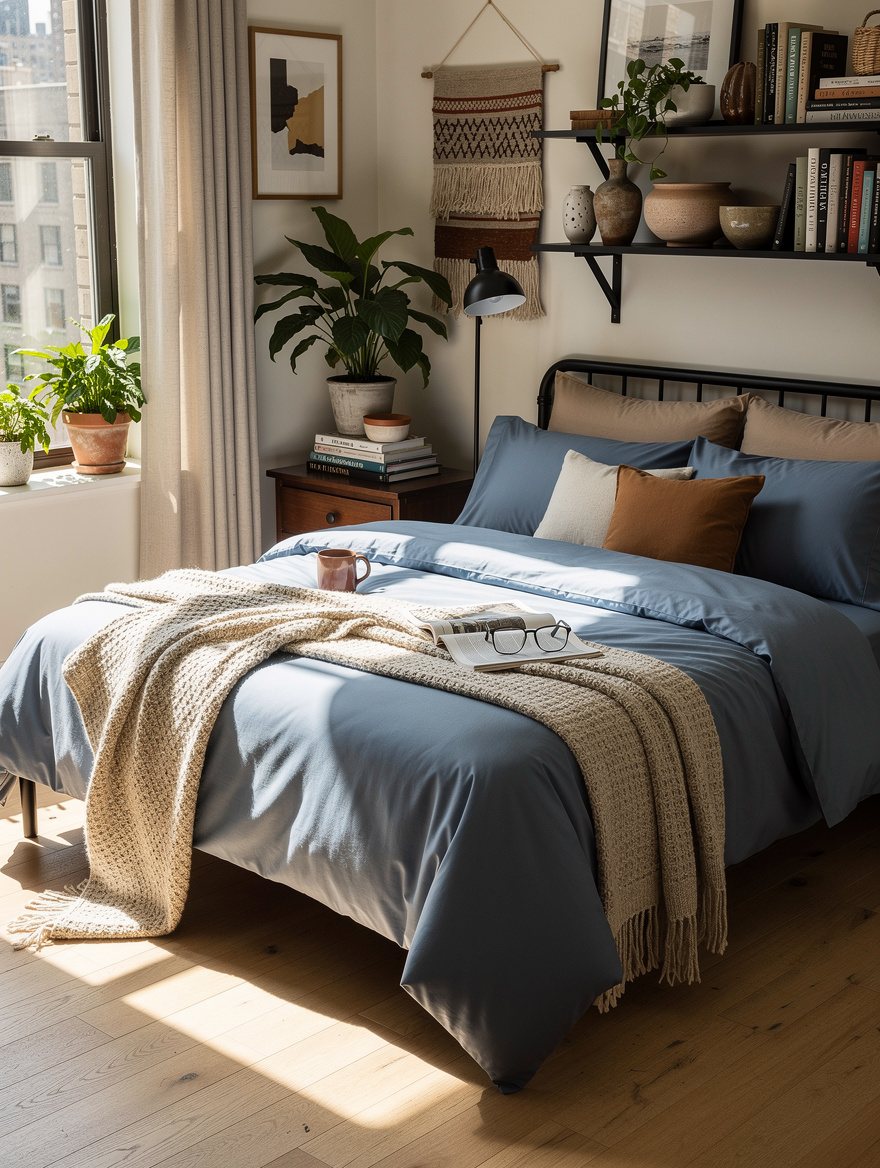
A flat comforter is the fastest route to a budget-looking bed, even under a lovely cover. Choose a generously filled Casaluna duvet insert and let it fill the cover all the way to the corners.
For a typical 60-by-80-inch queen mattress, a queen or king visual layer can create a fuller silhouette, depending on the drop you want. The goal is a soft ridge through the center, not a thin rectangle pressed flat against the mattress.
Pair Ivory Sheets With an Oat Duvet
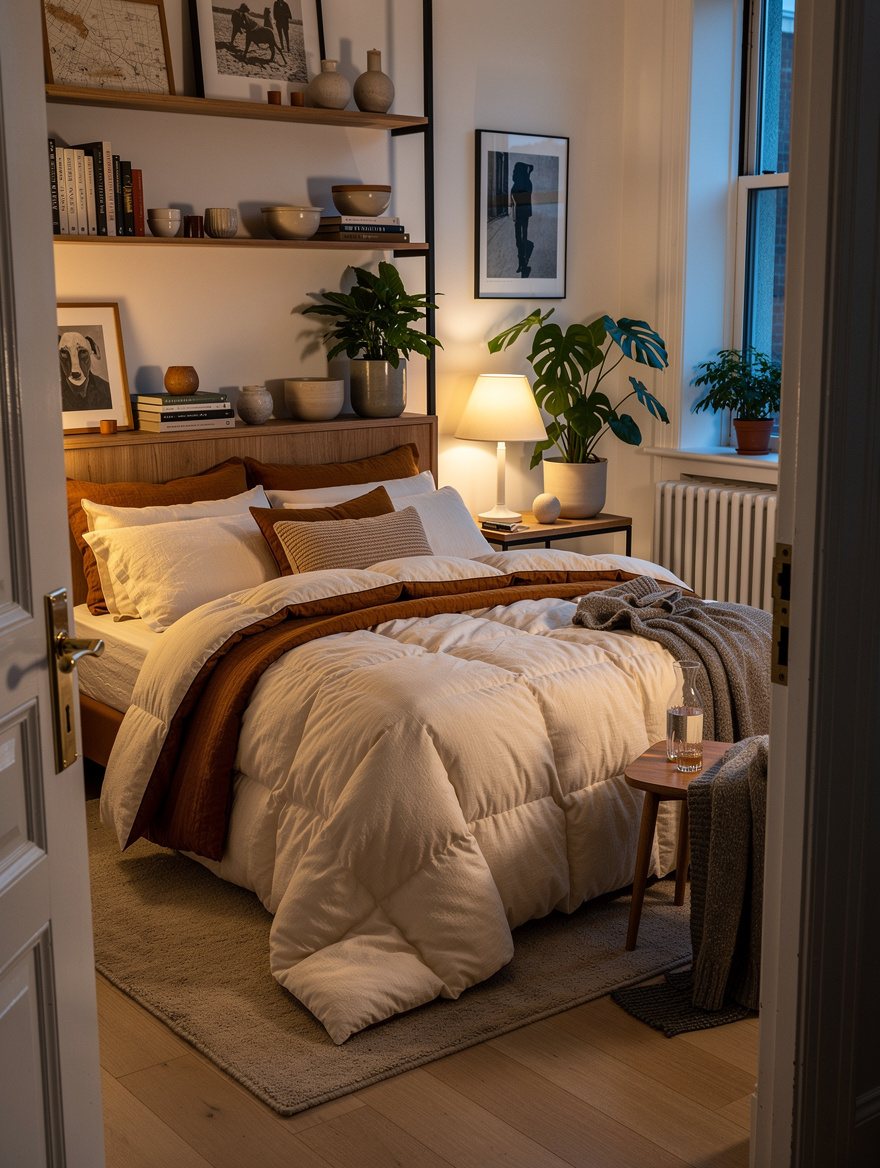
This is the easiest Target combination to get right: ivory percale sheets, an oat or flax-toned washed linen duvet cover, and a quiet ecru layer at the foot. The close colors read intentional because texture, rather than contrast, does the work.
Keep the palette to two or three neighboring tones. Oat, cream, and muted olive feel richer than a pile of competing beige shades that all lean yellow or gray in different directions.
Fold a Quilted Coverlet Across the Lower Third
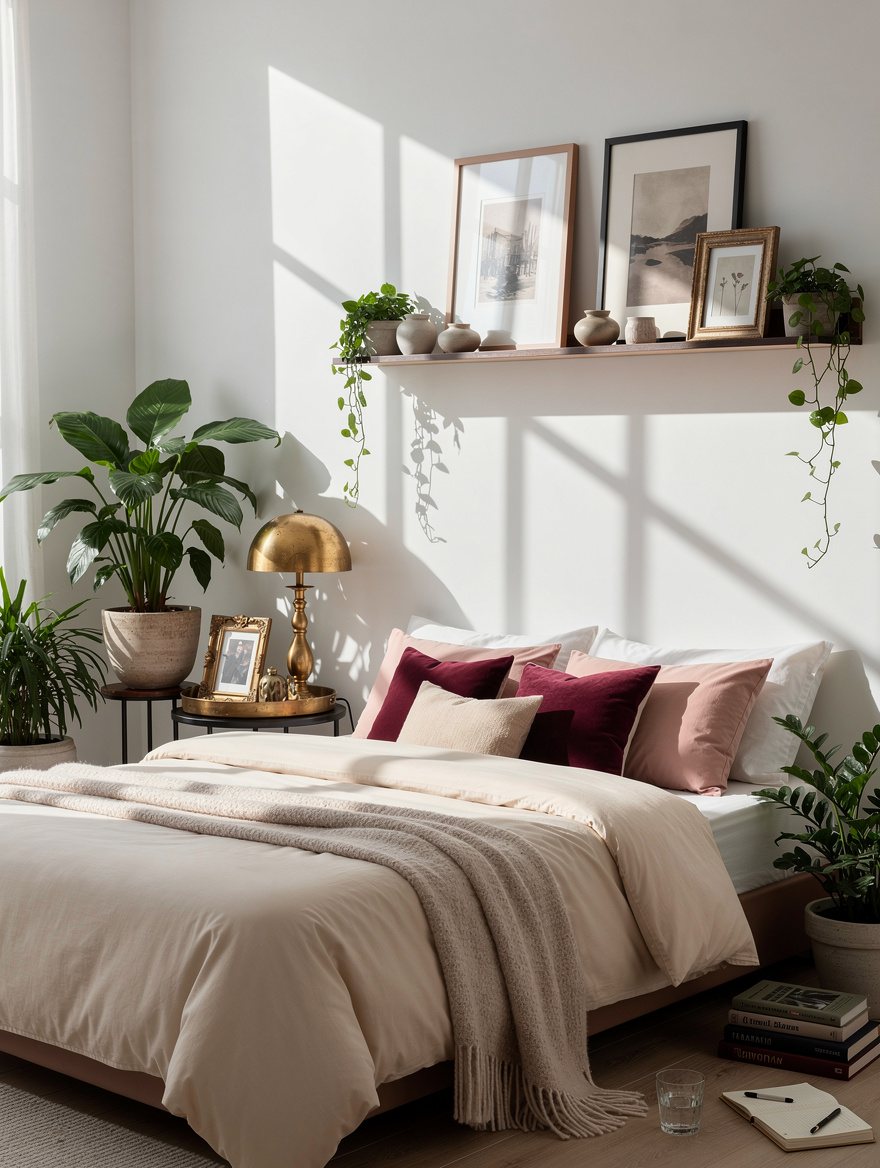
A lightweight matelassé coverlet gives a bed the tailored depth people associate with good hotels. Fold it across the lower third instead of spreading it edge to edge, then let the duvet remain the main visual layer.
This layer also forgives imperfect bed-making on rushed mornings. Choose ivory, stone, or soft gray, and save strong color for one smaller accent rather than a full blanket that takes over the room.
Build a Full-Width Pillow Stack
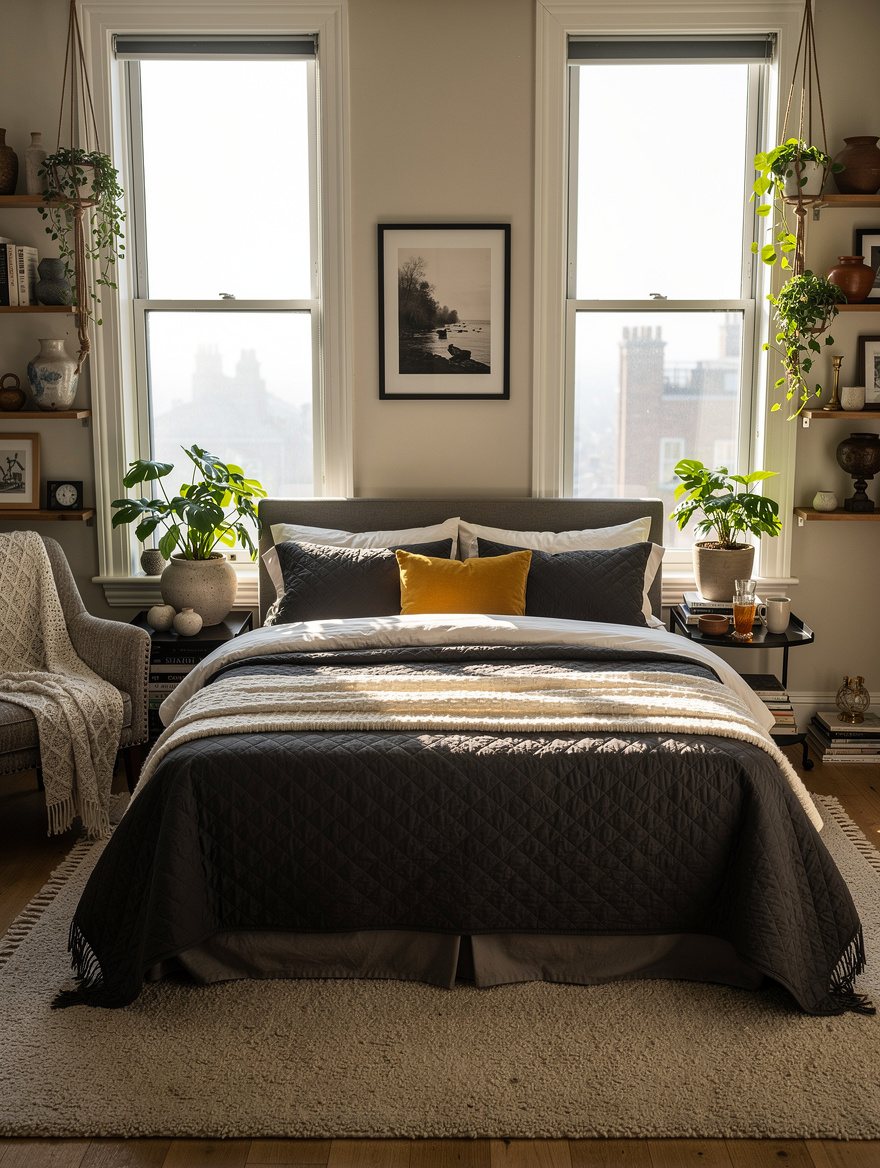
Two sleeping pillows pushed upright against the headboard look skimpy on a queen bed. Use two standard sleeping pillows, then add two larger Euro pillow shams behind or beside them for the broad, structured shape designers rely on.
Keep the sleeping cases in ivory and match the square shams to the duvet. That small separation makes the arrangement look built in, even when every piece came from different Target departments.
Add One Dark Lumbar Pillow
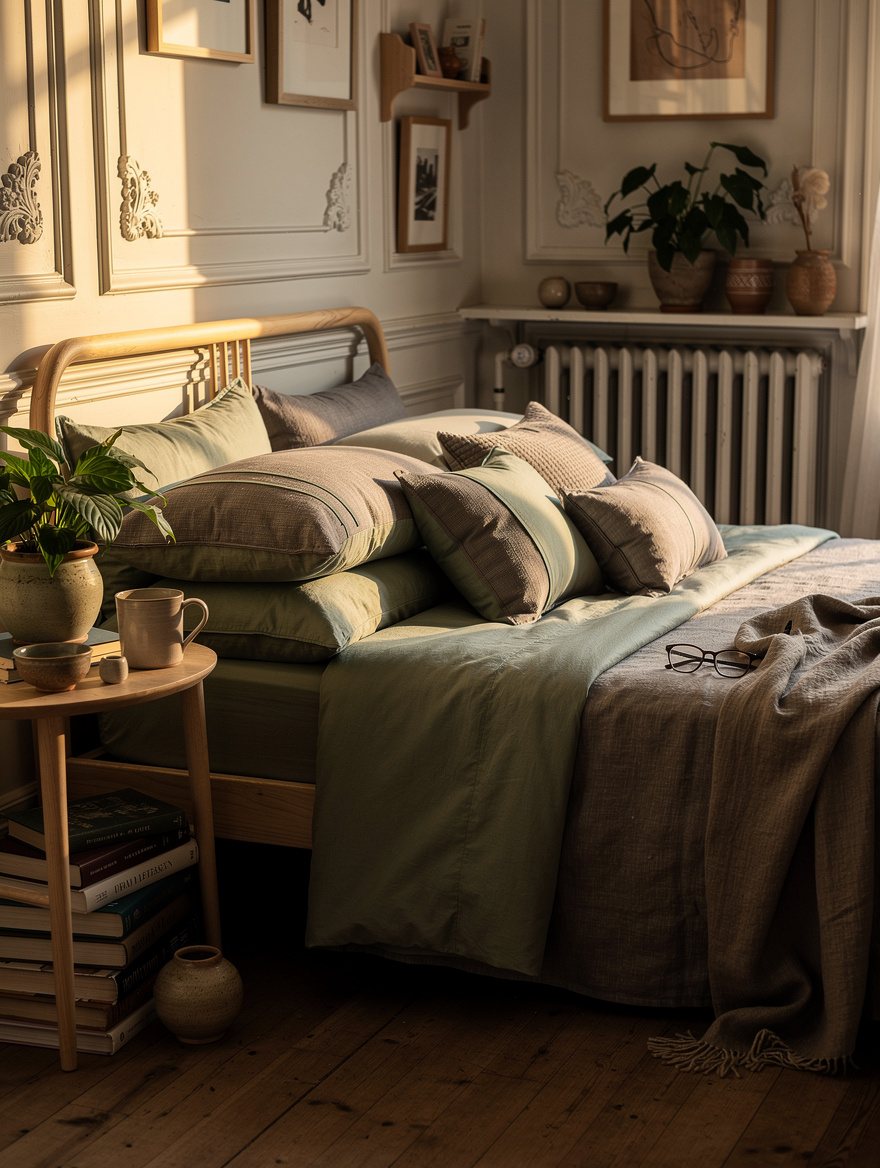
One long velvet lumbar pillow in tobacco, dark taupe, rust, or chocolate gives pale bedding a focal point. It belongs centered in front of the pillow stack, where it creates a clean horizontal line.
Don’t add a collection of tiny decorative cushions. A single substantial accent has more confidence, and it leaves enough open bedding for the room to feel calm rather than overly styled.
Layer Percale Under Washed Linen
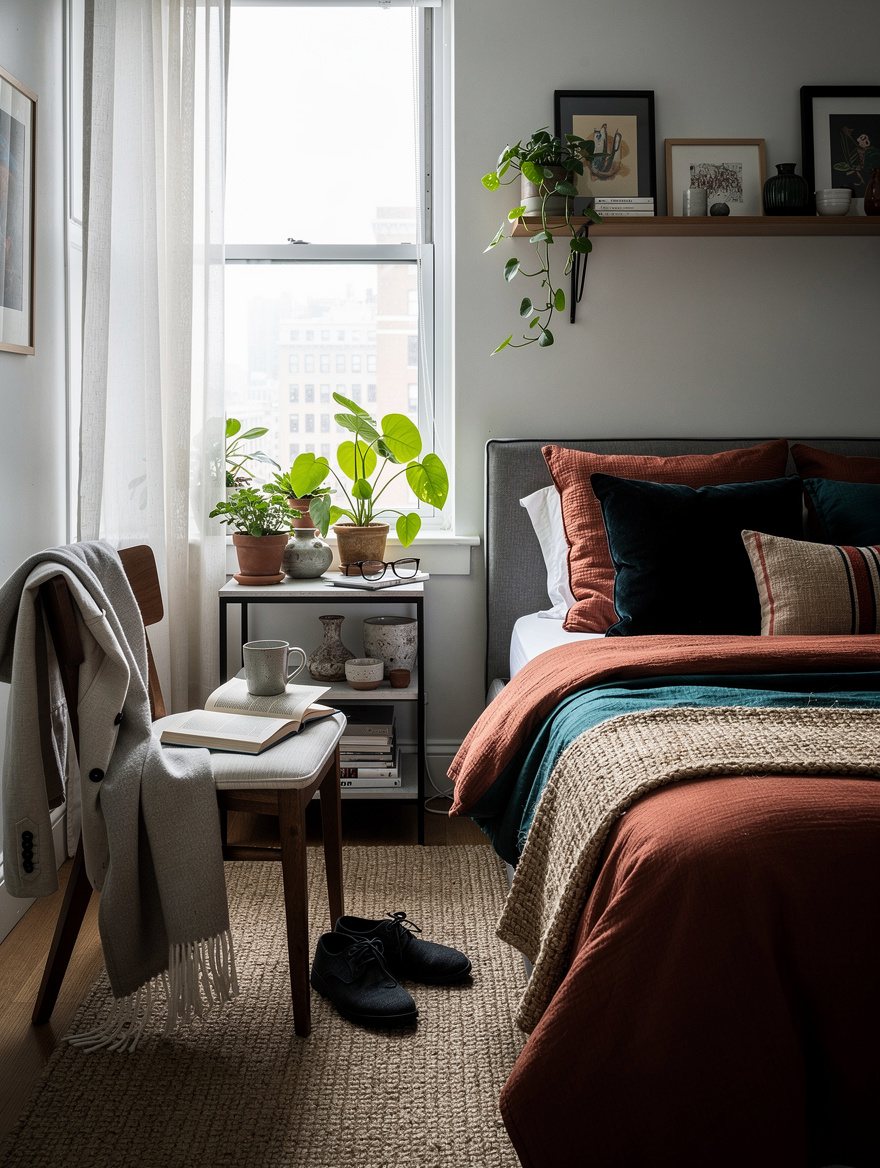
Matching sheet sets are convenient, but matching every surface can make a bed look thin and generic. Put crisp cotton percale pillowcases under a relaxed linen duvet for a mix of smoothness and rumpled texture.
The contrast should feel quiet, not fussy. Warm-white percale with mushroom, flax, dusty olive, or clay linen creates the kind of depth that survives daylight, bedside lamp light, and an unmade afternoon bed.
Use a Wool Throw on One Corner
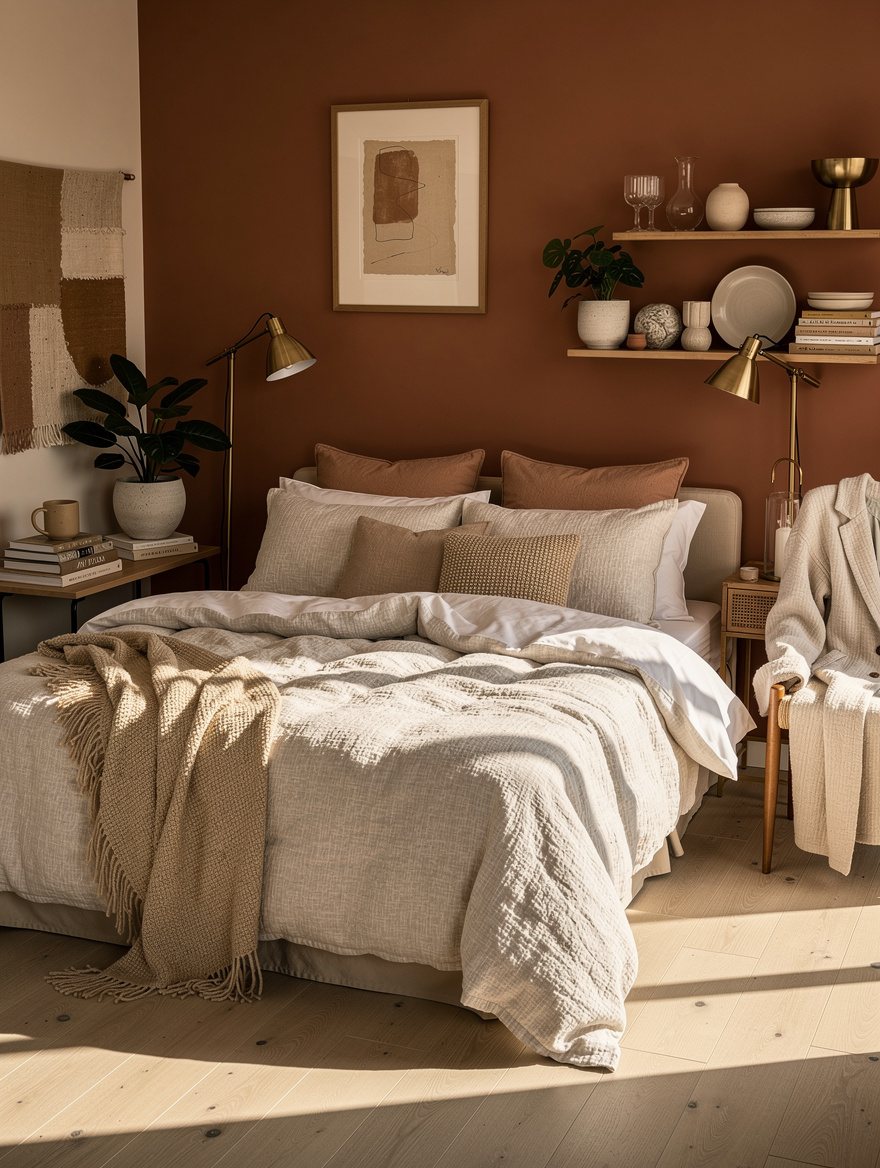
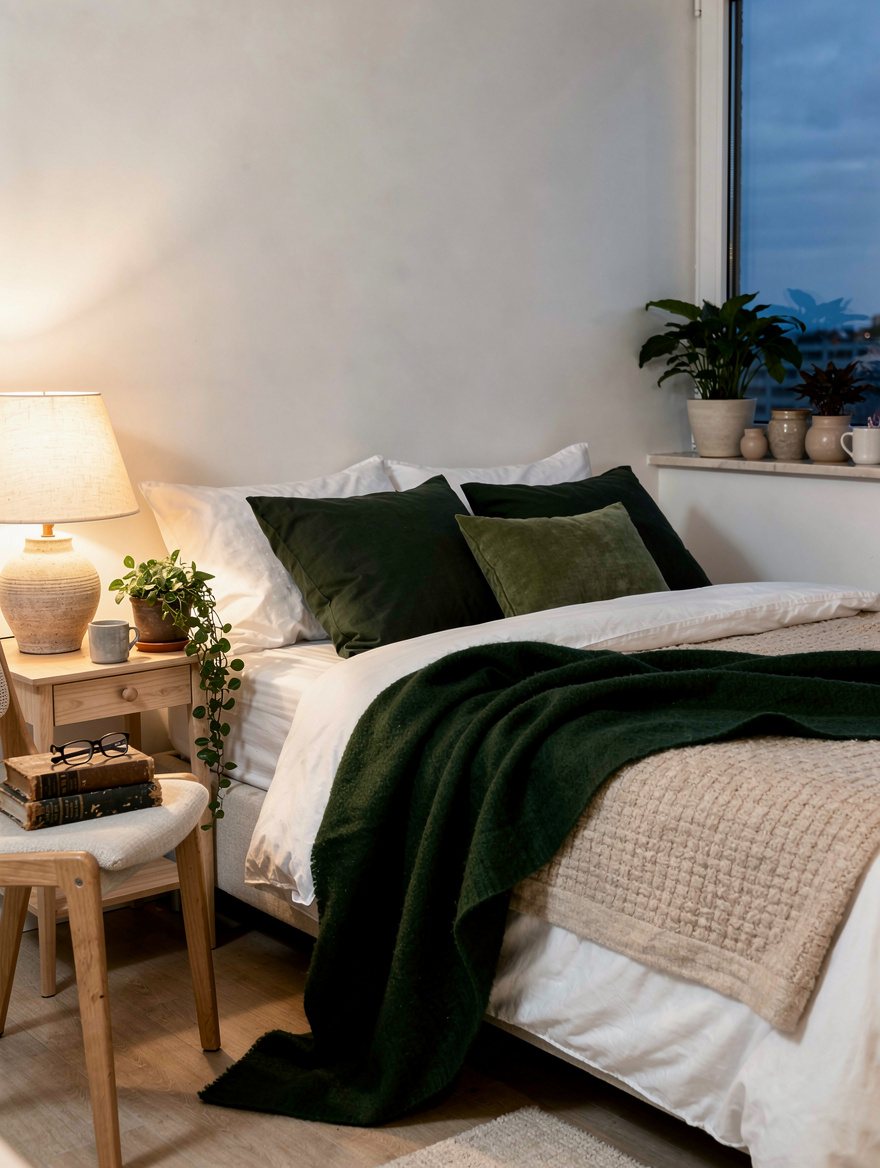
A throw works best when it has weight and visible fiber. Drape a wool-blend throw over one lower corner, allowing the quilted coverlet beneath it to remain visible.
That asymmetry keeps the bed from looking packaged. A chunky knit throw is good, but avoid overly fluffy synthetic versions that shed or look shiny under a bedroom lamp.
Ground White Bedding With Chocolate
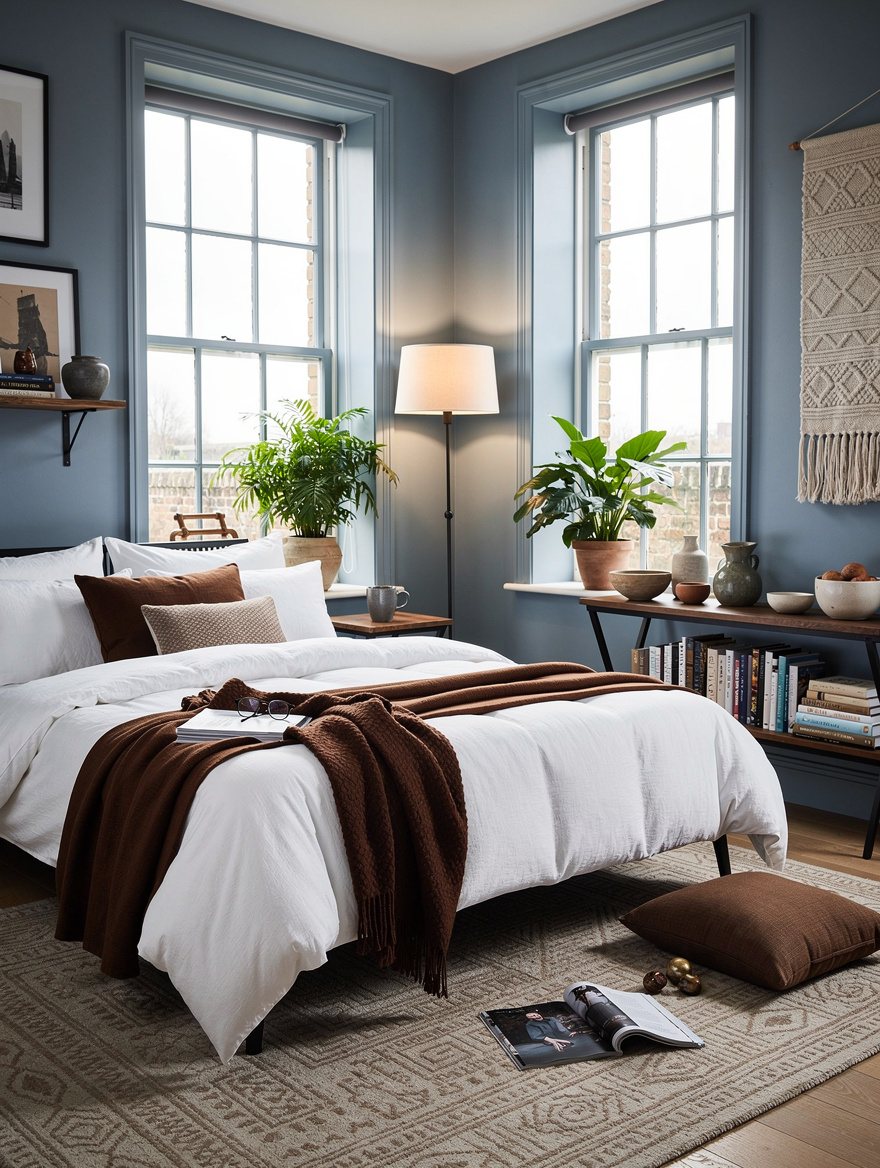
All-white bedding can feel sterile when the room lacks contrast. Bring in chocolate through a Threshold knit throw, a lumbar cover, or wood-toned bedside accents, then let ivory and white remain the dominant colors.
Chocolate has enough visual weight to make pale layers look deliberate. It also works especially well beside medium oak, walnut-look furniture, aged brass, and warm beige walls.
Choose Narrow Ticking Stripes
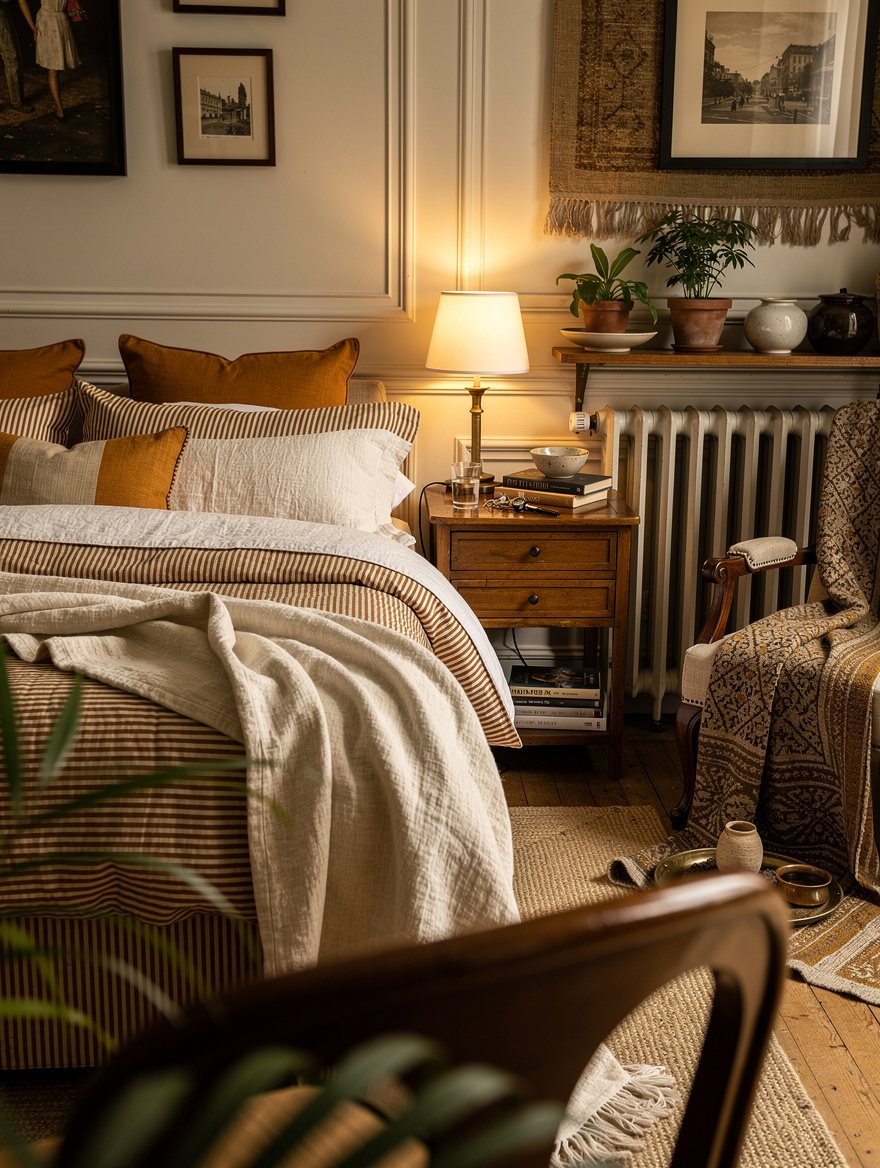
Pattern belongs on one controlled piece, and narrow ticking stripes are the safest choice. Use charcoal or navy striped pillowcases with an off-white duvet, a medium-gray coverlet, and plain sheets.
Keep the stripes away from the duvet cover and throw. One linear detail gives the bed a tailored edge, while multiple patterns quickly turn a restrained bedroom into a busy guest room.
Replace Shiny Polyester Layers
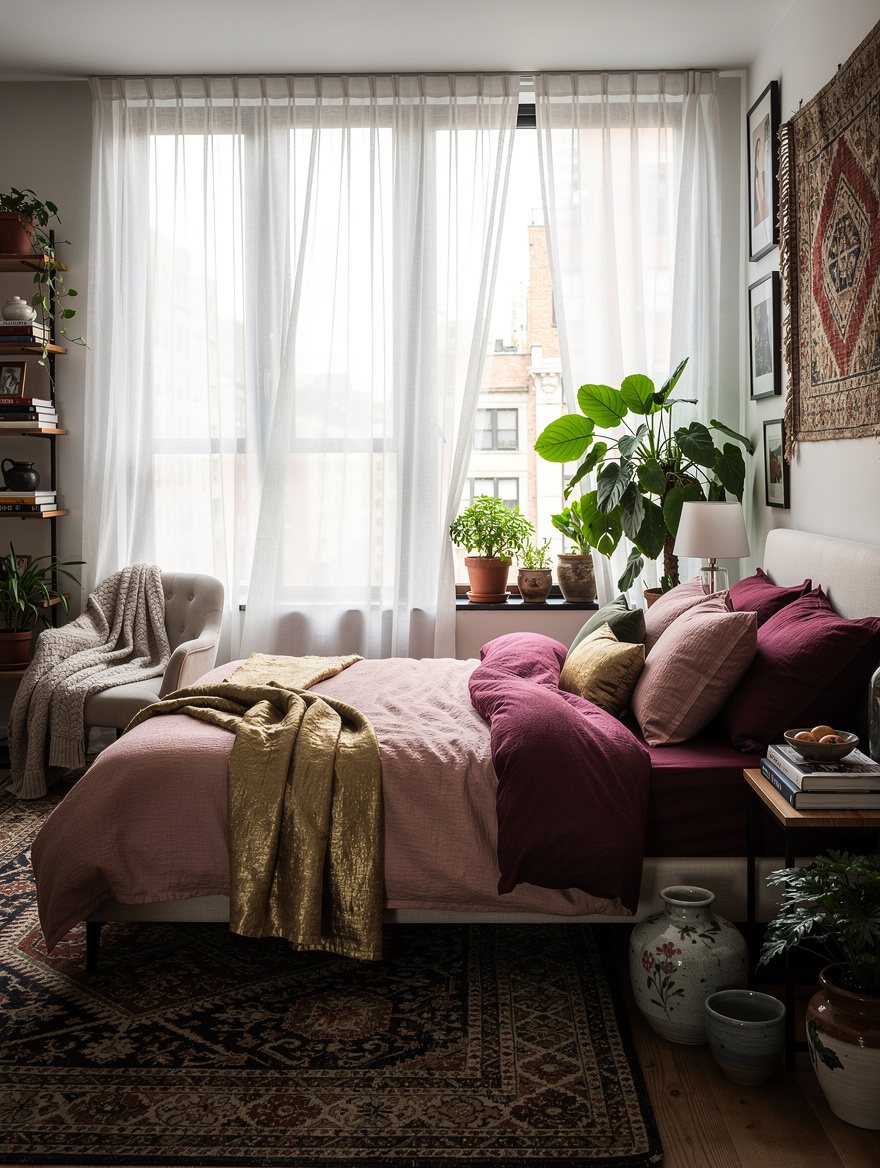
Shine makes bedding look less costly because it catches light in hard, uneven patches. Trade satin-look polyester for Casaluna cotton sateen, brushed cotton, gauze, or linen, all of which have a softer finish.
Real cotton sateen can still have a gentle glow, especially in mushroom or bone. It looks polished when paired with a matte quilt, but it needs that textural counterweight to avoid feeling slippery or overly formal.
Edit the Bed Before Adding More
The most convincing Target bed combines fewer pieces with better proportions: percale sheets, a lofted duvet, a quilted coverlet, two square shams, and one accent pillow. A Target duvet cover in a grounded neutral can carry the entire look when the layers around it have purpose.
Start by replacing the surface your eye lands on first, usually the duvet cover and pillowcases. Then add the coverlet before buying more pillows, because texture gives the bed its expensive-looking depth.
Keep reading
- 12 Soho House Living Room Ideas That Look Way More Expensive Than They Are
- 12 Target Entryway Furniture Ideas That Fake a Built-In Look
Begin with ivory percale sheets and one oat or mushroom duvet cover, then add a folded quilted coverlet. That foundation will make every later pillow, throw, and bedside detail look more considered.