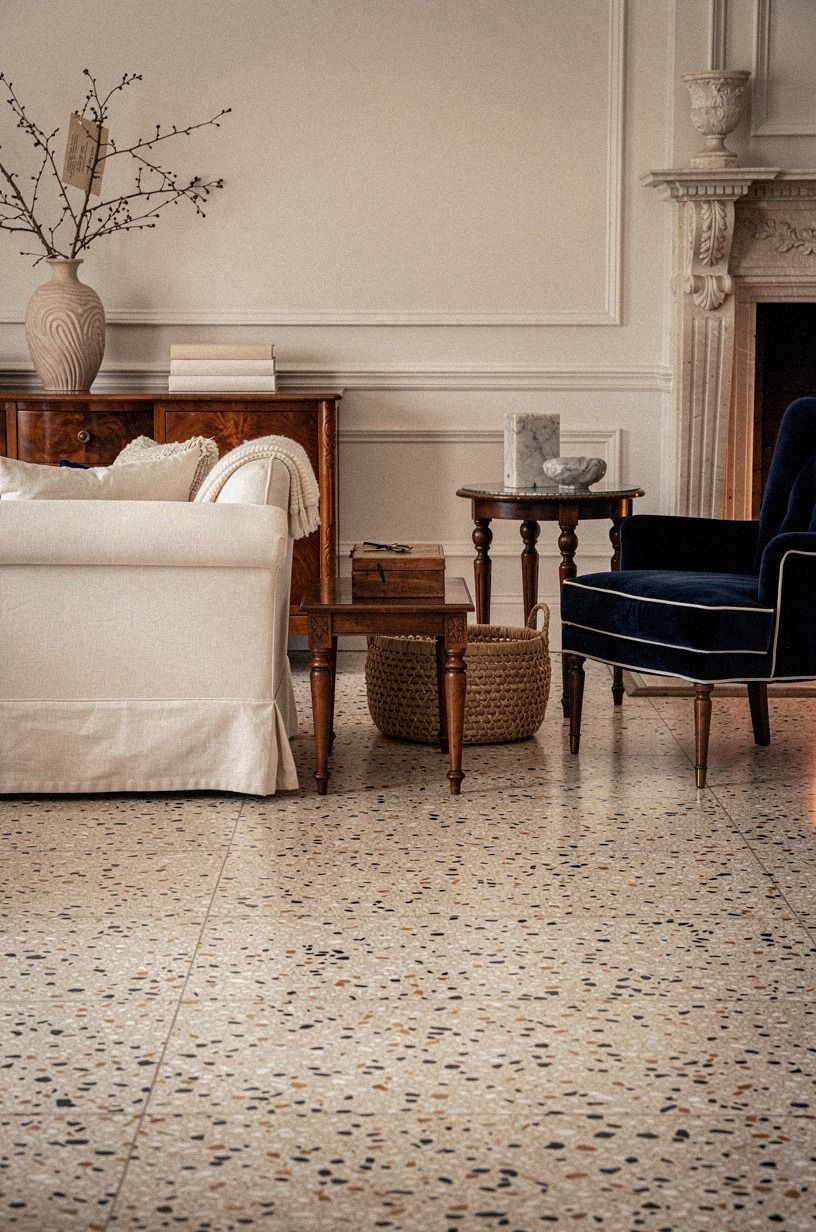
18 Old-Money Southern Details That Make Builder-Grade Rooms Look Inherited
25 november 2026Old-money southern details make builder-grade rooms feel inherited through patina, proportion, and things with a past, not expensive labels. I learned that after pairing bright brass with a new sofa and wondering why the room looked staged. The fix was slower, warmer, and far more personal. These 18 moves will give you a collected room.
- Layer a Patina Story Into Old Money Living Room Ideas
- Choose Aged Brass Over Shiny Gold for Brass Decor Living Room
- Anchor the Room With the Two-Wood Rule
- Hang Portraits at the Right Height for Gold Wall Accents Decor
- Pair New Upholstery With One Antique Shape
- Frame Windows With Linen and Southern Light
- Build the Three-Height Light Stack
- Paint the Shell in Benjamin Moore White Dove
- Mix Pattern Through a Southern Block-Print Rhythm
- Float One Antique Beside Something Modern
- Style Shelves With the Breathing-Room Rule
- Ask What Your Room Remembers?
- Use Inherited Objects as Focal Points
- Choose Upholstery With Hand-Feel
- Set the Budget With Real Numbers
- Replace Novelty Decor With Honest Utility
- Paint One Dark Passage Over Every Wall
- Edit the Room Until the Heirlooms Can Breathe
1Layer a Patina Story Into Old Money Living Room Ideas
Start with one aged object, then let your room answer it. A walnut side table beside a new linen sofa gives you that warm, gathered feeling without making your home look like a period set.
You’ll want the wood to show scratches and uneven color. That’s the point.
A flawless reproduction usually looks flatter than a $40 thrifted find.
Give your eye three textures to rest on: rubbed walnut, woven cotton, and oversized-chip terrazzo. I’d skip a matching antique suite because it can make your room feel frozen in one decade.
Instead, pair one inherited-looking piece with navy upholstery, a ceramic lamp, or a simple slipcovered chair. If you’re building the whole room slowly, this guide to timeless preppy style has useful ideas for mixing old and current pieces.
Your room doesn’t need more objects yet. It needs one object with enough age to make the newer pieces relax around it.
2Choose Aged Brass Over Shiny Gold for Brass Decor Living Room
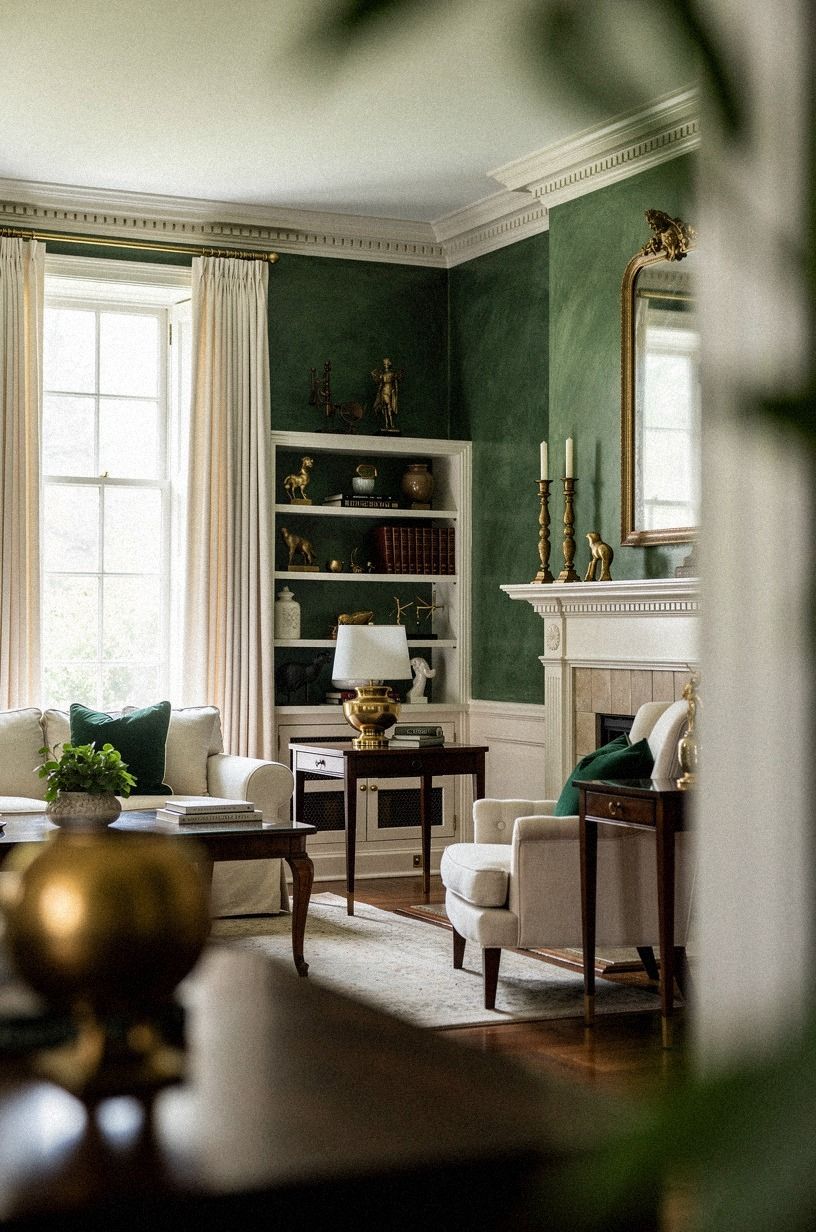
Aged brass has a softer glow than polished gold, especially after sunset when lamps throw small pools of amber across hand-applied Venetian plaster.
3Anchor the Room With the Two-Wood Rule
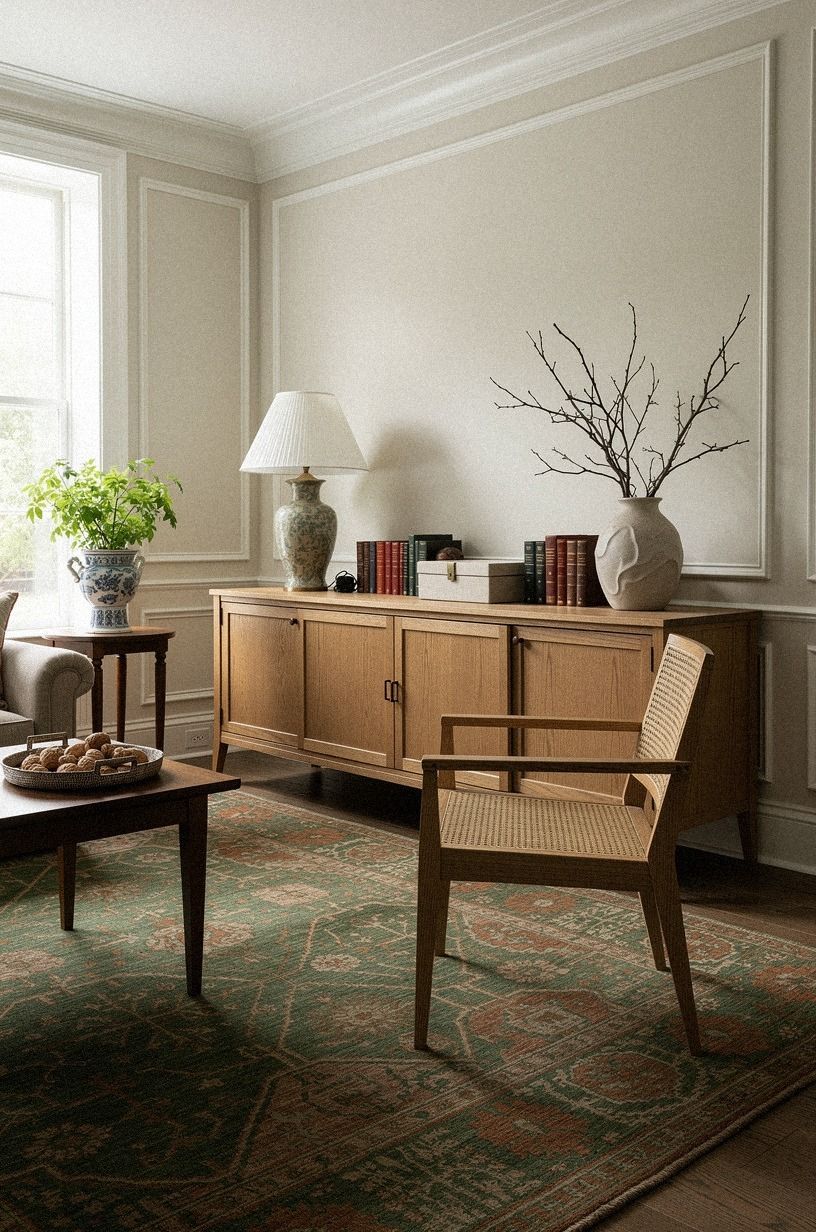
The Two-Wood Rule keeps old money living room ideas from becoming visually muddy. Choose one pale wood and one deep wood, then repeat each with restraint.
I like natural oak for a console or coffee table and dark-stained oak for a frame or occasional chair. Your eye gets contrast without the room becoming busy.
A pale oak bench beside a dark-stained cabinet works because the grains don’t compete. You’ll want one finish to carry the larger surface and the other to appear in smaller notes.
I made the mistake of adding four wood tones once, and the floor, table, mirror, and shelves all argued at once. The room felt restless.
Try a shagreen accent chair near the lighter wood, then add a dark frame above it. For another perspective on warm, textural interiors, browse this isolated archipelago story, especially its earthy visual language. You’ll want your materials to feel gathered, not coordinated by spreadsheet.
4Hang Portraits at the Right Height for Gold Wall Accents Decor
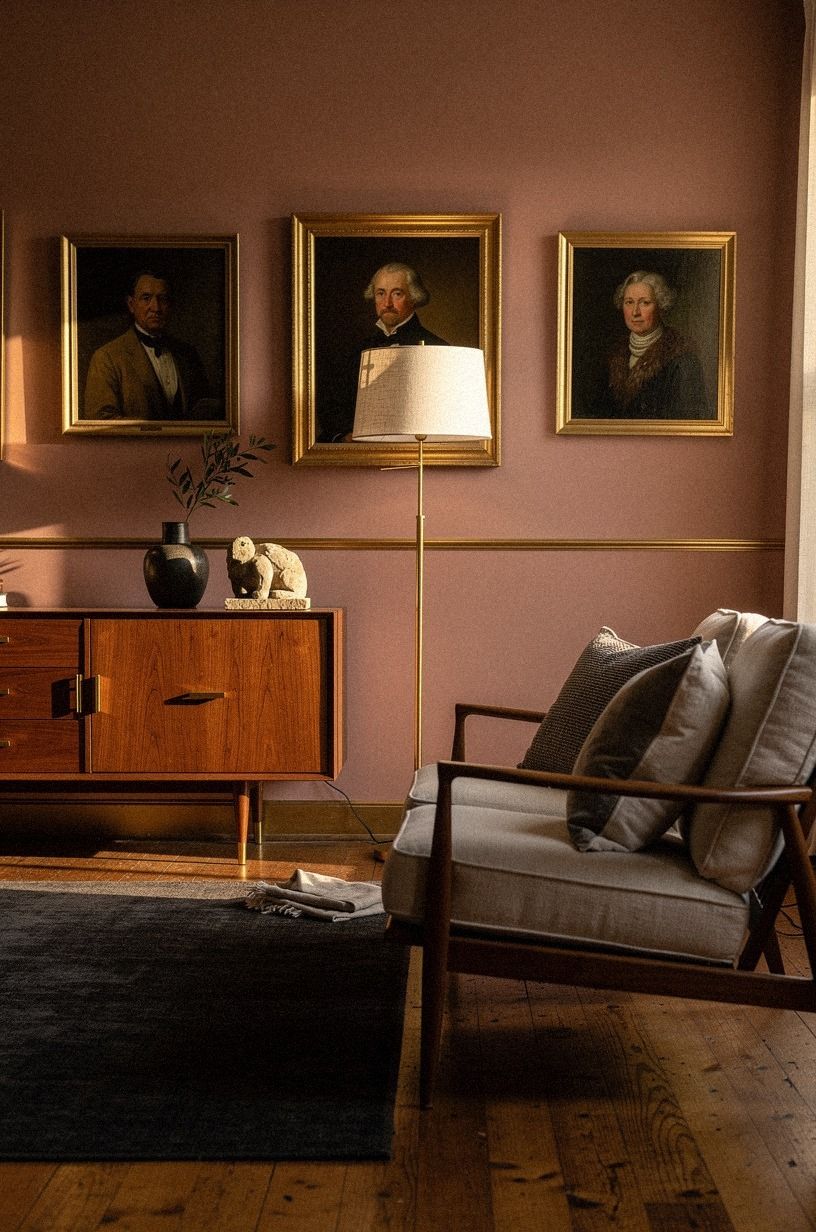
The old-house feeling often comes from art placed with confidence. Hang the center of a portrait or landscape about 57 to 60 inches from the floor, then adjust slightly if your furniture is unusually low or tall.
That simple measurement gives your walls a calm rhythm. You don’t need a grand canvas.
Choose a frame with visible age, such as aged brass, charcoal wood, or a narrow gilt edge with rubbed corners. Washed Belgian linen nearby can soften the contrast between dusty rose, charcoal, and brass.
I’d skip filling every inch with tiny art because the wall needs a little silence around the strongest piece. Your best portrait might be a thrift-store print with a frame that costs more than the image.
And if you’re arranging a gallery wall, let one frame sit slightly lower than the others. Perfect alignment can feel commercial.
A small imperfection gives your room a charming, personal pulse. You can study historic visual layering through this ancient basilica with Michelangelo’s masterpiece, then bring that sense of scale home.
5Pair New Upholstery With One Antique Shape
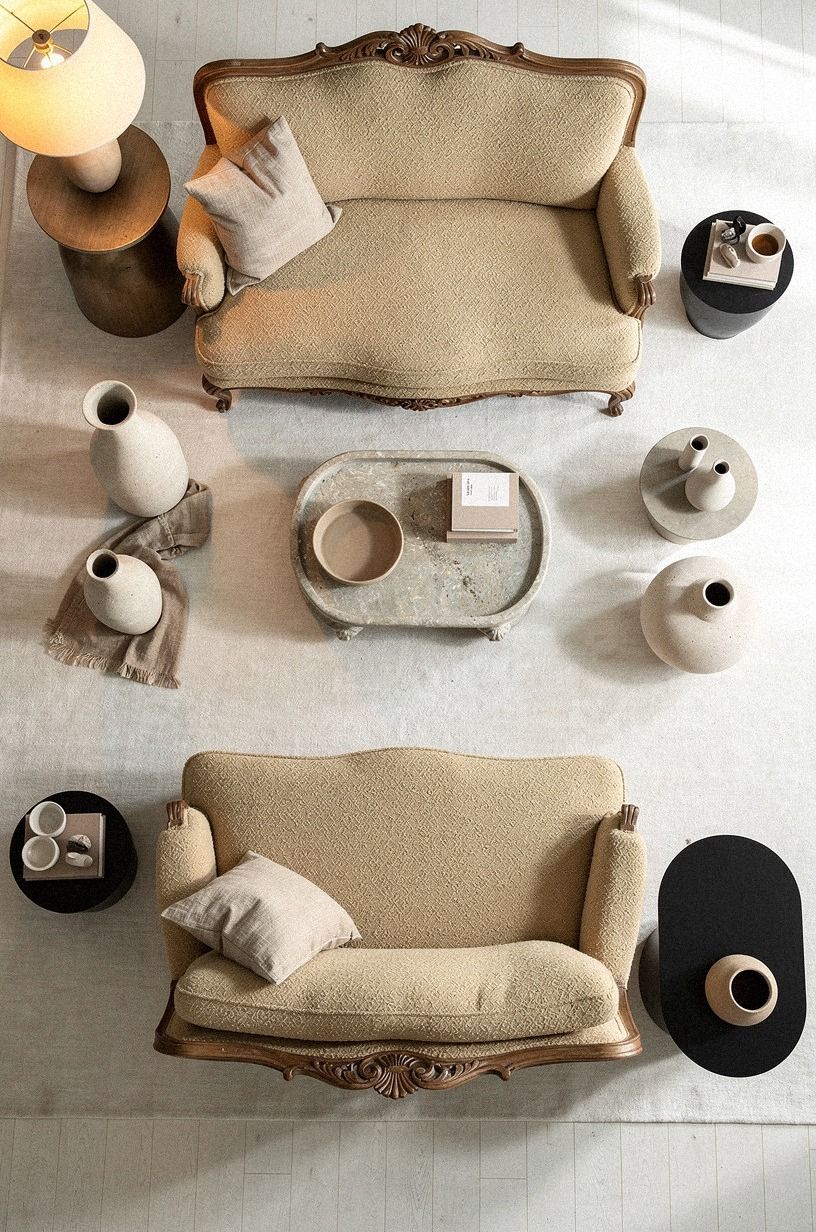
A new sofa doesn’t disqualify your room from looking inherited. The shape around it matters more. Put a contemporary sofa beside a curved antique chair, a skirted stool, or a narrow cane-webbing bench.
Your room will feel collected because the silhouettes come from different moments.
Choose upholstery with a tactile surface, such as 18 oz cotton velvet, Belgian flax linen, or a nubby wool blend. I’d avoid covering every seat in the same pale fabric because the room can look soft but anonymous. One camel organic bouclé chair gives you warmth, depth, and a place for your eye to land.
If you’re renting, a removable slipcover can make a basic chair feel more relaxed. And if you’re shopping slowly, check these accessories under $90 for proportion ideas rather than chasing identical pieces. You’ll want your furniture to look as though it arrived over several years, even if you bought it last month.
6Frame Windows With Linen and Southern Light
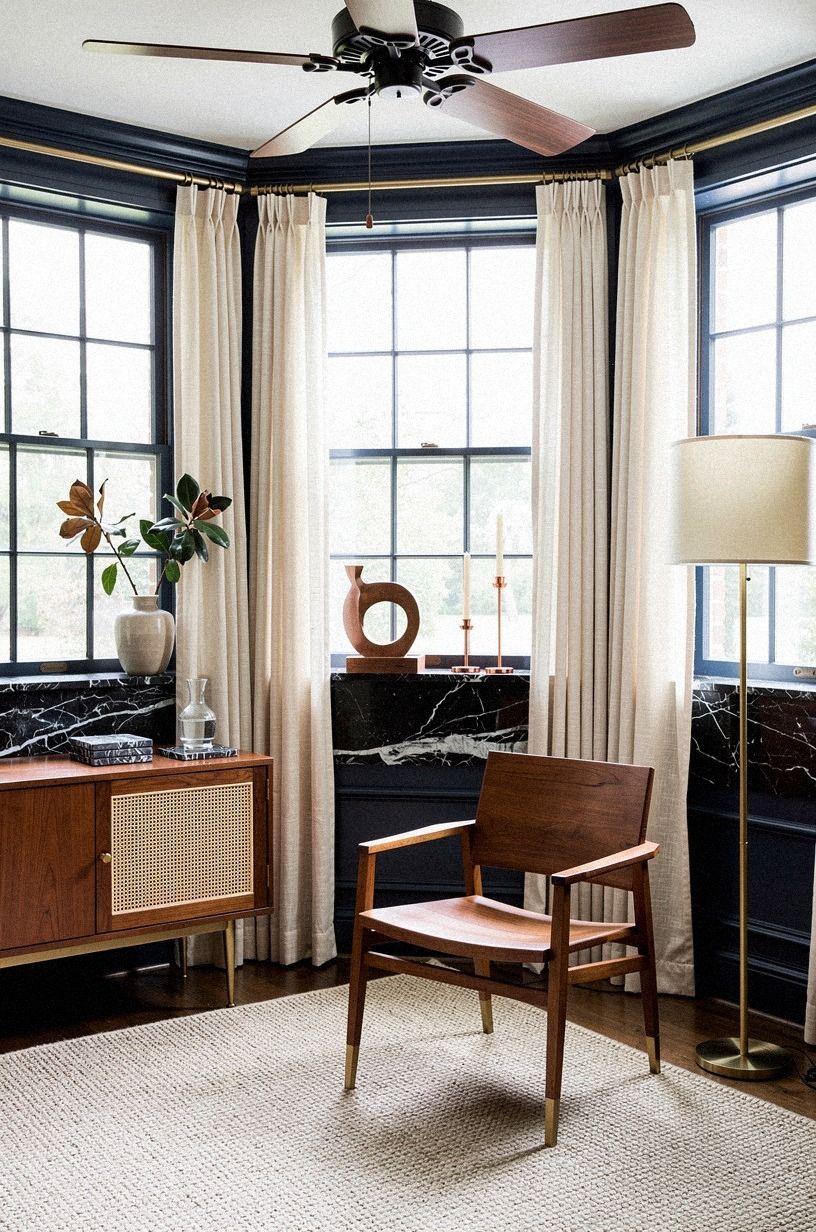
Long curtains change the architecture of a builder-grade room faster than another decorative object will. Mount the rod 4 to 6 inches above the window frame and let the panels reach the floor. Your windows will look taller, and the room will feel calmer in the afternoon.
Choose Belgian flax linen in ivory, midnight blue, or a soft copper-toned neutral. A Nero Marquina marble sill with white veining can ground the darker palette without making the window feel heavy.
It filters daylight into a gentle wash instead of making the glass look bare. I’d skip stiff polyester panels because they hold sharp folds and catch light like office blinds.
You want movement when the air conditioner comes on.
Use simple rings or a dark wood rod if your room already has enough brass. And if you’re working around a narrow window, keep the fabric outside the frame so the glass still feels generous.
This southern picnic story offers a useful reminder that texture and tradition can feel casual rather than formal. Your room should invite you to sit near the window.
7Build the Three-Height Light Stack
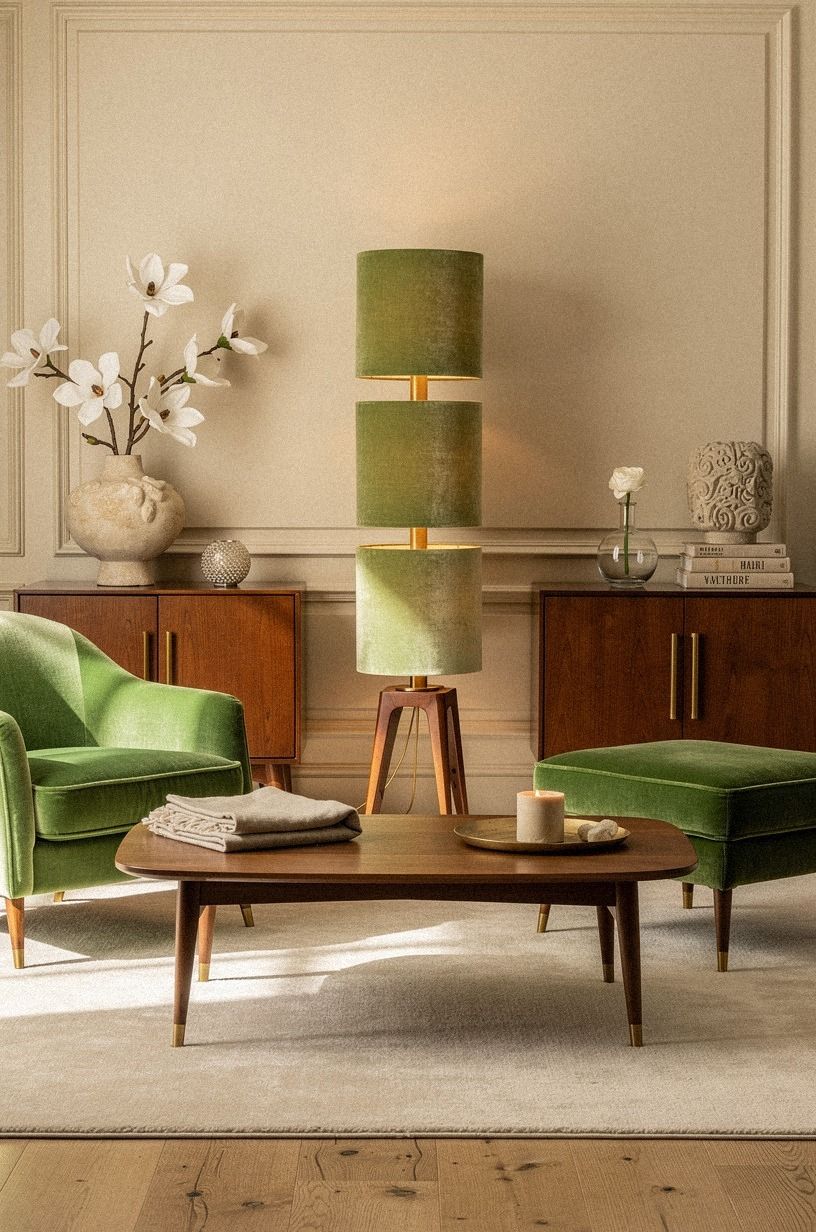
The Three-Height Light Stack uses overhead, task, and ambient lighting so your room doesn’t depend on one harsh ceiling fixture. Use a pendant or flush mount above, a lamp at seated eye level, and a low glow near the floor. Three sources per room gives you flexibility through the evening.
A pleated linen shade beside a deep-pile mohair velvet chair will soften the light, while a small picture light can make an antique frame feel intentional. You’ll want bulbs warm enough for skin and wood, not blue-white light that makes everything look flat.
I’d skip relying on recessed lights alone. They brighten the room but erase its shadows.
And yes, this is one of the upgrades you’ll notice every night! If you’re unsure where to begin, study the atmosphere in this sacred desert retreat and notice how layered illumination creates intimacy.
Your lamps don’t need to match. They need to work together.
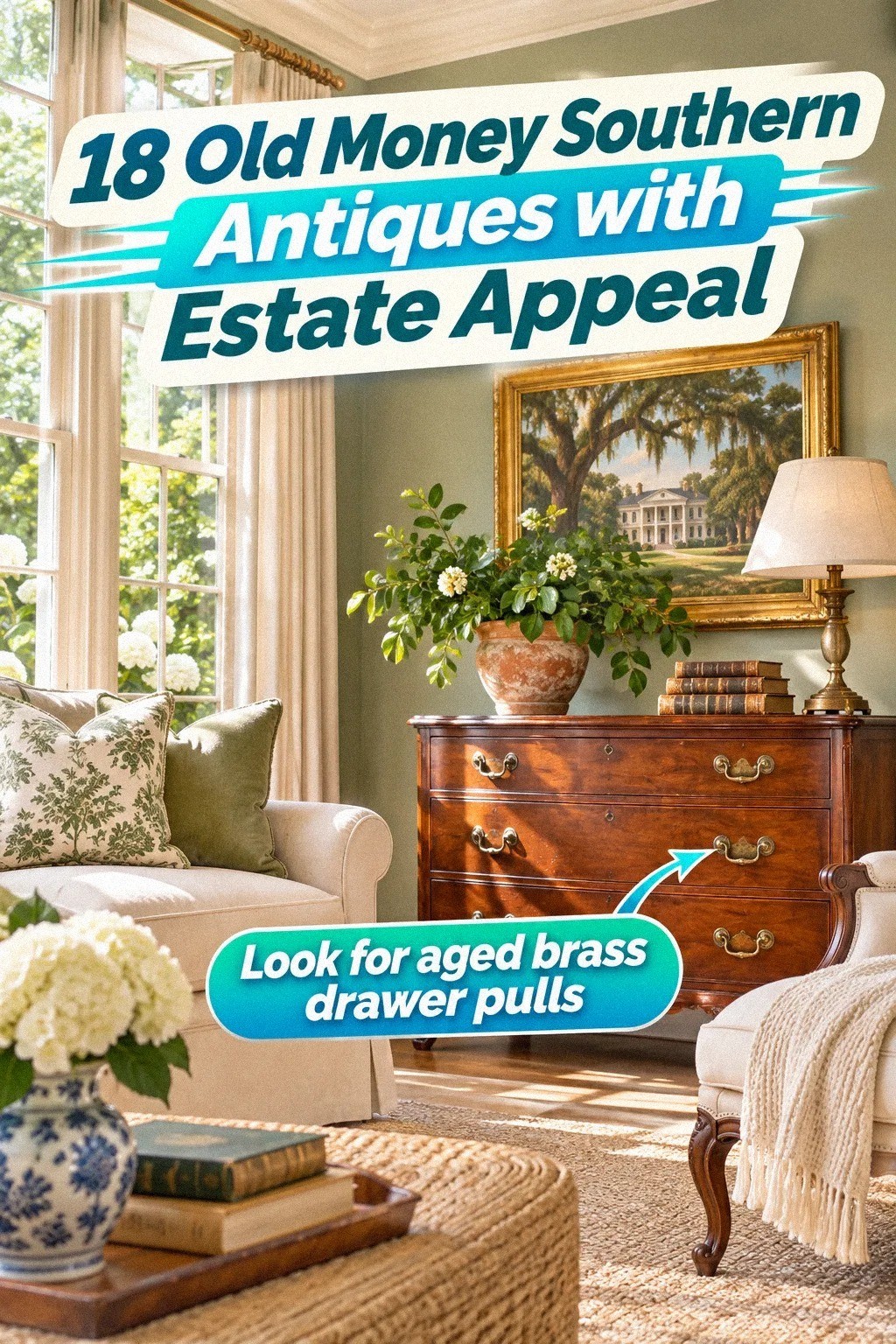
8Paint the Shell in Benjamin Moore White Dove
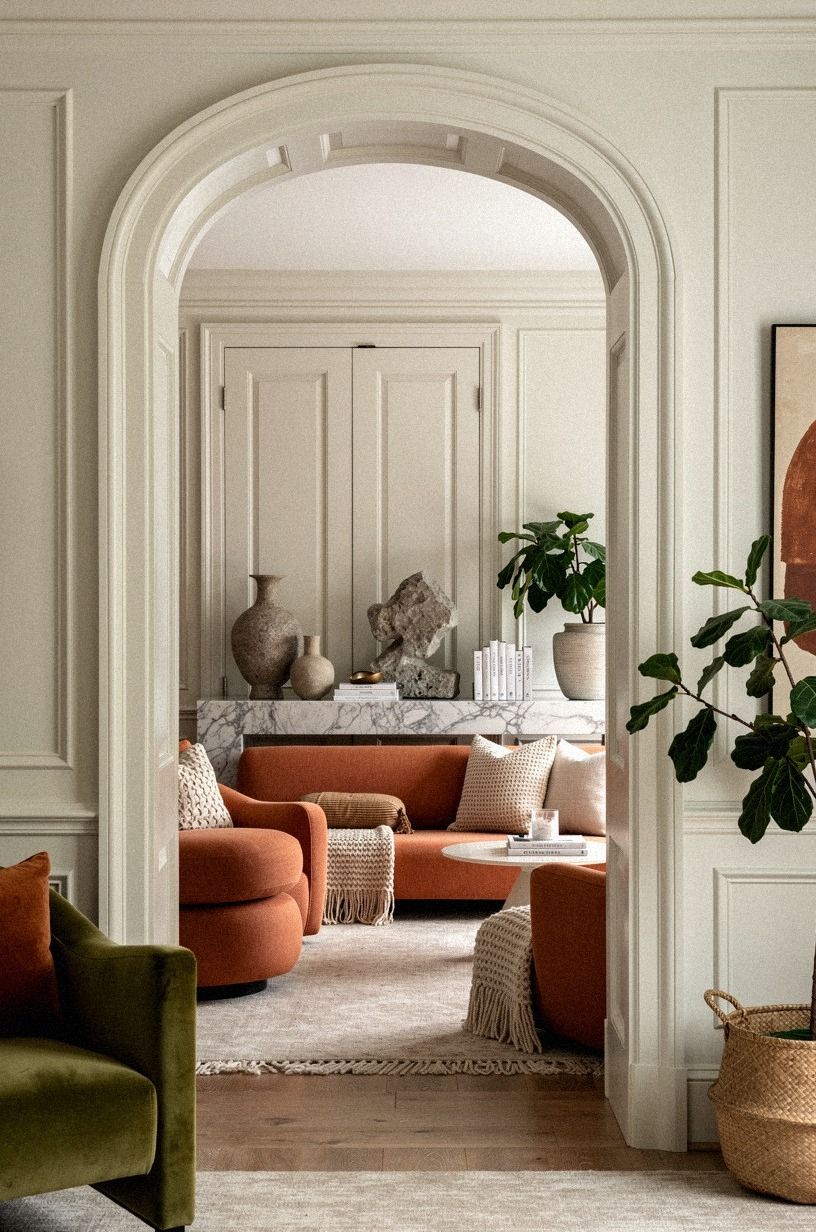
Builder beige often makes inherited pieces look dusty, while the right warm white lets their edges show. Benjamin Moore White Dove OC-17 is a reliable option when you want soft light without a stark gallery effect. Test it on two walls first because your room’s exposure will change the result.
For a cooler, quieter direction, Farrow & Ball Pigeon No.25 adds a gentle gray-green cast. If you prefer a familiar neutral, Sherwin-Williams Agreeable Gray SW 7029 can work with terracotta, olive, and Carrara marble with subtle gray veining. I’d skip choosing paint from a tiny paper chip because your lamps and flooring will shift the color.
Your wall color should support the antiques, not compete with them. Use a sample board and move it near the sofa, window, and darkest corner. The paint may look serene at noon and much moodier at 5 p.m., which is useful information.
9Mix Pattern Through a Southern Block-Print Rhythm
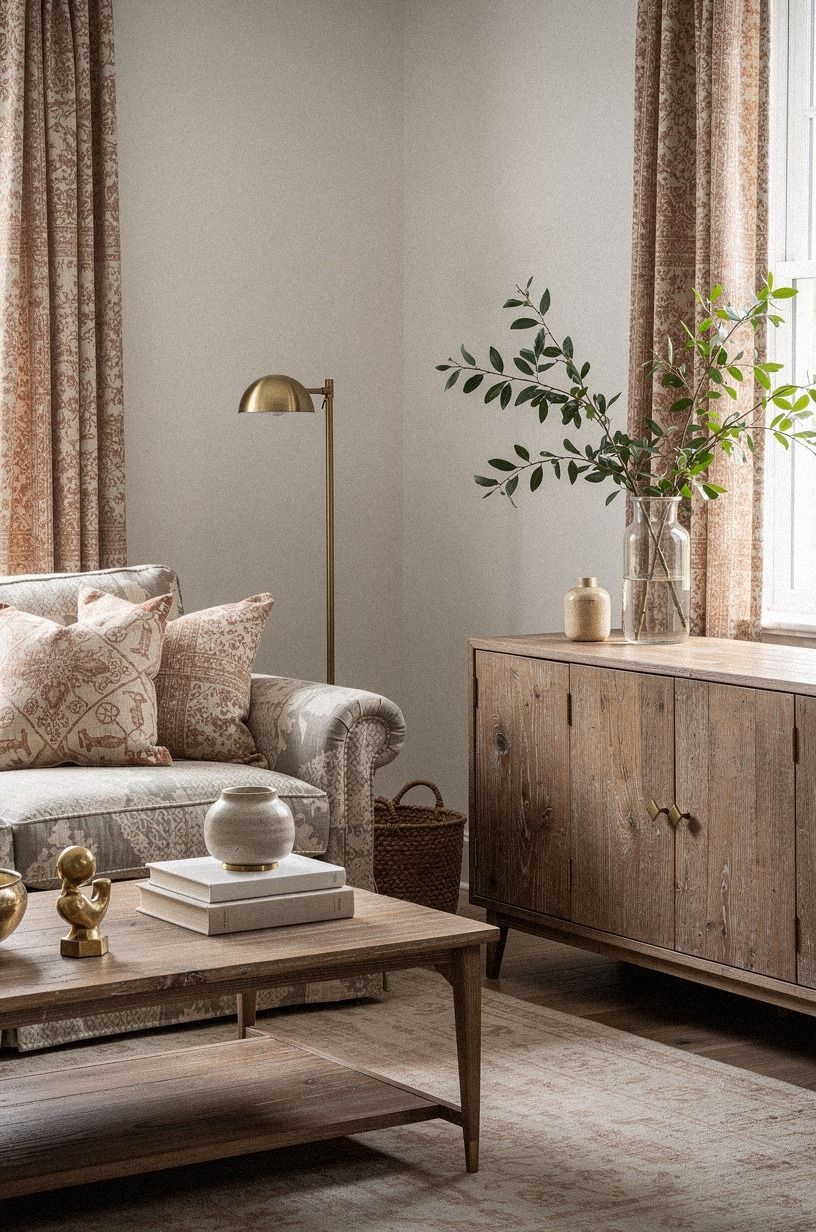
Pattern makes a room feel personal when you repeat its colors without repeating its exact motif.
Repeat clay, linen, and aged brass through pillows, curtains, and a reclaimed weathered teak surface. The room will feel layered without becoming busy.
10Float One Antique Beside Something Modern
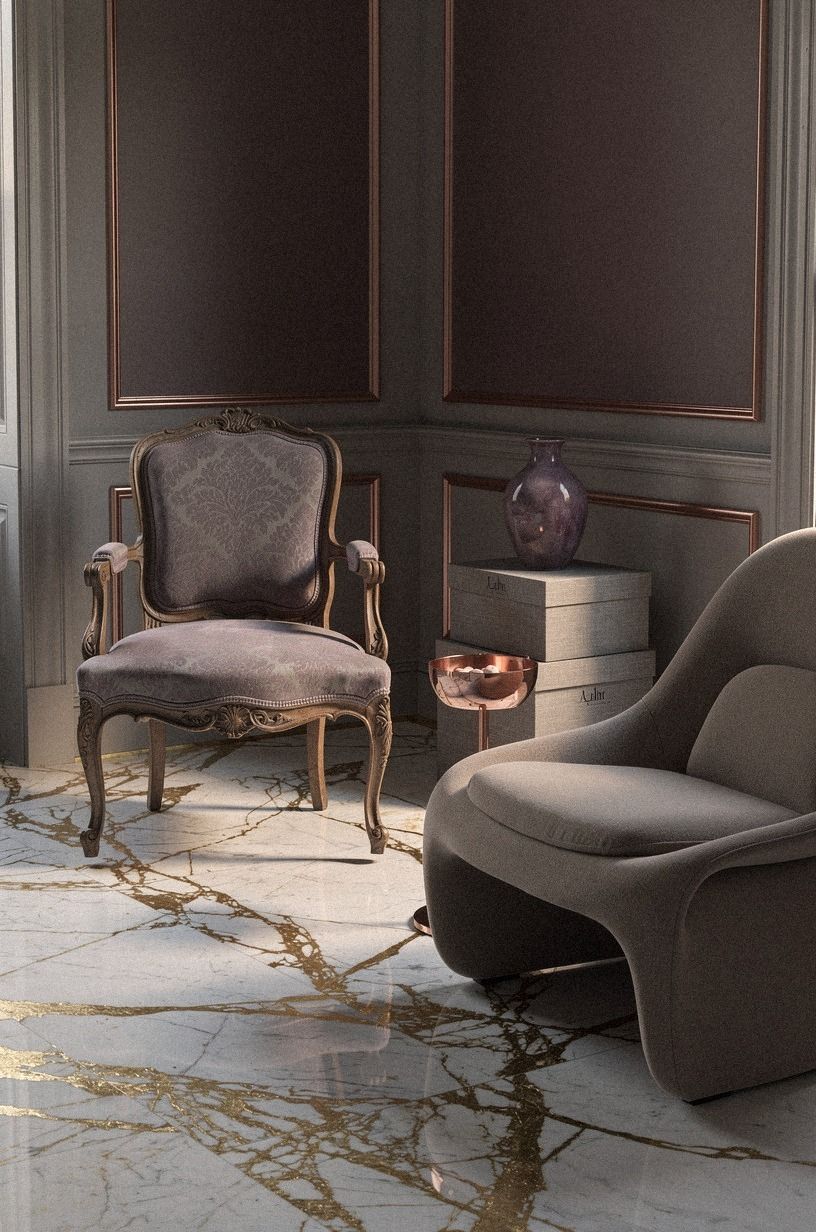
An antique doesn’t need to be surrounded by other antiques. Give a carved mirror, writing desk, or small chest space beside a modern object so its shape can speak clearly. Your eye will notice the contrast between a hand-finished edge and a clean contemporary line.
I like a Calacatta marble-topped chest beside a low grey sofa or a rose-gold lamp over an old console. The mix feels sophisticated because neither side has to pretend. I’d skip placing an antique in a corner where nothing touches it, since it can start to look like a museum prop.
Instead, let your daily life meet it. Put keys in the drawer, stack mail on top, or use the surface for a lamp.
You’ll want evidence that the piece works for you. This gothic architectural marvel shows how old structure can hold attention beside intricate detail.
Your room can do the same on a smaller scale.
11Style Shelves With the Breathing-Room Rule
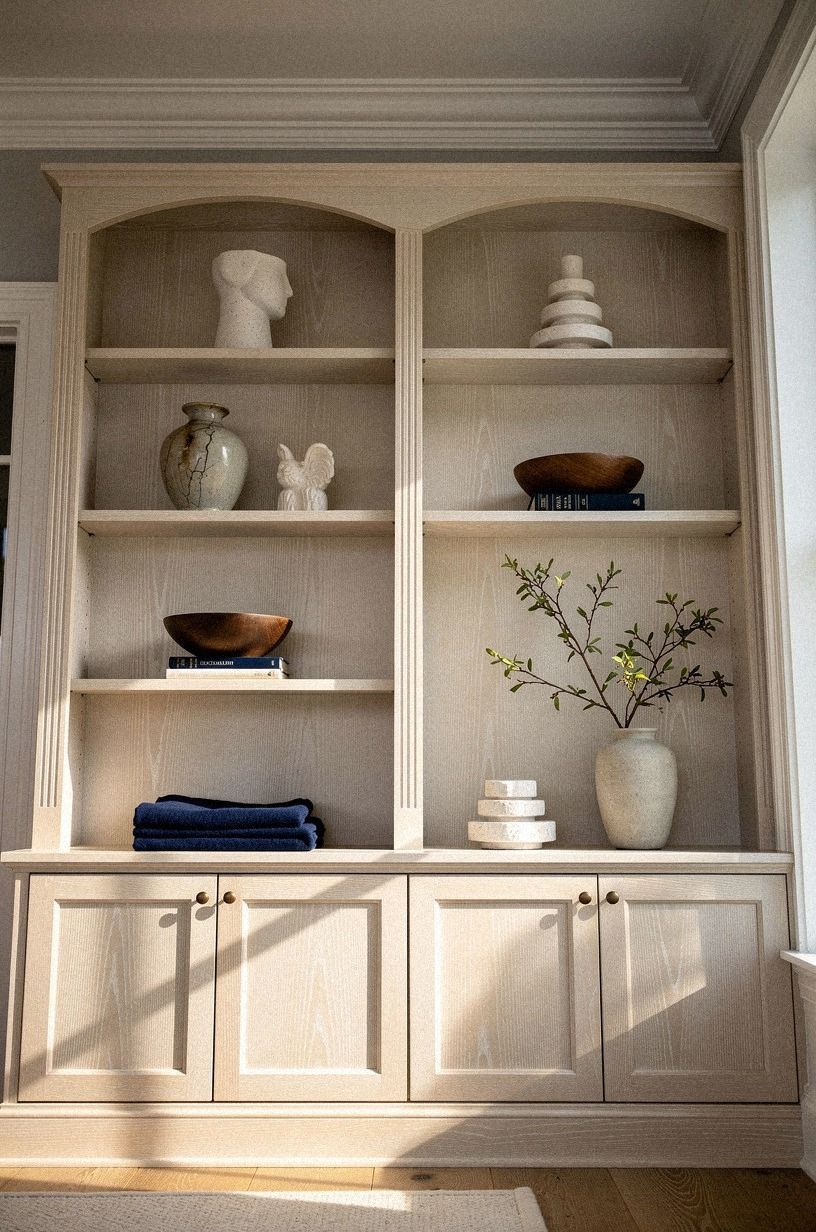
The Breathing-Room Rule means every shelf needs one open stretch where nothing is competing for attention. Use books, a small framed photograph, and one object with a rough surface, then stop. Your shelves will feel more collected when you leave space between the groups.
Stack books horizontally beside a cerused white oak bowl, then place a tall ceramic vessel nearby. Keep the colors restrained so the objects feel related without matching. I’d skip filling every shelf to the edge because visual clutter makes even good pieces look inexpensive.
And don’t arrange everything at the same height. A short stack, medium vase, and tall frame create a quiet rise and fall.
If you’re styling a rental bookcase, use removable paper behind the shelves for a deeper tone. This ancient cave system beneath Australia’s red desert is a lovely prompt for thinking about darkness, texture, and negative space.
You’ll know the shelf is finished when your eye can rest.
12Ask What Your Room Remembers?
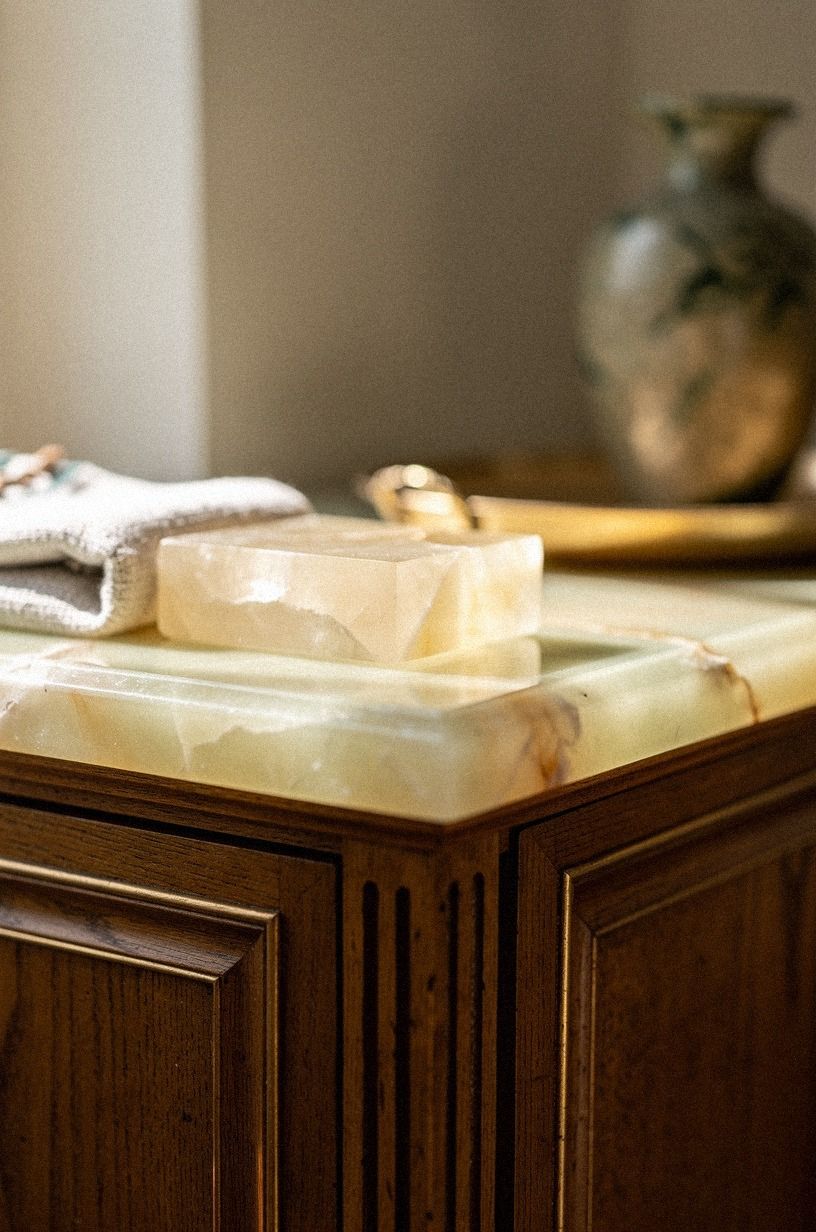
A room feels inherited when its objects suggest a life, even if the life is partly imagined.
A backlit translucent onyx accent can hold that feeling because it brings depth and a soft glow without looking overly decorative.
13Use Inherited Objects as Focal Points
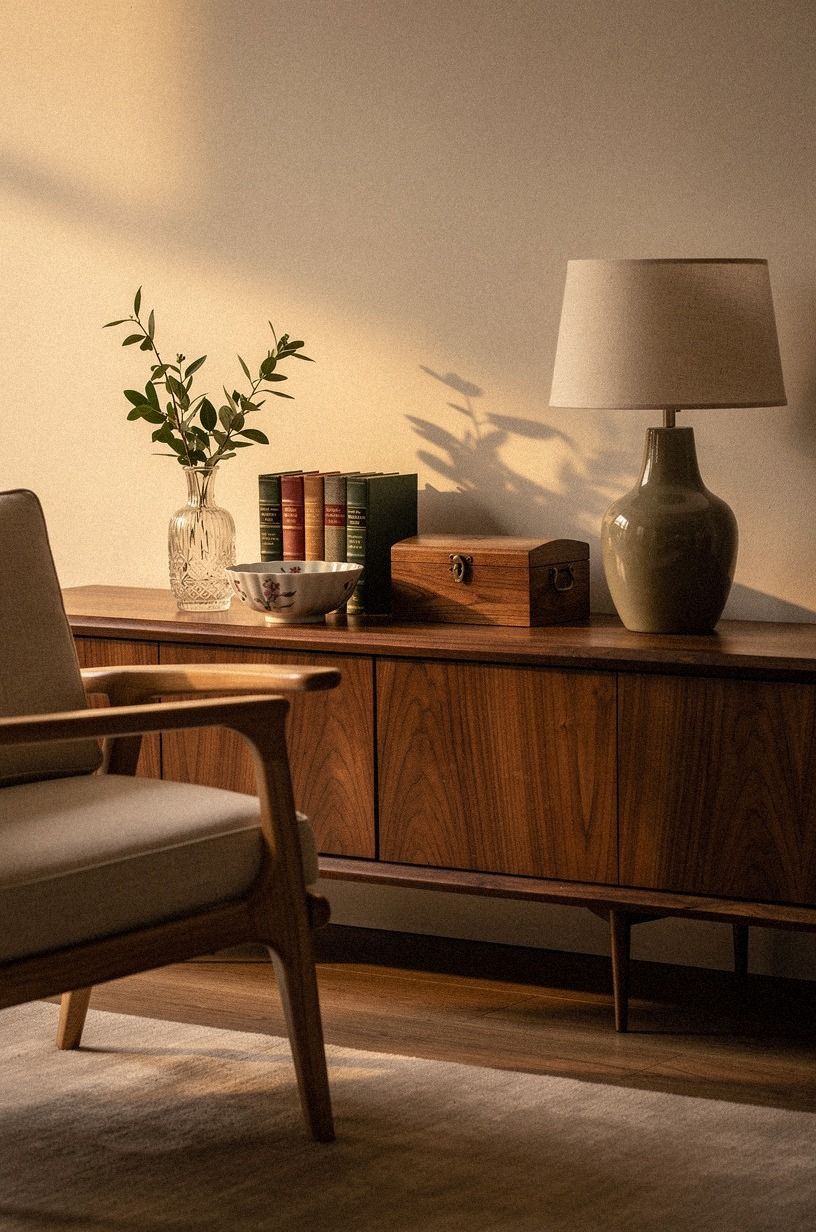
Choose one meaningful object and give it the best position in the room. A portrait above the mantel, a carved mirror over the console, or a blue-and-white bowl on the dining table can hold the whole composition together. Your room will feel more confident when one piece leads.
Place the focal object where you’ll see it from the doorway. A book-matched walnut panel can carry more atmosphere than six small decorative signs.
I’d skip spreading sentimental objects evenly across every surface because they lose their emotional weight. Let one object be the first thing your eye finds.
If you don’t own family pieces, look for craftsmanship instead of age. Dovetail drawers, uneven glaze, and solid hardware all give an object presence. You’ll want to avoid anything that looks distressed by machine.
This ancient basilica with its dramatic view makes the same point at a grand scale: one strong focal moment can organize everything around it.
14Choose Upholstery With Hand-Feel
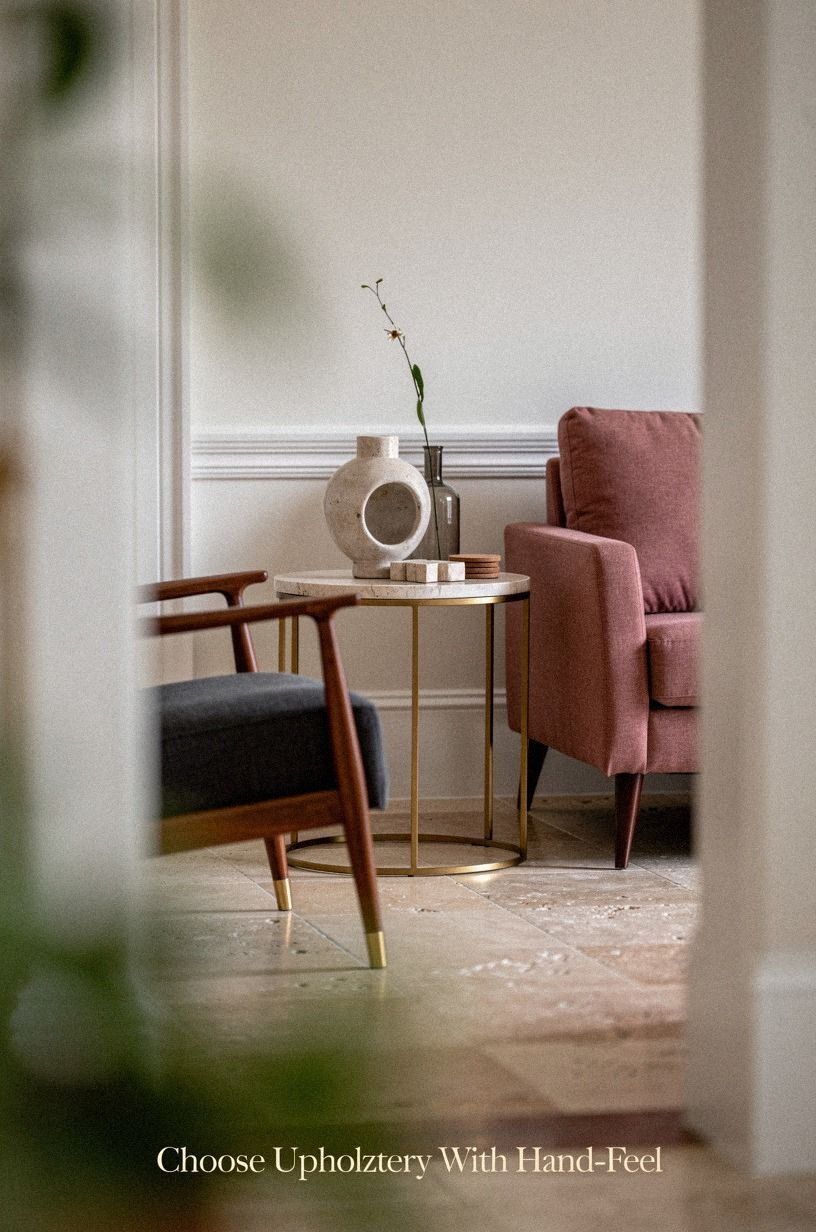
Touch is one of the quickest ways to make builder-grade furniture feel more considered. Pair tactile upholstery with a warm travertine surface so the room has softness and weight.
15Set the Budget With Real Numbers
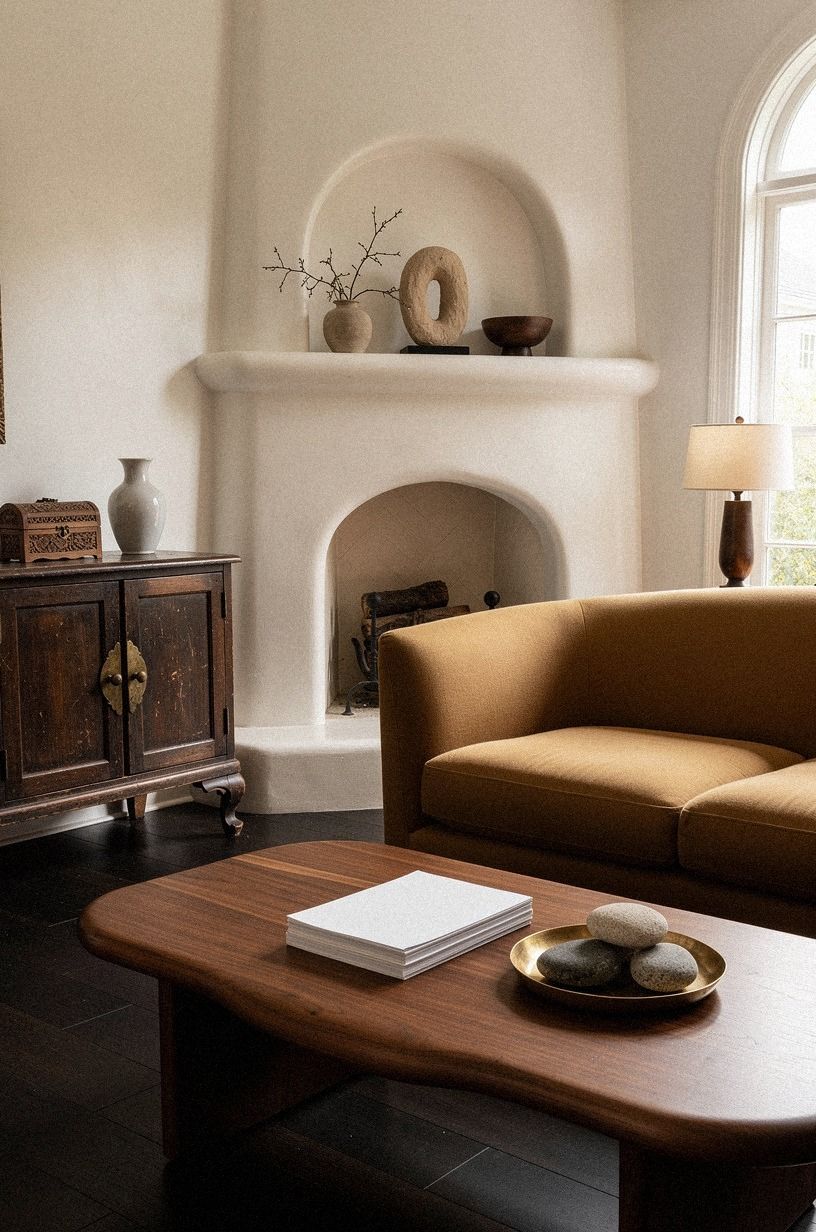
You can create an old-money southern room without buying everything at once. Start with paint, textiles, and art before replacing major furniture. The typical US ranges below give you a practical frame, so you’ll know whether your plan is a weekend refresh or a larger investment.
For smaller purchases, a wool rug often runs $400-$1,500, linen drapes can cost $120-$400 per pair, and an unlacquered brass light fixture may land between $150 and $800 as it develops its own patina. DIY room paint can run $200-$600.
I’d spend first on the piece you touch or use every day. You’ll feel that value longer.
If you’re planning a more adventurous room, this isolated archipelago story may inspire a slower, more organic approach.
16Replace Novelty Decor With Honest Utility
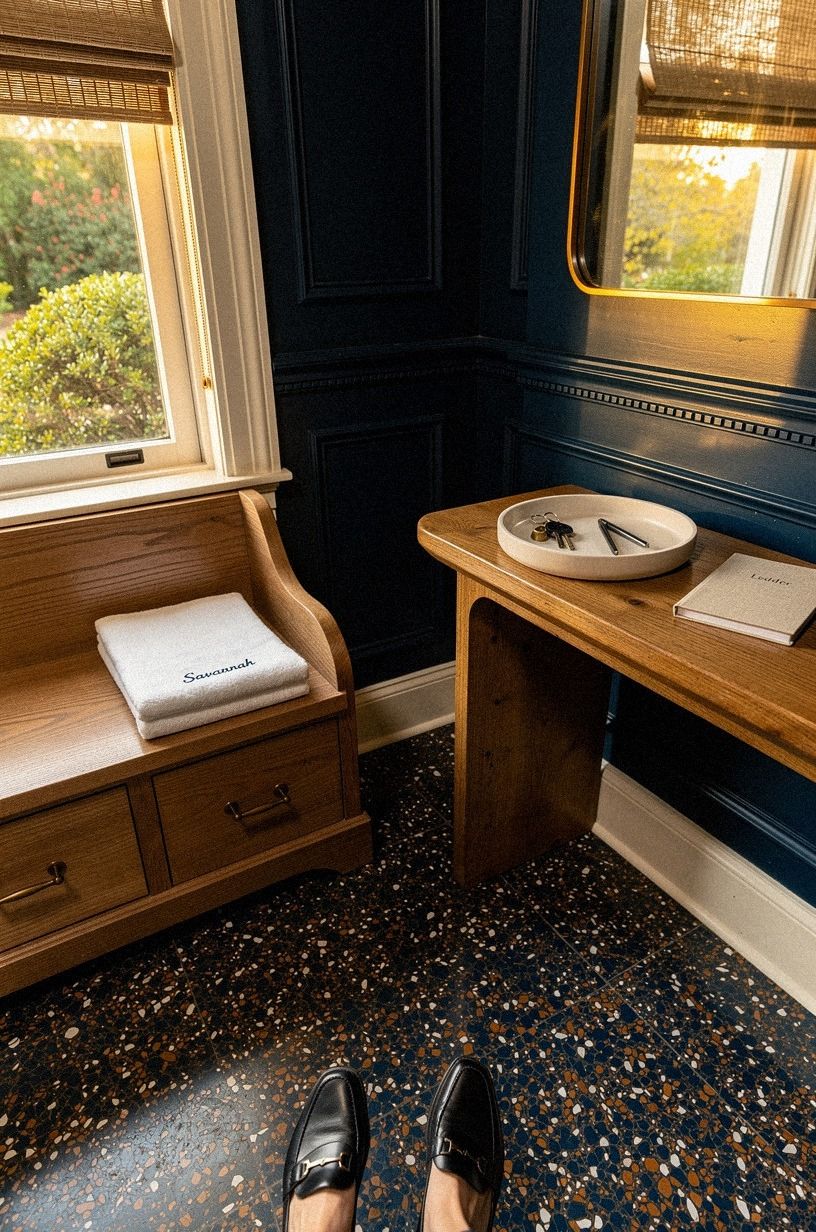
Old-money style works best when decorative objects have a job. An oversized-chip terrazzo tray holds glasses, a stool gives you a place to sit, and a small chest hides the remote controls. Your room can look refined while still admitting that people live there.
Choose unlacquered brass hooks for a hallway, a wooden box for chargers, or a woven basket for throws. I’d skip signs with printed sayings because they announce the mood instead of creating it. You’ll want the materials to carry the feeling on their own.
But utility doesn’t have to look plain. A cane-front cabinet can hide clutter while adding pattern, and a ceramic umbrella stand can make an entry feel intentional.
This southern picnic recipe story captures that same balance of usefulness and tradition. Your best decor will earn its place every day.
17Paint One Dark Passage Over Every Wall
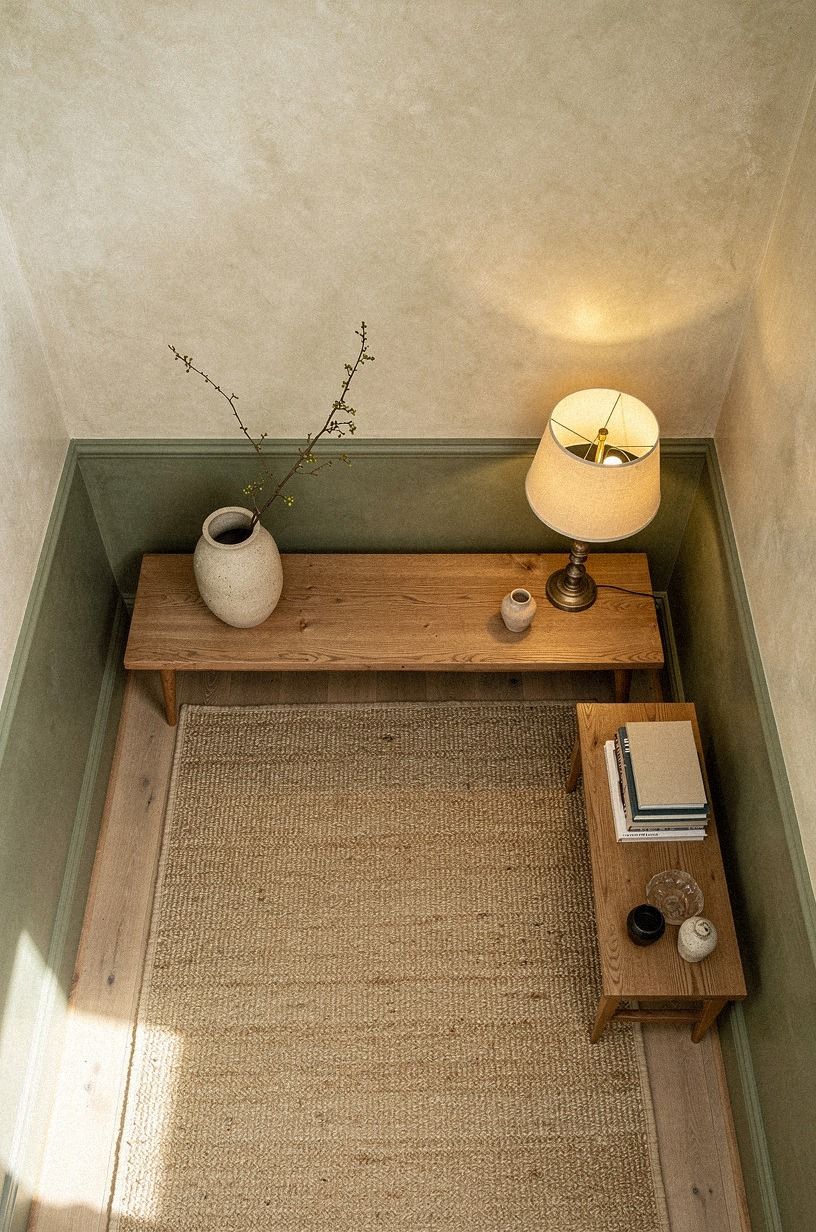
A dark hallway, powder room, or reading corner can make the rest of your home feel brighter by contrast. Try a muted sage green in a narrow passage, ideally over hand-applied Venetian plaster. Your larger rooms can stay light while one area carries the drama.
I’d skip painting every wall dark unless your natural light supports it. Too much depth can swallow your furniture and make the room feel smaller than it is. Instead, choose a contained zone where the color feels deliberate.
A brass sconce and natural wood frame will look especially warm against it.
If you’re unsure, paint a sample board and check it morning, afternoon, and evening. You’ll want to see how the color handles your lamps.
This gothic marvel and its historic interiors shows why dark color can make detail more legible. Your small passage may become the room everyone remembers.
18Edit the Room Until the Heirlooms Can Breathe
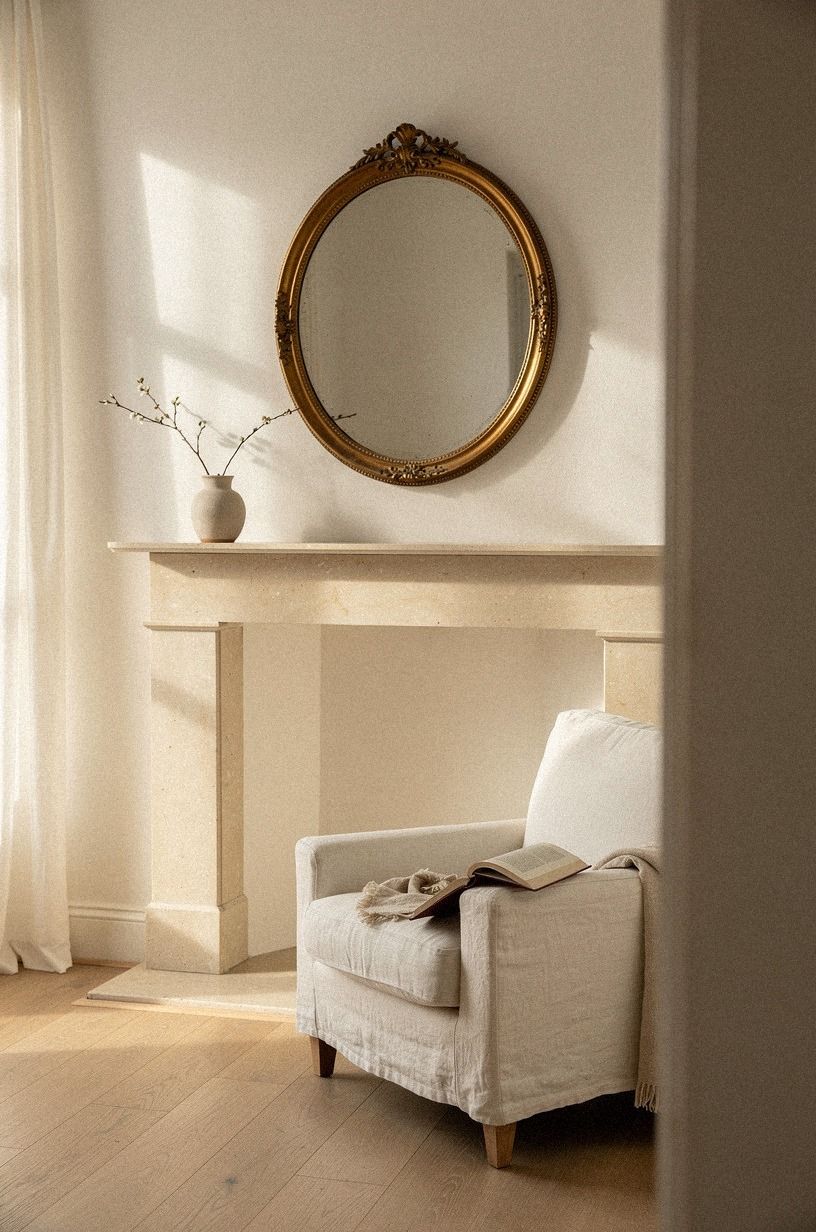
The last detail is subtraction. Remove one object from every surface, then look again after a day.
Your strongest pieces will have more room, and the room will feel serene rather than unfinished. I learned this after clearing half a console and realizing the wood had been the best decoration all along.
Keep the things that carry texture, function, or memory. A shagreen accent, a faded landscape, and one brass lamp may say more than a crowded arrangement of small accessories.
I’d skip adding a final decorative object just because a corner looks empty. Some empty space is what makes the collected pieces feel important.
And give yourself time to live with the edit. You’ll notice which lamp is too bright, which chair blocks the walkway, and which frame needs to move lower. For another study in age and atmosphere, read this ancient cave system story.
Your room should look as though it grew around your life.
The Southern Detail I’d Keep
Old-money style gets misunderstood as a shopping list, but the most convincing rooms aren’t built from labels. They’re built from evidence of attention. I’d rather see a scratched walnut table, a faded portrait, and a lamp chosen for its soft light than a room full of expensive objects that never get used.
The strongest detail is usually the one with a little tension in it. A formal portrait above a relaxed sofa.
A polished tray beside a chipped bowl. Farrow & Ball Pigeon next to warm brass and dark wood.
Those combinations feel lived-in because they don’t resolve too neatly. Your room should have one element that surprises you when you walk in.
I’ve also learned that “inherited” doesn’t mean old-fashioned. You can use IKEA KALLAX birch-effect storage, a modern sofa, or a simple Target lamp and still create warmth around them.
The surrounding materials matter more than the price tag. If your proportions are right and your textures have depth, the room will feel settled.
Why should a room pretend nobody eats, reads, spills, or moves furniture? Keep the useful pieces.
Keep the imperfect ones. Then let the space become yours.
The Questions Worth Answering First
What is the best old-money southern detail for a small room?
Aged brass lighting and one dark wood accent give a small room warmth without visual bulk. Try a slim IKEA KALLAX birch-effect unit with a walnut frame above it, then keep the floor mostly open. You’ll get texture without crowding your walking path.
Where can I buy old-money southern pieces on a budget?
Look at IKEA, Wayfair, and Target for simple silhouettes, then check Facebook Marketplace and thrift shops for wood, brass, and framed art. You’ll find the best character secondhand, especially when you’re willing to polish hardware or replace a lampshade.
How much does an old-money southern makeover cost?
A small refresh can run about $200-$800, while a mid-range update with accent furniture, lighting, and a rug often reaches $1,500-$5,000. Paint, rearranging, and using what you own are free, so you don’t need to replace everything.
Can I create this look on a budget?
Yes, and you can begin with three low-cost moves: rearrange your furniture, frame a thrifted print, and group your existing brass or wood pieces. Add linen-look textiles slowly, then save for one substantial rug or lamp instead of buying many small objects.
Is old-money southern style worth it in a small space?
Yes, because a small room benefits from fewer, stronger choices. Use one focal frame, one textured rug, and a lamp with a warm shade. You’ll want furniture with visible legs so the floor stays open and the room feels more comfortable.
Is this style a good idea for a rental?
Yes. Use removable picture hooks, tension rods, peel-and-stick wallpaper in a small zone, and freestanding storage. A cane-front cabinet or antique side table gives you character without permanent changes, and you can take every major piece with you when you move.
Where I’d Start First
If I had to pick one, I’d start with aged brass lighting. It changes the room after sunset, softens builder finishes, and gives inexpensive furniture a warmer outline. Pin aged brass for later and look at your room tonight with every overhead light switched off.