How to Style a Boho Breakfast Nook Full of Color & Texture - 11 Ideas
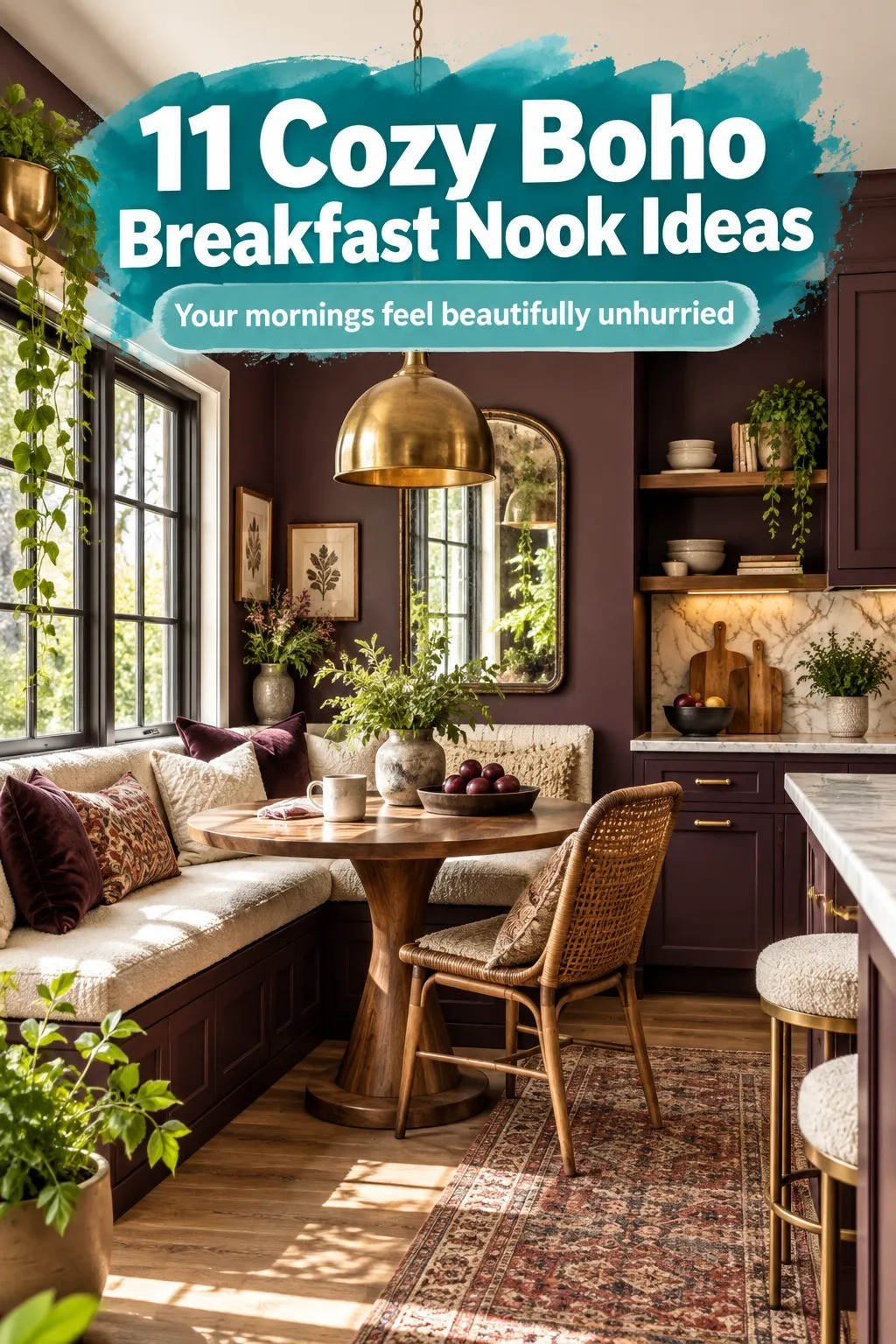
25 september 2026Boho breakfast nook ideas full of color and texture work best when the room grows in layers. Begin with the footprint, solve comfort, then bring in collected details. I learned that after one breakfast corner became a pile of cushions nobody could sit on. Your nook can feel warm, airy, and practical.
Editor's note: Start with the measurements in section 1, then build the palette around one grounding color, two wood tones, and several tactile surfaces. The prettiest nook still needs room for toast, homework, and a mug set down too quickly.
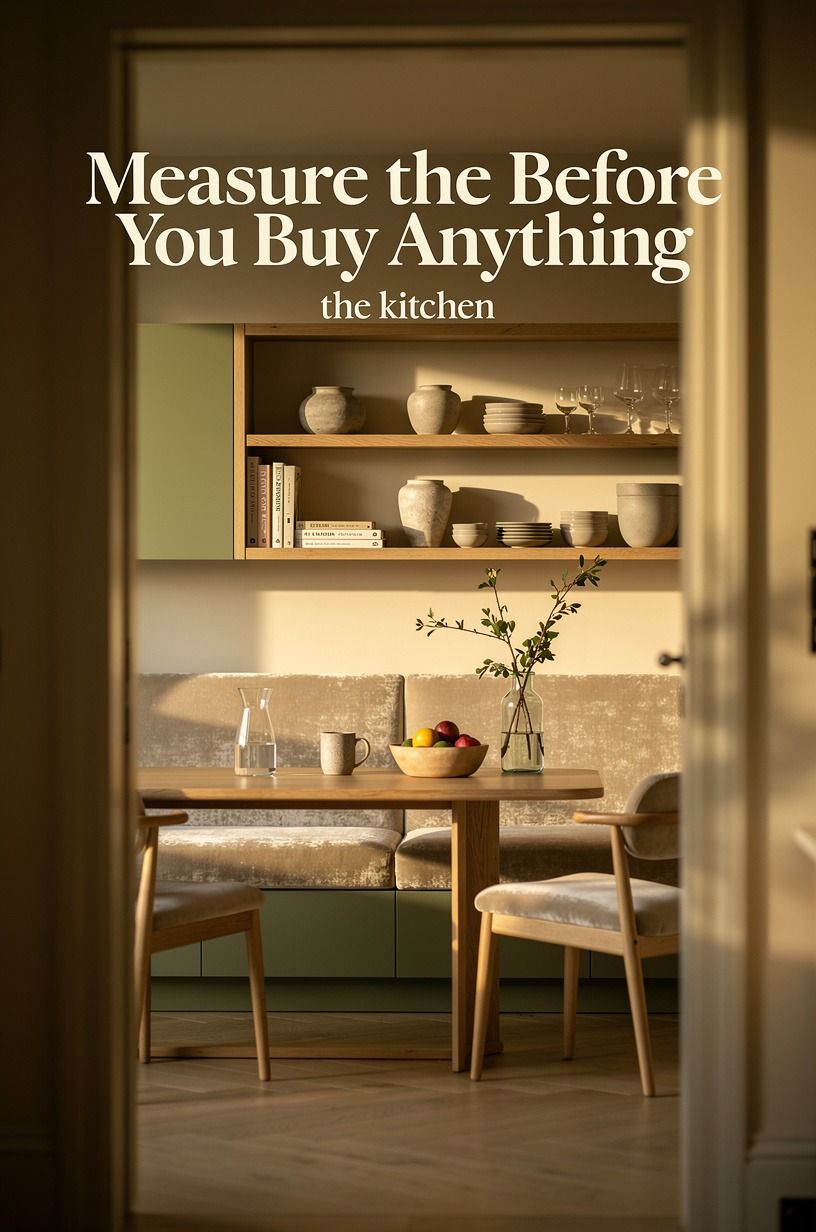
- Measure the Nook Before You Buy Anything
- Anchor the Layout With a Round Table
- Build the Two-Wood Rule With Mismatched Chairs
- Layer a Textile Base Under the Table
- Paint the Wall With a Grounded Color
- Frame the Window With Soft Linen
- Hang the Three-Height Light Stack
- Style the Table With Useful Color
- Add a Bench for Better Small-Space Flow
- Budget the Refresh Before You Decorate
- Finish With Collected Details You’ll Use
1Measure the Nook Before You Buy Anything
Measure your breakfast nook before you shop, because a deep-pile mohair velvet chair that looks petite online can swallow a narrow corner. You’ll want the table centered on the window or light source, with enough room for your knees and a clear path behind each seat. A welcoming nook still needs breathing space.
Use your tape measure for the wall width, table depth, chair pull-out, and walkway. Standard counter height is 36 inches, or 91 cm, if your nook shares a peninsula. I’d skip a deep farmhouse table in a tight kitchen.
It’s rustic, sure, but you’ll keep bumping your hip against it.
Write the numbers on a scrap of paper and keep them in your phone. You don’t need a designer plan.
A rough sketch with the 36-inch counter height marked is enough to keep your choices honest. If your space is small, choose a round table first because its curved edge makes the walkway feel less abrupt.
Leave about 30 to 36 inches for the main route whenever possible. A chair can tuck beneath the table, yet it still needs room to pull out. This small calculation makes the whole nook feel more generous.
It’s the quiet detail guests notice without knowing why.
Before you buy anything, walk the footprint with painter’s tape. Mark the table edge, chair zone, and path toward the refrigerator. You’ll see the awkward pinch points immediately, and that early check can save you from an expensive, frustrating mistake.
2Anchor the Layout With a Round Table
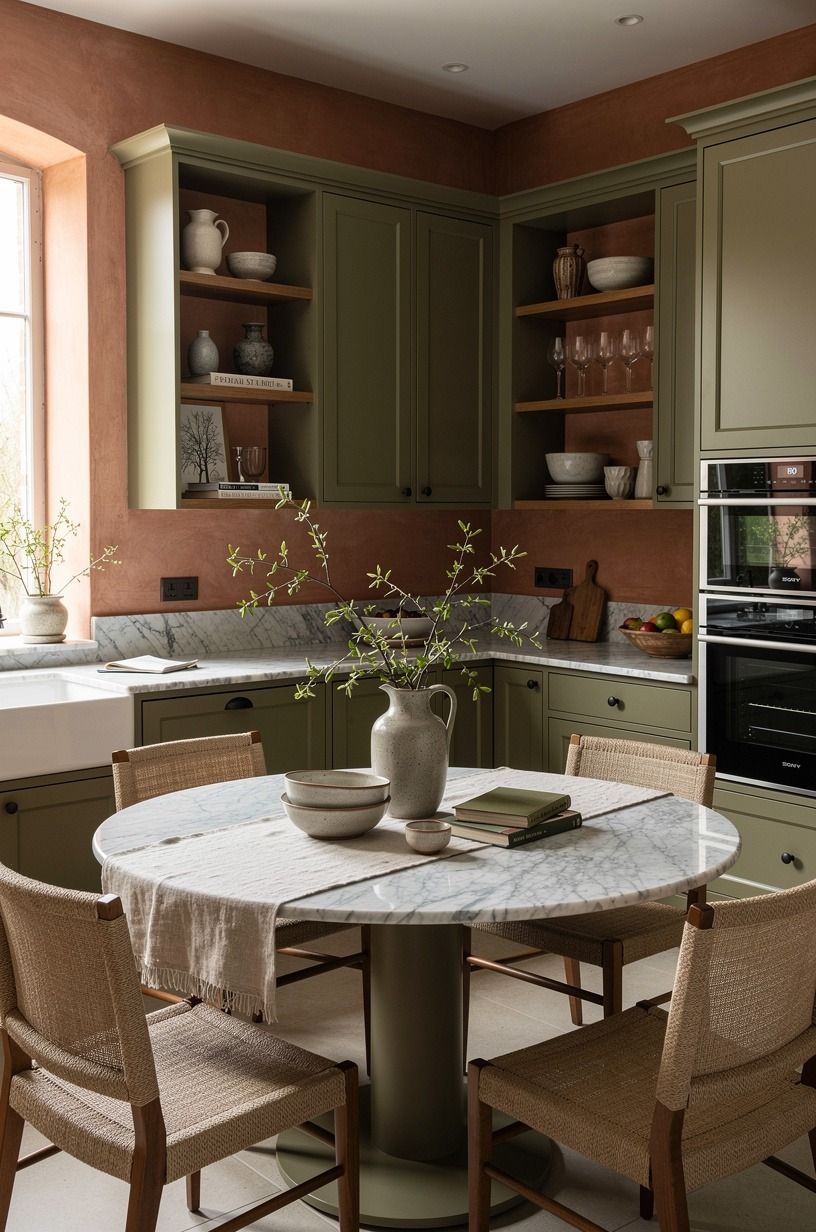
Anchor your nook with a round table that lets everyone see one another. A 36- to 42-inch table usually feels intimate without blocking the room, and you’ll gain a softer traffic pattern than you would with a square top. That shape is especially charming in a breakfast corner beside a busy kitchen.
I’d choose a Carrara marble table with subtle gray veining over glossy white laminate here. The stone gives your eye something to follow, while terracotta, olive, and warm stone accents keep the corner grounded. If you’re renting, look for a pedestal base because four legs can make a small floor plan feel fussy and crowded.
And don’t chase a matching dining set. A round marble table can sit happily beside one vintage chair and two woven seats.
That mix feels lived-in because it doesn’t look ordered from one catalog. Your nook should invite a slow breakfast, not resemble a showroom waiting for permission to be used.
A pedestal table also gives you more freedom when seating changes. Two chairs can become three when a friend drops by, and a bench can slide underneath when the floor needs clearing. For a compact layout, that flexibility is more valuable than a perfect furniture set.
If you’re comparing shapes, use section 4 as the next design decision. The table determines the rug, the seating rhythm, and how much softness the room can carry.
3Build the Two-Wood Rule With Mismatched Chairs
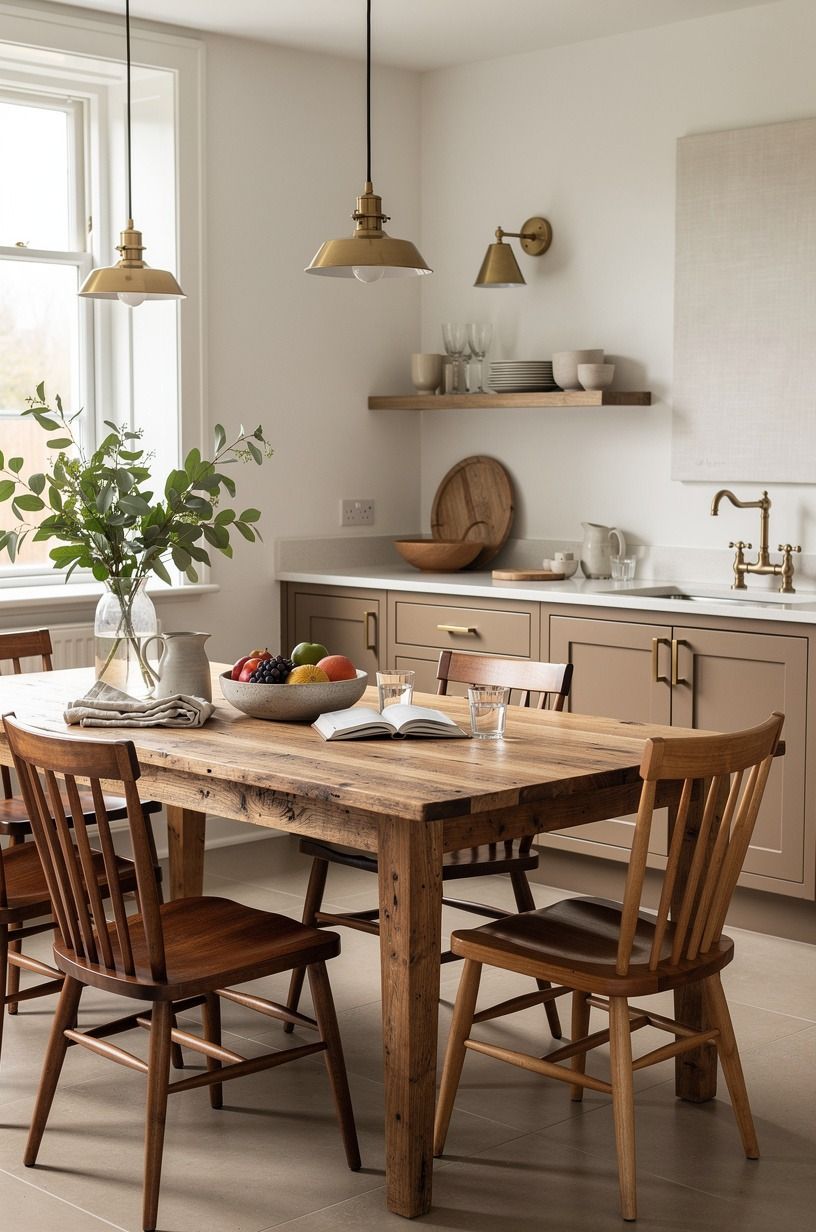
Build the Two-Wood Rule by choosing no more than two visible wood tones. Your table might have reclaimed weathered teak, while the chairs bring in a lighter natural wood or linen upholstery.
That contrast creates texture without turning the nook into a furniture showroom. More than two wood colors can start to look accidental.
I tested this with a reclaimed weathered teak table, linen chairs, and an aged-brass pendant. The combination felt grounded without becoming heavy. You’ll get a calmer result when the clay, linen, and brass accents share the same warm undertone.
Mismatched chairs can work beautifully if you repeat one detail. Choose the same seat height, a shared cushion color, or one repeated curve.
A linen-upholstered chair can sit beside a secondhand bentwood chair when the upholstery carries the connection. Your eye needs one bridge, and it doesn’t need a matching set.
Try placing the heavier chair closest to the wall and the lighter chair near the open walkway. The arrangement will feel balanced while keeping movement easy. You’re creating a collected composition with a clear visual rhythm.
When the chairs vary, repeat one finish elsewhere. A reclaimed teak serving board, an aged-brass pendant, or a clay-toned picture frame can quietly connect the pieces. The effect feels intentional, soulful, and relaxed.
Color Can Be Loud; Texture Keeps It Livable
Color gets attention quickly, especially in a small room. Texture gives the eye somewhere to rest. A woven seagrass seat can soften a strong terracotta wall, while a rough ceramic bowl keeps pale furniture from feeling overly polished.
The best boho rooms have a little friction. Pair a smooth tabletop with nubby fabric, a crisp curtain with aged wood, and a glossy glaze with a matte wall. That contrast feels soulful because every surface reacts differently to daylight.
If your palette is already vivid, let the texture do the emotional work. A faded rug, a pleated shade, and a chunky weave can make the room feel intimate without adding another saturated color. See the texture approach before you reach for a second accent wall.
A useful palette often has one loud note, one dusty note, and several quiet materials. That balance keeps the nook cheerful in the morning and grounded after sunset.
4Layer a Textile Base Under the Table
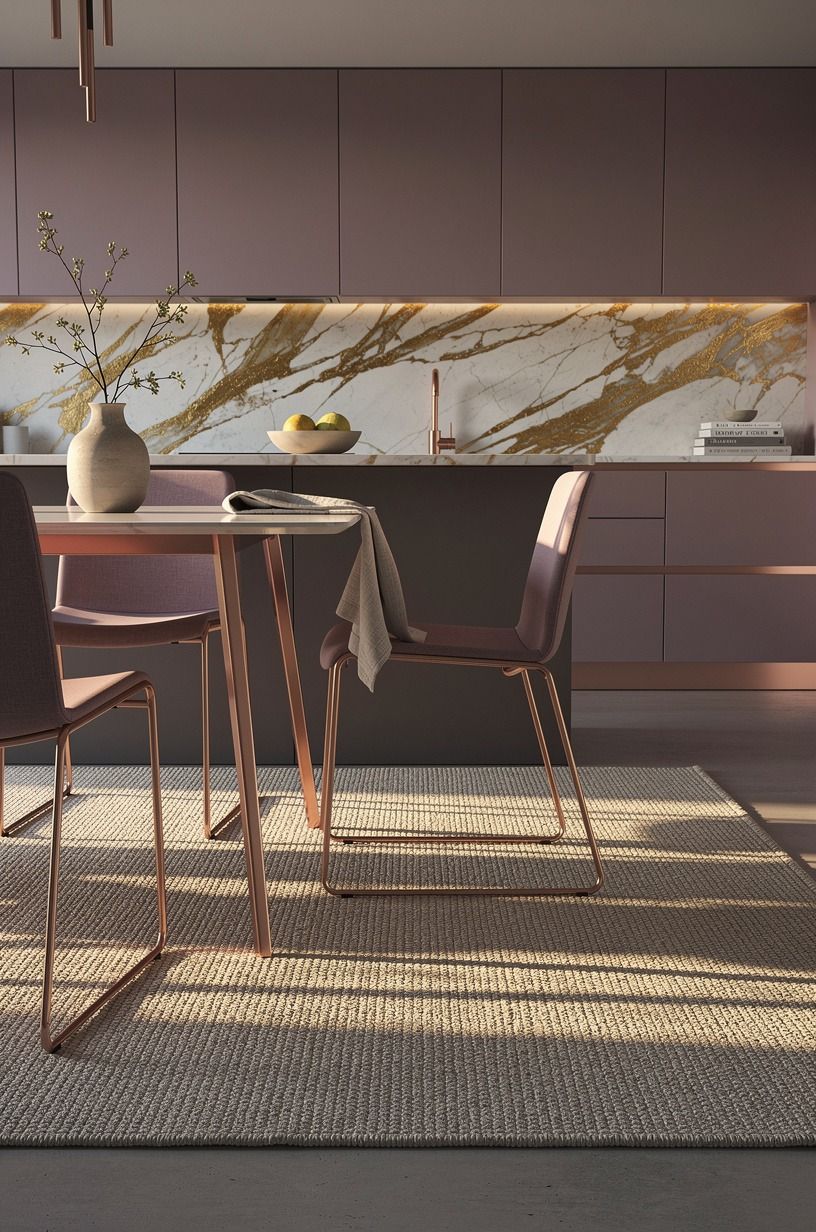
Layer a textile base under the table to stop the nook from feeling like a hard little island in the kitchen.
A Round Table, A Softer Rhythm
A circular table changes the emotional pace of the nook. There are no sharp corners directing people away from one another, so the arrangement feels intimate and generous. It’s a simple shape with a surprisingly powerful effect.
Use the rug to reinforce that softness. A round table over a rectangular rug creates useful contrast, while a circular rug produces a more cocooning mood. Either choice can work if the edges leave enough space for chairs.
The right combination should make you want to linger. That’s the real test. Sit down with a mug, turn toward the window, and notice whether the arrangement feels easy or oddly formal.
5Paint the Wall With a Grounded Color
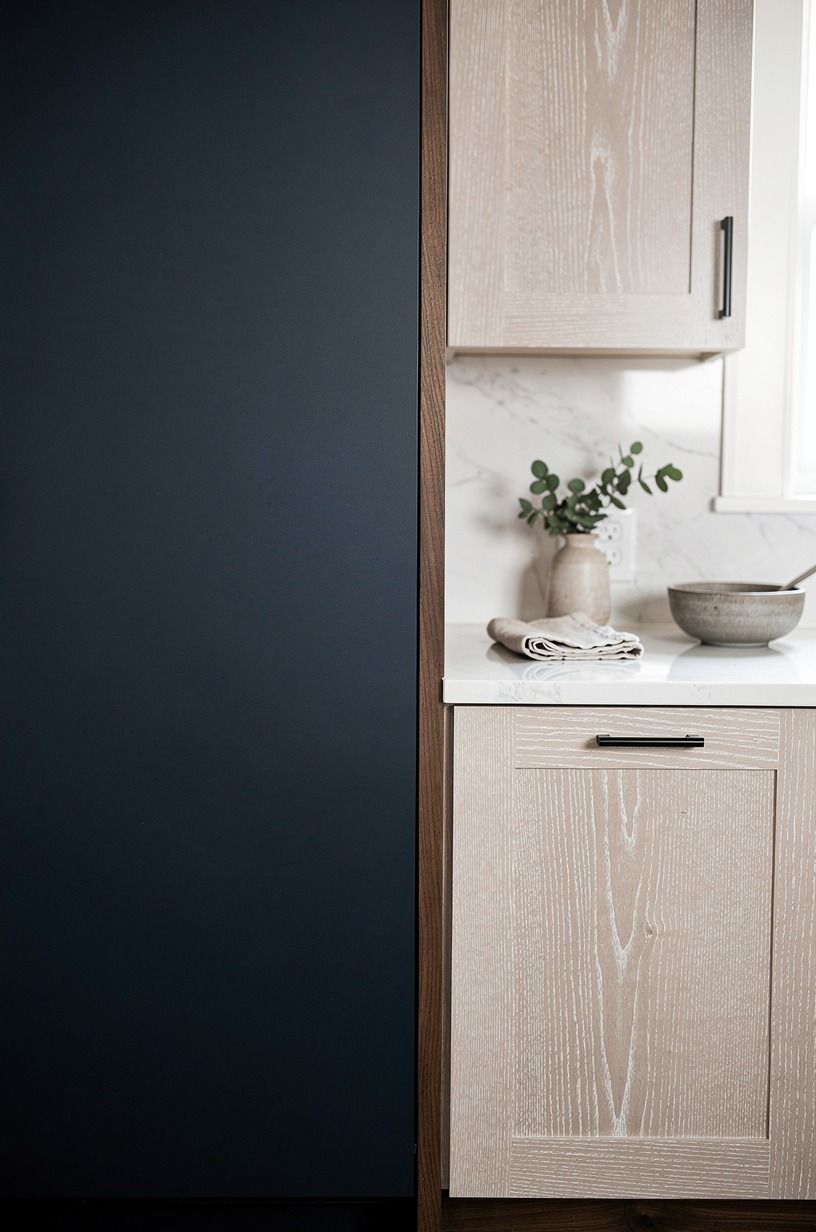
Paint the wall behind your nook with a color that gives the table somewhere to settle. Sherwin-Williams Naval SW 6244 is a rich navy that works with cerused white oak, white linen, and walnut without making the corner feel themed. Your wall doesn’t need to shout to make the nook memorable.
For deeper drama, sample Farrow & Ball Hague Blue No. 30 beside the window and under your evening bulbs. It can feel moody and intimate in a shadowy kitchen, but it may be too heavy if your nook gets little daylight. I’d use it when you want the corner to feel like its own small room.
But don’t buy paint from a tiny screen color. Paint two large sample boards and move them around your nook for a full day.
You’ll see the undertone change at breakfast, late afternoon, and dinner. That test costs less than repainting a wall, and it’ll save you from choosing a color that turns muddy after sunset.
If the kitchen already has colorful cabinets, choose a quieter wall color and let the textiles carry the energy. If the cabinets are white or pale wood, a saturated wall can create a vivid focal point. The right answer depends on what surrounds the nook.
For a lighter direction, compare Benjamin Moore White Dove OC-17 with warm cream, pale clay, or dusty olive accessories. The neutral backdrop can feel serene rather than bland when the materials have enough depth.
Josef Frank’s Lesson in Pattern
Pattern works best when it has somewhere to breathe. A small Josef Frank-inspired botanical print on a cushion can bring playful energy without making every surface compete. Repeat one color from the pattern in the rug or ceramics, then leave the rest quieter.
You’ll want scale variation. One large motif, one small pattern, and several solids create a more confident mix than four equally busy prints. The result feels eclectic, cheerful, and deliberate.
Try a botanical cushion beside a striped cotton runner, then repeat only one of those colors in the curtains. The room will feel collected instead of chaotic. Pattern should give the nook personality, not turn breakfast into visual homework.
6Frame the Window With Soft Linen
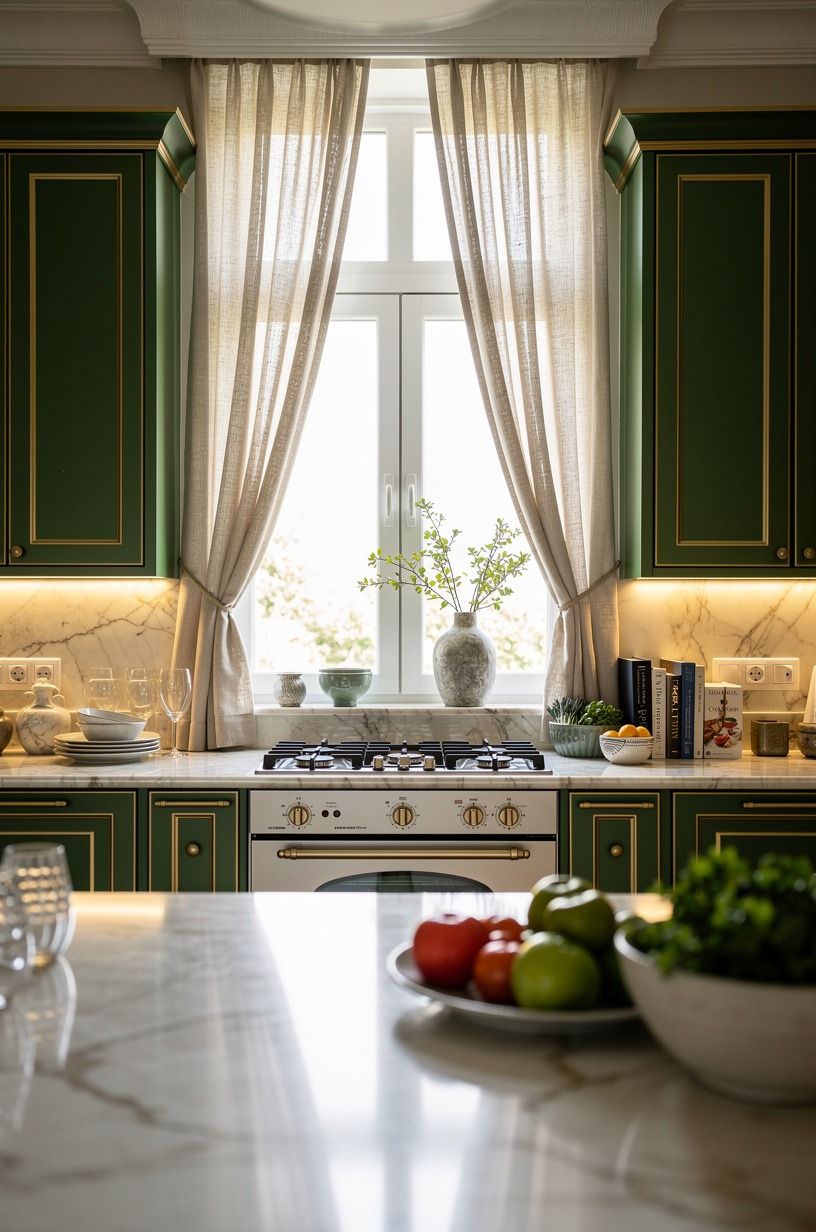
Frame your window with soft linen curtains beside a backlit translucent onyx sill or surround. Keep the fabric in warm cream, and let emerald and muted gold accents bring the palette to life. Your fabric should touch the floor or finish just above the sill, depending on whether the nook sits near a work surface.
Hang the rod wider than the window so the panels can rest outside the glass. You’ll keep more daylight when the curtains are open, and the opening will look larger. A tension rod works for many rental windows, while a standard rod gives your room a more finished line.
I’d skip short café curtains if your goal is a full boho breakfast nook. They can look sweet, but they cut the wall into horizontal bands and make a low window feel lower. Choose 600gsm Turkish cotton for a nearby bench cushion instead, where the weight feels useful and the texture gets touched.
Warm cream curtains are especially effective when the room carries emerald and gold. They soften the contrast and make morning light feel creamy. If the room is already pale, a soft gold panel can add a richer, more theatrical note.
A curtain rod can also become a quiet architectural line. Match it to the aged brass hardware on nearby cabinets, or choose matte black if the room needs a sharper counterpoint.
What Should You Hang Near the Nook?
A small framed print, woven wall basket, or narrow shelf can finish the wall without crowding the table. Keep the strongest piece at eye level when seated. That way, the decoration belongs to the nook rather than floating above it.
A shelf is useful when it holds objects you actually reach for. Display hand-thrown stoneware, folded napkins, or a small stack of cookbooks. Avoid filling it with fragile pieces that make breakfast feel like a museum visit.
If the wall is narrow, hang one long piece rather than several tiny frames. A woven palm basket can soften a blank corner, while a small print introduces color without taking over the room. Keep the arrangement calm enough that the window remains the star.
7Hang the Three-Height Light Stack
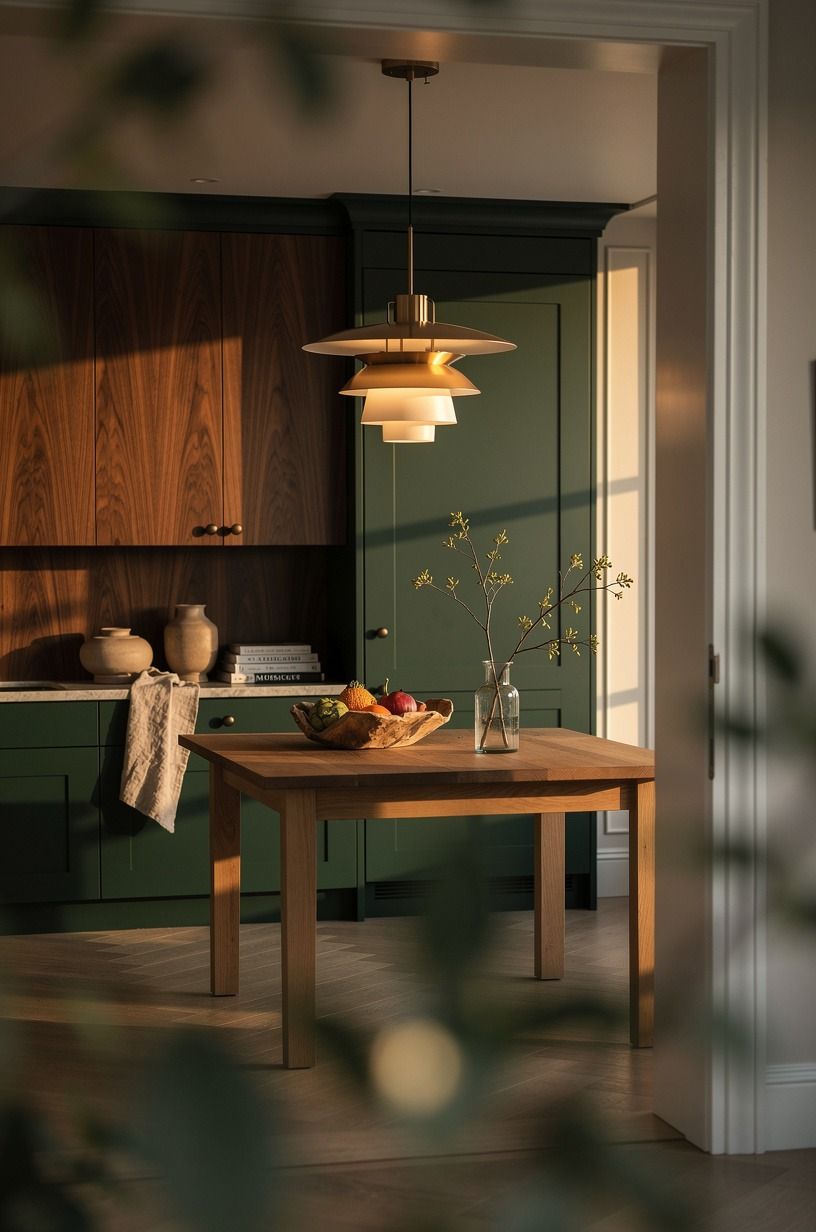
Hang the Three-Height Light Stack so your nook glows at breakfast, afternoon, and night.
8Style the Table With Useful Color
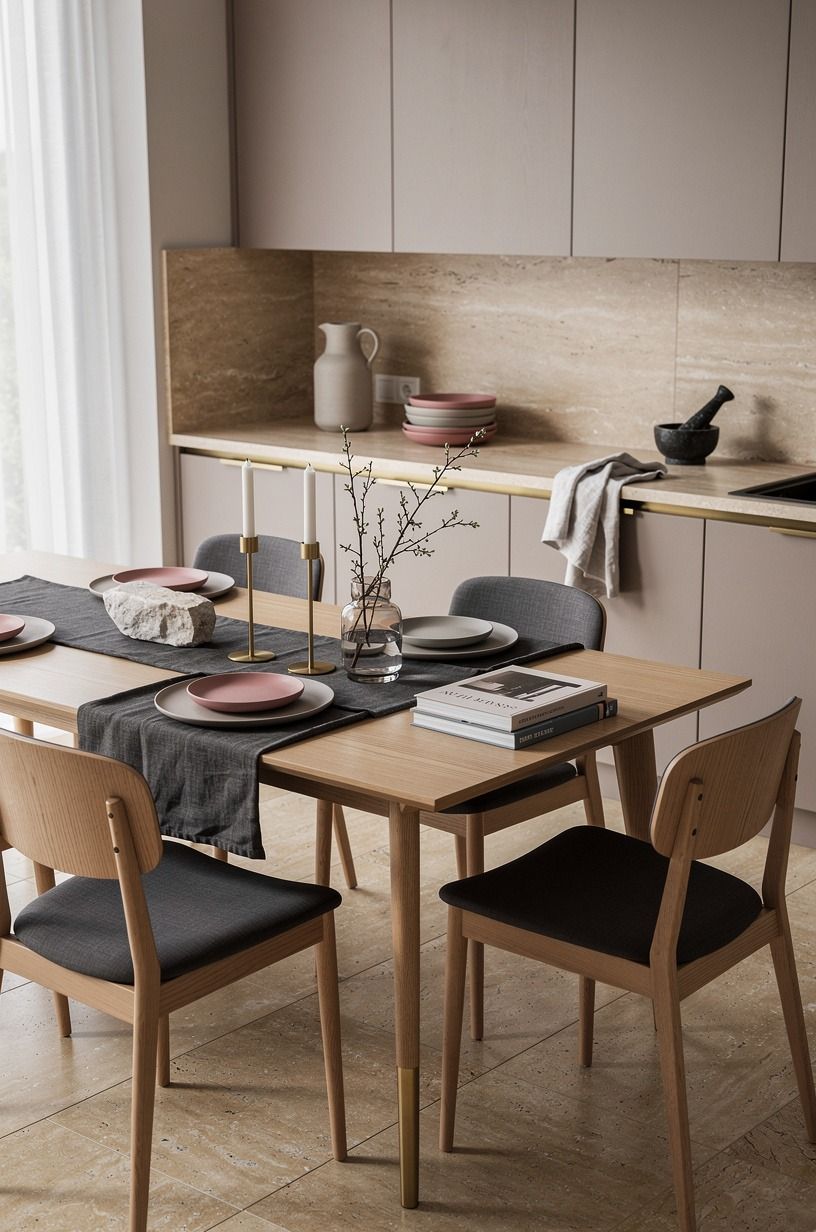
Style the tabletop with useful color instead of filling every inch with objects. Start with a warm travertine bowl for fruit, then add a small brass vase and one stack of charcoal napkins. Your table needs room for toast, homework, and a mug that gets set down too quickly.
Choose dusty rose as your saturated accent and repeat it twice. A dusty rose bowl and a charcoal linen cushion can make the color feel intentional, while brass details add warmth without creating a bright carnival effect. You’ll get more visual energy from three related details than from ten unrelated accessories.
What belongs in the center when you’re not entertaining? A bowl of pears.
Folded linen napkins. One low branch in a narrow ceramic vessel.
That’s enough. I’d skip tall flowers because they interrupt conversation and make a small table feel precious.
A handmade ceramic pitcher can hold flowers during the weekend and serve water during the week. Functional objects give the styling a natural rhythm. They’re easy to move, easy to clean, and much more convincing than decorative clutter.
The best tabletop styling leaves a little room for life. A wooden breakfast tray can corral small pieces when you need the entire surface for a project. That kind of flexibility keeps the nook useful and inviting.
9Add a Bench for Better Small-Space Flow
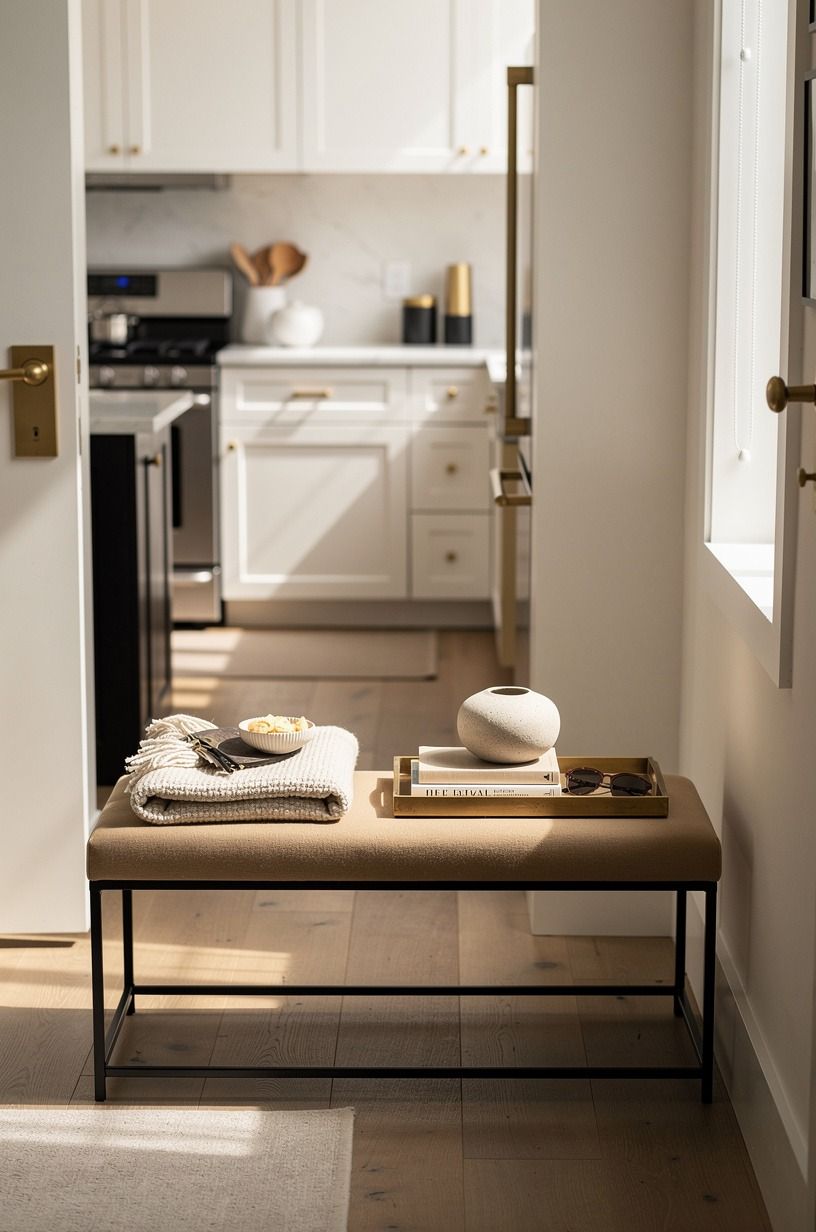
Add a bench along the wall when your nook needs more seating without more visual clutter. A built-in bench gives you storage beneath the seat, while a freestanding warm-white unit with black baskets can create a similar effect with a custom cushion. Your room will gain seats and hidden storage at once.
Keep the bench depth comfortable, but don’t let it project so far that the table blocks the kitchen route. You’ll want the seat to pull people toward the wall, leaving the open side clear for movement. A cushion in camel linen brings a soft, tactile note and stands up visually beside warm white upholstery and black accents.
But don’t push a bench against a cold wall without padding. The first one I styled looked tidy and felt awful.
Add a back cushion, a folded throw, or a row of pillows with firm inserts. Your body notices comfort before your eye finishes admiring the room.
Storage baskets beneath the bench can hide lunch bags, art supplies, or extra linens. Choose black baskets with unlacquered brass pulls developing a natural patina for a practical contrast. If the nook serves children, use sturdy bins with broad openings so cleanup won’t become a daily negotiation.
Good news! A bench doesn’t need to look built-in to feel architectural.
Run a narrow shelf above it, repeat the wall color in the cushion, and keep the storage baskets consistent. The result can feel tailored, practical, and surprisingly polished.
The Saturday-Morning Test
Before you finish styling, sit in the nook during a real morning. Pull out every chair, open the curtains, place a plate on the table, and walk through the kitchen carrying something warm. You’ll catch problems that a static arrangement hides.
If your knee hits the pedestal or the curtain brushes the countertop, adjust the room. A beautiful nook should survive ordinary life. That’s where the design becomes genuinely successful.
Try the test before buying more accessories. You may discover that the bench cushion needs to be thinner, the lamp needs to move, or the rug needs a nonslip pad. These practical changes often create a bigger improvement than another decorative purchase.
10Budget the Refresh Before You Decorate
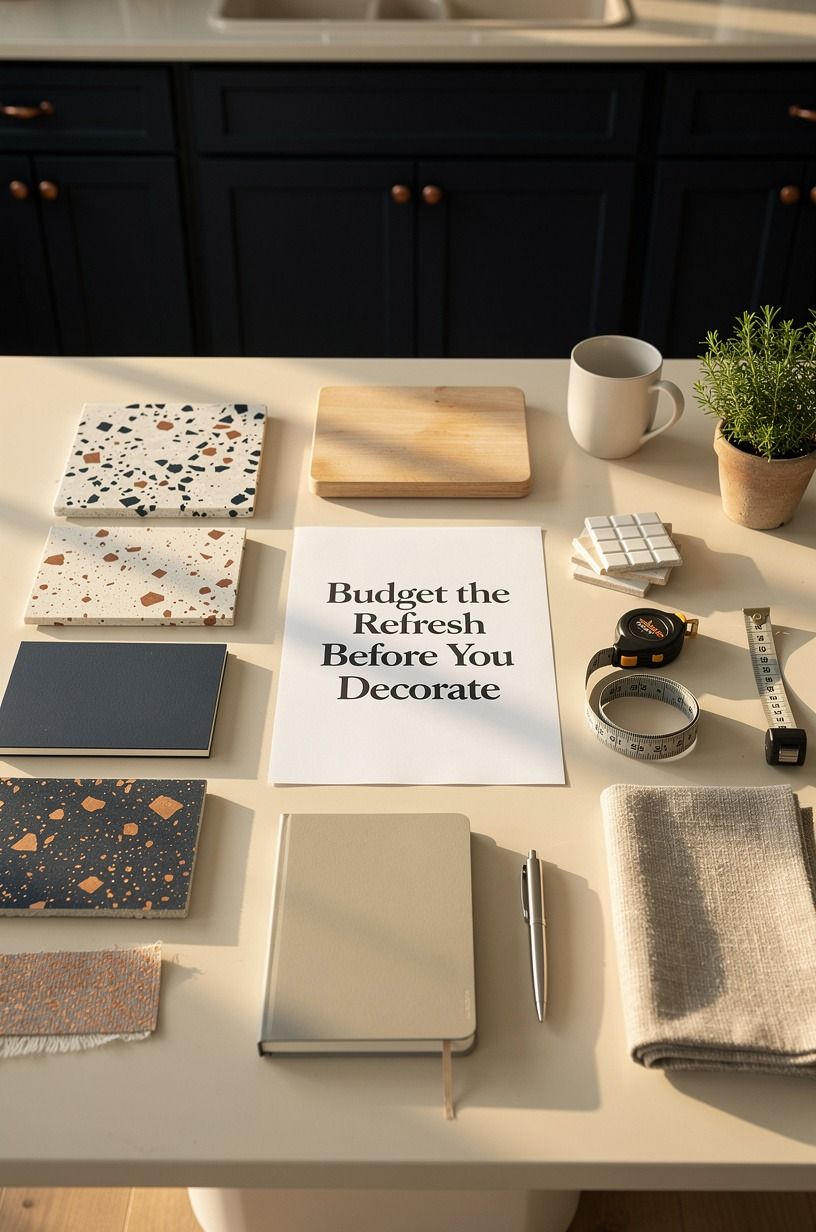
Budget the refresh before you decorate, even if you’re changing only one corner. Your nook may need paint, lighting, a rug, and seating, but those costs shouldn’t blur together. The table below gives you kitchen renovation context, while a cosmetic nook update can stay far below a full remodel.
For a nook, spend first on the piece you touch most, usually the chair, bench cushion, or table edge. 18-ounce cotton velvet can make a modest cushion feel substantial, while a thin insert will flatten quickly. You don’t need a full kitchen remodel to make the corner feel rich.
To bring more personality to a small update, use oversized-chip terrazzo on a narrow ledge or side table, then balance it with midnight blue, copper, and ivory. You’re not required to buy a full stone surface for a nook, but one focused material can make the corner feel considered.
A tight budget can still produce a dramatic result. Paint the wall, thrift the chairs, and use a washable rug before upgrading the table. A down-alternative bench insert may improve the room more than an expensive centerpiece because comfort changes how often people stay.
If you need to stage the work, start with the changes in section 5, then add lighting from section 7. Paint and light create the fastest mood shift, while furniture can follow once you understand the room.
11Finish With Collected Details You’ll Use
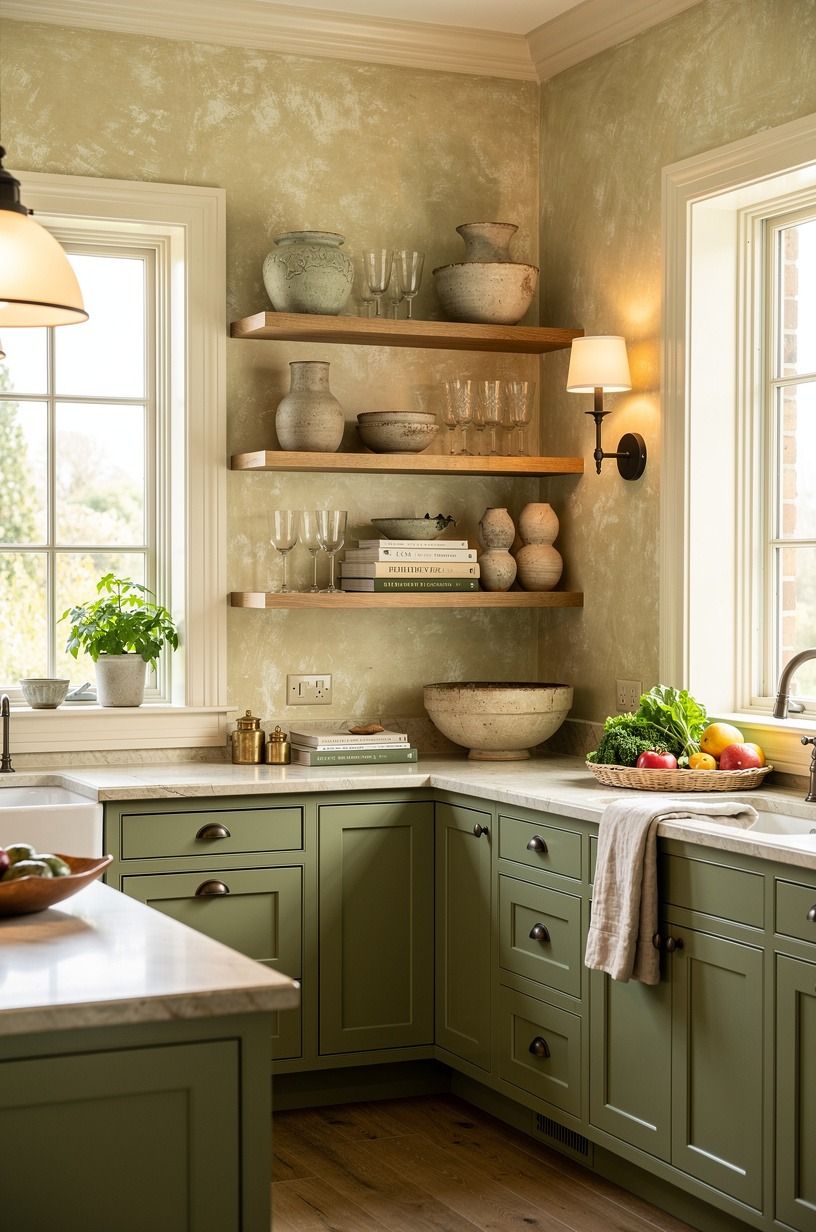
Finish with collected details that make your nook feel personal rather than staged. Bring in objects with a job: a bowl for fruit, a tray for tea, a hook for market bags, or a small shelf for favorite recipes.
Choose one or two heirloom-feeling pieces. Hand-applied Venetian plaster in warm cream can soften a pale wall, while an old wooden board adds history beside a modern table. The room will feel more distinctive when every object doesn’t come from the same shopping trip.
Keep the final layer restrained. A sage-green striped cotton throw on the bench, a low vase, and one framed print may be enough. If the nook still feels bare after a week, add something useful.
If it feels crowded, remove the least practical piece.
The strongest boho interiors allow a little disorder. A bowl may hold lemons one day and mail the next.
A chair may move to the kitchen island. That flexibility gives the room a relaxed, lived-in character that styling alone can’t fake.
What a difference! One useful object with a story can make the corner feel more intimate than a dozen coordinated accessories. Let the final layer arrive slowly, and your choices will feel more honest.
The Small Details That Make It Sing
Look closely at the pieces you touch every day. A linen napkin, a smooth drawer pull, or a slightly irregular bowl can make breakfast feel more generous. These details create a tactile welcome without adding visual noise.
Repeat shapes as well as colors. A rounded pendant, curved table, and arched picture frame can give the nook a gentle rhythm. If the room already has angular cabinets, those softer forms will feel especially warm.
Keep one surface imperfect. A hand-carved wooden spoon, worn cutting board, or uneven ceramic cup adds a grounded note. Boho style becomes convincing when the room has evidence of use.
Why I’d Choose Texture Before More Color
I’ve gone back and forth on this because color gets the attention first. A deep green wall or a red striped cushion is easy to notice, and strong color creates an immediate visual hit. But texture is what keeps your nook interesting after the first glance.
It’s what your hand feels when you pull out the chair, what catches the morning light, and what makes a plain bowl look worth keeping.
If your budget is tight, spend it on three tactile surfaces before you buy a fourth color. Choose a woven seat, a rough ceramic vessel, and a rug with visible fibers. You can paint the wall with Benjamin Moore White Dove OC-17 and still create a rich, welcoming corner.
I made the mistake of buying decorative color before solving comfort. The nook looked cheerful, but nobody stayed there longer than five minutes. The bench was too firm, the light was too harsh, and the rug shifted under the chairs.
Once I fixed those practical problems, the color finally looked relaxed instead of desperate.
Your best decision depends on how you use the space. If you eat quickly and leave, choose a simple table and invest in the light.
If your children do homework there, prioritize washable fabric and a stable bench. If you host slow weekend breakfasts, choose comfortable seating first.
The reason this style keeps working is that it welcomes small imperfections. A slightly uneven handmade bowl feels better than a flawless object with no story. Worn wood can be more comforting than polished wood.
You don’t need to make every piece match, but you do need to repeat a color, material, or shape often enough for the room to feel connected.
The Questions Worth Answering First
What is the best boho breakfast nook arrangement for a small kitchen?
A round table with one bench is usually the best choice for a small kitchen because it keeps corners clear and adds flexible seating. Pair it with a rattan bench, a washable rug, and one wall shelf. You’ll get better flow without making the nook feel bare.
Where can I buy boho breakfast nook pieces on a budget?
Look at IKEA, Wayfair, and Target for basic tables, rugs, and lighting, then check Facebook Marketplace or a thrift shop for wood chairs. You’ll often find stronger materials secondhand. Search for solid oak, cane, and bentwood rather than relying on a matching label.
How much does a boho breakfast nook makeover cost?
A small nook refresh usually costs about $100 to $300 if you reuse the table and shop carefully. Free changes include rearranging chairs, borrowing art, and styling dishes you own. Paint, a cushion, or a secondhand light can provide the biggest visual shift.
Can I create a boho breakfast nook on a budget?
Yes, and you can start without replacing the furniture. Paint one wall, make a cushion from cotton canvas, and gather thrifted ceramics in one color family. You’ll create more warmth by layering what you own than by buying several small decorations at once.
Is a boho breakfast nook a good idea for a rental?
Yes, especially when you use removable changes. Try peel-and-stick wallpaper, a tension rod, a rechargeable lamp, and framed art resting on a shelf. You’ll get color and texture without drilling into the wall or making a permanent change.
Is this style worth it in a small space?
Yes, because a small nook can become a useful destination instead of leftover floor space. Choose a round table, keep at least one clear walkway, and use a bench against the wall. Your room will feel more intimate when the furniture fits the footprint.
Where I’d Start First
If I had to pick one step, I’d start with the table and seating. A comfortable round table changes how you move, eat, and gather, while decorative layers can wait. Choose the right footprint first, then add color and texture around it.
After that, follow the sequence in section 4, section 5, and section 7. Those three changes give the nook its foundation, mood, and evening glow.
You can then revisit the window treatment, the useful tabletop layer, and the bench solution. Each one adds comfort or character without asking you to redesign the entire kitchen.
Start there! A boho breakfast nook succeeds when it feels inviting at 8 a.m. and still beautiful after dinner.
Let the materials age, let the chairs move, and keep the useful pieces within reach. Your corner will feel intentional before you buy another thing.