How to Create the Modern Nancy Meyers Aesthetic, Updated for 2025 - 12 Ideas
25 september 2026You can create the modern Nancy Meyers aesthetic with warm layers, quiet color, practical furniture, and a few polished details. The look isn't about copying a movie set. It's about making your room feel lived-in, calm, and welcoming without losing its modern edge. Start with the room's bones, then layer slowly. If you want more direction, begin with these warm neutral living room ideas.
- Start with the Soft Contrast Rule
- Paint the Envelope with Pigeon and White Dove
- Anchor the Room with the Two-Wood Rule
- Choose Linen Over Shiny Polyester
- How Do You Build the Three-Height Light Stack?
- Float Furniture for Transitional Home Inspiration
- Frame Windows with Full-Length Drapes
- Mix Old and New with the Collected Kitchen Rule
- Hang Art at the 57-Inch Mark
- Budget the Warmth Before You Buy
- Edit the Room with a Living-In Layer
- Choose Function Over Filler in Modern Nancy Meyers Design
1Start with the Soft Contrast Rule
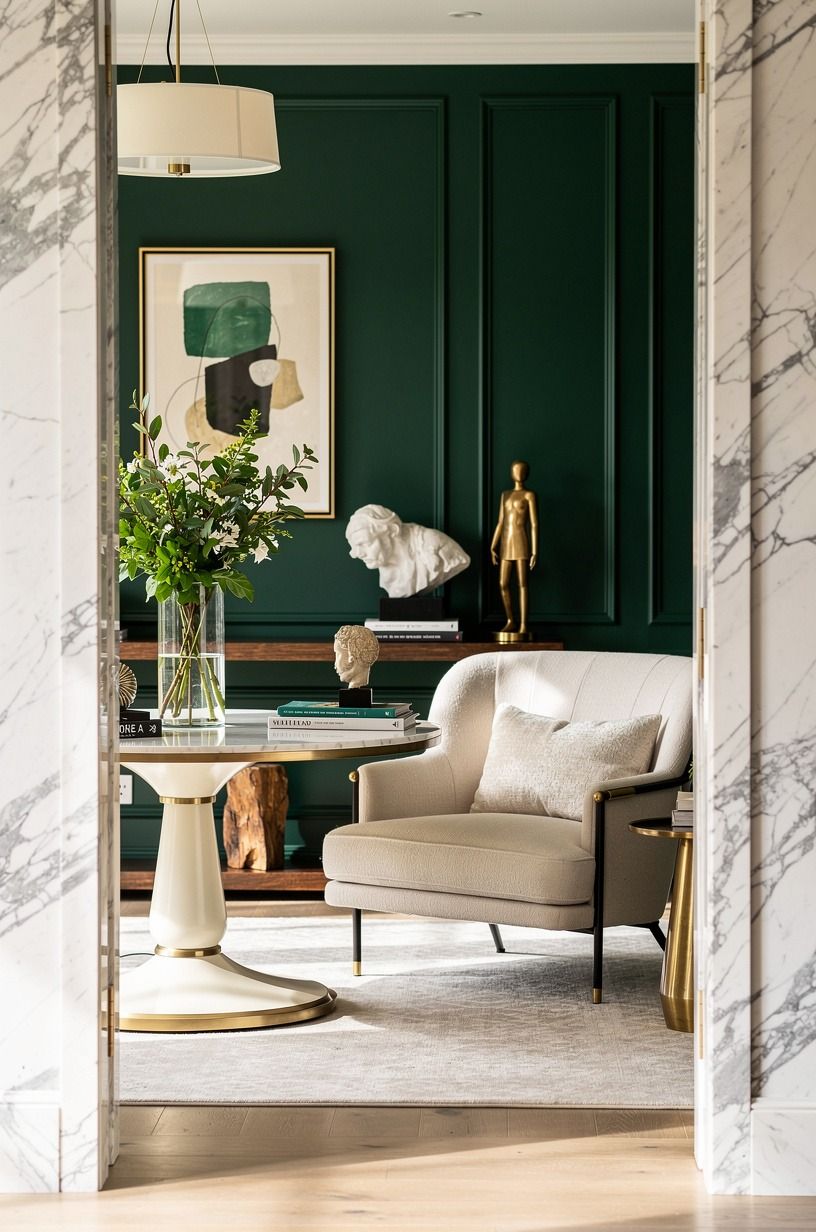
Begin by choosing one light foundation, one deeper companion, and a small metallic note. Benjamin Moore White Dove OC-17 gives you a warm cream backdrop, while emerald green and touches of gold keep the room from looking flat. If you're working with a rental, test the color on poster board first so you can move it around the room.
The modern Nancy Meyers aesthetic needs contrast, but it shouldn't feel sharp. I like warm cream walls, emerald accents, and restrained gold because your eye can rest between each layer.
Bright white with black furniture feels more graphic, and that isn't the mood you're building here. You can compare undertones with this guide to living room paint colors.
Use your largest surfaces first. Your walls, sofa, rug, and curtains should share a family of warm undertones.
A Carrara marble side table with subtle gray veining can add structure, while a gold lamp gives the room a gentle, polished note. For more combinations, save these home decor color ideas.
And don't buy accessories yet. Stand in your room at morning, afternoon, and evening, then notice where the light lands. If the space already feels inviting at sunset, you've got the right starting point!
2Paint the Envelope with Pigeon and White Dove
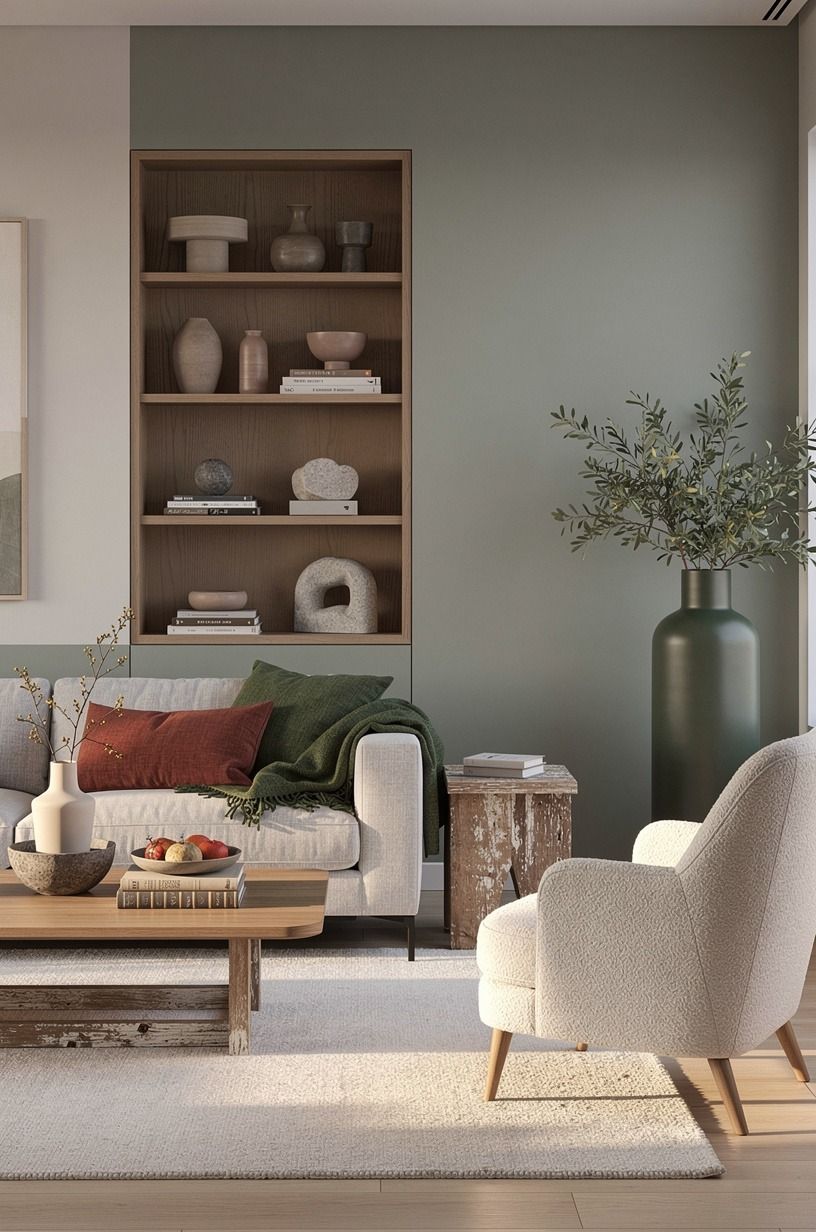
Paint the walls, trim, and ceiling as one visual envelope when your room feels chopped up. Farrow & Ball Pigeon No.25 works well in a dining room or hallway because its gray-green base can lead into forest green, rust, and natural oak. You won't get the icy effect that often comes from blue-gray paint.
For a lighter room, use Benjamin Moore White Dove on the walls and repeat it on the trim in a slightly different sheen. Your walls can stay soft while the woodwork catches a little more light. I wouldn't pair Pigeon with stark white trim because the contrast can look suburban-builder rather than collected.
But don't skip primer if you're covering a strong color. A clean base helps your paint read consistently, especially near windows.
Reclaimed weathered teak can add warmth through a shelf, bench, or small cabinet without making the palette feel too polished. You'll want two sample boards, one beside the largest window and one in the darkest corner.
A Sherwin-Williams Agreeable Gray SW 7029 sample can help you compare undertones before you commit. Put each board six feet apart, live with them for a day, and choose the one that still feels calming after the sun goes down. That little pause matters!
3Anchor the Room with the Two-Wood Rule
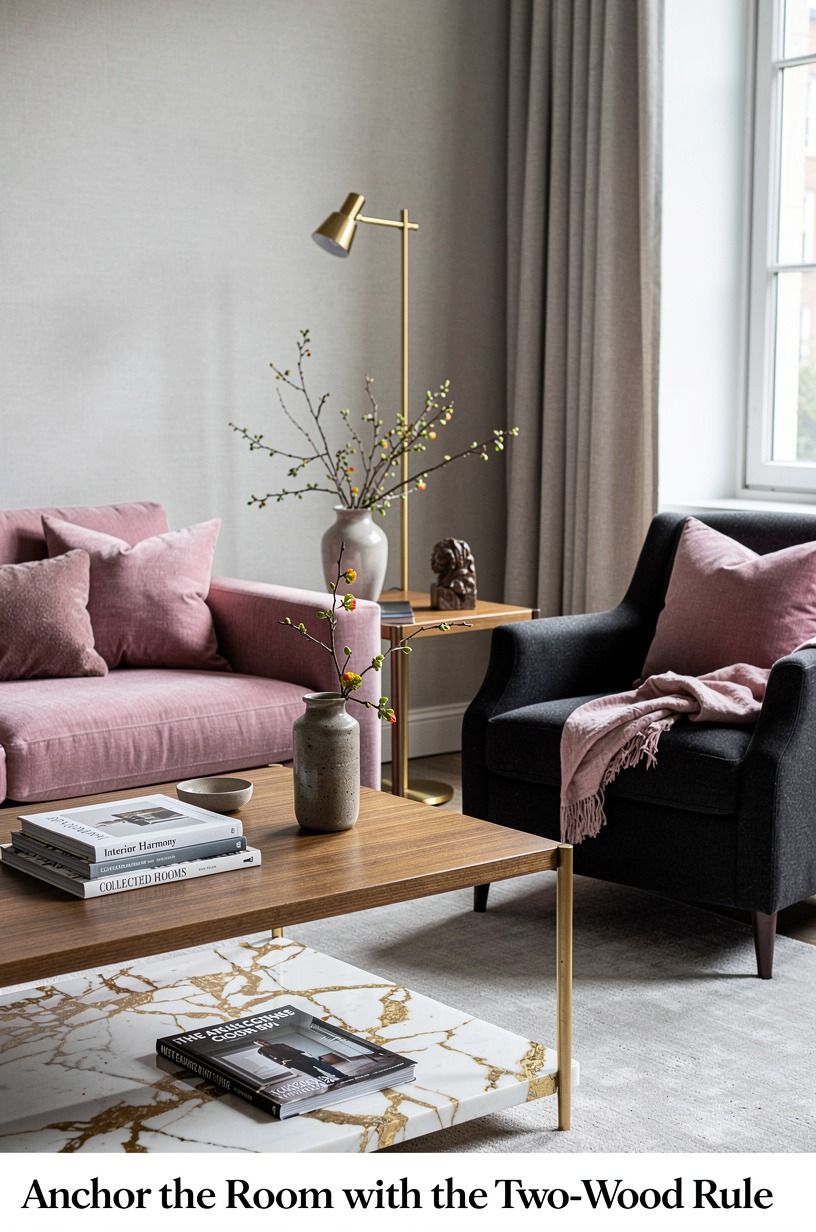
Choose two wood tones and let them do most of the warming.
4Choose Linen Over Shiny Polyester
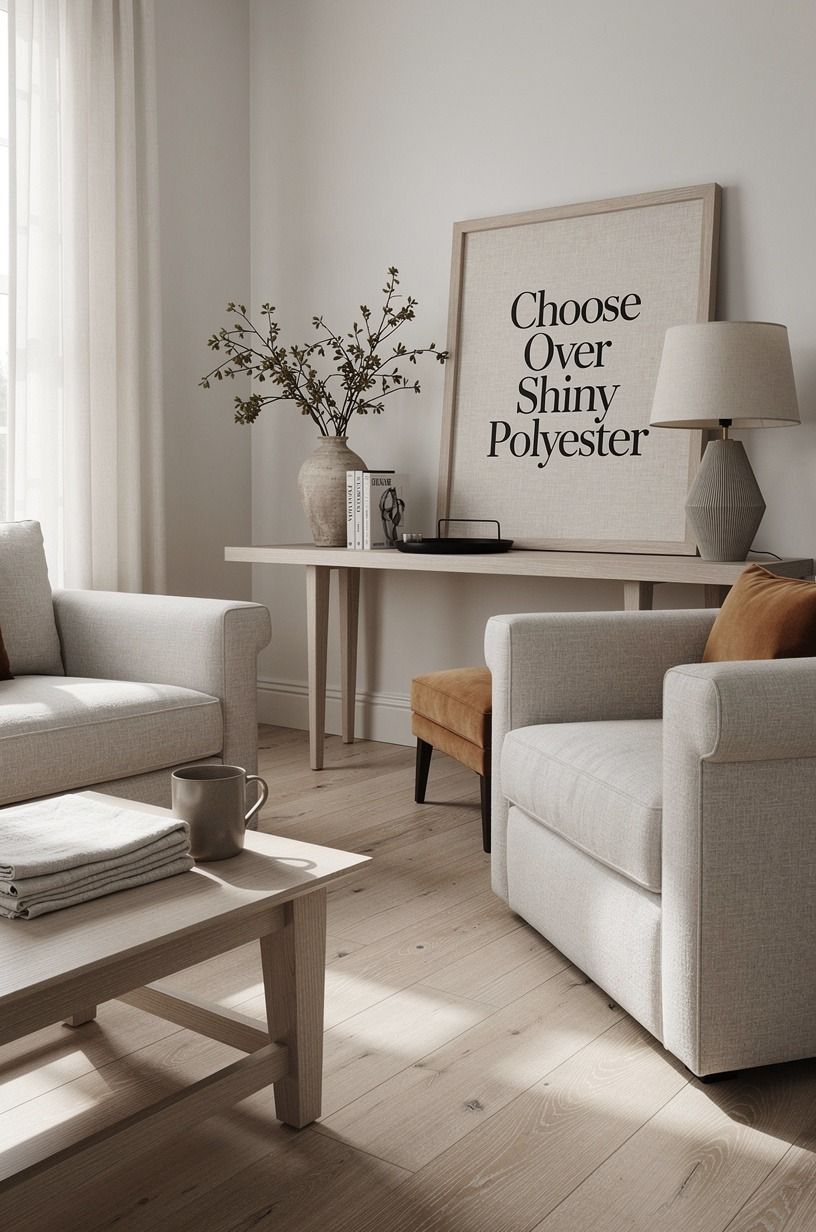
Use natural-looking textiles to make the room feel soft without making it precious. Warm white linen curtains, cushions, or a loose slipcover bring small wrinkles that catch the light. Those wrinkles matter because a room with no visual texture can feel flat, even when every item is expensive.
Choose one relaxed textile for each seating zone. Your sofa might get warm white linen cushions, while a reading chair gets a camel linen pillow with one small black accent. I wouldn't cover every surface in velvet because the sheen becomes busy and the room loses its calm.
For curtains, measure from the rod to the floor rather than stopping at the window sill. A rod placed 4 to 6 inches above the frame makes the window feel taller, and full-length fabric gives your room a more generous proportion. These linen curtain ideas can help you choose the right weight.
You can start with a warm-white linen throw folded over a cerused white oak bench. It has enough texture to look intentional, but you'll still use it on a cool evening. Practical comfort is the part of this style that keeps it from becoming a showroom.
5How Do You Build the Three-Height Light Stack?
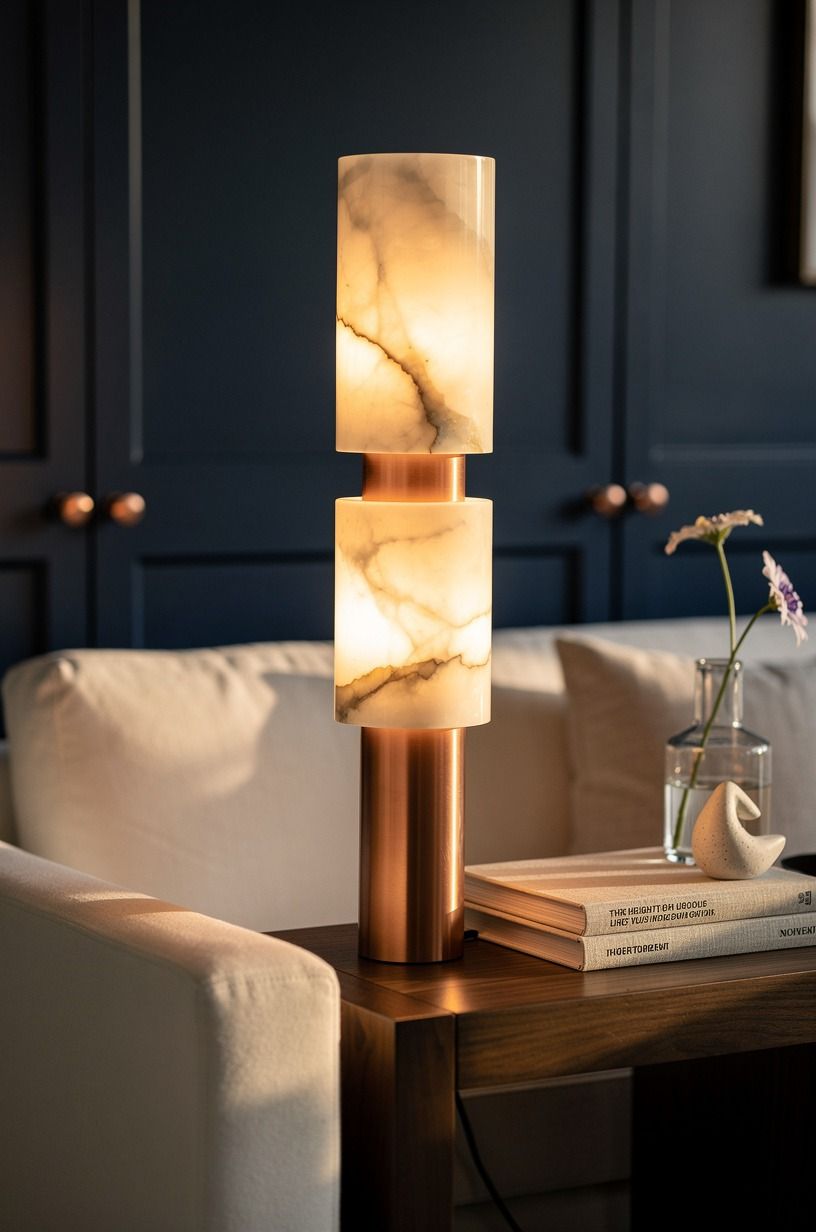
Build lighting at three levels: overhead, task, and ambient. Copper sconces at eye level can warm a hallway, while a floor lamp lowers the glow beside your sofa. Your room should have three light sources, not one bright fixture working overtime.
I prefer a shaded table lamp over a bare bulb because the shade creates a pool of light that stops at the rug's edge. An ivory linen drum shade feels gentler than polished glass, and it won't turn your evening room into a restaurant.
And if you're choosing a ceiling fixture, keep its shape simple. A backlit translucent onyx panel or lamp can bring a soft architectural moment without overpowering your furniture. I would skip an oversized chandelier in a small room because it steals attention from the layers you're building.
Use warm bulbs and separate switches if you can. Your overhead light can handle cleaning, your task lamp can help you read, and your ambient light can make the room feel cozy after dinner.
That's the difference between illumination and atmosphere. For more combinations, see these layered lighting ideas.
6Float Furniture for Transitional Home Inspiration
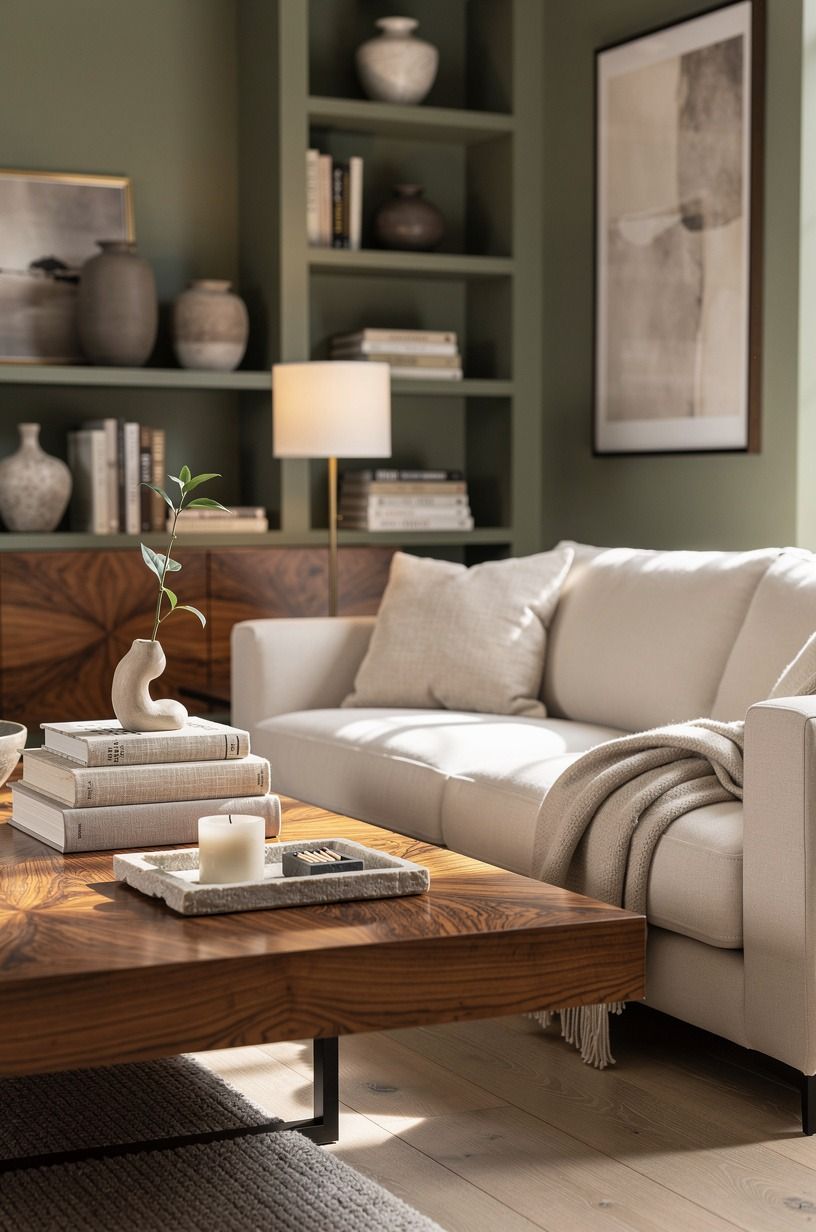
Pull large furniture a few inches away from the walls when the layout allows it. A sage green sofa in a warm cream room can float in front of a rug or face a fireplace, giving your room a more conversational shape.
Natural wood keeps the arrangement grounded. You don't need a huge room to do this, but you do need a clear walking path.
Start with the sofa, then place one chair at an angle rather than lining everything against the perimeter. Your goal is to make conversation easy. I once pushed every piece back to the wall in a small living room, and the center became a dead zone nobody wanted to cross.
Choose a rug large enough that the front legs of your furniture overlap it. A 9-by-12 rug can unify a larger seating area, while a smaller room may need the sofa and chairs to share only their front feet.
A book-matched walnut table can bring in the natural wood note without adding another competing finish. Measure first, because a rug that's too small makes good furniture look disconnected.
But don't force a floating layout if your room is narrow. Your coffee table needs enough clearance for people to pass without turning sideways.
Comfort wins here, and a practical arrangement will feel more elegant than an impressive one nobody can use. These small living room layout ideas are useful when every inch counts.
7Frame Windows with Full-Length Drapes
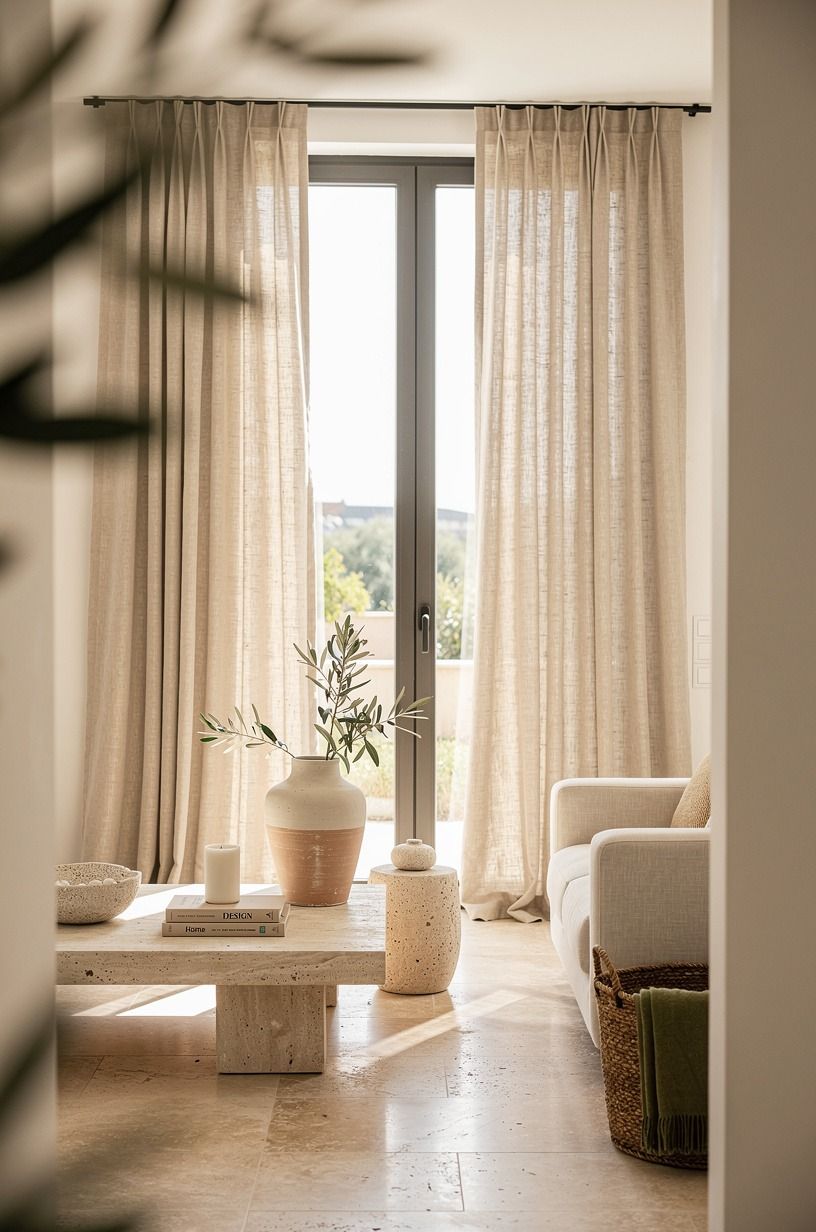
Hang curtains high and wide so your windows feel generous.
8Mix Old and New with the Collected Kitchen Rule
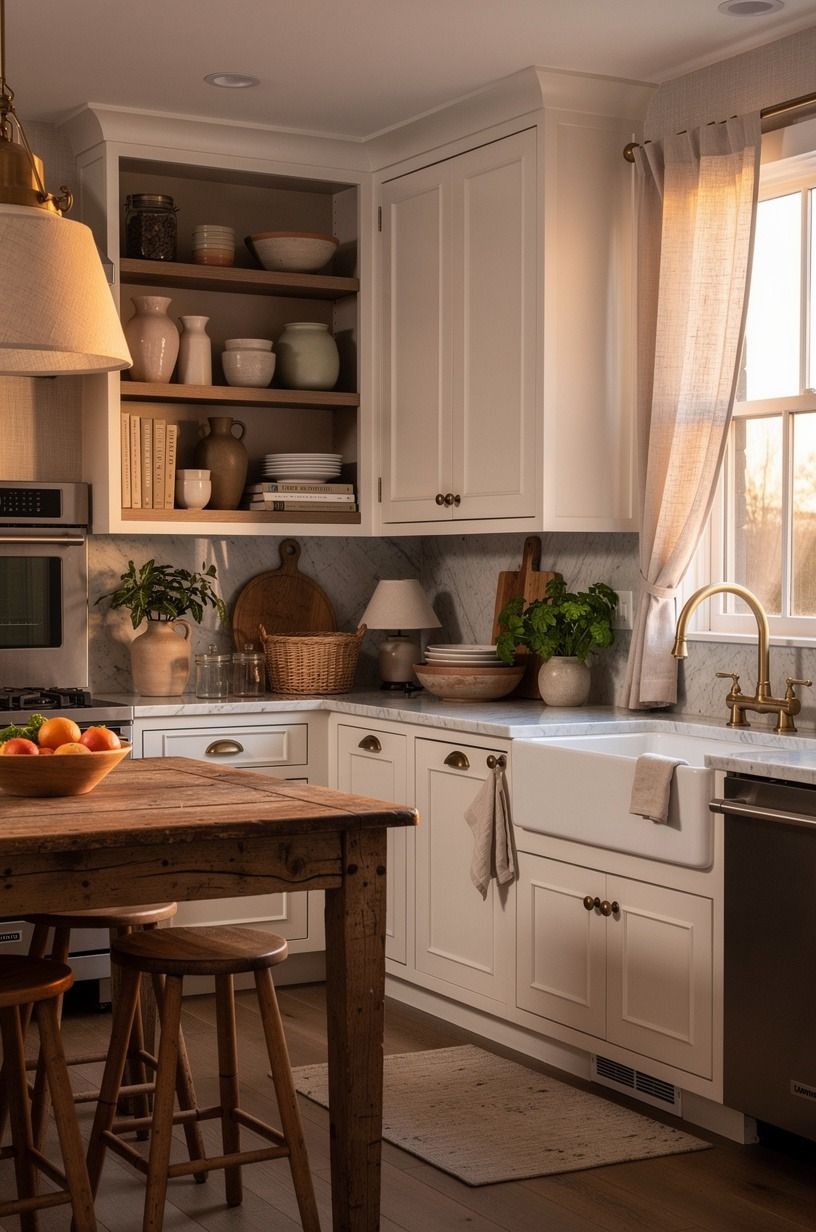
Pair one traditional material with one clean modern shape in every important zone. Clay-toned finishes and linen beside flat-front cabinets can make a kitchen feel layered rather than themed. Your goal isn't to recreate a period room; it's to let familiar materials meet fresher silhouettes.
In a living room, try a vintage frame beside a simple sofa. A Pottery Barn York sofa can hold the relaxed base while an old landscape painting gives the wall some history.
I wouldn't fill the room with artificial antiques because your eye can tell when everything arrived yesterday. You can build on this approach with more modern traditional home decor.
Repeat one finish three times, but vary its scale. Unlacquered brass might appear on a mirror frame, cabinet pull, and floor lamp, developing a warmer patina over time. The repetition creates harmony, while the change in size keeps the room from looking like a matched set.
And don't underestimate secondhand furniture. Your local thrift shop or Facebook Marketplace may have a solid wood side table that needs only sanding and a new finish.
A small repair can give you more character than a flawless new piece. These collected kitchen ideas use the same balance of history and restraint.
9Hang Art at the 57-Inch Mark
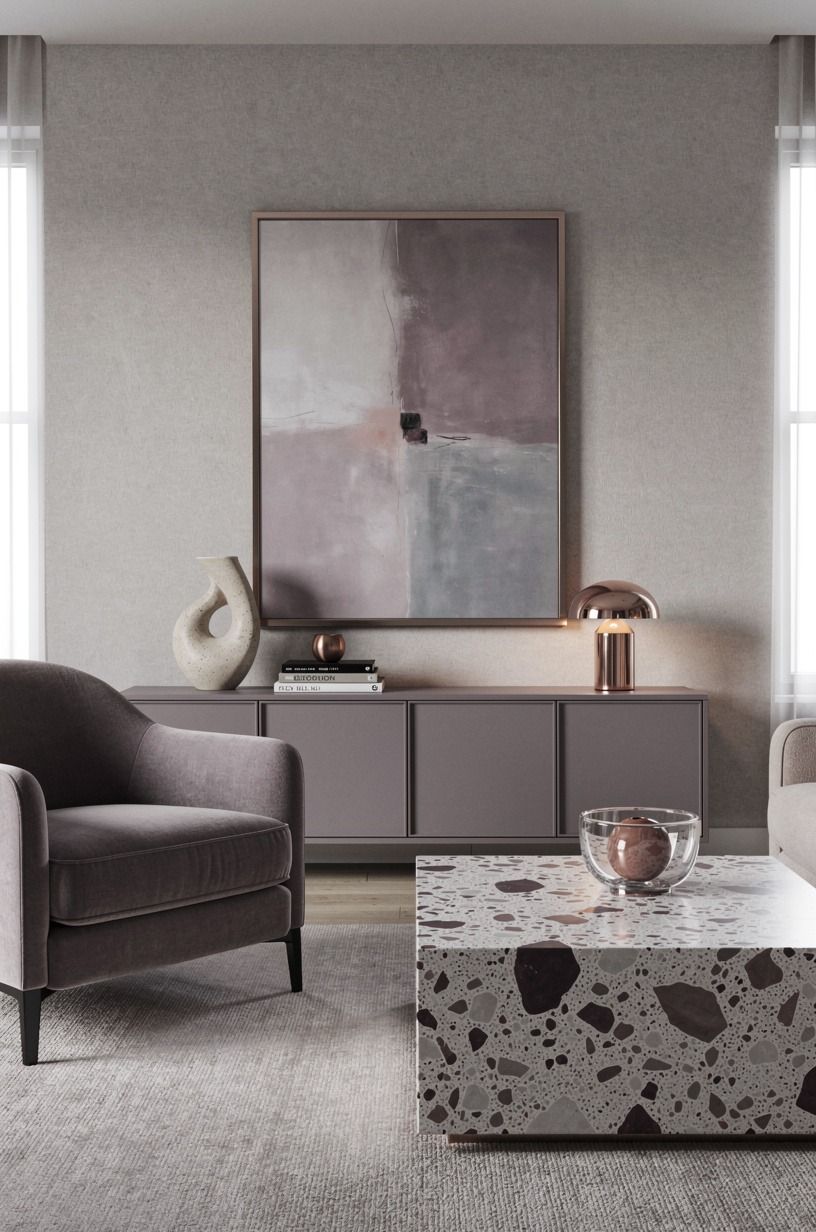
Hang the center of your artwork about 57 to 60 inches from the floor.
10Budget the Warmth Before You Buy
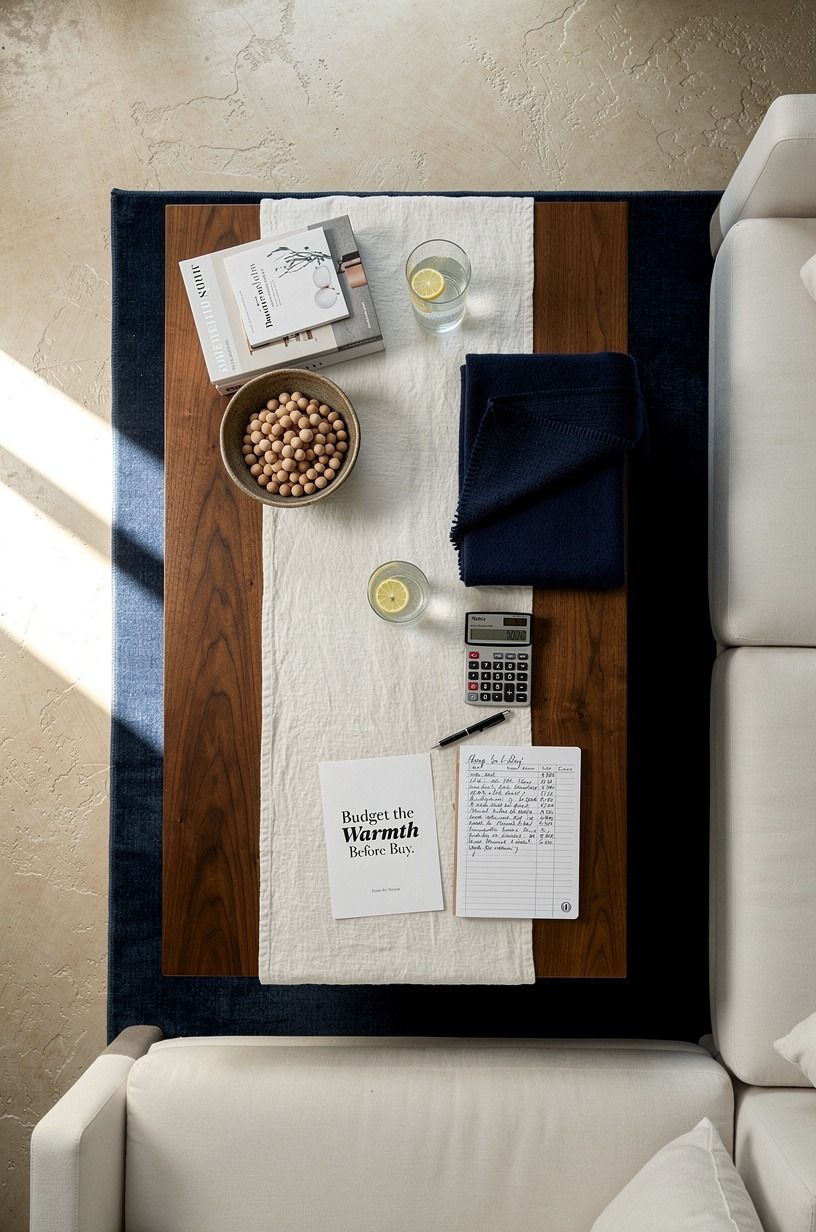
Set your budget by impact, not by the number of objects you can fit in a cart. Navy paint, white upholstery, and walnut furniture can change the room more than a collection of small accessories, while a properly sized rug can make every existing piece feel more settled. Your first dollars should improve the room's largest visible surfaces.
These typical US cost ranges can help you decide whether you're making a budget refresh or planning a larger investment.
A wool rug often costs $400 to $1,500, while linen drapes for a pair may run $120 to $400. Your paint budget can land around $200 to $600 for a room if you're doing the work yourself. Those numbers make it easier to choose where patience matters.
I wouldn't spend high-end money on a side table before fixing the light or rug scale. Hand-applied Venetian plaster can bring depth to a wall, but it shouldn't come before the basics.
A statement light fixture may cost $150 to $800, but its effect can reach the entire room. Start with the change you'll notice from the doorway.
This budget home decor guide can help you prioritize.
11Edit the Room with a Living-In Layer
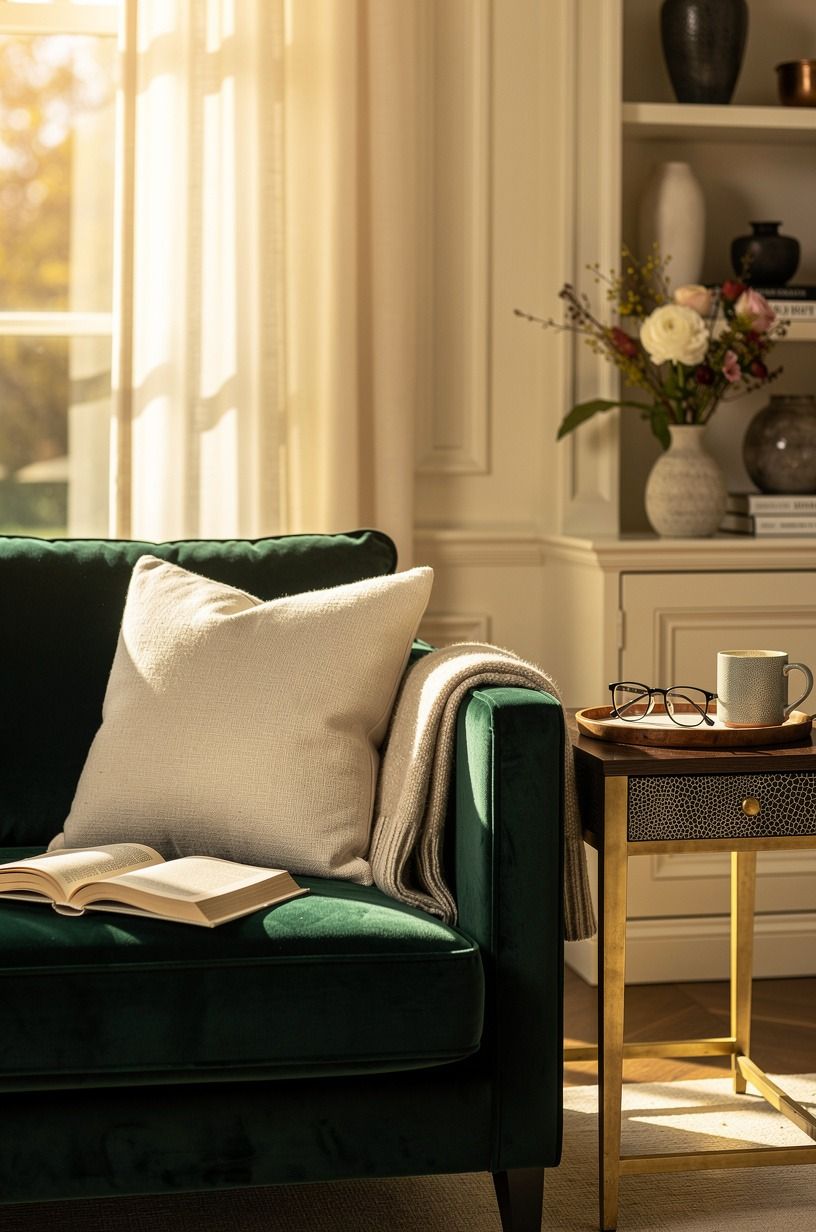
Add objects that show how you use the room, not objects that merely fill empty shelves. Cream baskets can hold blankets, board games, or magazines, while emerald and gold accents bring a little polish without creating visual noise. Your room should look ready for a rainy afternoon, not frozen before guests arrive.
Choose three kinds of everyday evidence: something to read, something to use, and something with a personal story. A shagreen tray can hold grocery-store branches or daily clutter, while a stack of cookbooks gives a kitchen shelf weight and purpose. I like objects that can move because a room should support real life.
Leave some surfaces open. Shagreen bookends may be enough on one shelf, while another needs only a framed photograph. The empty space lets your eye pause, and that pause makes the collected pieces feel more special.
But don't hide all the practical items. Your remote, reading glasses, and serving tray can live in a handsome bowl or drawer.
That's where the modern Nancy Meyers feeling becomes convincing: the room looks polished, yet you can tell someone lives there. For more ideas, browse these natural home decor ideas.
12Choose Function Over Filler in Modern Nancy Meyers Design
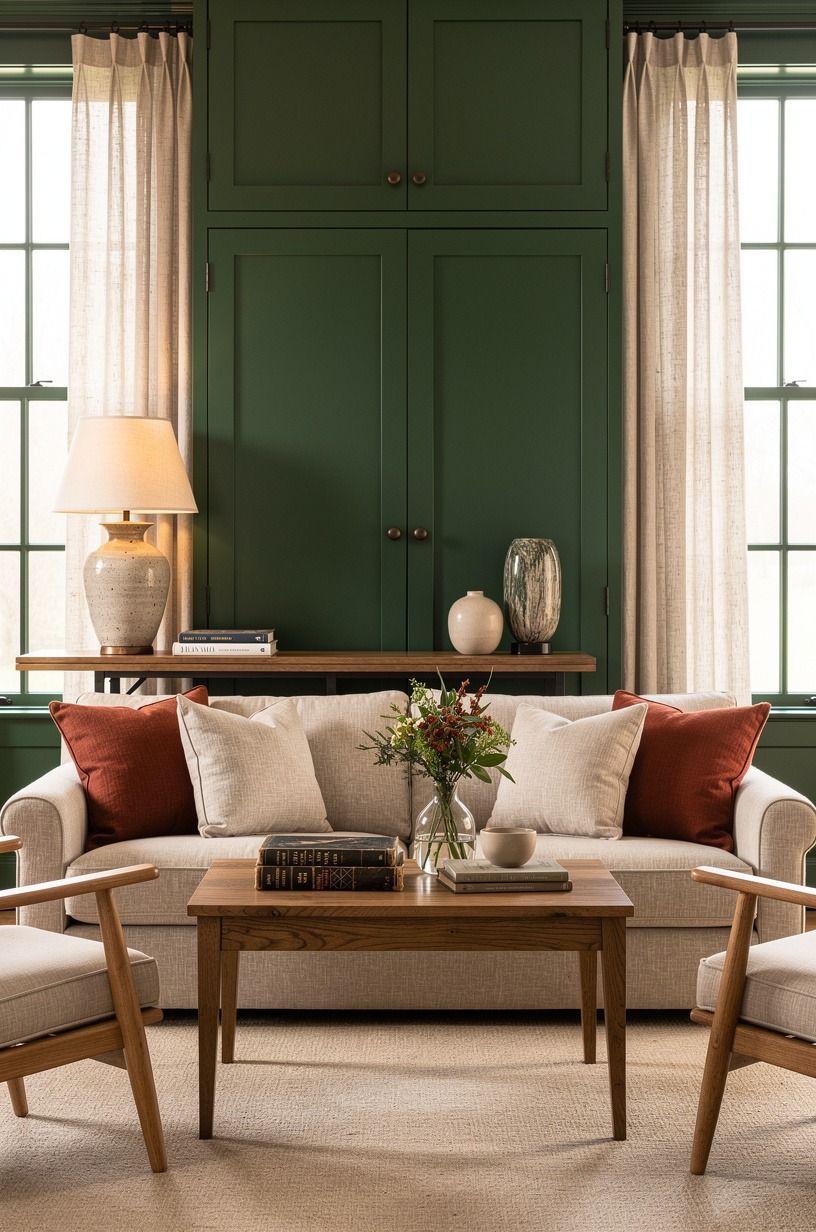
Finish by giving every visible object a job. A forest green cabinet should store something, a natural oak bench should offer a seat, and a basket should contain something you use. Your room will feel more refined when decoration and function overlap.
Walk through the space with a laundry basket and remove anything that doesn't support the mood or the way you live. I do this before photographing a room, and I usually find five items that were making the composition feel noisy. Fewer pieces can make your best materials easier to notice.
Add one final organic note, such as rust-colored branches in a stone vessel or a washed Belgian linen cushion on a chair. Keep the arrangement low enough that you can see across the room. A welcoming space invites conversation, and blocked sightlines work against that.
Your last decision should be practical. If a chair is gorgeous but uncomfortable, replace it with one you can sit in for an hour. The modern Nancy Meyers aesthetic isn't about pretending life is tidy.
It's about making everyday life feel a little warmer, more intentional, and more serene.
The Design Rule I'd Keep
I've come to think of this look as a conversation between comfort and editing. The room needs softness, but it also needs a point of view. If you add only cozy things, the result can feel sleepy.
If you add only modern things, your home may look efficient but not especially welcoming.
The best rooms I've worked on usually begin with one honest constraint. Maybe the sofa has to survive children, or the dining table has to double as a desk.
Those limits aren't a problem. They tell you which materials deserve your money.
Performance linen can handle daily use, and a solid wood table can collect marks that become part of its history.
I don't believe every room needs white walls, brass hardware, or a vintage landscape. I do believe every room needs a balance of hard and soft, old and new, open and useful. Warm oak beside painted cabinetry works because the materials disagree gently instead of competing for attention.
If you remember one thing, let it be this: buy fewer pieces, then give each piece enough space to matter. Your eye needs breathing room, and your life needs surfaces that work.
That's why this aesthetic still feels modern in 2025. It isn't a costume.
It's a generous way to live.
The Questions Worth Answering First
What is the best Modern Nancy Meyers Aesthetic for a small space?
A warm neutral palette, one compact sofa, and layered lighting work best. IKEA TONSTAD furniture can provide useful storage without making your room feel crowded. Choose a rug that reaches the front furniture legs, then keep the center path clear so your small space feels airy.
Add ideas from this guide to small-space storage when surfaces are limited.
Where can I buy Modern Nancy Meyers pieces on a budget?
Look at IKEA, Wayfair, and Target for simple furniture and textiles. Target Threshold has useful neutral basics, while Facebook Marketplace and thrift shops can provide older wood pieces with more character. Buy secondhand where you can, then spend more on the rug or lighting.
How much does a Modern Nancy Meyers makeover cost?
A small refresh usually costs about $200 to $800 for paint, textiles, art, and organization. Paint can change the mood for less than new furniture, and rearranging your existing pieces is free. A larger makeover with furniture and lighting may reach $1,500 to $5,000.
Can I create this look on a budget?
Yes, and you can begin with free changes. Existing furniture may look new after a better layout, fewer objects, and warmer bulbs.
Add secondhand art, one linen-style throw, and a bowl for daily clutter before buying anything expensive. These cozy living room ideas can help you work with what you already own.
Is this aesthetic worth it in a small space?
Yes, because small rooms benefit from restraint and repeated materials. A wool rug can connect the seating area, while three light sources keep the room from feeling flat. Float one piece if you can, but protect your walking path and avoid oversized furniture.
Is Modern Nancy Meyers design a good idea for a rental?
Yes. Removable wallpaper can add color without permanent damage, while tension rods and peel-and-stick hooks handle curtains and art.
Use plug-in sconces, freestanding storage, and washable textiles so you can create warmth without changing the structure. Start with these rental-friendly decorating ideas.
Where I'd Start First
If I had to pick one step, I'd start with the lighting. A cold overhead fixture can make good furniture look tired, while three warm sources change how every surface reads. Switch the bulbs tonight, add one shaded lamp, and pin this guide for your next room edit.
Your room may feel different before you buy anything!