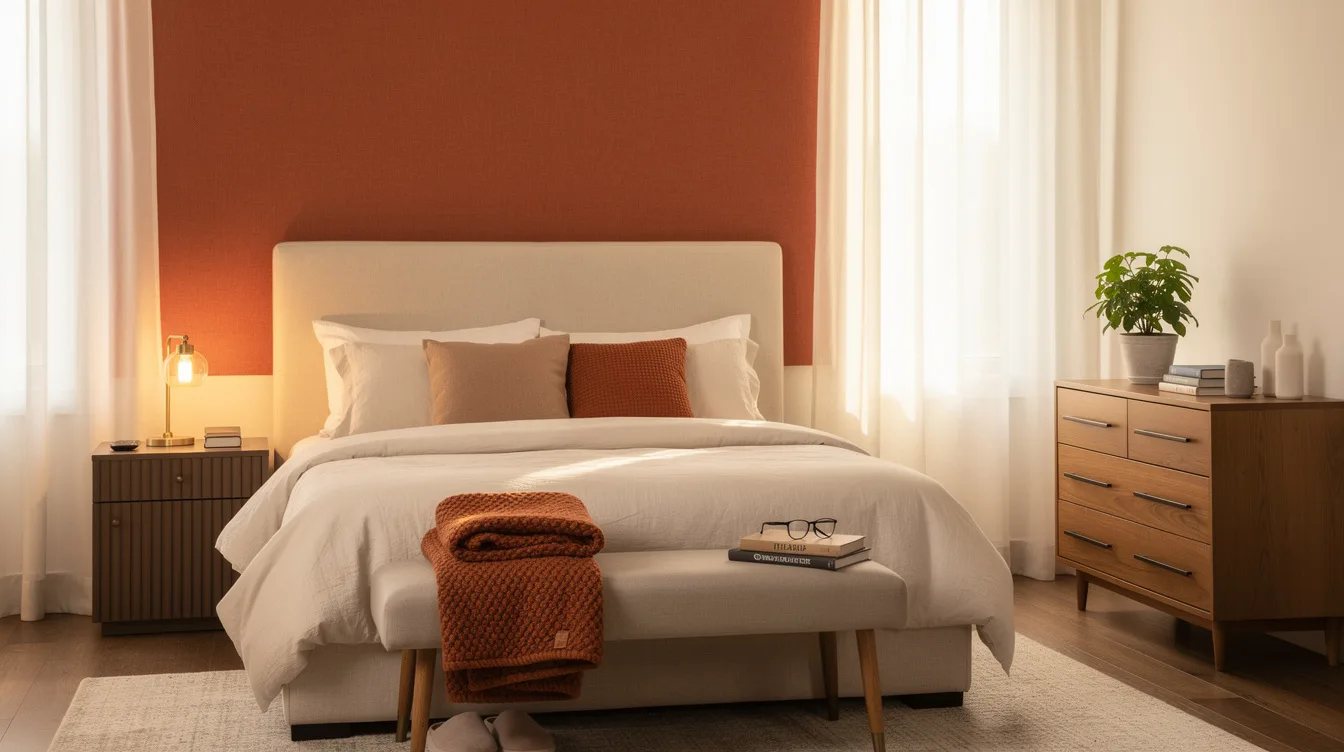
15 Target Bedroom Finds That Look Way More Expensive Than They Are
23 september 2026We set out to build a West Elm-adjacent bedroom at Target, using a roughly $1,000 to $1,800 furnished bed-wall range as our guardrail. The goal was warm-minimalist furniture with enough texture to feel collected, without buying a complete matching set.
The winning formula became clear quickly: fluted bedside tables, an oak- or walnut-look storage anchor, and a tailored upholstered headboard. Target can deliver that mood convincingly when the visible pieces get the budget and the utility items stay quiet.
What you will find inside
- Lead With Threshold Designed With Studio McGee
- Set a Fluted Nightstand Beside the Bed
- Use Two Drawers When the Room Needs Air
- Anchor the Bed Wall With Azorella Storage
- Swap in the Azorella Cabinet for a Small Room
- Frame the Mattress With Linen-Look Upholstery
- Choose the Bed Footprint Before Shopping
- Bring in Project 62 for Walnut Contrast
- Hide Utility Pieces Inside Room Essentials
- Spend the Budget on Visible Anchors
- Keep the Wood Tones Within One Temperature
- Pair Soft Bedding With Quiet Hardware
- Inspect Materials Before You Click Buy
- Treat Target Plus as a Separate Retailer
- Finish the Bed Wall With One Low Accent
Lead With Threshold Designed With Studio McGee
We started with Threshold designed with Studio McGee because it gets closest to the warm-minimalist, boutique-hotel mood associated with West Elm. The line uses softer wood tones, fluting, linen-look upholstery, and subdued hardware instead of loud finishes.
That focus also keeps the budget realistic. Storage pieces typically run about $150 to $600, while a furnished bed wall can land roughly between $1,000 and $1,800.
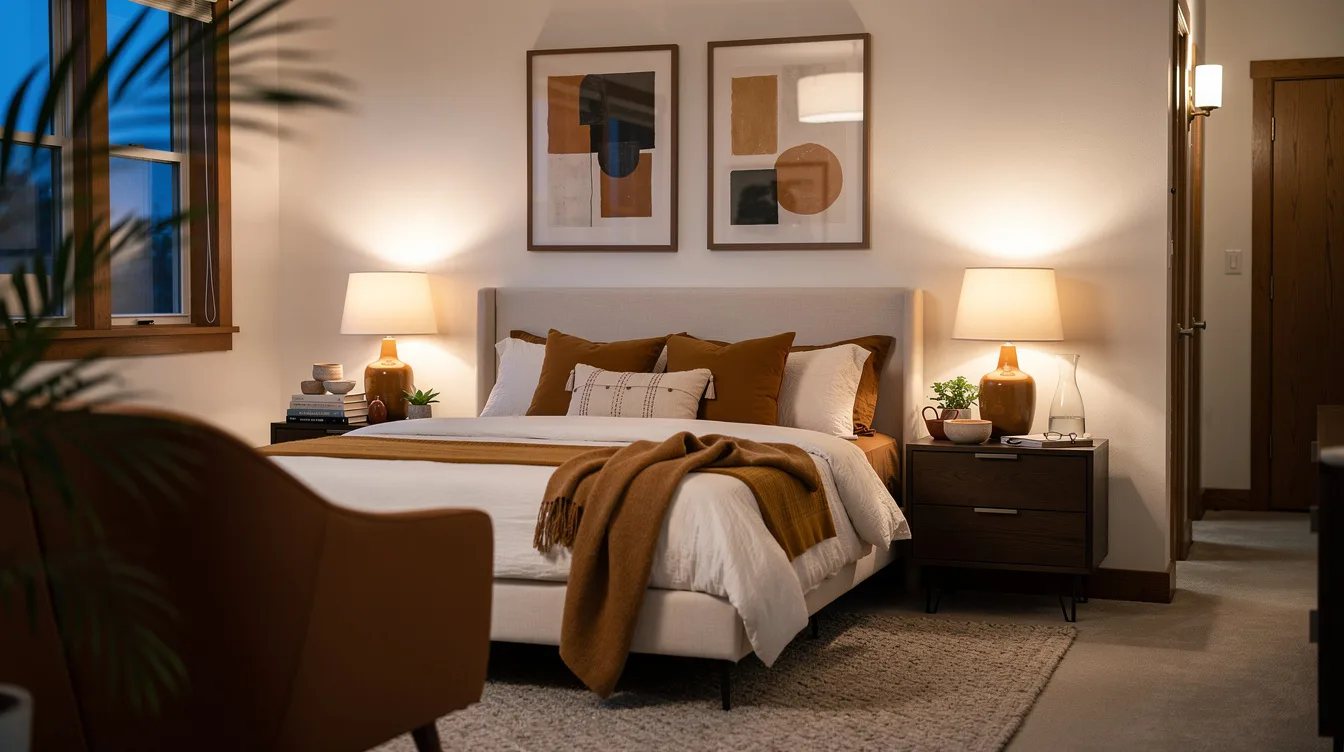
Set a Fluted Nightstand Beside the Bed
The Laguna Nigel Fluted 3 Drawer Nightstand gives the room its strongest visual cue. Its brown wood veneer, vertical fluting, and furniture-like stance make a standard bedroom feel more considered.
Target lists it at about 24 inches wide, 15 inches deep, and 24 inches tall, so it offers useful surface area without crowding a reasonably tight walkway. The MDF frame with wood-veneer surface is perfectly acceptable here, since the finish does most of the visual work.
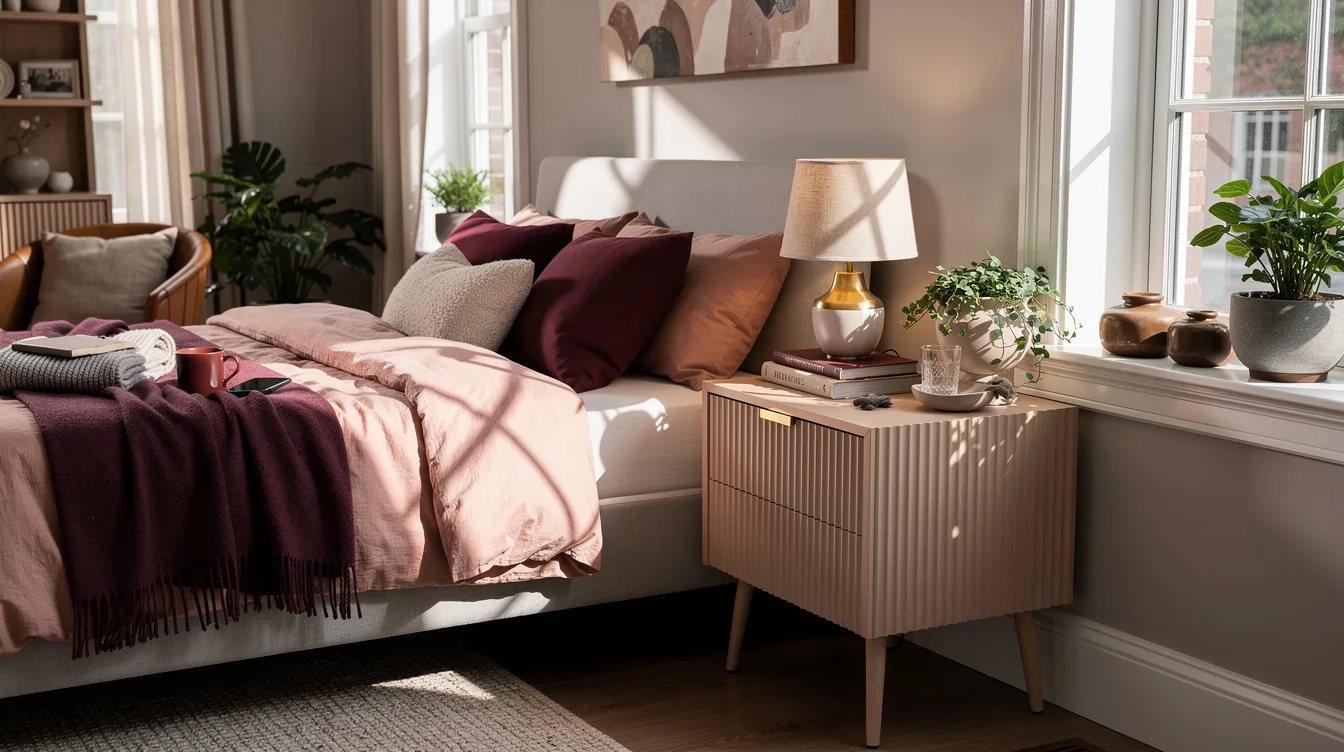
Use Two Drawers When the Room Needs Air
For a lighter bedside arrangement, choose the 2 Drawer Nightstand in Brown Natural Wood from Threshold designed with Studio McGee. Its simpler front keeps the wall from feeling overly repetitive when the bed already has a prominent headboard.
Typical Target listings place it around $184 to $230, though the live price can change. Look closely at the materials section before checkout, because a wood-look finish can read refined while still relying on veneer over engineered wood.
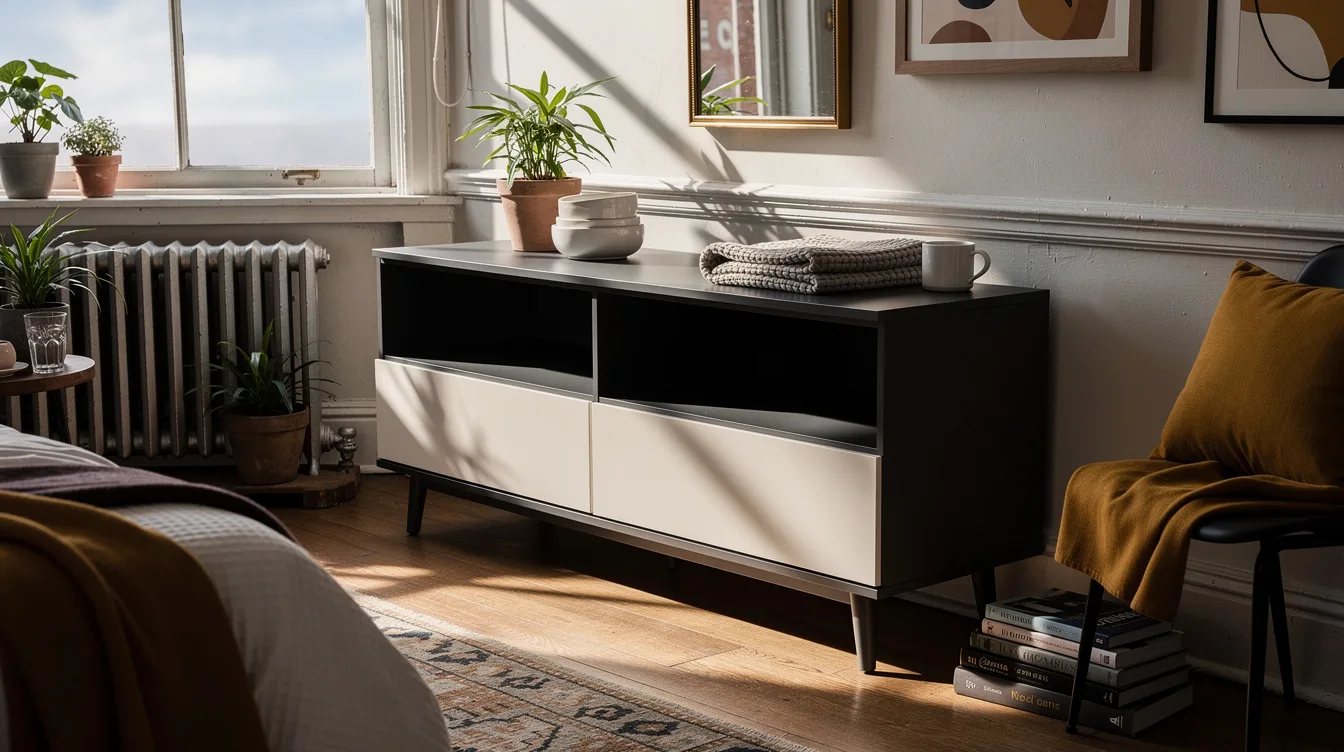
Anchor the Bed Wall With Azorella Storage
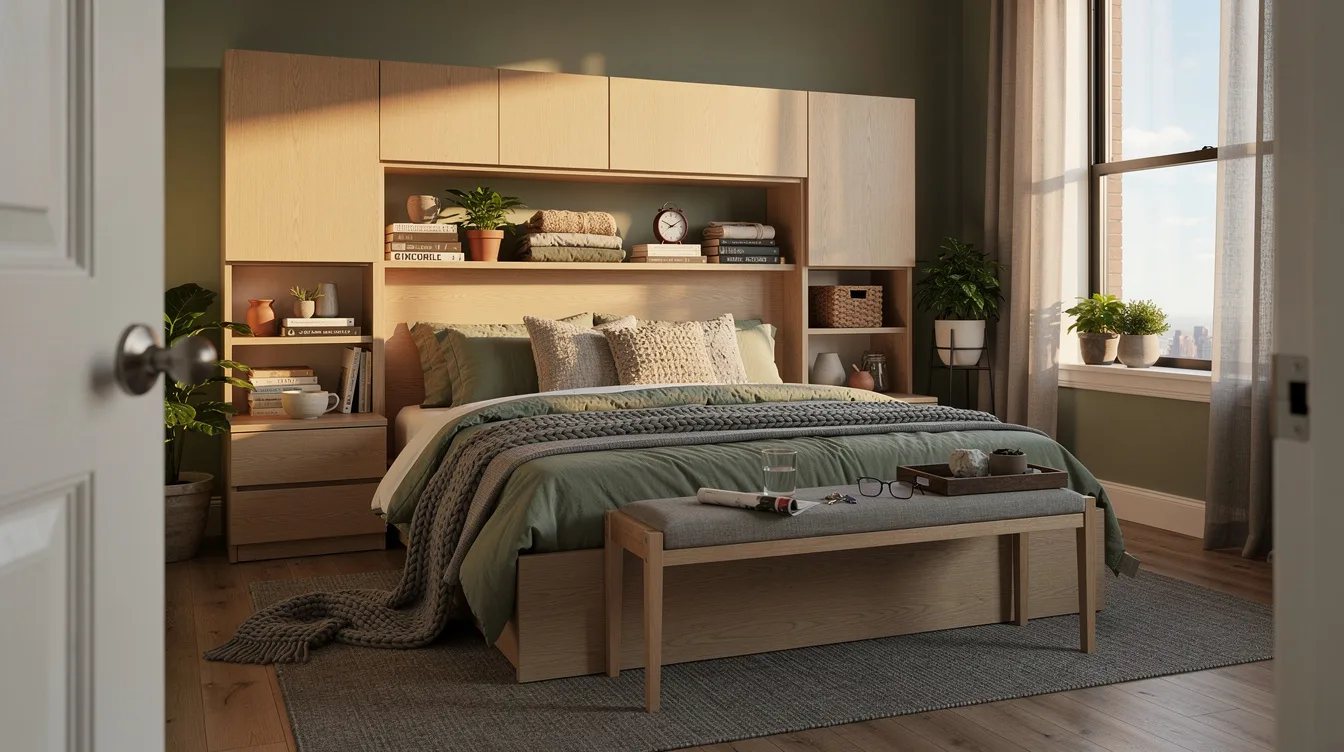
The Azorella Dresser in Oak Brown is the piece that gives this bedroom plan enough visual weight. Its oak-look veneer brings warmth across a long wall and works especially well against cream bedding, pale gray paint, or soft white walls.
Target dresser results have placed it around $600 at regular pricing, while sale listings may fall much lower. Treat the live price as the deciding factor, then spend on this anchor before adding smaller decorative furniture.
Swap in the Azorella Cabinet for a Small Room
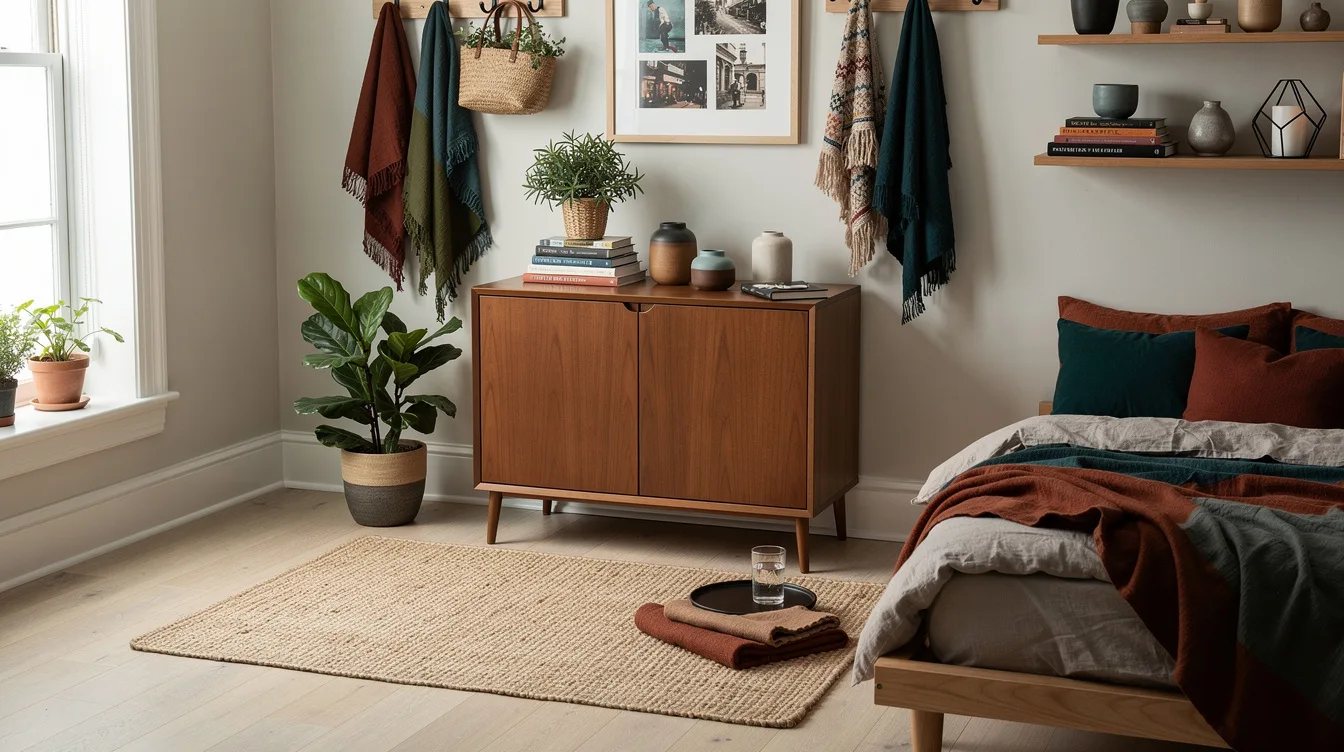
Small bedrooms can use the Azorella 2 Door Cabinet as a compact dresser alternative. The cabinet measures about 39 inches wide, 16 inches deep, and 30 inches tall, with wood veneer over MDF and a listed weight of roughly 75 pounds.
It will not hold as much clothing as a full dresser, but its low profile keeps the room open. Use it for folded sweaters, linens, or baskets, and place a mirror or framed artwork above it.
Frame the Mattress With Linen-Look Upholstery
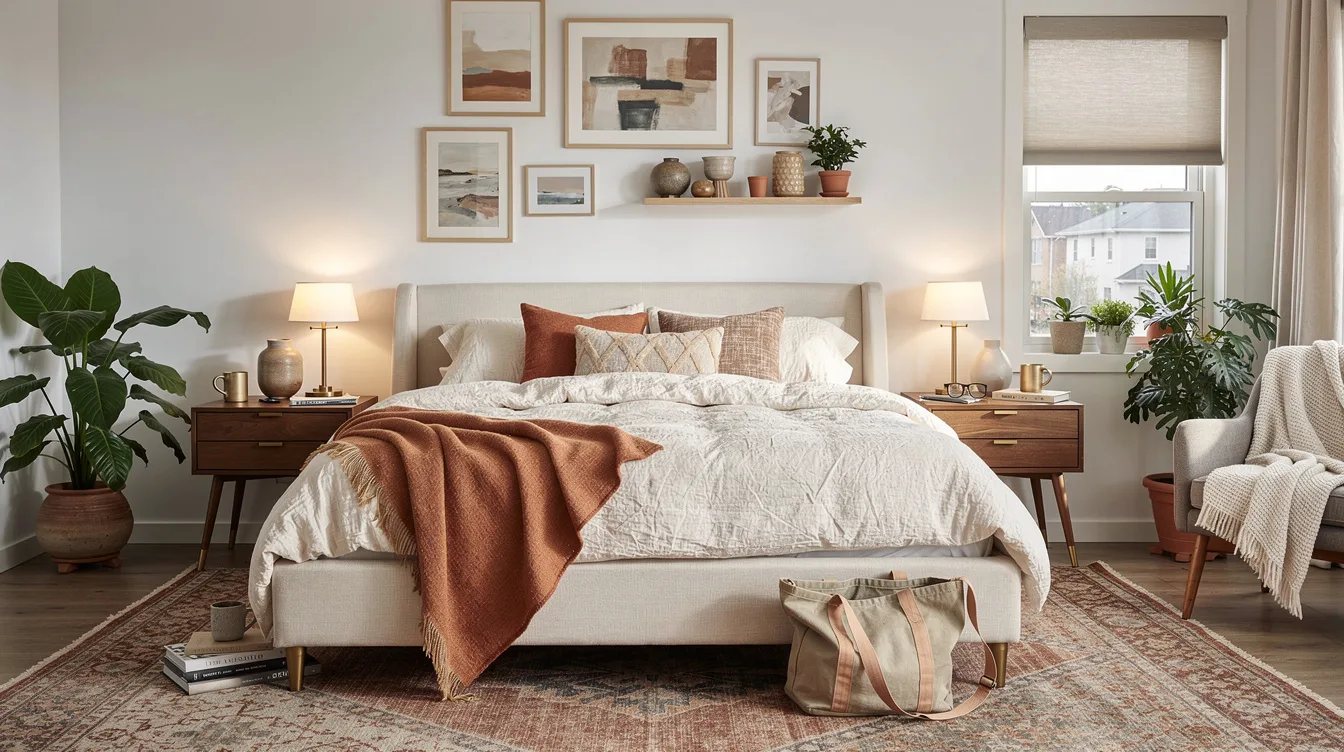
A tailored linen-upholstered headboard supplies the softness that wood furniture cannot provide. Choose a low, clean silhouette in warm ivory linen or oatmeal so the bed wall feels calm instead of heavily decorated.
Keep the upholstery smooth and structured rather than heavily tufted. That decision connects the Target pieces to the tailored look people usually want from a West Elm-inspired bedroom.
Choose the Bed Footprint Before Shopping
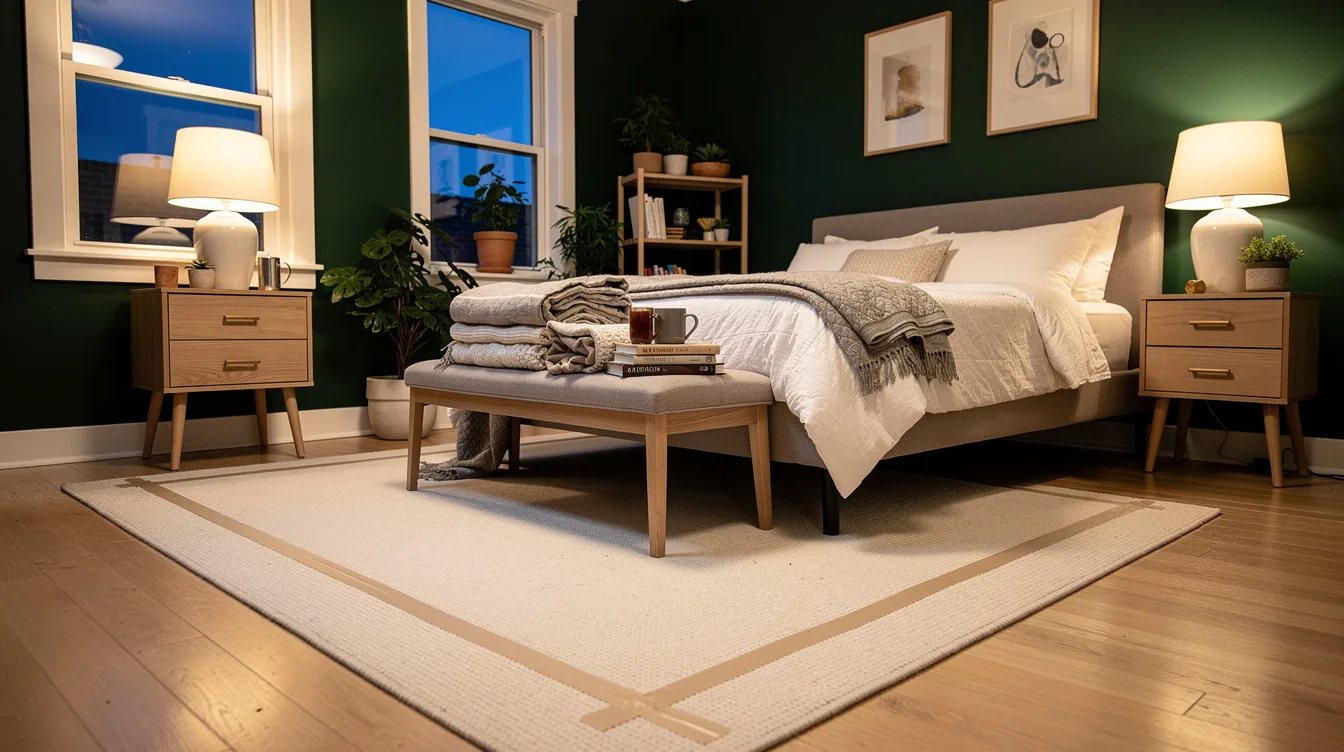
Measure the mattress, nightstand clearances, and walking path before selecting storage. A queen bed may leave enough room for two substantial tables, while a king bed often needs wider nightstands to keep the wall visually balanced.
We would reserve about 30 inches of clear passage wherever possible, then confirm every furniture depth against the room plan. The Laguna Nigel table is about 15 inches deep, which makes it more flexible than many oversized bedside cabinets.
Bring in Project 62 for Walnut Contrast
Project 62 is the right supporting line when the room needs a sharper mid-century note. Its walnut-look finish, tapered legs, and simpler silhouettes can break up a bedroom built entirely from warm oak tones.
Many pieces are often priced around $100 to $400 when available. Use one Project 62 item as a contrast piece, such as a slim chest or occasional table, rather than allowing the room to become a second matching collection.
Hide Utility Pieces Inside Room Essentials
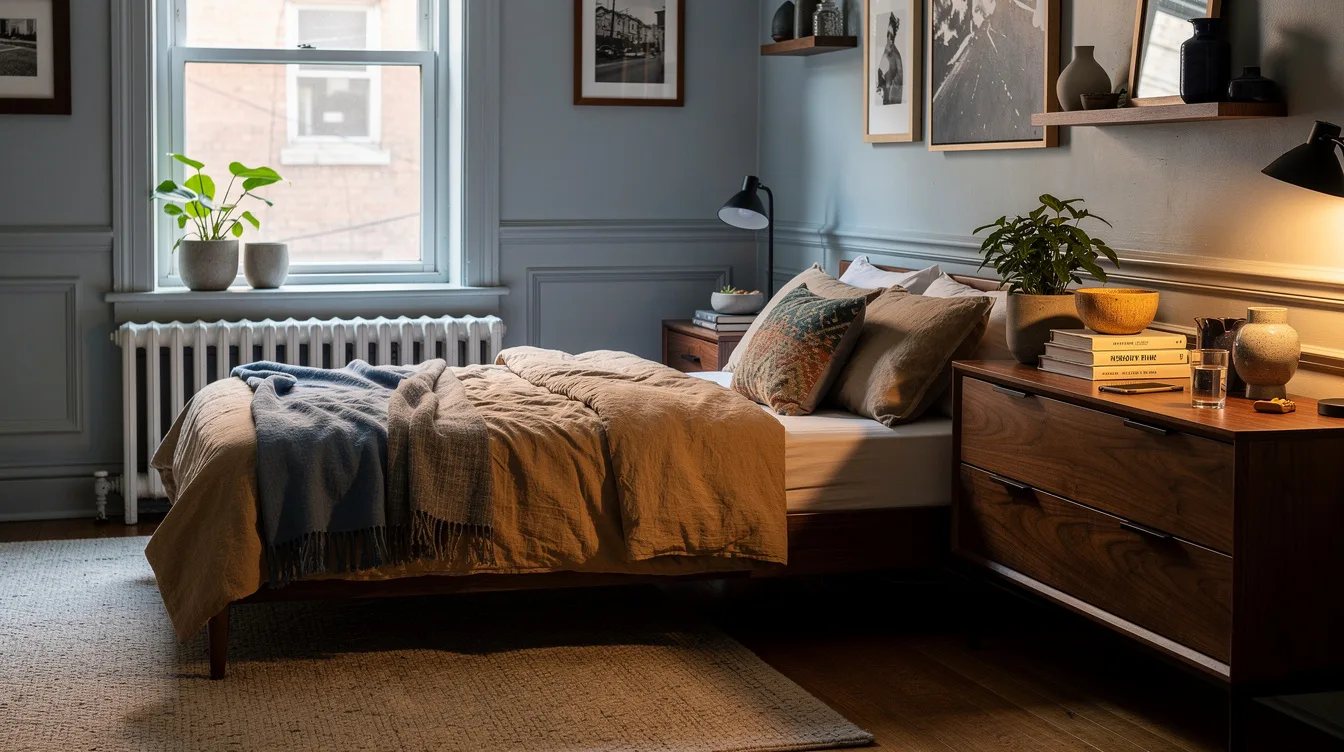
Room Essentials earns a place in the plan when storage needs to disappear. A simple black fabric storage bin or low utility piece can handle extra bedding, chargers, and off-season clothing without competing with the hero furniture.
These items are often below $200, but they should stay in supporting roles. The line is useful for dorm-to-first-apartment needs, while the refined bedroom look depends on investing in the visible dresser, nightstands, and headboard.
Spend the Budget on Visible Anchors
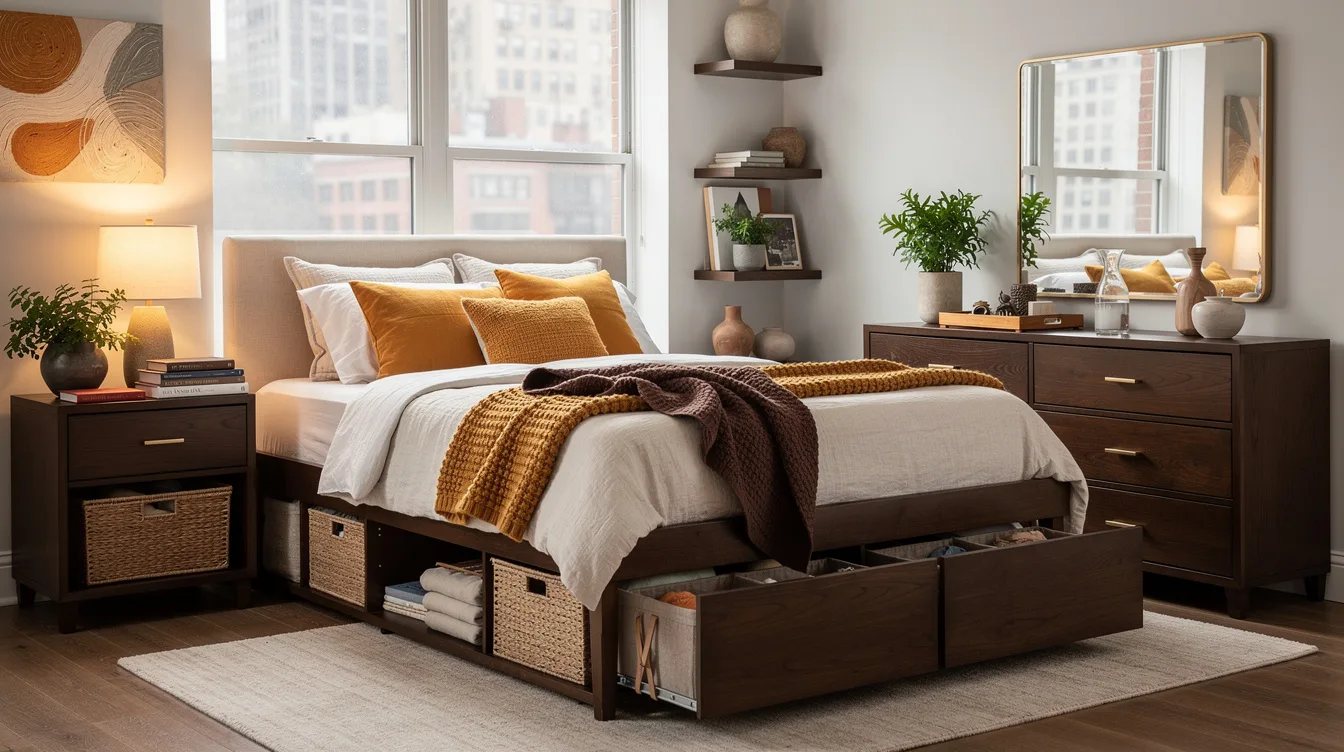
The strongest Target bedroom uses a few pieces that carry the room from the doorway. Put the money toward the fluted wood nightstand, the main dresser, and the headboard before buying a full collection of inexpensive furniture.
This approach also avoids the flat showroom effect that comes from matching every finish. A room with one warm dresser, two related bedside tables, and a contrasting walnut accent has more depth than a cheap five-piece set.
Keep the Wood Tones Within One Temperature
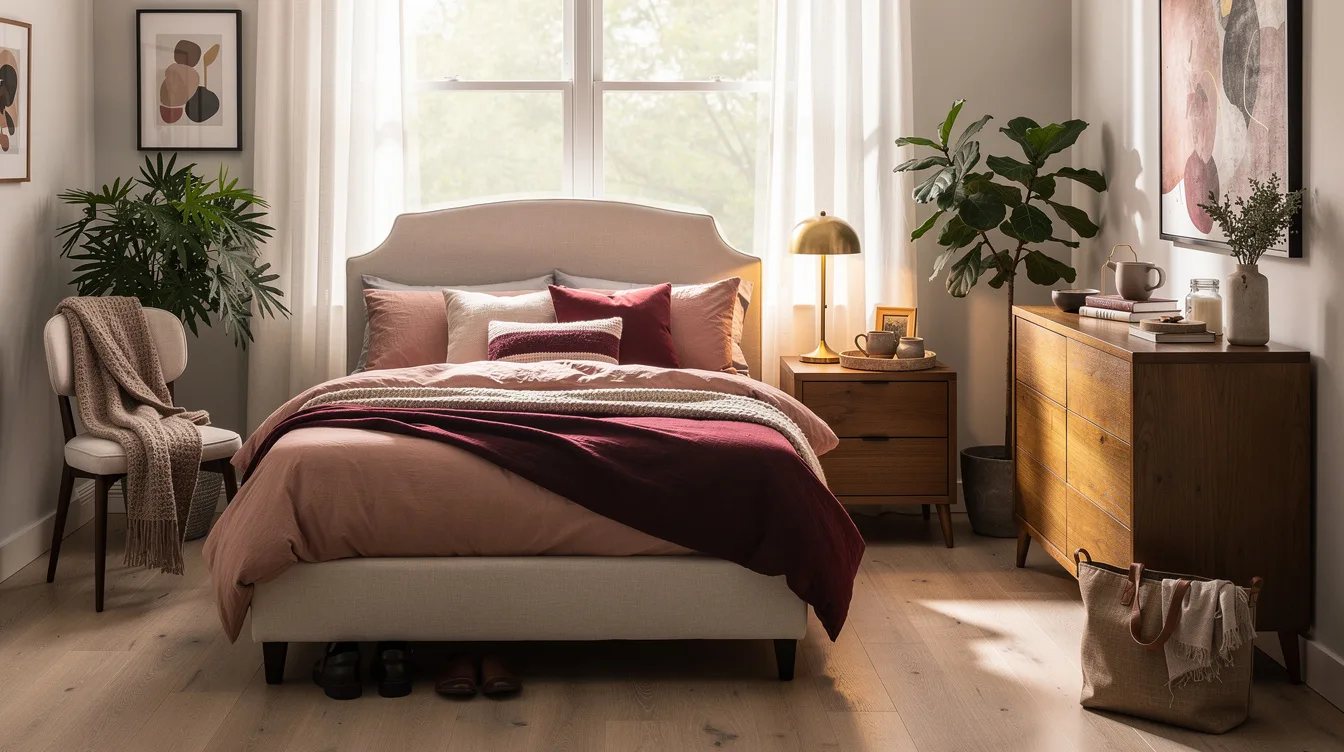
Warm brown, walnut, and oak can share a room when their undertones stay compatible. The Azorella Oak Brown finish works best with caramel, tobacco, cream, and muted green textiles instead of icy blue or stark silver.
When mixing pieces, repeat one tone twice and let the third finish act as an accent. That simple ratio keeps the room connected without forcing every surface to match.
Pair Soft Bedding With Quiet Hardware
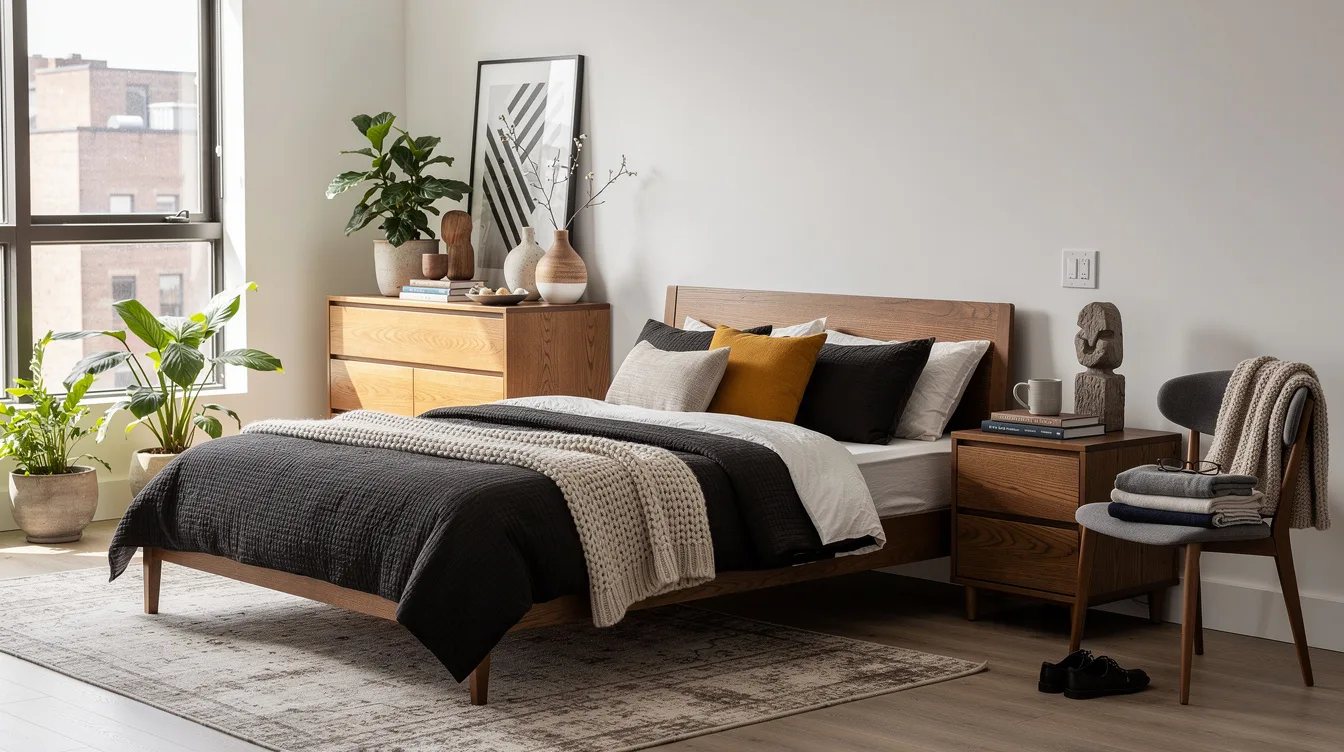
Use bedding to reinforce the tailored side of the furniture. A cotton percale duvet in warm white or flax gives the fluted wood and linen-look headboard room to stand out.
Choose aged brass, matte black, or dark bronze for lamps and pulls, then stick with one hardware family. Shiny chrome tends to pull this particular mix toward a colder, more generic bedroom.
Inspect Materials Before You Click Buy
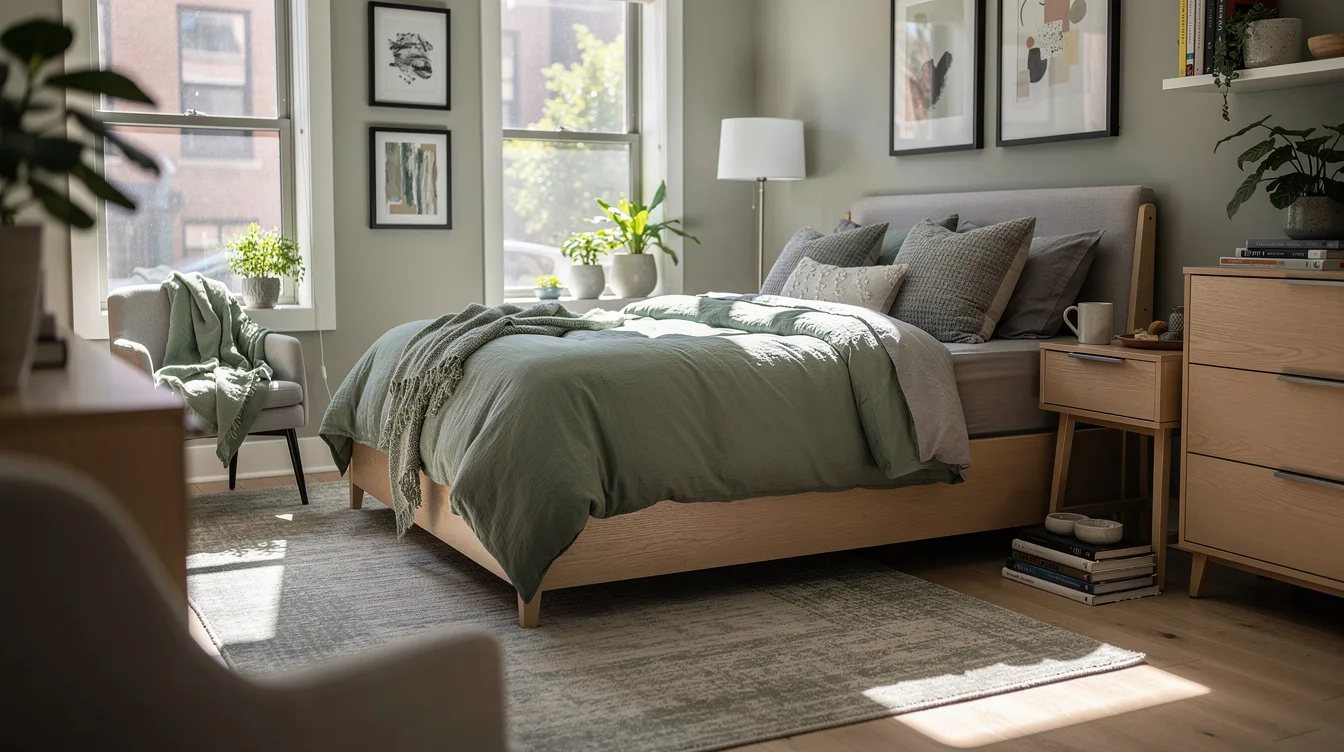
Target product photography can make veneer, laminate, and solid wood look remarkably similar. Open the materials section for every wood-veneer surface, then check the dimensions, assembly notes, shipping details, and customer photos.
Veneer over MDF can be a smart purchase when the shape and finish are strong, but it needs sensible care. Use coasters, keep standing water away, and avoid dragging heavy objects across the top.
Treat Target Plus as a Separate Retailer
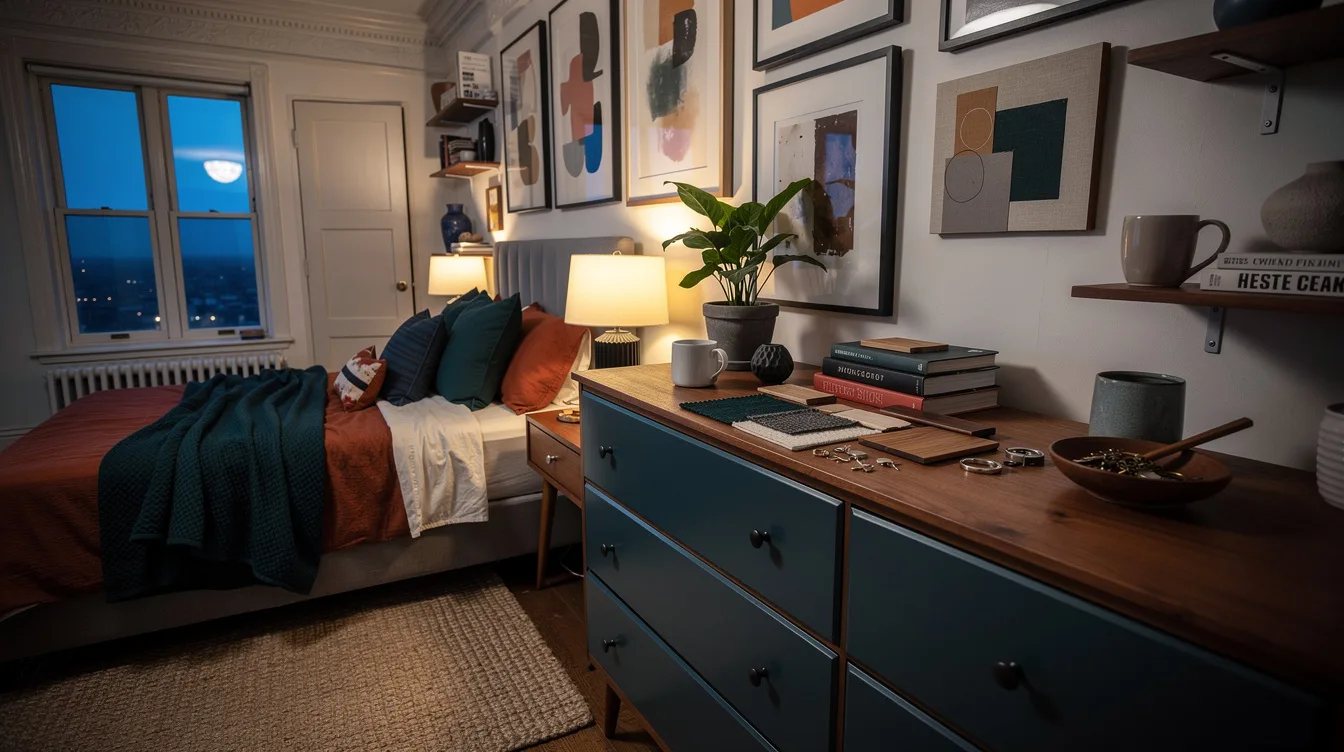
Target Plus can fill a size or material gap, but its listings come from separate marketplace retailers. Before choosing a Target Plus upholstered bench or storage piece, inspect the seller, return policy, delivery terms, construction details, and review patterns.
Prices commonly range from about $100 to $500 or more, with wide variation in quality. Use the marketplace for a specific missing piece, not as the foundation of the entire bedroom.
Finish the Bed Wall With One Low Accent
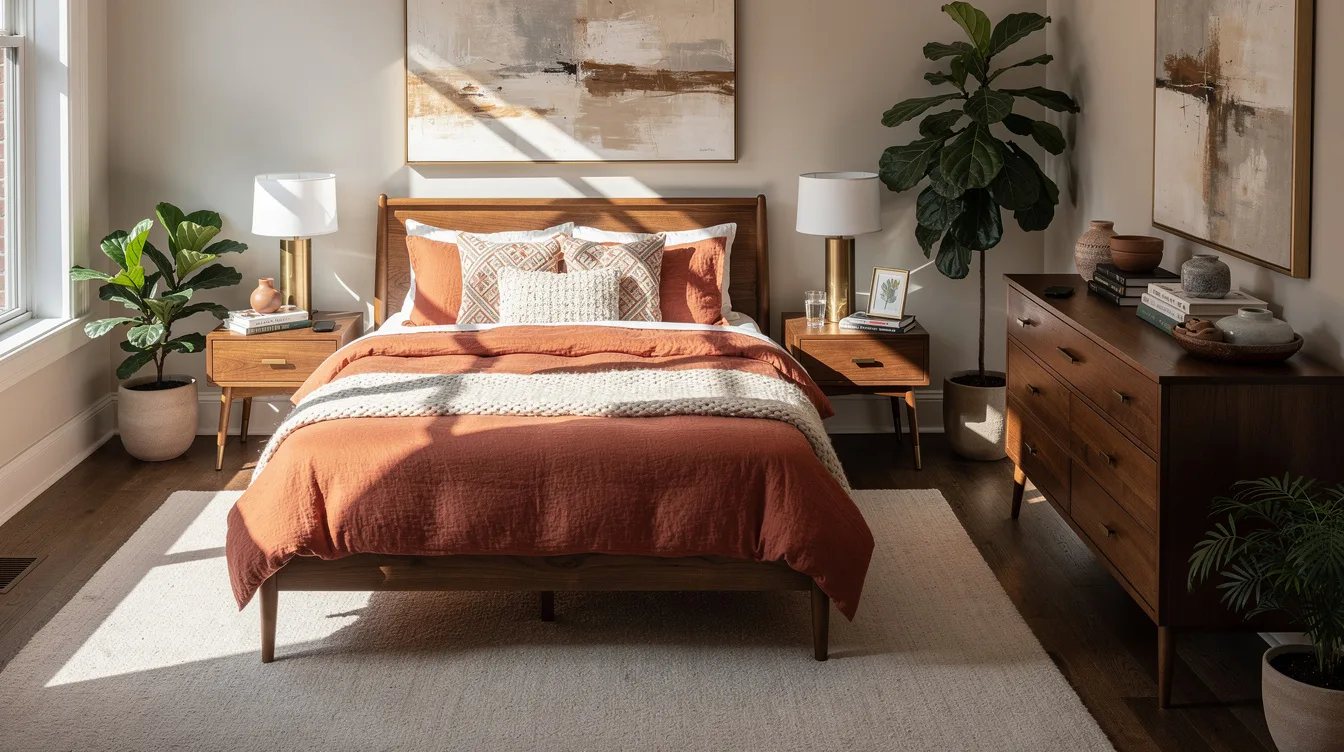
A narrow wood bench or low upholstered seat at the foot of the bed can complete the arrangement without adding visual clutter. Choose a natural wood bench that echoes the dresser, then leave enough clearance to walk around it comfortably.
Keep the top mostly open, with a folded throw or one small cushion at most. The furniture already supplies texture, so the final layer should make the room easier to use rather than busier.
Keep reading
- 12 Target Rental Decor Finds That Look Way More Expensive Than They Are
- 12 Target Bedding Finds That Look Way More Expensive Than They Are
- 12 Target Entryway Furniture Ideas That Fake a Built-In Look
Start by measuring the bed wall, then choose the dresser or cabinet that sets the finish direction. Add the nightstands after that, and let the headboard soften the whole arrangement.
Our final rule is simple: buy fewer pieces, inspect every material, and make each visible item earn its place.