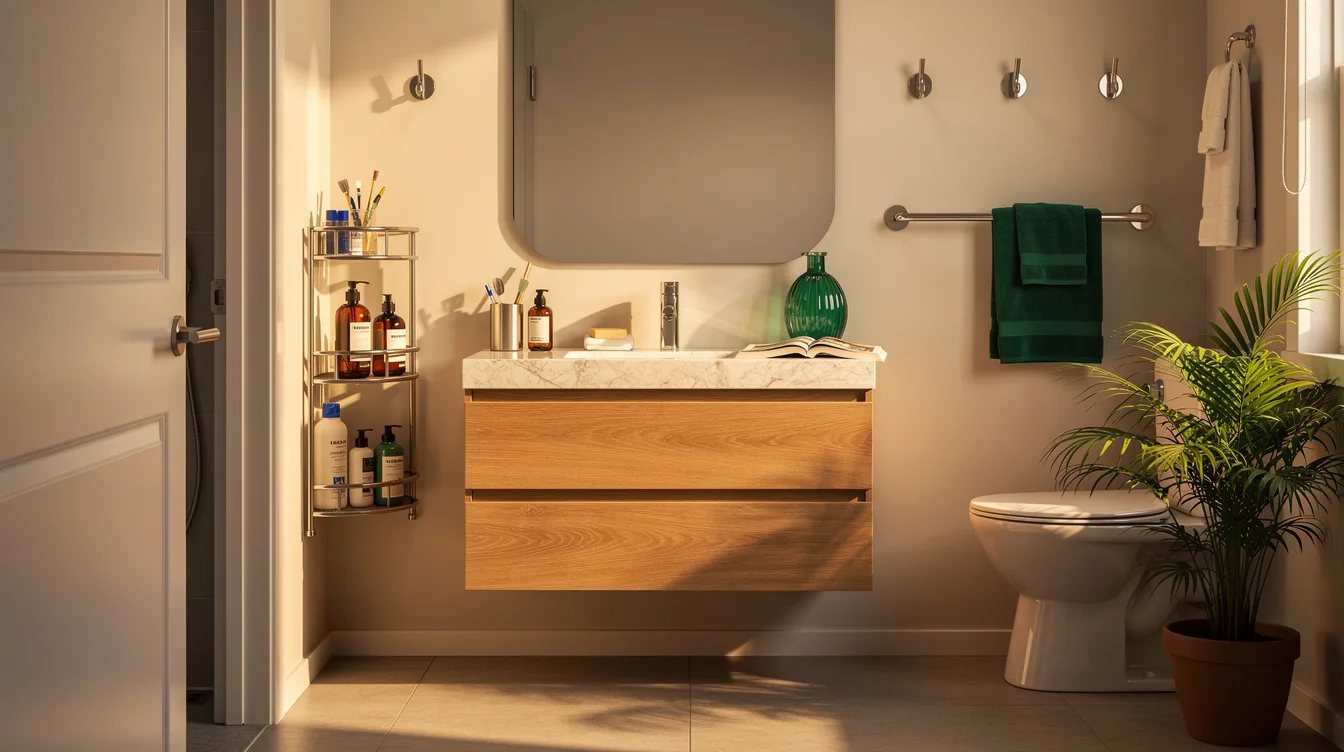
Small 13-by-8 Bathroom? 9 IKEA Finds That Fake a Reno
01 november 2026A 5-by-8-foot bathroom has no spare corner for a vanity that eats the walking path. The smartest IKEA plan pairs a compact floating cabinet with drawer storage, then uses BROGRUND accessories to move towels and shower bottles onto the walls.
There is one important 2026 catch: GODMORGON is best treated as a legacy, clearance, or secondhand find. Current ÄNGSJÖN and BACKSJÖN combinations offer the more dependable route to that floating-drawer look.
What you will find inside
- Start With a 24-Inch Floating Footprint
- Use ÄNGSJÖN as the Current GODMORGON Stand-In
- Choose the Two-Drawer Version for Daily Clutter
- Pick the One-Drawer Cabinet for Visual Air
- Reserve the 30-Inch Width for a Clear Door Zone
- Repeat Stainless Steel at the Shower Wall
- Use Hooks Where a Towel Rail Steals Space
- Measure the Towel Rail Before You Commit
- Let Oak Effect Carry the Warmth
- Keep BROGRUND as the Metal Thread
- Treat the Sink Package as a Separate Check
- Build Around the Measured Toilet Zone
- Shop GODMORGON Only After the Layout Works
Start With a 24-Inch Floating Footprint
A 5-by-8-foot bathroom rewards restraint at the vanity wall. The ÄNGSJÖN / BACKSJÖN two-drawer combination measures 24 1/8 inches wide, giving the room enclosed storage without consuming the visual center of the floor plan.
At $459, it is the strongest current substitute for the floating-drawer idea shoppers associate with GODMORGON. Keep the cabinet close to the wall and preserve a clear walking path between the door, toilet, and shower.
A large vanity plus a floor-standing tower is the wrong opening move here. The room needs one compact anchor, then carefully placed storage around it.
Use ÄNGSJÖN as the Current GODMORGON Stand-In
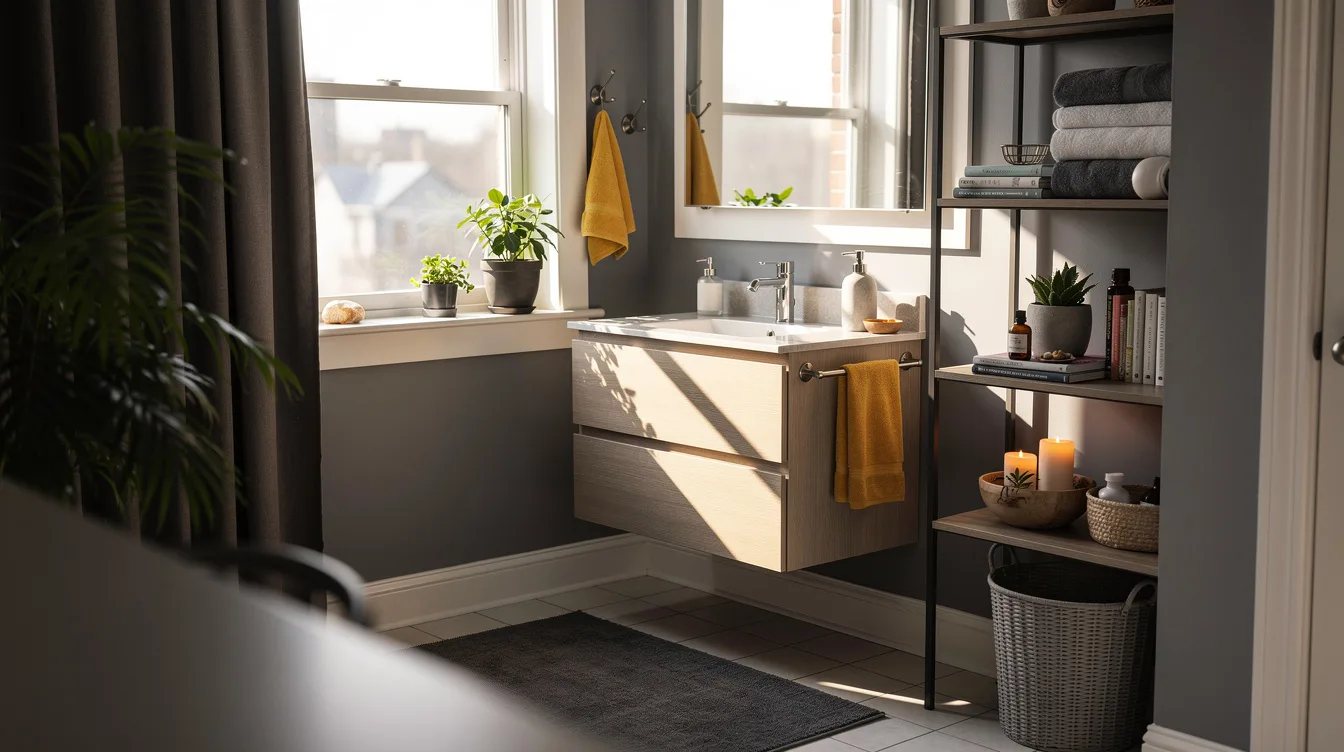
In 2026, GODMORGON belongs on a legacy, clearance, or secondhand list rather than a dependable current-order plan. Its familiar floating drawers still offer the right spatial logic, but availability can make an entire design impossible to finish.
The current ÄNGSJÖN combination keeps the same useful direction with a wall-mounted appearance and practical drawer storage. Pair it with the matching BACKSJÖN sink instead of designing around a cabinet that may take months to locate.
This is a case where the newer option is the safer design decision. The room gets the intended silhouette, while the shopping list stays connected to a product line IKEA currently presents.
Choose the Two-Drawer Version for Daily Clutter
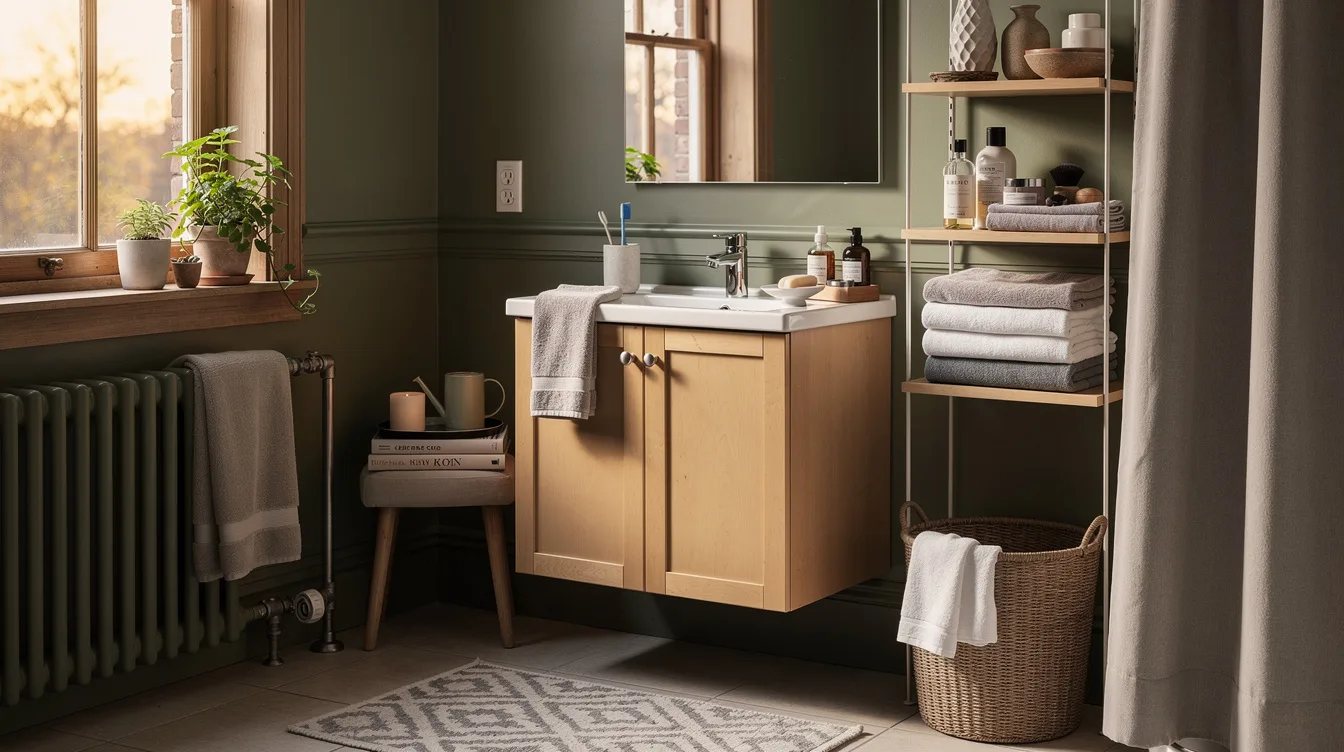
Choose the two-drawer ÄNGSJÖN when the bathroom needs to hold everyday supplies behind closed fronts. The $459 combination gives toothbrushes, hair tools, spare soap, and cleaning items a defined home without adding a second bulky cabinet.
The cabinet uses foil-faced particleboard and fiberboard, while the sink uses polyester and crushed marble. That construction is practical and easy to understand, so avoid describing it as solid oak or slab marble.
One drawer can handle daily grooming while the other holds backups. That division matters more in a compact room than a decorative storage tower that blocks the floor.
Pick the One-Drawer Cabinet for Visual Air
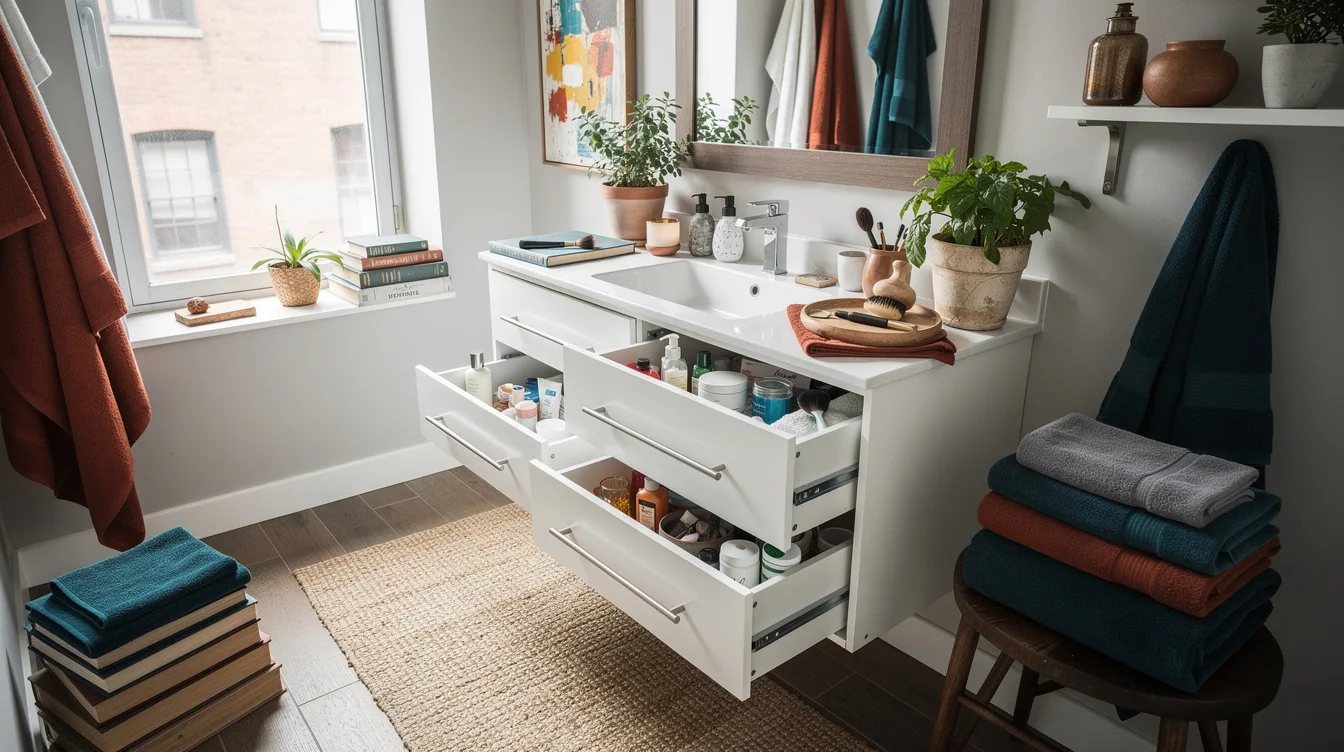
The $399 one-drawer ÄNGSJÖN / BACKSJÖN measures 24 1/8 inches wide and 15 1/2 inches high. Its shorter cabinet leaves more wall and floor visible, which can make the bathroom feel less crowded around the sink.
The tradeoff is clear: you gain a lighter floating appearance and lose drawer capacity. Use this version when towels and extra toiletries already have a home outside the bathroom.
Do not confuse a shorter cabinet with a shallower cabinet. It still measures 21 inches deep, so the door swing and the walking route need the same careful measurement as the taller version.
Reserve the 30-Inch Width for a Clear Door Zone
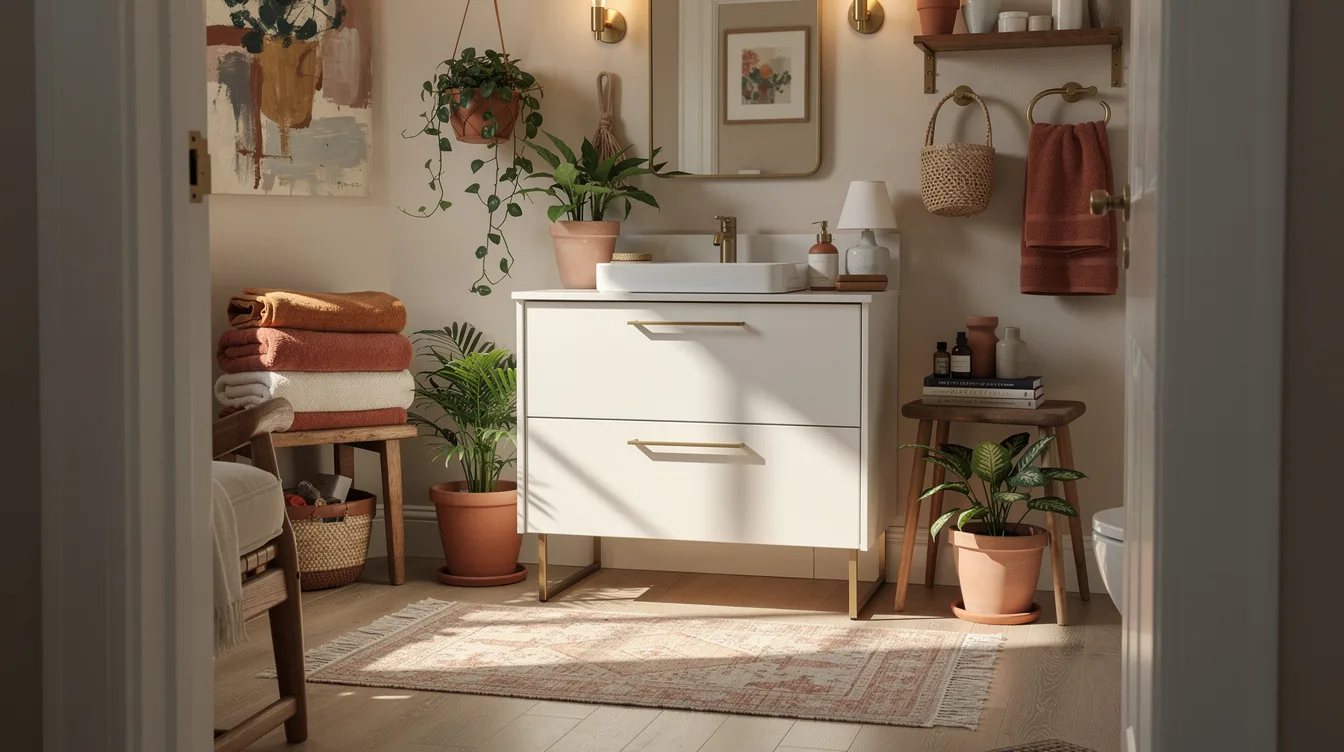
The wider one-drawer ÄNGSJÖN / BACKSJÖN measures 30 1/8 inches wide, 21 inches deep, and 15 1/2 inches high. At $459, it costs the same as the two-drawer 24 1/8-inch version, but the extra width only works when the doorway and toilet zone leave enough clearance.
Use painter's tape on the floor to mark the full footprint before ordering. Open the door, stand where the toilet user would stand, and check whether the wider sink creates a daily squeeze.
In a tight bathroom, a smaller cabinet that works every morning beats a wider cabinet that looks generous in a plan but feels intrusive in use.
Repeat Stainless Steel at the Shower Wall
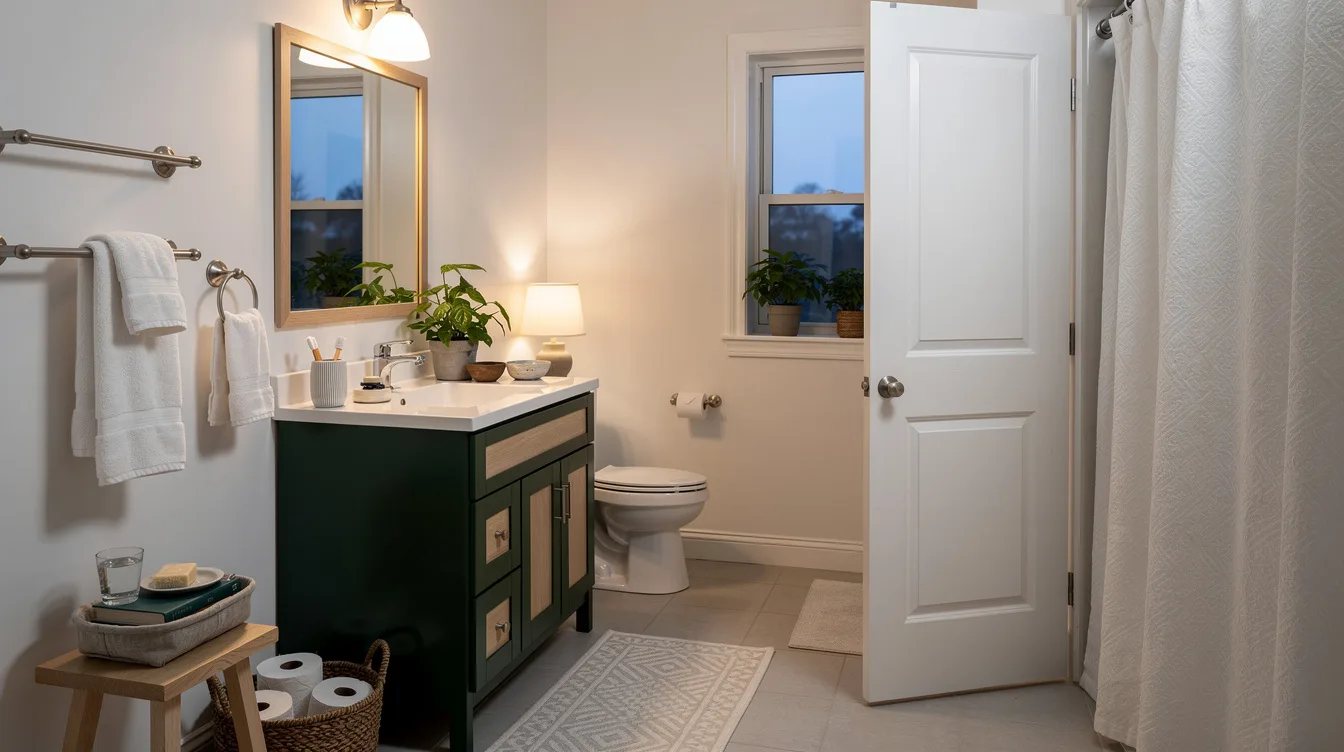
Use a BROGRUND corner wall shelf to keep shower bottles off the floor and out of the sink area. The 7 1/2-by-7 1/2-by-22 3/4-inch shelf is stainless steel and has raised edges, compartments at different heights, and hooks underneath.
At $24.99, it adds useful storage without introducing another wood-look finish. That matters because the oak-effect vanity should remain the room's main warm material.
Install it where the shower spray does not constantly hit the bottles. The shelf should reduce visual clutter, not become a narrow tower of products that needs its own editing.
Use Hooks Where a Towel Rail Steals Space
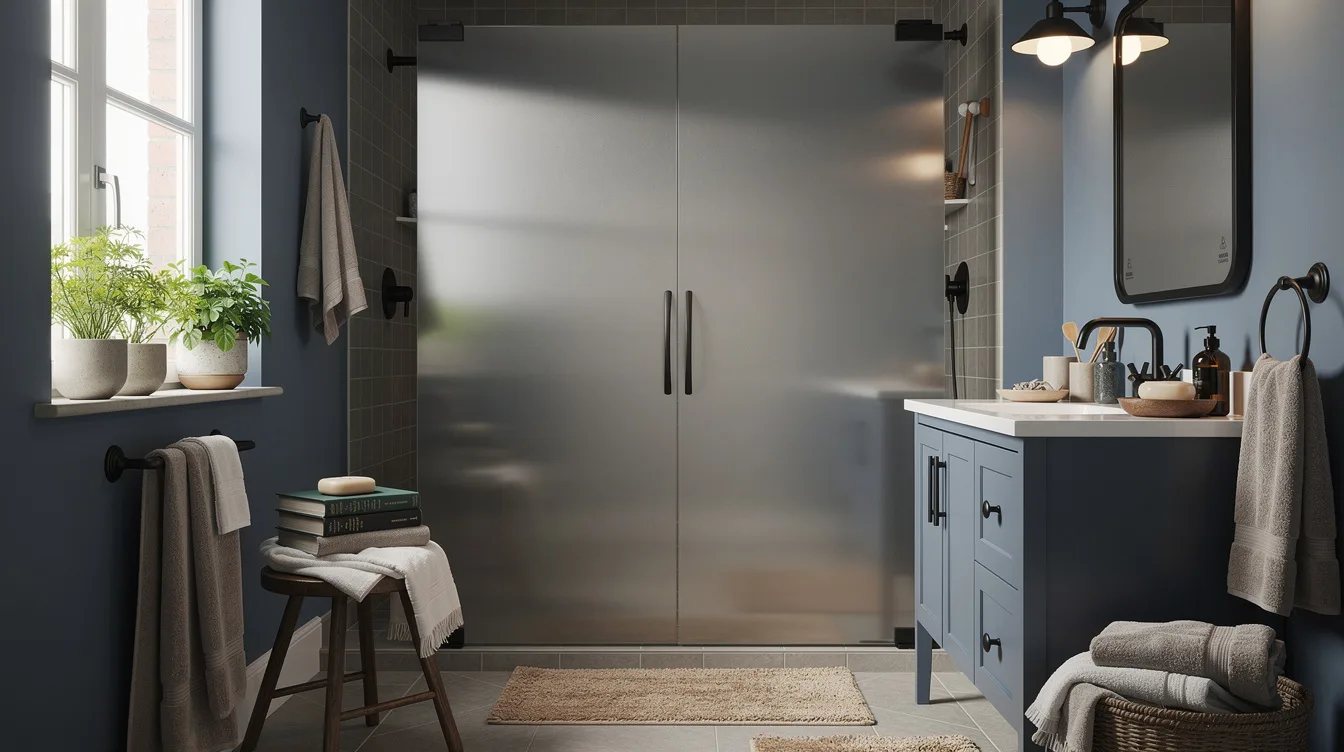
Choose the two-pack of BROGRUND hooks when the door or walking route cannot spare a full rail. The advertised price is $7.99 per pair, and the stainless-steel finish keeps the small accessories visually related.
Hooks work especially well beside the shower or on a short return wall. Place them high enough to keep towels clear of the floor, but away from the door swing and the vanity edge.
This is the better choice for a narrow circulation zone. A towel rail can project 5 inches into the room, while individual hooks use the wall more selectively.
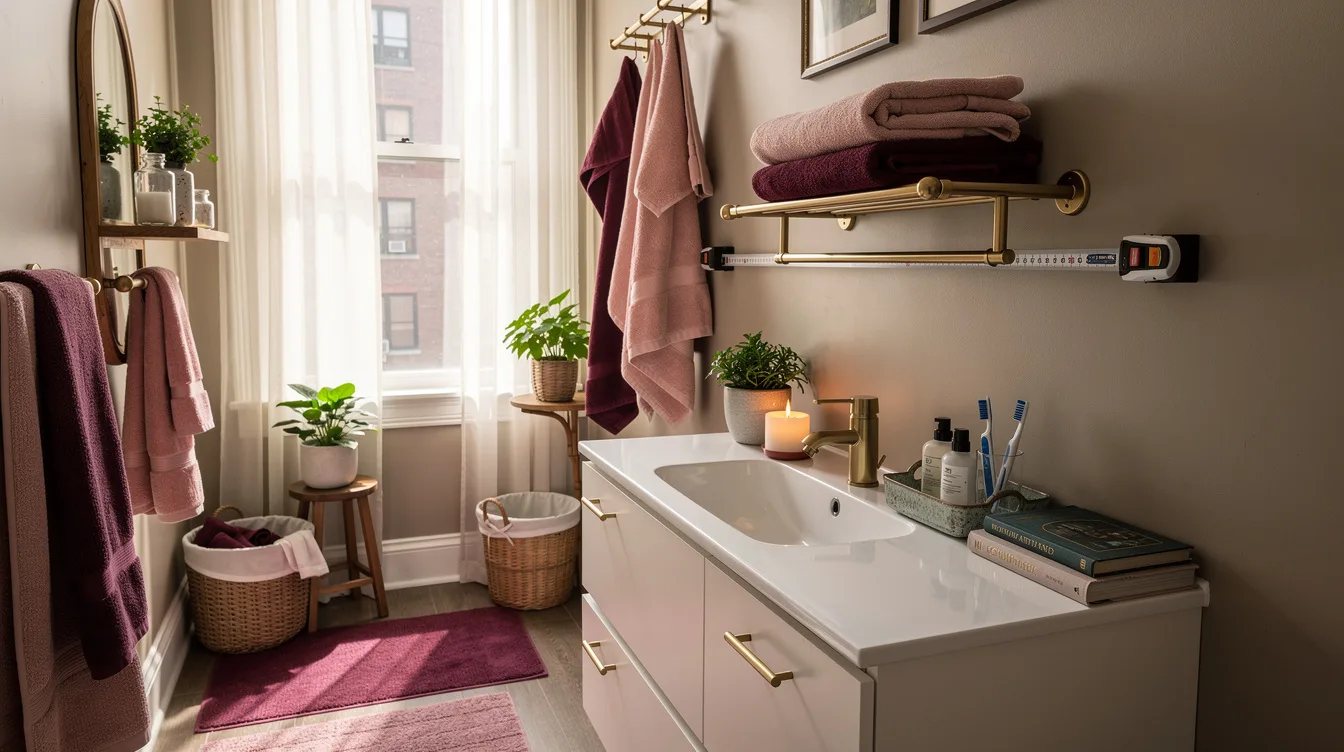
Measure the Towel Rail Before You Commit
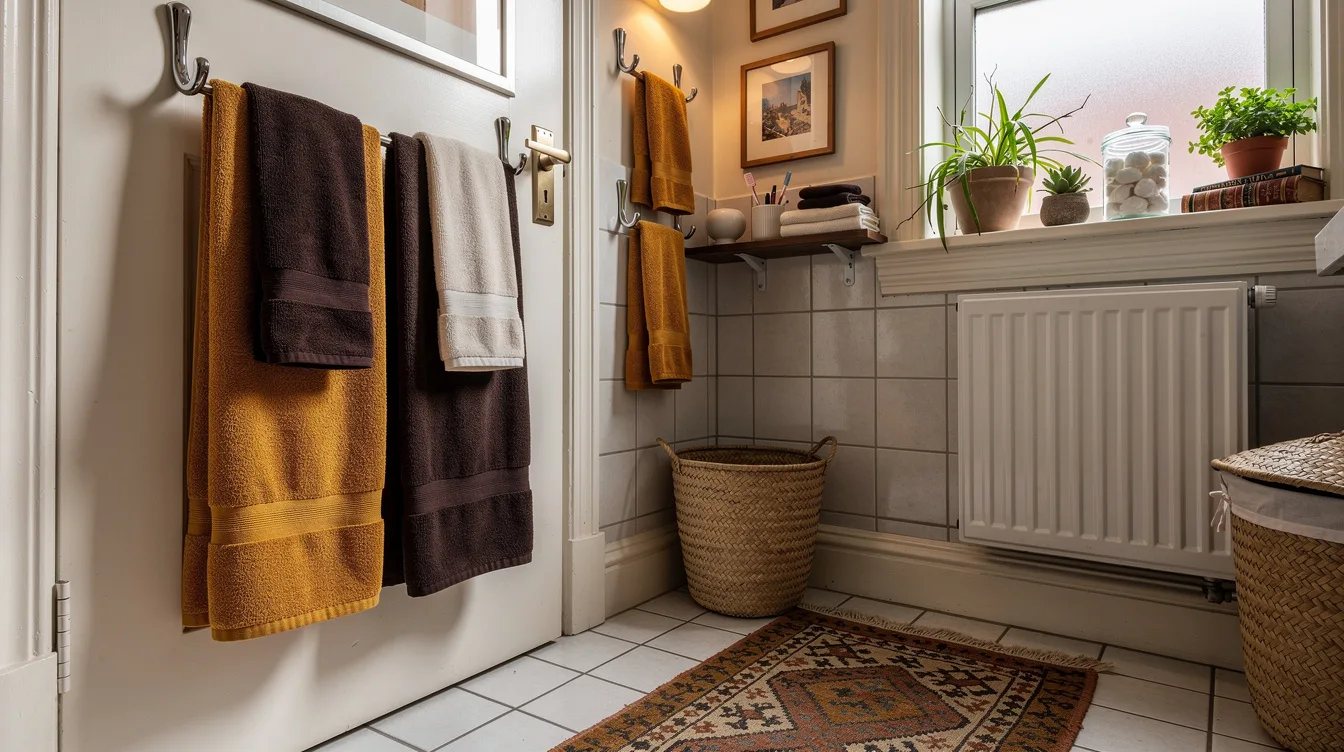
The 26 1/2-inch BROGRUND towel rail costs $19.99 and projects 5 inches from the wall. Those dimensions are manageable in many bathrooms, but a 5-by-8-foot layout makes every projection part of the walking experience.
Mark the rail's length and depth with removable tape before installation. Check the door, vanity, and toilet at the same time, because a rail that clears one object can still create an awkward pinch point.
When the wall has enough uninterrupted space, the rail gives towels a more orderly drying position than a hook. When it does not, use the smaller two-pack and keep the circulation path calm.
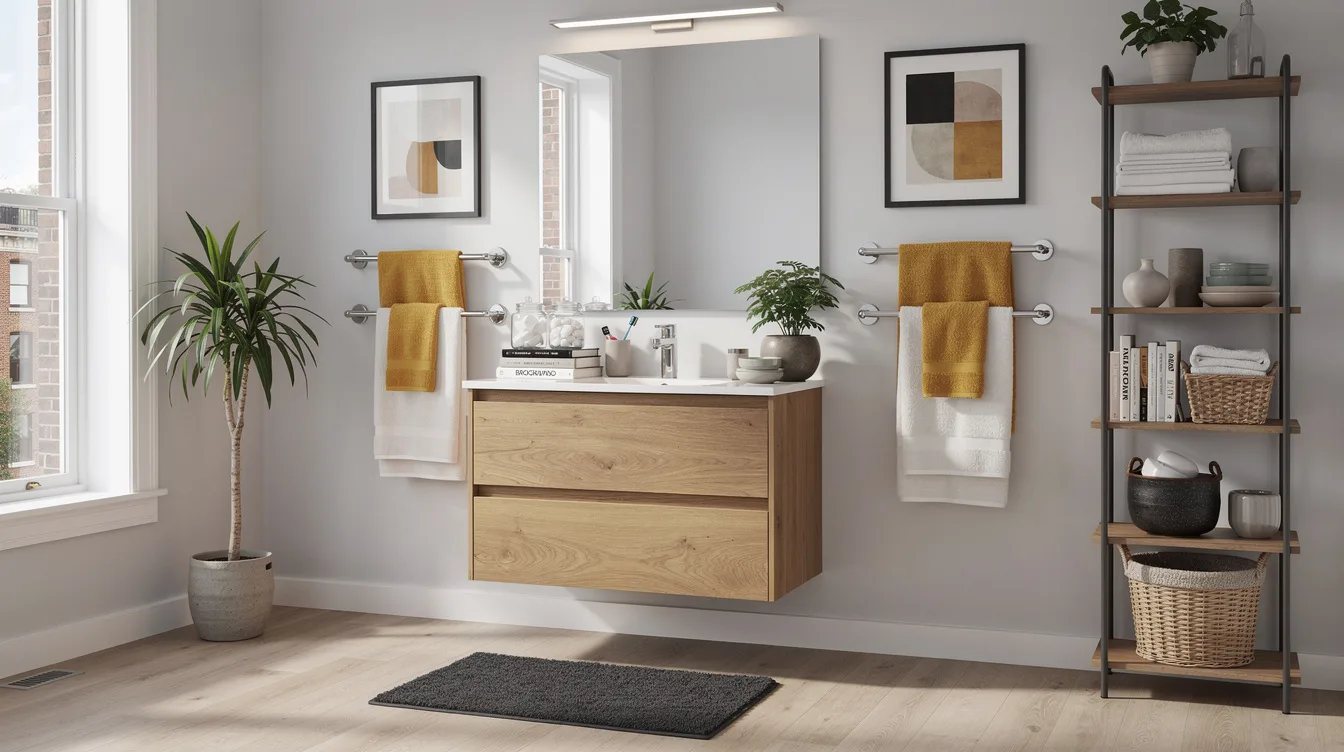
Let Oak Effect Carry the Warmth
Make the oak-effect finish on the vanity the room's principal wood-look element. The cabinet is foil-faced engineered board, so its strength is visual consistency rather than the character of solid timber.
Repeat that tone with a simple framed mirror or a small wood-look detail selected separately, then stop. A second mismatched storage tower usually makes a compact bathroom feel assembled from leftover categories.
Use pale walls and restrained flooring around the vanity. The goal is a quiet background that lets the drawers read as furniture without turning the small room into a showroom display.
Keep BROGRUND as the Metal Thread
Let BROGRUND stainless steel connect the shower shelf, towel hardware, and hooks. Repeating one finish gives the room a deliberate visual rhythm while the oak-effect vanity supplies contrast.
Choose the accessories according to the wall space you actually have. A shelf, one rail, and hooks can all be useful, but installing every available piece may leave the bathroom looking crowded.
Skip glossy gold or unrelated black hardware unless the rest of the room already supports it. In this compact plan, one metal finish has a stronger effect than several competing accents.
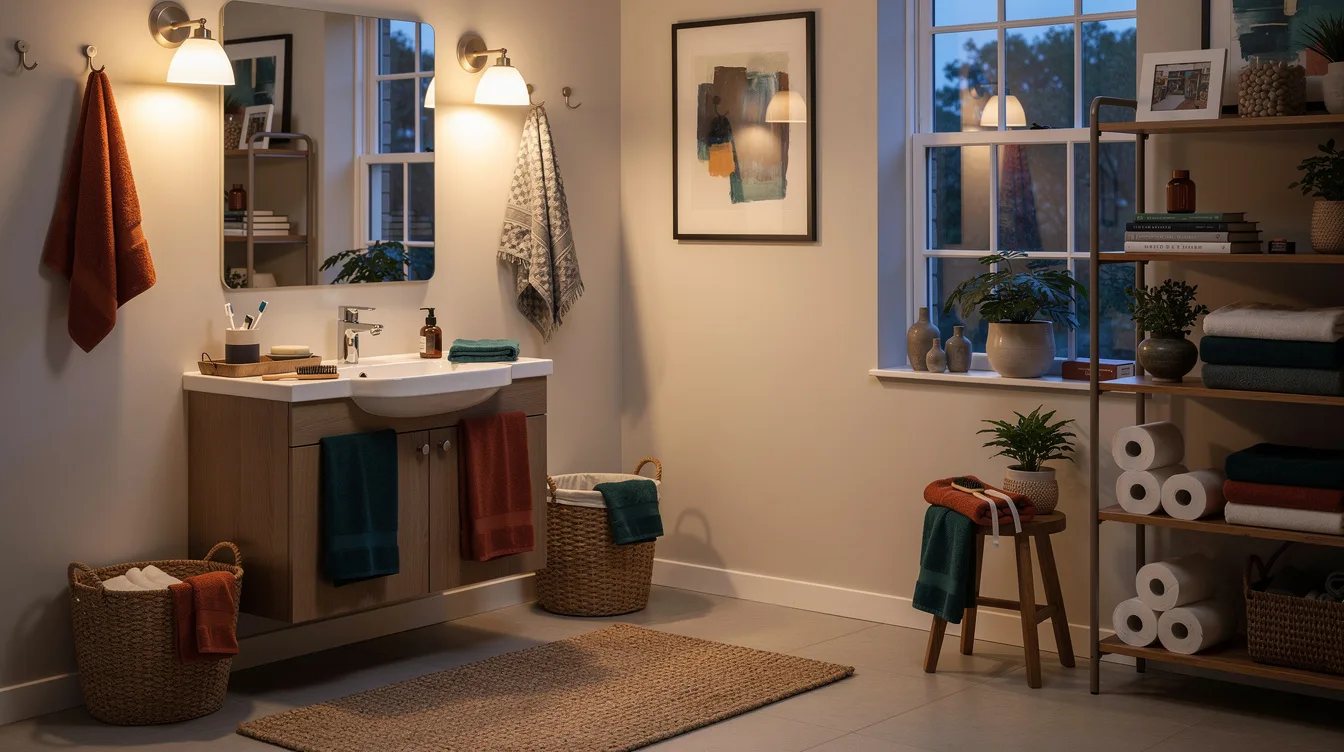
Treat the Sink Package as a Separate Check
Before buying the BACKSJÖN sink combination, read the exact product listing for included components. IKEA distinguishes a vanity with drawers and sink from packages that explicitly include a faucet.
That distinction changes the real project budget. The advertised $399 or $459 price should be treated as the cabinet-and-sink purchase, before tax, delivery, installation, faucet, mirror, lighting, and other bathroom fixtures.
Make a small checklist at checkout and confirm every required part. A compact vanity cannot save a project that stops because one essential fitting was assumed rather than included.
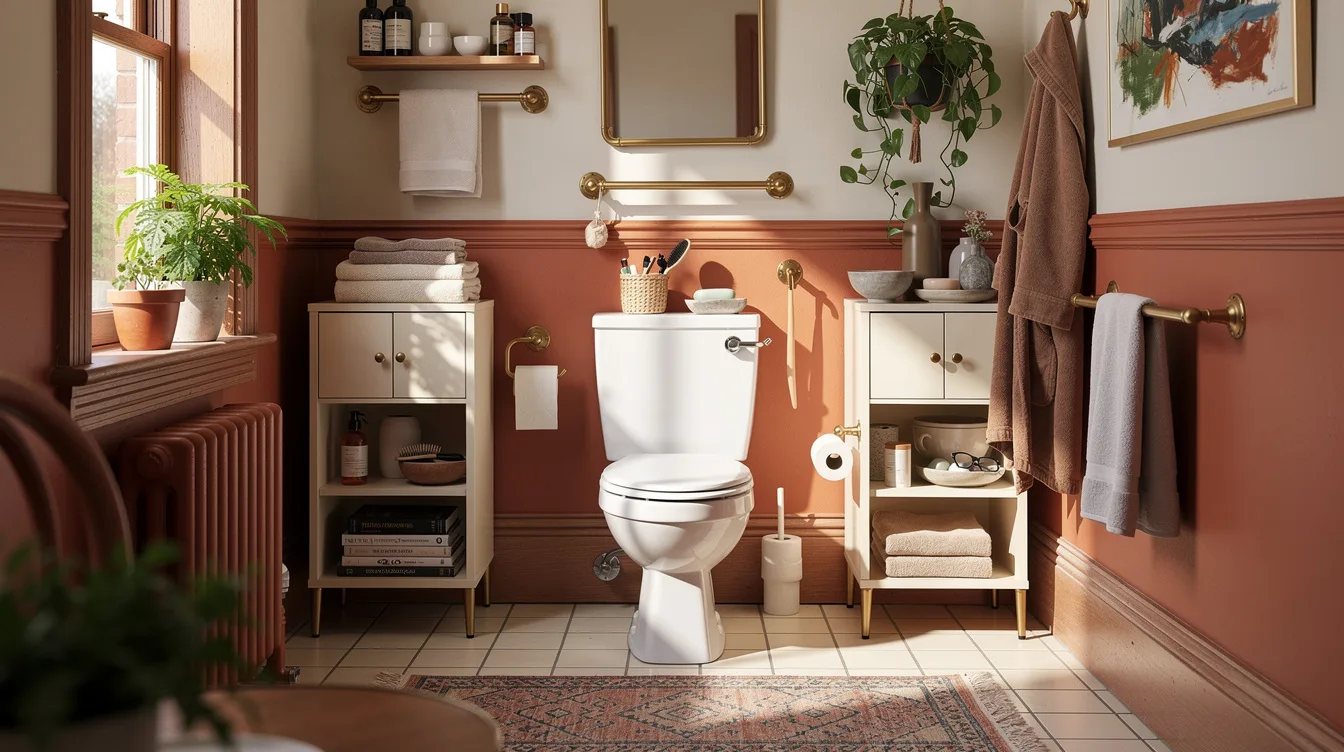
Build Around the Measured Toilet Zone
Use the 24 1/8-inch vanity as the starting point only after measuring the toilet zone and doorway. The cabinet's 21-inch depth still affects movement, even though its floating appearance keeps the floor more visible.
Mark the sink, toilet, shower entry, and door swing at full size on the floor. This simple test reveals whether a wider 30 1/8-inch version is realistic or whether the compact cabinet is the responsible choice.
Keep the center of the room open enough for ordinary use. In a bathroom this small, circulation is part of the storage plan.
Shop GODMORGON Only After the Layout Works
Consider a GODMORGON cabinet only after the room plan works with a current IKEA alternative. A clearance or secondhand find can be worthwhile when its condition, mounting hardware, sink compatibility, and dimensions are verified in person.
Do not let a rare listing dictate the entire renovation. The practical target is a floating vanity with drawers, and ÄNGSJÖN already provides that direction at an advertised $399 or $459 depending on the configuration.
Start the search with the layout, then compare the available cabinet. That order protects the bathroom from an exciting find that creates a costly fit problem.
Keep reading
- Dated Rental Bathroom? 14 Home Depot Finds Fake a Custom Reno
- Dated Kitchen Wall? 12 Home Depot Finds Under $80 Fake a Reno
- Small Apartment Christmas Clutter? 12 IKEA Finds
Measure the doorway and toilet zone first, then choose the 24 1/8-inch vanity before adding any accessory. Once that footprint works, spend the remaining attention on one stainless-steel storage move that keeps the floor clear.


