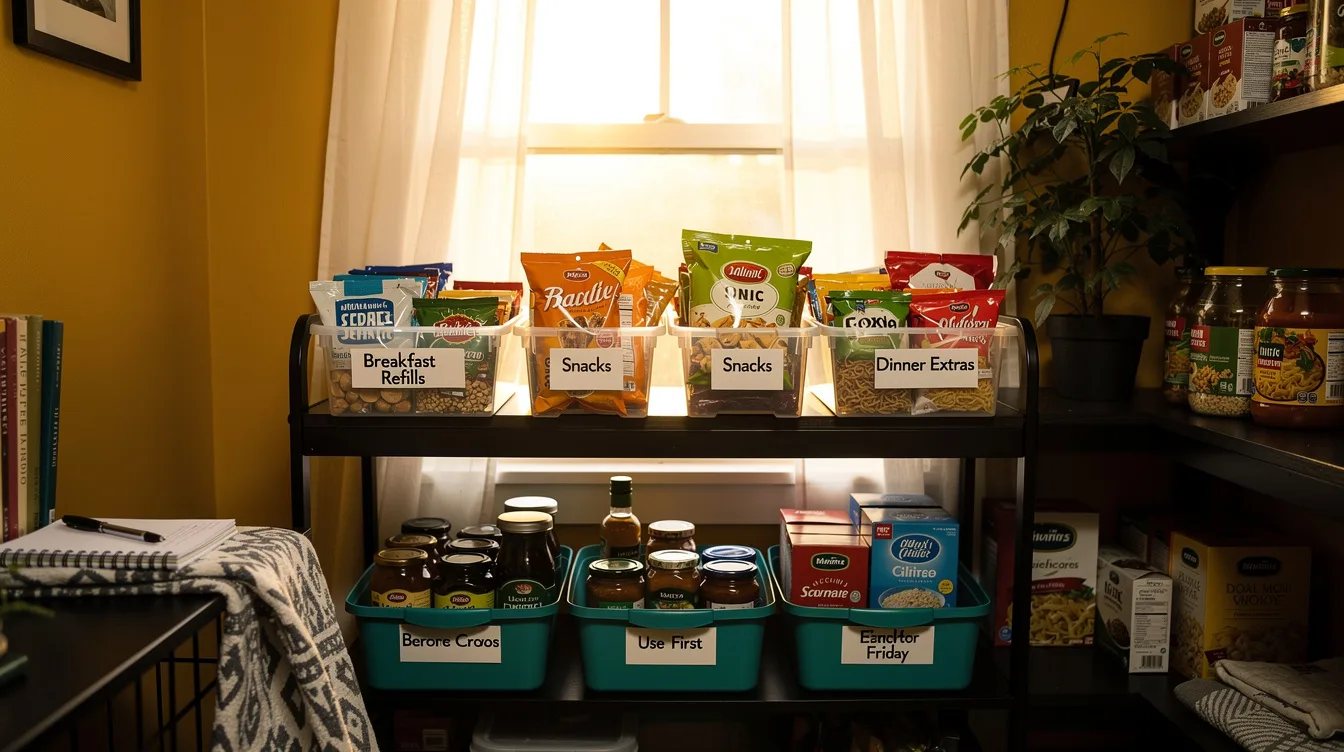
Pantry Tornado? These 12 Walmart Bins Start at $5.49
01 november 2026A pantry can go from manageable to tornado zone after one busy grocery run, especially when breakfast packets, snack bags, and unopened extras share the same shelf. Walmart’s practical reset starts at about $34 for five bins, enough to create daily-use and backstock categories before Friday.
You do not need to decant every cereal box or buy a matching collection. The right bin shape, shelf measurement, and category label will do more work than a perfectly styled row of containers.
What you will find inside
- Measure The Shelf Before Opening A Bin
- Split Snacks By How They Disappear
- Pull Breakfast Refills To The Front
- Give Daily Food An Open Front
- Park Backstock In A Utility Three-Pack
- Keep Heavy Jars Below Shoulder Height
- Corral Tiny Packets In Small Bins
- Create A Use-First Bin For Opened Food
- Keep Information On Packages You Still Need
- Label Categories Where Your Eyes Land
- Match Bin Footprints To Shelf Jobs
- Stage The Five-Bin Reset Before Friday
Measure The Shelf Before Opening A Bin
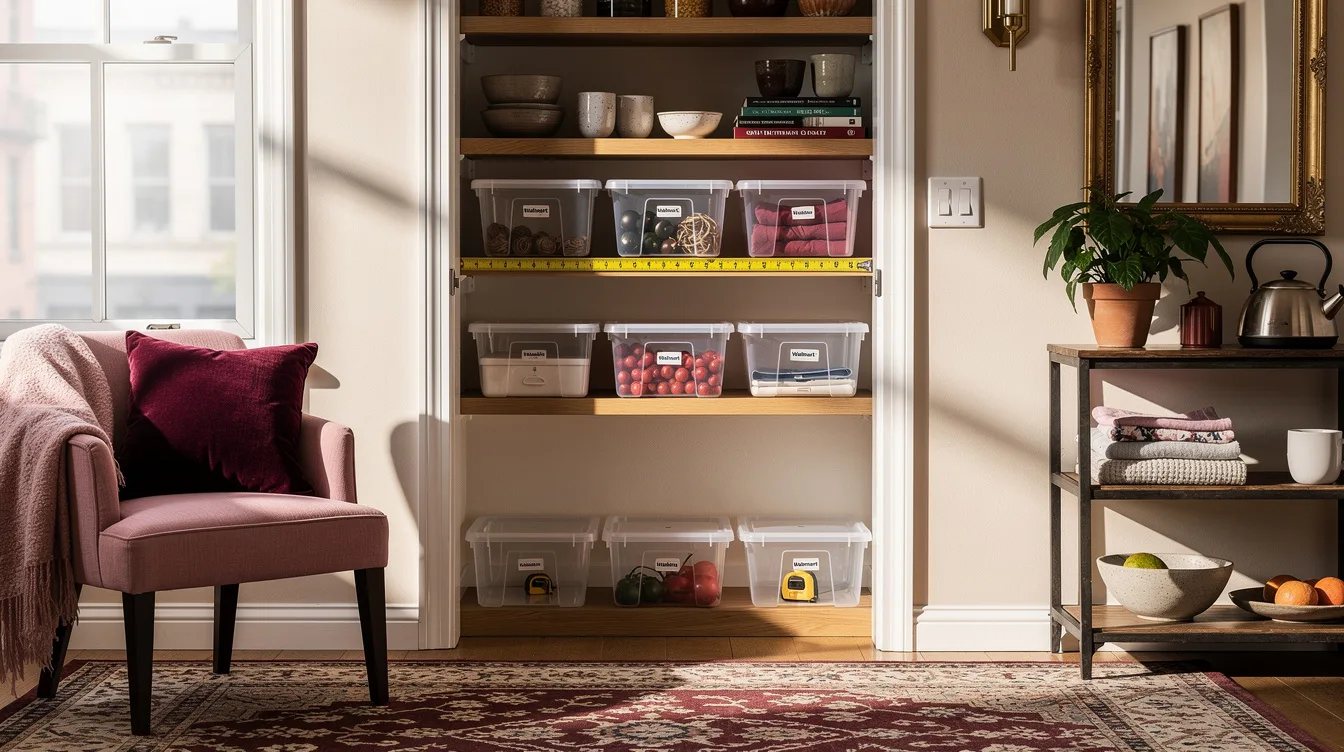
Start with the shelf, because a bin that steals an inch of clearance can make the pantry harder to use. The Mainstays Extra Large Deep Open-Front Pantry Organizer Bin has listed dimensions of 12 by 10.5 by 8 inches, so check which measurement runs along your shelf before ordering.
Designers measure depth, width, and vertical clearance separately. A practical bin priced at about $8.48 is still the wrong purchase if the door catches it or the front edge blocks a neighboring category.
Split Snacks By How They Disappear
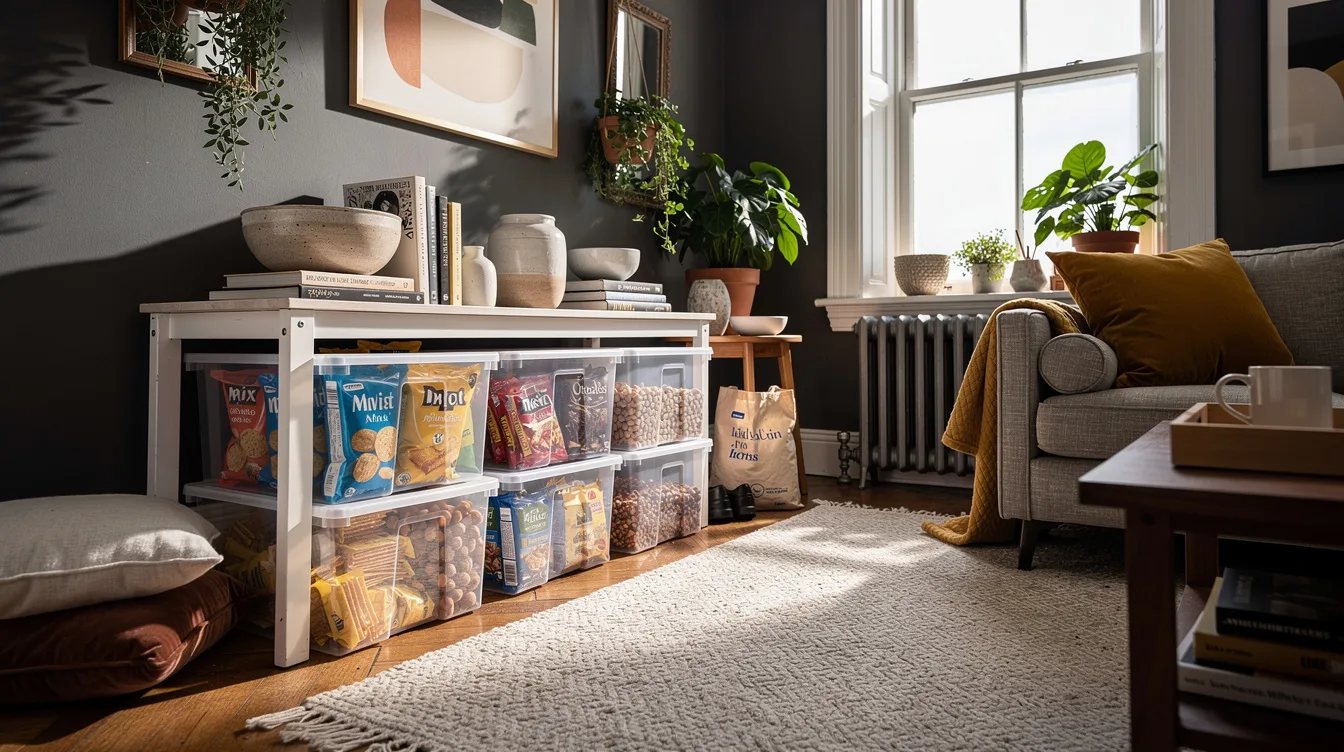
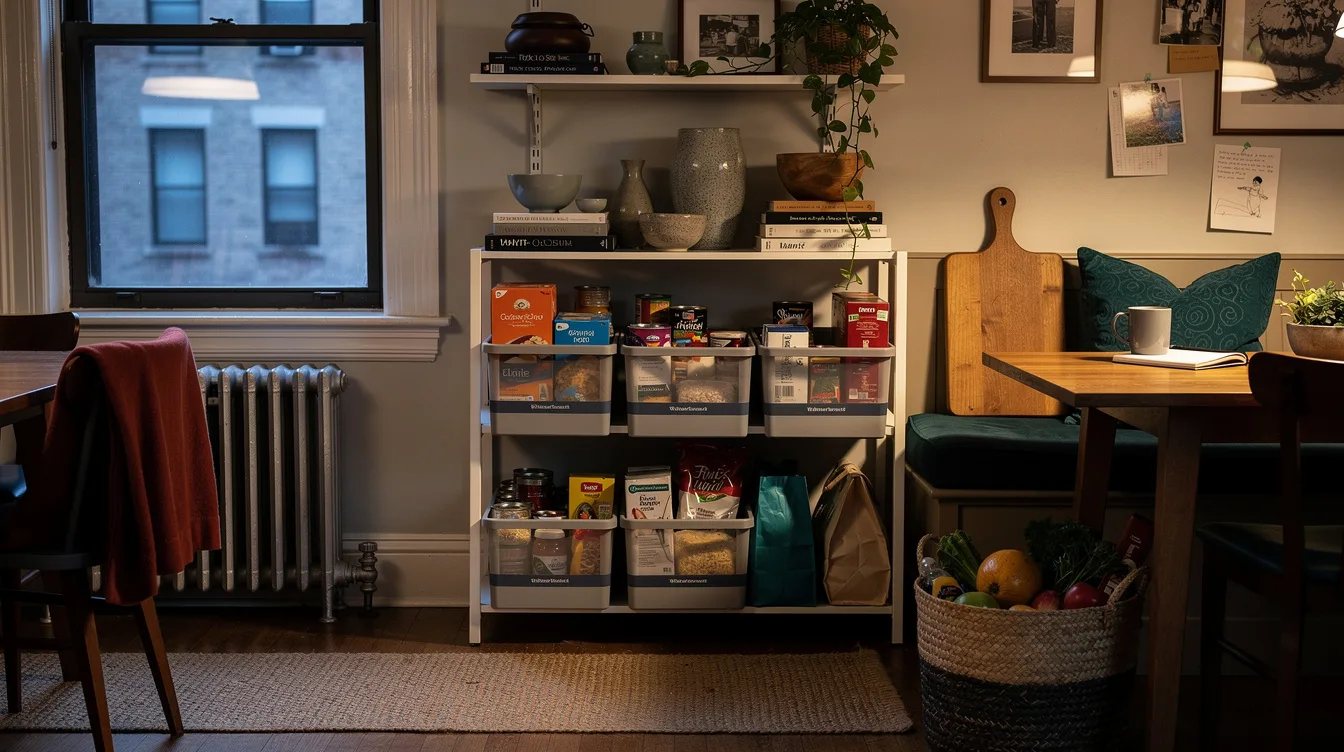
Give snacks categories that match real household behavior: salty and sweet, school and work, or grab-and-go and save-for-later. Two clear PET open-front bins keep those groups visible without forcing every package into a perfect row.
At about $8.48 each, the pair costs roughly $16.96 before tax. Keep bulky cartons only when their information matters, then place loose packages directly into the correct bin so the next grocery run does not create another snack avalanche.
Pull Breakfast Refills To The Front
Breakfast deserves a dedicated zone because oatmeal packets, pancake mix, and shelf-stable refills often get scattered across the pantry. Use one Mainstays open-front bin for the items used most mornings, keeping its handle facing outward for a quick pull.
A category that leaves the shelf every day should stay at hand height. Reserve the back of the bin for less frequent refills, and avoid mixing breakfast food with dinner ingredients simply because both packages fit.
Give Daily Food An Open Front
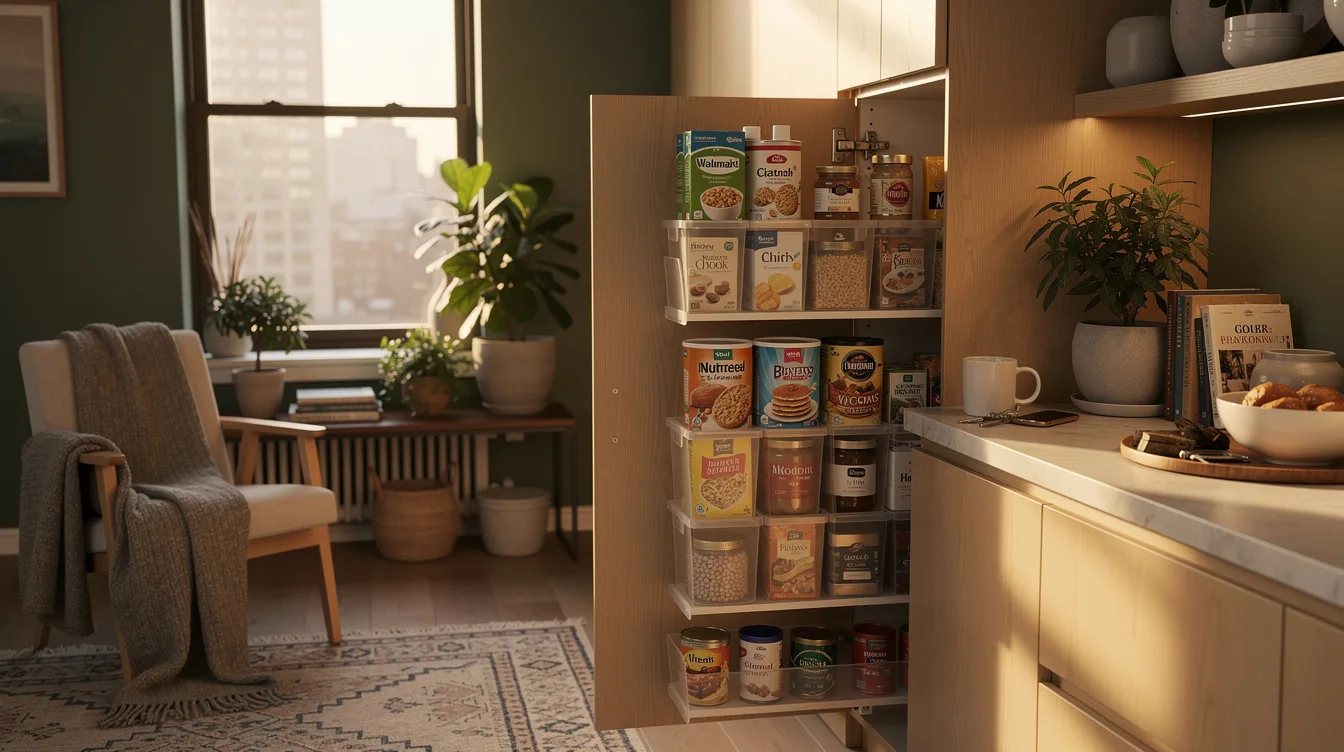
Open-front storage works best for food that needs constant visual access. The built-in handles on Walmart’s clear organizer bins let you pull an entire snack or oatmeal category forward instead of unloading several packages to reach one item.
This is the strongest everyday choice in the listed lineup. The about $8.48 price is reasonable for a bin that earns its place through access, while closed containers are better reserved for dust-sensitive or less frequently used pantry goods.
Park Backstock In A Utility Three-Pack
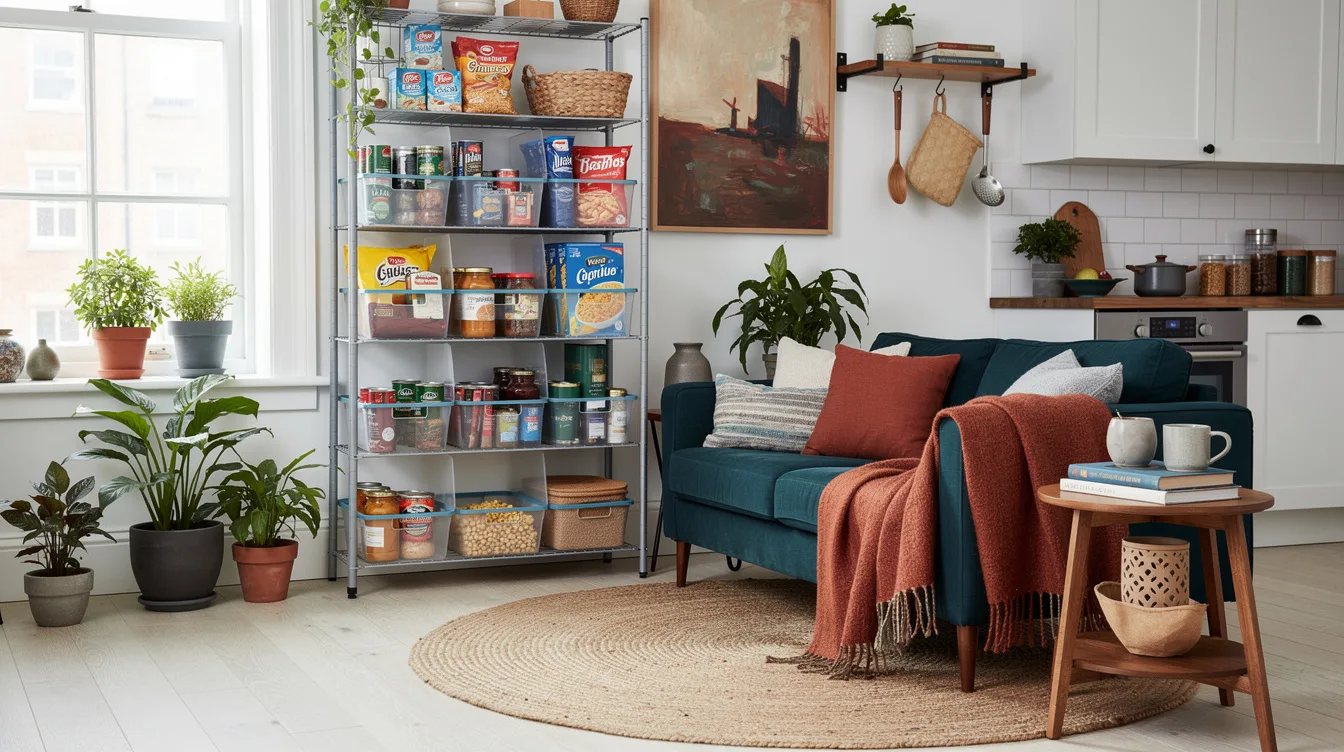
Use the Mainstays Utility Storage Organizer Bin, 3-pack for unopened extras rather than daily food. The listed price is around $16.47 for three, or roughly $5.49 each, and every bin measures 15 by 10 by 9.5 inches with a listed 22-quart capacity.
Assign one bin to breakfast refills, another to pasta and rice, and the remaining bin to unopened condiments or snack refills. These larger bins make sense only when the shelf can handle their footprint and height.
Keep Heavy Jars Below Shoulder Height
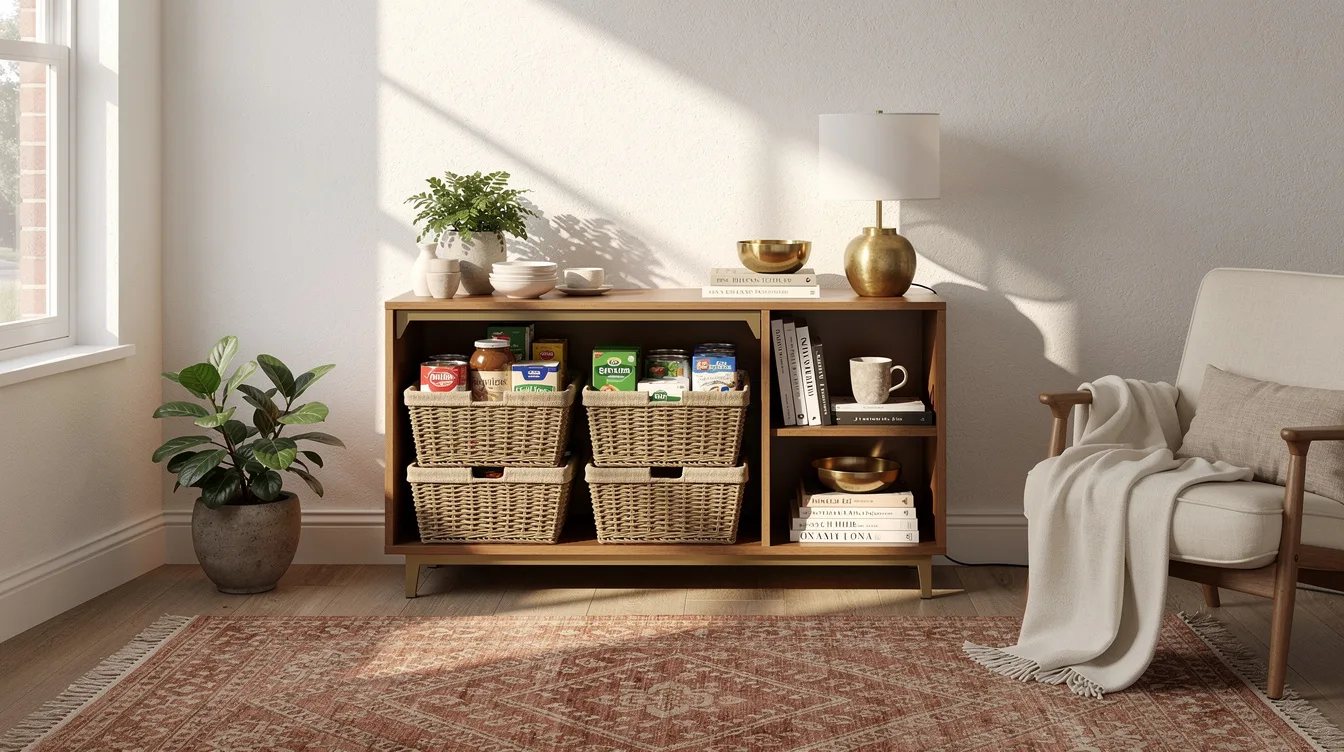
A large bin can gather a category without becoming a safe place for heavy glass. Keep pasta and rice backstock in the utility bins, but place jars, cans, and dense bottles on a lower shelf where the load stays manageable.
The goal is a category that slides out smoothly, not a mixed box that strains your wrist. Lighter unopened packages belong in the upper backstock zone, while heavier pantry staples deserve the most stable shelf.
Corral Tiny Packets In Small Bins
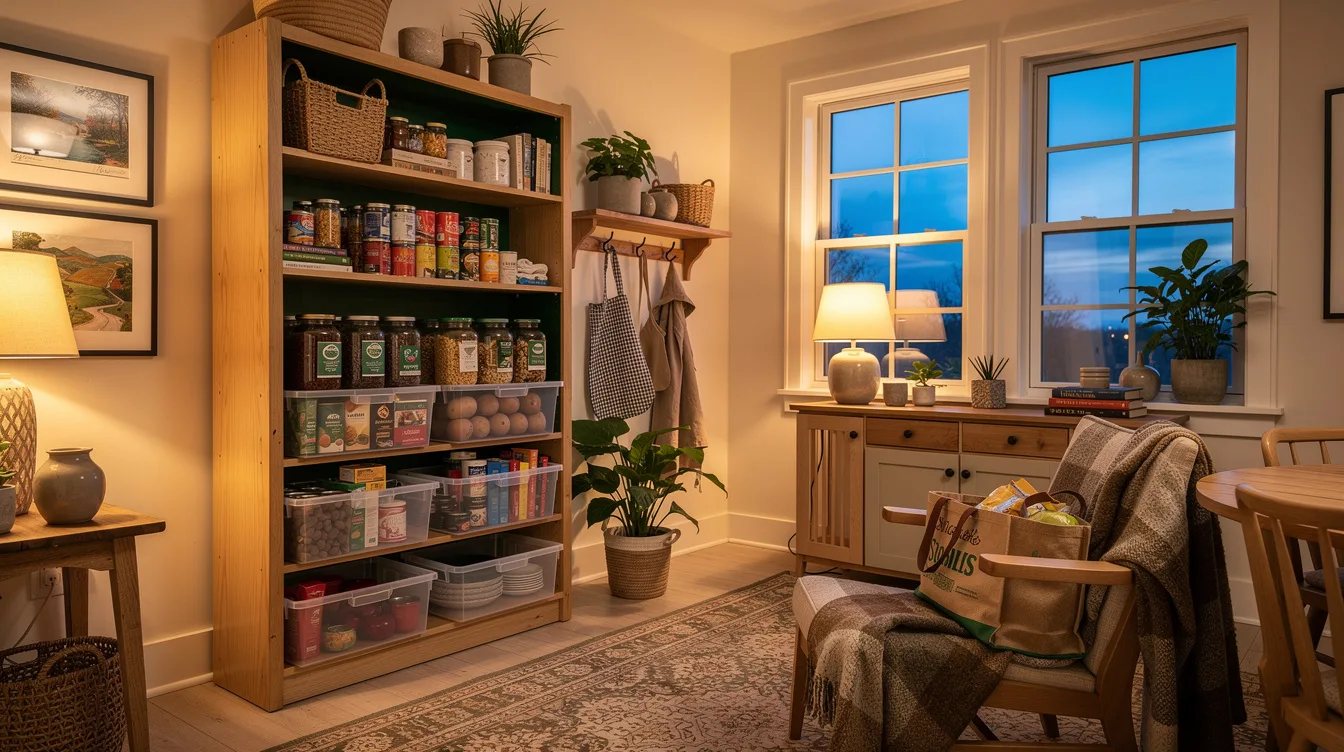
Seasoning packets, tea bags, snack bars, and baking decorations disappear inside deep containers. Walmart’s clear recycled PET four-bin set uses smaller bins listed at 10 by 6 by 5 inches, giving narrow categories a more useful footprint.
The listed four-pack costs about $39.99, or approximately $10 per bin. That is a higher per-bin benchmark than the Mainstays options, but the smaller shape earns its cost when a large bin would turn tiny items into a buried pile.
Create A Use-First Bin For Opened Food
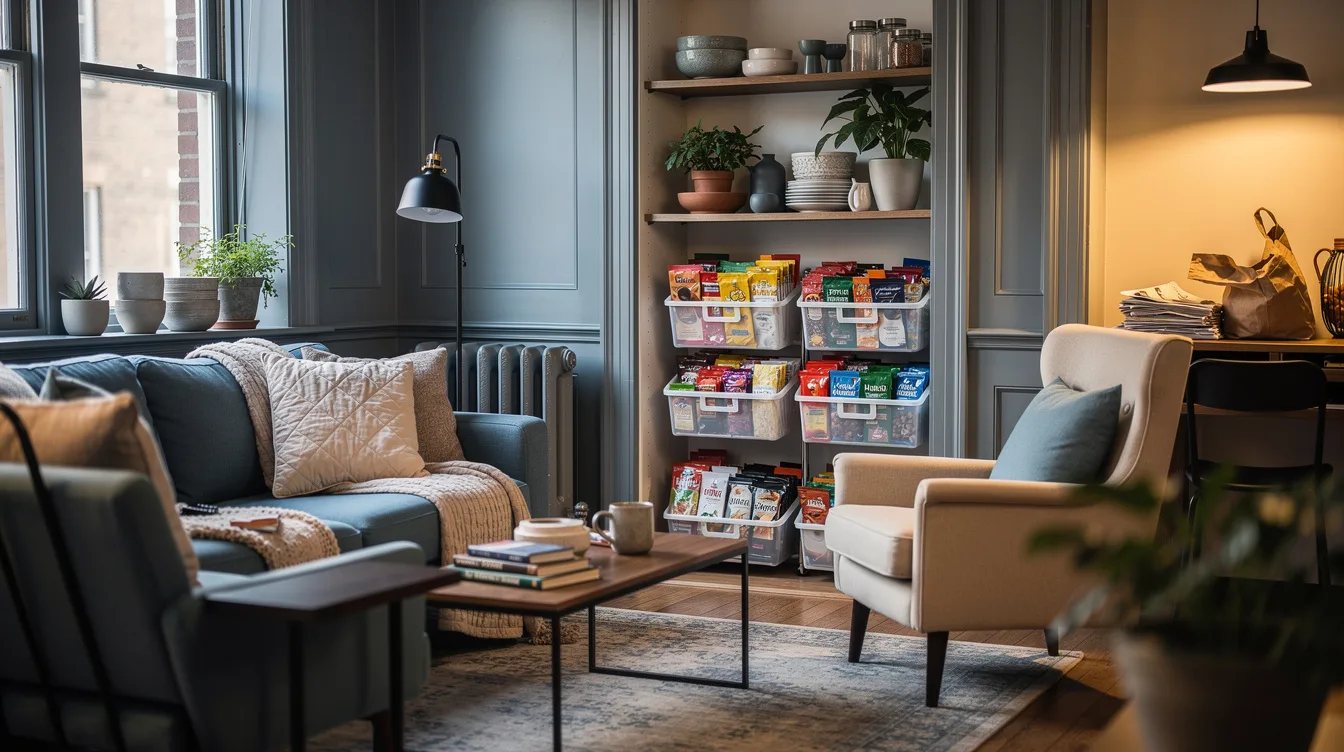
Give opened packages their own landing place instead of pushing them behind unopened groceries. One open-front pantry bin can hold partly used crackers, oatmeal packets, boxed mixes, or anything that should be consumed before the next refill.
Place this bin at eye level and check it before adding a new package. A visible use-first category reduces duplicate purchases without requiring a full pantry inventory every week.
Keep Information On Packages You Still Need
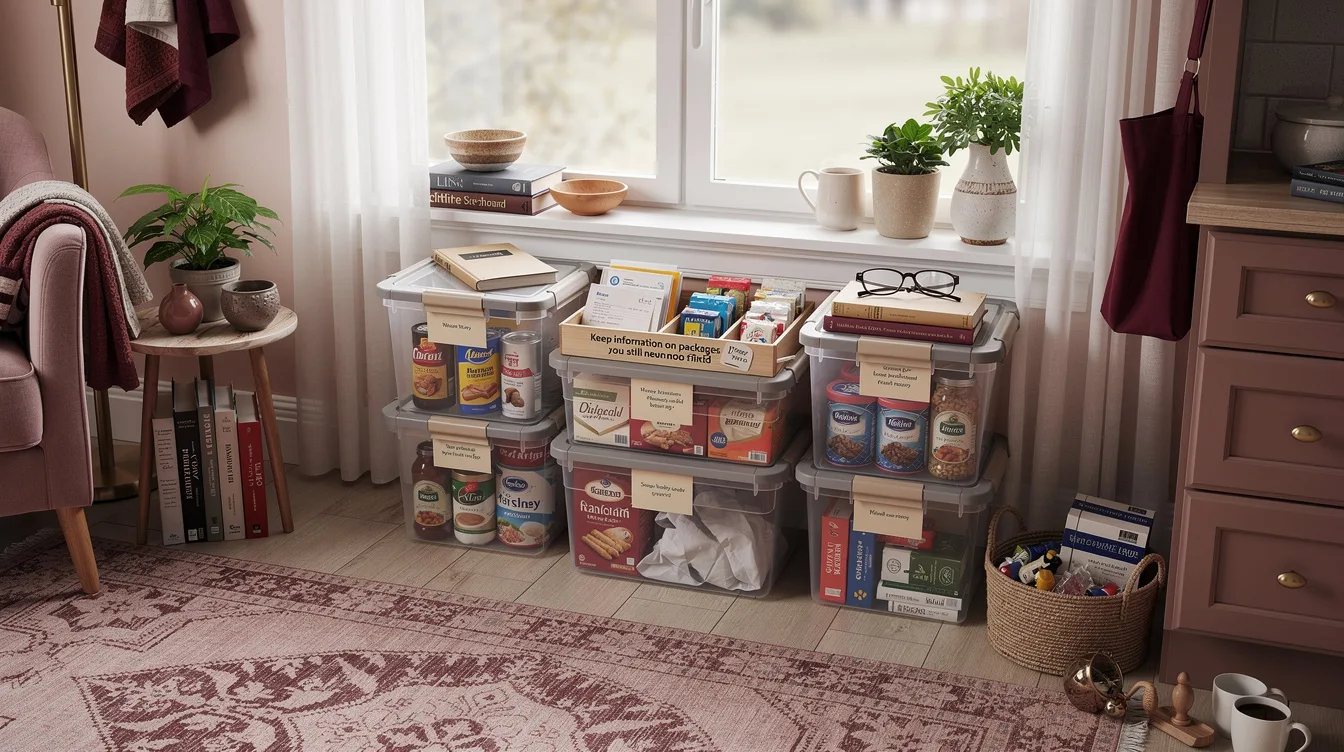
Decanting looks tidy until someone needs cooking instructions, allergy information, or an expiration detail. Keep the original package for foods that rely on those details, then place the package inside a clear Mainstays bin with the useful panel facing outward when possible.
Remove an outer carton only when the individual packets retain the information your household needs. The best pantry system supports a fast decision at the shelf, so visual neatness should never erase practical information.
Label Categories Where Your Eyes Land
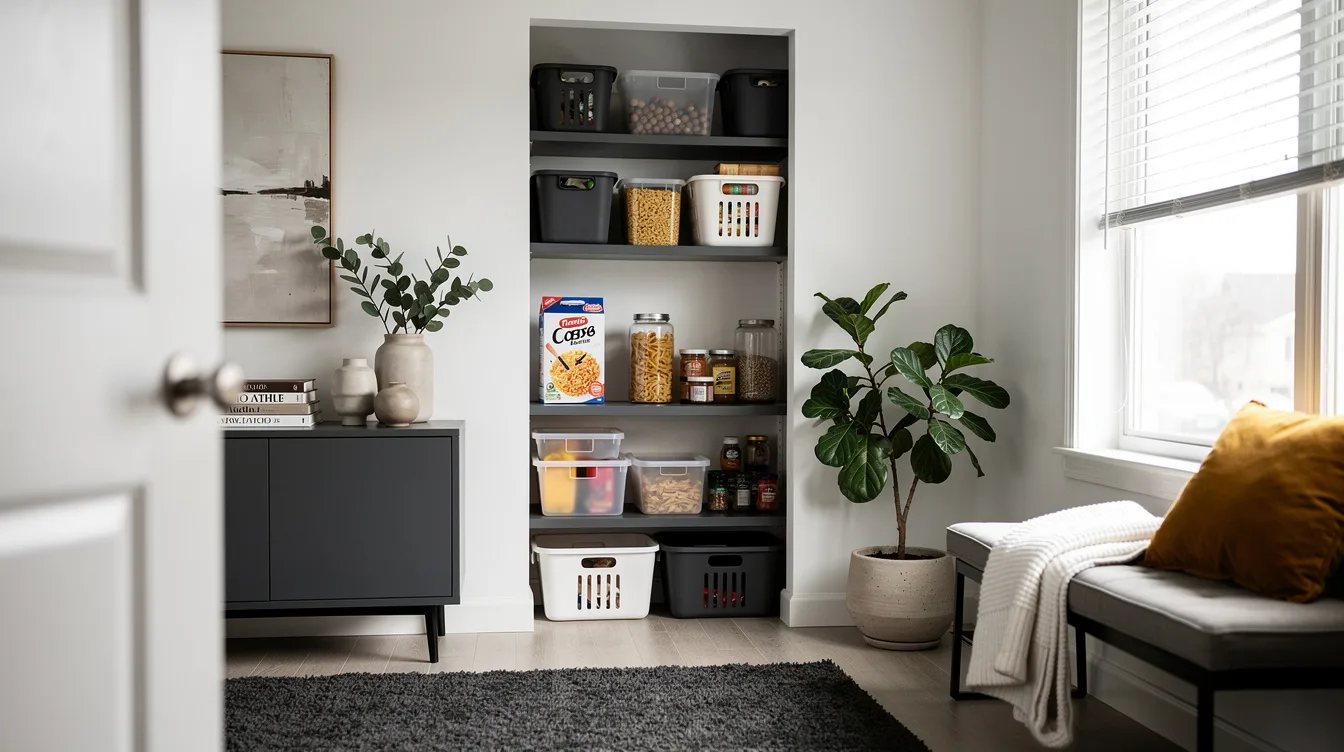
Labels should describe the buying or eating habit, not a vague storage dream. Mark a Walmart pantry bin “Breakfast Refills,” “Snack Bars,” “Dinner Extras,” or “Use First,” then place the label where it can be read while standing in front of the shelf.
Short labels keep the system flexible as brands and recipes change. Skip labels on a bin that will hold one temporary project, but label every category that needs to return to the same location after shopping.
Match Bin Footprints To Shelf Jobs
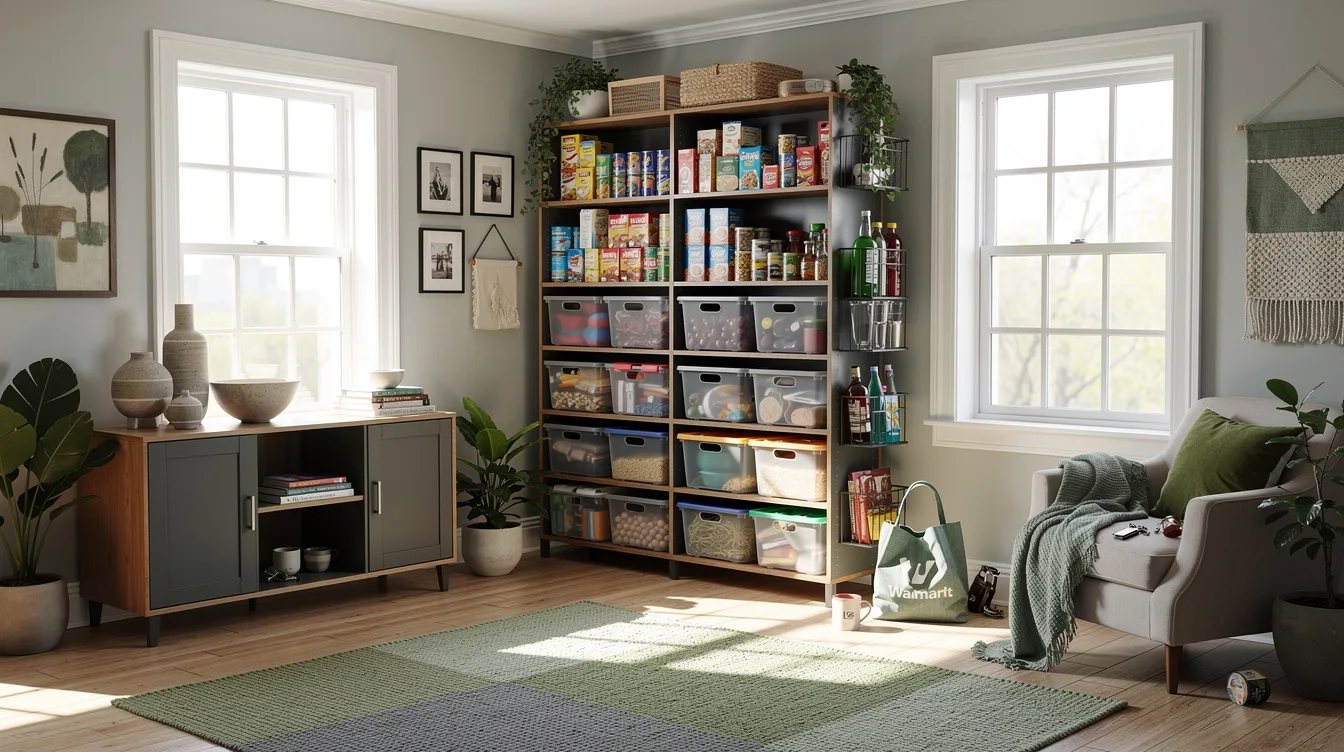
Different shapes should do different work. The 12 by 10.5 by 8-inch open-front bin suits daily access, the larger 15 by 10 by 9.5-inch utility bin suits backstock, and the 10 by 6 by 5-inch small bin suits narrow packets.
Uniformity matters less than fit and retrieval. A pantry feels calmer when each container has a clear job, even when the shelf holds two practical sizes instead of one matching collection.
Stage The Five-Bin Reset Before Friday
For a realistic quick reset, start with two Mainstays open-front bins and one three-pack of utility bins. At the listed benchmarks, five bins cost about $33.43 before tax, giving you two daily-use zones and three backstock zones.
Empty one shelf, sort food into categories, measure the cleared space, and return only the bins that fit. Finish with the use-first bin at eye level, so the pantry stays organized after Friday instead of looking orderly for one evening.
Keep reading
- 12 Walmart Clear Bins for a Pantry With Its Own Ecosystem
- Need Christmas Tree Storage? These Walmart and Target Bags Start at $7
- Narrow Shelf Christmas Village? 12 Walmart Finds Start at $2.96
Measure one shelf first, then buy the bin that matches its job: open-front storage for daily food, larger utility bins for backstock, and small bins for packets. That order keeps the quick reset affordable and gives every future grocery item a clear place to land.


