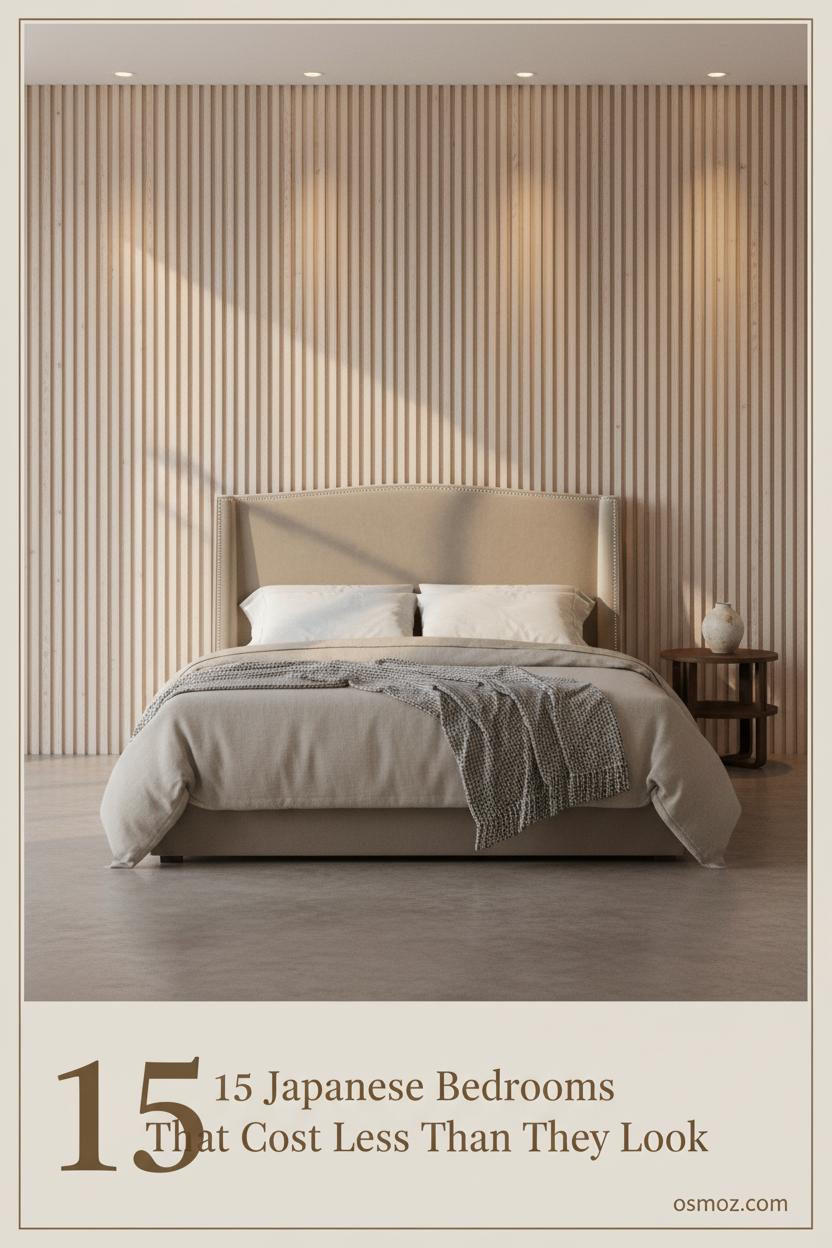
15+ Japanese Bedrooms That Feel Calm Without Feeling Empty
09 may 2026The best Japanese bedroom ideas don't look stripped down. They look settled. Like someone made a deliberate choice to stop adding things.
What follows are 15 rooms that pull it off, each one calm without feeling cold.
Whitewashed Brick And Golden Light That Shouldn't Work Together
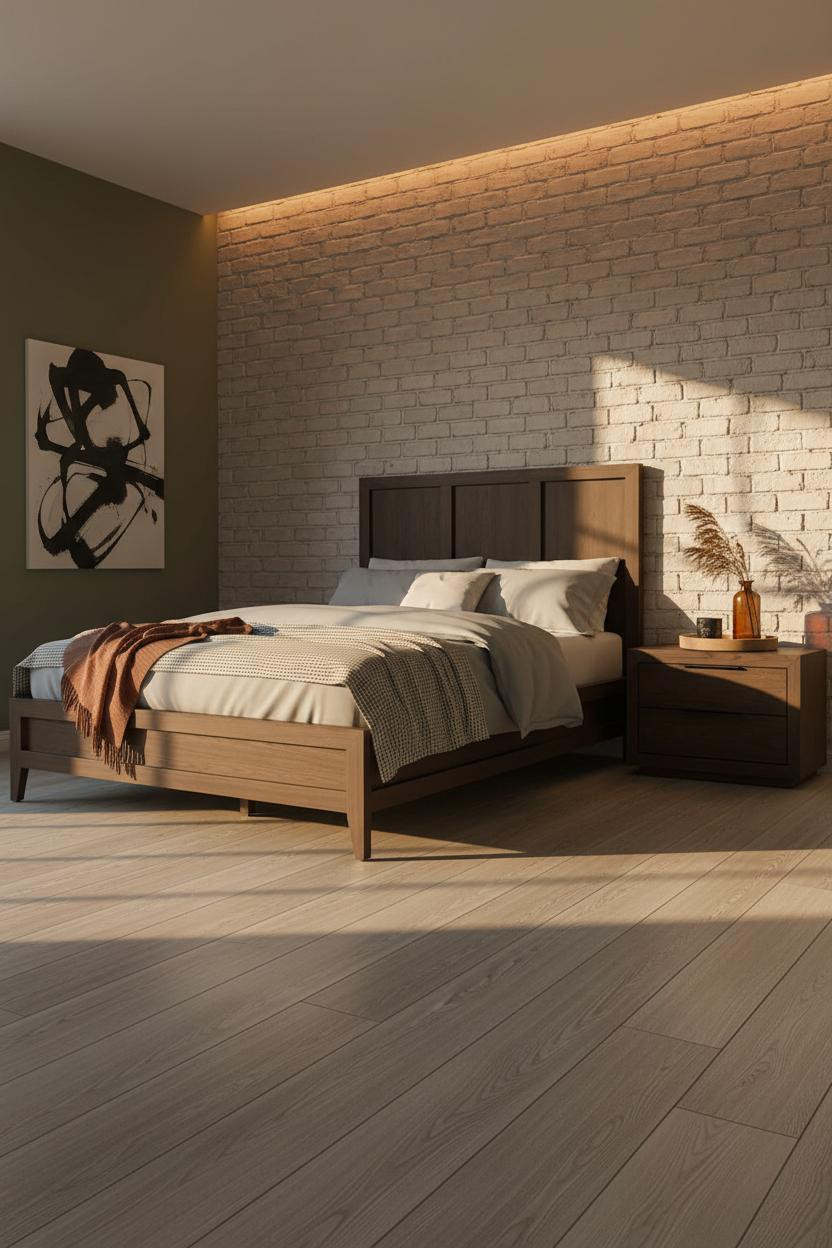
It shouldn't work. Exposed brick is usually too industrial, too much. But pale whitewashed brick catches amber light differently, softening into something that reads almost wabi-sabi.
Why it lands: The rough mortar joints in the brick create horizontal shadow lines that give the wall natural texture, which keeps the room from needing much else.
Steal this move: A rust linen throw at the foot of the bed ties the warm tones in the brick to the bedding without forcing a match.
Rice Paper Walls That Make The Whole Room Feel Like Dusk
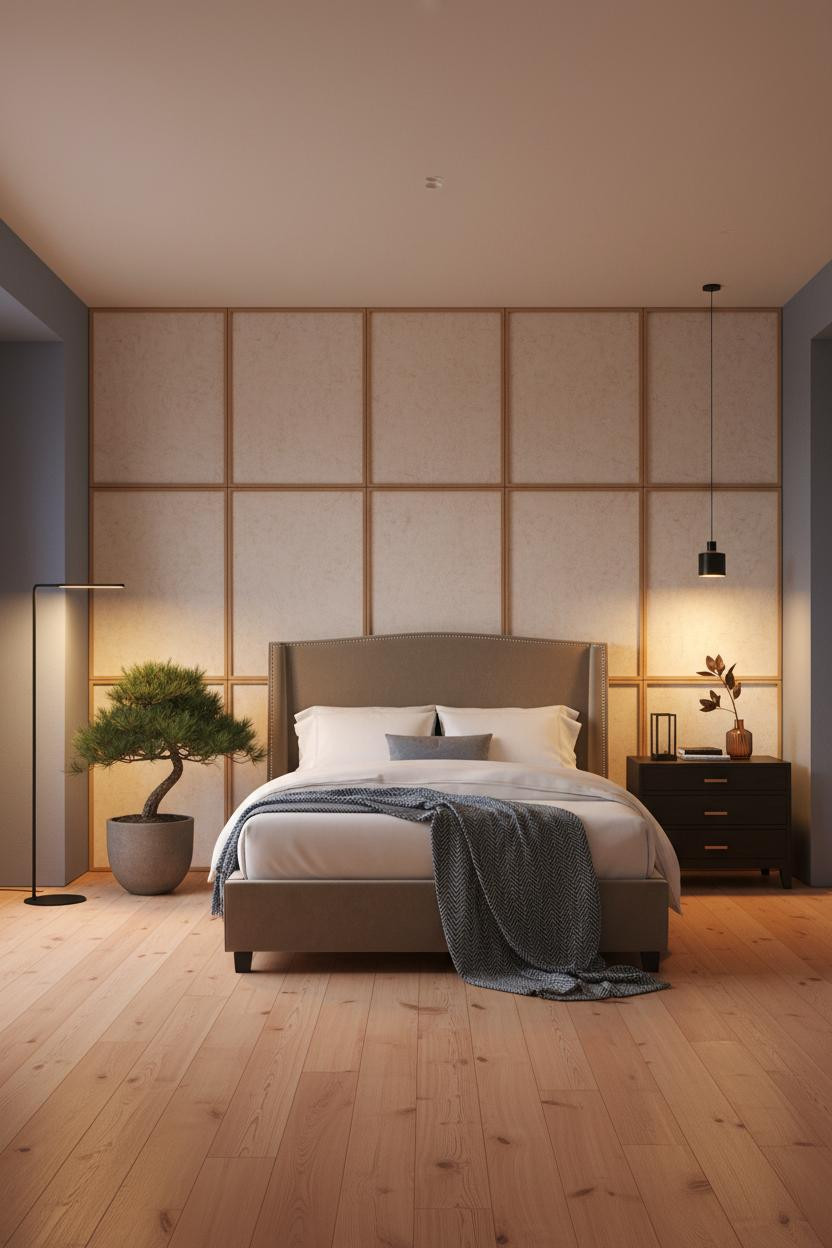
I keep coming back to this one. Something about a full-width wall of hand-applied rice paper panels just changes the energy of the room entirely.
The surface catches lamp light and throws back micro-relief shadows. That's the whole trick. It reads as depth without adding visual noise, which is hard to do with any wall treatment.
Edge each panel with a slim natural reed border and it stays architectural, not decorative. The steel blue herringbone throw at the foot is just enough contrast to keep the palette from going flat.
Washi Paper That Turns Morning Light Into A Design Feature
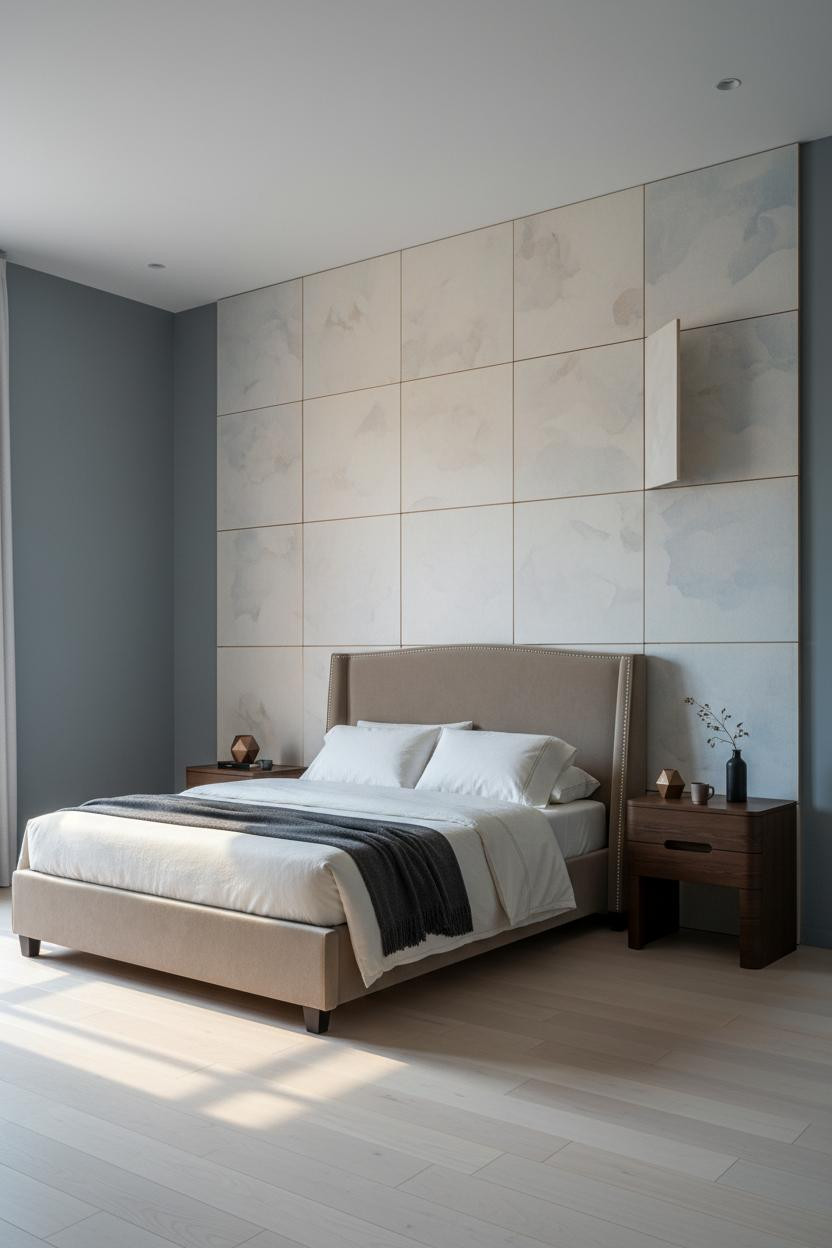
Twelve flush-mounted washi paper panels in a grid. That's it. And somehow the room feels completely resolved.
What gives it depth: Hand-pressed washi shifts between warm and cool across the grid as the light moves through the morning, so the wall is never the same twice.
The detail to keep: Let one panel sit slightly proud of its neighbors. On a wall this precise, a single quiet imperfection is what makes it feel real rather than installed.
Shoji Screens Done Right: Calm Without Being A Costume
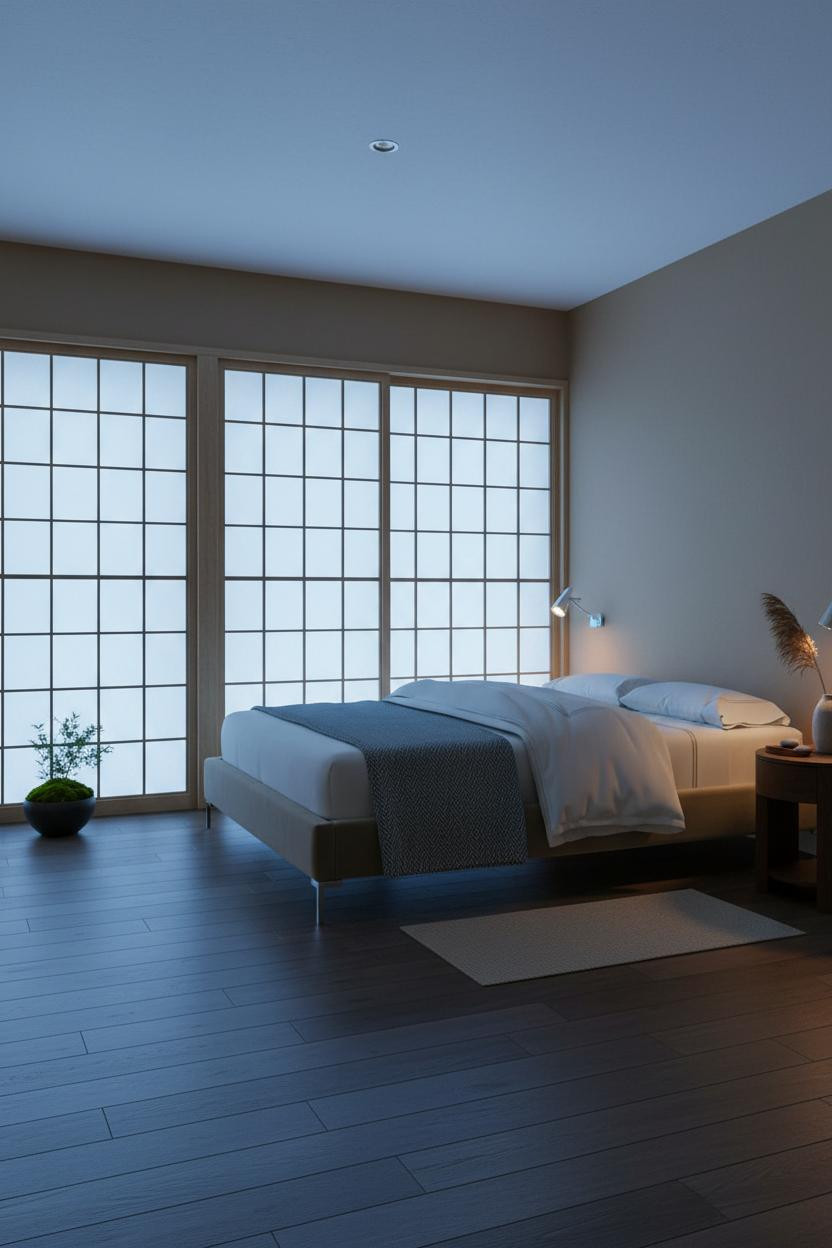

Shoji screens go wrong when the rest of the room doesn't earn them. This one does.
The reason it feels spare rather than empty is the dark walnut plank flooring grounding a very light, very quiet wall treatment. Without that contrast, the room would float.
Worth copying: Keep the nightstand objects to three items maximum. A ceramic vessel, two smooth river stones. That's plenty. Anything more and the screens stop reading as intentional.
A Stone Wall That Makes Quiet Feel Like A Weight
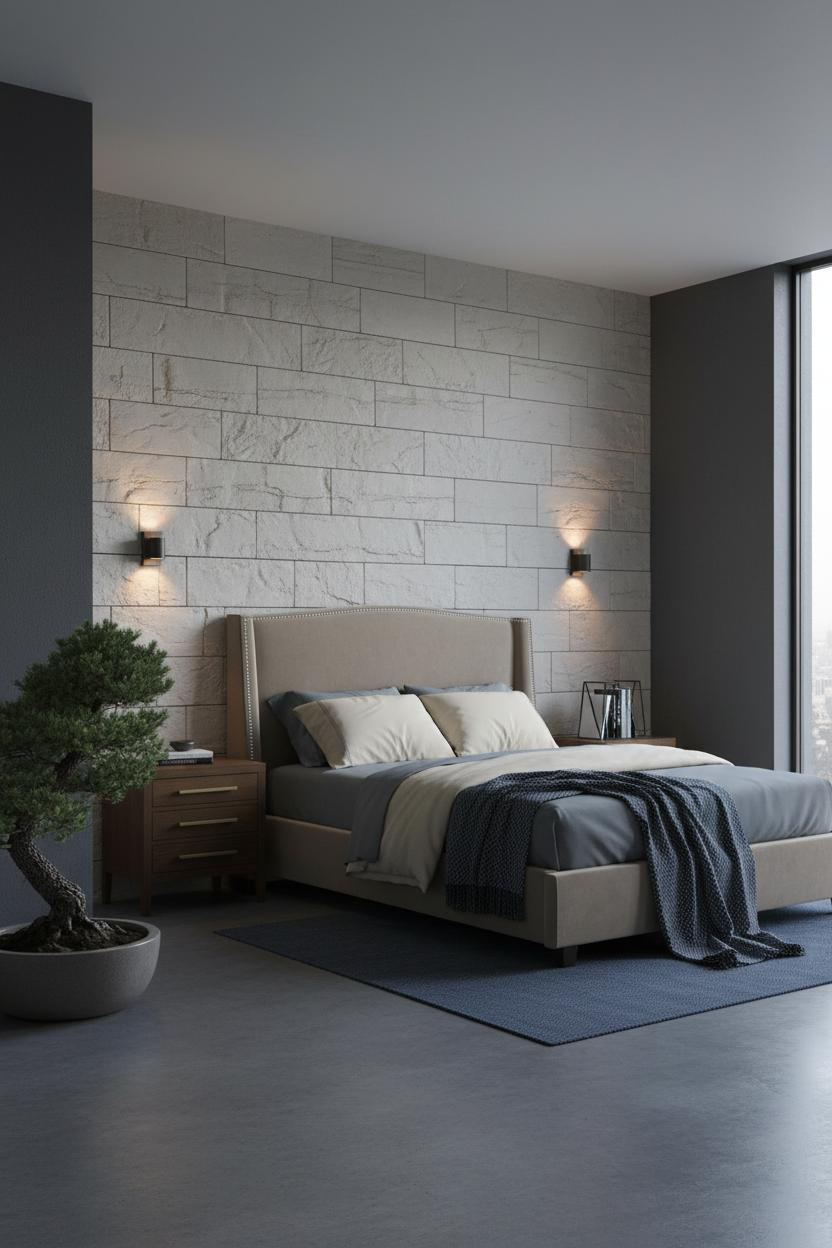
This is the most divisive room in this list. The rough-hewn pale basalt stone wall is a commitment, and I respect people who walk away from it.
Why it holds together: Deep charcoal plaster on the flanking walls absorbs enough light to stop the stone from overwhelming the room, which is the usual failure point with a wall this heavy.
Pair sconces at the stone face rather than overhead. The raked amber light across the mortar joints is what makes the wall actually work. Skip this and it just looks like a gym.
Hinoki Wainscoting That Smells As Good As It Looks
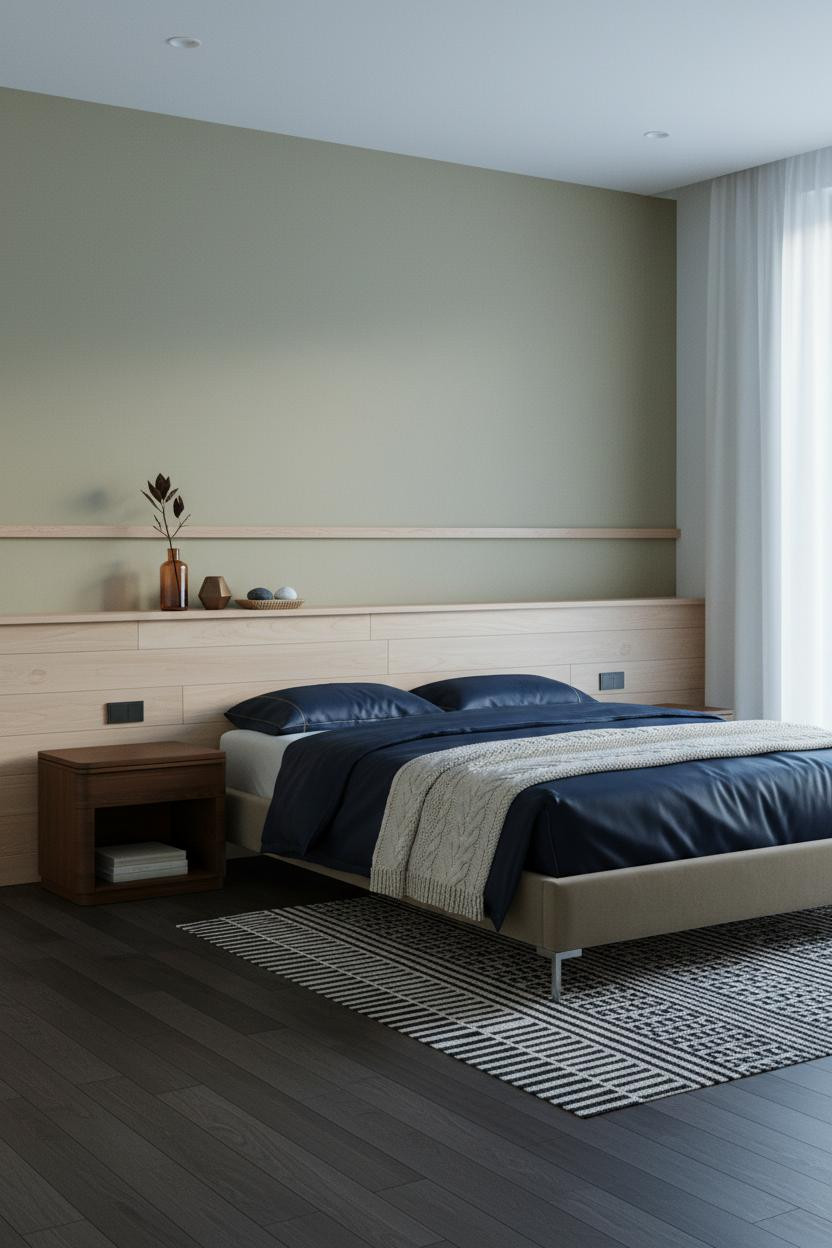
Raw unfinished hinoki wood in tight horizontal boards at half-height is the closest a bedroom gets to feeling like a ryokan without flying to Kyoto.
What makes this one different: The slim timber cap rail doubles as a display ledge, so the wall does two jobs at once while still feeling restrained.
Pro move: Sage walls above the rail, not white. White makes the hinoki look like trim. Sage makes it read like architecture.
The Arched Plaster Niche That Changes How A Room Breathes
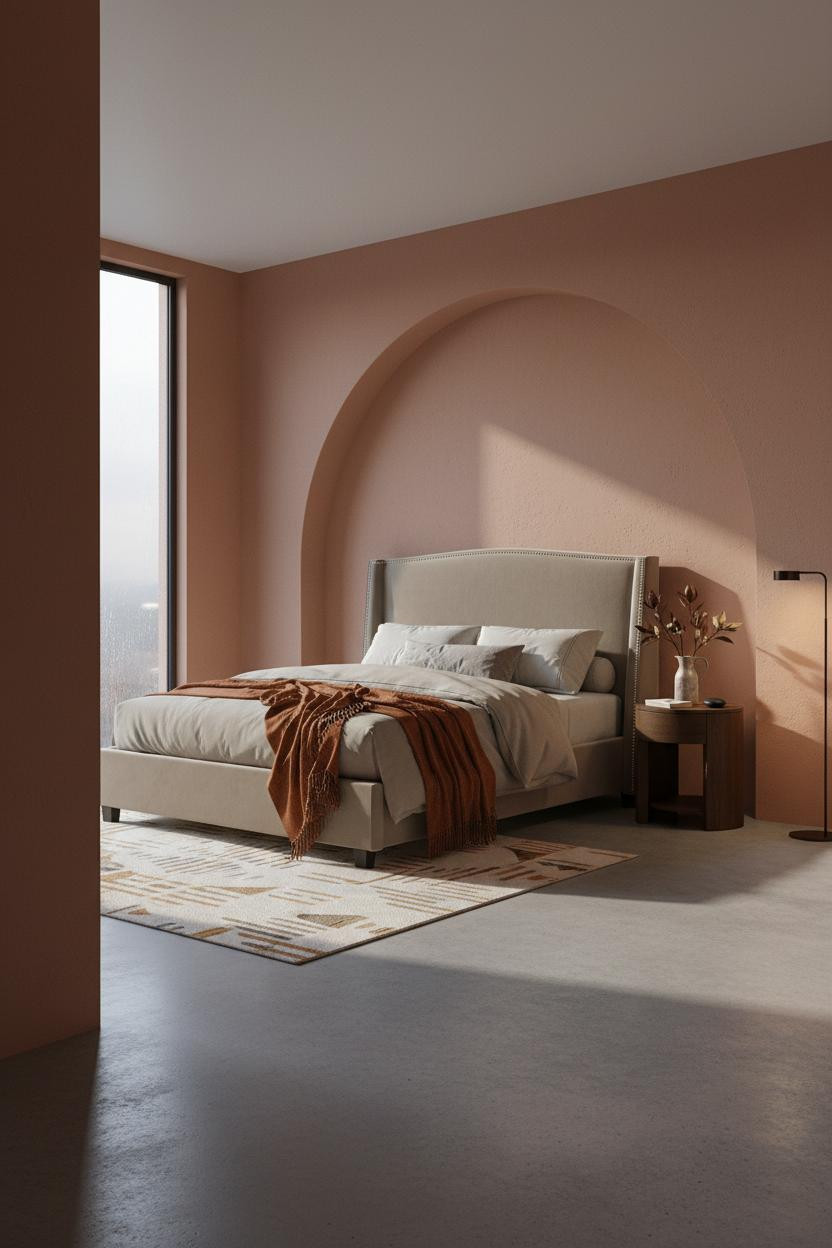
I almost scrolled past this one. Glad I didn't.
A shallow horizontal arch carved into sand-textured plaster sounds subtle. But the curved underside catches pooled shadow in a way that traces the entire arch form, making it feel like the room was built around it.
What carries the look: The polished concrete floor keeps the room cool and grounded under a terracotta plaster wall, which stops the warm tones from tipping into something heavy.
Skip this: Don't put the arch behind the headboard unless it's the full wall width. A half-measure reads like a mistake.
Pale Ash Slats And The Art Of The Subtle Vertical
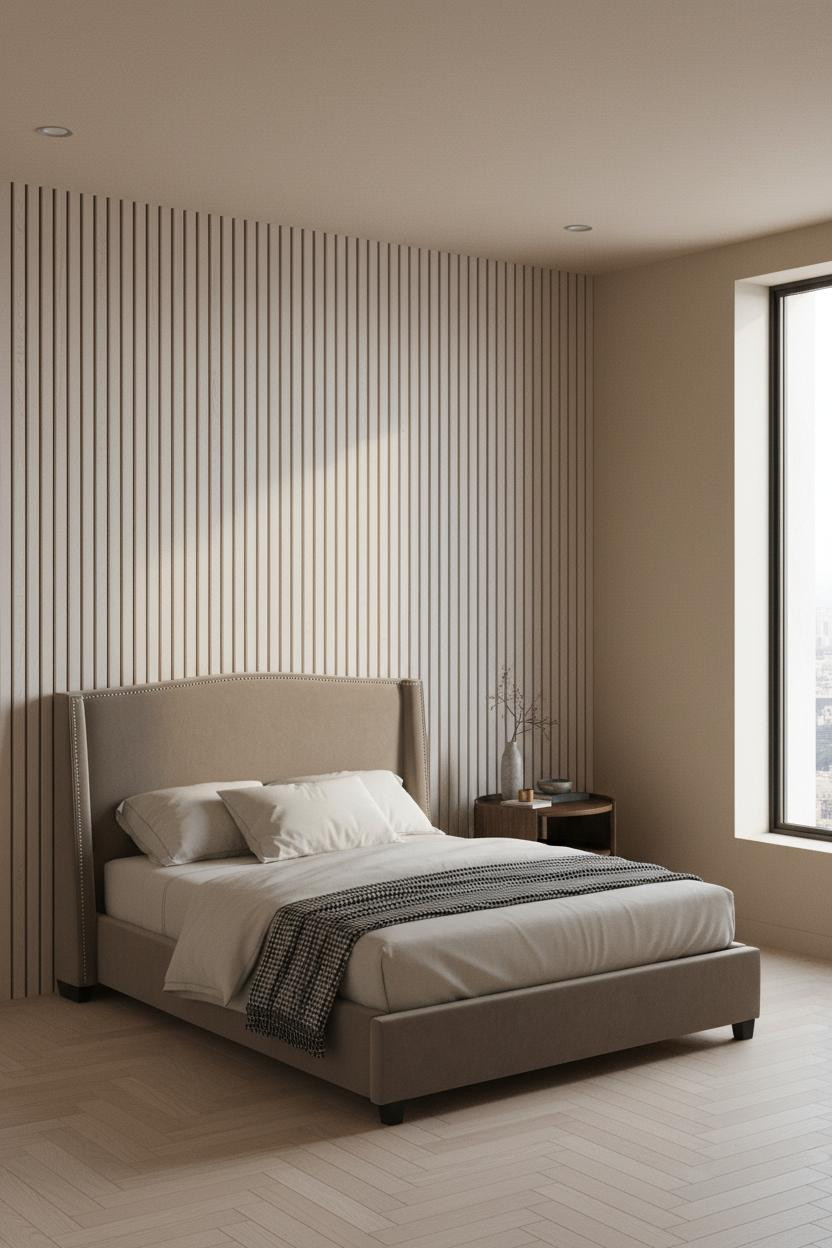
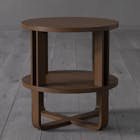
Full-height vertical slats in pale ash are one of those ideas that look fussy in a mood board and completely obvious in person.
Why it feels intentional: Each narrow slat casts a fine parallel shadow line, and together they create a rhythm that makes the sleeping wall feel taller without any architectural work.
No rug on herringbone parquet birch flooring here, which I'd normally argue against. But the floor pattern and the wall slats are already doing a lot. Adding a rug would be competing, not layering.
Floor-To-Ceiling Linen Panels: The Simplest Japan-Inspired Upgrade
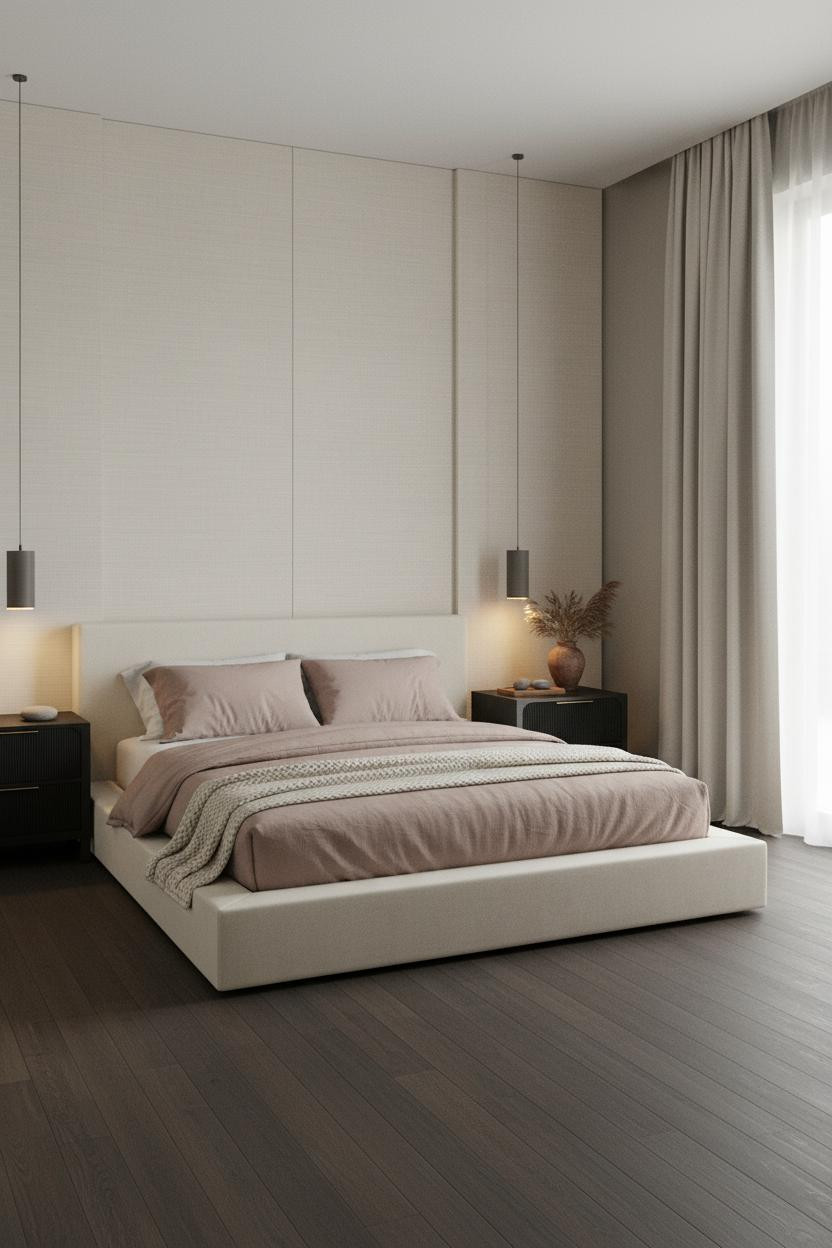
Cream sliding linen panels floor to ceiling cost less than a wallpaper job and do more for a Japandi-style bedroom than almost anything else on this list.
The smarter choice: Use undyed natural linen rather than white. White panels in a bedroom always look like a temporary fix. Natural linen looks like a decision.
What softens the room: Dusty pink linen bedding against the cream panels creates warmth while still feeling spare, especially when a chunky knit throw at the foot breaks the flatness.
Hinoki Batten Walls With The Grain Of A Mountain Temple
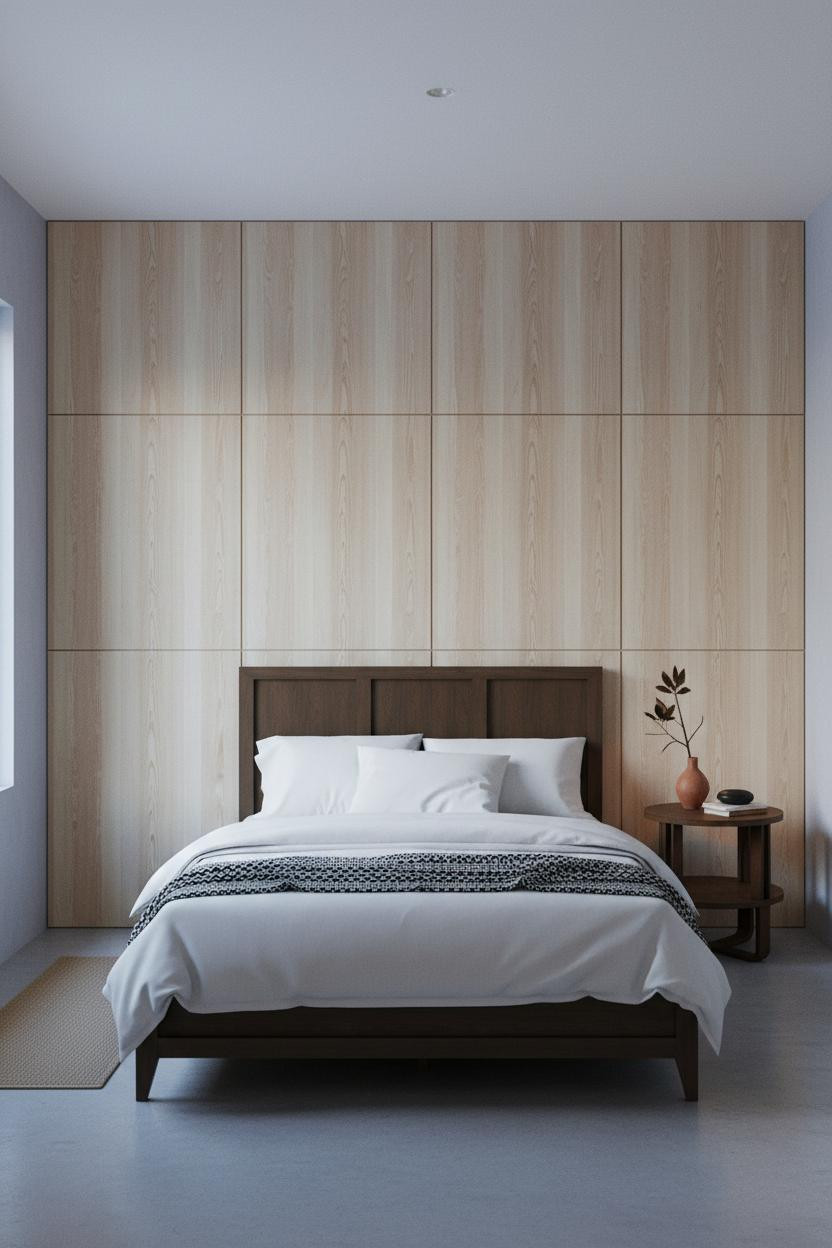
Pale unfinished hinoki board-and-batten running floor to ceiling is the kind of wall treatment you don't fully appreciate until you're standing in front of it. The raw grain under matte oil is what makes it feel grown rather than installed.
And the polished concrete floor underneath is what stops it from reading as a ski lodge. Cool surface, warm wall. That balance is the whole thing.
Tatami-Weave Wall Panels And The Case For Going Low
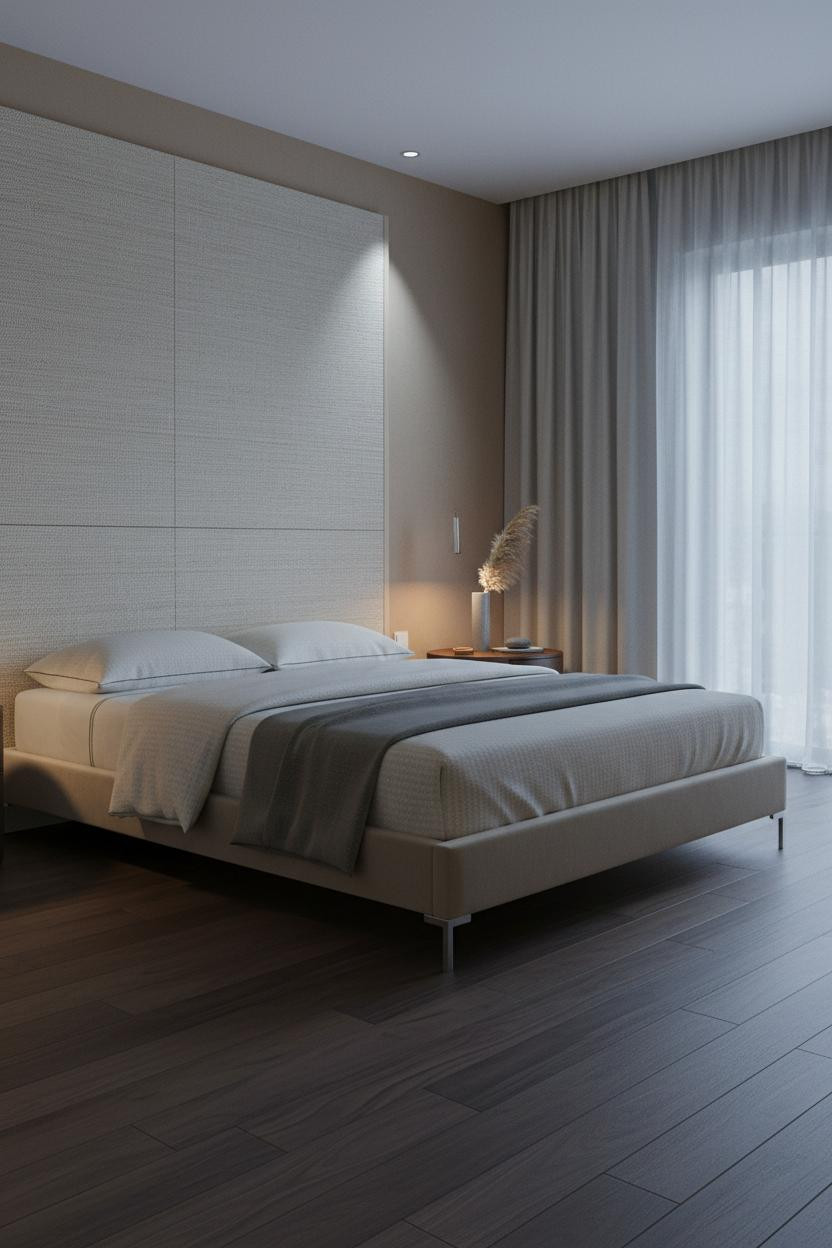
Going lower with the smarter choice here is a low-profile platform bed against a natural rice straw tatami panel wall. The proportions feel borrowed from a traditional Japanese room, in a way that feels grounded rather than themed.
What creates the mood: Dense horizontal weave in the tatami panel catches raking side light and produces shallow ridged shadows, making the wall active without adding any visual weight to the room.
The finishing layer: Undyed linen curtains floor to ceiling frame the window side and echo the natural fiber of the tatami. Two organic materials, same family of tone. Nothing too precious about the pairing.
A Plaster Niche That Earns Its Emptiness
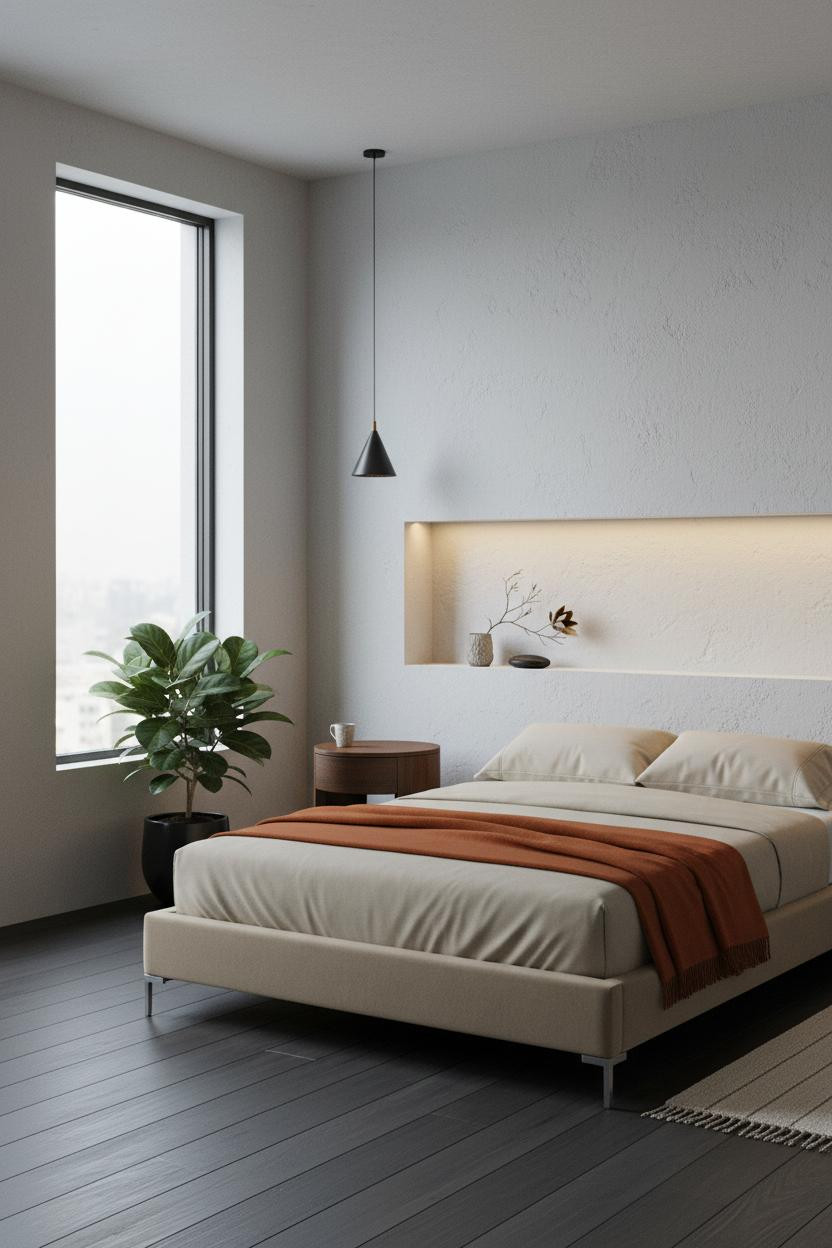
Nothing fancy. That's the point. A single recessed horizontal niche in warm sand plaster does more for a minimal bedroom than a full gallery wall, honestly.
Why it feels expensive: The shallow depth catches raking light and traces the rough plaster grain, so the niche reads as a material detail rather than storage.
What not to do: Don't overcrowd it. One unglazed ceramic cup, a smooth stone, a single dried branch. The niche only works if most of it stays empty. Resist the urge to fill it.
The Built-In Ash Shelf Wall That Replaces Every Other Accent
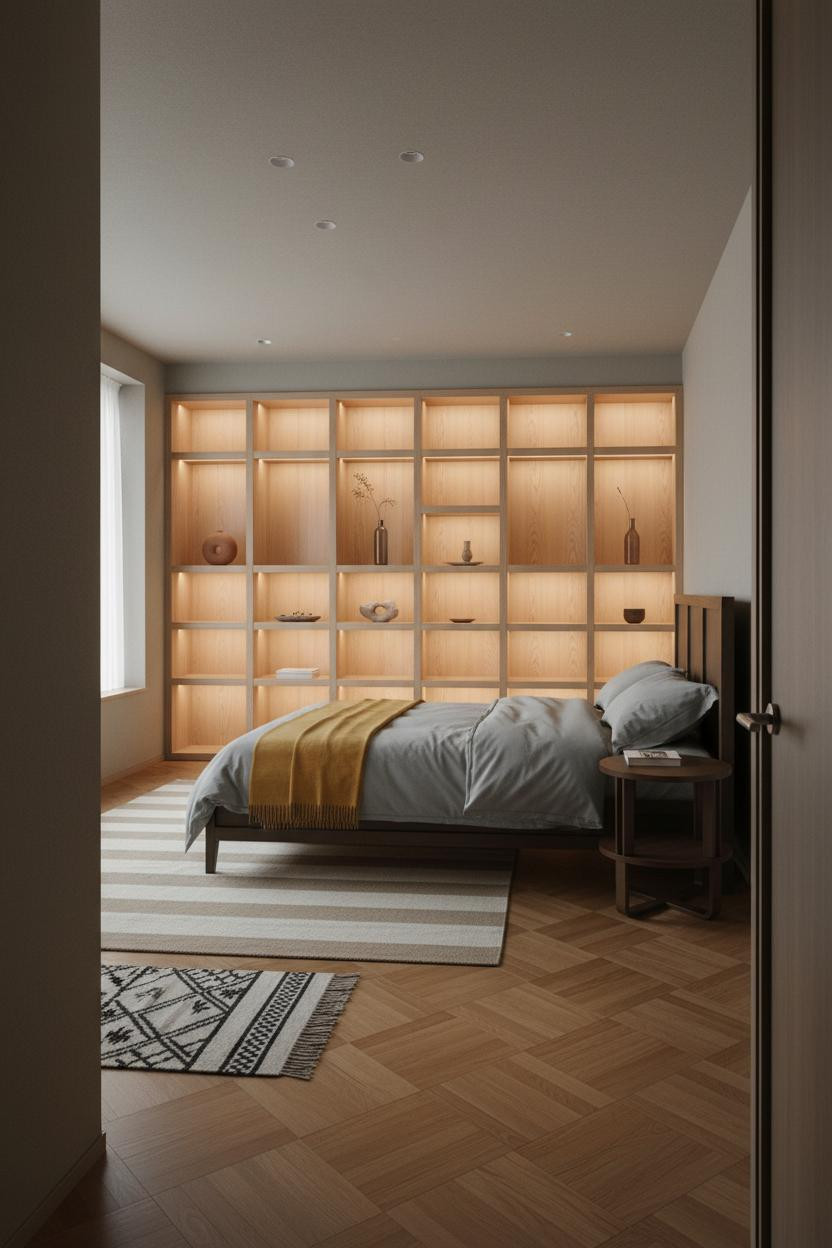
A full-width built-in shelf wall in natural ash with open compartments at varying heights is the kind of thing you only do once. And then you never want anything else on that wall.
The real strength: The negative space between objects is doing as much work as the objects themselves. A terracotta vase, a wooden tray, a single dried stem. Then nothing.
Pair it with minimalist bedroom styling elsewhere in the room. If the shelf wall is the statement, everything else should step back.
Exposed Cedar Beams And The Warmth You Can't Fake
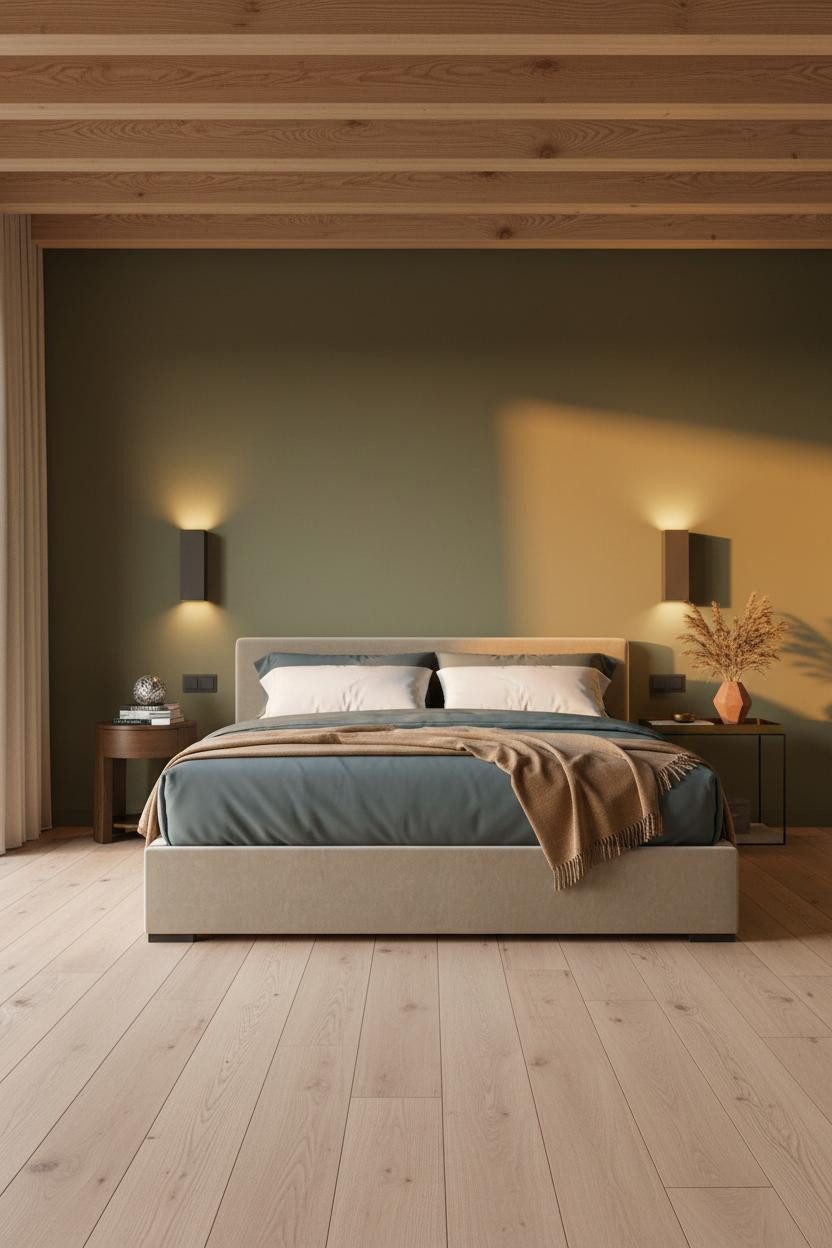

Exposed natural cedar beams running the full width of the ceiling make this the warmest room in this entire article. Late afternoon light raking across raw grain at a low angle does something no wall treatment can replicate.
Why the palette works: Moss green matte plaster sits under the cedar in a way that feels pulled from the Japanese countryside, while bleached oak flooring keeps the room from going too dark.
This works best if the platform bed stays low. The beams need vertical breathing room. Push furniture height up and the ceiling closes in.
Shoji Screens And A Woven Wall Hanging That Earns Its Place
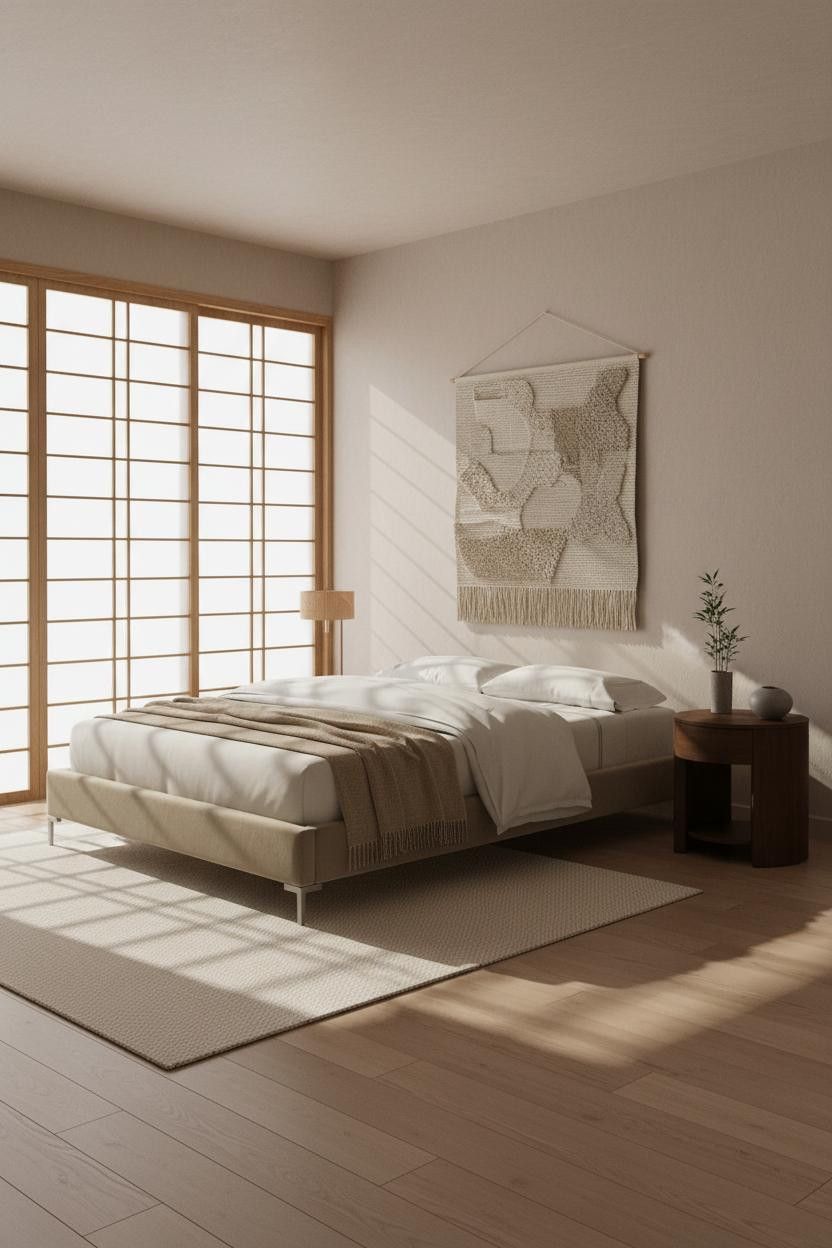
Admittedly, woven wall hangings are everywhere right now. But above a Japandi-inspired low platform bed in front of shoji screens, it's the right call. The organic fiber texture bridges the two materials in a way that feels collected rather than decorated.
What to borrow: Pale mushroom walls and honey-toned wide plank flooring underneath create enough warmth that cream linen bedding doesn't disappear into the room. The tonal range stays narrow. That's why it holds together.
 Our #1 Pick
Saatva Classic Mattress
America's best-selling online luxury innerspring. 365-night trial, lifetime warranty, free white glove delivery.
Shop Saatva Classic
Our #1 Pick
Saatva Classic Mattress
America's best-selling online luxury innerspring. 365-night trial, lifetime warranty, free white glove delivery.
Shop Saatva Classic
The Foundation Of Every Beautiful Bedroom
Every room in this list starts with a surface. A wall treatment, a floor material, a ceiling detail. But none of it matters as much as what you sleep on. And in a Japanese bedroom built around stillness and material honesty, a bad mattress is the loudest thing in the room.
The Saatva Classic is the one I keep recommending. Dual-coil support that holds its structure, a breathable organic cotton cover that doesn't trap heat through the night, and a Euro pillow top that feels genuinely soft without losing the support underneath. It's the kind of bed you notice when you get into it. And stop noticing by morning, which is actually the goal.

The rooms worth pinning are the ones where every choice points in the same direction. Start with the bed. The rest figures itself out.