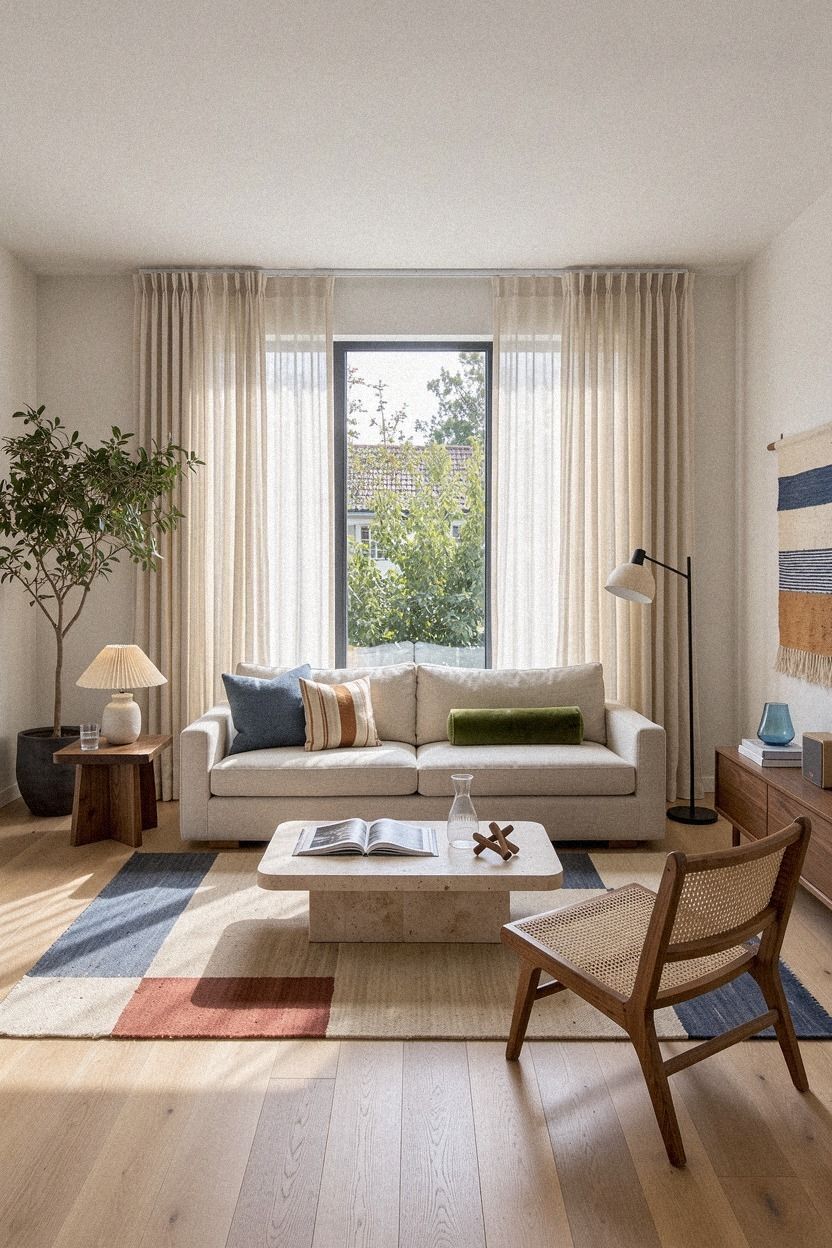
Cozy Solutions for What to Do With the Window Right Behind the Sofa
04 november 2026The best thing to do with the window right behind the sofa is to treat it as a light source, not leftover wall space. I learned that after hanging curtains too low and making the whole room feel cramped. Your sofa can stay there, but the window needs breathing room, texture, and a little strategy.
- Float the Sofa for Better Curtain Ideas Behind the Couch Window
- How Can You Build a Three-Height Light Stack?
- The Full-Panel Vertical Line for a Small Living Room
- Console or Curtain: Which Window Buffer Works Better?
- Use the Two-Wood Rule for Curtain Small Living Room Ideas
- Benjamin Moore Revere Pewter and the Painted Arch
- Should You Choose a Roman Shade Over Heavy Drapes?
- Float a Shelf Above the Sofa, Not Across the Glass
- Sheer Curtains or Blackout Panels?
- Anchor the Sofa on a 9x12 Rug
- Could a Deeper Wall Color Frame the Window?
- A Window Seat Effect With Layered Cushions
- Hang Art Beside the Window Instead of Over It
- Lower Sofa or Tall Sectional: Which Wins?
- Use a Tension Rod for a Rental-Friendly Window
- Can Two Lamps Echo a Narrow Window?
- The Cost of Rebuilding the Wall
- Which Window Treatment Works Best for Your Sofa?
1Float the Sofa for Better Curtain Ideas Behind the Couch Window
Pull your sofa a few inches forward so the window looks intentional rather than blocked. Even a narrow strip of floor behind it helps linen drapes fall naturally from unlacquered brass hardware developing a soft patina instead of bunching against the cushions. That small gap matters!
If your sofa is 35 to 40 inches deep, measure the traffic path before moving it. You’ll want enough room to reach the window, vacuum the baseboard, and open the curtain without climbing over furniture. I prefer a slim gap to forcing the sofa hard against the wall.
I made that mistake once. The room looked tighter, the fabric folded awkwardly, and every cleaning day became annoying. For another small daily reset, you can read this three-minute hybrid meditation routine.
2How Can You Build a Three-Height Light Stack?
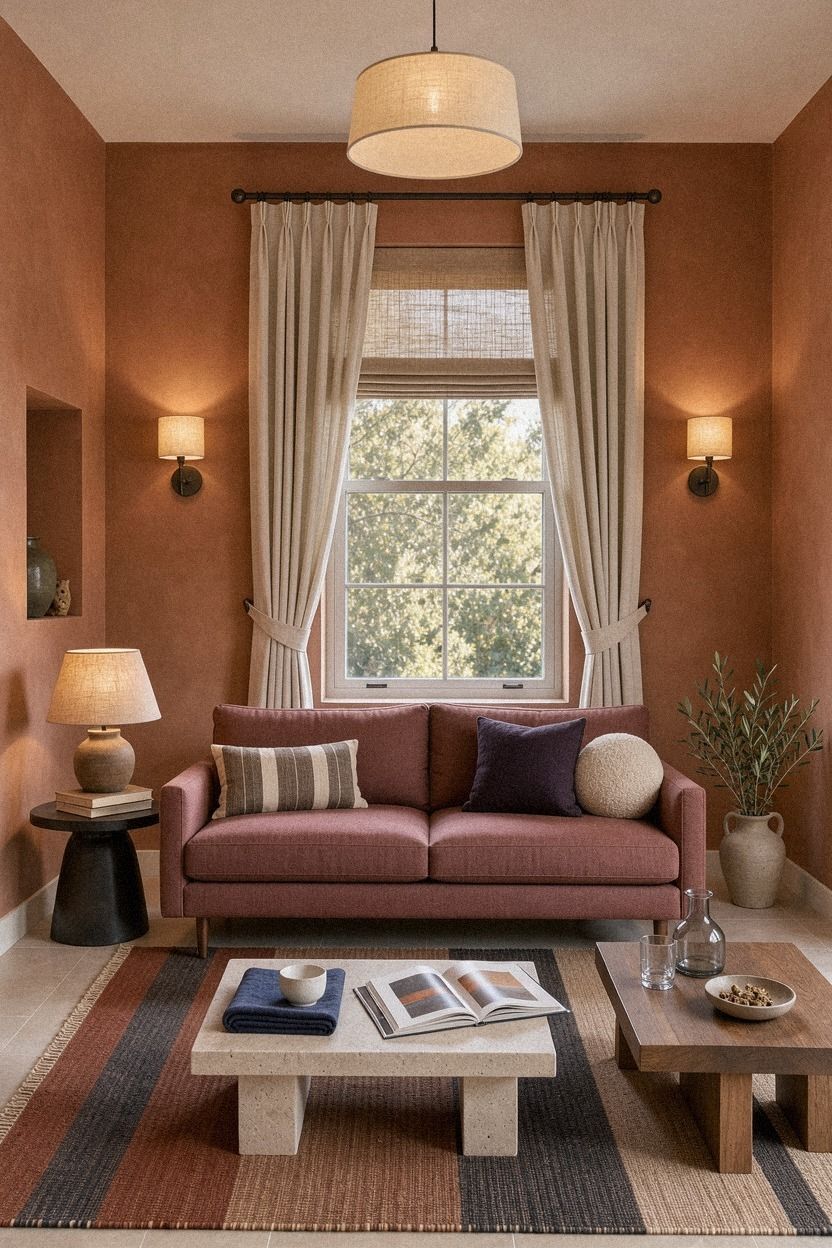
A window behind your sofa can look flat after sunset, especially when the only light comes from the ceiling. Build a three-height light stack instead: a floor lamp near one arm, a table lamp across the room, and a low glow on the coffee table.
Use a terracotta ceramic lamp or a similar stone-toned shape for the middle height. Add an olive floor lamp with a deep-pile mohair velvet shade, then finish with a small rechargeable lamp below eye level. The window will still feel present after dark.
Don’t choose blue-white bulbs here. A warm bulb makes wood, glass, and fabric feel gentle rather than clinical. If you’re adjusting your evening routine too, this gentle shower warmup comparison suits the same wind-down mood.
3The Full-Panel Vertical Line for a Small Living Room
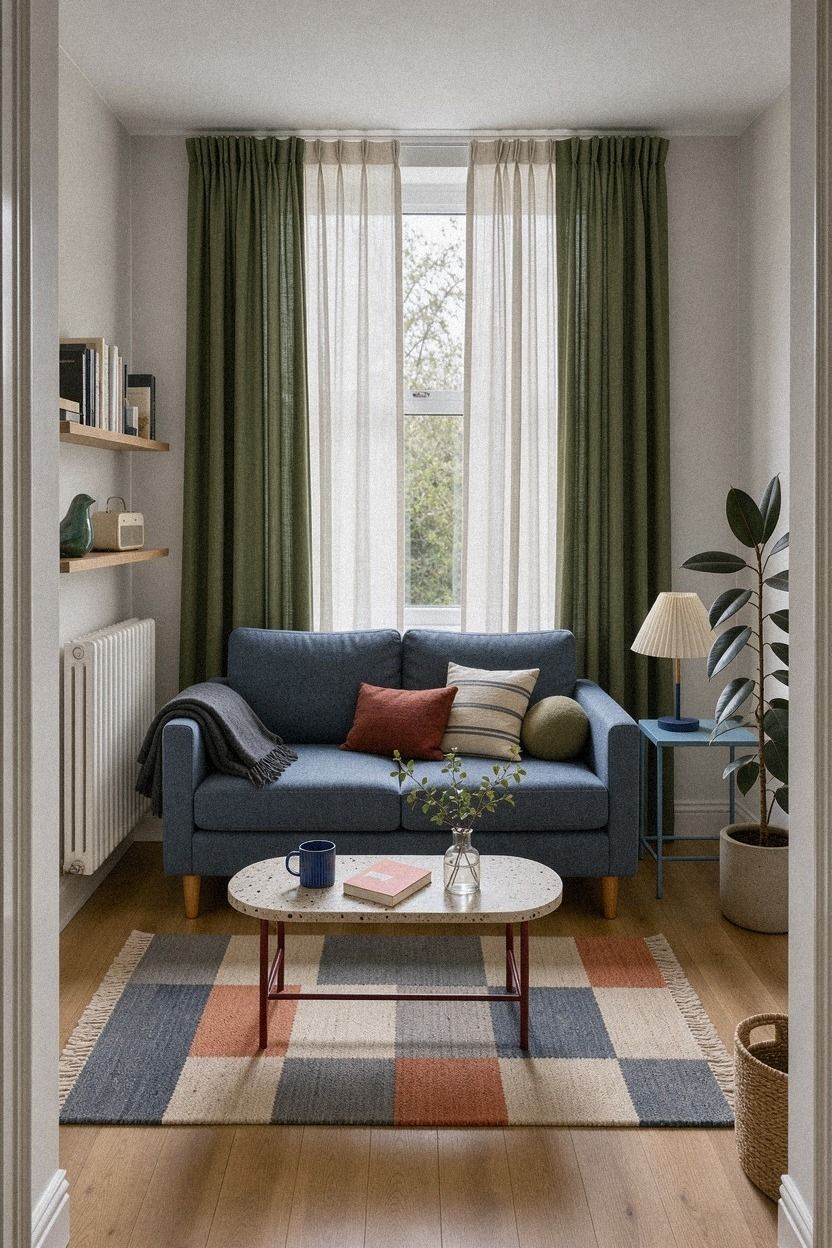
Full-length panels are one of the easiest ways to make a small living room window feel taller. Hang the rod close to the ceiling and let the fabric skim the floor. Your eye will read the wall as one continuous vertical plane.
I’d skip short café curtains behind a sofa unless the window sits above a deep sill. They can look charming in a kitchen, but they often create a chopped-up line beside seating. A clay-toned wall with hand-applied Venetian plaster can make ivory panels look richer.
Check the stack-back before buying fabric. If the panels bunch heavily on both sides, they may cover too much glass when open.
A lighter cotton-linen blend keeps more daylight in the room. For a related sensory detail, see why scent memories can last for decades.
4Console or Curtain: Which Window Buffer Works Better?
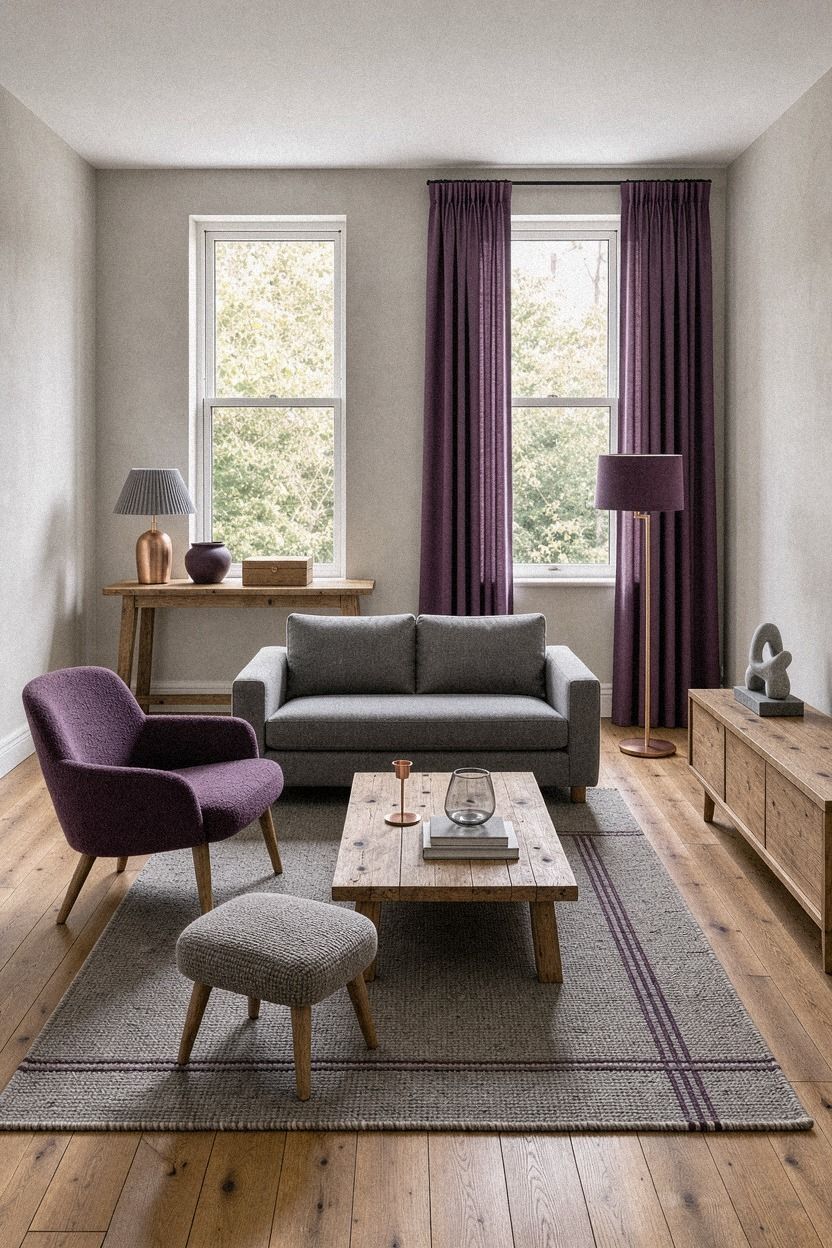
A slim console behind the sofa gives the window a visual buffer and creates a place for lamps, books, and one meaningful object. Choose a piece no deeper than 10 to 12 inches if your room is tight. You’ll get function without creating a furniture traffic jam.
The reclaimed weathered teak console works when you need baskets below, but I prefer a simple version with open legs when the window already has substantial trim. Its naturally worn surface brings warmth to cool glass and painted walls.
Don’t fill the console from end to end. Leave some open space so your eye can travel from the sofa to the window.
One ceramic lamp, two stacked books, and a low bowl may be enough. You can also browse this warm-up routine for the first mile for another habit built around pacing.
5Use the Two-Wood Rule for Curtain Small Living Room Ideas
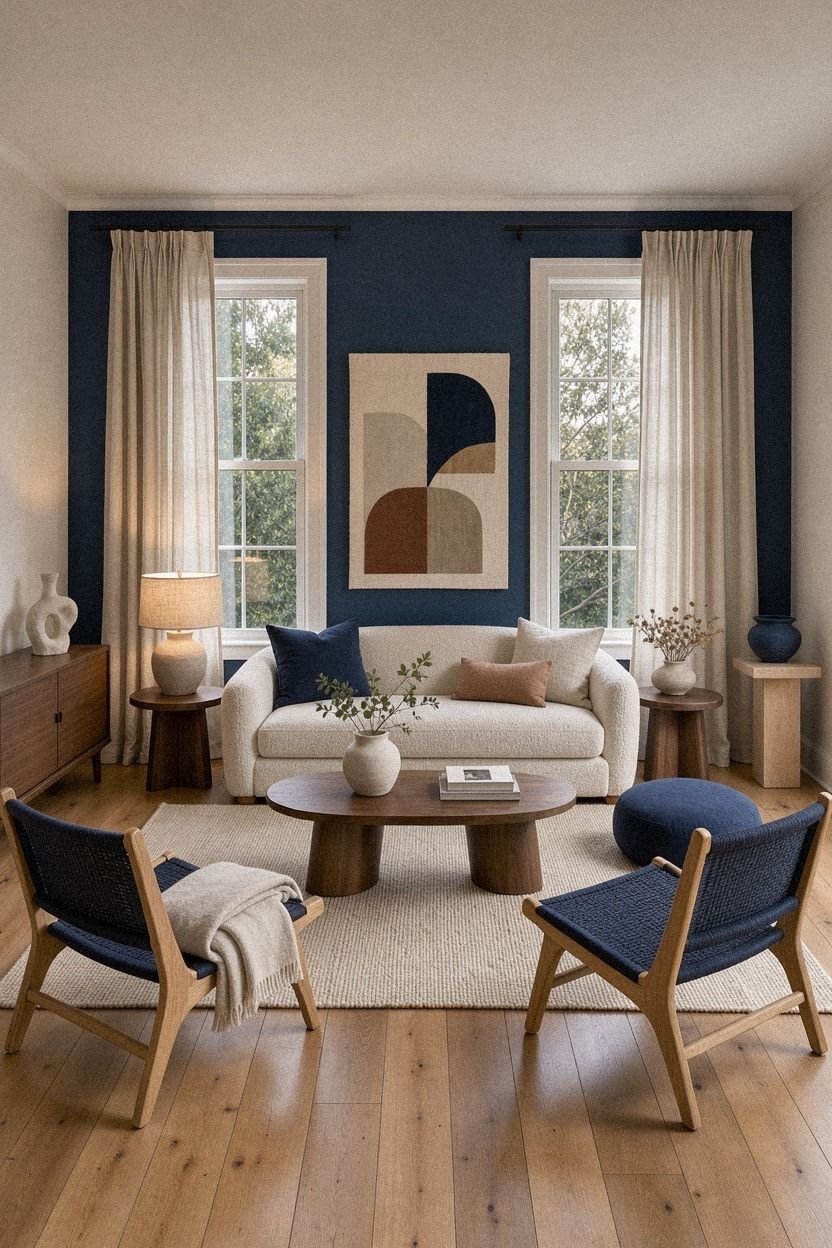
When the window sits behind your sofa, too many wood tones can make the wall feel busy.
6Benjamin Moore Revere Pewter and the Painted Arch
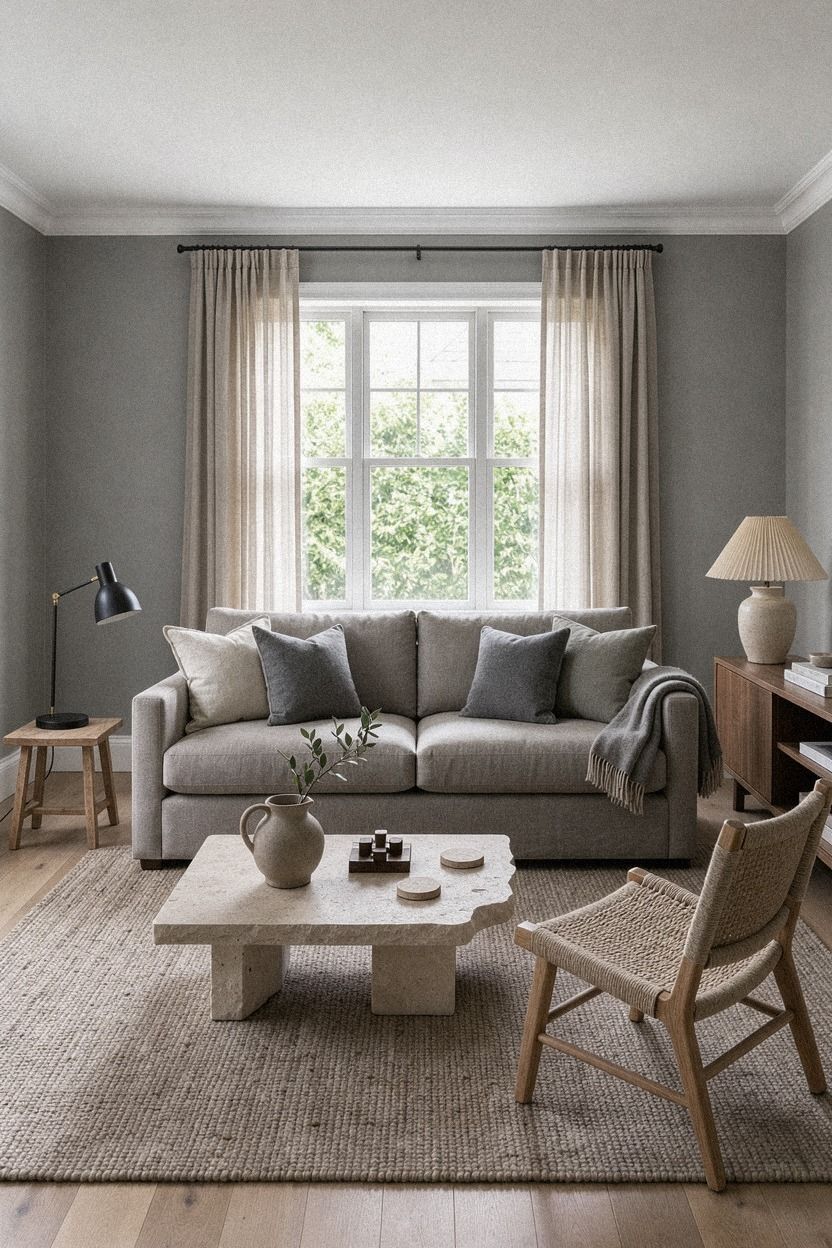
A painted arch around the window can create a focal point without adding shelves or furniture. Make the arch wide enough to relate to the sofa, not just the glass. A six- to ten-inch border beyond the trim usually feels more deliberate than a tiny outline.
I like Benjamin Moore Essex Green HC-188 for this move because it adds depth without competing with patterned curtains. If your sofa is cream, use a slightly softer version of the same family. The paint catches changing daylight in a way flat white rarely does.
This idea works well in a rental-inspired room if you’re willing to repaint later. You’ll need painter’s tape and patience around the curve, but the line doesn’t need to be mathematically perfect.
A handmade edge can feel more inviting beside cerused white oak or a linen sofa. It feels more architectural!
7Should You Choose a Roman Shade Over Heavy Drapes?
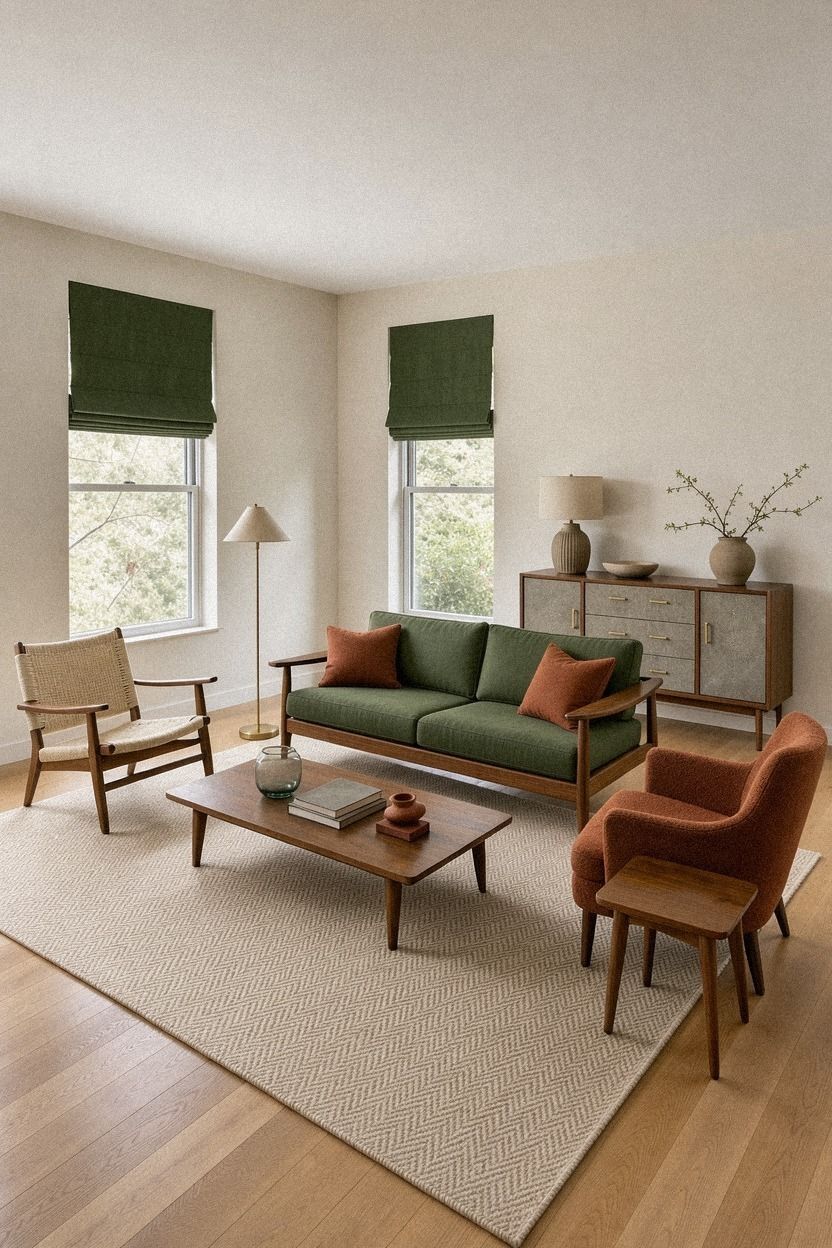
A Roman shade keeps the area behind your sofa clean when full panels would crowd the room. Choose an inside-mount shade if your trim is deep and attractive, or an outside-mount version when you need to make the window look wider.
The best fabric depends on the amount of light. Forest-green shagreen can work on a small, bright window, while a woven linen shade is better for a larger opening. I’d avoid a high-contrast geometric print because the sofa and shade sit too close together.
You’re looking for texture more than decoration. A shagreen accent can soften hard light, while natural oak adds an earthy layer.
If you’re worried about the room becoming too quiet, add contrast through one rust pillow instead of another window pattern. This familiar-scent story pairs nicely with the idea of subtle repetition.
8Float a Shelf Above the Sofa, Not Across the Glass
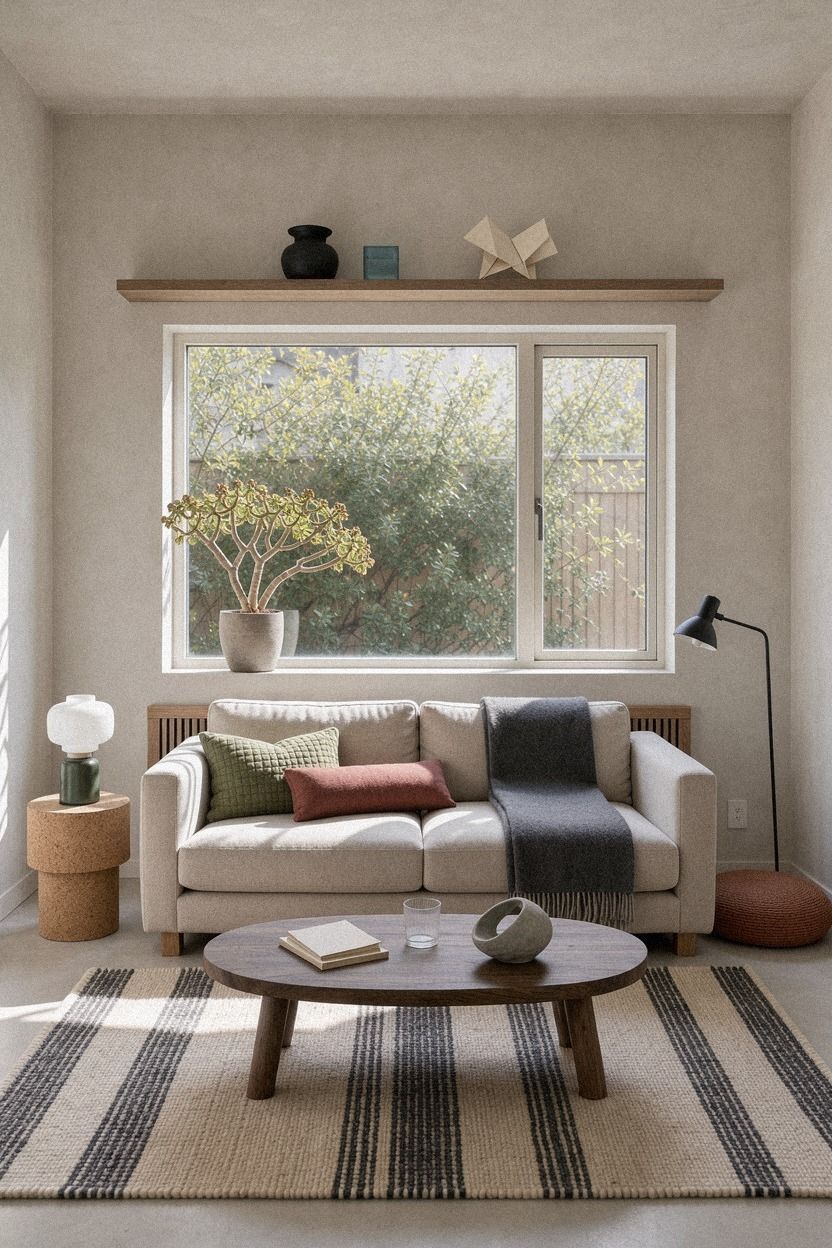
A shallow shelf above the sofa can connect the seating wall to the window without blocking the view. Keep it several inches above the sofa back, then stop it before the window trim begins. You’ll create a visual bridge while allowing daylight to remain the main feature.
Choose unlacquered brass brackets with a book-matched walnut shelf if the room needs warmth. Place a low ceramic vessel, one framed print, and a small trailing plant on top. Your shelf should have breathing room because crowded objects will make the entire wall feel shorter.
Don’t hang the shelf so low that you’ll bump it when standing. A shelf depth of 6 to 8 inches is usually enough for small objects without becoming a head-level hazard.
I once styled one at the wrong height and spent a week ducking under it. For another practical read, see this short perfume-and-memory piece.

9Sheer Curtains or Blackout Panels?
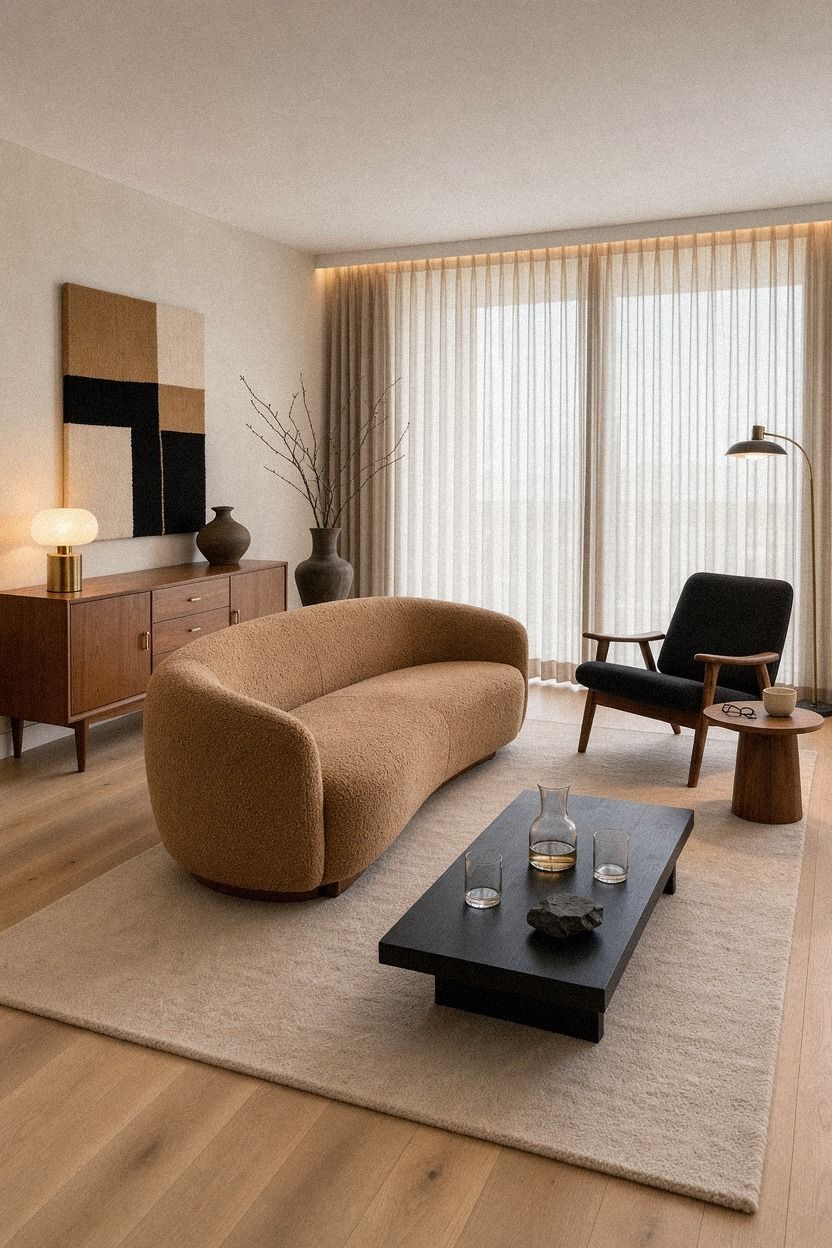
If your sofa sits in front of a bright window, sheer curtains can soften the glare while a second layer handles privacy. Mount both tracks high and wide, then keep the heavier fabric toward the outer edge.
Use warm-white voile with a camel blackout panel rather than stark white with charcoal. That pairing stays calming when sunlight hits the fabric, and it avoids the harsh stripe that appears when a dark panel sits directly against a bright window.
I’d skip thermal curtains with a glossy finish. They can block light, but they often look stiff and make the sofa feel boxed in. A room-darkening cotton canvas with an organic bouclé texture has a softer fall and still gives you practical privacy.
If you’re sensitive to visual clutter, this three-minute meditation approach supports the same less-but-better instinct.
10Anchor the Sofa on a 9x12 Rug
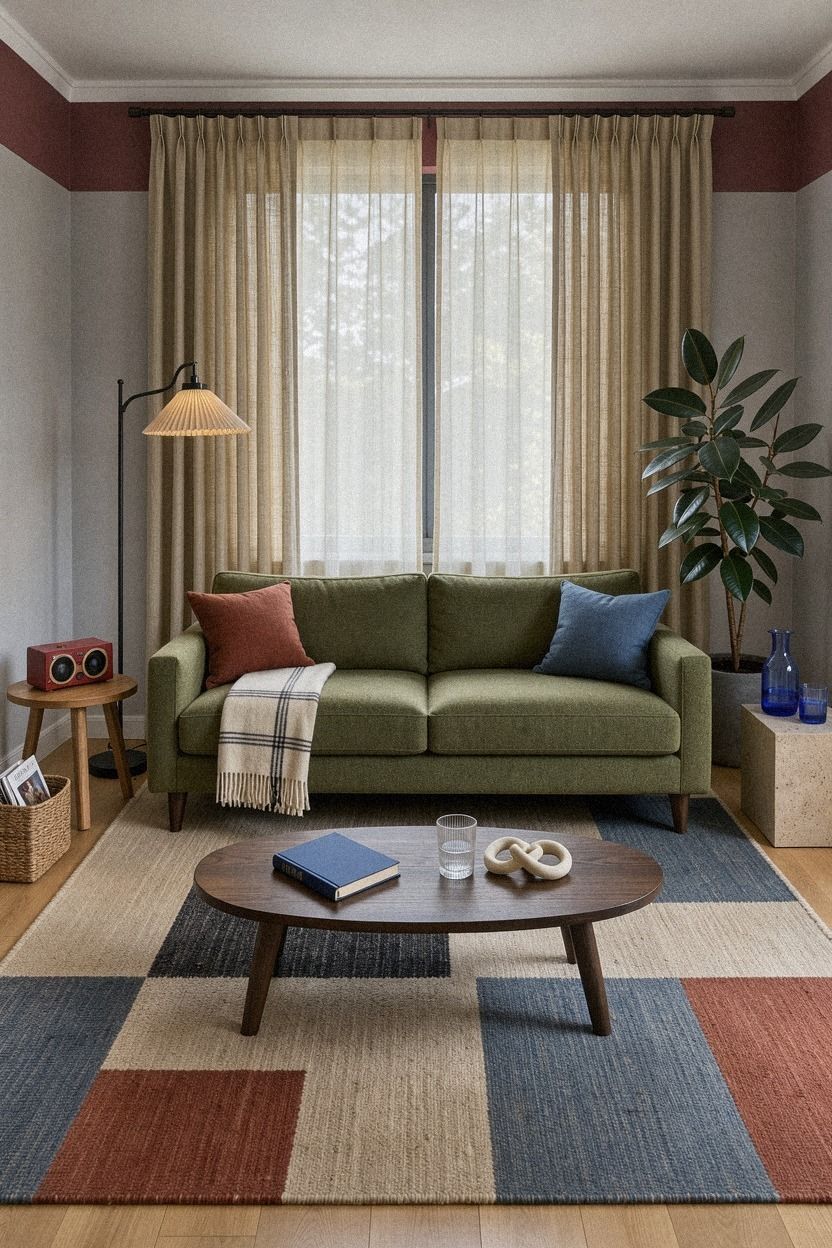
A large rug can solve the disconnected look created by a sofa sitting in front of a window. Place at least the front legs of the sofa on the rug, and choose an 8x10 or 9x12 size when your room allows it.
A flat-woven wool rug with variations in midnight blue, copper, and ivory gives the window a grounded partner. I’d skip a tiny rug that only reaches the coffee table. It will make the sofa look stranded, and the window will feel even more dominant.
The coffee table should sit about 16 to 18 inches tall, close to the sofa seat height. You’ll want enough room for a book and a drink without stretching forward.
I’ve tried the oversized coffee-table look, and it made the walkway feel pinched. A wool rug absorbs echo and makes the room feel softer.
For another movement-based reset, read this first-mile running story.
11Could a Deeper Wall Color Frame the Window?
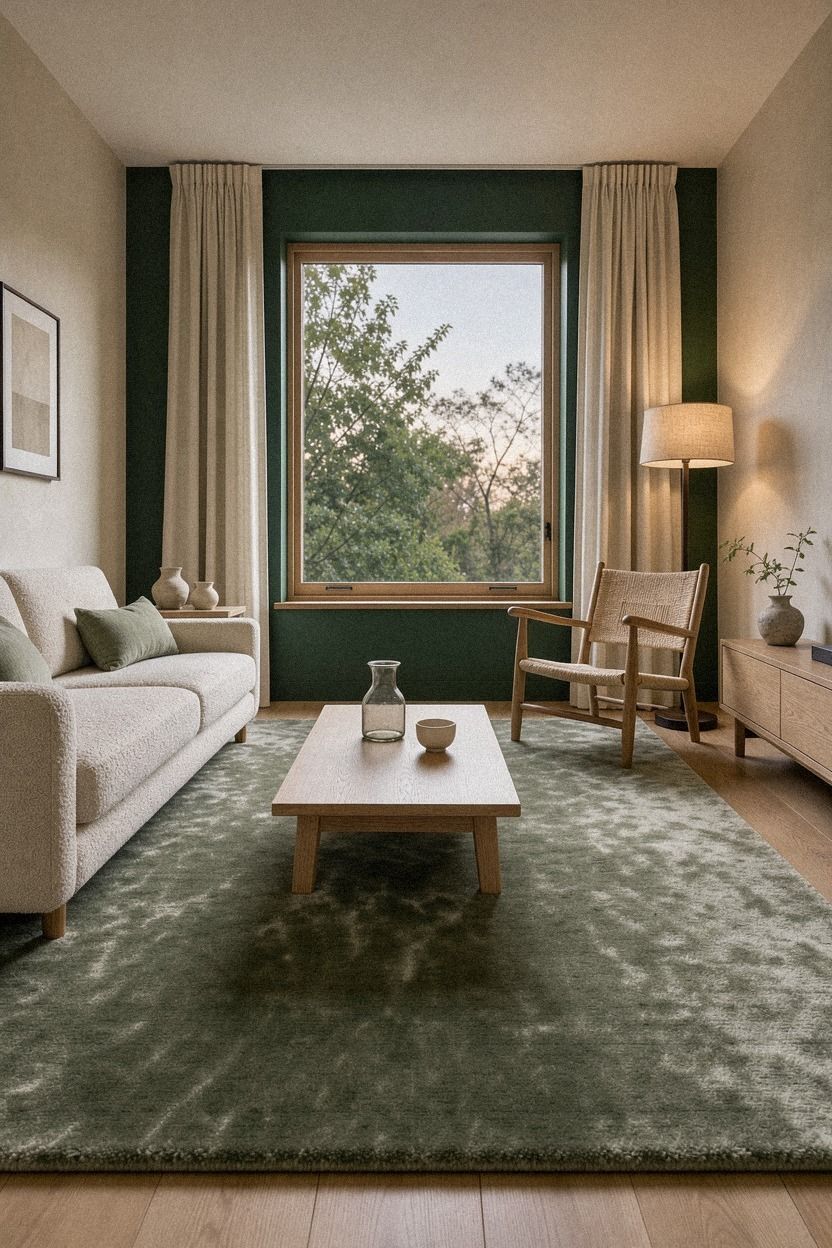
A deeper wall color can make the window feel framed instead of exposed.
12A Window Seat Effect With Layered Cushions

You don’t need a built-in bench to create a window-seat feeling. Place a narrow upholstered bench behind one end of the sofa, or use a low storage ottoman beneath the sill if space allows. Your room will gain a second perch without blocking the main seating position.
Let a hand-applied Venetian plaster wall provide the main texture, then layer a woven linen lumbar pillow on the bench. The contrast gives the window area a gentle, lived-in quality. I’d skip matching cushions across the sofa and bench because identical fabric can make the pieces look like a showroom set.
A Target Threshold storage ottoman is useful when you need hidden blankets, but check its height before buying. The window sill and sofa back should still read as separate lines. If you’re styling for fall, one wool throw is enough.
More than that can hide the furniture and make the light feel heavy. This memory-and-scent article fits the same layered approach.
13Hang Art Beside the Window Instead of Over It
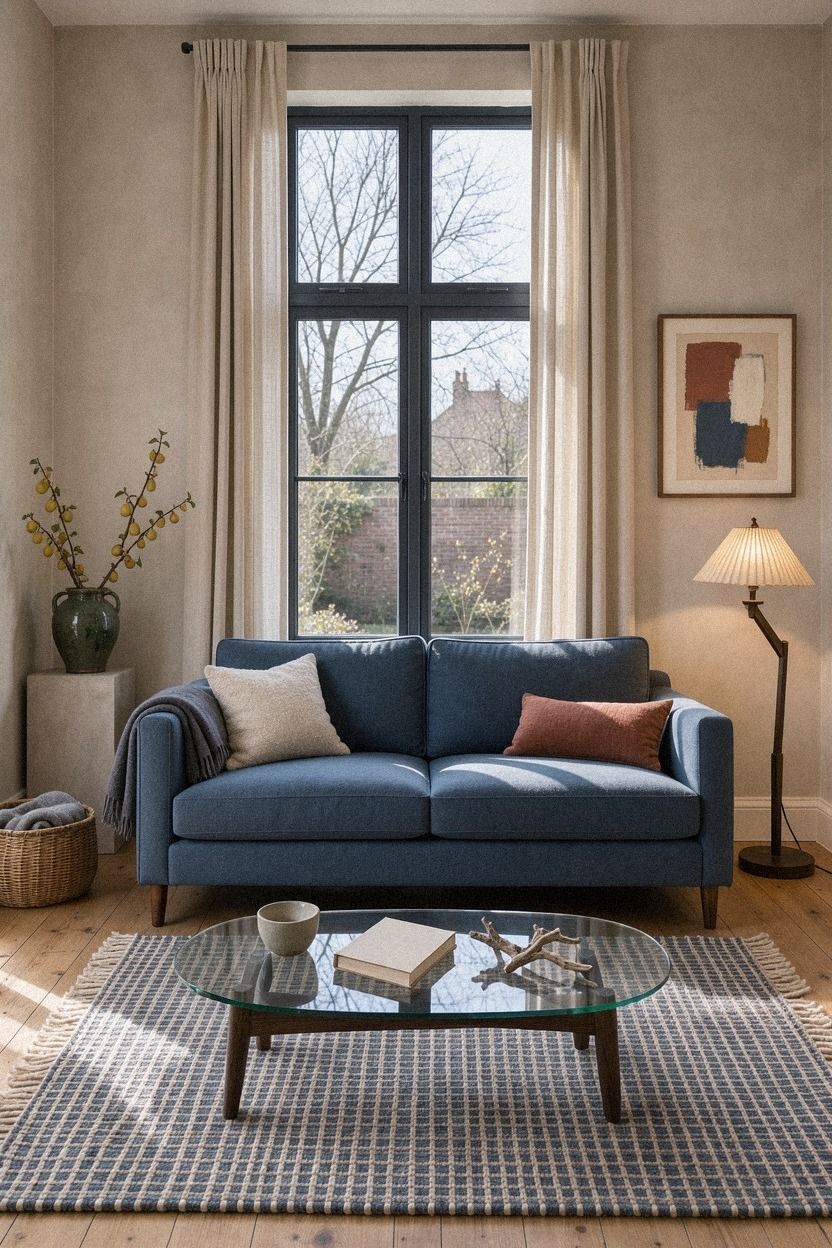
When the sofa blocks the lower glass, the wall beside the window becomes valuable. Hang one large piece of art on the adjacent wall rather than squeezing a small frame above the sofa. You’ll create balance without interrupting the window’s vertical shape.
Choose a clay-toned abstract print with a linen texture and an aged-brass frame. Your art should share one color with the curtains, but it doesn’t need to match them. I’d avoid shiny glass because it can throw bright reflections across the room.
Measure from the sofa arm, not only from the floor. You’ll want the artwork to feel connected to the seating while keeping enough breathing space around the trim.
A two- to three-inch gap between nearby frames can look intentional, but a crowded corner won’t. For a different visual pause, read this perfume-and-memory article.
14Lower Sofa or Tall Sectional: Which Wins?
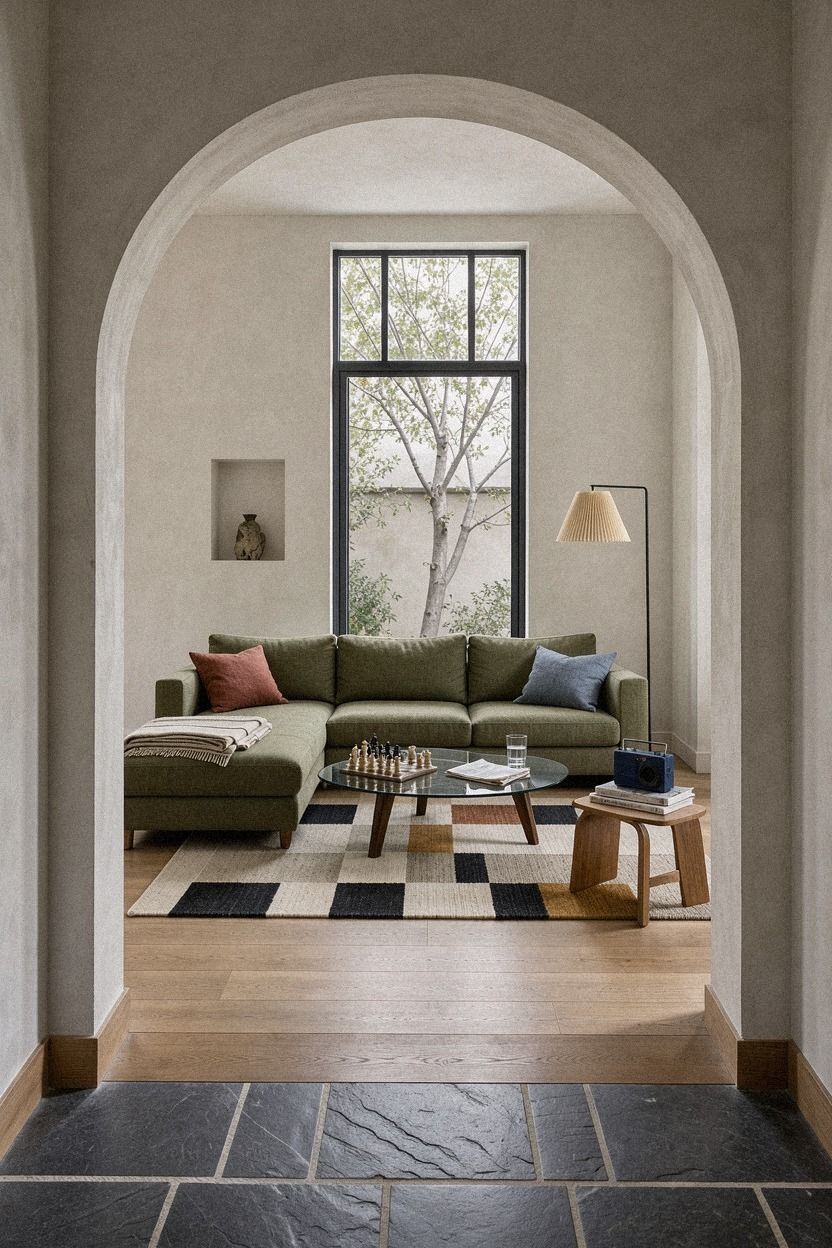
If the back of your sofa covers most of the window, a lower profile can change the entire room. Look for a sofa back that sits below the lower third of the glass, then let the curtains or shade finish the composition.
A low-profile sofa in washed Belgian linen works well where the window needs to stay visible. I’d skip an extra-tall sectional unless you have a very wide opening. The back can create a heavy horizontal wall across the glass.
Add one narrow side table, a warm lamp, and a small plant with broad leaves. The plant’s shadow will move across the wall during the day, giving the corner an organic quality.
For a reset that starts with movement, see this first-mile running story. The change can be dramatic!
15Use a Tension Rod for a Rental-Friendly Window
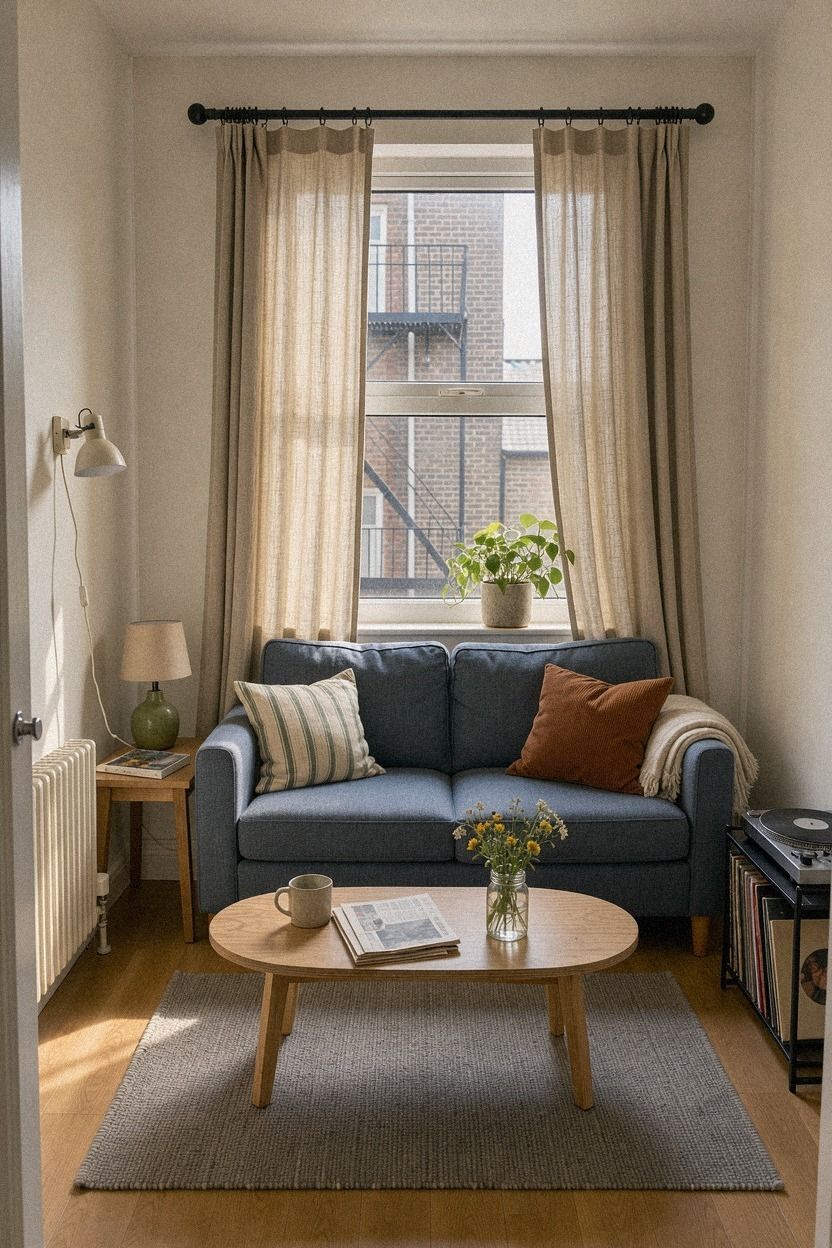
A tension rod lets you add fabric without drilling into the wall. It’s especially useful when your sofa sits directly below a small window and you need privacy at night. Choose a lightweight panel, then keep the rod inside the frame.
Use washable cotton gauze or a light linen-look panel rather than thick velvet. The tension hardware needs to support the fabric without slipping, and lighter material will keep the window bright. You’ll get a soft layer that can come down with you when you move.
If you’re renting, removable hooks can support a narrow decorative rod when the wall finish allows it. I’d avoid peel-and-stick wallpaper directly behind the sofa unless you’ve tested a small patch first. For a slower decision-making ritual, revisit this three-minute hybrid practice.
16Can Two Lamps Echo a Narrow Window?
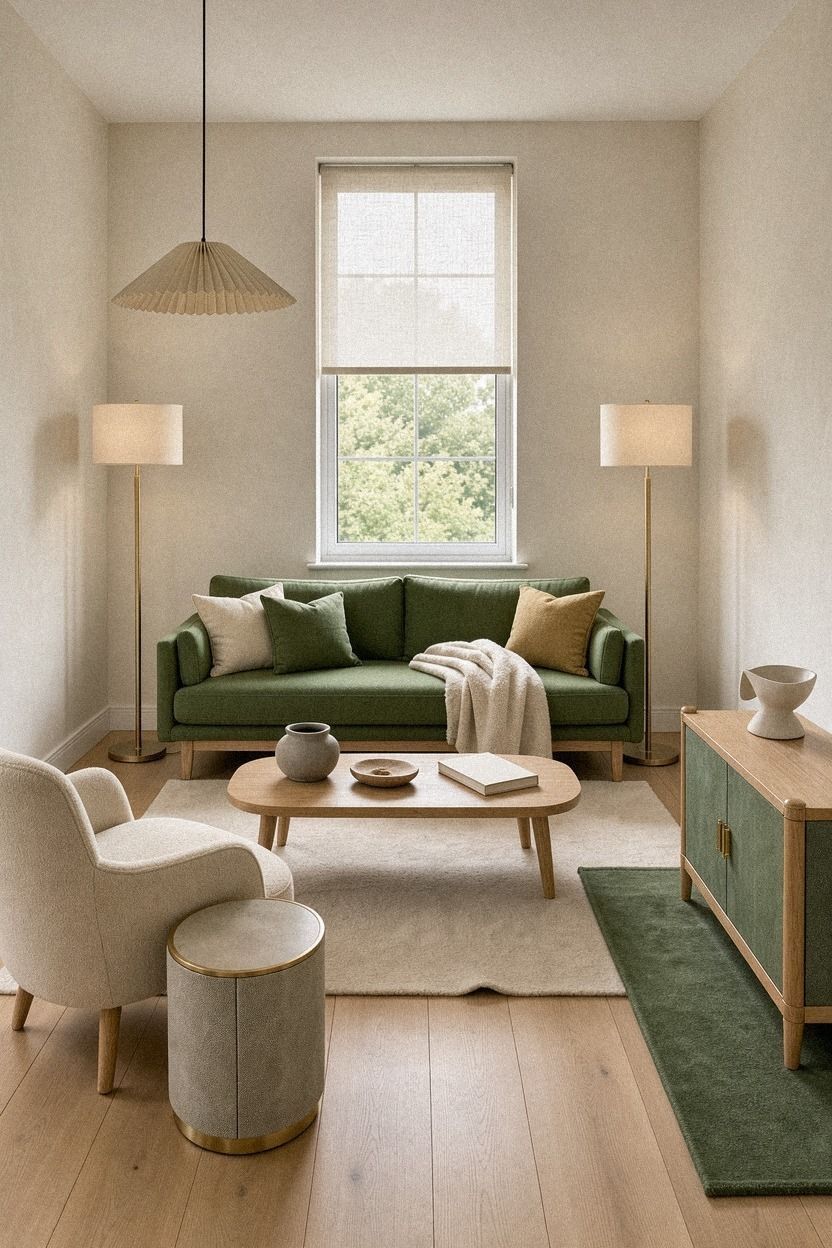
Two lamps can make a window behind the sofa feel balanced even when the opening itself is narrow.
17The Cost of Rebuilding the Wall
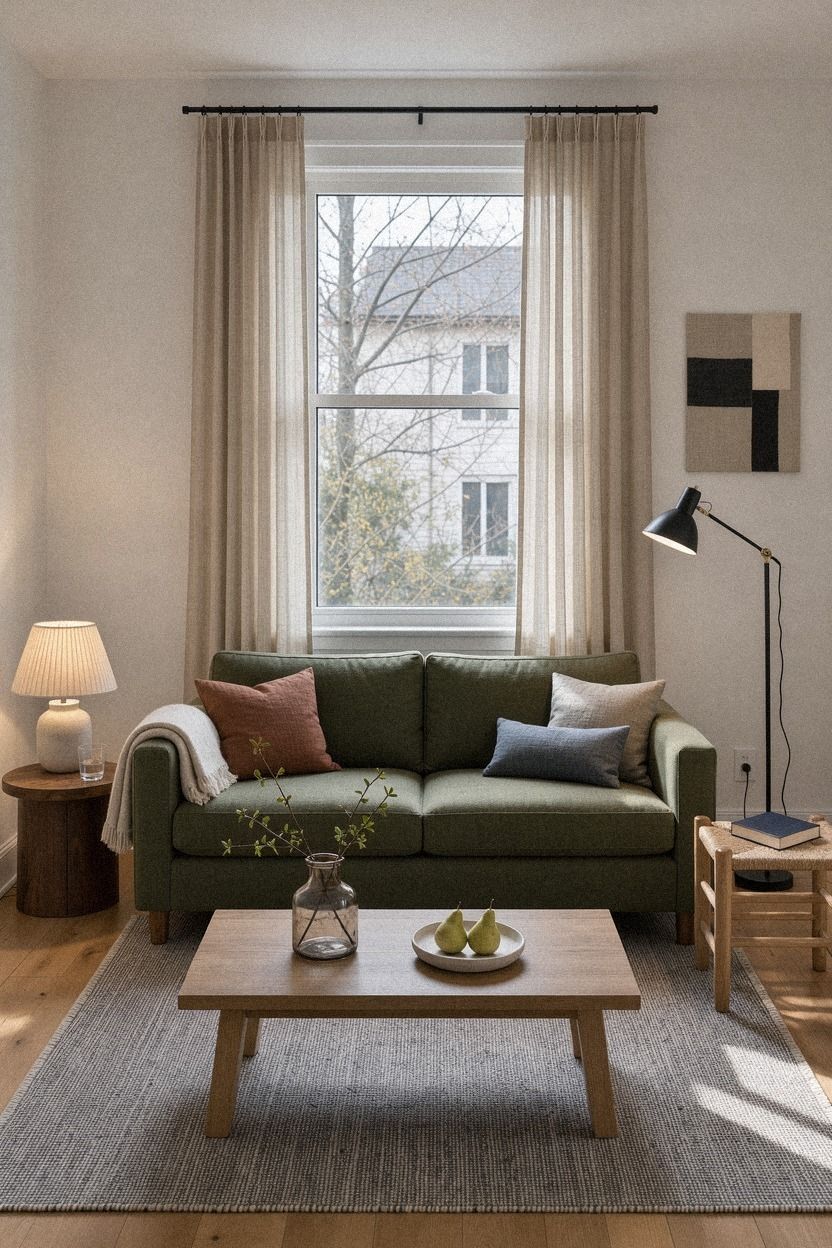
Sometimes the best solution is fabric, paint, and better placement. Sometimes your window needs new furniture or built-in millwork. Price the whole visual direction before buying small pieces because a collection of inexpensive fixes can cost more than one strong change.
Here are typical US living room ranges for the larger decision. A performance-fabric sofa can run from $1,200 to $4,000, while a wool 9x12 rug often lands between $600 and $2,500. Those numbers make a curtain refresh appealing when your sofa is still comfortable.
You don’t need to spend at the high tier to make the window work. Start with the sofa position, a rug that reaches the front legs, and one light-filtering layer. For another article about building a consistent routine, visit this three-minute warm-up comparison.
18Which Window Treatment Works Best for Your Sofa?
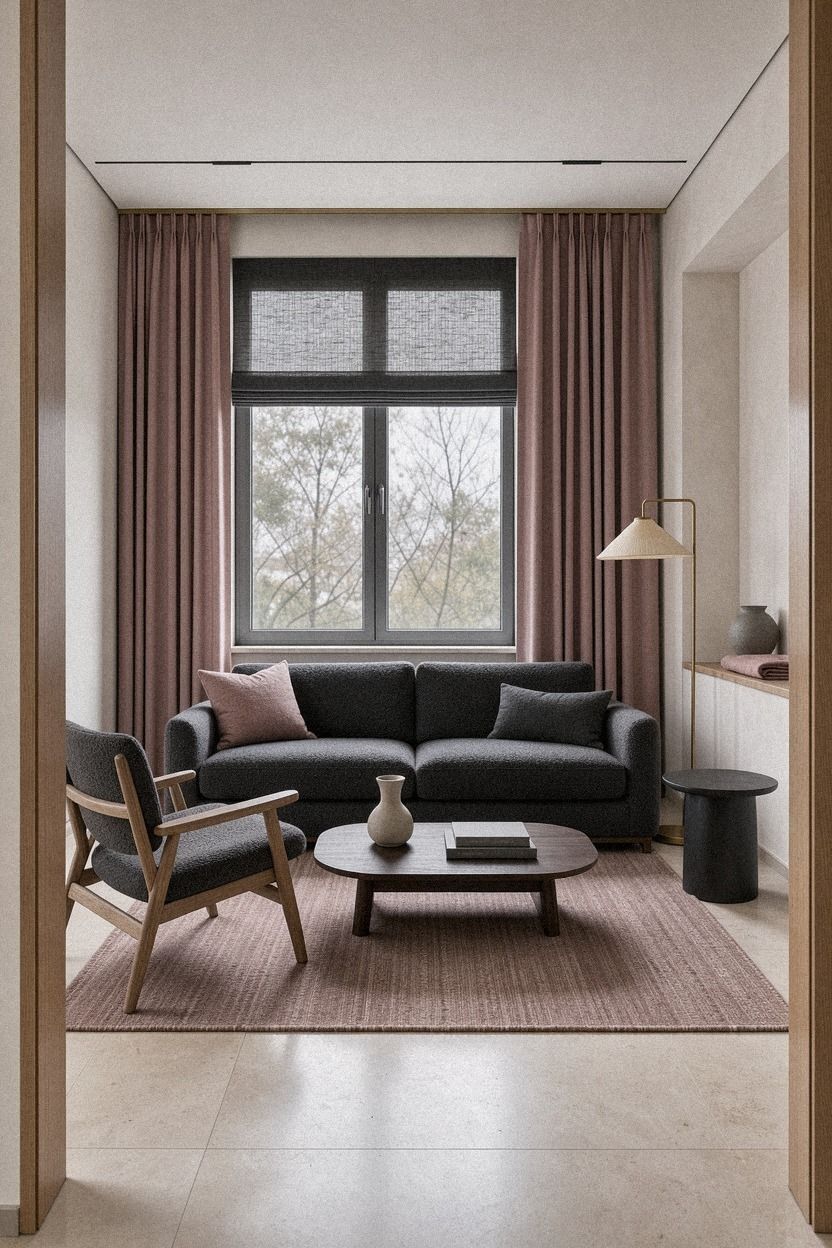
The right treatment depends on how much glass you have, how close the sofa sits, and whether you need privacy.
What I’d Avoid Behind a Sofa
I’ve tried enough window arrangements to know that the most expensive-looking choice isn’t always the one that works. A sofa pushed hard against the glass, short curtains stopping at the sill, and three competing patterns can make a living room feel tense before you’ve added a single decorative object.
The fix usually starts with distance, not shopping. Give the window a little air, then decide whether you need privacy, light control, height, or storage. Those are different problems, and one treatment rarely solves all four.
My strongest preference is for full-length fabric when the wall allows it. Curtains soften the hard edge of the window, hide uneven trim, and give your room a gentle vertical line. I’d choose a plain linen blend over a busy print almost every time, especially if the sofa already has texture.
A print can work, but it needs to repeat one color from the rug or artwork, or it will feel stranded. The same goes for accessories. One aged-brass accent can warm the corner; five different finishes will make it feel undecided.
The mistake I still see is treating the window as a backdrop for the sofa instead of part of the seating plan. Your eye should move from sofa to light to rug, then back again. That rhythm is why a narrow console, a warm lamp, or a low shade can matter more than a wall full of objects.
The Questions I Get Asked Most
What is the best What to Do With the Window Right Behind the Sofa for a small living room?
Full-length linen panels or a slim Roman shade usually work best. They add height without bulk, especially when your sofa has a low back. An IKEA KALLAX console or Article Sven side table can add function, but leave enough space for the window to open.
Where can I buy What to Do With the Window Right Behind the Sofa pieces on a budget?
Look at IKEA, Wayfair, and Target first, then check Facebook Marketplace or a local thrift store for consoles and lamps. You’ll often find better wood and older construction second-hand. Choose based on dimensions and condition rather than the label.
How much does a What to Do With the Window Right Behind the Sofa makeover cost?
A small refresh usually runs about $100 to $300 when you reuse the sofa and add paint, curtains, or lamps. A larger living room update can reach the budget range of $300 to $1,200. Your existing rug and furniture may keep the cost lower.
Can I create a What to Do With the Window Right Behind the Sofa on a budget?
Yes, and you can begin without buying anything. Pull the sofa forward, rearrange lamps, and move a large rug so the front legs sit on it. Then look for washable cotton panels, thrifted frames, or a second-hand console before buying new furniture.
Is a What to Do With the Window Right Behind the Sofa worth it in a small space?
Yes, because a sofa in front of a window can save wall space while keeping the room open. Choose a low sofa, a narrow rug, and a light-filtering shade. Your small room will feel more comfortable when the window remains visually connected to the seating.
Is What to Do With the Window Right Behind the Sofa a good idea for a rental?
Yes. Use a tension rod, removable hooks, lightweight curtains, and a freestanding console. You can also try removable paint only after testing the wall finish.
The easiest rental change is often better furniture placement, because it leaves no holes and costs nothing.
Where I’d Start First
If I had to pick one, I’d start with full-length linen curtains. They solve the height problem, soften the glass, and make a sofa that’s too close to the window look intentional.
Then I’d pull the sofa forward, check the walkway, and place the front legs on a properly sized rug. Those changes establish the room before you spend money on lamps, art, or a console.
Pin the idea for later, measure the rod height, and check the curtain stack-back before buying fabric. Start there!


