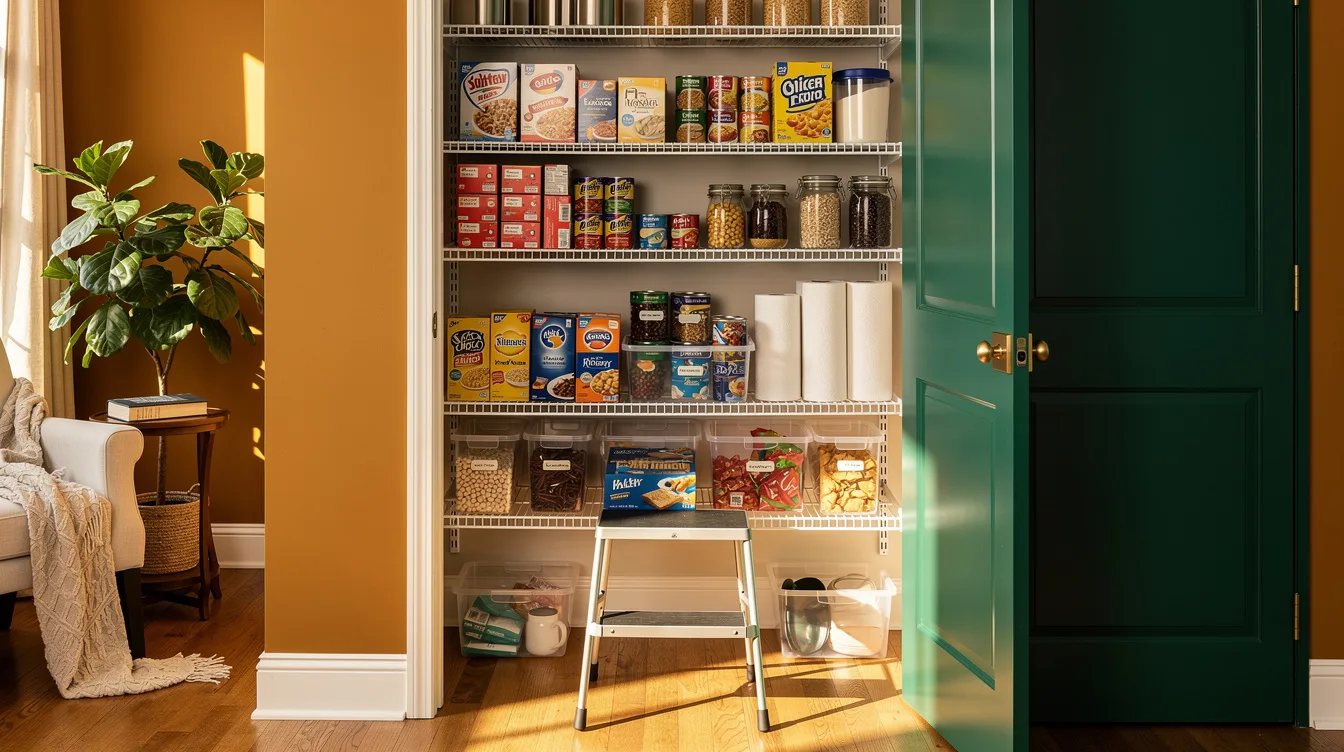
Your Reach-In Closet Is Wasting Space: 13 Container Store Elfa Kits
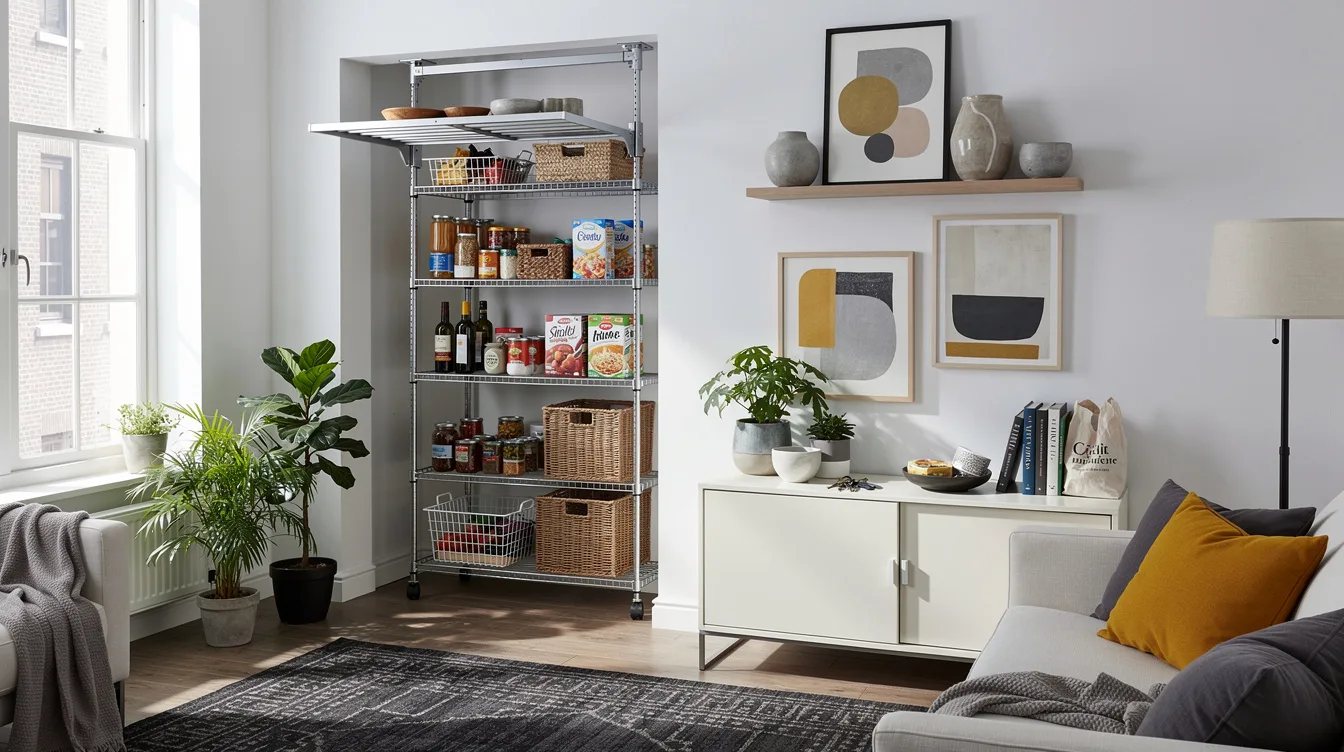
02 november 2026A 48-inch reach-in closet can hold a serious pantry, but the wrong Elfa package can push a modest project far past its limit. The Container Store’s Elfa Classic 4' Pantry Kit is listed at 48 inches wide by 12 inches deep by 84 inches high.
Retailer listings place it at about $330 to $350, with one promotional listing at $247.49. The smart approach is to plan around $350, then make the remaining budget work for the shelves that solve your actual storage problems.
What you will find inside
- Measure for the 48-Inch Footprint
- Choose the Pantry Kit by Name
- Set a $350 Planning Allowance
- Keep Daily Foods at Eye Level
- Use the 12-Inch Depth for Visibility
- Move Heavy Cans to the Lower Zone
- Reserve Upper Shelves for Backstock
- Reuse Baskets Before Buying More
- Add One Repeated Bin Style
- Line Only the Small-Item Shelves
- Skip the 6-Foot Closet Starter
- Keep Installation Inside the Ceiling
- Request Custom Design With a Cap
Measure for the 48-Inch Footprint
Start with the clear wall width, depth, and height of the reach-in closet before opening a shopping cart. The Elfa Classic 4' Pantry Kit is listed at 48 inches wide by 12 inches deep by 84 inches high, so an opening that measures exactly 48 inches leaves no practical room for tolerance.
Check baseboards, door trim, outlets, and the door swing as well. A tape measure and a simple sketch can prevent an expensive mismatch, especially when the closet wall looks wider from the hallway than it is inside.
Choose the Pantry Kit by Name
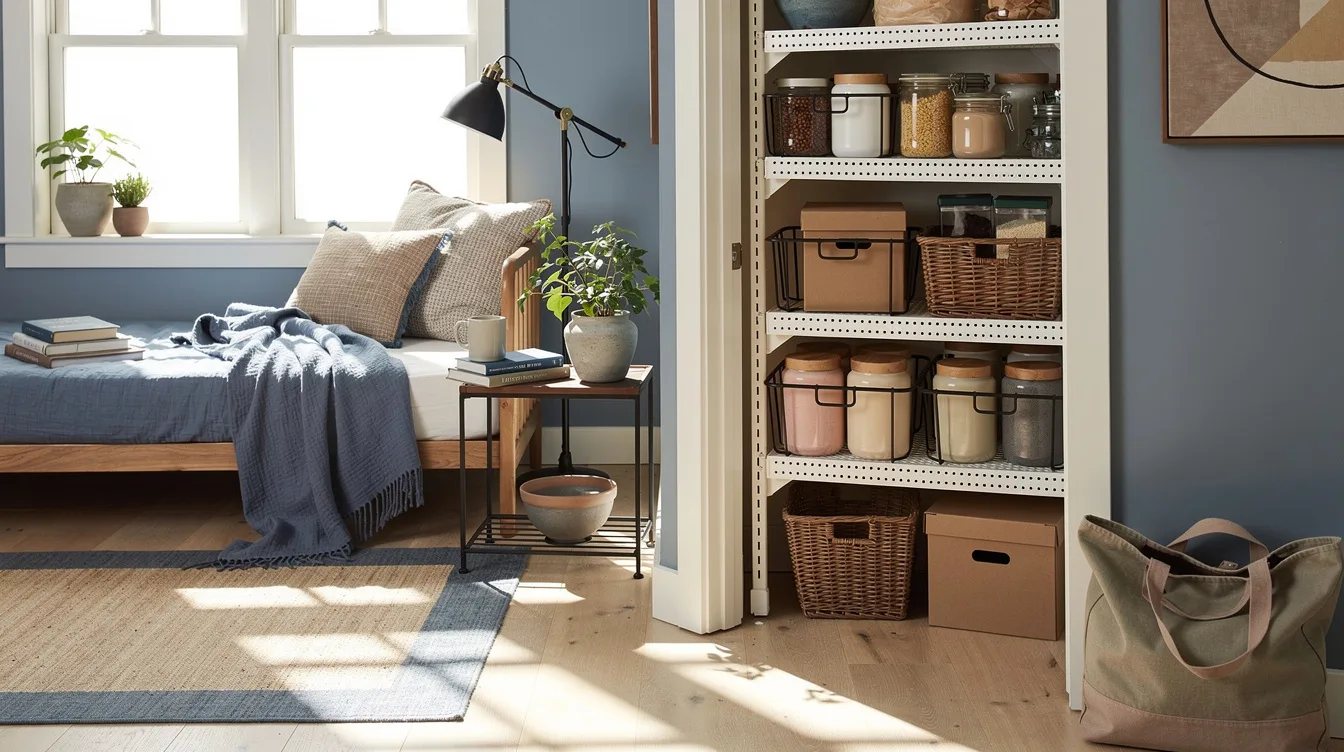
Use the pantry-specific configuration from The Container Store, rather than assuming every Elfa reach-in product includes food-storage shelving. The pantry kit is the verified match for this project, while similarly named closet products are built around clothing storage.
The distinction affects shelf depth, accessory choices, and the way weight is distributed. For cans, jars, cereal boxes, and dry goods, start with the product whose title actually says pantry.
Set a $350 Planning Allowance
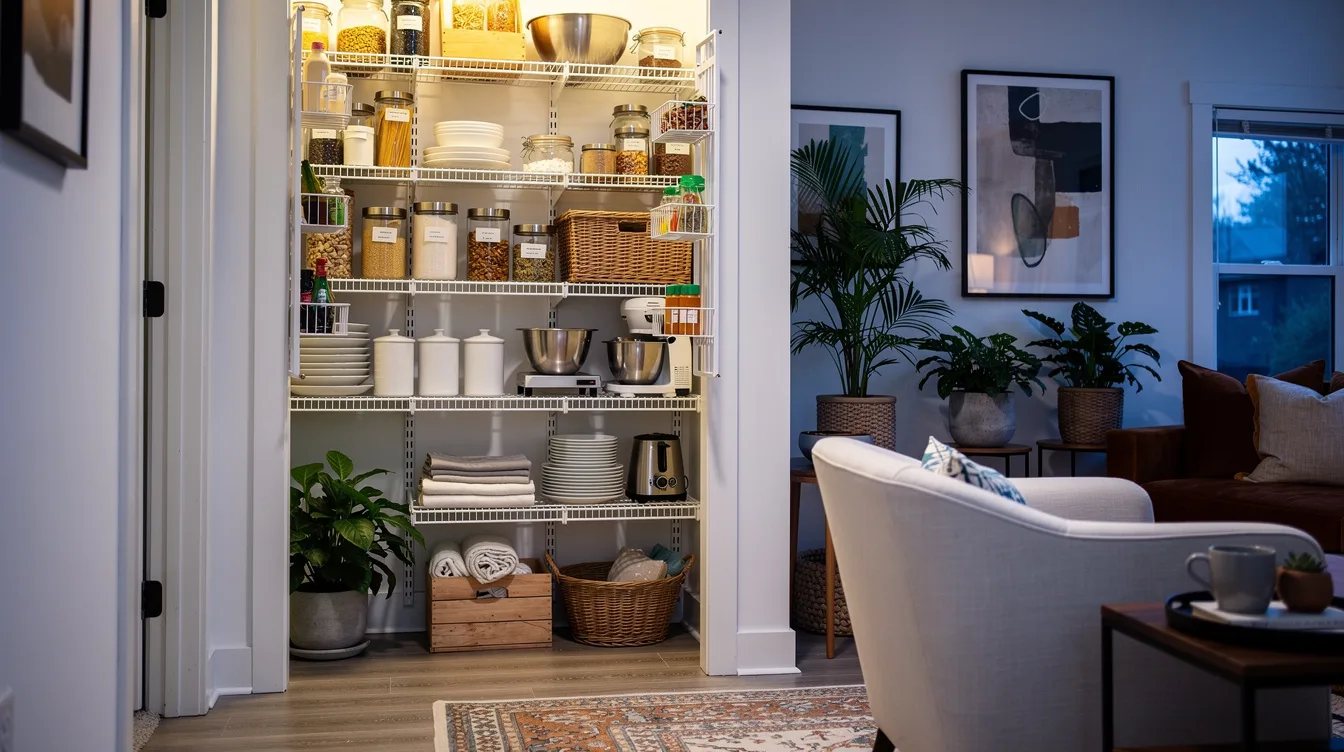
Build the budget around about $350, even though retailer listings have shown roughly $330 to $350 for the kit. That planning number leaves around $50 under the $400 ceiling for a small accessory purchase before tax, delivery, or installation.
One indexed promotion showed $247.49, but that sale price should be treated as a bonus rather than a promise. A reliable plan still works when checkout lands near the higher listed price.
Keep Daily Foods at Eye Level
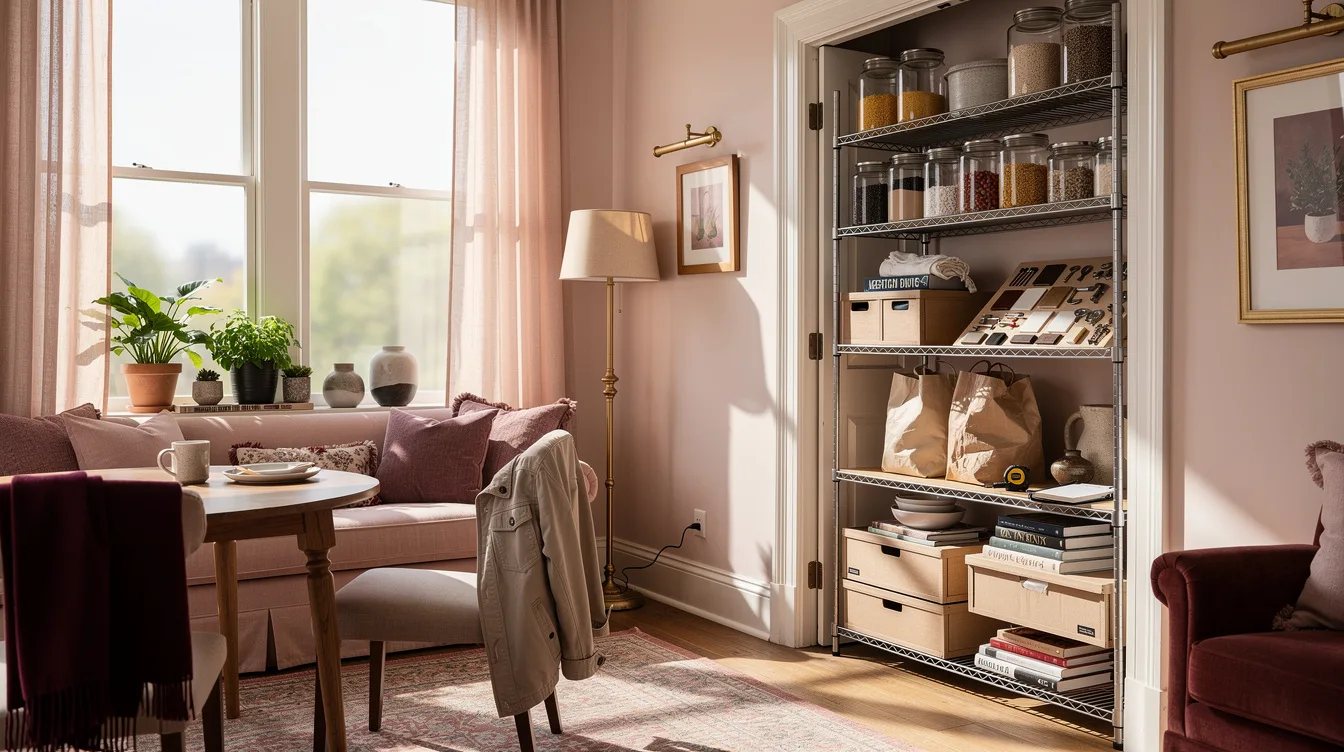
Place breakfast ingredients, cooking oils, canned staples, and frequently used snacks on the middle shelves of the Elfa Classic system. This zone should carry the rhythm of the kitchen, so reserve it for foods that leave the shelf several times a week.
We prefer a plain visual rule here: the products used most often get the easiest reach. That decision makes the pantry feel organized without requiring every package to match.
Use the 12-Inch Depth for Visibility
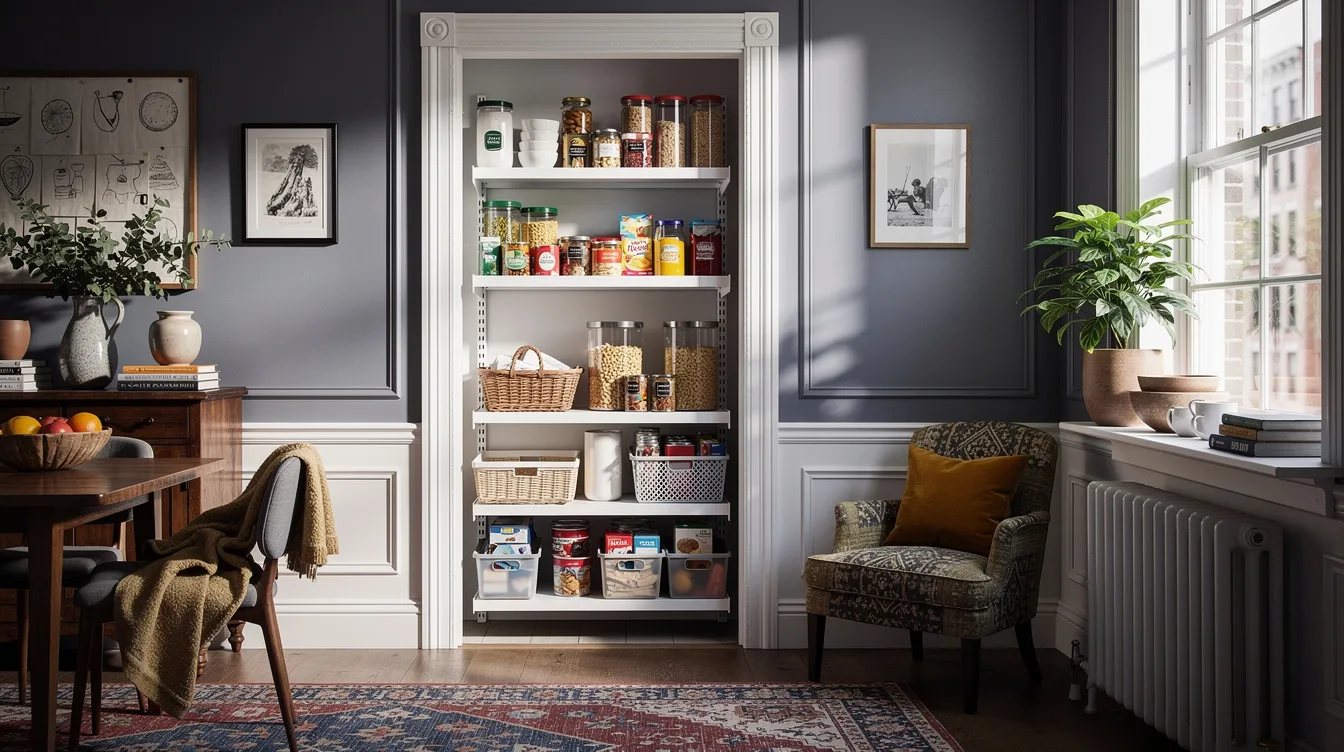
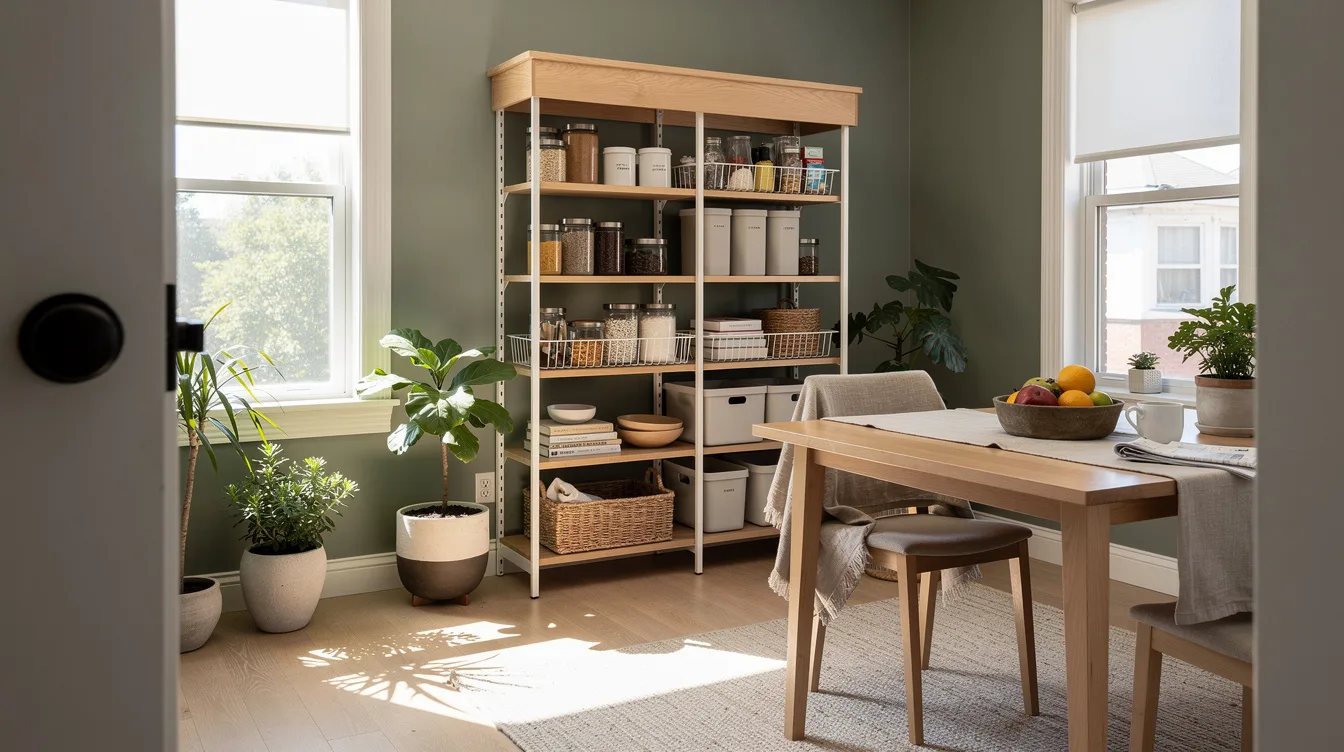
The kit's listed 12-inch depth is useful for a reach-in pantry because many packages can remain visible from the doorway. Use the front edge for labels and handles, then keep taller items toward the back only when they do not hide smaller foods.
Ventilated wire shelving also keeps the structure visually light. Avoid pushing deep bins across the entire shelf, because a container that hides half its contents turns a shallow pantry into a guessing game.
Move Heavy Cans to the Lower Zone
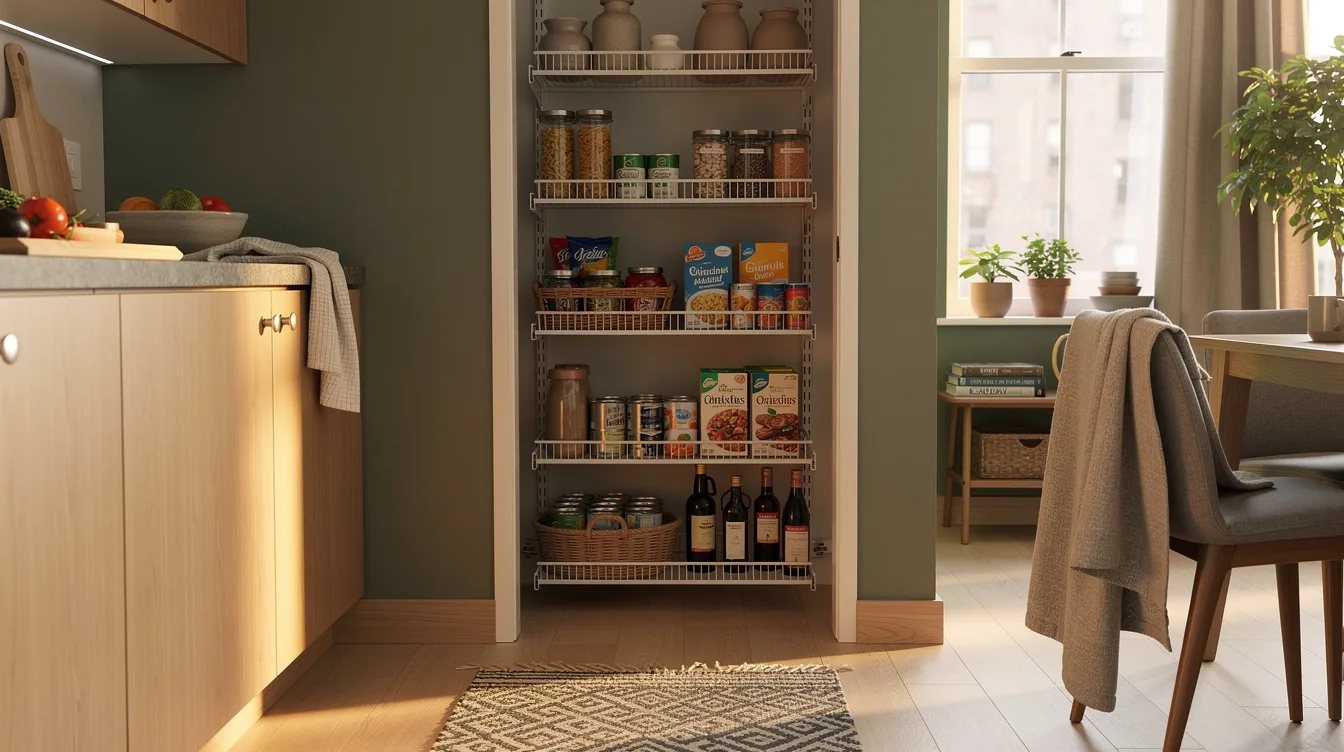
Keep canned food, bottled drinks, small appliances, and bulk bags on the lowest practical shelves of the Elfa Pantry Kit. Lower placement makes those heavy items easier to lift and keeps eye-level storage available for lighter daily-use goods.
Leave a sensible landing area near the floor for the items that are awkward to stack. A pantry works better when its lowest zone handles weight instead of becoming a pile of forgotten packages.
Reserve Upper Shelves for Backstock
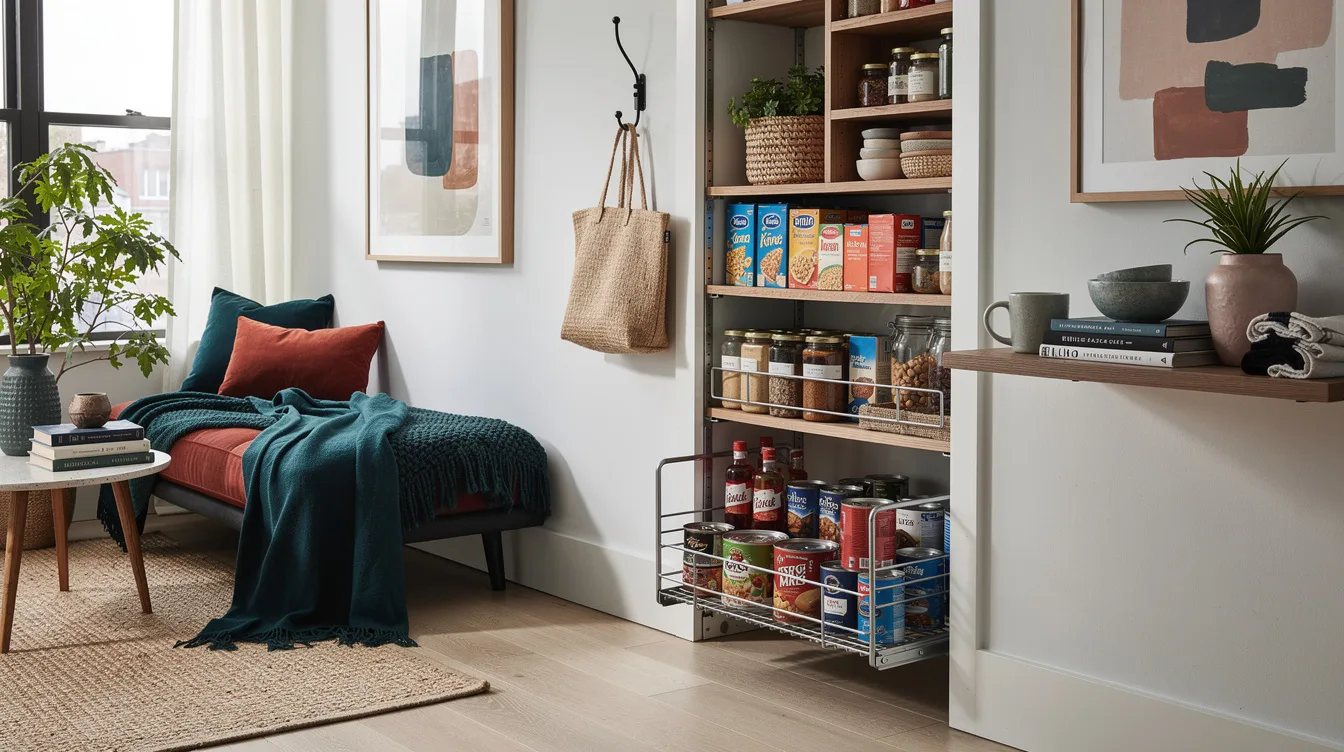
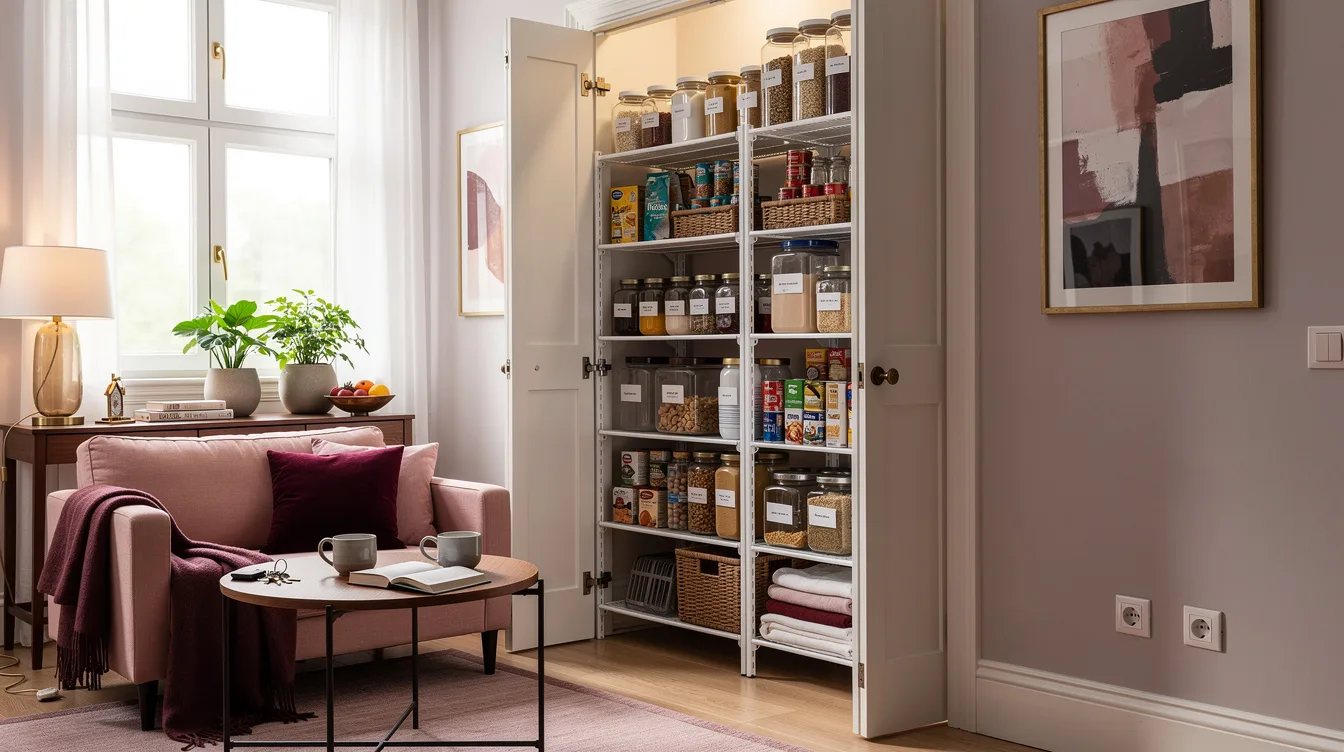
Use the upper part of the 84-inch layout for paper towels, unopened cereal, extra baking supplies, and seasonal entertaining pieces. A small folding step stool can make that space useful, but anything needed every morning belongs lower.
Labeling the upper shelf by category is more effective than packing it by package size. A single white shelf label can identify backstock without adding another expensive storage component.
Reuse Baskets Before Buying More
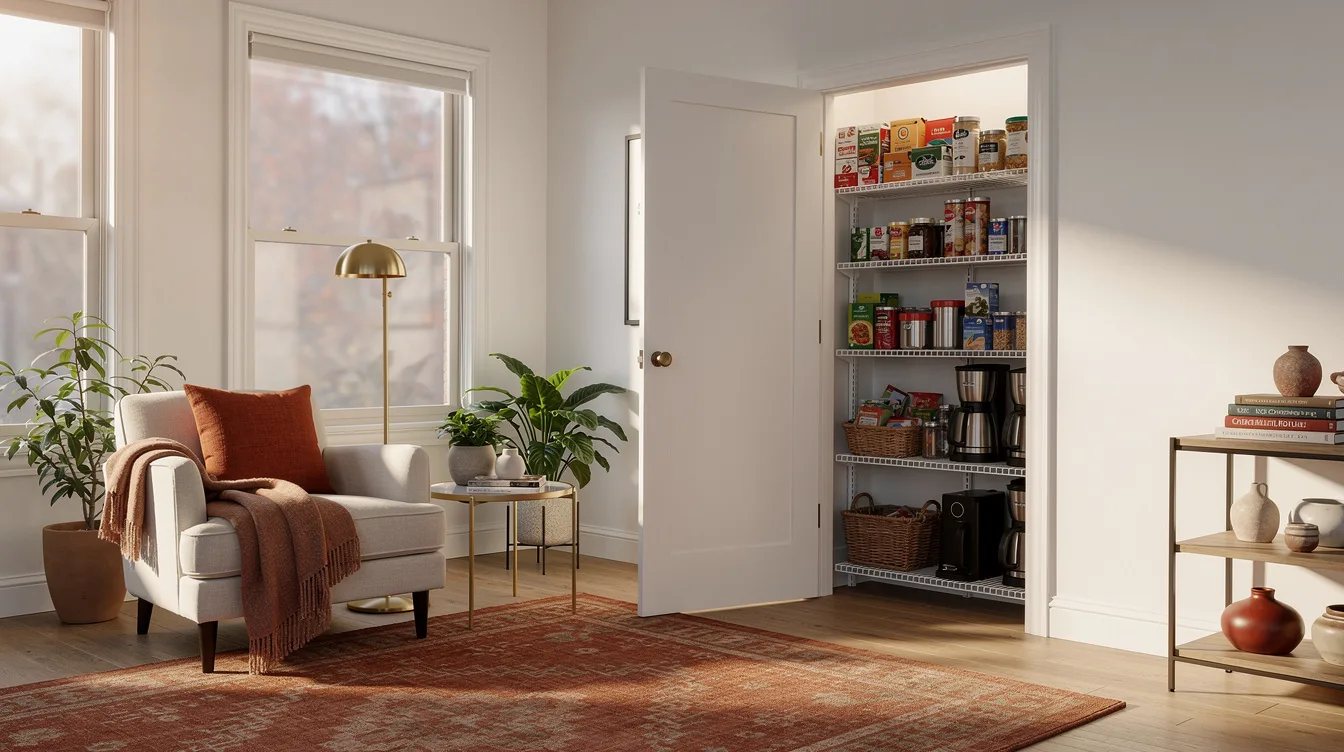
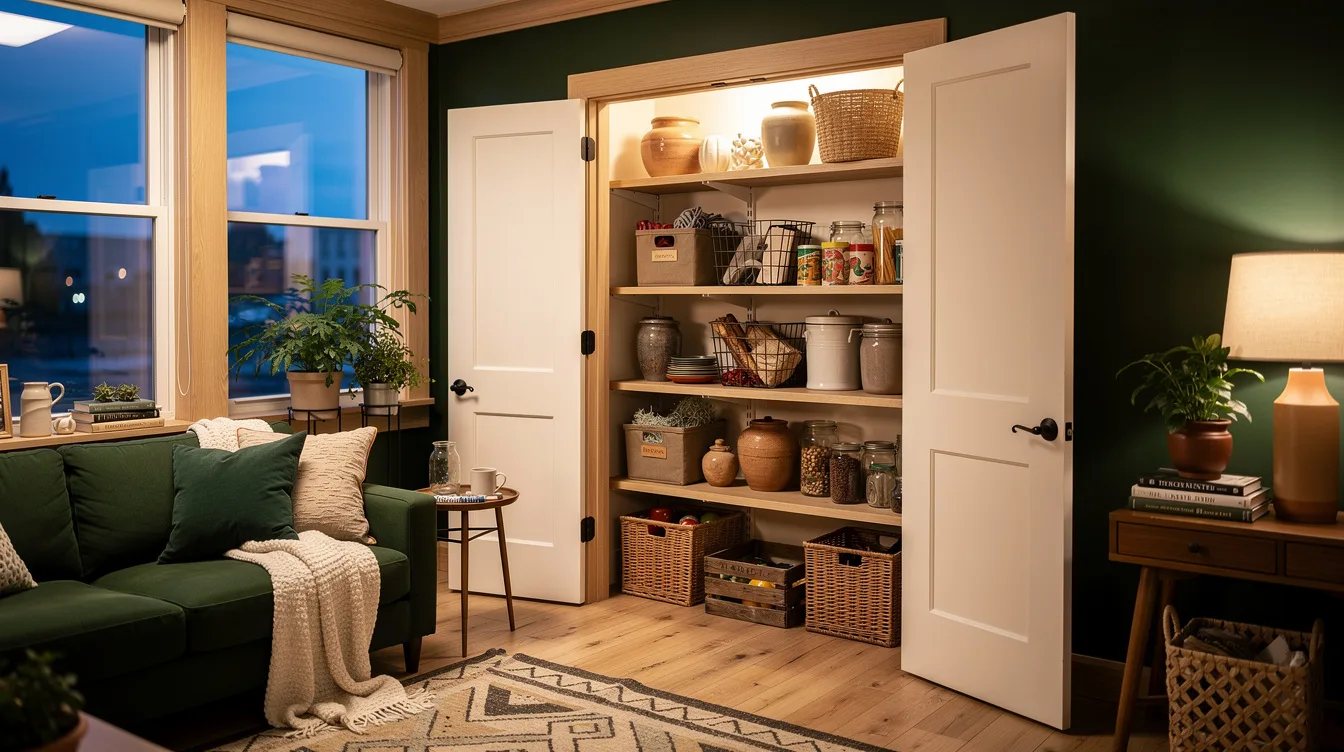
Start with the baskets already in the home for snack packets, produce bags, and small baking supplies. With the kit planned around about $350, reusing containers protects the remaining budget for the one accessory that solves a real problem.
Test each basket on the shelf before assigning it a category. A low basket for packets and a taller one for loose bags can work better than a matching set that wastes vertical space.
Add One Repeated Bin Style
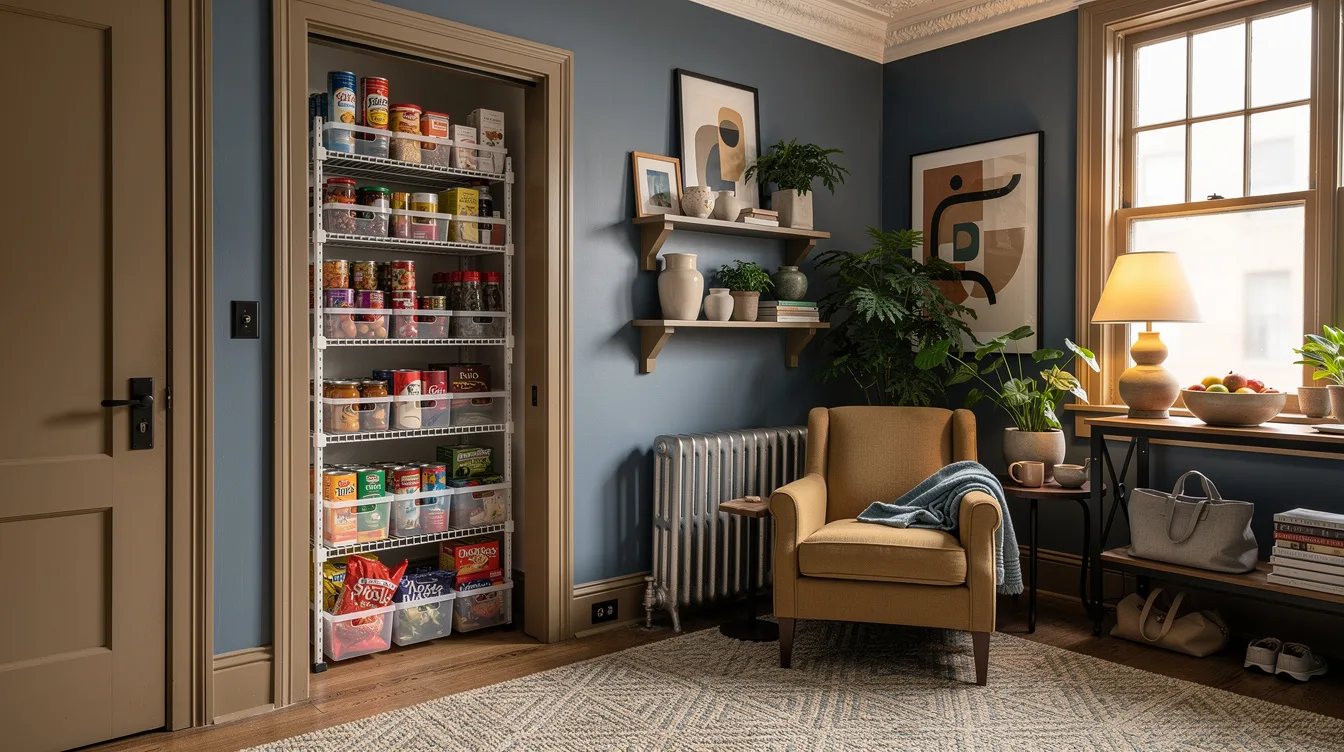
If the pantry needs a finished look, spend the remaining roughly $30 to $45 on a small group of matching bins rather than buying a complete new container collection. Repeating one clear acrylic bin style keeps labels visible and makes the shelves easier to scan.
Use those bins for categories that genuinely need containment, such as drink mixes or snack bars. Loose cans and boxed foods usually work better directly on the wire shelves, where their shapes remain easy to read.
Line Only the Small-Item Shelves
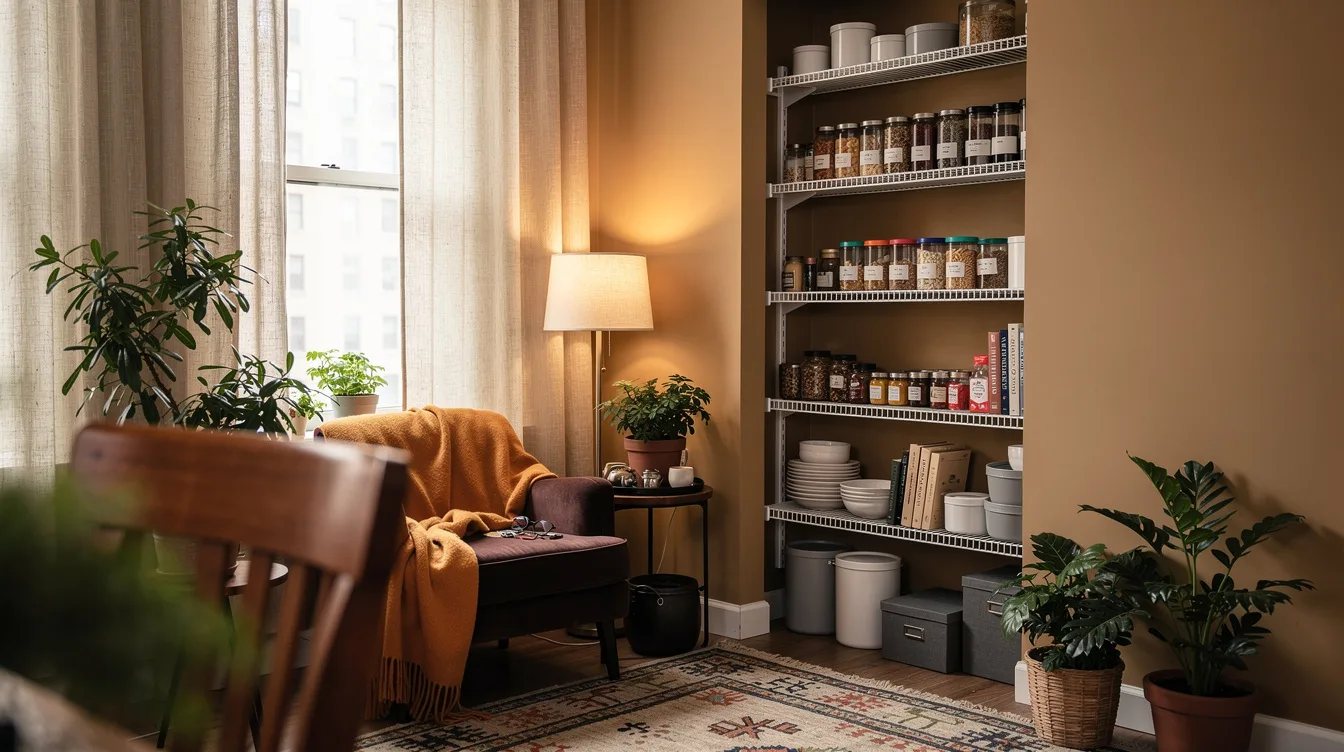
Consider shelf liners where narrow jars, spice containers, or small packets could tip through the wire gaps. The broader Elfa Classic system offers optional liners, but exact costs depend on the shelf sizes in the basket.
That makes selective lining the safer under-$400 choice. Cover the shelves that hold unstable small items, then leave the shelves for sturdy boxes and cans open so air and visibility are preserved.
Skip the 6-Foot Closet Starter
Do not confuse the pantry kit with the Elfa Classic 6' Closet Starter Kit, which is listed at about $629.99 and measures 72 inches wide by 16 inches deep by 84 inches high. It exceeds the budget and is designed as a clothing-closet starter rather than a pantry solution.
A reach-in closet describes the room format, not the correct storage package. The pantry label matters more than the word closet in a product title.
Keep Installation Inside the Ceiling
Treat $400 as a materials ceiling, not a promise that tax, delivery, or paid installation will fit beneath it. The safest version uses the kit at roughly $350, existing containers, and only a tightly limited accessory allowance.
If checkout shows the indexed $247.49 promotion, the difference can support liners or a few bins, bringing the proposed materials total to around $300 to $350 before tax. If the promotion disappears, return to the $350 plan instead of expanding the cart.
Request Custom Design With a Cap
A custom layout can make sense when the reach-in closet has an unusual wall, door conflict, or awkward corner. The Container Store offers free design consultations, but a custom configuration should be requested with an explicit $400 materials ceiling.
There is no verified fixed price for custom dimensions, so do not treat a consultation as a guaranteed bargain. Bring the measured opening, the food categories, and the spending limit to the appointment.
Keep reading
- Forget a $3,000 Closet: Elfa's Under-$350 Kits Are the Smarter Buy
- Builder Closet Eating Your Storage? 13 Home Depot ClosetMaid Kits Under $150
- Forget Container Store Prices: Menards’ $9.49 Organizers Are the Smarter Buy
Measure the opening first, reserve the middle shelves for daily foods, and keep the accessory cart deliberately small. That order gives the pantry a usable structure before a sale or matching-bin impulse gets to decide the budget.


