No Drill Needed: 14 Renter-Friendly Ways to Split Living and Dining Spaces
18 october 2026An open rental can make dinner feel as though it is happening in the middle of the sofa conversation. In a typical 10-by-12-foot living-dining room, the right sofa angle, rug edge, or curtain line can separate the functions without sacrificing the light that makes the space work.
Designers treat the boundary as a practical path, not a wall substitute. The best solutions move, store something useful, or define the floor visually while leaving the lease and the drywall alone.
What you will find inside
- Float the Sofa Across the Sightline
- Anchor Each Zone With a Rug
- Stretch Curtains Across a Tension Rod
- Build an Open Shelf Boundary
- Fold Out a Lightweight Screen
- Turn the Dining Table Sideways
- Layer Plug-In Lighting Zones
- Place a Console Behind the Sofa
- Stack Cubes Into a Low Divider
- Use a Narrow Bar Cart as a Marker
- Create a Plant-Filled Soft Edge
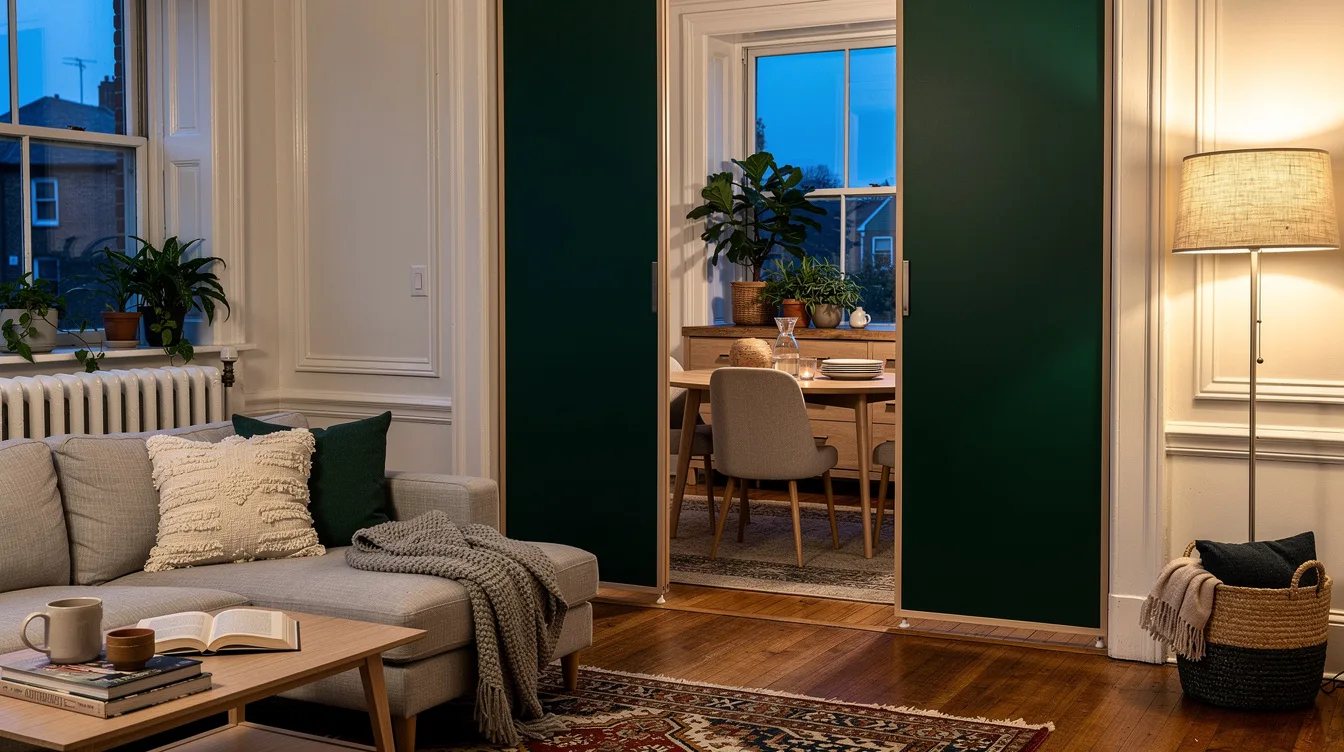
- Hang Removable Wall Panels
- Frame the Table With a Picture Ledge
- Give Each Area Its Own Color Note
Float the Sofa Across the Sightline
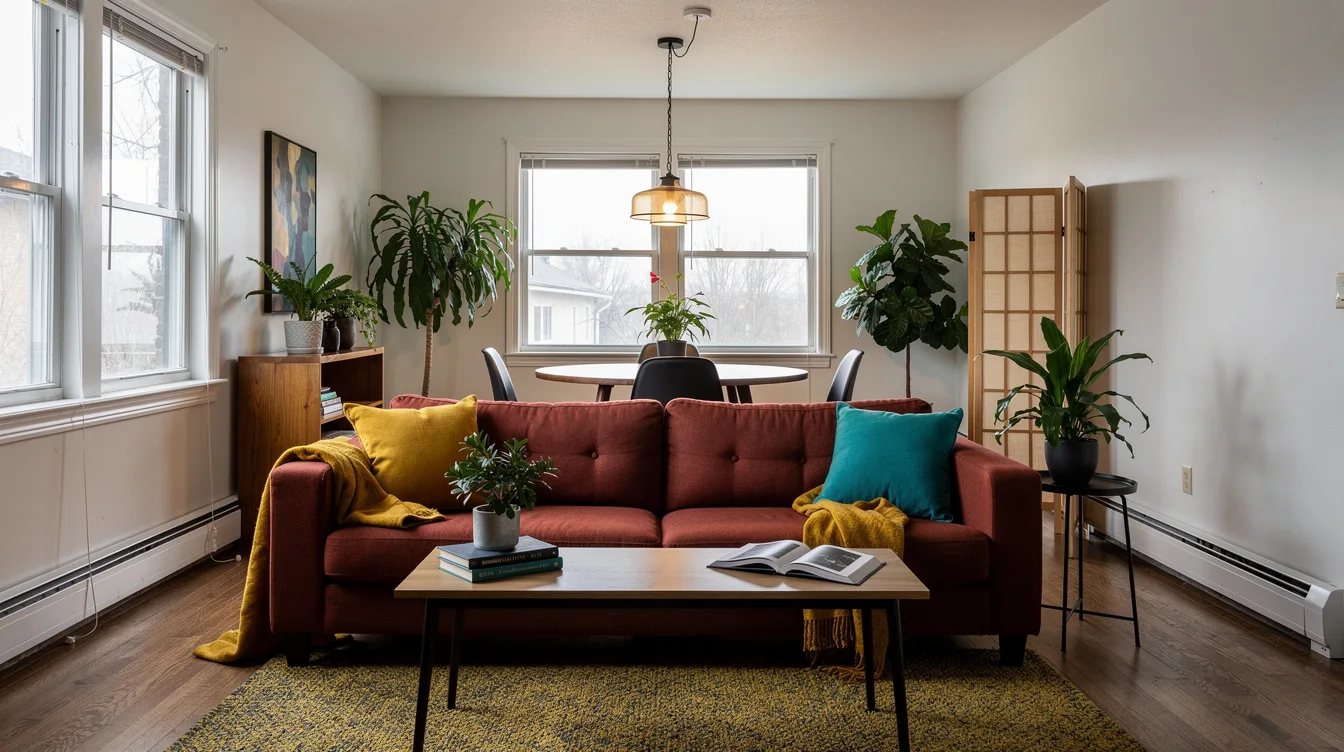
Place the sofa with its back toward the dining zone so the seating area gains a clear edge without blocking daylight. A typical 84-inch sofa can divide a small room while keeping a comfortable walkway around its arms.
Designers favor this move because it uses furniture you already own. Add a slim Target console behind the sofa, then keep its depth around 12 inches so the passage still feels open.
Anchor Each Zone With a Rug
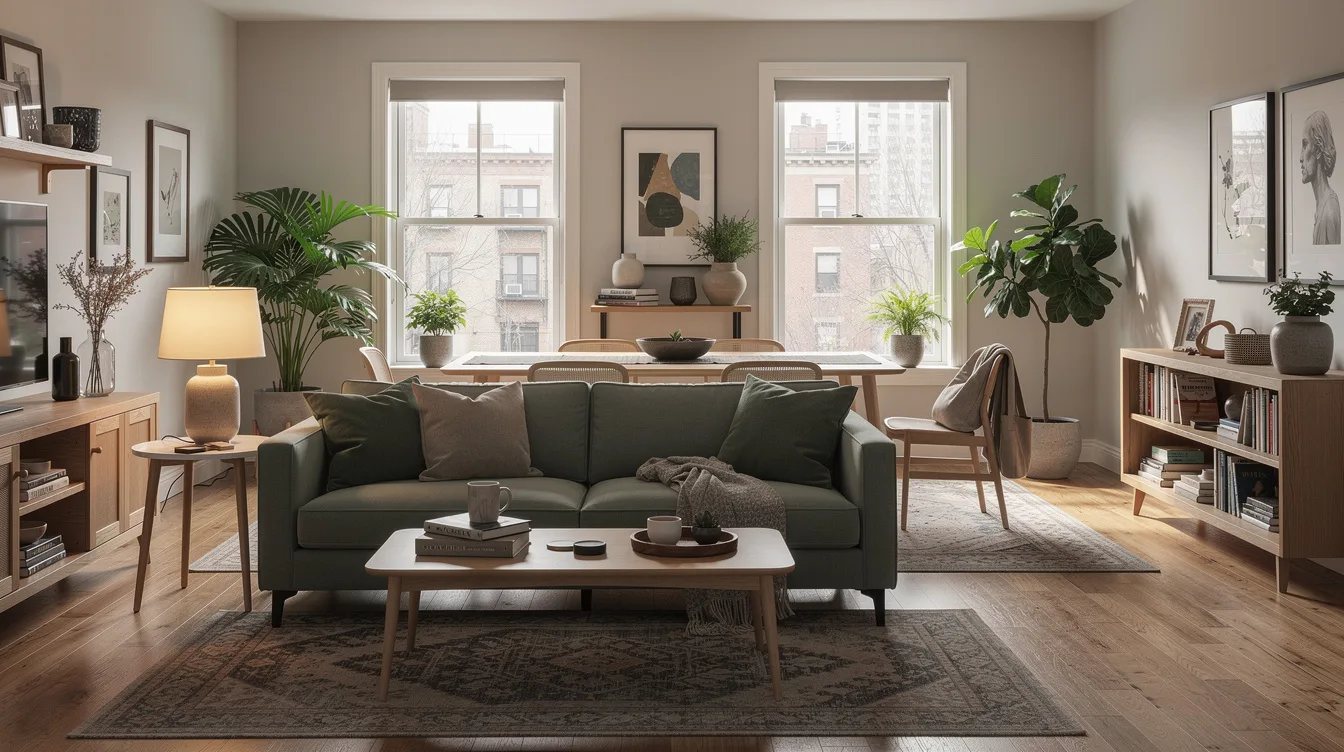
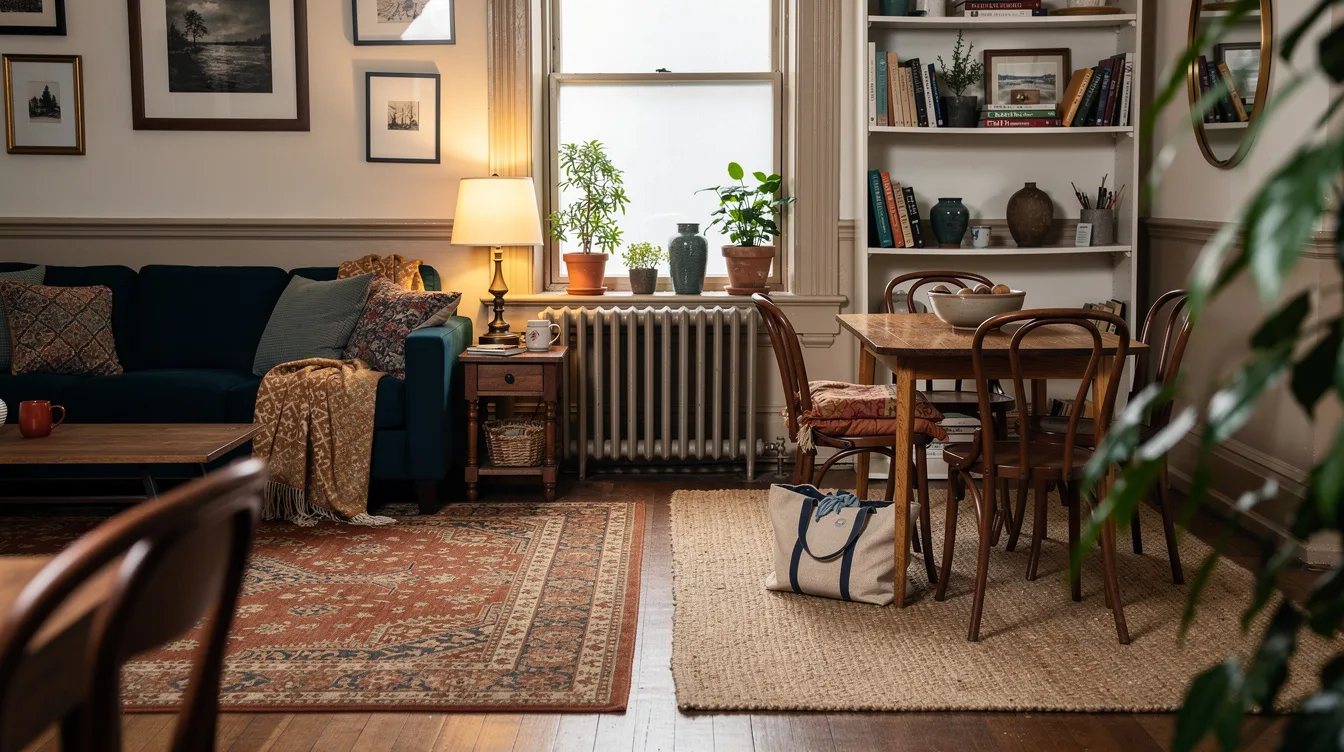
Use one rug beneath the sofa and another beneath the dining table to give each function its own visual territory. In a rental, a low-pile Wayfair rug is easier to slide, vacuum, and replace than anything thick under chair legs.
Let the living room rug extend beyond the front sofa legs, while the dining rug should leave about 24 inches of extra surface around the chairs. Choose related colors with different patterns so the spaces connect without blending together.
Stretch Curtains Across a Tension Rod
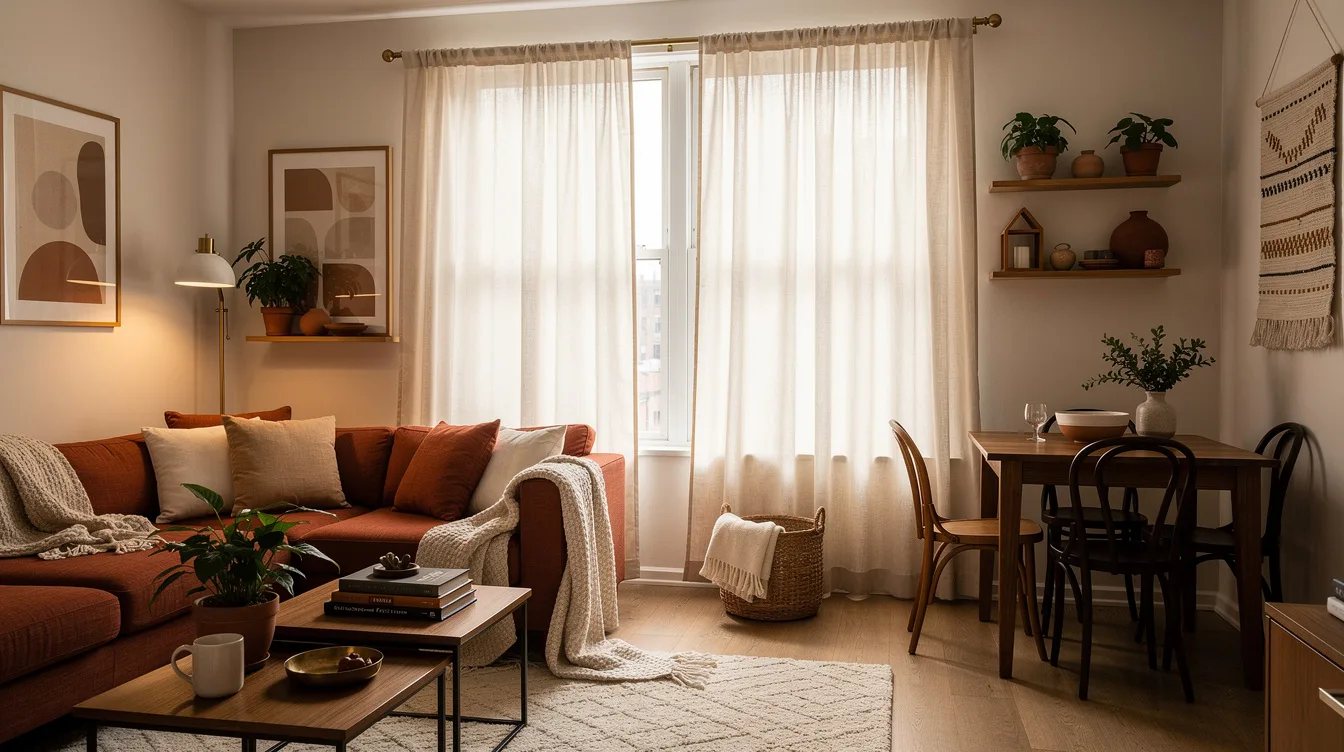
A ceiling-to-floor curtain can create a temporary room divider when the living and dining areas share one long rectangle. Install a Home Depot tension rod between opposing walls, or choose a freestanding rod when the opening is too wide for pressure mounting.
Use curtains only when you need privacy or a stronger visual break. Open linen-look panels during the day, then close them when dinner needs a quieter backdrop, keeping the fabric several inches above the floor for easier cleaning.
Build an Open Shelf Boundary
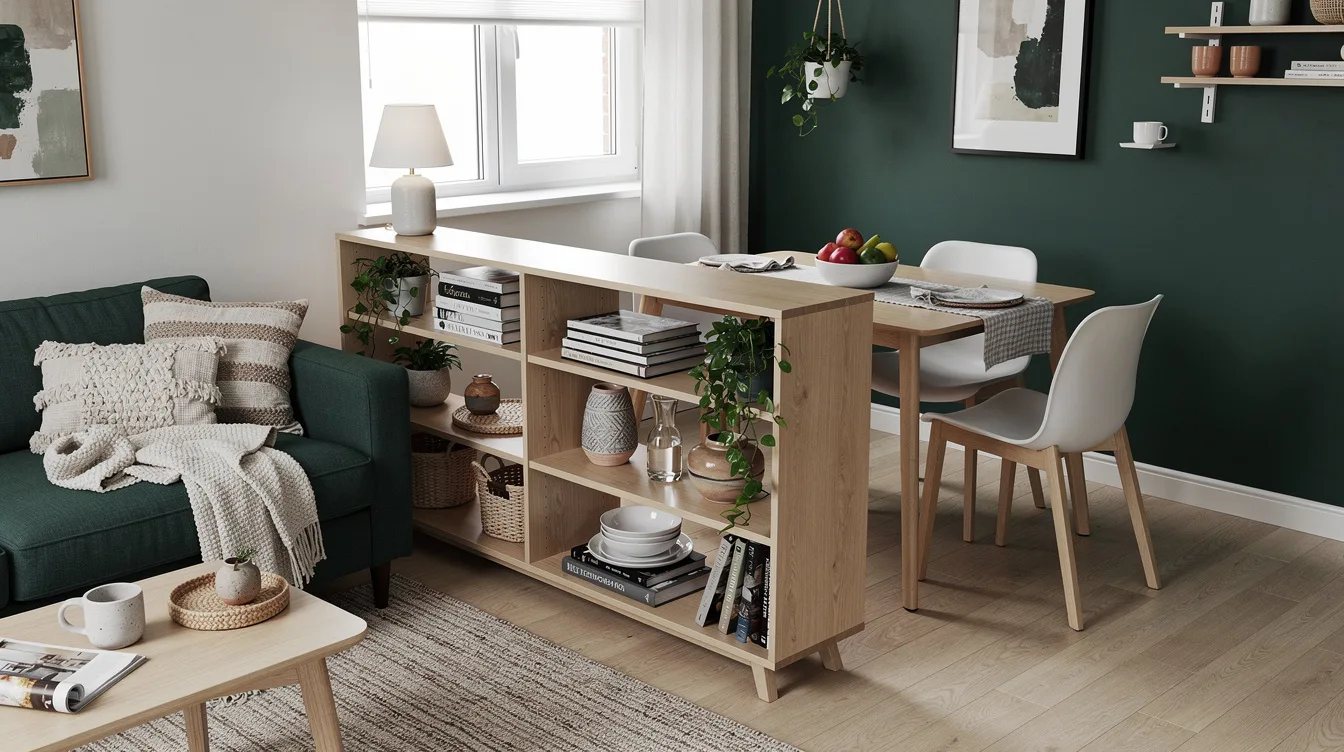
A bookcase placed perpendicular to the wall separates the zones while allowing light to pass through. The open cubbies of an IKEA KALLAX unit work especially well because books, baskets, and a few ceramics create privacy at different heights.
Keep the shelf below eye level when the room is narrow, and anchor it according to the manufacturer's instructions. Leave some compartments empty, since a fully packed divider makes a rental feel crowded fast.
Fold Out a Lightweight Screen
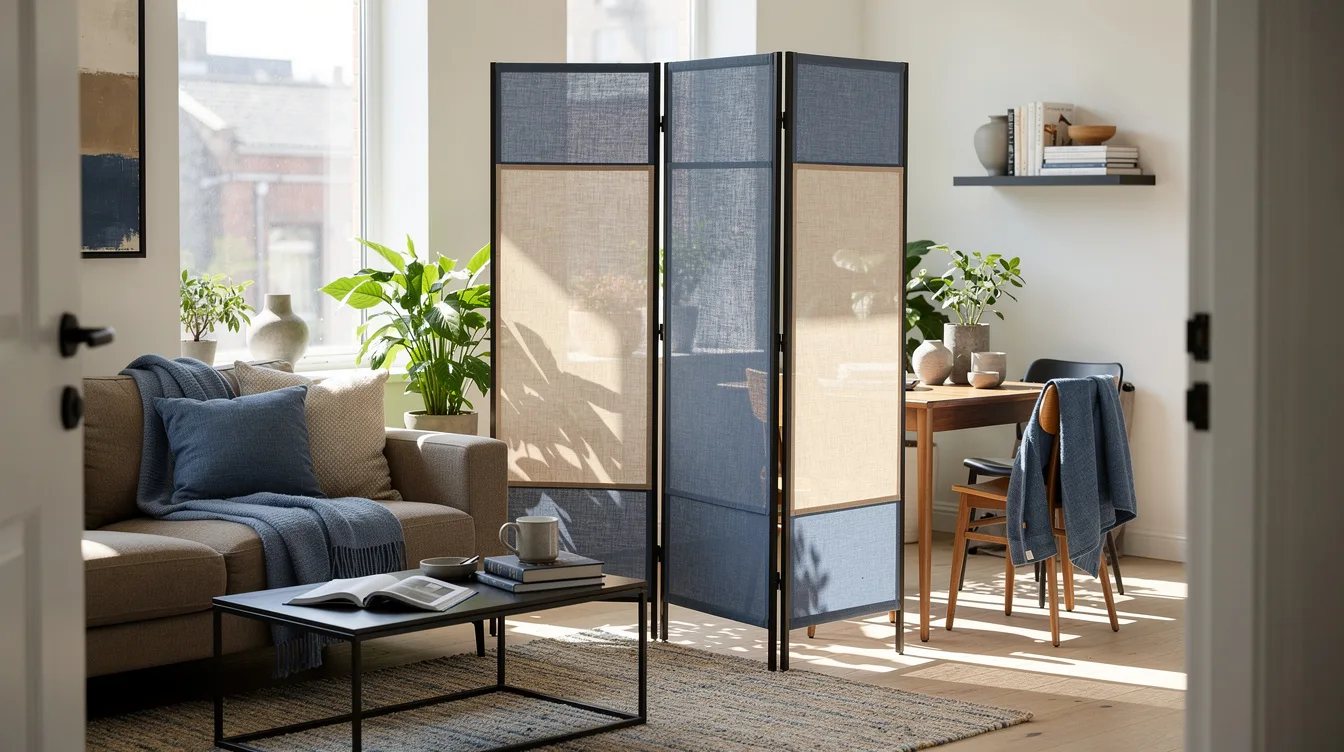
A folding screen gives you the most control over the boundary because it can move with the room's needs. A woven rattan or wood screen from Amazon adds texture beside the dining table without requiring holes, anchors, or a permanent track.
Choose a screen with two or four panels rather than one heavy slab. Angle it slightly instead of placing it in a dead-straight line, which keeps the room useful when guests need to move between the two areas.
Turn the Dining Table Sideways
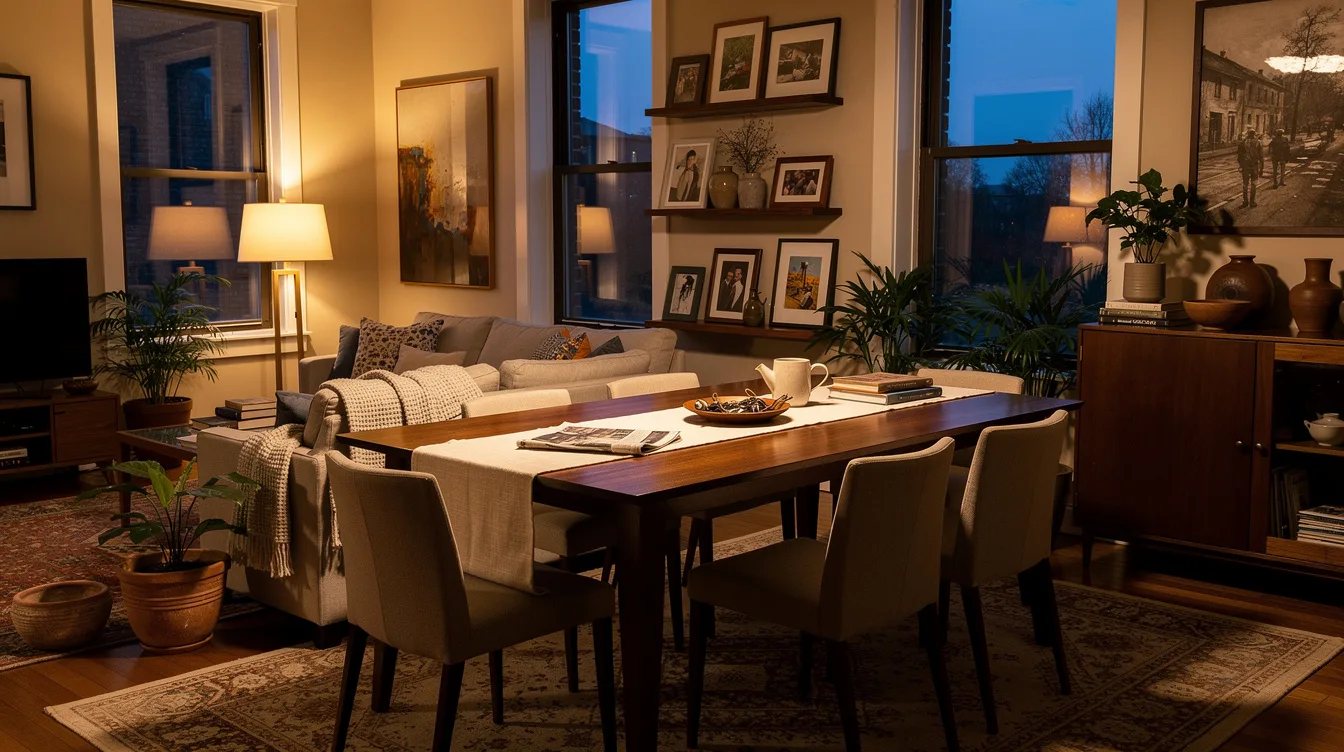
Rotate the dining table so its long side runs parallel to the sofa, creating a strong visual line between eating and relaxing. This simple change works with a typical 60-inch table and can free the center of the room for a more natural walking route.
Pair the arrangement with Walmart dining chairs that tuck fully under the tabletop. Chairs that stay contained make the boundary look intentional, while bulky arms often blur the separation and steal circulation space.
Layer Plug-In Lighting Zones
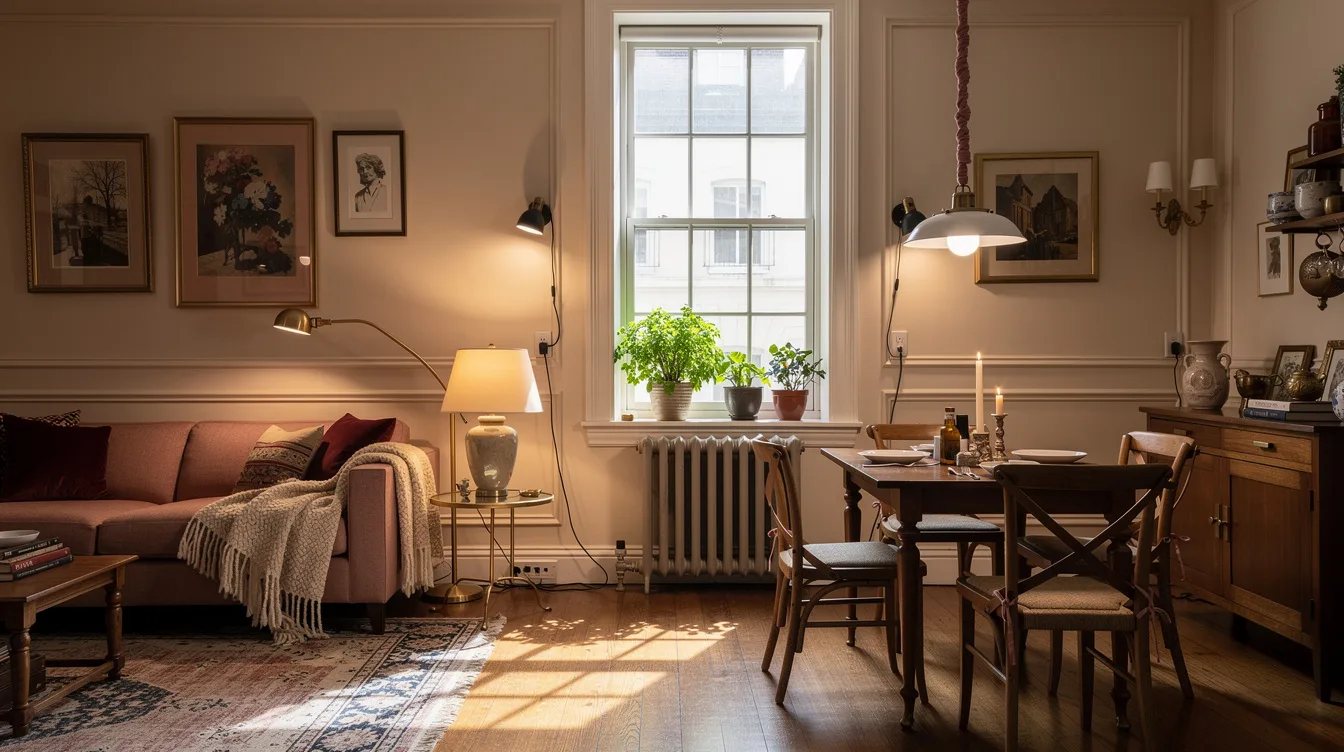
Separate the spaces with light instead of walls by giving each area its own glow. A plug-in Lowe's pendant over the dining table creates a visual destination, while a floor lamp beside the sofa keeps the living zone softer.
Use warm bulbs with matching color temperature so the room still feels unified. Keep cords along furniture edges with removable cord covers, and avoid running them across a walkway where a temporary divider becomes a safety problem.
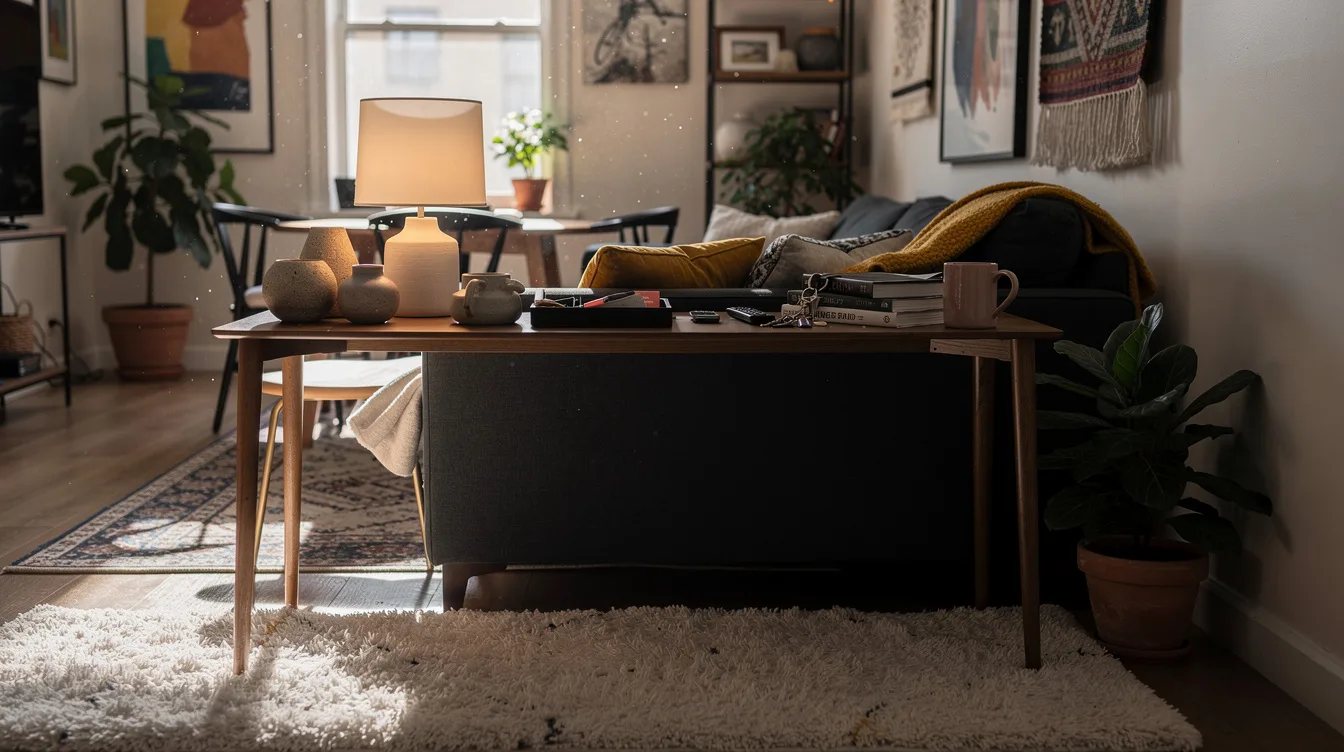
Place a Console Behind the Sofa
A narrow console makes the sofa read as a deliberate room boundary rather than furniture floating in the middle. Look for a piece from Costco or another approved retailer with a closed back and a depth of roughly 10 to 14 inches.
Style the top with a small lamp, a bowl, or one substantial vase, then keep the lower shelf mostly clear. The dining side should remain easy to pass, especially when chairs are pulled out for a meal.
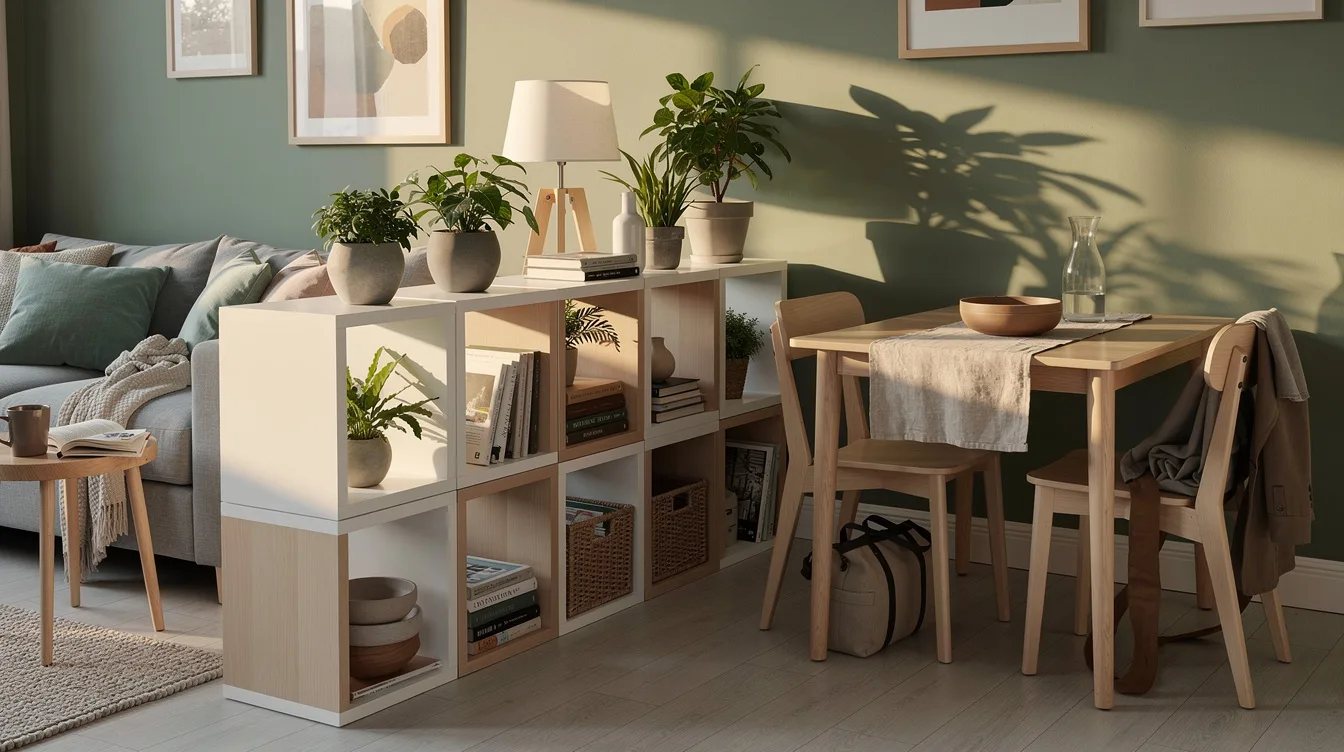
Stack Cubes Into a Low Divider
Low storage cubes can separate the rooms while holding table linens, games, and extra serving pieces. A two-by-two Walmart cube organizer gives you a defined edge without introducing the visual weight of a full-height cabinet.
Use fabric bins on the dining side and leave the upper openings partly visible from the living room. Secure stacked units as directed, and avoid creating a tall climbable structure near a window or narrow route.
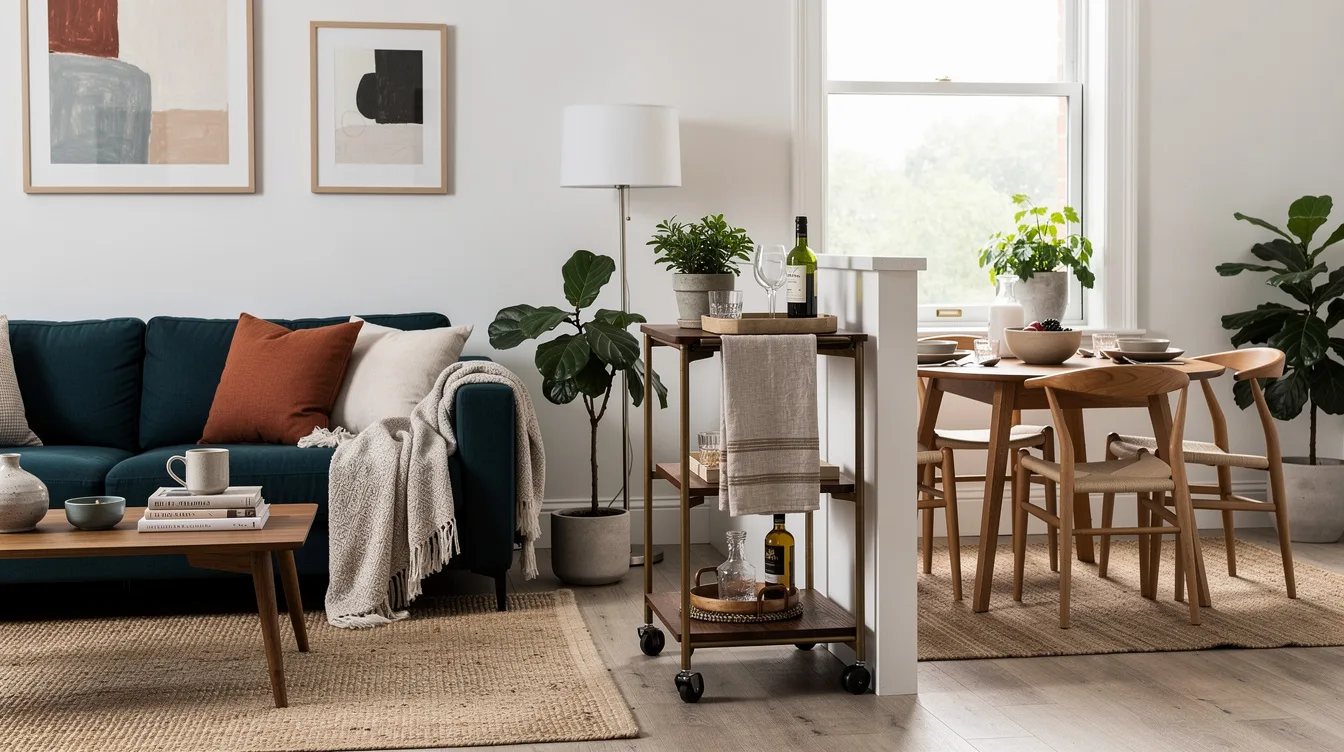
Use a Narrow Bar Cart as a Marker
A bar cart can mark the transition between the two zones when the room needs a small, movable boundary. A slim Amazon Basics cart fits beside a dining table, holds glassware, and can roll away when you need more floor space.
Keep the cart at the edge of the dining area rather than in the middle of the passage. One tray, a carafe, and a folded napkin set are enough; overloading it makes the divider look like storage waiting for a home.
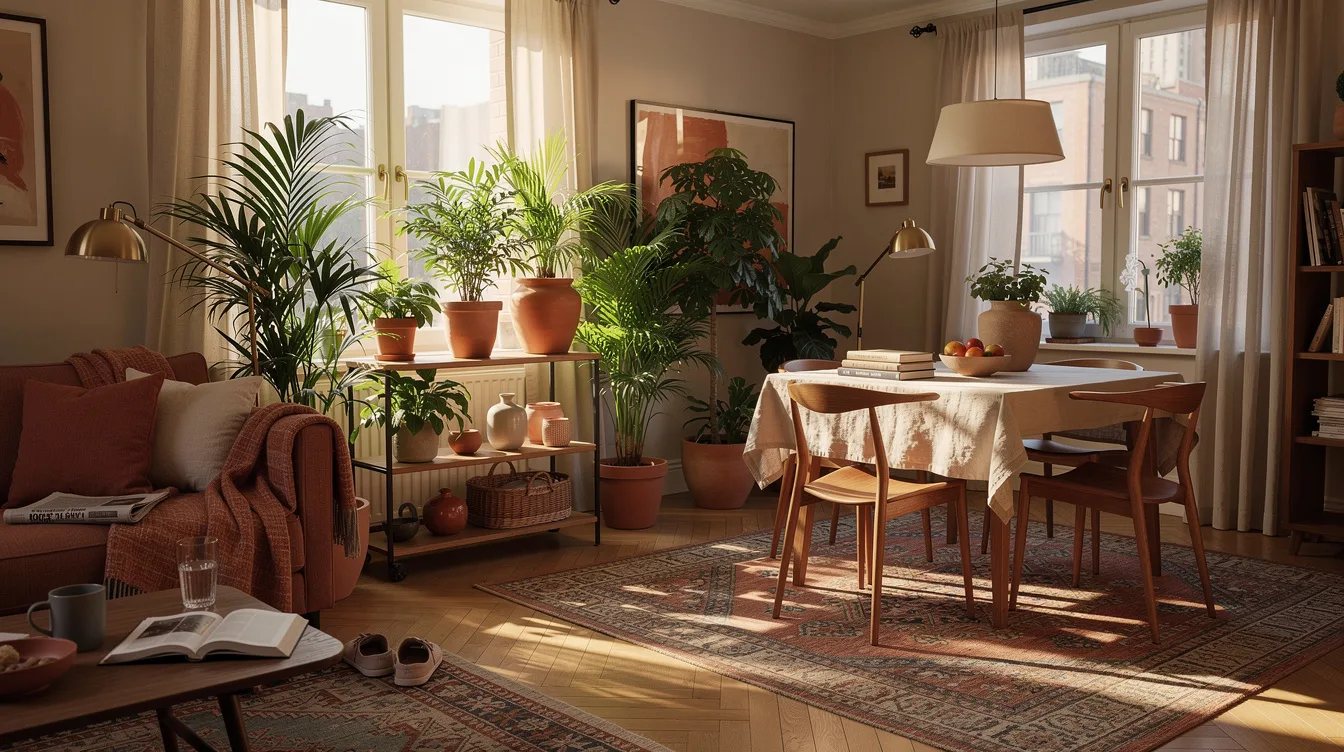
Create a Plant-Filled Soft Edge
Group plants along the boundary to separate the spaces without adding a hard line. A tall rubber plant beside a Home Depot planter can mark the corner, while a shorter plant on a stand fills the next section without blocking conversation.
Choose containers with saucers and keep them away from the main chair path. Real plants need reliable light and watering, so use a well-made faux plant when the rental's windows cannot support living foliage.
Hang Removable Wall Panels
A removable wallpaper panel behind the dining table can signal that the area has a separate purpose, even when the floor plan stays open. Choose a peel-and-stick design from Target in a restrained stripe, block print, or grasscloth look.
Test a small piece in an unseen spot before committing, since paint condition and humidity affect removal. Limit the treatment to one wall or a wide vertical section, keeping the visual boundary precise instead of wrapping the entire room.
Frame the Table With a Picture Ledge
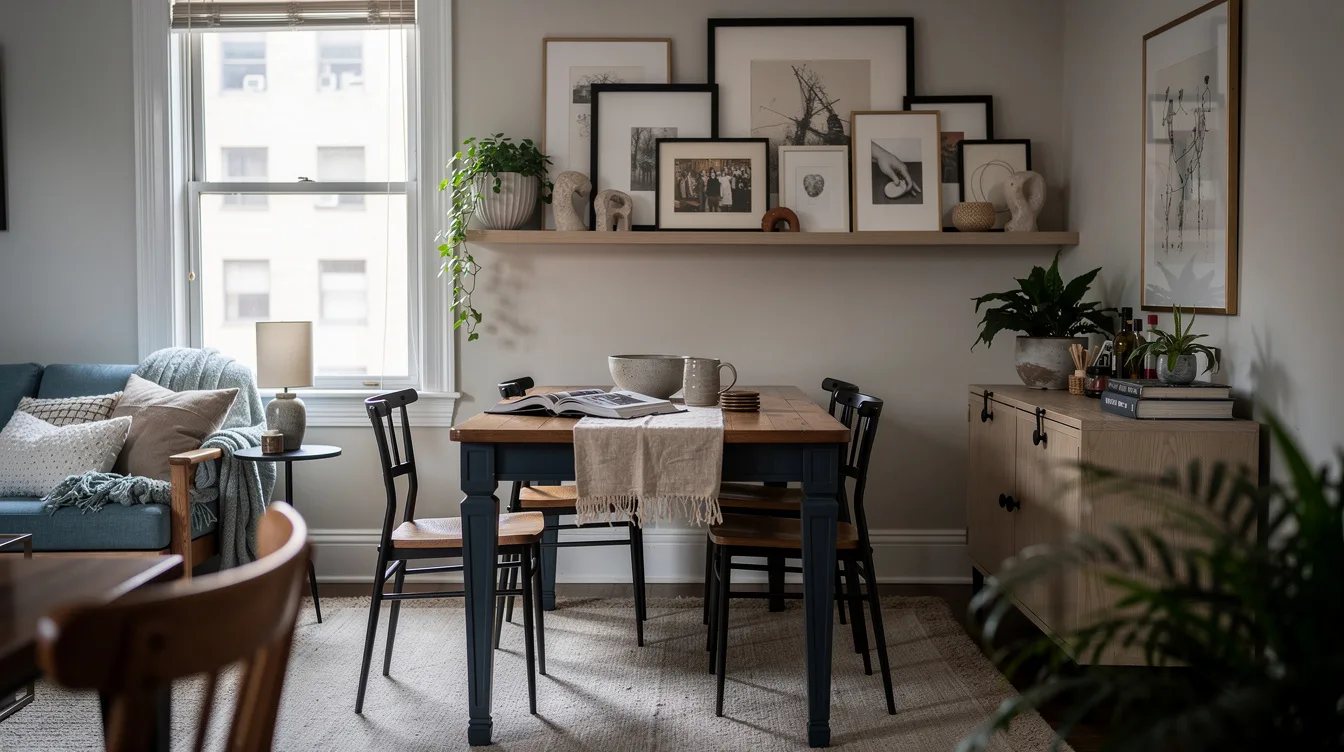
A shallow picture ledge can define the dining wall while keeping the floor completely clear. Use a ledge from Ace Hardware with approved removable mounting hardware when the wall finish allows it, then display a few framed prints that relate to the room's colors.
Keep the art low enough to feel connected to the table and high enough to avoid chair backs. A horizontal arrangement reinforces the dining zone, while a random collection can make the whole wall feel unsettled.
Give Each Area Its Own Color Note
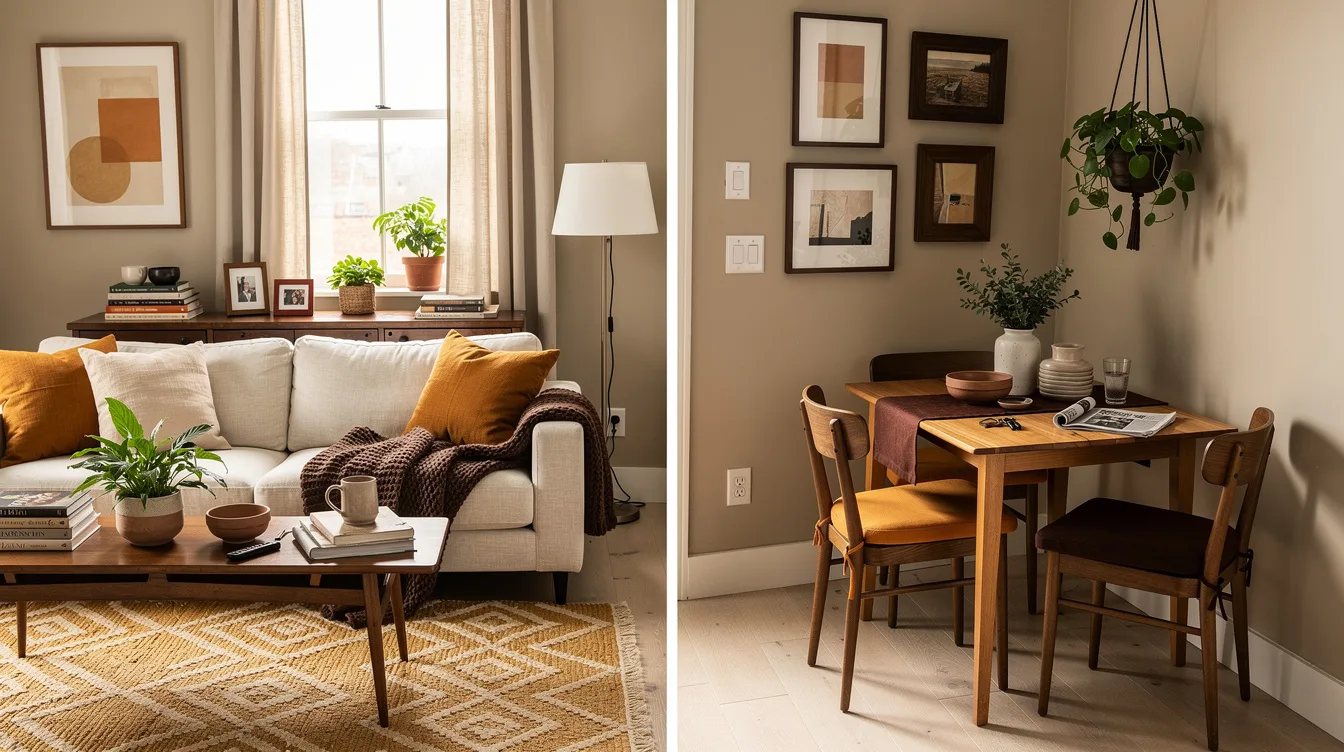
Repeat one color in the living zone and introduce a darker or warmer version at the dining table to create separation through rhythm. Wayfair dining textiles, a sofa pillow, or a small throw can carry the connection without requiring paint or permanent fixtures.
Keep the largest surfaces calm, then use color on movable pieces that can leave with you. This approach is especially useful when the landlord's walls, floors, and built-in lighting have to remain exactly as found.
Keep reading
- Cramped Living Room? This Sofa Placement Rule Opens Up Space
- 12 Ways to Style a Statement Floor Lamp in Your Living Room
- 12 Living Room Lighting Mistakes That Make Your Space Feel Smaller
Start with the sofa position and the walking route, then add one movable boundary such as a rug, screen, or console. If chairs scrape the divider or the room feels darker, reduce the barrier before buying anything else.


