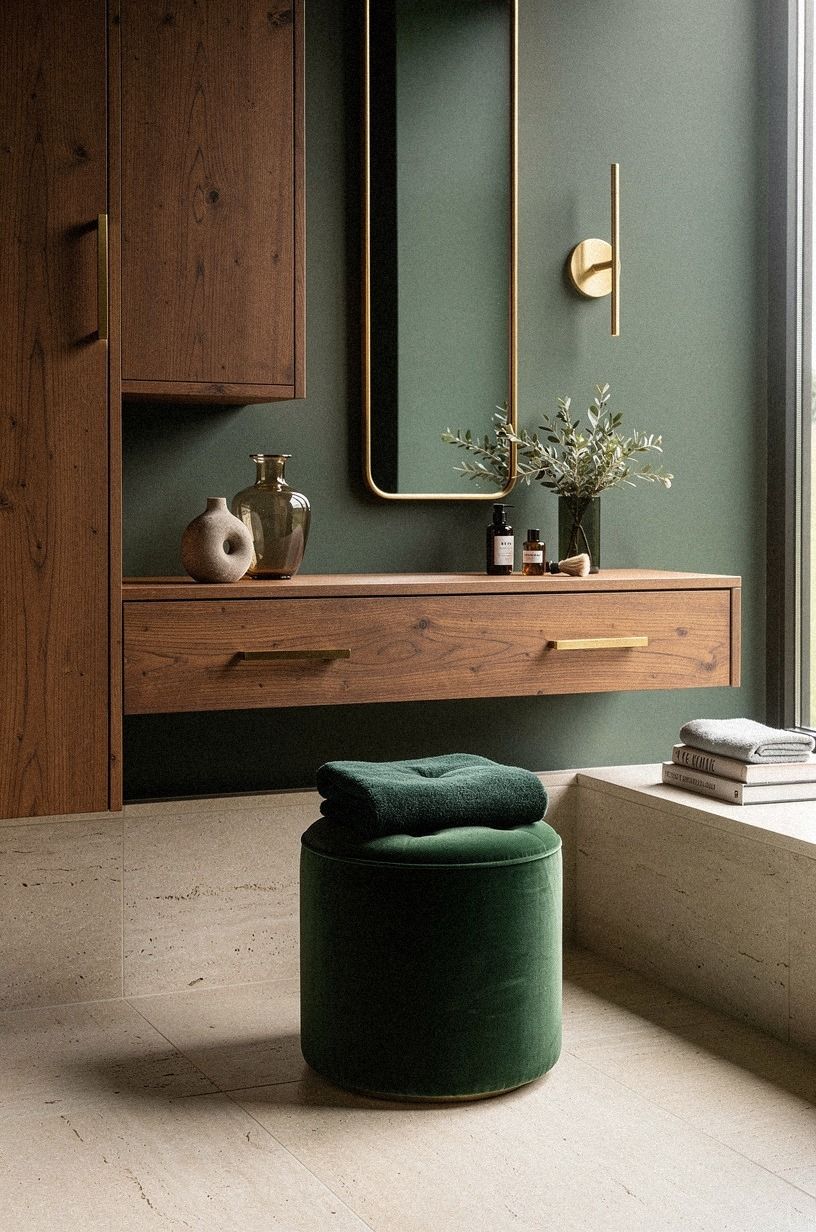
I Set My Holiday Table With Crystal and Travertine, Warm Stone Meets Glass
07 october 2026The Crystal and Travertine Holiday Table: Warm Stone Meets Glass works when the stone stays quiet and the crystal catches the room’s light. I built mine around one travertine slab, thrifted crystal, and warm candlelight, then kept the colors restrained. It took one afternoon, $208, and a table that finally felt inviting instead of overly decorated.
- ✓ Lay the travertine base before the crystal arrives
- ✓ Choose Hague Blue over a busy holiday red
- ✓ Build the Two-Height Candle Rule
Here’s what it looked like before
I started with a bare oak table, a scratched runner, and a collection of holiday pieces that didn’t belong together. The room felt flat at night, even with the overhead light on, and I’d been avoiding the table because every arrangement looked too formal or too crowded.
The before version says more than I could. You can see the empty center, the cool white dishes, and the lonely silver candlesticks.
I didn’t remove anything dramatic. I simply stopped asking the table to look festive and started asking it to feel warm, earthy, and usable.
- Lay the travertine base before the crystal arrives
- Choose Hague Blue over a busy holiday red
- Build the Two-Height Candle Rule
- Mix crystal with honed travertine
- Let the Three-Source Light Stack do the work
- Frame each place setting with linen
- Why does a small table need so much air?
- Swap polished silver for unlacquered brass
- Paint the backdrop with Chestertown Buff
- Anchor the centerpiece with the Three-Object Pause
- Hang crystal where the window can find it
- Finish with the Warm Stone Meets Glass test
1Lay the travertine base before the crystal arrives
I began with a honed travertine slab over a deep-pile mohair velvet runner in forest green. Rust accents and natural oak kept the arrangement from feeling too polished, while the stone gave every other piece somewhere to land. Your eye needs that quiet starting point.
I used a narrow piece rather than covering the full table. You want room for serving dishes and elbows, especially if your table is under 60 inches long. A full runner would’ve made the arrangement feel stiff, but the velvet and stone kept the center grounded while the oak still showed around it.
The slab cost $84 from a local stone remnant shop. I chose it over faux marble because the warm beige undertone works with candlelight, and I’d rather see an irregular edge than a printed pattern pretending to be stone. That choice made the whole table feel more intimate!
And if you’re styling a smaller table, use a single 18-inch-wide stone remnant instead of layering several trays. Your table will breathe, and the crystal won’t look packed into a display.
If you’re comparing materials, start with this travertine base approach before buying anything else.
2Choose Hague Blue over a busy holiday red
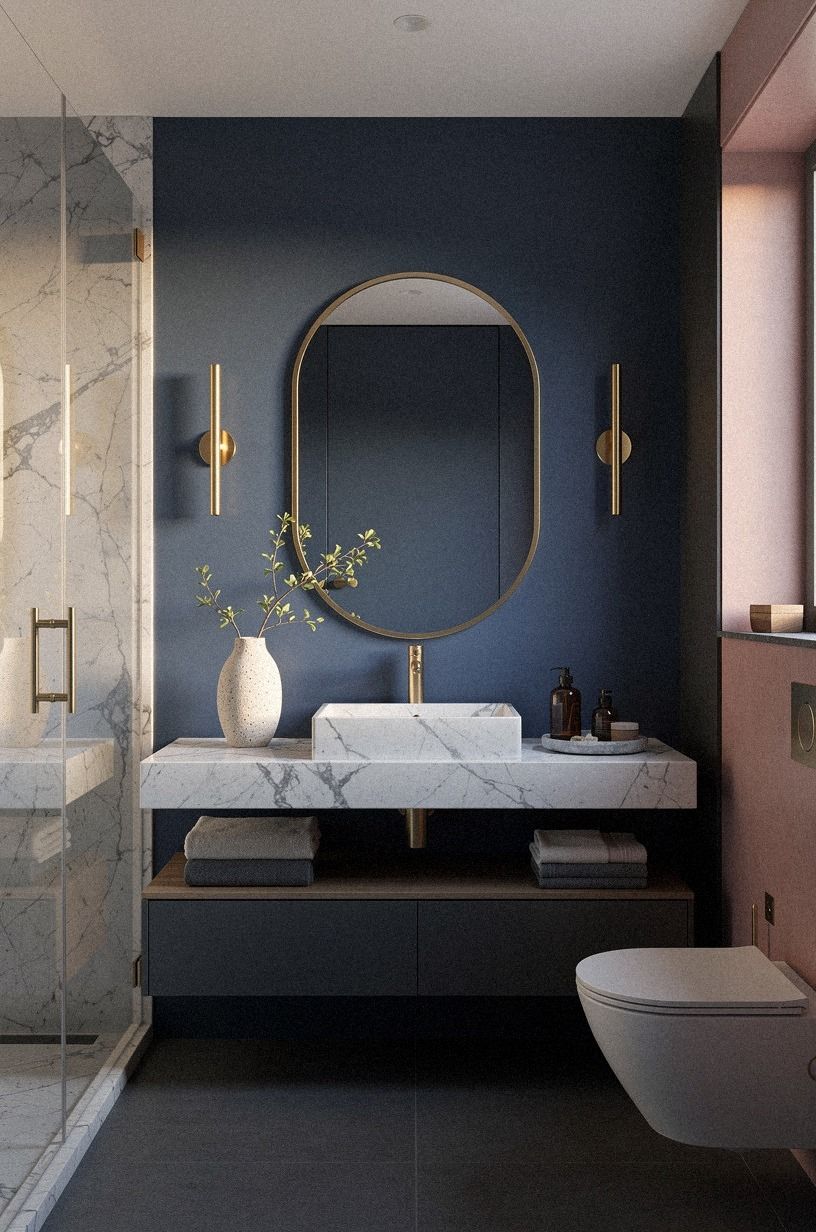
I wanted color, but I didn’t want the usual bright red and green combination. Farrow & Ball Setting Plaster No.231 became the dusty rose backdrop behind the table, and its soft warmth made the brass and crystal feel less formal.
You can use the same idea with charcoal linen napkins, taper candles, or a small vase if painting isn’t an option. I’d skip shiny red ornaments here. They compete with crystal, and you’ll lose the soft reflection that makes the setting feel elegant.
My first sample looked almost beige after sunset. That was the moment I knew it worked, because the table started glowing against it. Your wall doesn’t need to match the dishes, but it should give the glass something gentle to reflect.
But if your room already has warm walls, try Benjamin Moore Kendall Charcoal HC-166 on a nearby accent surface. It adds depth, and you won’t need extra red to make the holiday table feel festive.
3Build the Two-Height Candle Rule
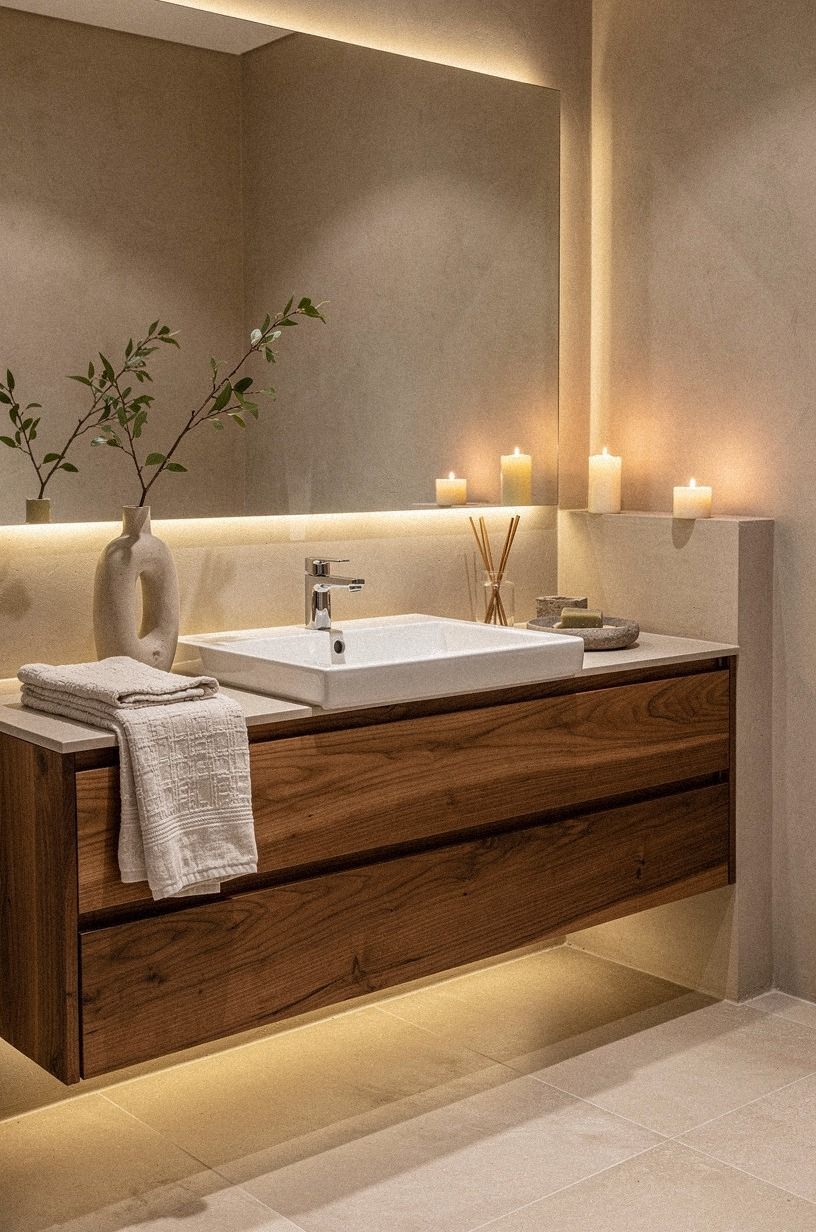
The Two-Height Candle Rule kept my centerpiece from turning into a flat row of objects. I used tall warm-white tapers at the back and low votives near a reclaimed weathered teak board, creating two clear levels for your eye to move through.
I chose black holders instead of matching crystal candlesticks. Camel linen softened the darker accents, and the reclaimed teak kept the table from looking like a wedding display. The holders came from West Elm, while the small votives were pieces I’d saved from previous dinners.
Your candles should be close enough to create one pool of light, but not so close that serving becomes awkward. I left a clear strip through the center for a platter, which mattered more than I expected when guests arrived.
And honestly, the low candles did most of the work. They softened the teak’s hard edge and made the room feel peaceful after the overhead light went off. I’d avoid scented candles near dinner, because you’ll notice the fragrance before you notice the food.
For the lighting rhythm, borrow the Two-Height Candle Rule instead of adding more decoration.
4Mix crystal with honed travertine
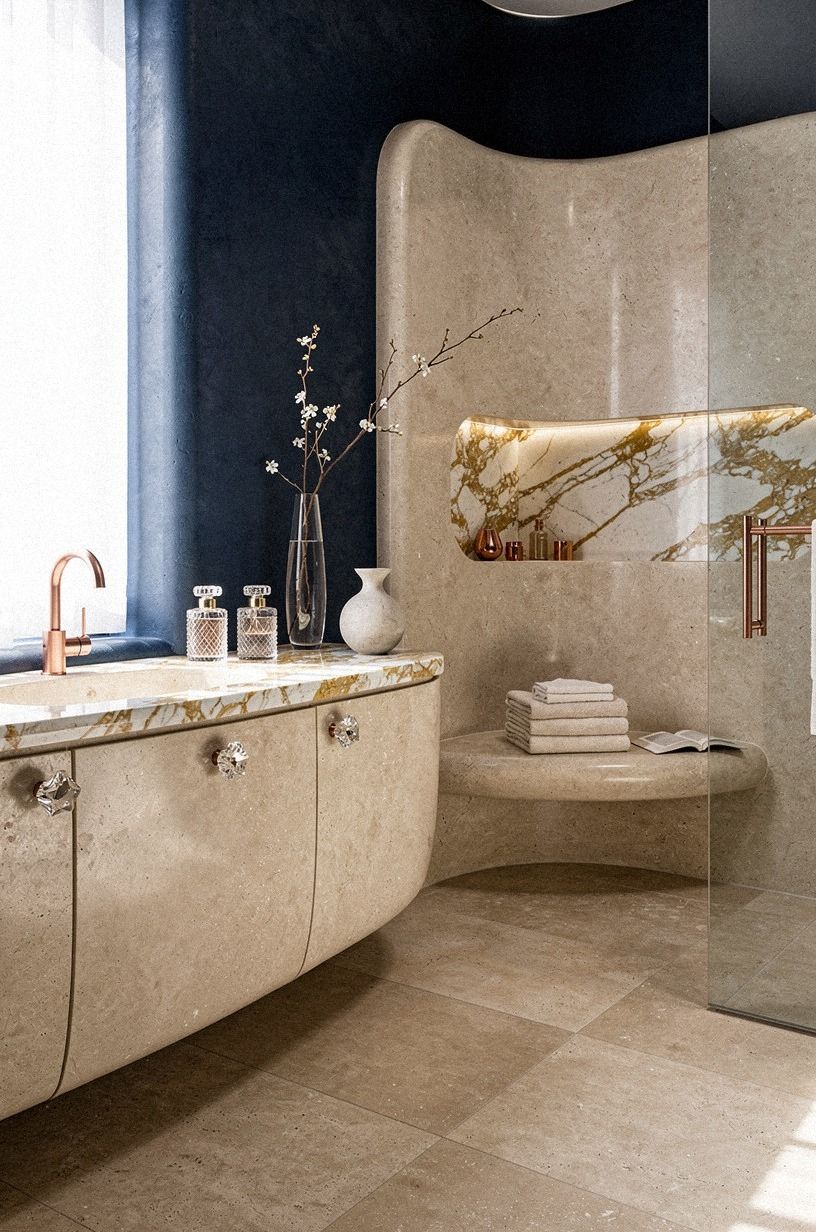
Crystal can look cold when every surface around it is glossy. I balanced mine with Calacatta marble with subtle gold veining, which gave the midnight-blue, copper, and ivory palette a warmer foundation. That contrast is what made the table feel sophisticated instead of precious.
I used six mismatched crystal glasses from a thrift shop. You don’t need a complete set, and I’d rather have different cuts than buy a new matching collection that looks untouched. One glass has a slightly green tint, and that tiny flaw became my favorite detail.
The marble also gave me a practical place for small spills. Your glassware can sit directly on it without feeling at risk, while the veining hides the faint rings that would stand out on polished stone. I still used coasters near the edge, because real dinners are messy.
The moment happened when I poured water into the glasses. Light broke into small shapes across the table, and I stopped adding objects. Your arrangement should have a point where it tells you to quit.
The material contrast is easiest to judge beside this crystal-and-travertine pairing.
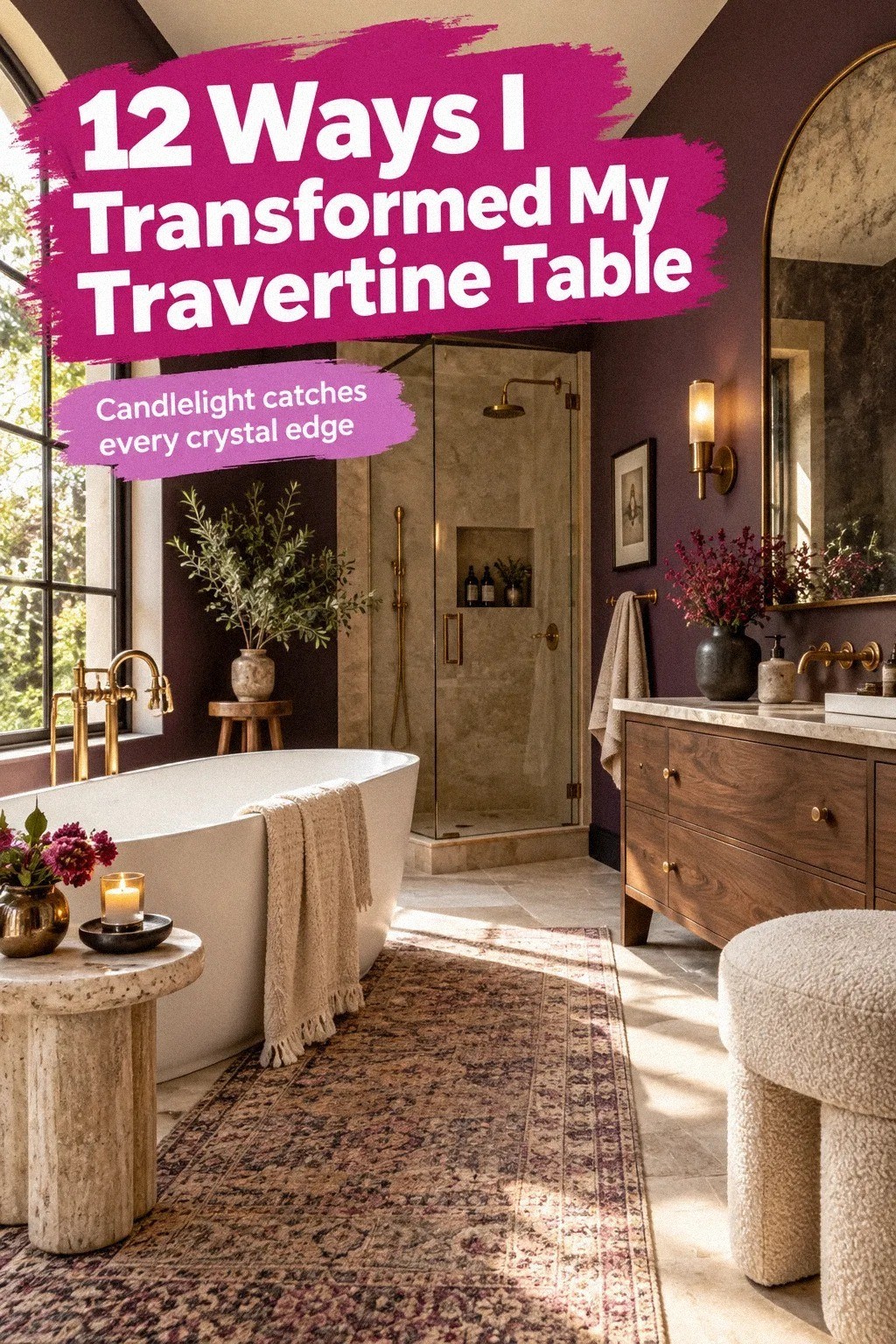
5Let the Three-Source Light Stack do the work
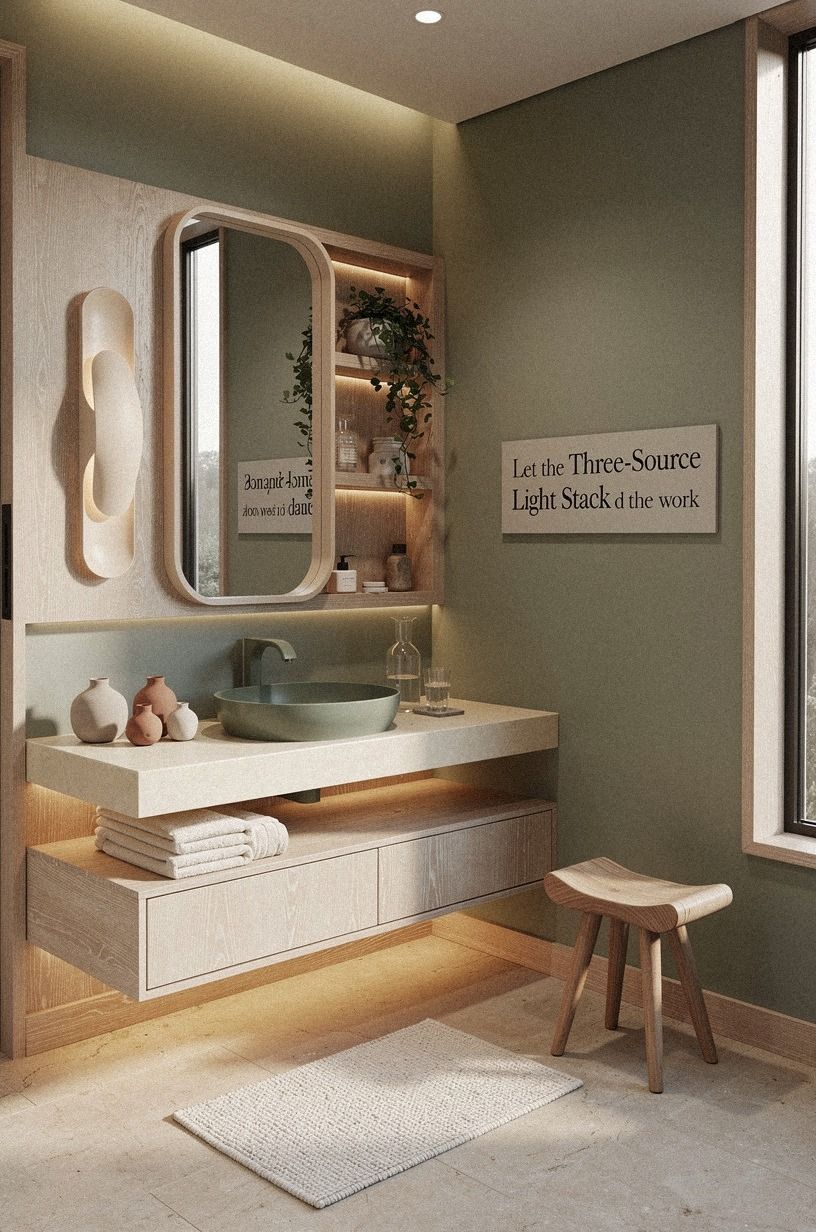
The Three-Source Light Stack uses window light, candlelight, and one low lamp. I tested it after dark and realized the ceiling fixture was flattening everything, so I turned it off and moved an Article Sven tan leather chair beside the table with a small lamp behind it.
You’ll want the lamp at roughly eye level when you’re seated. Its linen shade made a soft pool on the wall, while sage green textiles, warm cream dishes, and cerused white oak kept the table gentle. The window still mattered during the day, even though it wasn’t lit.
I’d skip cool bulbs here. A warm bulb brings out the cream in the oak and the honey tones in the wood, while a blue-white bulb makes the table look gray. Your lighting is more important than another centerpiece object.
But don’t buy a new fixture just for the season. I used what I had, changed the bulb, and lowered the visual brightness around the table. The result was calming, and it cost me less than dinner out!
You can test the same mood with this three-source light stack before changing your fixture.
6Frame each place setting with linen
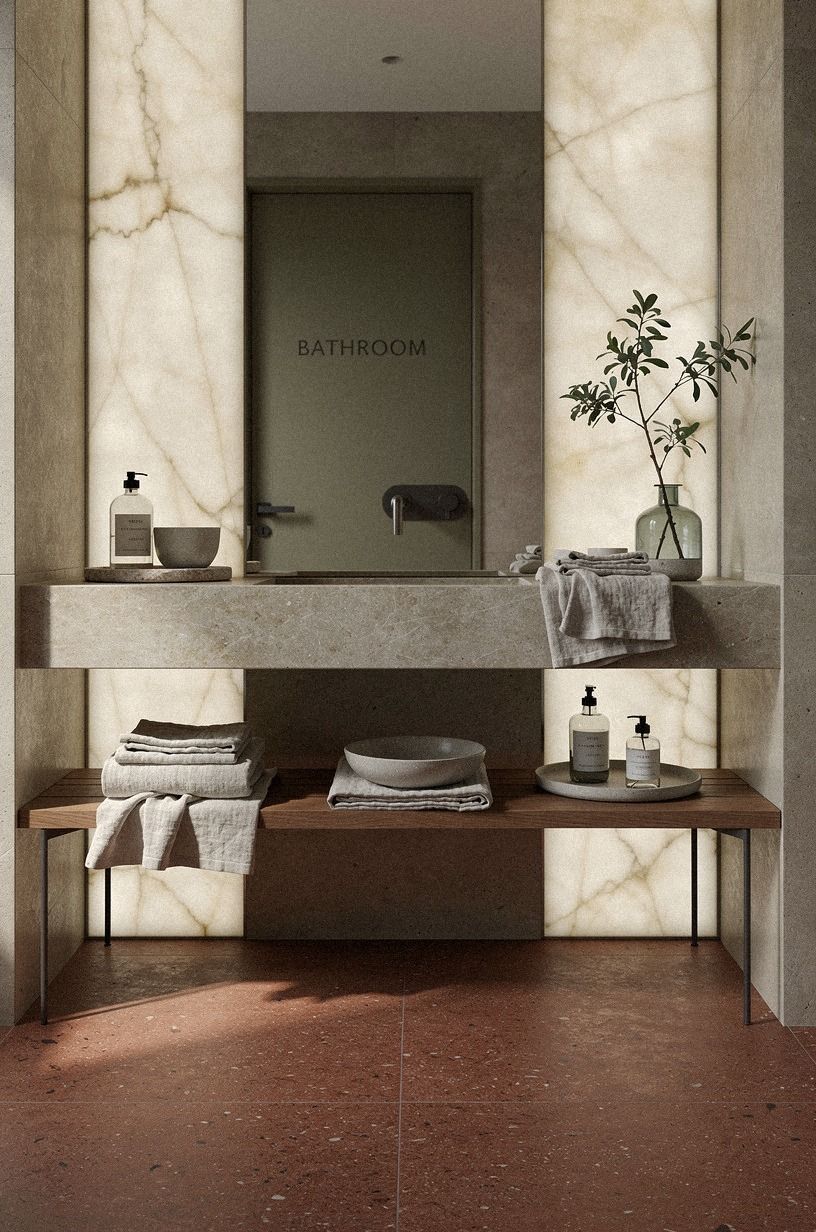
I placed each setting on a slim panel of backlit translucent onyx, then used square Belgian flax linen napkins in terracotta and olive tones. The stone let a little warmth through beneath the dishes, while the loose weave softened each place setting.
My napkins were a muted oat color with a narrow stitched border. I folded them simply and tucked one small rosemary sprig underneath. Your guests should be able to pick up the napkin without dismantling a sculpture, so I avoided rings and elaborate folds.
I also tested a fully polished surface, but it looked too theatrical beside the crystal. The translucent onyx won because it softened the plates and carried the stone color through the setting. A table should show that people are using it.
And if you’re working with neutral Christmas table styling, add one imperfect detail rather than another color. A wrinkled napkin, a crooked sprig, or a slightly uneven plate stack can make the setting feel lived-in.
For a softer place setting, use the linen framing method and leave the stone visible.
7Why does a small table need so much air?
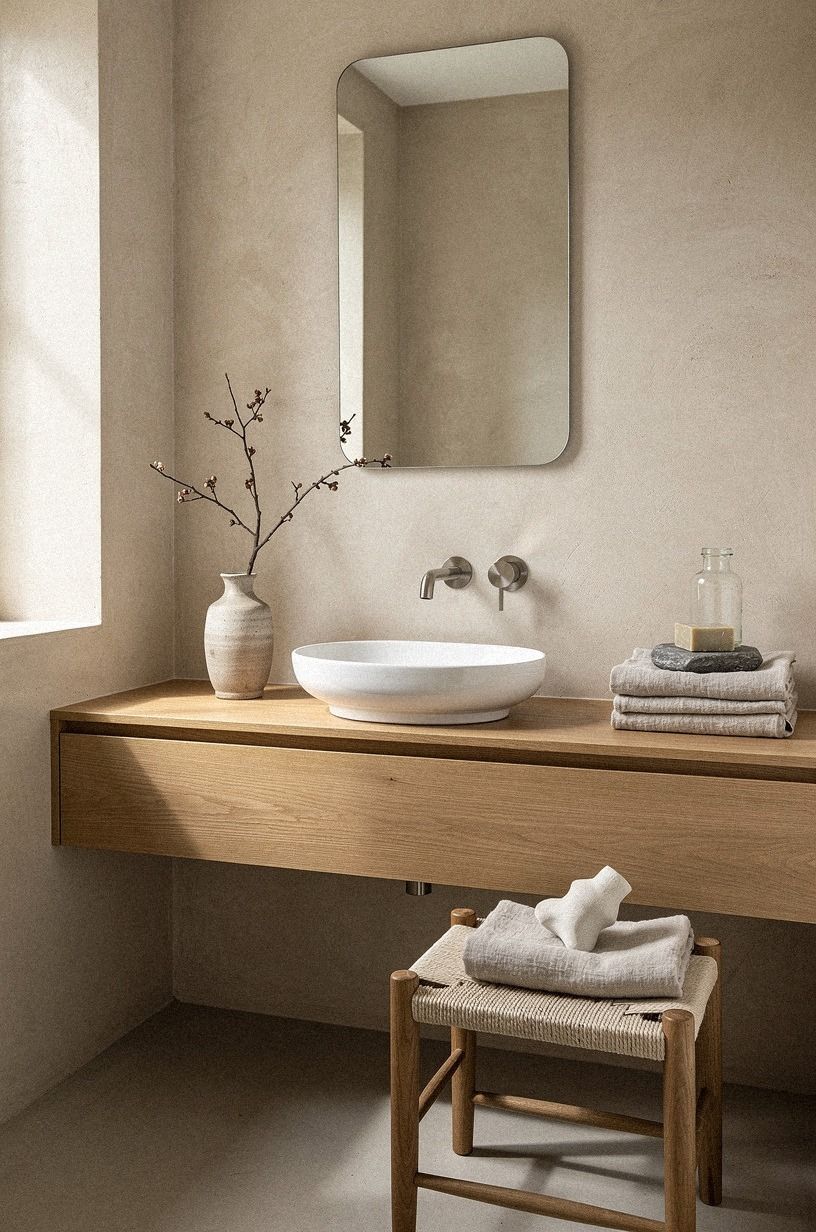
A small table needs negative space because every object sits closer to your plate, your hands, and your conversation. I measured the arrangement before setting it, then left a clear 21-inch zone in front of each place so your knees and serving dishes wouldn’t compete.
The table is only 60 inches long, with a book-matched walnut surface, so I limited the centerpiece to the stone, six candles, and three small branches. Clay linen and aged brass added warmth without taking over. You may want more decoration, but the room will feel more inviting when your eye can rest between objects.
I kept one end completely open for a carafe. That decision seemed excessive until dinner began, and then I was grateful I didn’t need to reach across someone’s plate. Your styling has to survive real use, not just a styled moment.
A nearby walnut sideboard held extra linens and plates, but I didn’t place anything on the table from it. Storage belongs close enough to help you, not close enough to crowd the arrangement.
The spacing is worth revisiting in this small-table air guide.
8Swap polished silver for unlacquered brass
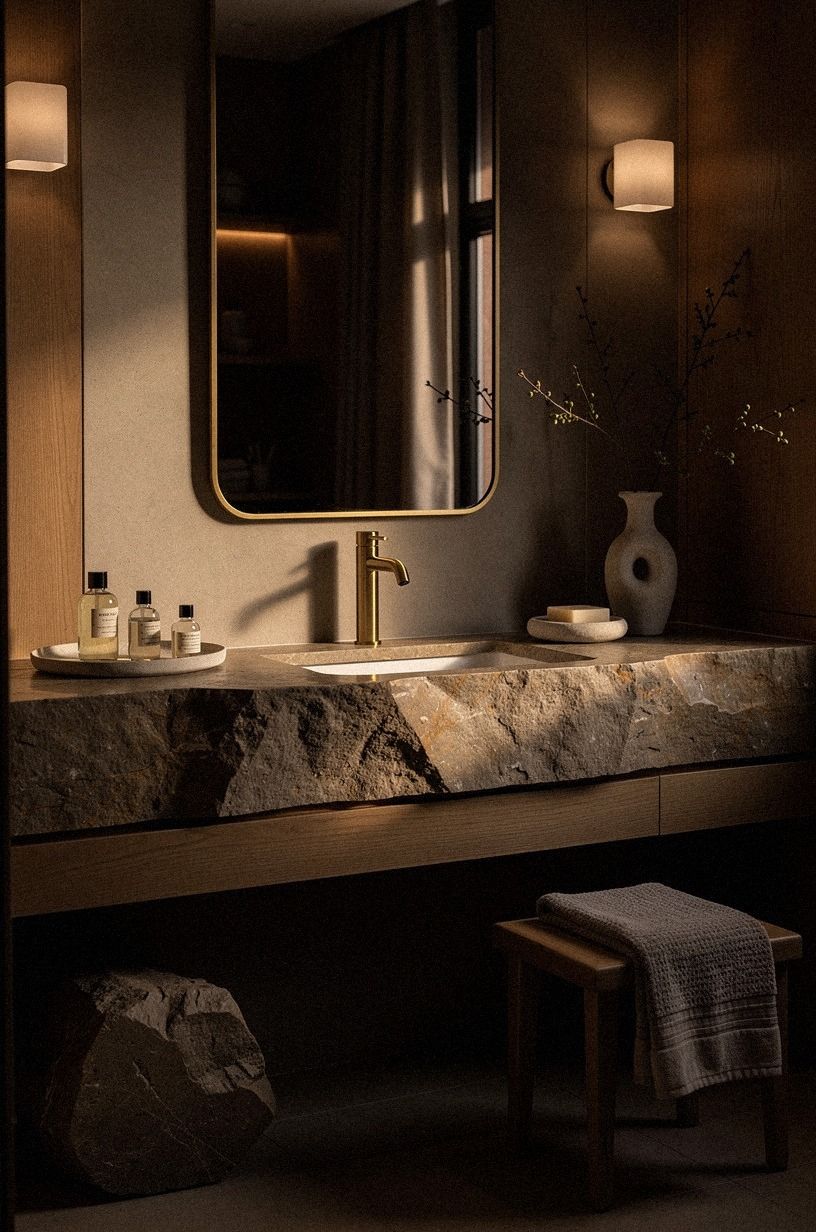
I swapped the polished silver flatware for rose-gold-toned metal against warm travertine, then added plum napkins and soft grey accents. The warmer finish connected the glass to the stone without making the table feel overly shiny.
9Paint the backdrop with Chestertown Buff
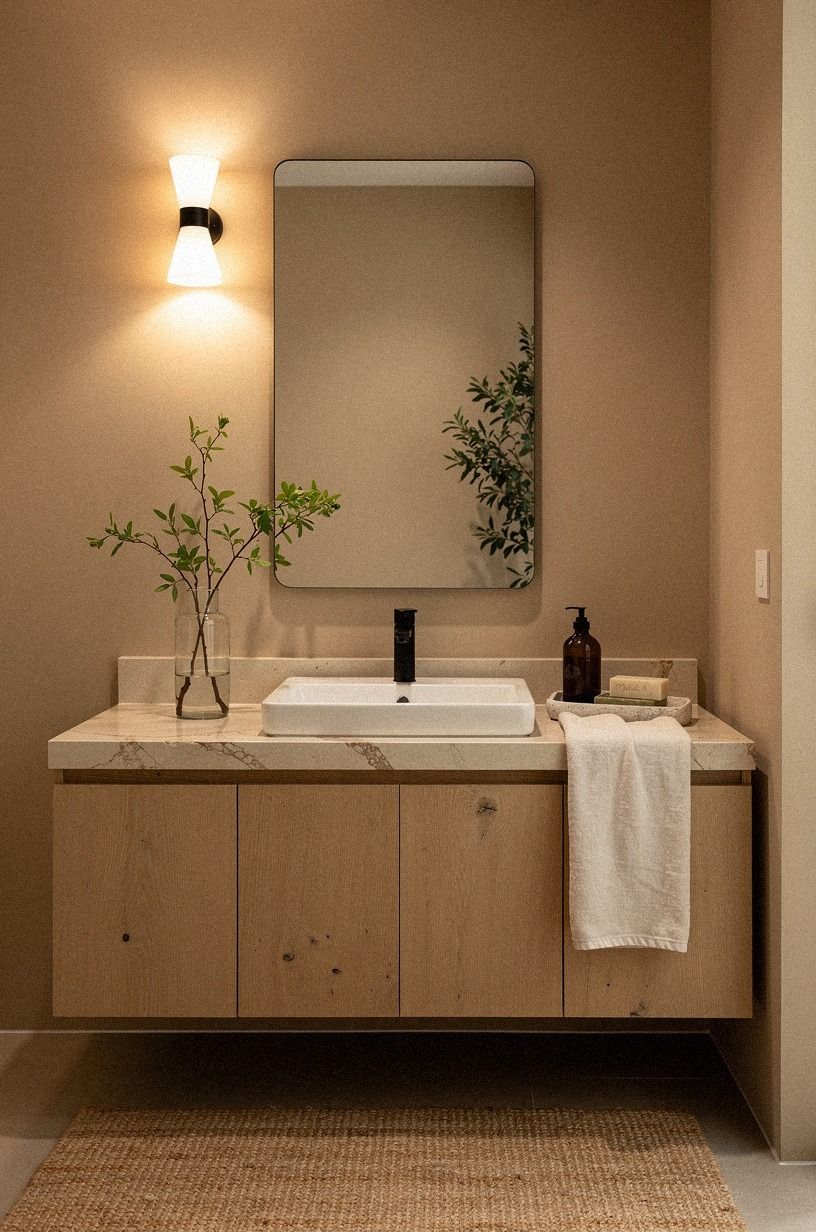
The dining nook needed a lighter counterpoint, so I used Benjamin Moore Chestertown Buff HC-9 on the short wall opposite the navy backdrop. It’s a soft, earthy neutral that caught the candle glow without looking yellow, while the walnut table kept the palette grounded.
I painted only one wall because the rest of the room already had warm white trim. You can create the same effect with a removable fabric panel, a large linen textile, or a simple art print behind the table. Your backdrop should support the table, not become another centerpiece.
The color looked pale at noon and richer after sunset. That shift was useful because the table changed with the day, and I didn’t have to keep adjusting the objects. I’d choose this over stark white if your walnut feels too heavy.
But if your room needs more brightness, Benjamin Moore White Dove OC-17 is a gentler option. It keeps the white notes clean without losing warmth.
The wall treatment works best when you compare it with this Chestertown Buff backdrop.
10Anchor the centerpiece with the Three-Object Pause
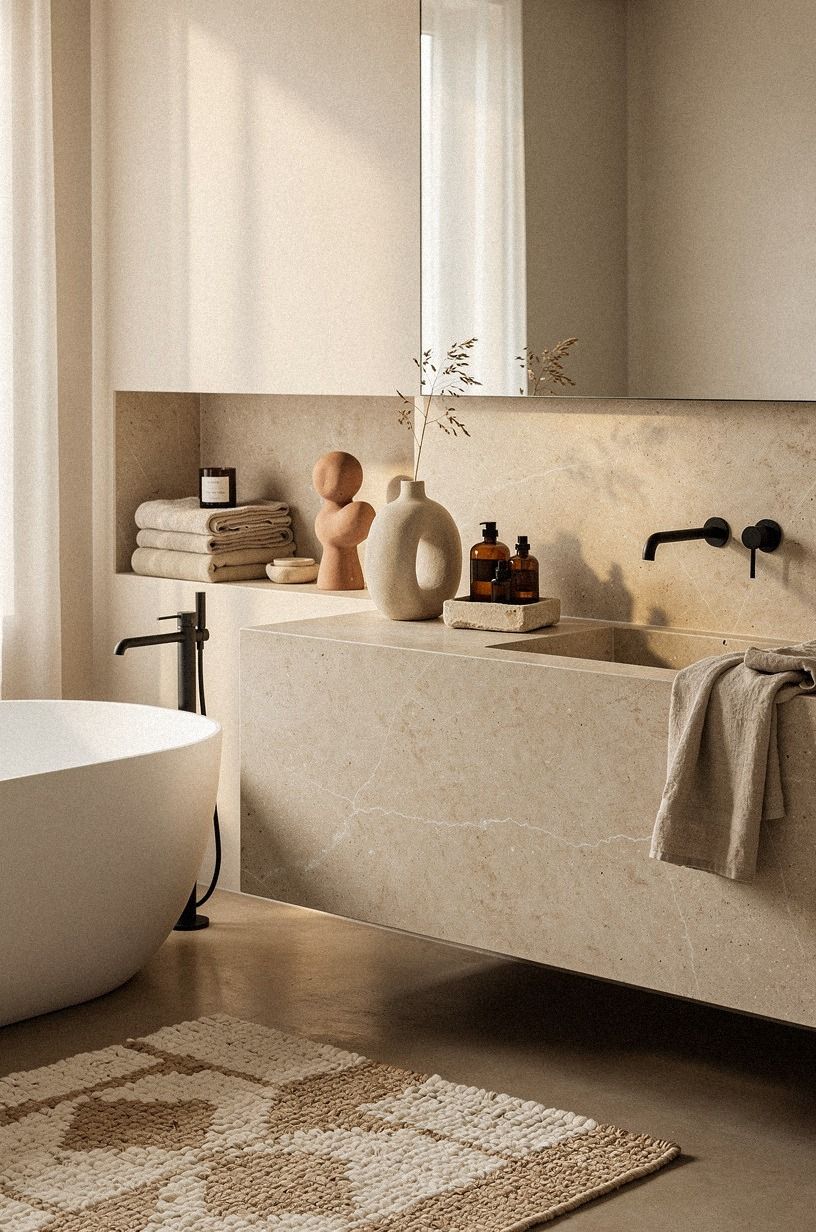
The Three-Object Pause means I stop arranging after three large forms appear. Mine were an oversized-chip terrazzo slab, the tallest candle, and a low bowl of pears. Emerald, gold, and cream kept the centerpiece festive without making it busy.
I used a shallow cream stoneware bowl with a fine gold rim because it echoed the terrazzo without copying it. The pears added a soft organic color, and you can eat them later, which made the decoration feel useful rather than staged.
I’d skip a tall floral arrangement for this table. It would block your view across the setting, and crystal already supplies plenty of sparkle. Your guests should see one another, not work around a branch arrangement.
The pause felt uncomfortable at first. I kept reaching for another vase, then another ornament. And when I removed them, the table looked more refined, more relaxed, and much easier to use.
When the centerpiece starts growing, return to the Three-Object Pause.
11Hang crystal where the window can find it
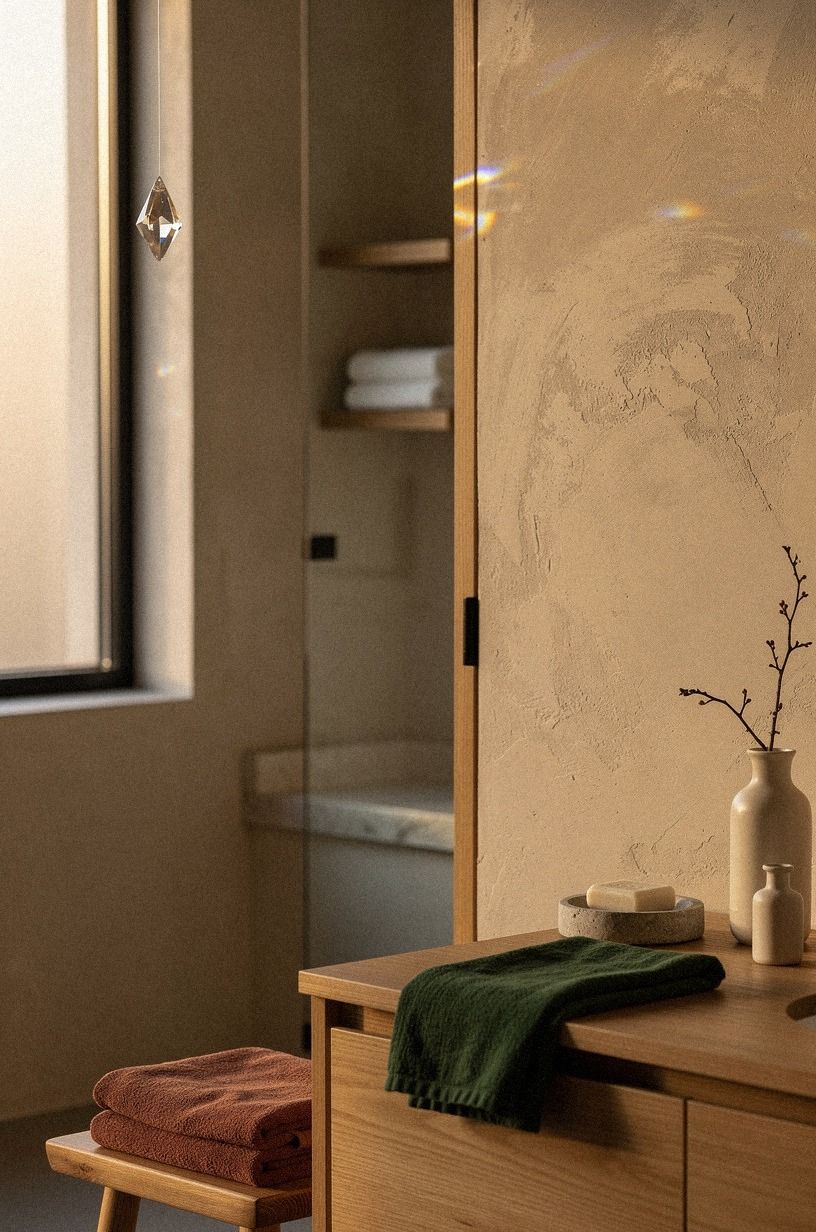
I hung three small crystal ornaments in the window beside the table instead of placing every reflective object on the stone. During the day, they caught the light and sent small bright marks across the hand-applied Venetian plaster behind the table.
You can use old chandelier drops, crystal prisms, or a few clear ornaments on thin ribbon. I kept them at different heights, but none hung below eye level, so your view stayed open during dinner.
The window was the right location because it gave the crystal movement. A piece sitting on the table can look static, while one turning gently in the air feels enchanting without adding clutter. I’d use fewer pieces than you think.
My favorite one has a tiny chip near the edge. You can’t see it from the table, but I know it’s there, and that makes the arrangement feel honest. Perfect objects rarely make a room feel personal.
Forest green, rust, and natural oak kept the plaster and crystal from feeling too pale. For reflective accents, follow the window crystal placement and keep the sightline open.
12Finish with the Warm Stone Meets Glass test
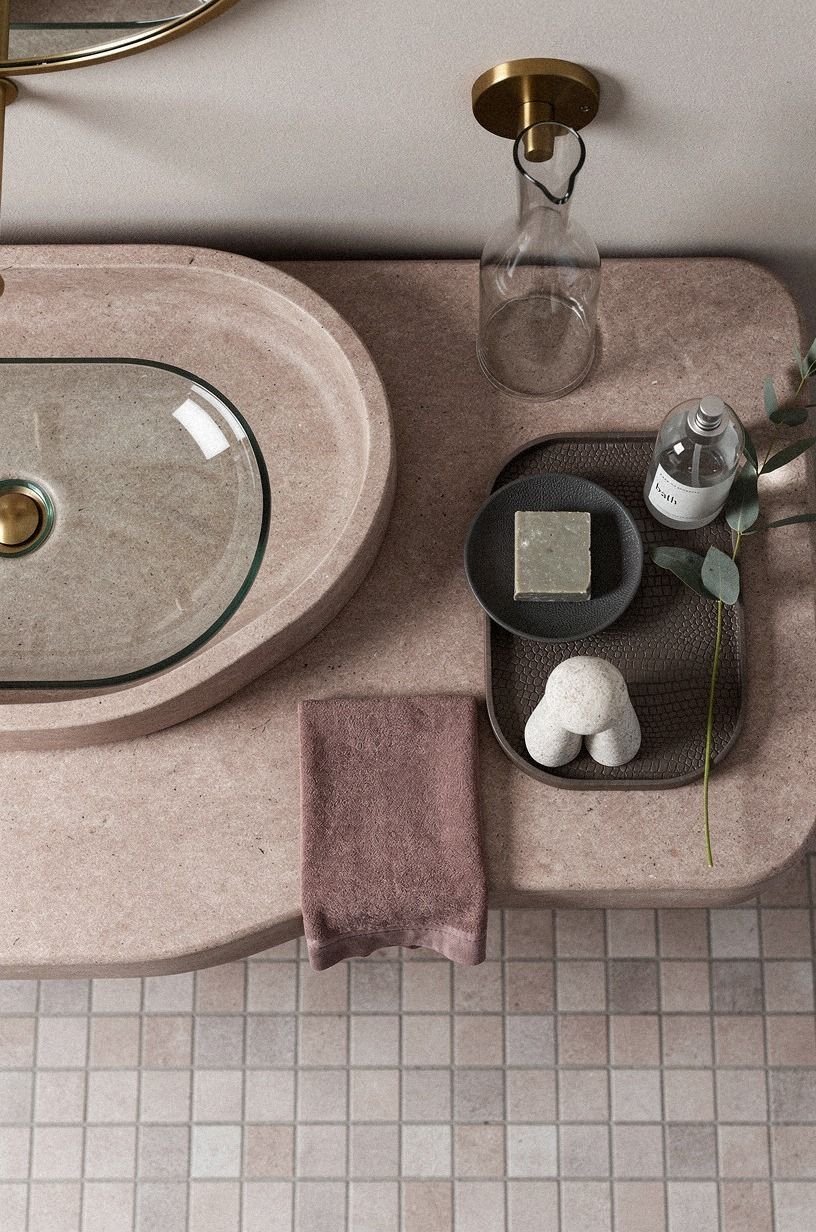
Before dinner, I removed every item that didn’t serve the balance between warm stone and clear glass. One small shagreen accent, a brass detail, and the dusty rose and charcoal textiles were enough to finish the table.
How much it cost
My exact table setup came to $208 before tax: $84 for the travertine remnant, $36 for six thrifted crystal glasses, $42 for linen napkins, $28 for candles, and $18 for brass clips. I already owned the dishes, lamp, bowl, and wall paint, so your total could be lower if you shop your home first.
For broader US room-refresh context, these are the supplied typical ranges. They’re not the cost of my table, but they’re useful if your holiday styling leads into a larger renovation.
I also kept these material ranges in mind while choosing the stone and metal. Zellige tile typically runs $15-$35 per square foot, subway tile $2-$10 per square foot, a marble top $50-$100 per square foot, and a brushed brass faucet $120-$450. Your table doesn’t need any of those upgrades, but knowing the ranges helped me avoid paying renovation-level money for a seasonal display.
If you’re working with $50, use what you own, buy one thrifted crystal piece, and choose a single candle color. If you have $100, add linen napkins. I’d spend the most on the stone because it becomes useful beyond the holidays.
The full cost breakdown is a useful starting point if you’re deciding where to spend.
What the table taught me about restraint
I thought the crystal would be the star, but it wasn’t. The travertine did more of the emotional work because it gave the glass a warm, grounded surface. Without that stone, the crystal looked decorative.
Together, they made the room feel gathered and welcoming.
I also learned that holiday styling doesn’t need to announce itself with red ribbon or glitter. Farrow & Ball Setting Plaster gave the room softness, while the candlelight supplied the seasonal feeling. You can build a festive table from temperature, texture, and reflection.
My biggest mistake was buying too many small objects before I understood the arrangement. I placed pinecones, ornaments, little trees, and two extra bowls on the first version. It looked busy, and I couldn’t see the dishes.
Your first edit should probably remove half of what you’ve collected.
The useful rule is to let each material have a job. Travertine provides weight.
Crystal provides movement. Linen provides softness.
Brass provides warmth. Wood provides breathing room.
Once you know your materials’ jobs, you won’t keep adding things to solve a problem they can’t fix.
I’d also repeat the unevenness. One chipped glass, one crooked branch, and one irregular stone edge kept the table from feeling staged. The result was refined but still relaxed, which is the balance I wanted from the beginning.
The main lesson is captured in this restraint guide: give every material a job, then stop.
A Few Things Worth Answering
What is the best The Crystal and Travertine Holiday Table: Warm Stone Meets Glass for a small bathroom?
For a small space, use one travertine tray, two crystal glasses, and low candles. A narrow arrangement saves room while still reflecting light. A nearby walnut sideboard can hold linens, but keep the table surface open so your room doesn’t feel crowded.
Where can I buy The Crystal and Travertine Holiday Table: Warm Stone Meets Glass pieces on a budget?
Look at IKEA, Wayfair, and Target for linen textiles, candleholders, and simple glassware. Secondhand crystal gives you the most character for the least money. Check Facebook Marketplace and local thrift shops, where mismatched glasses often cost less than a new set.
How much does a The Crystal and Travertine Holiday Table: Warm Stone Meets Glass makeover cost?
A small makeover can run about $100 to $300, depending on whether you already own dishes, candles, and linens. Shopping your home keeps the cost down because the biggest visual change comes from rearranging materials, not replacing every piece.
Can I create a The Crystal and Travertine Holiday Table: Warm Stone Meets Glass on a budget?
Yes, and you can start with three free moves: remove clutter, turn off the overhead light, and group your existing glassware. One thrifted crystal piece can change the light more than a full new collection. Add linen napkins only if your budget allows.
Is a The Crystal and Travertine Holiday Table: Warm Stone Meets Glass worth it in a small space?
Yes, because a small table gives you fewer surfaces to balance. A restrained centerpiece makes the room feel larger when you leave space around each place setting. Keep your centerpiece low, use one stone base, and leave the center open for serving.
Is The Crystal and Travertine Holiday Table: Warm Stone Meets Glass a good idea for a rental?
Yes. Use removable wall hooks, a tension rod for linen, and a freestanding lamp instead of permanent changes. No-damage swaps keep the look flexible so you can take the crystal ornaments and fabric panels with you when your lease ends.
For a rental-friendly version, see the no-damage approach.
Where I’d Start First
If I had to pick one, I’d start with the travertine slab. Its uneven surface keeps crystal from looking cold, and every candle reflection lands better against the warm stone.
Shop your home first, then pin the table for later. You won’t need much else.