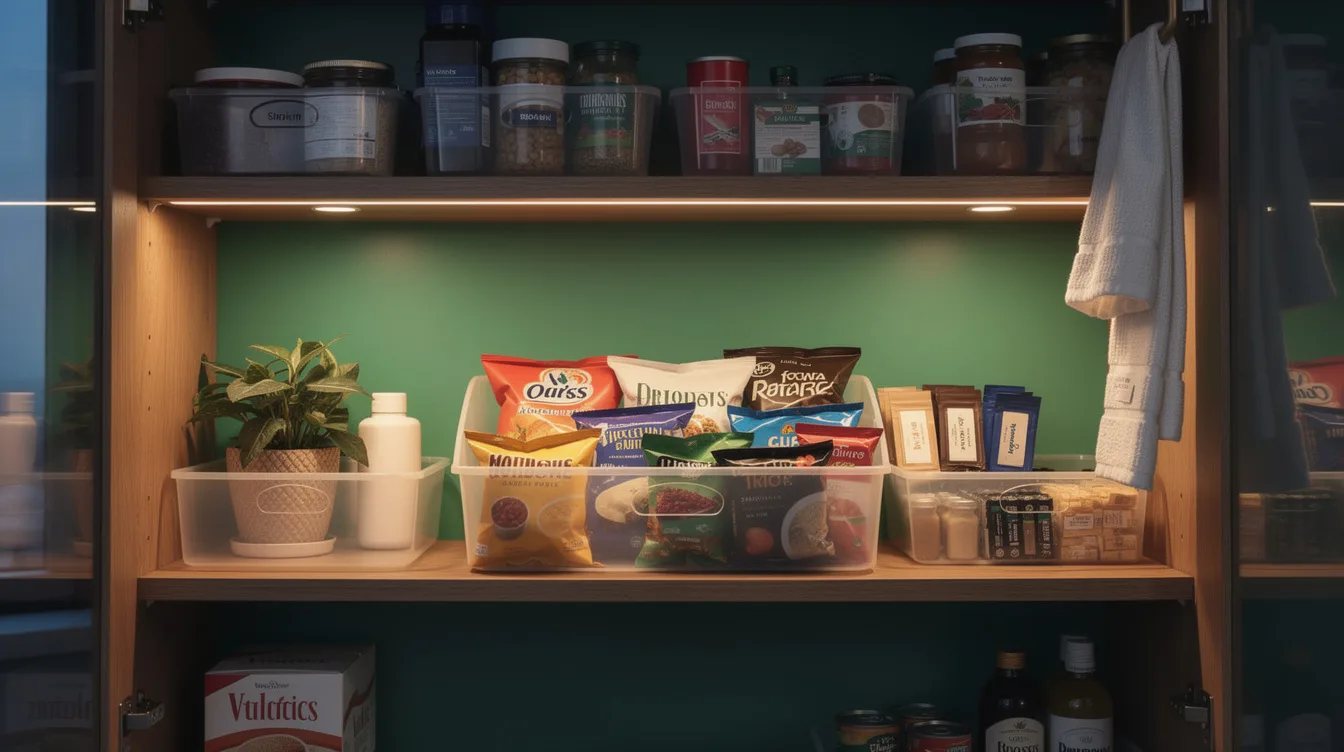
12 Walmart Clear Bins for a Pantry With Its Own Ecosystem
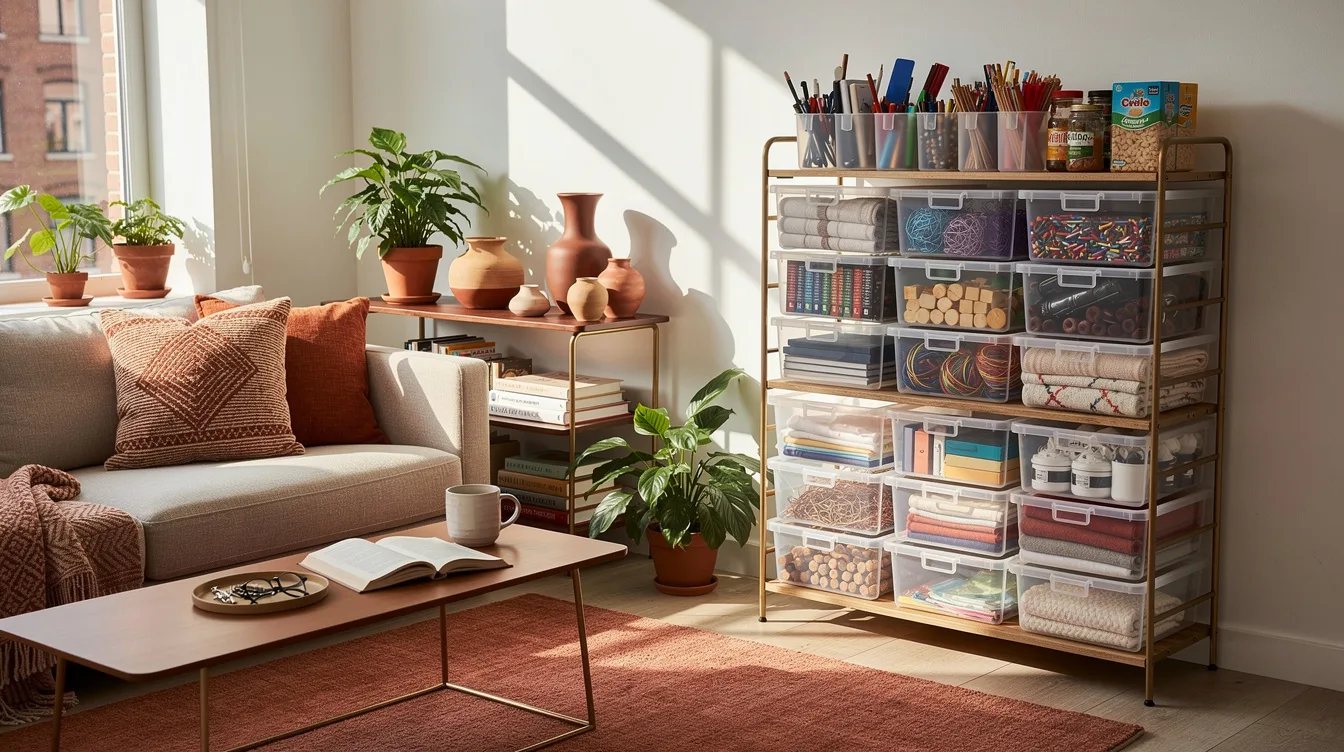
27 september 2026A single The Home Edit bin at Walmart can cost about $4.10, yet shoppers often treat it like a tiny declaration of values. Clear walls, tidy categories, and stackable shapes turn vitamins, snack bars, and cleaning refills into evidence of a life that has been deliberately arranged.
The appeal is practical, but the performance is personal. Once every shelf has a visible system, the bins begin to communicate whether a household runs on lunch prep, skincare backups, pantry snacks, or the deep satisfaction of seeing the last battery exactly where it belongs.
What you will find inside
- Start With Small Bins for Tiny Categories
- Build a Snack Shelf That Shows Its Priorities
- Give Bulky Pantry Items an Open Front
- Zone the Fridge Around Real Routines
- Stack Large Bins for Pantry Backstock
- Use Clear Drawers for Bathroom Extras
- Make the Under-Sink Cabinet Pull Out
- Reserve Medium Inserts for Personal Care
- Match Bin Size to the Shelf Before Buying
- Use the 20-Piece Set for a Full Reset
- Pair Clear Plastic With Warmer Materials
- Edit the Categories Before They Multiply
Start With Small Bins for Tiny Categories
The small The Home Edit clear storage bin measures about 4.68 by 2.95 by 3.12 inches and typically costs around $4.10 at Walmart. That footprint handles vitamins, tea bags, batteries, hair clips, or loose charging pieces without swallowing an entire drawer.
This is where the personality begins: every minor inconvenience receives a designated home. Use one bin for a single repeat category, because a container labeled for everything quickly becomes a junk box with better public relations.
Build a Snack Shelf That Shows Its Priorities
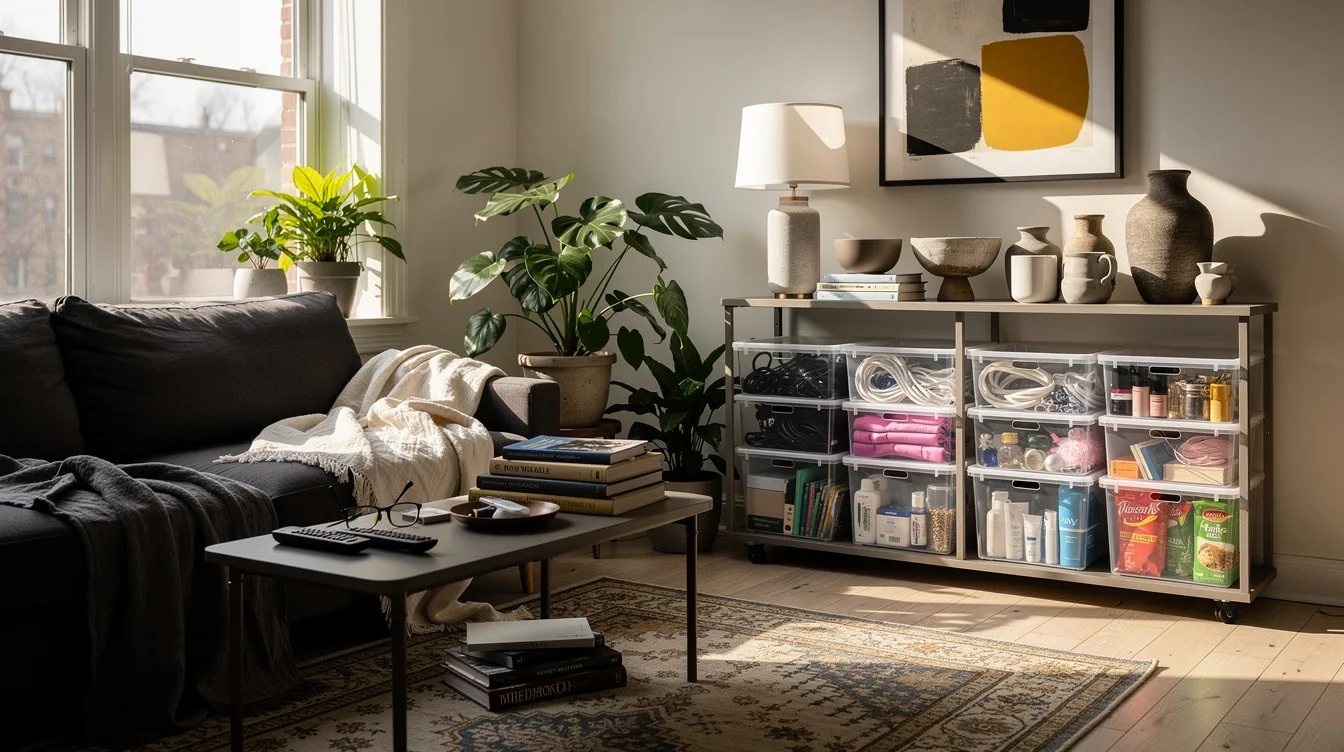
The medium clear plastic organizer insert is about 6.24 by 4.68 by 2.95 inches, with common Walmart pricing around $5.49 for one or roughly $7.97 for two. It fits granola bars, drink packets, lunchbox fillers, and small snack bags while keeping the shelf visually calm.
Group snacks by the way your household reaches for them, such as school mornings, work breaks, or movie nights. The result feels personal because the storage reflects actual habits instead of pretending every pantry needs the same arrangement.
Give Bulky Pantry Items an Open Front
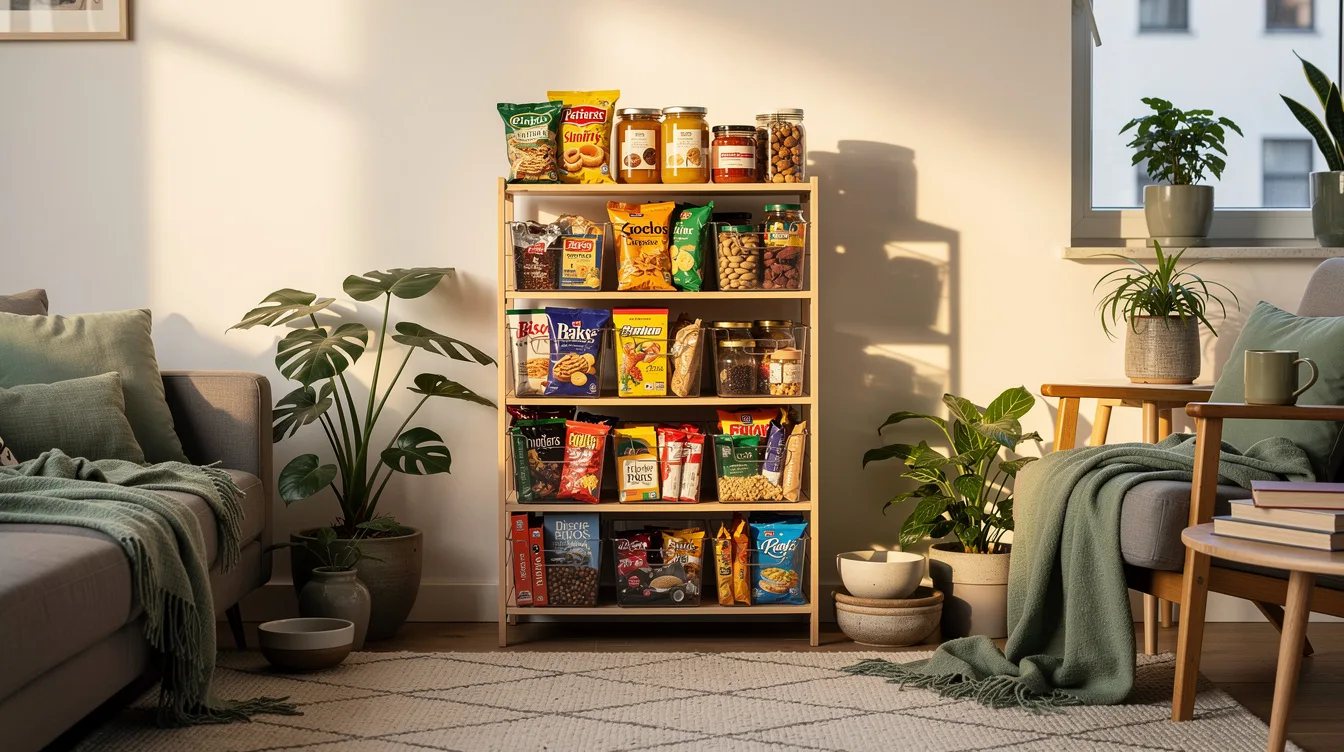
The XL The Home Edit open-front bin measures about 16 by 10 by 6 inches and typically costs around $10.92 for one. Its wide opening works for bread bags, cereal refills, baking packets, wraps, and other items that become awkward inside a lidded container.
Place it at eye level and pull the whole bin forward when you need something at the back. This format earns its space because it makes bulky packaging accessible while keeping the shelf from reading as a pile of half-used groceries.
Zone the Fridge Around Real Routines
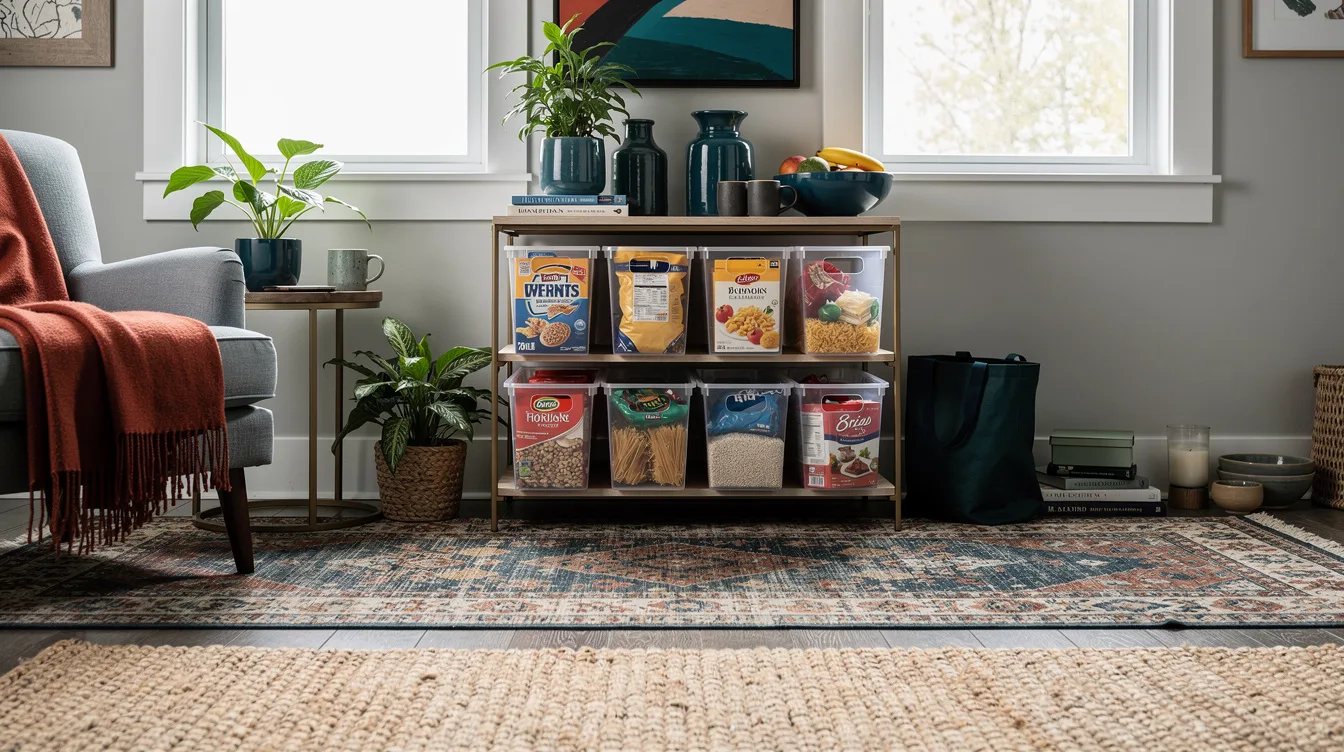
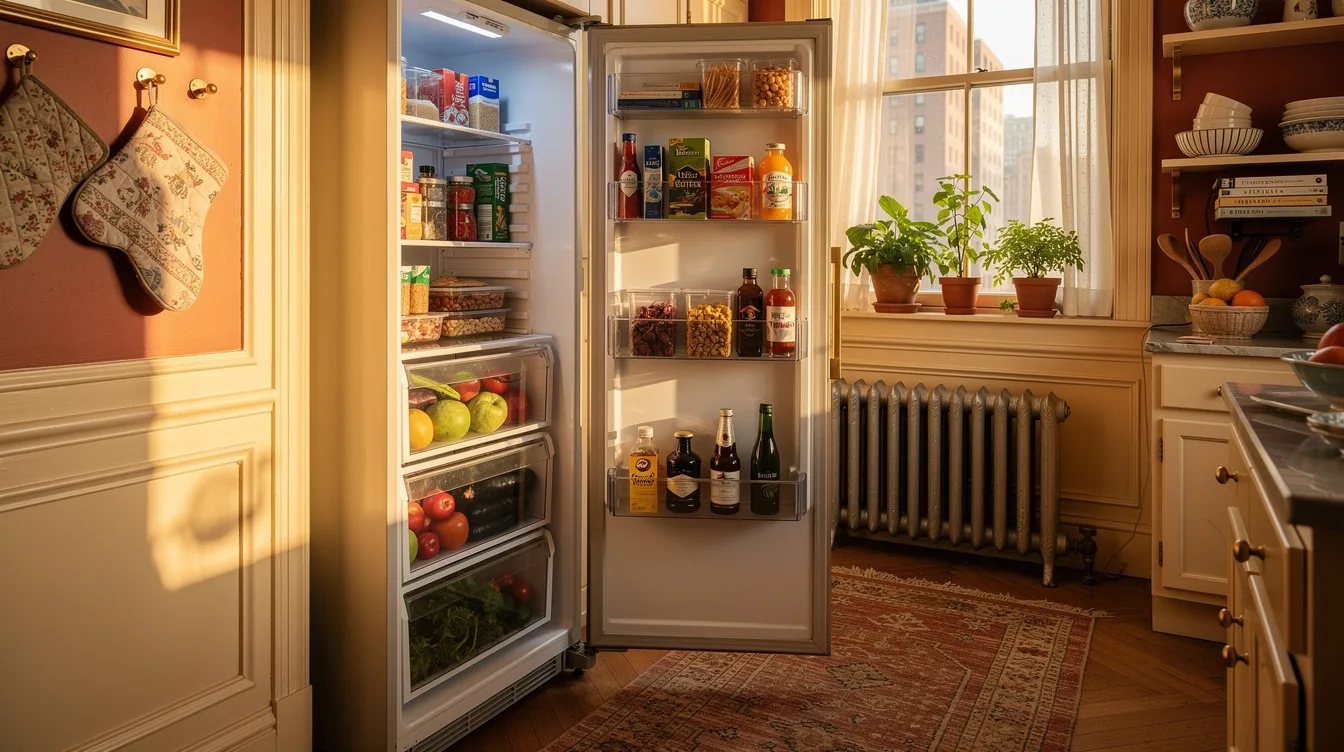
A clear refrigerator bin gives each food group a movable boundary, which is useful for yogurt cups, cheese sticks, sandwich supplies, or grab-and-go produce. The open front matters here because a full bin can come out like a shallow drawer instead of forcing you to unload the refrigerator shelf.
Keep one zone for foods that disappear quickly and another for ingredients that need a reminder. We prefer this approach to organizing by color or package shape, since the best refrigerator system answers the question you ask while standing there hungry.
Stack Large Bins for Pantry Backstock
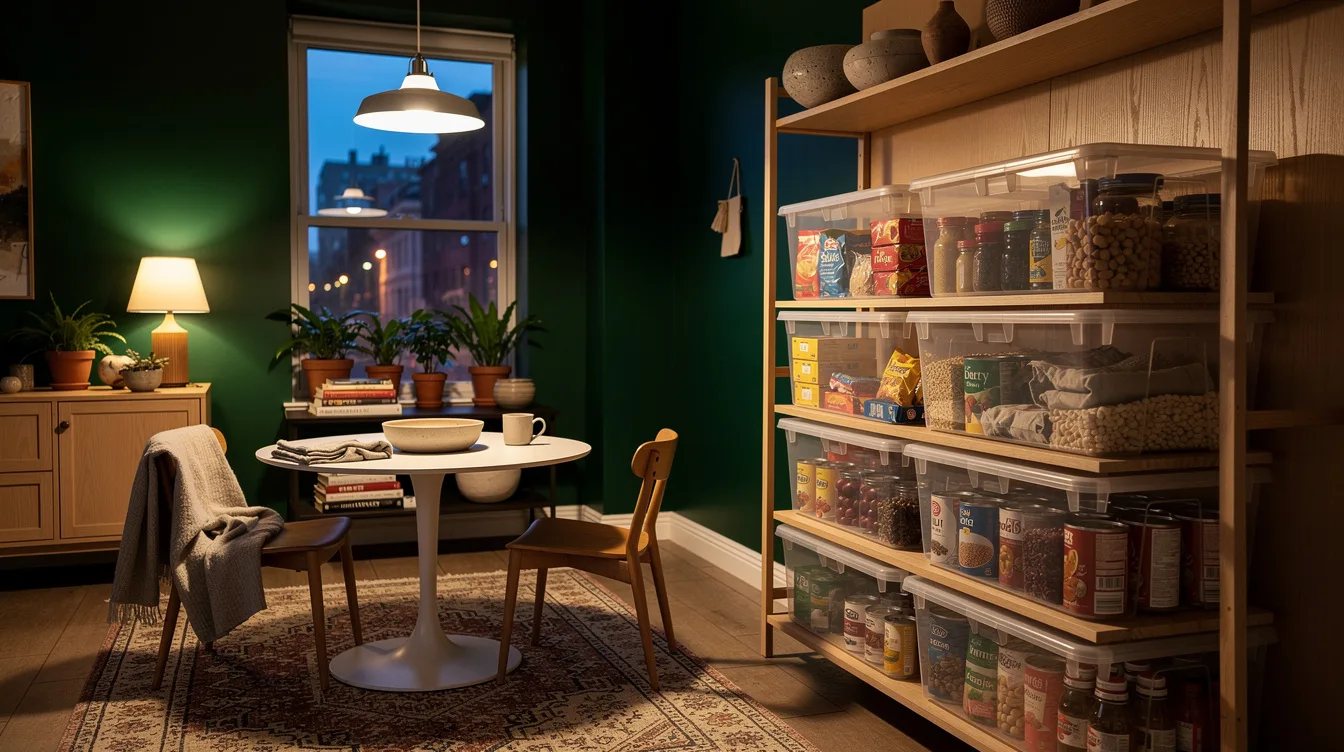
The large The Home Edit storage bin is listed at about 10 by 10 by 6 inches and often costs around $9.99 for one or roughly $19.98 for two. The square footprint suits sauces, cleaning refills, canned goods, and duplicate pantry items that need a firm boundary.
Stack only categories you can identify from the front, and leave enough clearance to lift the upper bin safely. A backstock tower should make inventory easier, not turn a lower shelf into an archaeological dig.
Use Clear Drawers for Bathroom Extras
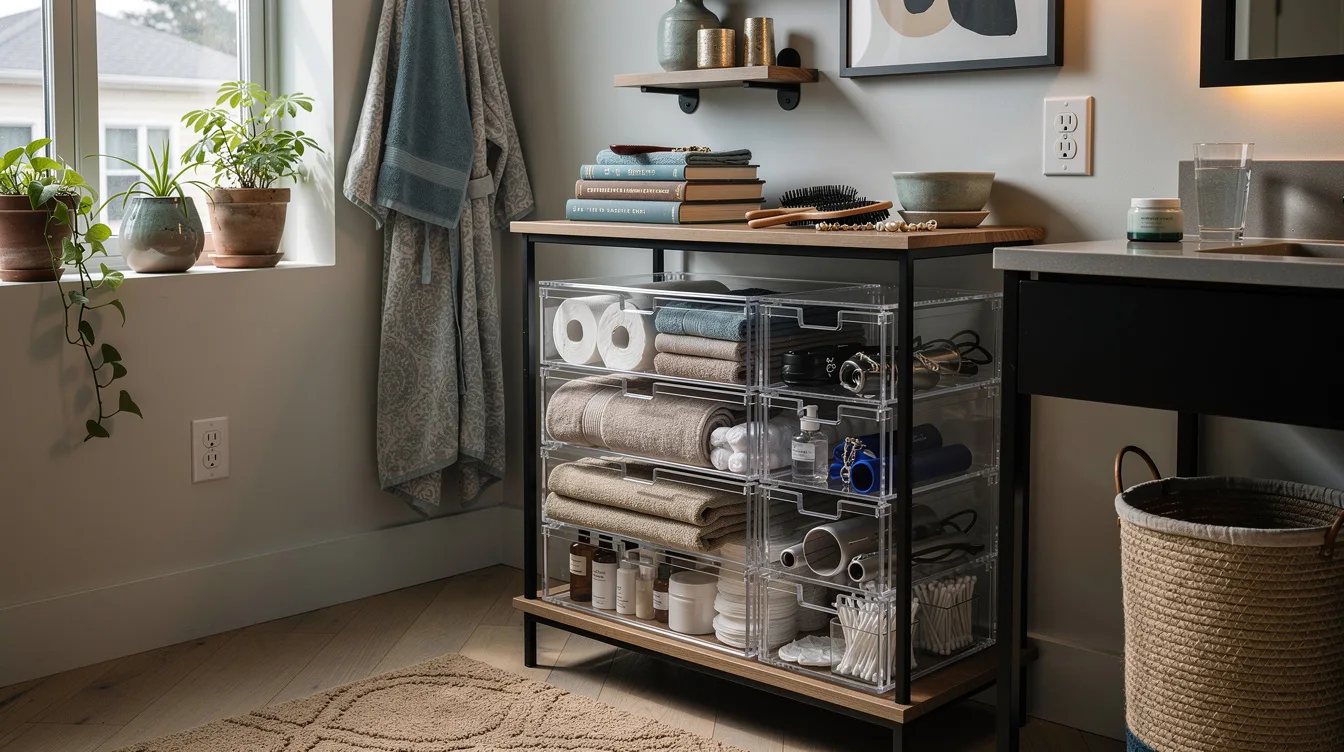
The clear stackable drawer has a footprint of roughly 10 inches and is commonly listed near 10.3 by 10.3 by 7 inches, with pricing historically around $16.98. It gives skincare backups, travel toiletries, contact supplies, or hair tools a protected place without hiding the quantity inside.
Reserve drawers for items that need dust protection or a little separation from the counter. Open bins are faster for daily products, while drawers make more sense for the inventory that gets touched once a week.
Make the Under-Sink Cabinet Pull Out
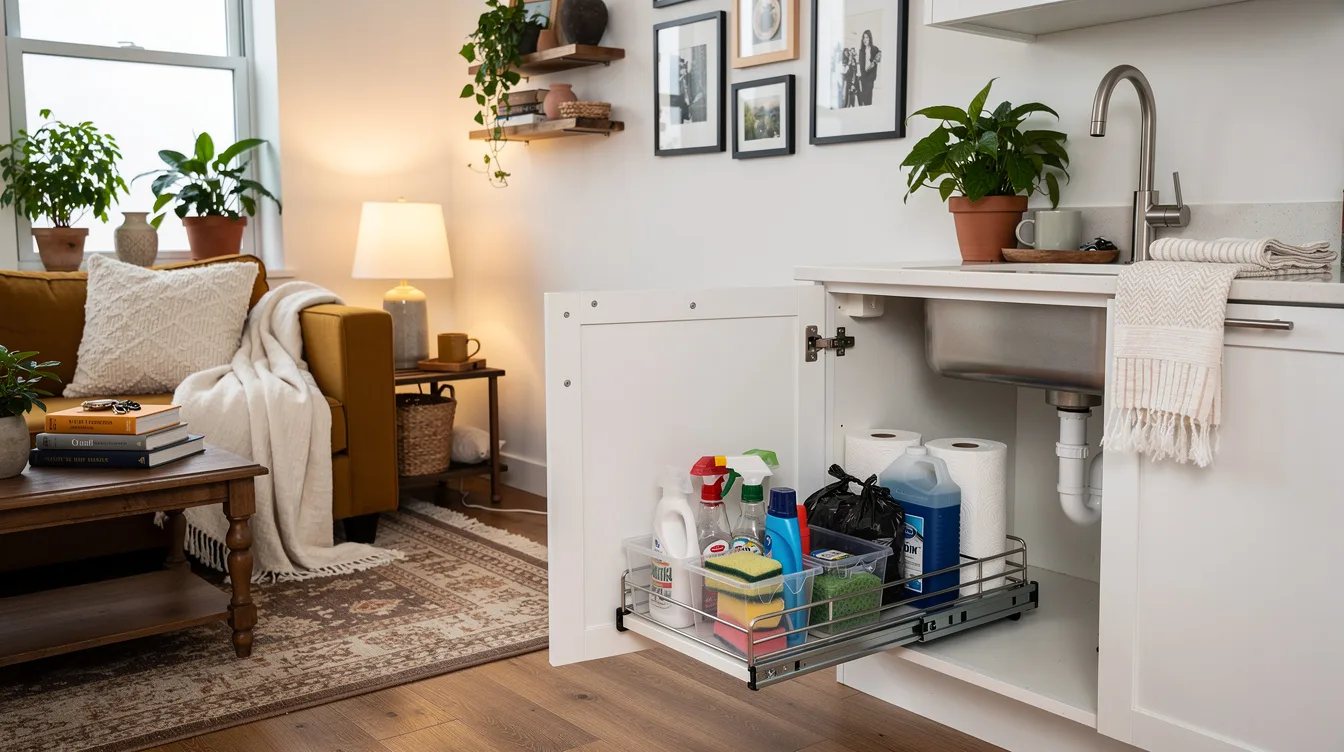
Under-sink storage improves when a durable BPA-free plastic bin holds one supply family, such as dishwashing refills, sponges, or surface cleaners. The large 10 by 10 by 6 inch format is especially useful when plumbing divides the cabinet into narrow sections.
Measure around the pipes before shopping, then keep the most frequently used bin near the doors. Clear sides expose leaks, empty bottles, and accidental duplicates, which is precisely why this setup works better than an opaque basket.
Reserve Medium Inserts for Personal Care
A medium clear organizer insert can separate makeup, skincare samples, nail supplies, or daily dental items without requiring a full vanity overhaul. Its shallow height makes it practical for drawers where taller containers would waste usable space.
Give each person or routine a defined section, then leave one small area unassigned for products in rotation. That bit of flexibility keeps the system from becoming a display that fails the moment a new item enters the bathroom.
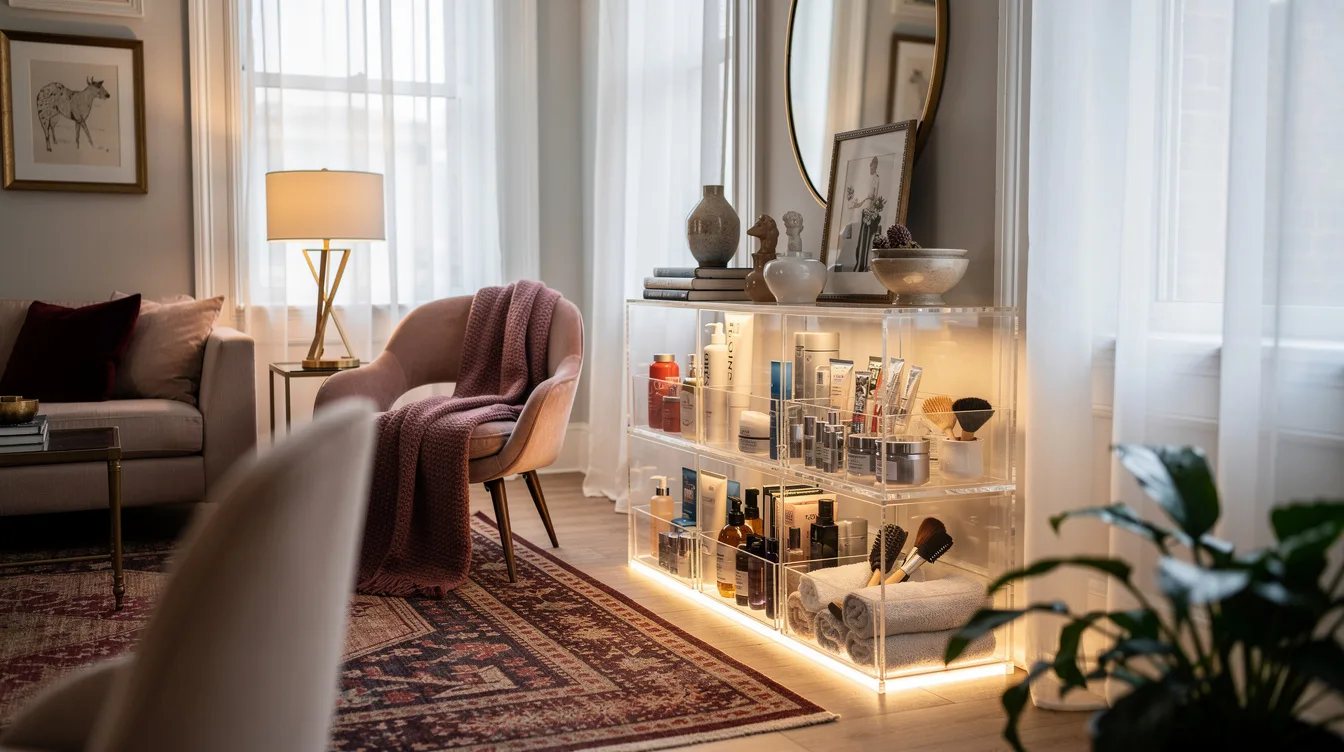
Match Bin Size to the Shelf Before Buying
The modular appeal of The Home Edit plastic bin depends on accurate shelf measurements, especially when a pantry has fixed supports or a refrigerator has a narrow door clearance. A bin that is about 16 inches wide needs a different home from one with a 10-inch square footprint, even when both look compatible online.
Measure width, depth, and vertical clearance, then account for the hand space needed to pull the bin forward. This small planning step keeps the collection coherent and prevents the personality project from becoming a return pile.
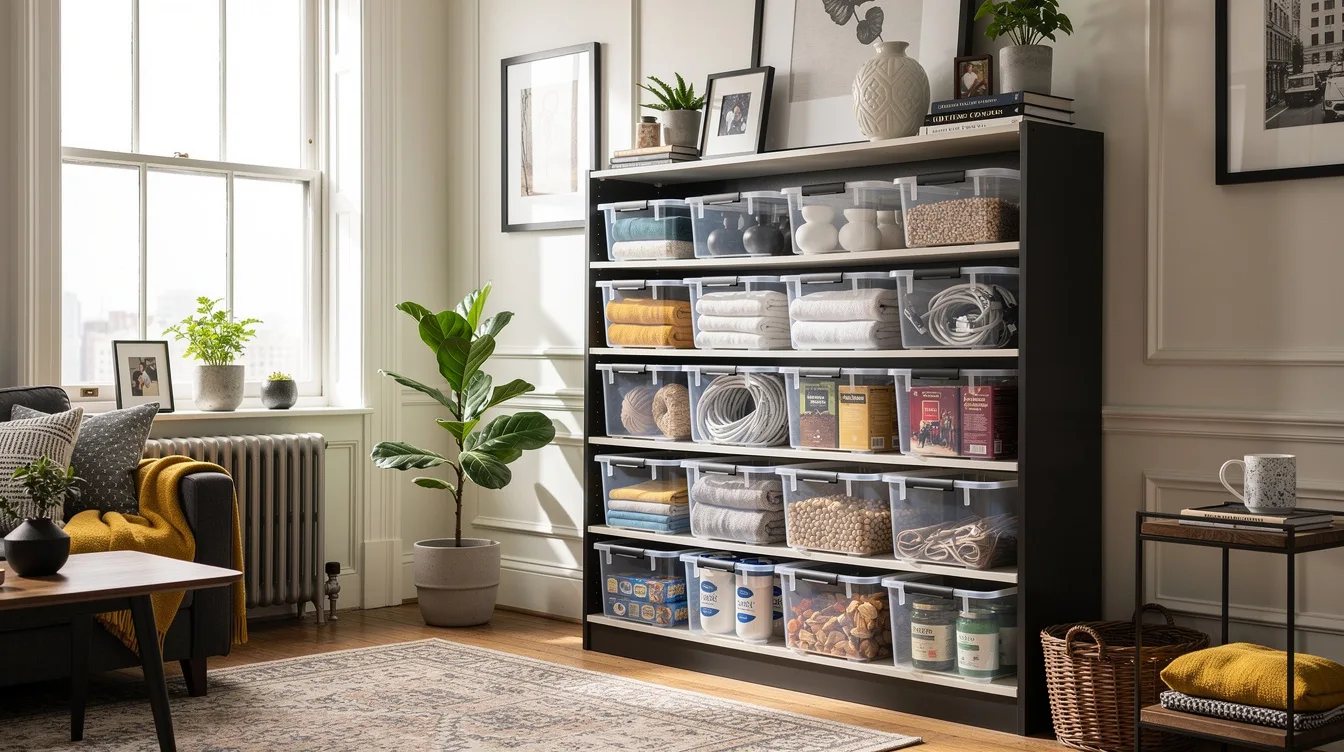
Use the 20-Piece Set for a Full Reset
The The Home Edit 20-piece clear modular set typically costs about $74.68 at Walmart, with the exact mix of pieces varying by listing. It makes sense when one pantry, bathroom, office, or craft area needs several matching formats at once.
Buy the set only when you already have a category map in mind. A large collection looks intentional when every piece has a job, but excess empty bins make the room feel like it is waiting for a personality to arrive.
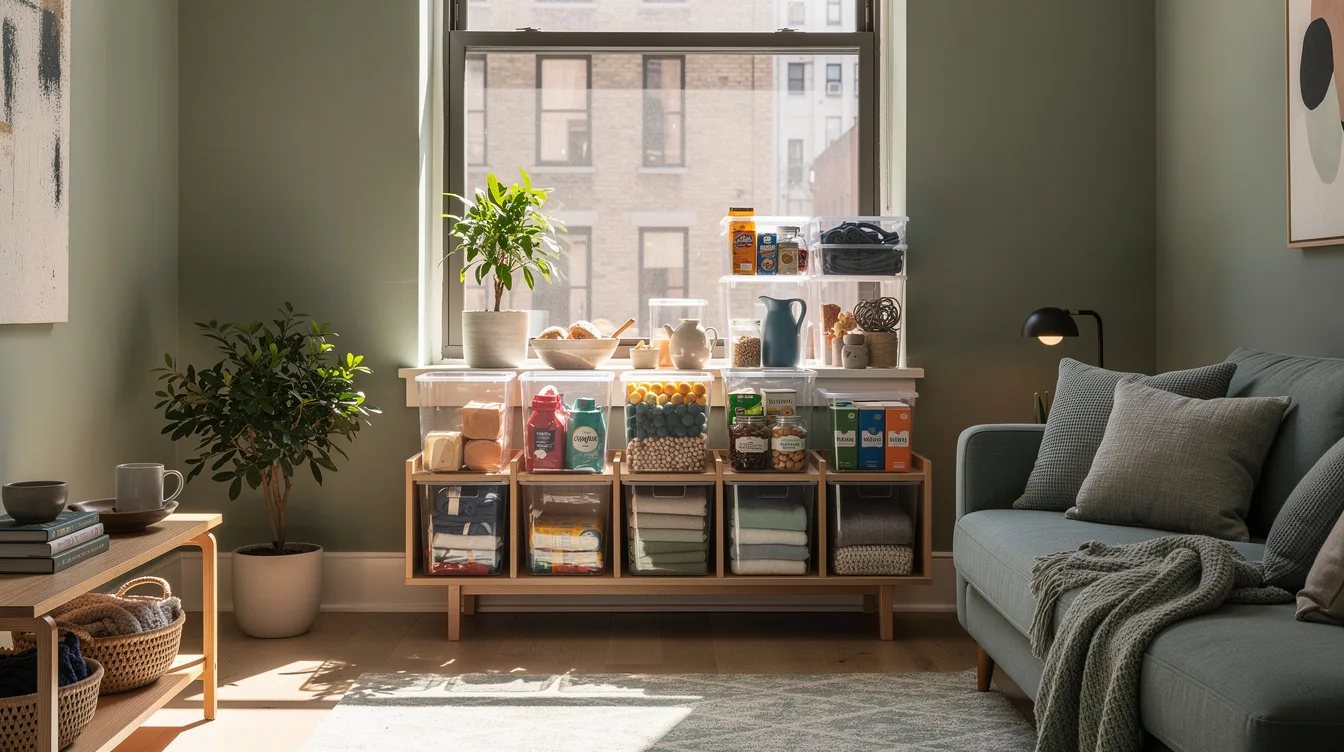
Pair Clear Plastic With Warmer Materials
Clear storage can look clinical when every shelf has the same glossy surface, so balance it with a wood cutting board, a woven basket, or a matte metal shelf riser. The contrast gives the transparent plastic bin a supporting role instead of making the entire room feel like a product display.
Keep the bins where visibility solves a problem, then use warmer materials for surfaces and accents. This combination preserves the practical benefit while making the storage feel connected to the rest of the home.
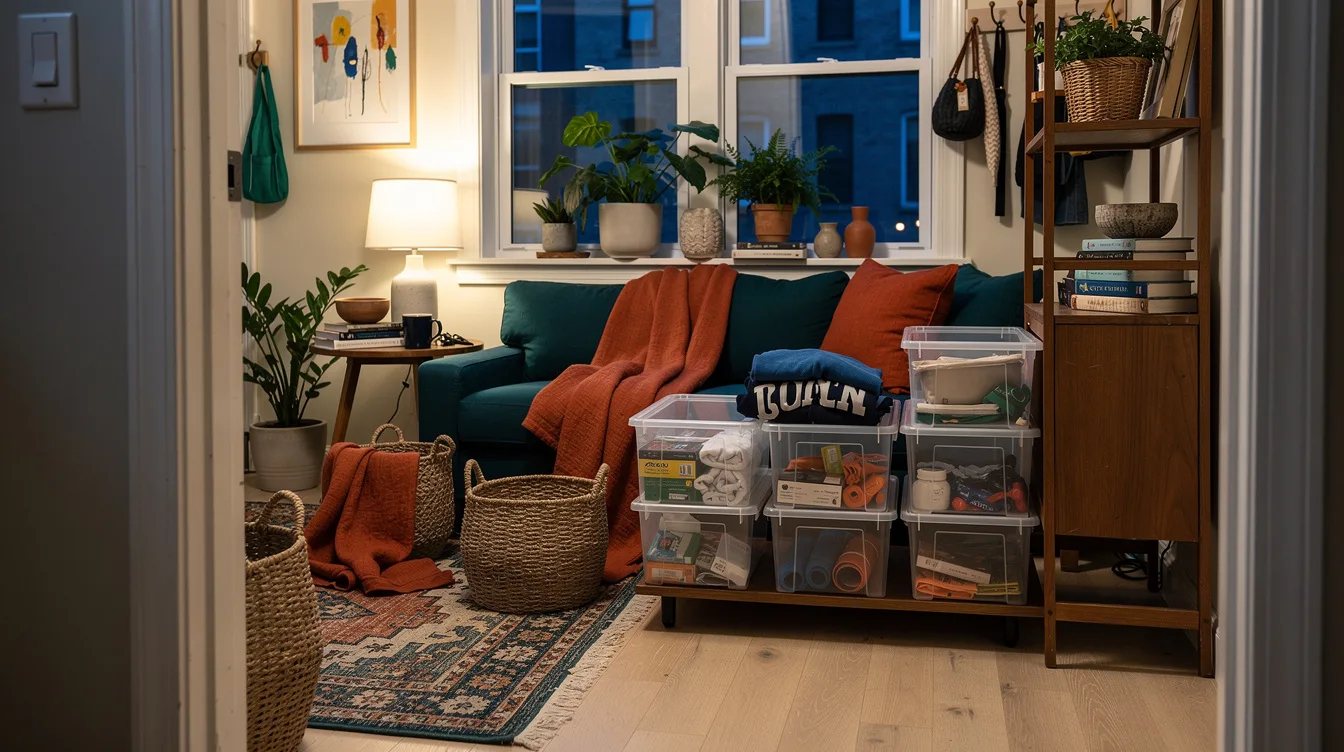
Edit the Categories Before They Multiply
Labels help when a category repeats, but they should describe a useful group such as baking supplies, first-aid items, or lunchbox snacks. The stackable modular insert works best when the label reflects what belongs inside today, not an aspirational version of the household.
Review the bins when a shelf becomes hard to close or a category spreads across several containers. Keep the pieces that save time, move flexible extras elsewhere, and let the system show how the home actually lives.
Begin with the shelf that causes the most daily friction, measure it, and buy only the bin size that solves that specific problem. A small, useful system will say more about your routines than an entire wall of empty containers.