14 Walmart Blackout Curtains That Fake a Custom Reno for Less
14 september 2026Custom drapery has a tell: the fabric falls in generous folds, the header looks intentional, and the blackout layer disappears from the room.
At Walmart, even a pair of Mainstays panels, each about 37 inches wide by 84 inches long, can miss that mark when the window is wider than the fabric or the rod sits directly above the trim. The fix is less about chasing an expensive label and more about choosing the right face, fullness, header, and installation.
These rules make ready-made curtains look measured, calm, and convincingly polished.
What you will find inside
- Choose a Matte Linen-Look Face
- Buy Enough Width for Deep Folds
- Hang the Rod Higher and Wider
- Put Warm Neutrals Ahead of Stark White
- Keep Grommets Textured and Intentional
- Use Pinch Pleats for a Hotel Finish
- Soften the Header With Back Tabs
- Let the Hem Meet the Floor Cleanly
- Layer Blackout Behind Sheer Texture
- Choose a Rod That Matches the Drape
- Use Extra-Wide Panels to Reduce Seams
- Hide the Backing From Every Sightline
- Match the Header to the Room's Architecture
- Build the Price Around the Whole Window
Choose a Matte Linen-Look Face
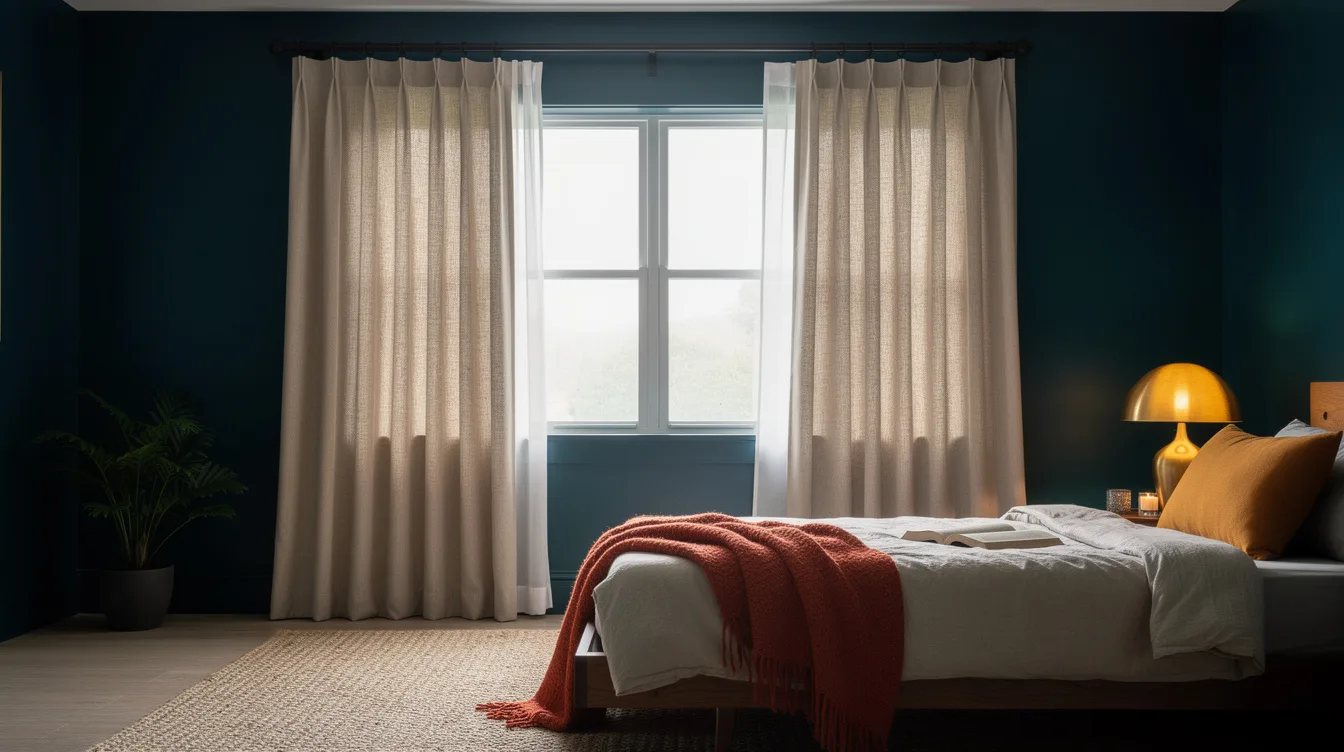
The strongest custom signal is a woven surface that absorbs light instead of flashing at the window, especially when sunlight hits the side of the panel. Search Walmart for linen-look blackout panels, linen-textured blackout panels, or back-tab panels in a warm neutral; the texture makes synthetic fiber feel deliberate in daylight and lamplight.
Walmart's Mainstays Linen Look Blackout Curtain Panels are a practical starting point, with a polyester linen-look weave and typical pricing starting at about $14.98 per set or pair. That price is persuasive, but the matte face earns the polished result and hides the small irregularities that make cheaper curtains look flat.
Buy Enough Width for Deep Folds
Measure the rod from end to end, then plan roughly one and a half to two times that width in total curtain fabric, with the higher end for a plush bedroom or living room. A single linen-look polyester panel only works when the opening is small or the panel is genuinely extra-wide and made to span the opening.
Flat fabric exposes every cheap cue, including the seam, header, and blackout lining; fuller fabric creates the soft vertical rhythm associated with custom drapery. Two standard panels can look better than one bargain panel because they distribute the folds, open cleanly at the center, and keep the glass balanced.
Hang the Rod Higher and Wider
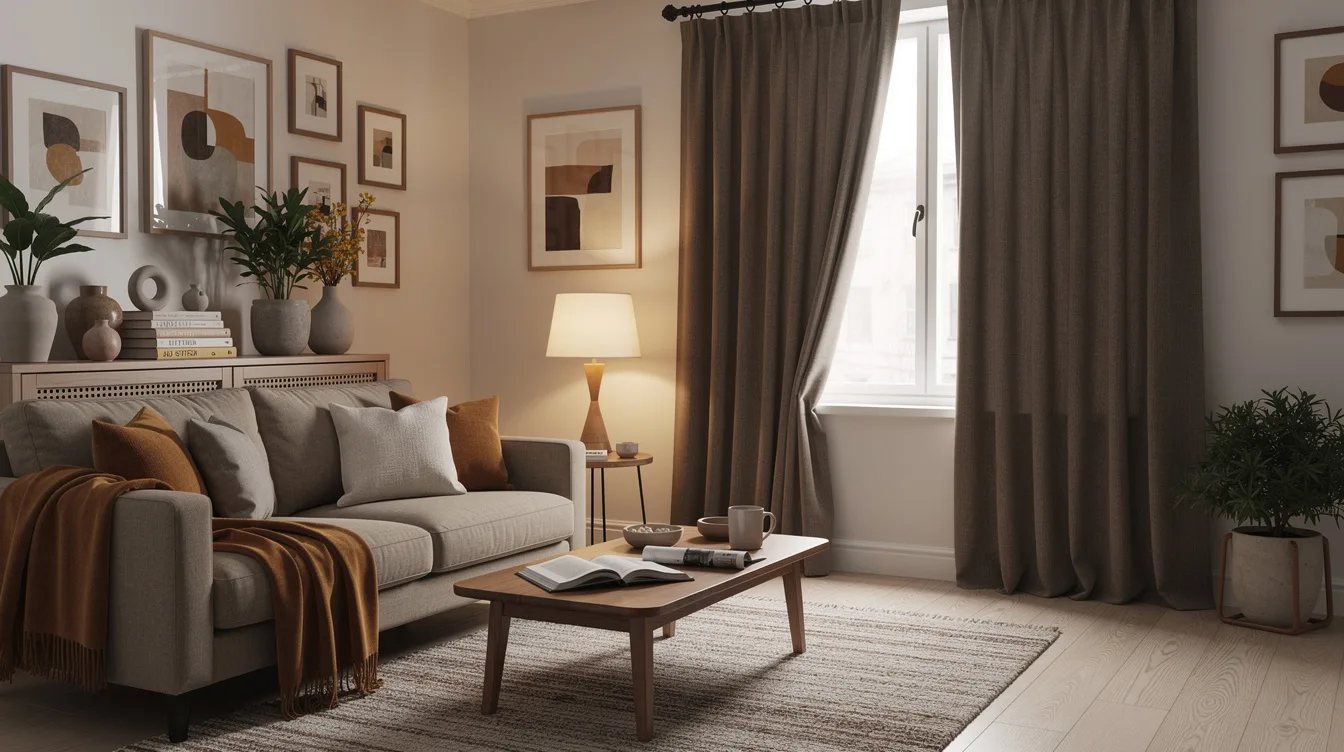
Mount a substantial rod several inches above the window trim and carry it beyond both sides, so the fabric frames the glass instead of crowding it from edge to edge. The exact placement depends on the ceiling and casing, but more wall above and beside the opening gives the installation a calmer, more intentional proportion.
Pair oatmeal blackout panels with a matte-black or dark-bronze rod, and let the hardware look like part of the architecture rather than an afterthought. A thin bright-metal rod works against the heavier drape, even when the curtain itself is well made and carefully sized.
Put Warm Neutrals Ahead of Stark White
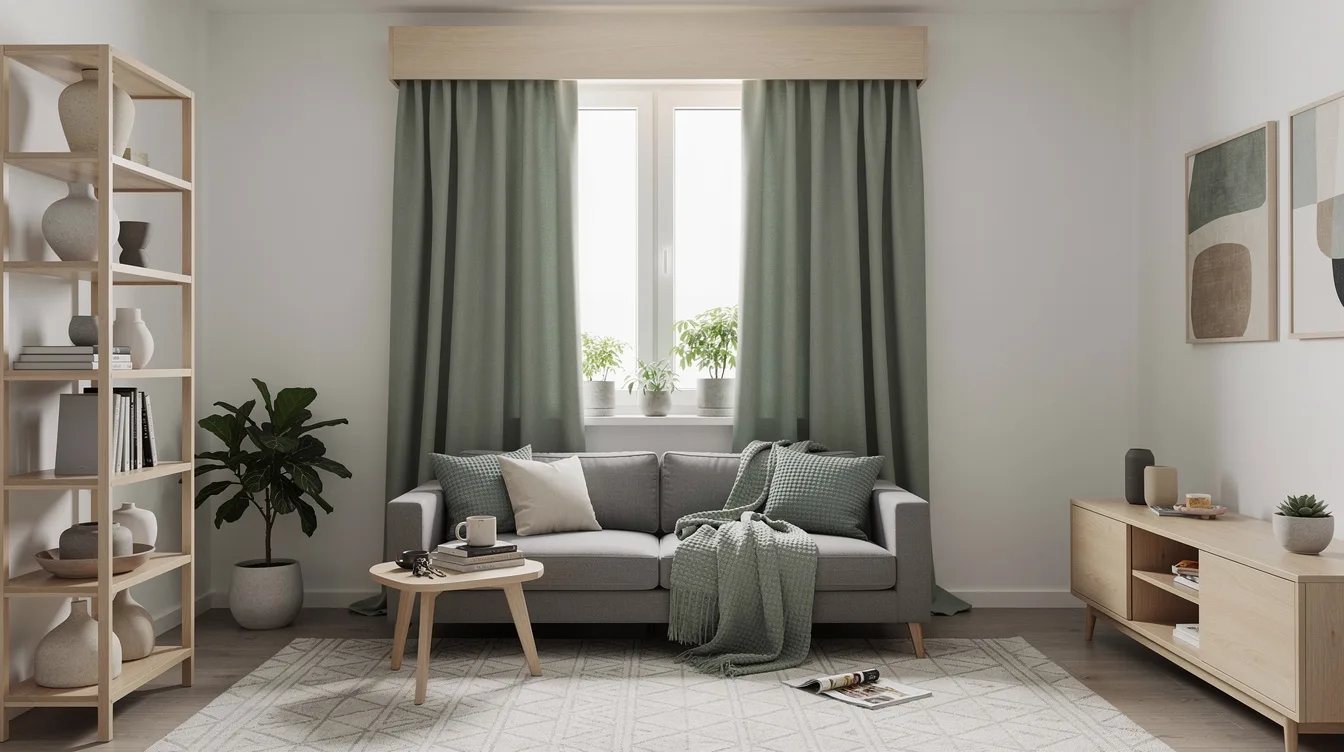
Warm neutrals make ready-made panels look closer to tailored linen because their undertone softens the contrast between cloth and wall, especially in rooms with cool LED light. Start with flax, oatmeal, ivory, mushroom, warm gray, or muted charcoal, then compare the color with the floor and upholstery before opening every package.
Bright optic white tends to reveal a synthetic face and any plastic-looking backing, especially in direct daylight at a side angle. A muted charcoal woven panel can look just as polished when the room already has dark wood or black hardware, giving the window a grounded edge.
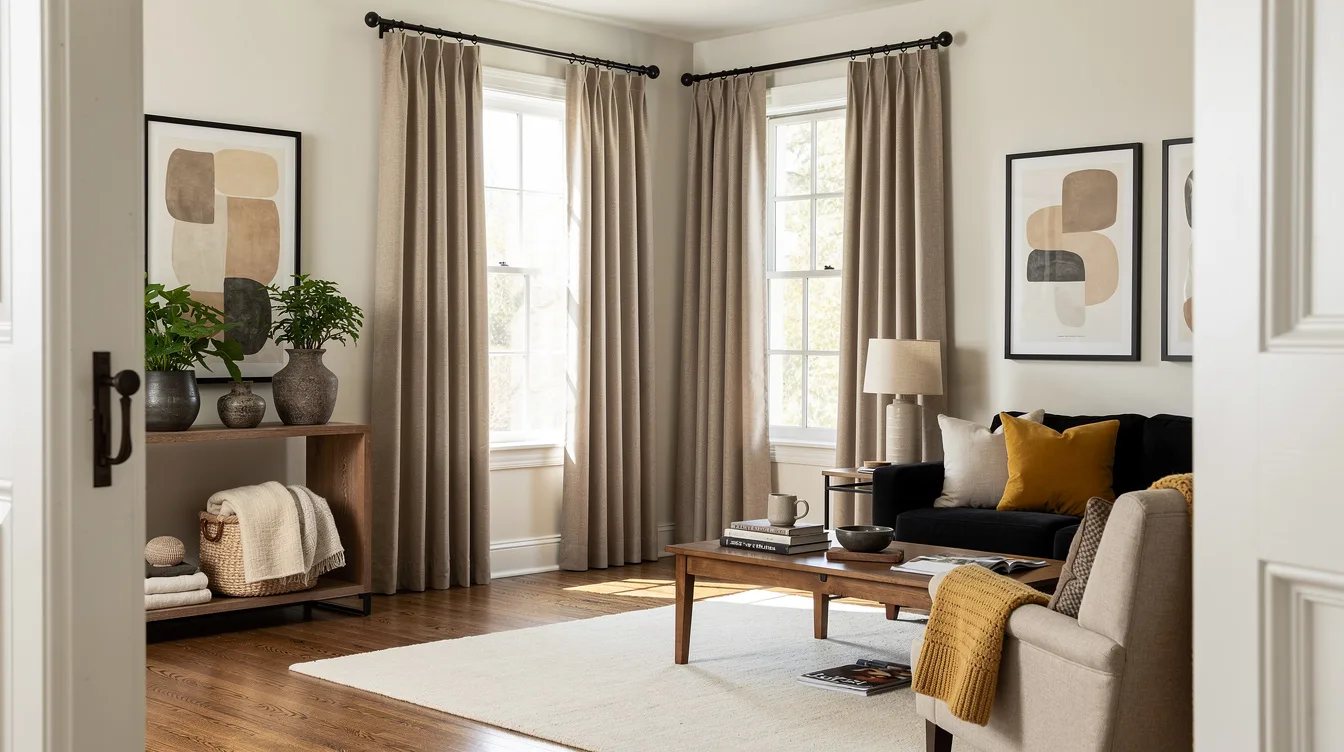
Keep Grommets Textured and Intentional
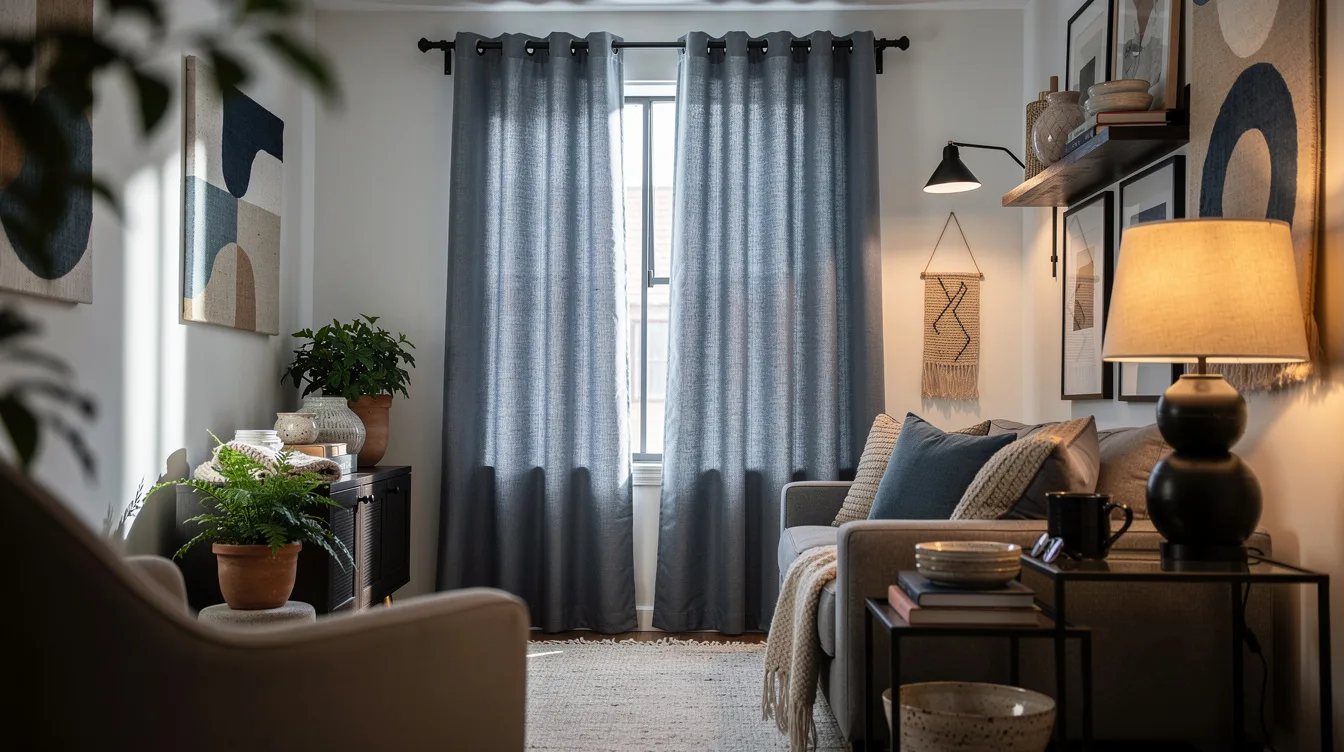
Grommets can look contemporary, but narrow shiny panels often announce their price before the room has a chance to settle, especially when the eye sees more rod than fabric. Choose a textured solid instead, and repeat the finish with a matte-black or dark-bronze rod so the metal feels deliberate and the panel has a visual anchor.
The Mainstays Textured Solid Blackout Grommet Panel Pair is a sensible Walmart option, often about 37 inches wide by 84 inches long per panel and typically priced from roughly $17.97 to $19.14 and up. Use enough pairs or an extra-wide configuration when the opening needs more fullness; one skimpy pair will make even a textured face look flat.
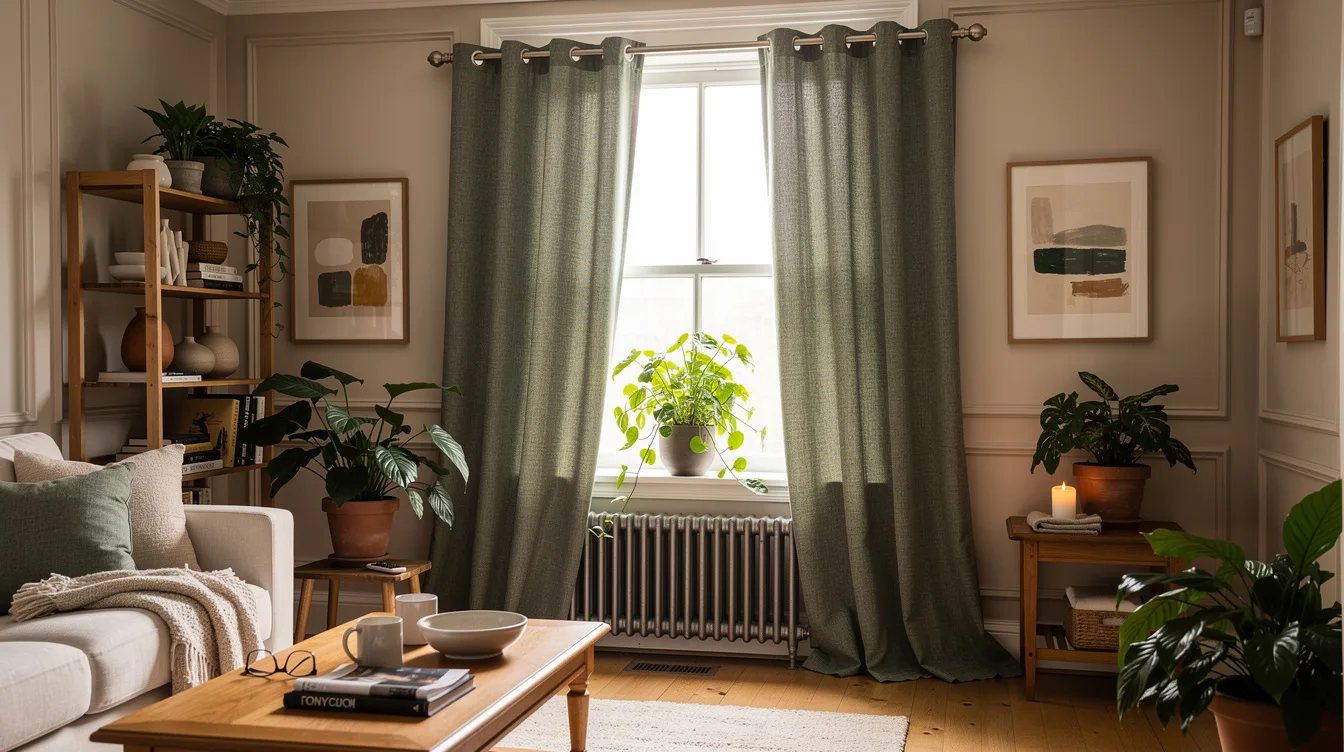
Use Pinch Pleats for a Hotel Finish
Pinch pleats create the most immediate made-to-measure impression because the folds begin in a controlled line and continue evenly toward the floor, giving the eye a clean vertical path. Look for pinch-pleat blackout curtains, or use drapery rings with clips when a panel has a plain header.
A warm beige pinch-pleat panel works especially well against painted drywall, where its structure adds finish without demanding pattern and hides an uneven top edge. Typical pairs or sets run about $35 to $70, with extra-wide or roughly 96-inch lengths costing more.
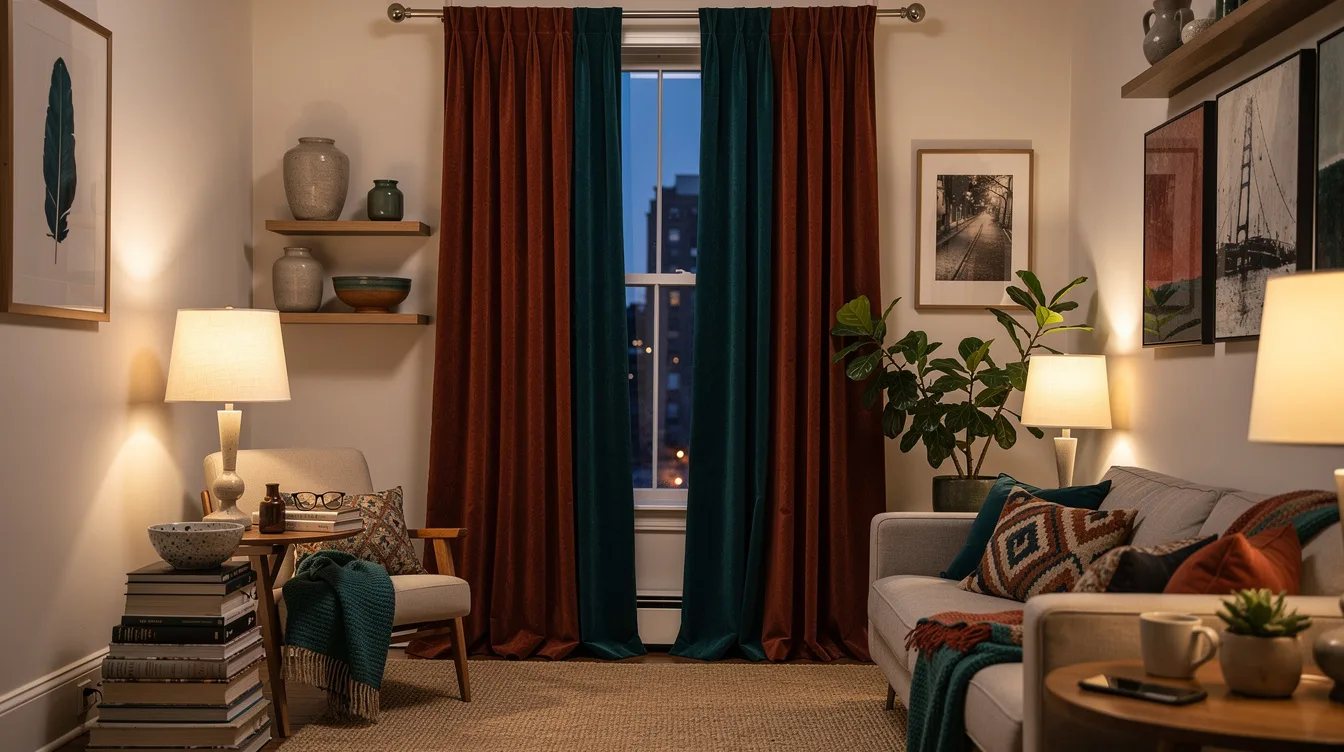
Soften the Header With Back Tabs
Back tabs hide the hardware from the front and create a relaxed tailored line, which often feels more convincing than a decorative header on budget fabric because the eye sees folds before mechanism. This is the right route for a bedroom or living room that needs softness without a formal hotel look or a stiff office feel.
Choose a back-tab blackout panel with a woven linen-look face in ivory or mushroom, and keep the rod substantial enough that the folds do not collapse. For this relaxed tailored linen look, a typical two-panel set runs about $27 to $45.
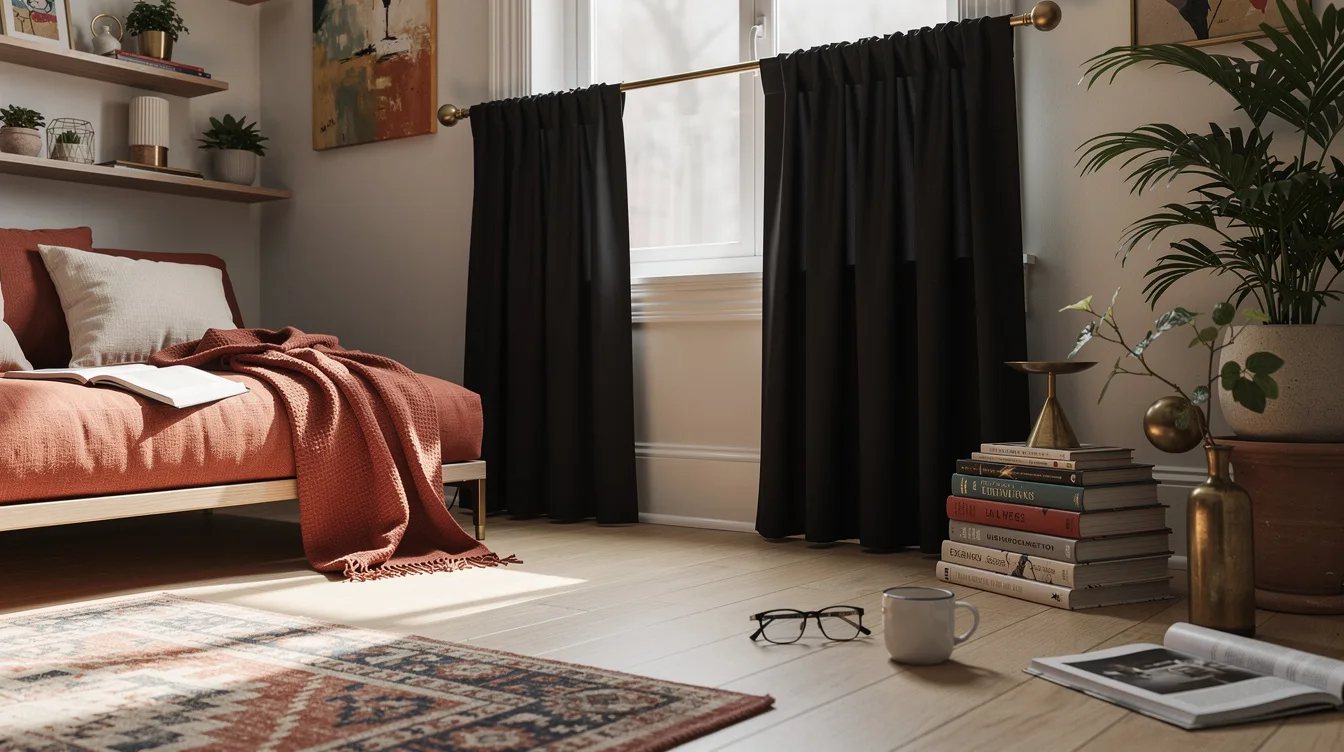
Let the Hem Meet the Floor Cleanly
Length is where many Walmart curtains lose their custom read: a commonly listed panel around 84 inches long can float above the floor when the rod is mounted higher, while an overly long panel can puddle awkwardly at the baseboard. Measure from the rod to the floor and choose the nearest available length, leaving a clean kiss or a restrained break rather than a gap that exposes the trim.
Mainstays linen-look panels are often listed at about 84 inches long, so check the drop against the finished rod position before ordering and allow for the header's rise. Warm ivory fabric can forgive a little visual softness, but a hem that stops several inches above the floor will always look accidental.
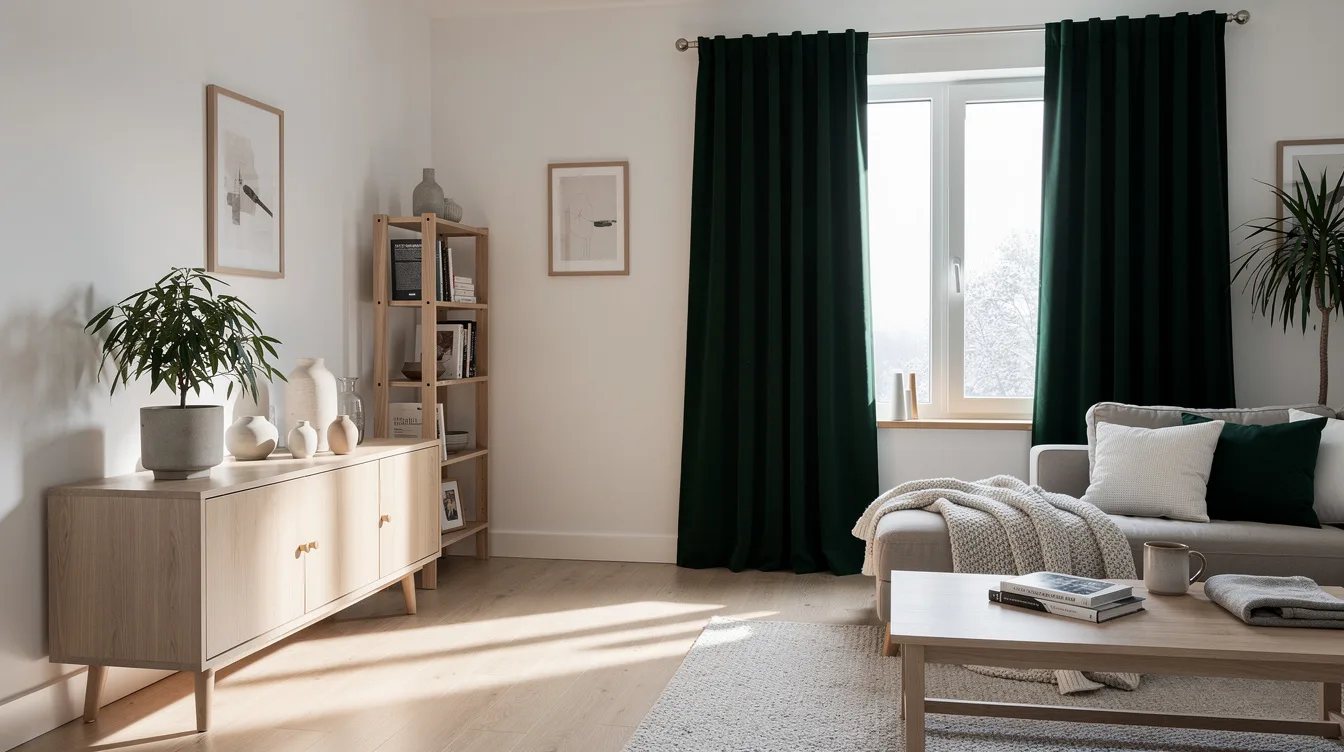
Layer Blackout Behind Sheer Texture
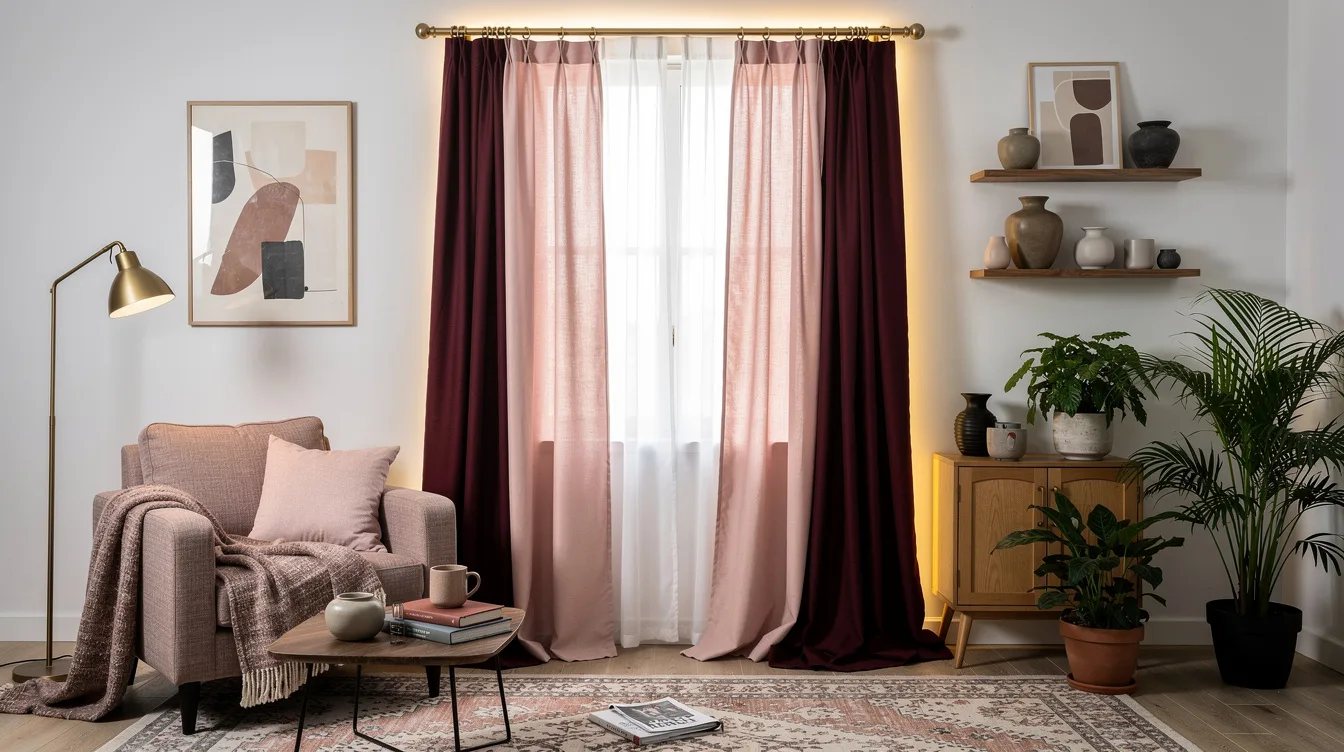
Layering solves the biggest visual problem with blackout curtains: the room gets daytime softness while the sleep layer stays functional, so the window can feel open at noon and private after dark. Hang a sheer or linen-look panel closest to the room and place the blackout panel behind it, with both runs carried across the same opening and aligned at the sides.
A linen-look sheer over a taupe blackout panel gives the window depth and keeps the heavy lining from becoming the first thing you see; it also gives the front layer a reason to remain closed during the day. Walmart's layered treatment typically totals about $35 to $80, excluding the rod, which is a fair spend when the window must work from morning through bedtime.
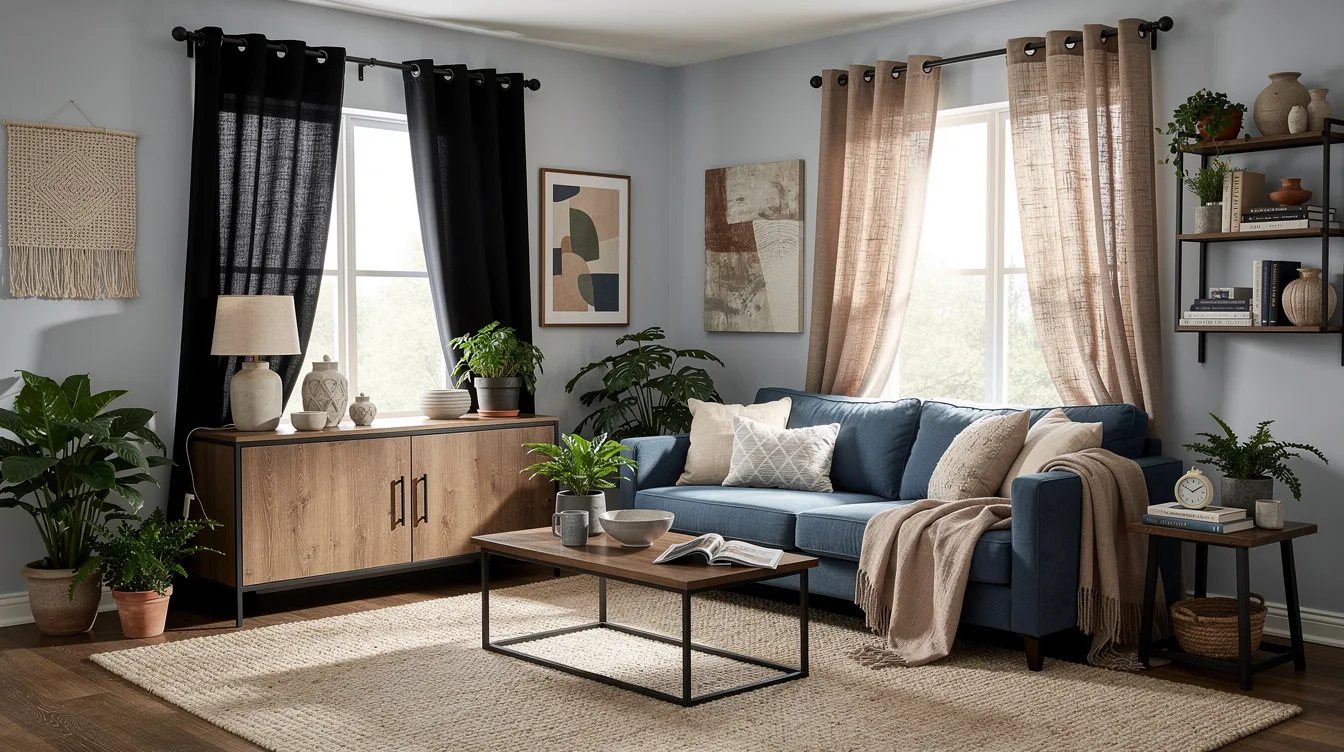
Choose a Rod That Matches the Drape
Hardware decides whether a panel feels like a finished treatment or a temporary cover; it is the first detail seen when the curtains are open. A substantial rod in matte black or dark bronze supports the visual weight of lined fabric, while a skinny silver rod makes even good material feel undersized against a broad wall.
The rule matters most with thermal-insulated blackout fabric, whose heavier hand needs brackets that read as sturdy and stay level under daily use. Keep the finials quiet; the curtain should carry the room, while ornate hardware becomes a competing outline at the edge of the window.
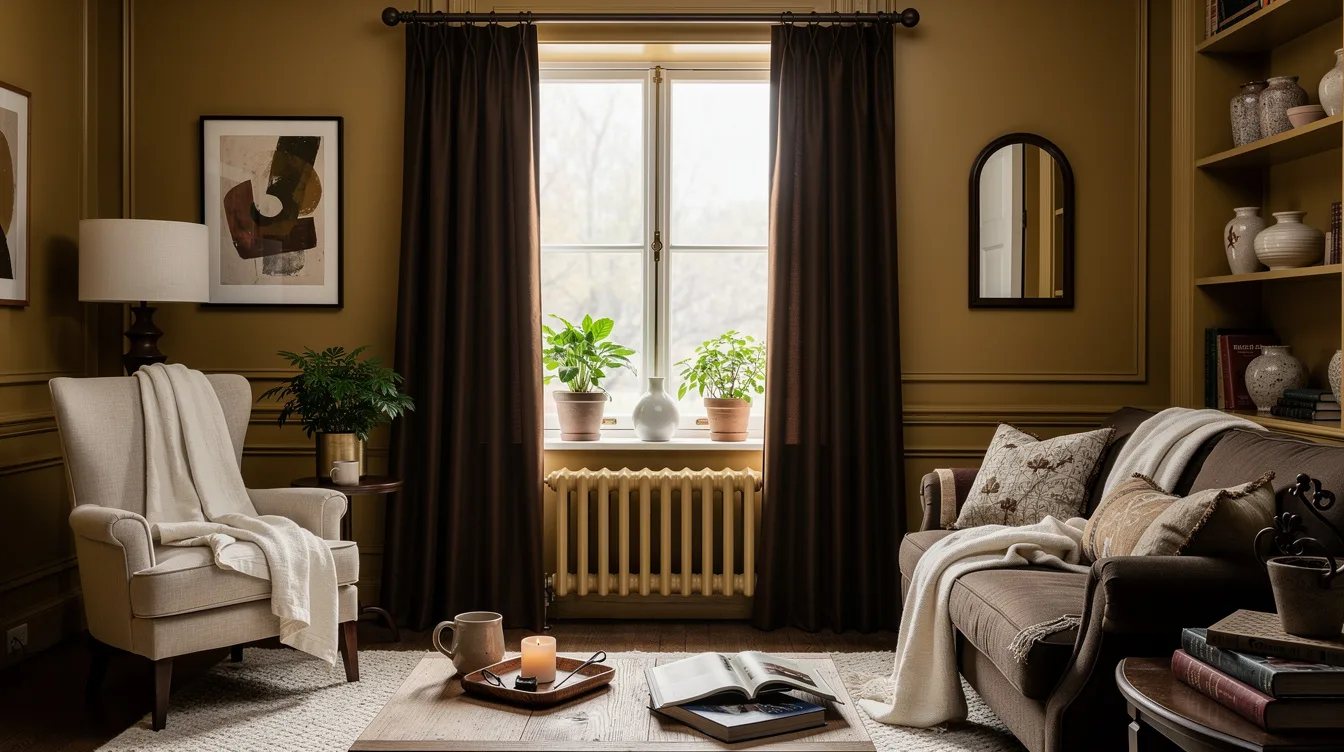
Use Extra-Wide Panels to Reduce Seams
When the window spans a broad wall, extra-wide fabric creates a calmer, more custom surface because fewer vertical breaks interrupt the view and make the blackout layer obvious. Search for extra-wide blackout panels with dimensions around 50 by 96 inches, or around 100 by 96 inches for a single panel.
An extra-wide blackout panel typically lands around $32 to $60 or more per panel or set, depending on the construction and seller, with the higher end justified by a wide opening. This is money well spent on a picture window, but it is wasteful on a small opening where standard pairs already give enough fullness and easier handling.
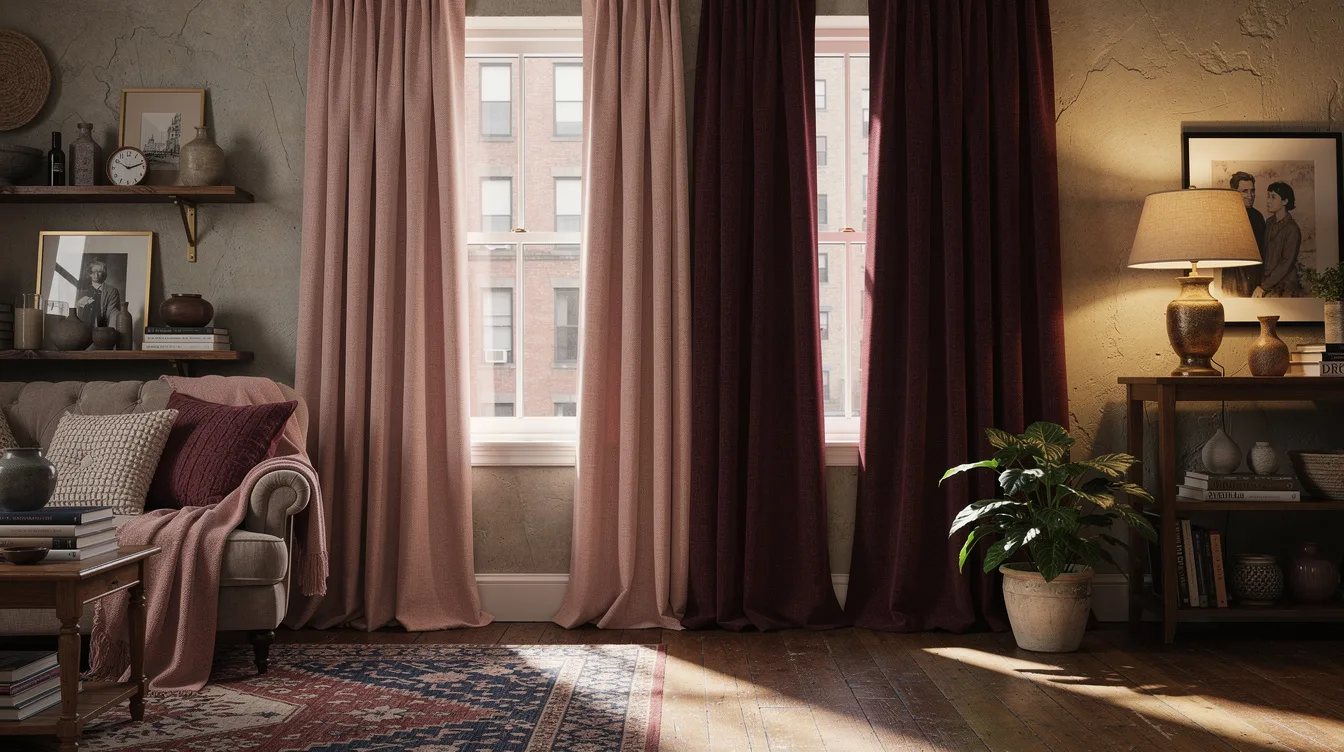
Hide the Backing From Every Sightline
Stand inside the room and look at the panel from the side before you commit, especially if the window faces a bright yard or a neighboring building where the reverse will be visible. Shiny, plastic-looking blackout backing catches light and exposes the budget construction through the glass, even when the front fabric is a convincing neutral.
Choose a matte woven blackout face and inspect the sides and hem for the same finish; the back should look finished enough for a side view. The low-cost Mainstays Solid Blackout pair, typically around $9.98 for about 30 inches wide by 84 inches long per panel, has a useful role behind a prettier front layer or in a small rental window where blackout function matters most.
Match the Header to the Room's Architecture
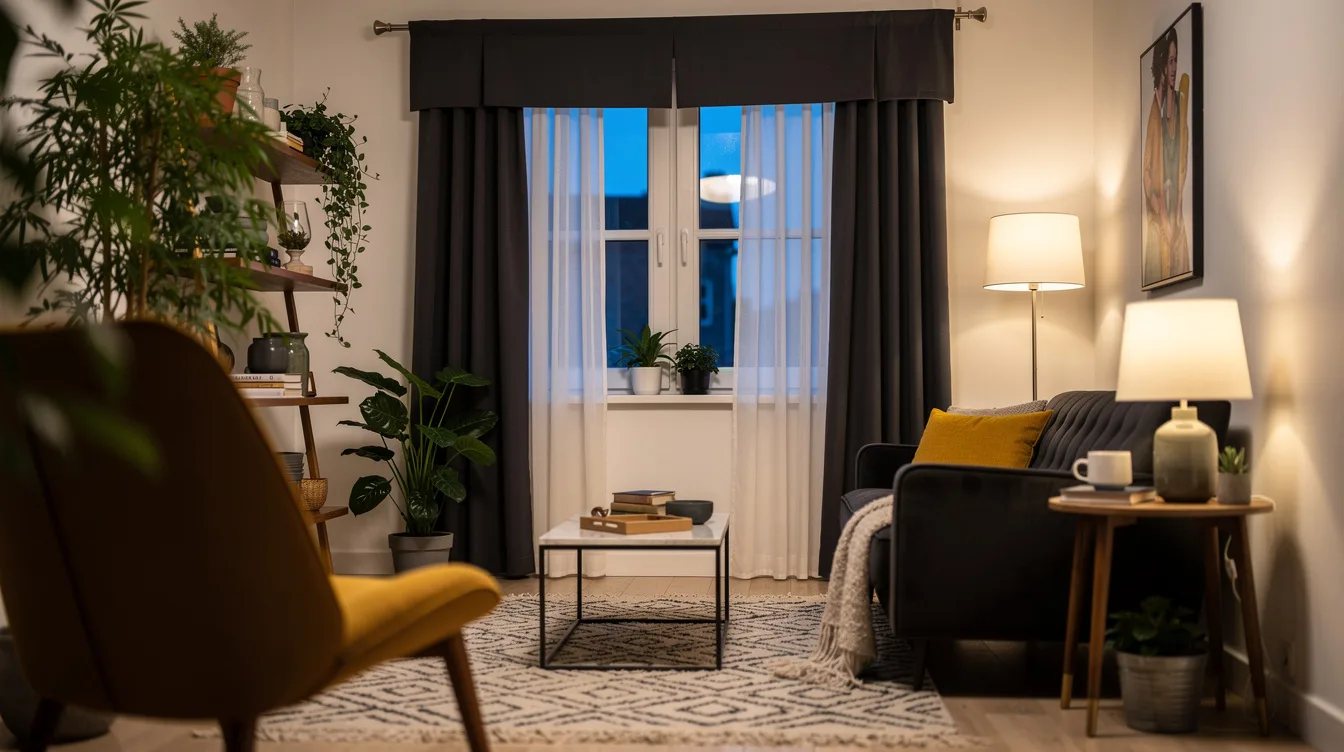
A structured room with tall trim can carry pinch pleats, while a casual room with simple casing often looks more natural with back tabs or a quiet grommet that does not overstate the window. Let the header echo what is already present: crisp lines for modern millwork, softer folds for relaxed furniture and lower-contrast walls.
In a small rental, smooth polyester blackout can stay useful when it sits behind a more textured panel, especially if drilling options are limited and a simple rod is all the room can support. The Mainstays Solid Blackout pair is typically around $9.98 in the listed small format, so it makes sense as a functional underlayer rather than the room's main statement.
Build the Price Around the Whole Window
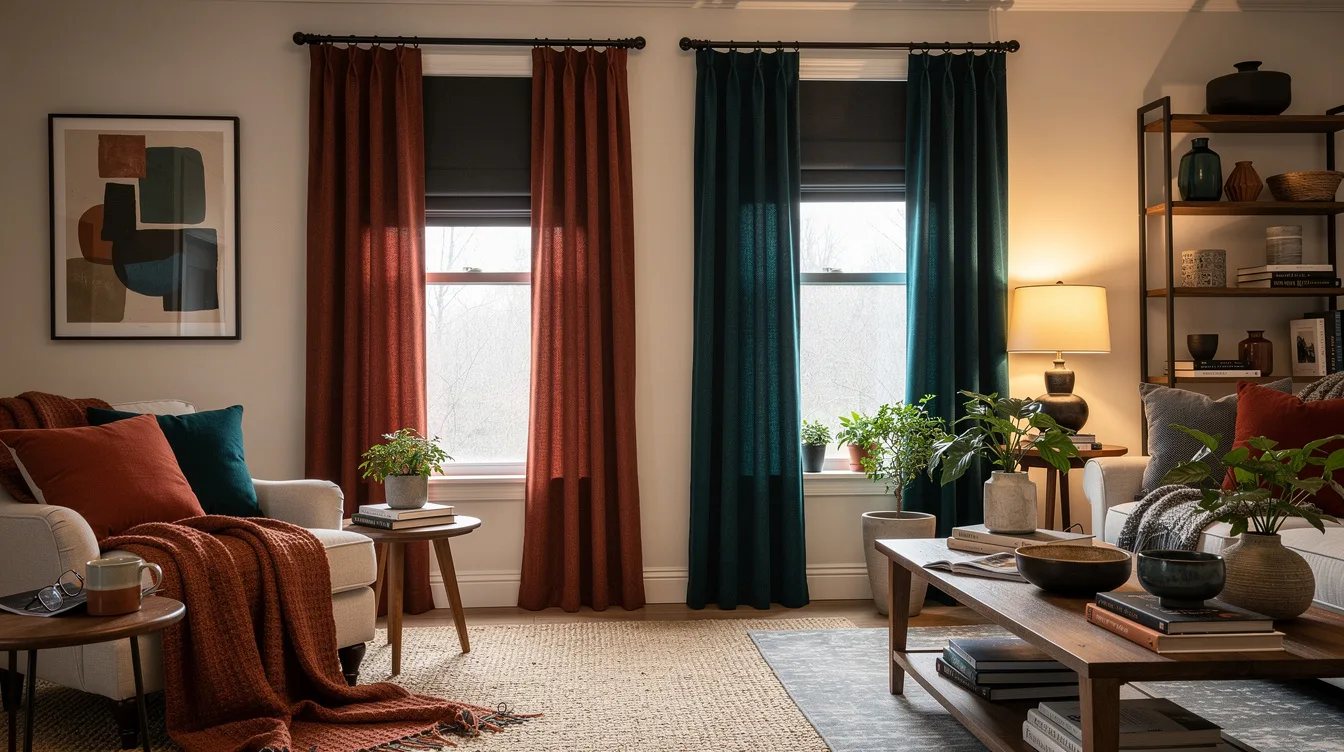
Compare the finished window, not the cheapest single panel, because the rod and total width determine the final read. Walmart's typical range runs from Mainstays Solid Blackout pairs at around $9.98 and Mainstays Linen Look options starting at about $14.98 to linen-look 100% blackout sets around $27 to $35, while marketplace and more decorative styles often reach roughly $40 to $70.
Clean contemporary solids usually sit around $15 to $35 per pair, and the layered treatment typically totals about $35 to $80 before the rod, which explains why the cheapest package is rarely the true project cost. A pair of linen-look panels with proper fullness will beat a pricier narrow grommet pair every time, provided the rod reaches beyond the frame and the hem reaches the floor.
Keep reading
- 12 Spa Bathroom Upgrades That Look Custom Without Renovating
- 13 Budget Rental Bathroom Vanity Upgrades That Look Custom
- 12 Budget Pendant Lights That Make Kitchens Look Custom
Start with one window: choose a warm linen-look panel, mount the rod higher and wider, and judge the result in both daylight and lamplight. Once the face and fullness are right, Walmart's price advantage becomes a design tool instead of a visible compromise.