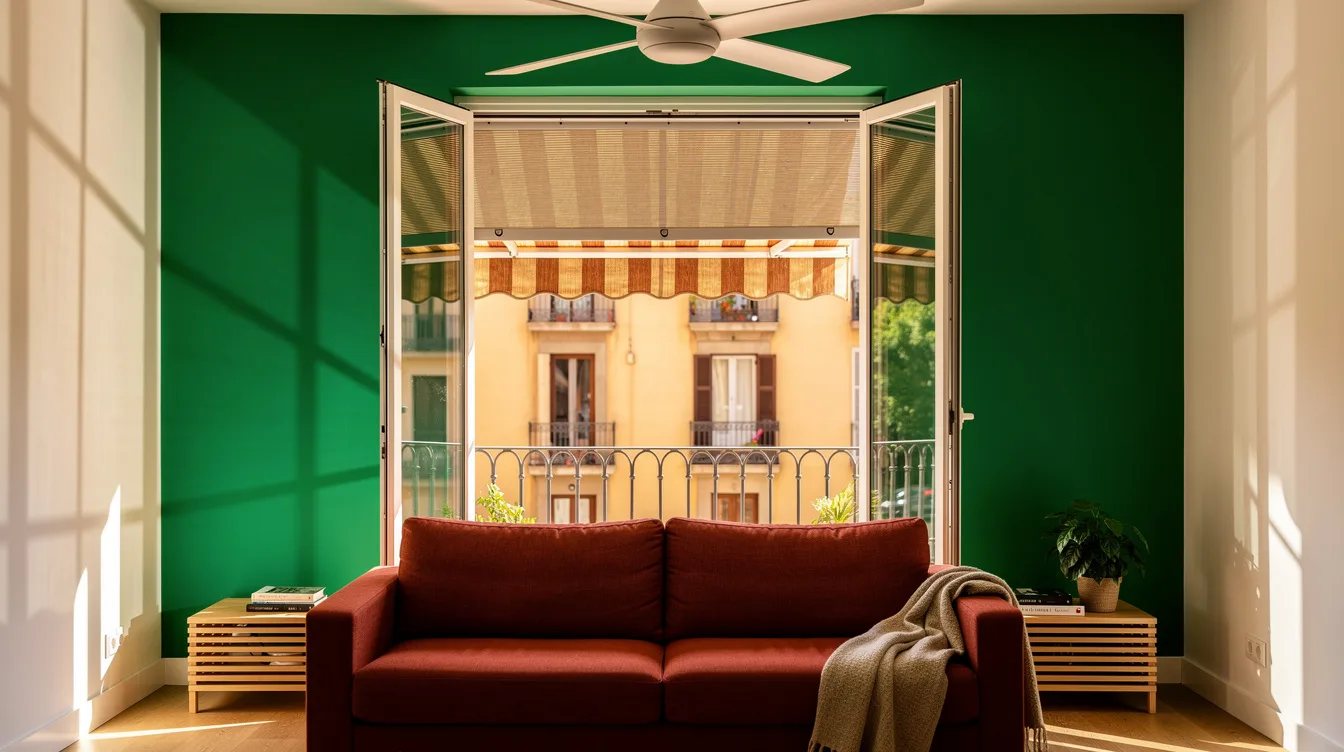
14 Barcelona Apartment Cooling Ideas for Hot Summer Days
07 september 2026At 4 p.m., the west-facing balcony doors felt like they were feeding heat straight into the living room. In a typical Barcelona apartment, a roughly 79-inch-wide exterior screen can make a bigger difference than another set of interior drapes.
We treated the apartment as a heat-control project first and a decorating project second. The order matters: stop sun before the glass, hold the cool air through the afternoon, then let the place breathe after dark.
What you will find inside
- Lower Existing Roller Shutters Before the Sun Hits
- Cover Balcony Doors With Exterior Screens
- Project Shade With a Retractable Awning
- Protect Exposed Fabric in a Full Cassette
- Apply Exterior Solar Film to Difficult Glass
- Run a Ceiling Fan at the Right Scale
- Place a Pedestal Fan for a Cross-Breeze
- Cool the Bedroom With a Modest Split System
- Zone the Living Room and Work Area
- Hide Cooling Gear With an Open Console
- Choose Induction for Hot-Day Cooking
- Swap Heat-Producing Bulbs for LEDs
- Move the Bed Away From the Hot Wall
- Keep the Balcony Floor Light and Bare
Lower Existing Roller Shutters Before the Sun Hits
Use existing roller shutters as the first line of defense, especially on west and southwest windows. Lower them before direct sun reaches the glass, while leaving only a narrow gap if privacy and security allow.
This is the least glamorous move and the most effective one. A room stays far easier to manage when the masonry and floor never get hours of direct solar heat in the first place.
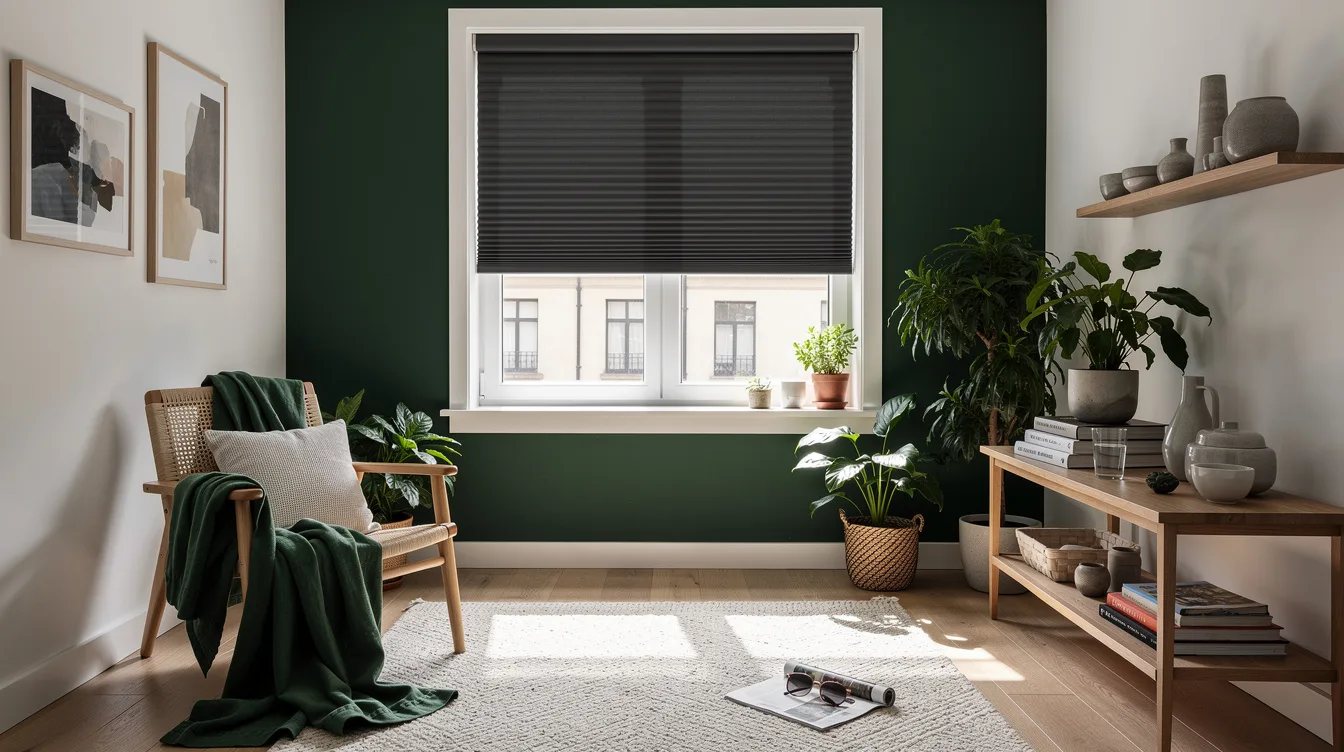
Cover Balcony Doors With Exterior Screens
Fit a vertical exterior solar screen over tall balcony doors that bake in late-afternoon light. A typical unit is about 79 inches wide with a roughly 98-inch drop, sized to the clear opening rather than the whole frame.
Choose a neutral charcoal or warm sand fabric that looks intentional from inside and outside. Interior curtains can soften glare, but this outer layer is doing the serious cooling work.
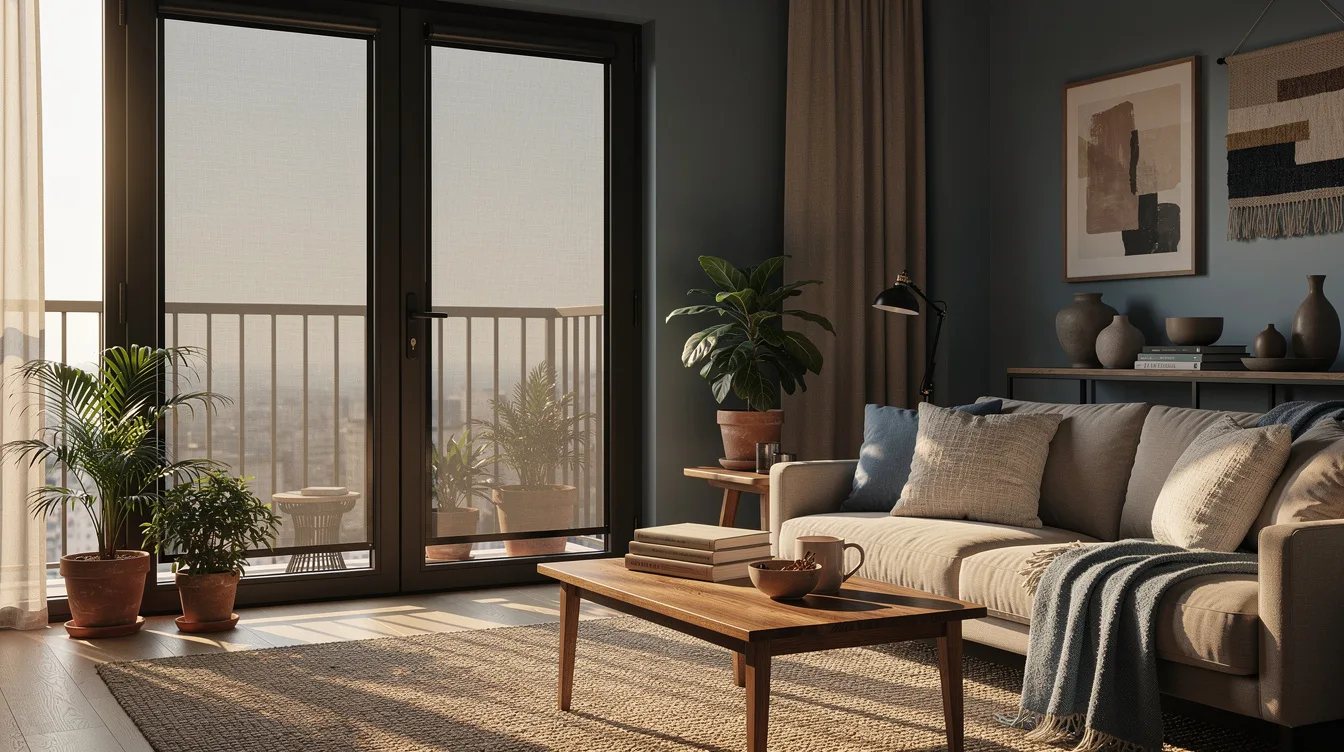
Project Shade With a Retractable Awning
A retractable acrylic awning earns its place over a south- or west-facing balcony. For a typical glazed frontage, allow roughly 118 inches of width and about 79 to 98 inches of projection.
Pick a solid fabric or a subtle narrow stripe, then keep the balcony furniture lean beneath it. A bulky outdoor sofa can turn the one breezy zone in the apartment into an obstacle course.
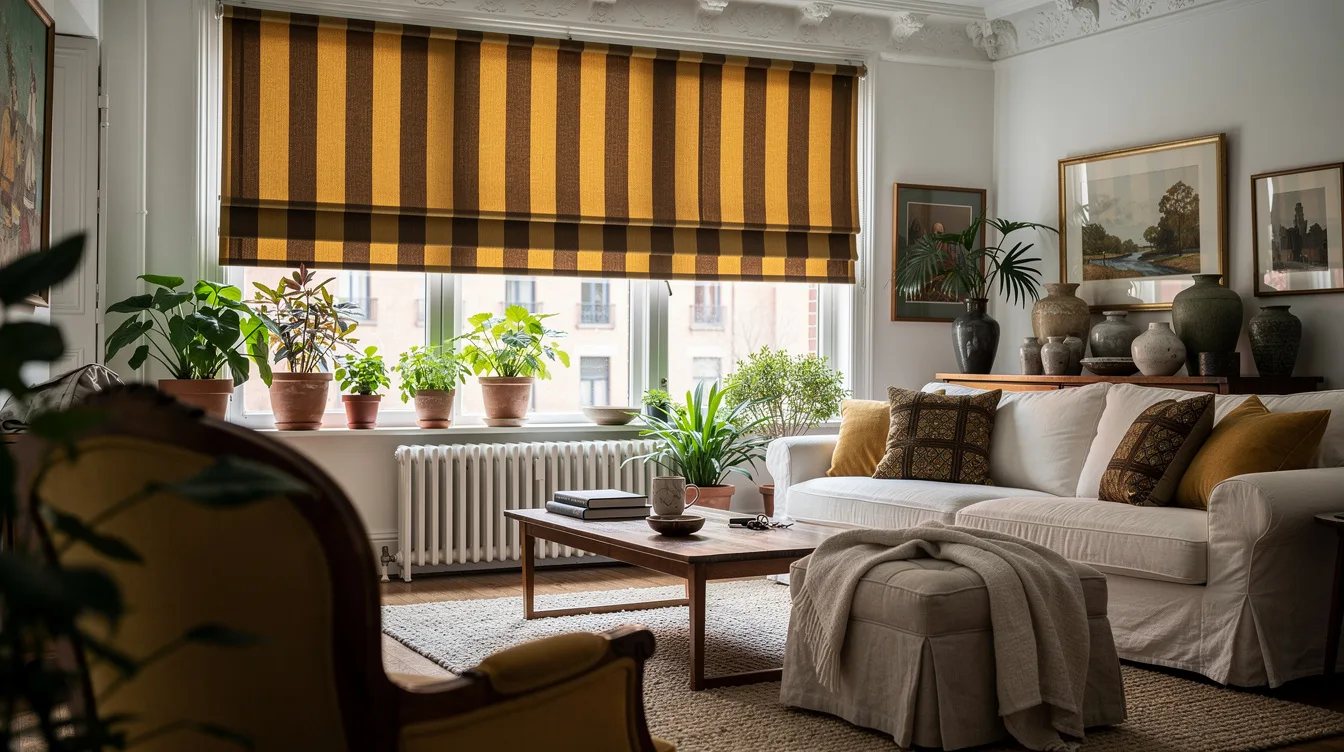
Protect Exposed Fabric in a Full Cassette
Choose a full-cassette awning when the balcony has no deep overhang and the fabric stays exposed between hot spells. The closed casing protects the cloth and arms, which matters on an upper floor facing wind and dust.
Look for fabric around a typical 10 to 11.5 ounces per square yard equivalent, with a color that suits the exterior wall. Pale stone and faded terracotta feel right here; bright white shows city grime too quickly.
Apply Exterior Solar Film to Difficult Glass
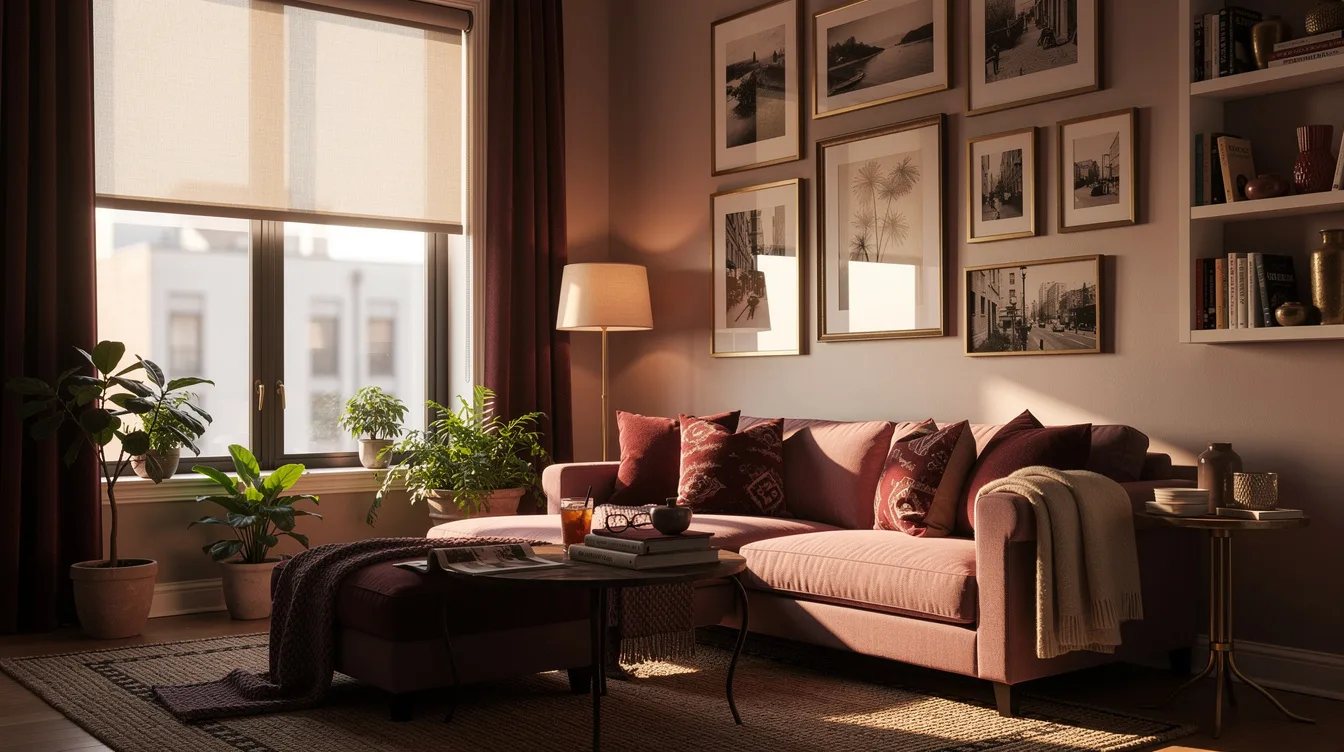
Use solar-control window film where a landlord, building rules, or an awkward window shape rules out exterior shade. Measure each glass pane separately, and use only a film rated for that particular glazing construction.
Film is a practical compromise for a rental bedroom with a punishing sunset. It should not be the first choice for a balcony door where a proper screen or awning can block sunlight earlier.
Run a Ceiling Fan at the Right Scale
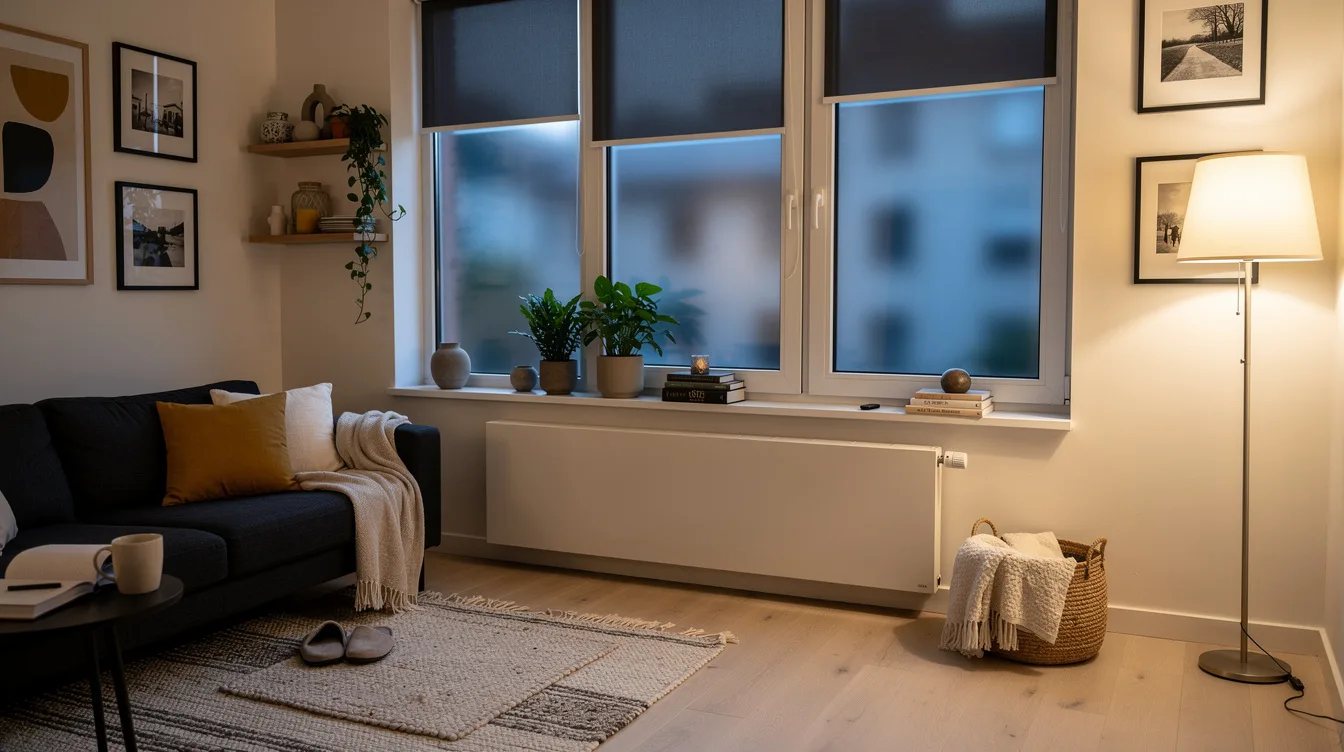
Install a matte white ceiling fan in rooms where you spend long evenings. A typical bedroom takes a fan about 42 to 52 inches across, while a larger living room usually needs roughly 52 to 60 inches.
Keep the blades simple and the motor quiet. A fan doesn't lower the room temperature, yet the moving air can make a shaded room feel dramatically more usable without adding visual clutter.
Place a Pedestal Fan for a Cross-Breeze
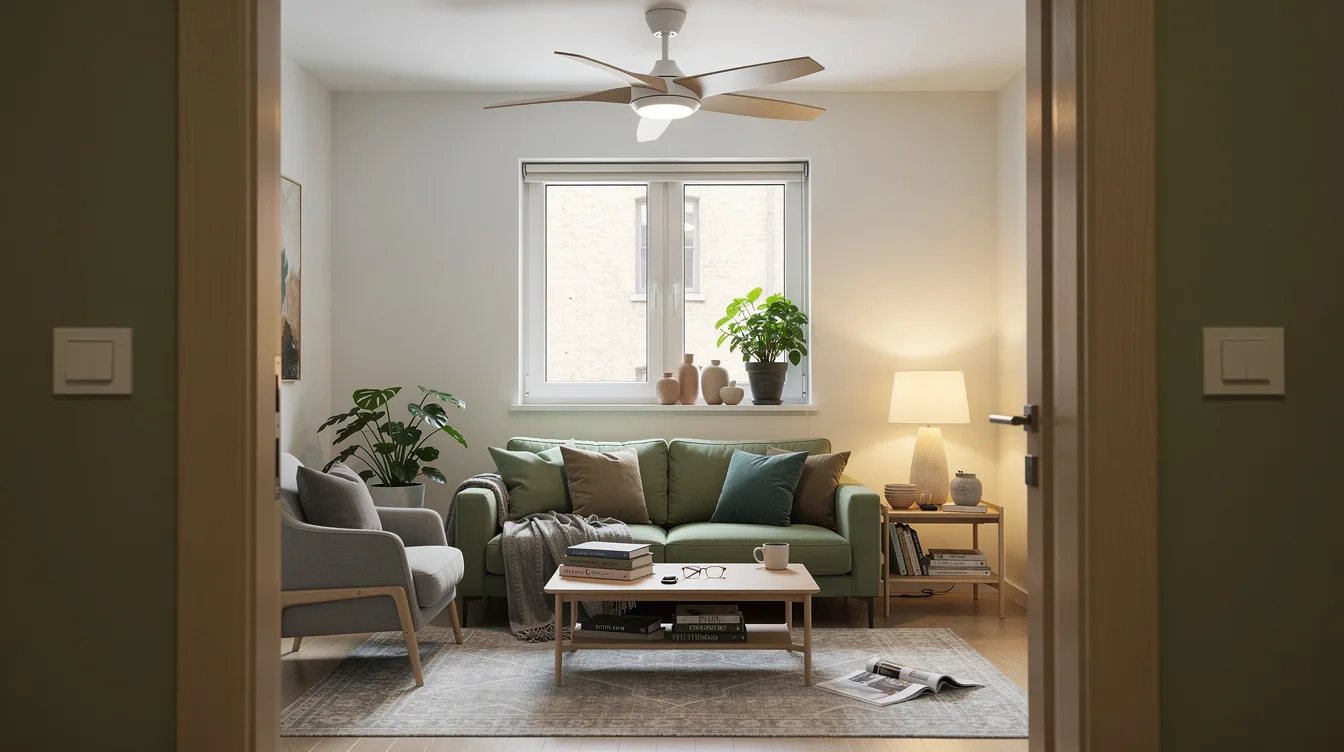
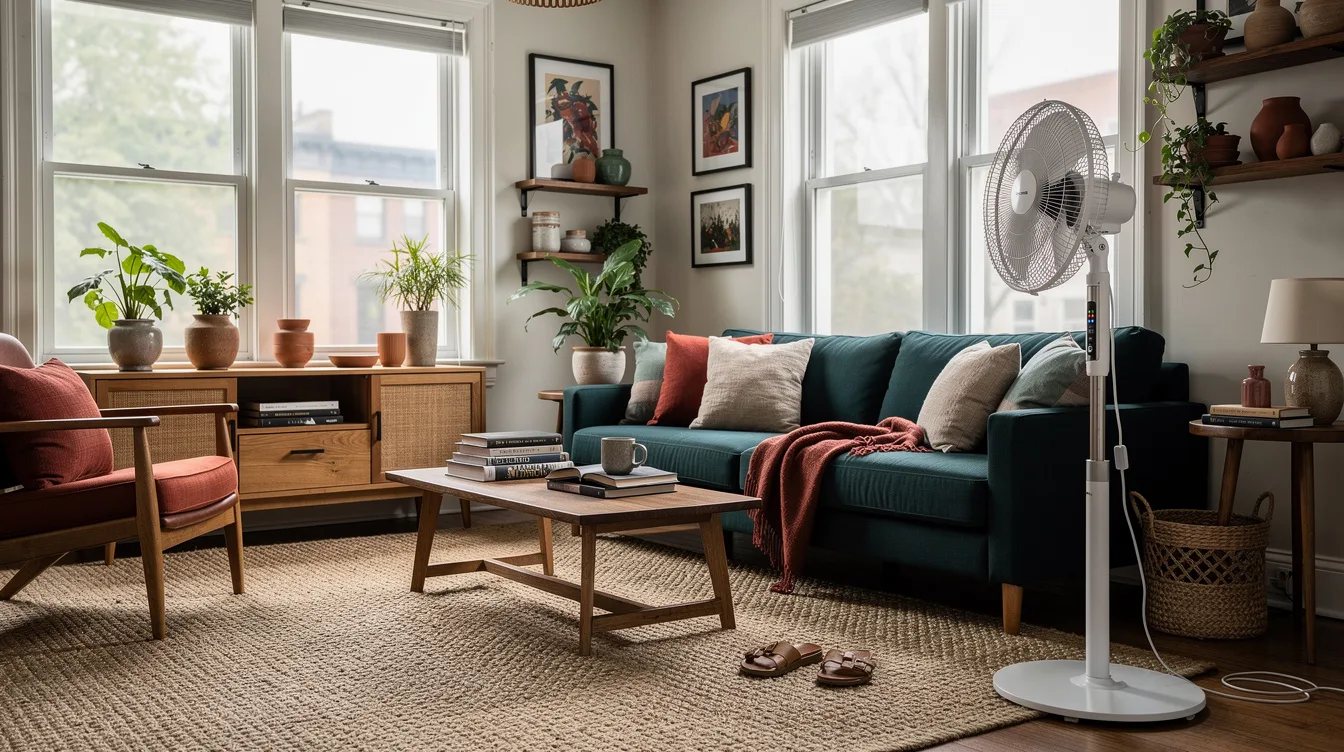
Put a pedestal fan near an interior doorway at night, aimed to pull cooler air across the apartment rather than directly at the bed. A slim black model from Target or Walmart disappears more easily than a shiny appliance-store tower.
Open windows on opposing sides only when the outdoor air has actually cooled. During a hot afternoon, open windows often invite more heat indoors, even when the room feels stuffy.
Cool the Bedroom With a Modest Split System
Reserve a wall-mounted split AC for the bedroom where sleep is hardest during heat waves. A roughly 2.5-kilowatt system is commonly appropriate for a modest bedroom, subject to an installer’s load calculation and the room’s exposure.
Mount the indoor head where air can circulate without blasting the pillow. We prefer a high, discreet wall position over placing it above a decorative bed wall that deserves to stay calm and uncluttered.
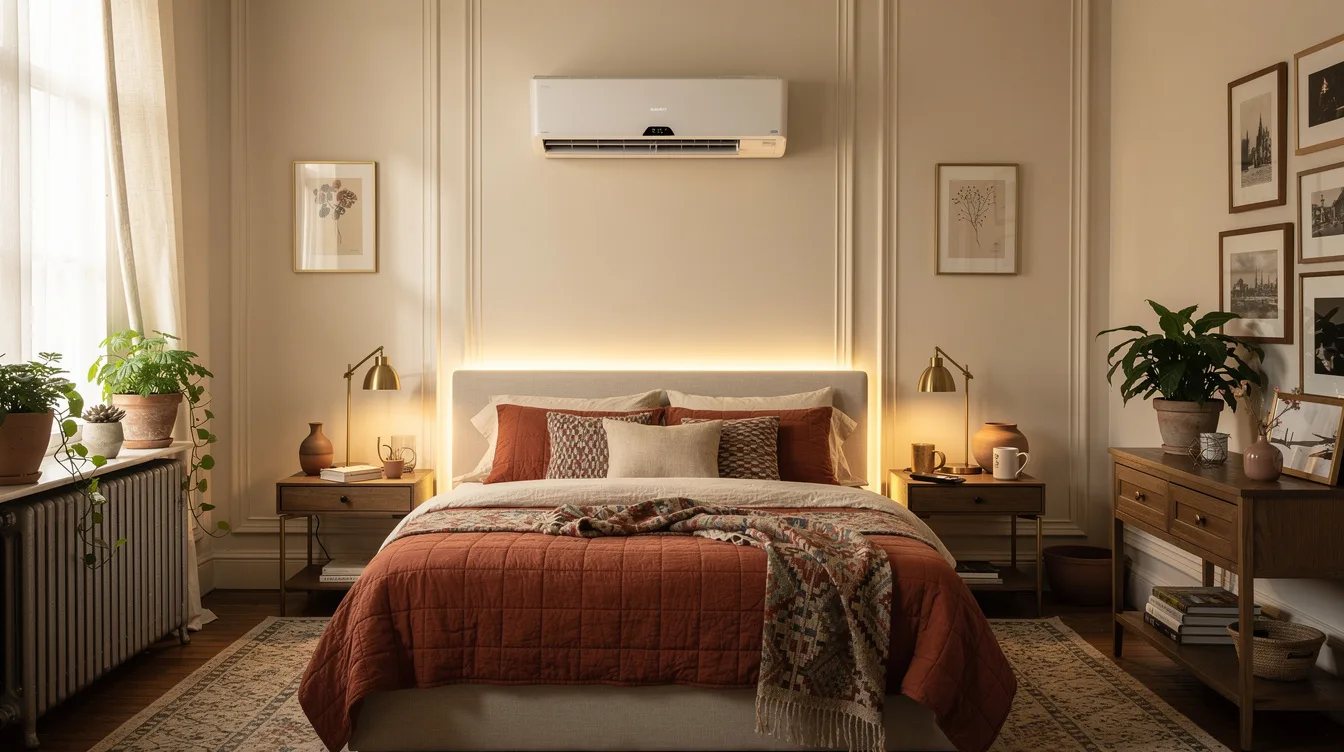
Zone the Living Room and Work Area
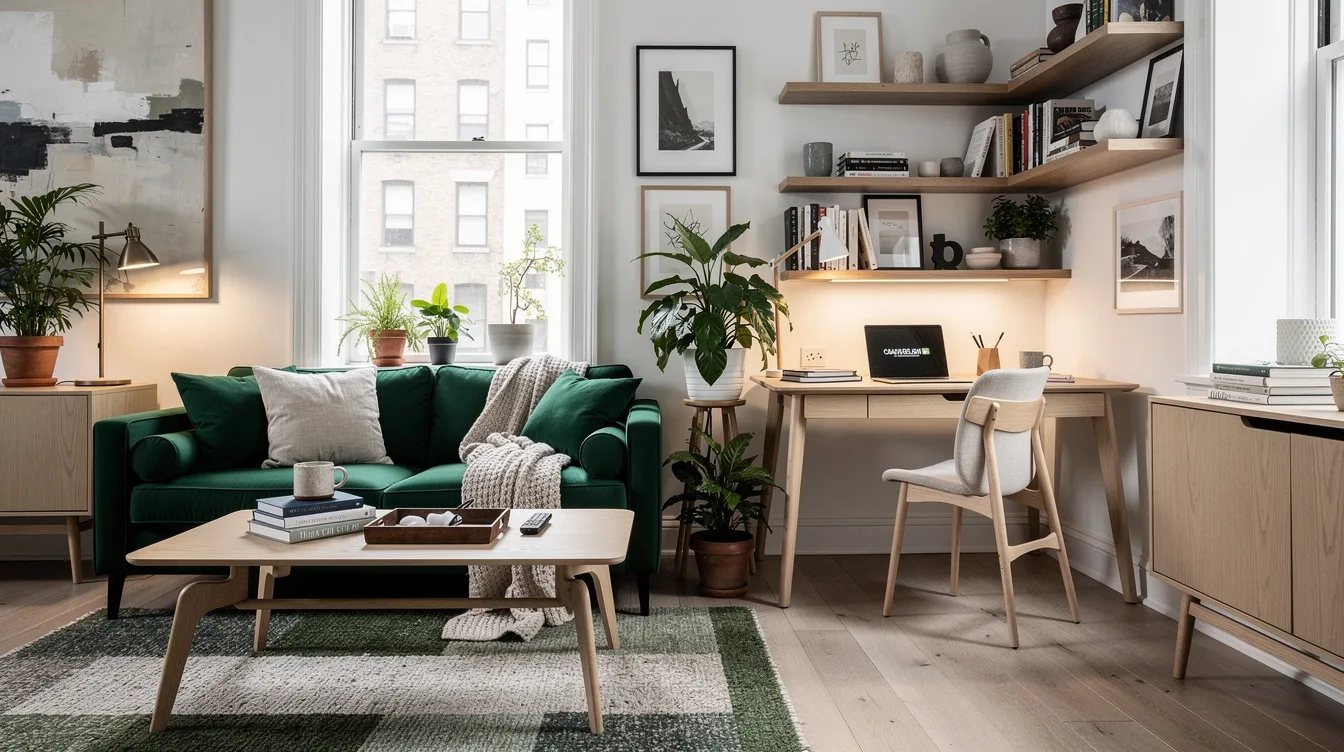
Use a larger inverter split AC only in the living and work zone that stays occupied through the day. A roughly 3.5- to 5-kilowatt capacity may suit a large living room or open plan, but window exposure and ceiling height change the answer.
Close nearby doors while it runs, then use a fan to spread the comfort through the occupied area. Trying to cool every room at once is expensive and usually disappointing.
Hide Cooling Gear With an Open Console
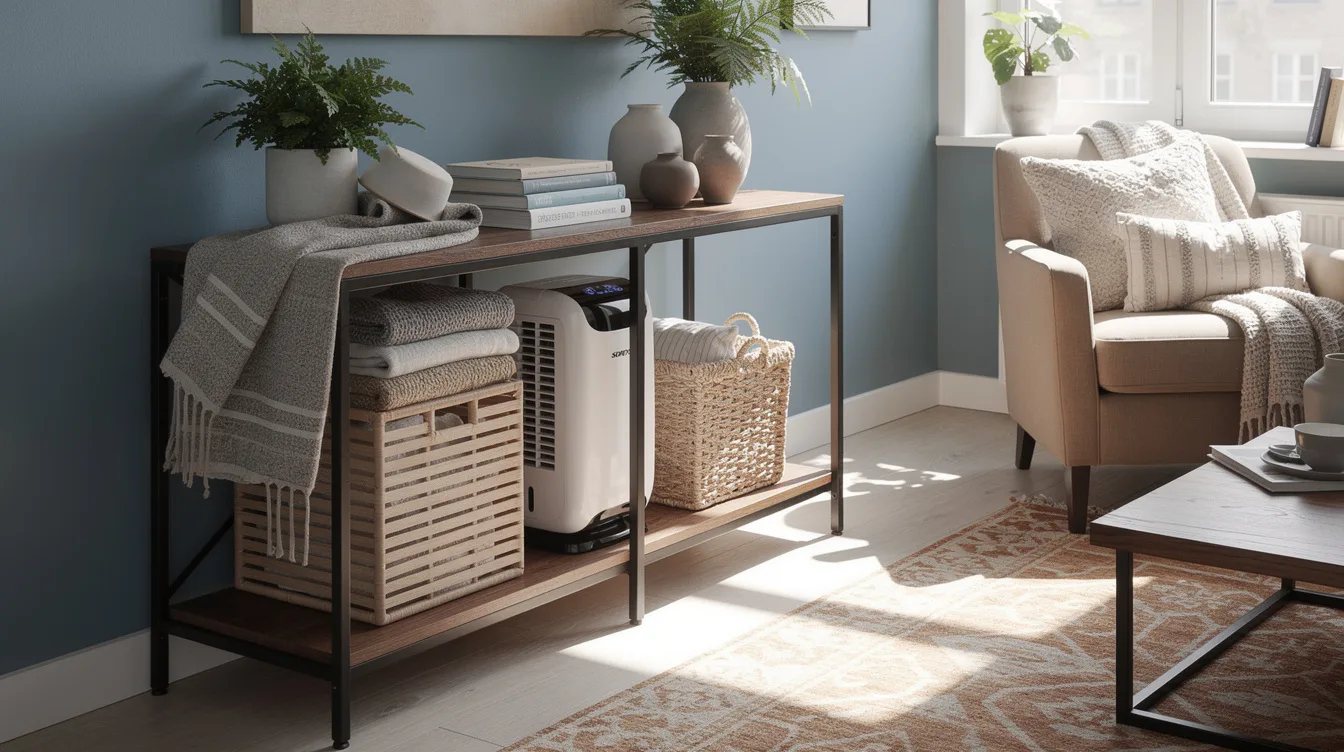
Set a narrow oak slat console beneath a clear wall, not in front of an AC airflow path. It gives routers, chargers, and remotes a home without trapping warm air around electronics.
Wayfair and IKEA both offer airy console styles that work better here than solid media cabinets. Leave at least a little breathing room behind every plugged-in device, because enclosed equipment adds heat when the room can least spare it.
Choose Induction for Hot-Day Cooking
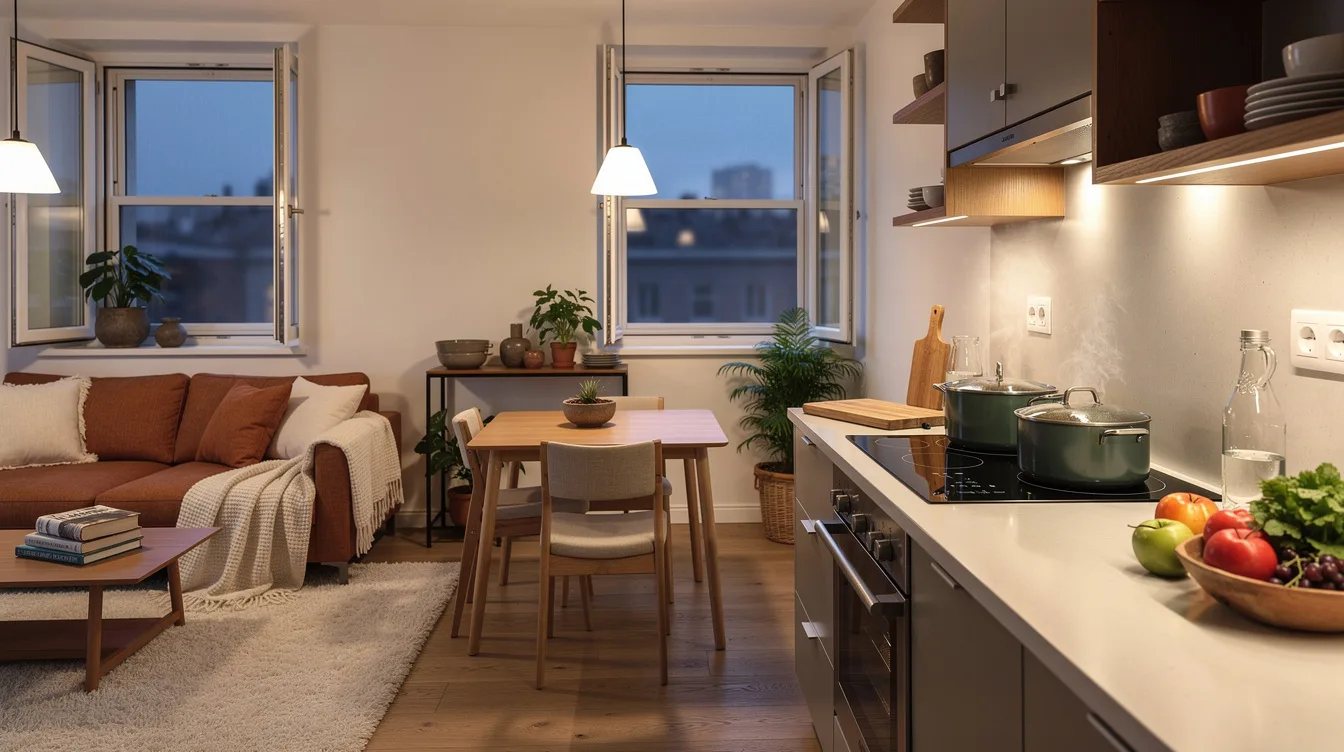
Replace a long afternoon oven session with a portable induction cooktop from Home Depot or Amazon. It directs heat into the pan instead of flooding the kitchen, which makes a small apartment feel noticeably less punishing.
Use a heavy skillet, a quick meal, and the range hood. The goal is to keep the kitchen from becoming a heat source that radiates into the living room for hours.
Swap Heat-Producing Bulbs for LEDs
Fit warm-dim LED bulbs in table lamps, sconces, and the kitchen ceiling fixture. A typical 2700K bulb keeps evening light soft without the extra heat and glare of older high-wattage bulbs.
Skip the cool bluish light often sold as practical for summer. Barcelona sun already makes interiors feel sharp during the day, and a warmer evening layer helps the apartment settle after shutters come up.
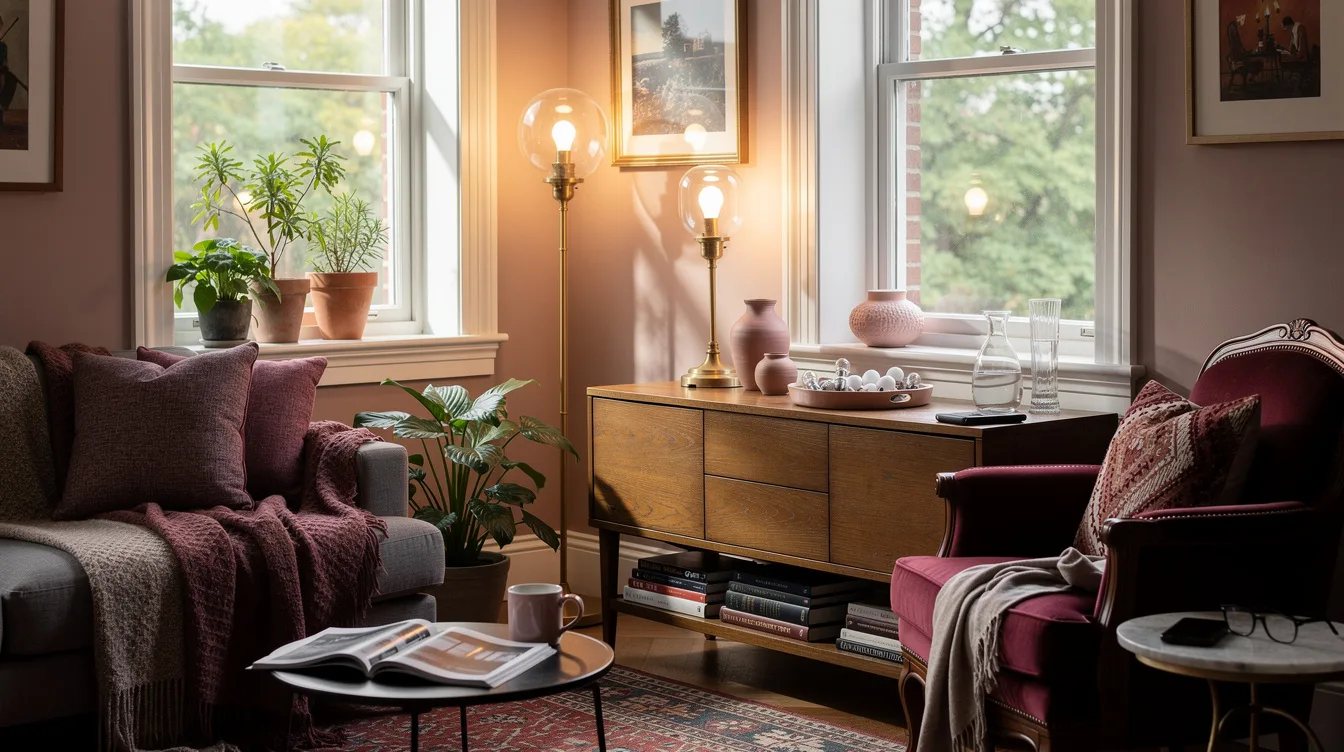
Move the Bed Away From the Hot Wall
Pull the upholstered bed several inches away from a west-facing exterior wall when the layout allows. That small gap improves air movement and stops bedding from absorbing warmth from sun-heated masonry all evening.
Use a breathable cotton coverlet instead of a thick synthetic comforter. One light quilt, a washable pillow cover, and an uncluttered nightstand make more sense than a decorative pile that holds heat.
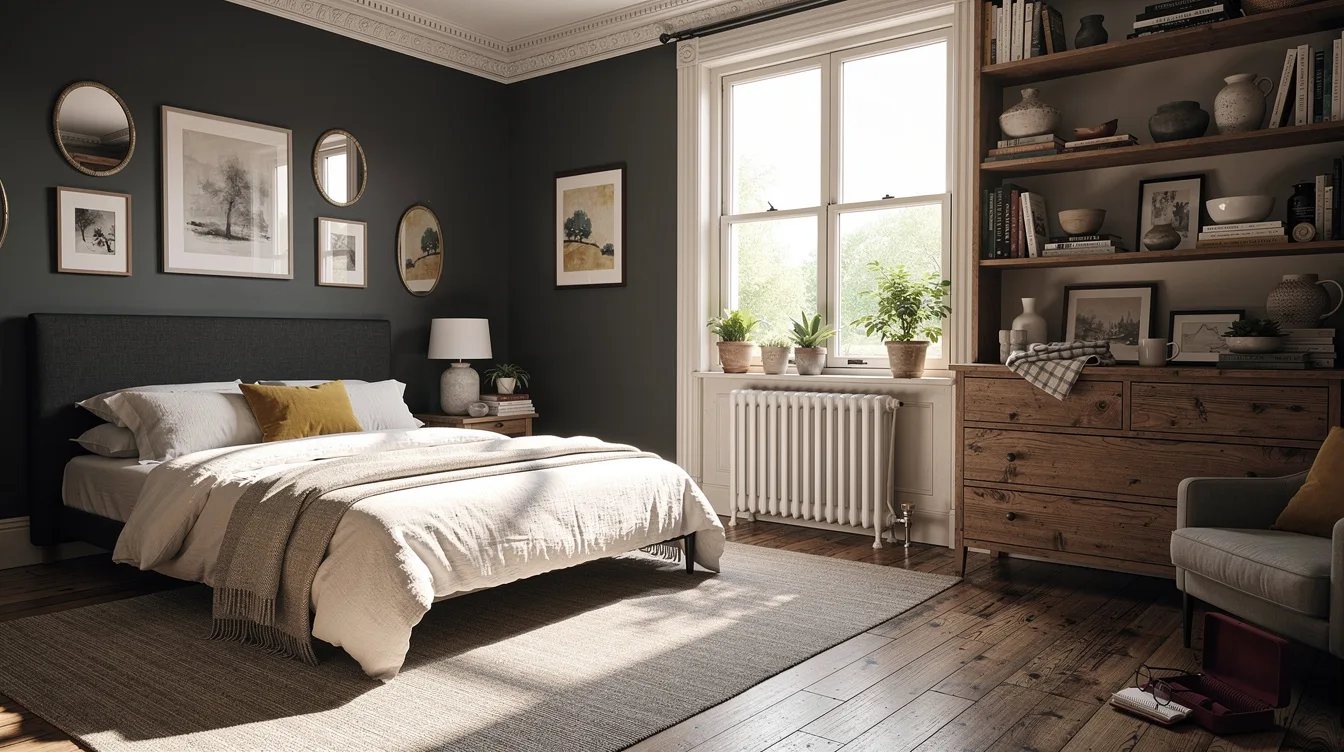
Keep the Balcony Floor Light and Bare
Choose a light-toned outdoor rug only if the balcony needs softness underfoot. Dark rubber tiles and dense artificial turf can soak up afternoon sun, then keep releasing that warmth against the doors after sunset.
A folding bistro table from IKEA, two chairs, and open floor around them is enough. The balcony should work as a shaded air buffer, not as a crowded extra room that blocks every breeze.
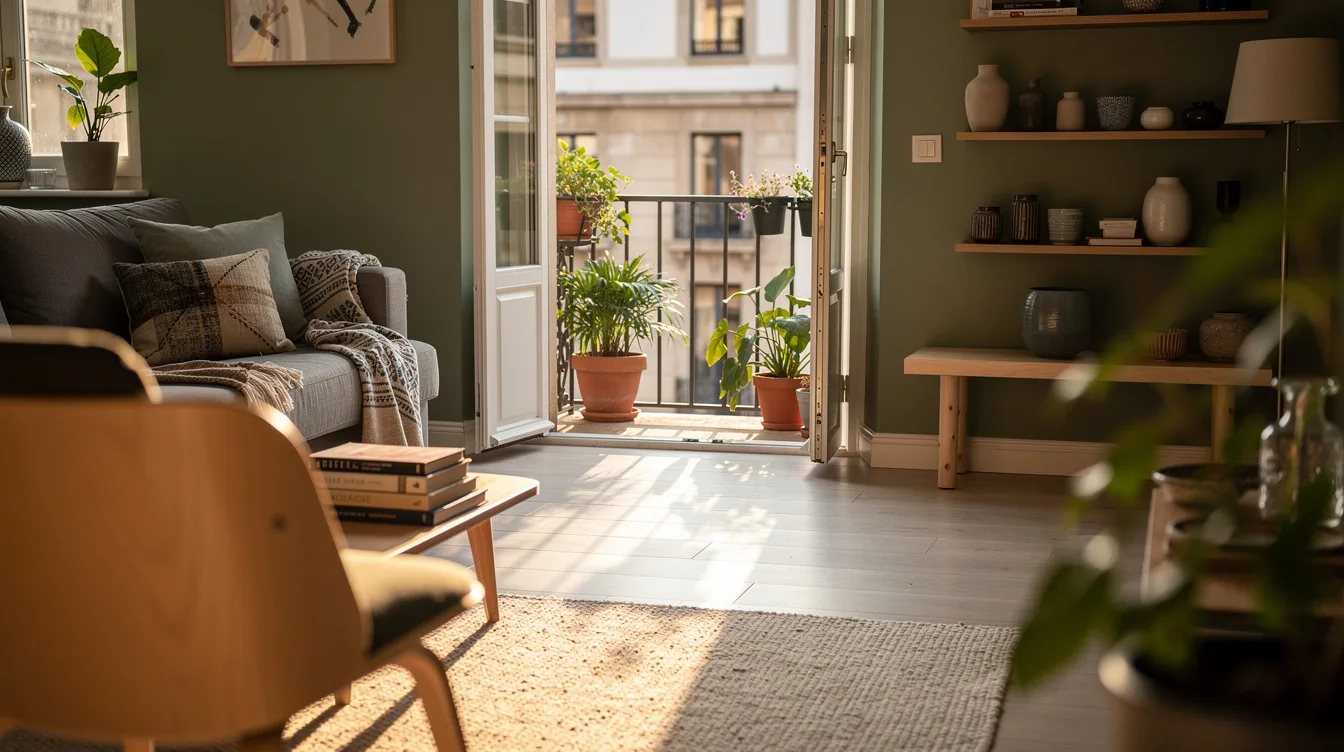
Keep reading
Start at the hottest glass, not with a shopping spree for cushions. Close the exterior shade before noon for one week, then add a fan or targeted AC only where the apartment still struggles after dark.