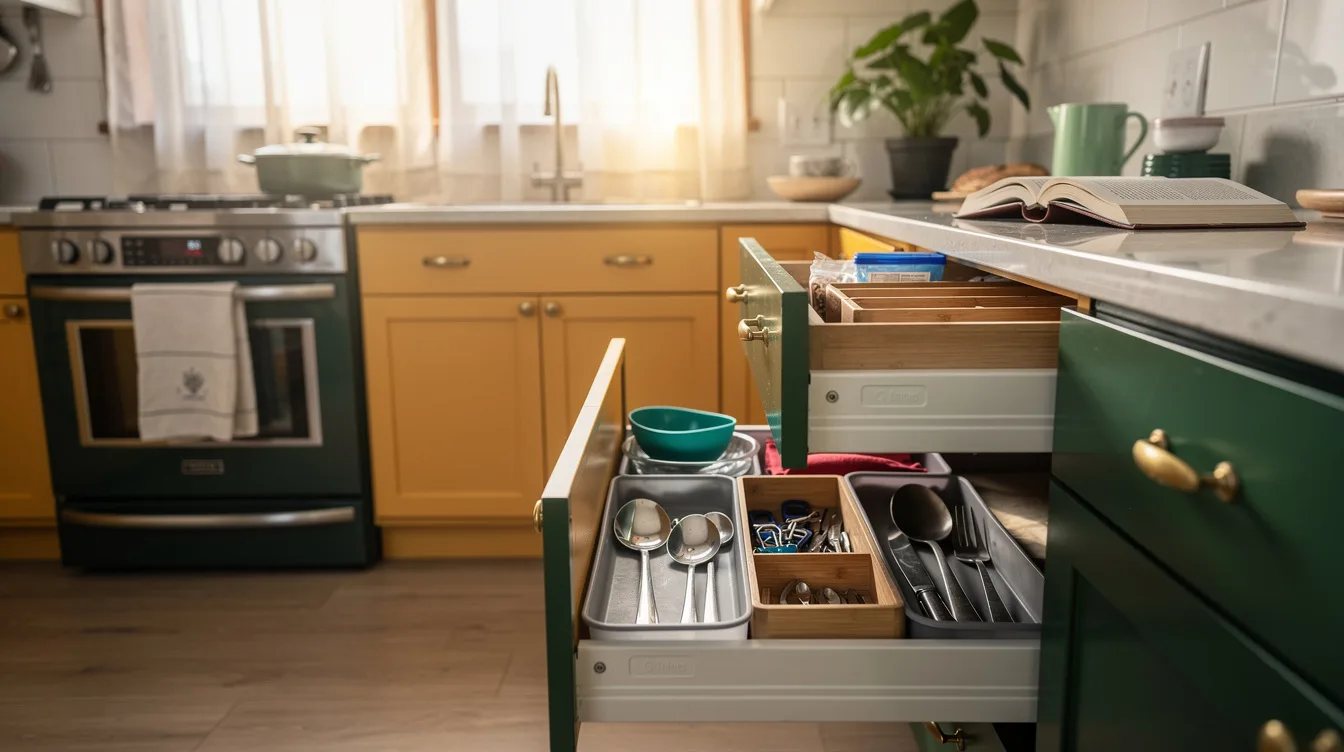
Narrow Drawers Eating Your Utensils? 12 Lowe's Organizers Under $99
13 november 2026A narrow drawer can waste more space than a large one when every organizer is too wide. In a cabinet with about 6 inches of usable width, two 3-inch lanes can work far better than a bulky expandable silverware tray.
The useful Lowe's options are compact and specific: clear Style Selections bins, bamboo modules, front-to-back dividers, and an overlapping cutlery organizer that needs only about 4.3 inches of width. The right choice starts with the drawer box, not the cabinet front.
What you will find inside
- Measure the Usable Interior Before Shopping
- Pair Two Slim Bins in a Six-Inch Drawer
- Use a Bamboo Bin for Short Tools
- Run Expandable Dividers Front to Back
- Choose Modular Lanes Over a Wide Tray
- Let the Overlapping Organizer Save Width
- Give Deep Drawers Adjustable Dividers
- Save Fitted Inserts for Wider Boxes
- Give Measuring Spoons Their Own Lane
- Separate Small Hardware from Flatware
- Protect Vertical Clearance Around Handles
- Build a Daily-Use Zone at the Front
Measure the Usable Interior Before Shopping
The drawer front can make a cabinet look roomy while the box behind it stays surprisingly tight. Measure the usable interior from side to side, front to back, and bottom to top, then compare those numbers with the accessory listing.
Lowe's notes that dimensions and availability can vary, and the Style Selections clear bin listing contains conflicting specification details. Treat its listed 3-inch width, 12-inch depth, and 2-inch height as a starting point, then confirm the product page before ordering.
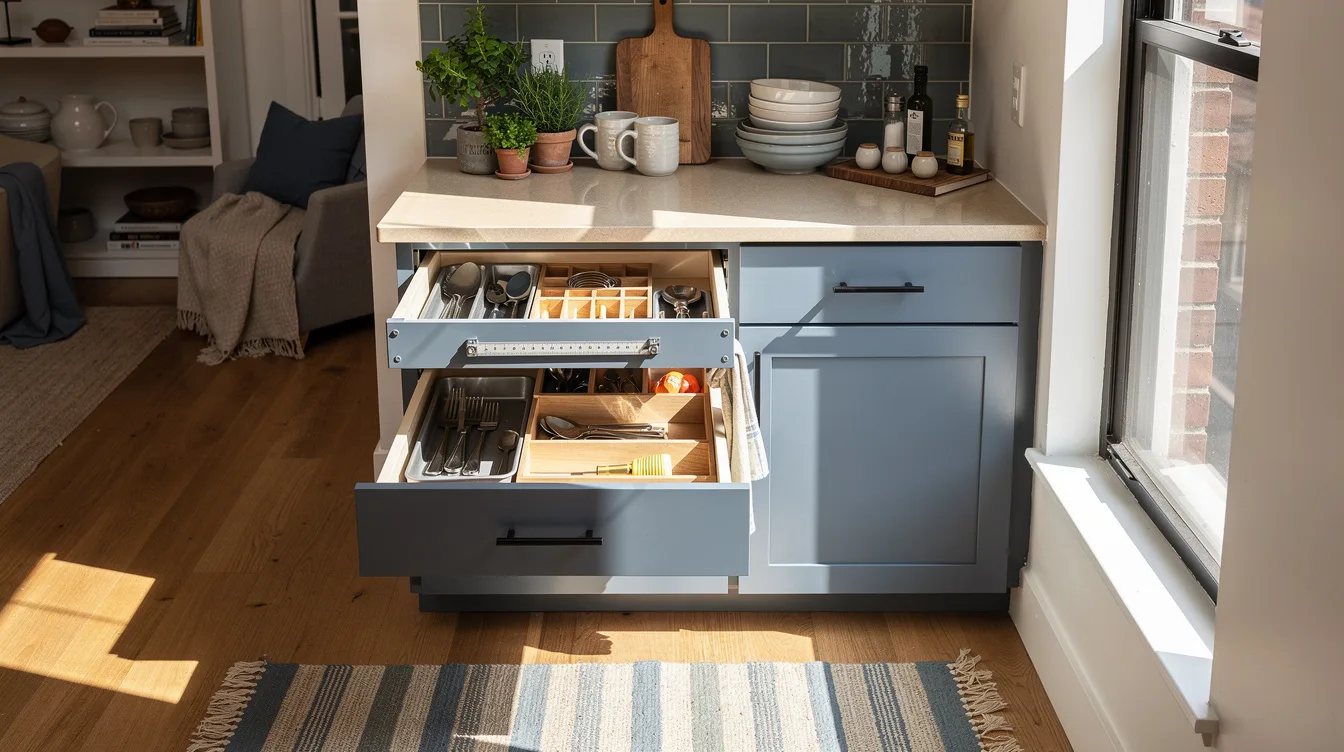
Pair Two Slim Bins in a Six-Inch Drawer
A drawer with slightly more than 6 inches of usable width can often hold two slim lanes instead of one oversized tray. The Style Selections clear utensil bin is listed at 3 inches wide, so two may fit side by side when the interior and hardware leave enough clearance.
At the time of the supplied research, the advertised price was $5.98 each. Use one for everyday flatware and the other for measuring spoons, clips, or small kitchen tools, keeping each category narrow enough to retrieve without disturbing its neighbor.
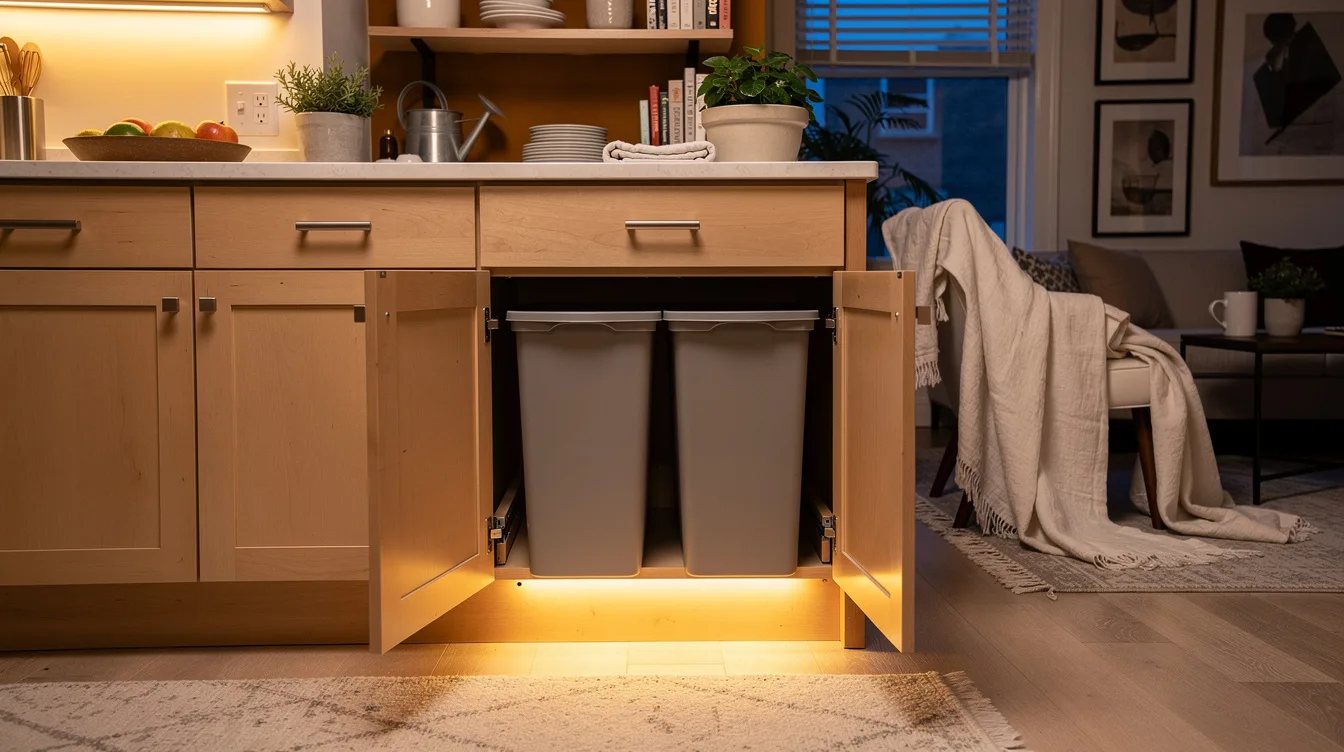
Use a Bamboo Bin for Short Tools
The Style Selections bamboo stacking bin is listed at about 3 inches wide, 9 inches deep, and 2 inches high. That shorter footprint works well in a shallow or interrupted drawer where a 12-inch container would hit the back panel or divider.
The listed price was $7.98 each, making it a practical module for peelers, wine stoppers, tea tools, or spare measuring spoons. Bamboo gives the drawer a warmer appearance than clear plastic, but the compact size is the real advantage.
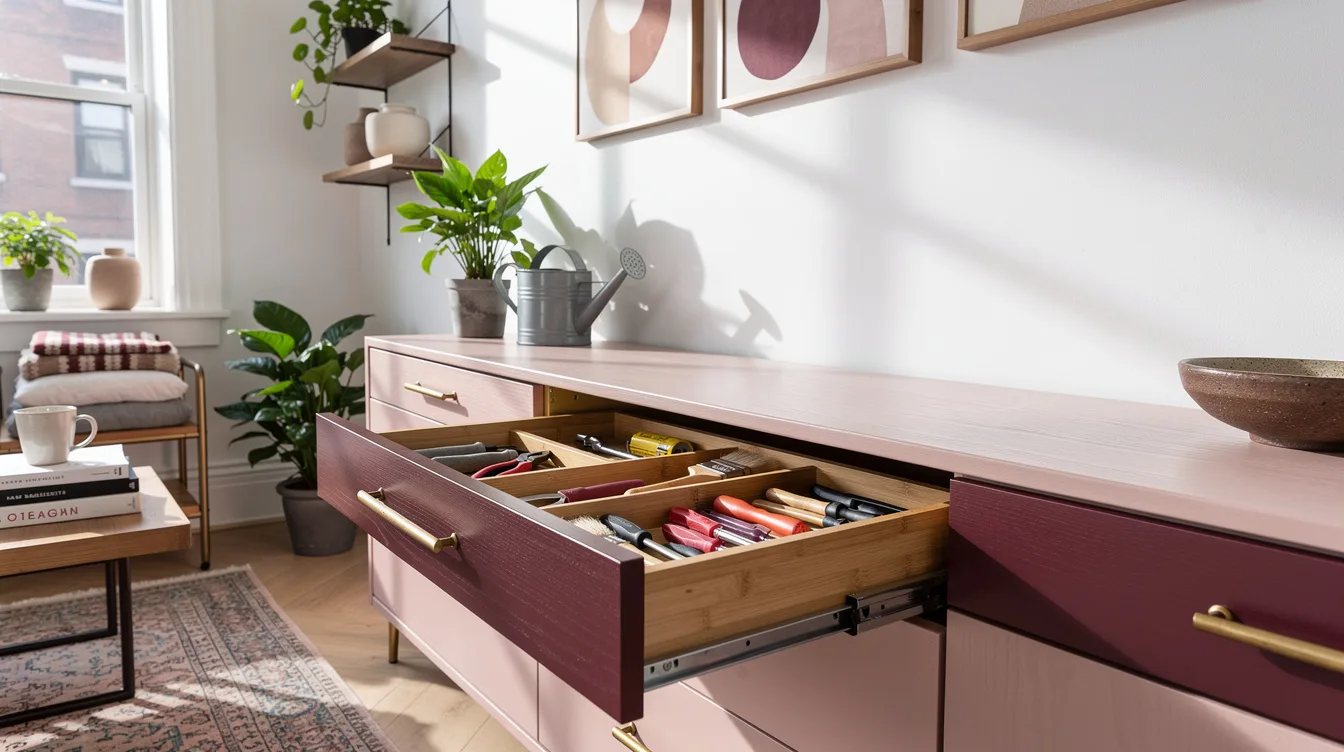
Run Expandable Dividers Front to Back
Long, narrow drawers benefit from lanes that run with the drawer rather than across it. The Style Selections bamboo divider pair is listed at about 22 inches long and 2.5 inches high, with an expandable design that can separate utensils without consuming the full drawer width.
The advertised price was $19.98 for two. Install the dividers front to back, then test the compressed length before committing, because the supplied listing does not establish its minimum length.
Choose Modular Lanes Over a Wide Tray
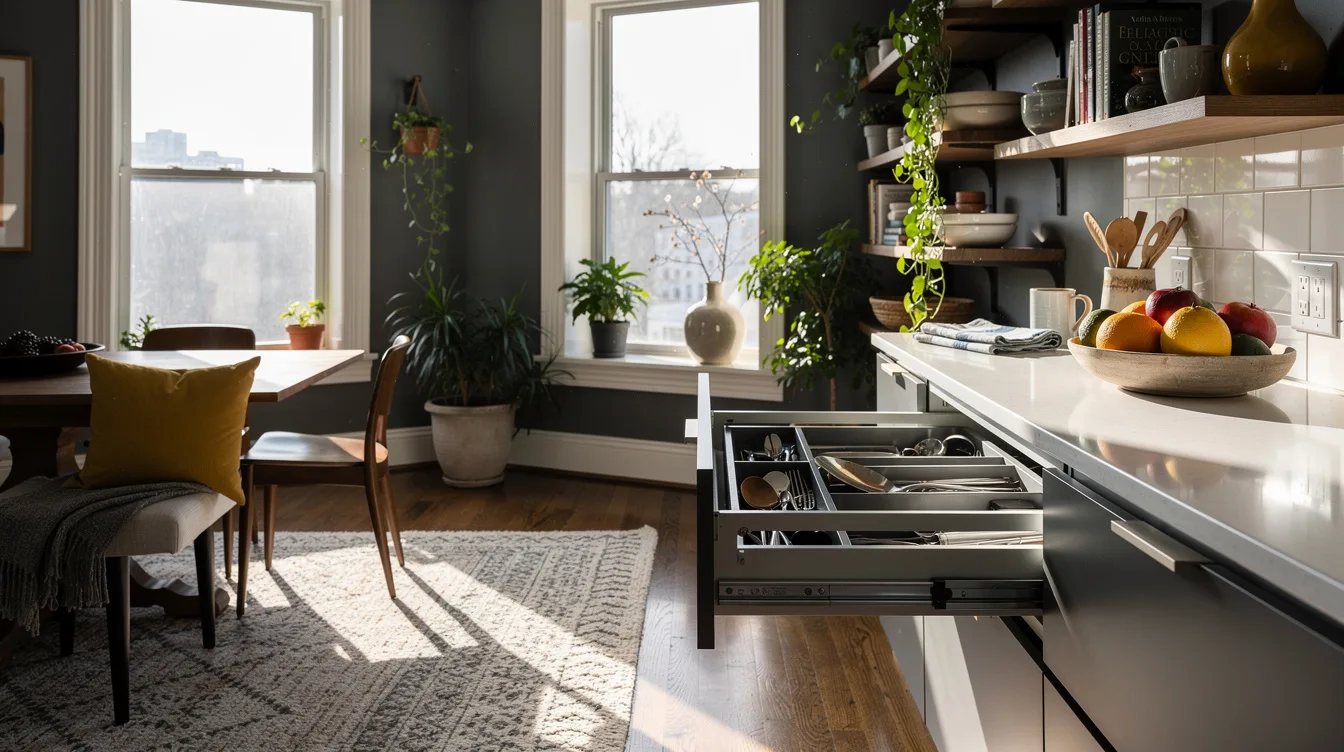
A large expandable silverware tray usually assumes more width than a narrow cabinet can provide. Several slim modules create a better fit because each piece can stop before a hinge, drawer slide, or awkward corner.
Use a Style Selections clear bin for items that benefit from quick visibility, then place a bamboo bin beside it for less tidy tools. This arrangement also makes cleaning easier: lift one container, wipe the drawer beneath it, and return the module without dismantling a full-width organizer.
Let the Overlapping Organizer Save Width
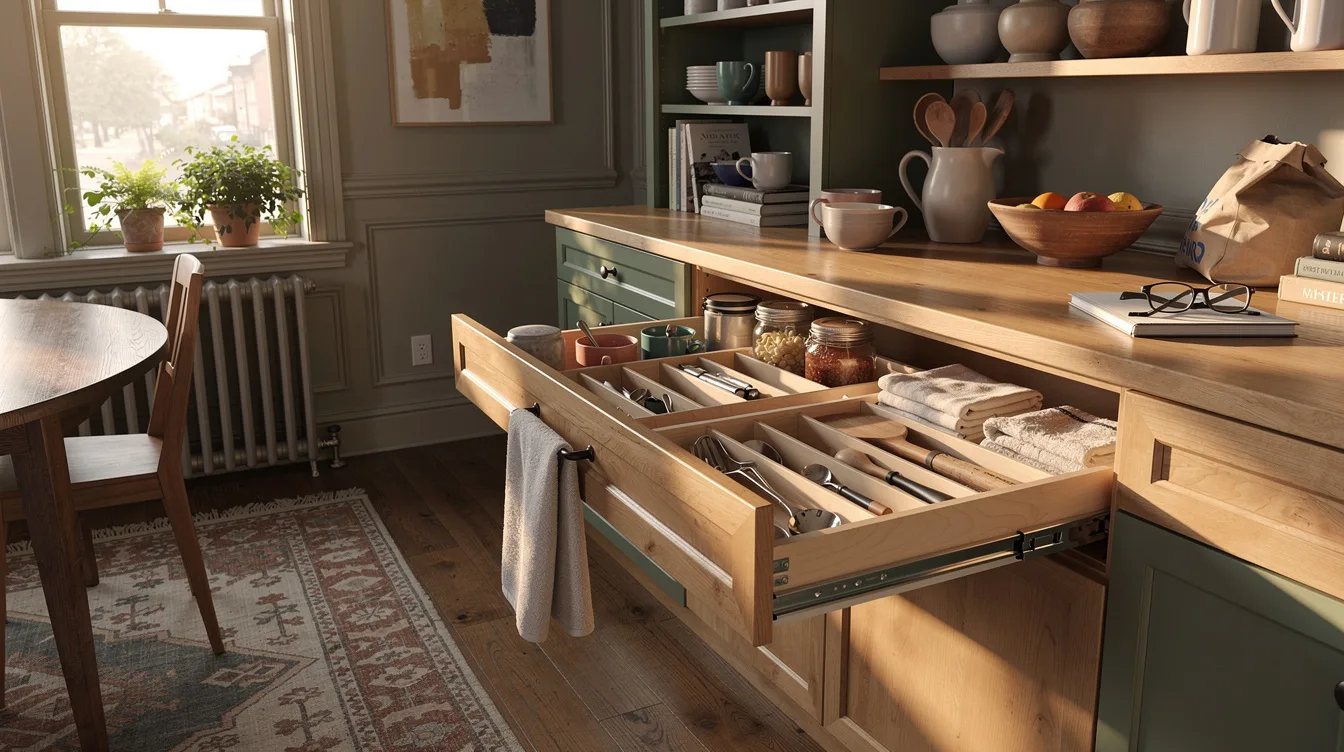
The Joseph Joseph DrawerStore compact cutlery organizer is designed for a narrow footprint, with the Lowe's listing showing about 4.3 inches of width and 15.6 inches of depth. Its angled, overlapping compartments place cutlery above one another instead of spreading every piece across a conventional tray.
The gray polypropylene organizer needs at least about 3.25 inches of drawer height, so check vertical clearance around the drawer box and hardware. This is the strongest choice when width is scarce but the drawer has enough depth and height to let the compartments work.
Give Deep Drawers Adjustable Dividers
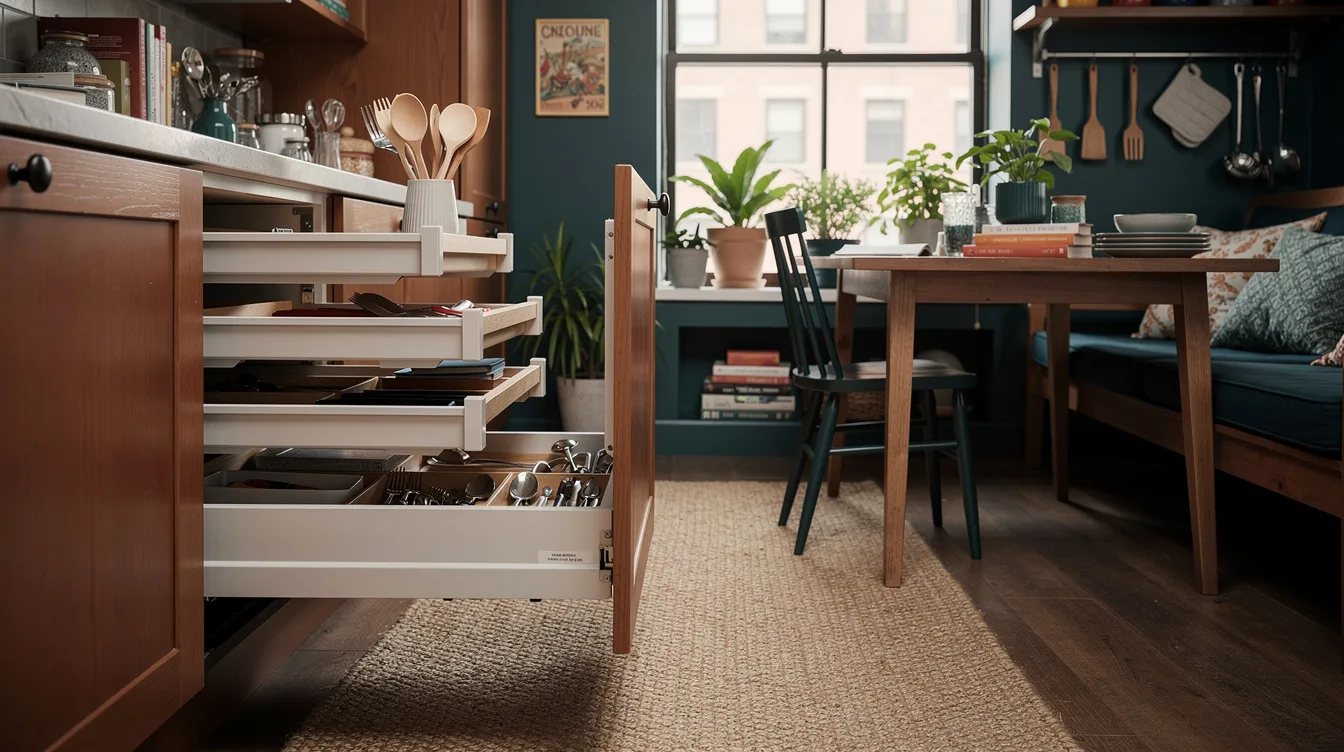
Deep drawers need a different solution from shallow silverware drawers. SpaceAid bamboo dividers are listed as adjustable from about 12.5 to 17 inches long and roughly 4.65 inches high, giving taller storage areas a way to separate towels, wraps, cleaning cloths, or larger kitchen tools.
The supplied Lowe's price was $32.99 for four. White-finished bamboo can make a deep drawer easier to scan, but allow for the listing's rounded height variation before using the dividers near a drawer top or countertop underside.
Save Fitted Inserts for Wider Boxes
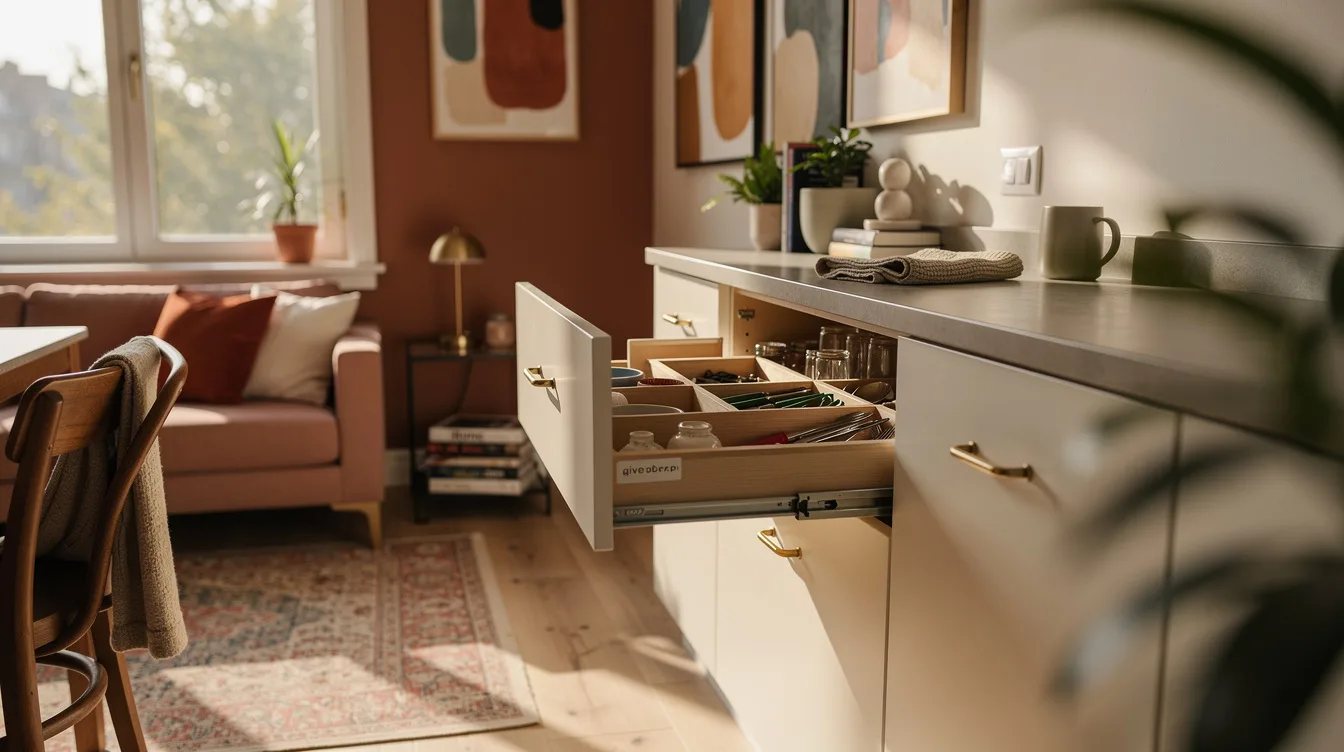
The Rev-A-Shelf maple cutlery insert creates a built-in look, but its supplied dimensions are about 20.59 inches wide, 21.97 inches deep, and 2.36 inches high. Its listed minimum trimmed size is about 14.5 inches wide by 15.5 inches deep, which rules it out for many 6-to-12-inch drawer interiors.
At the time of the supplied research, the advertised price was $98.99. Choose the maple insert when the drawer is moderately wide and a permanent-looking layout matters; skip it when the real problem is a very narrow cabinet box.
Give Measuring Spoons Their Own Lane
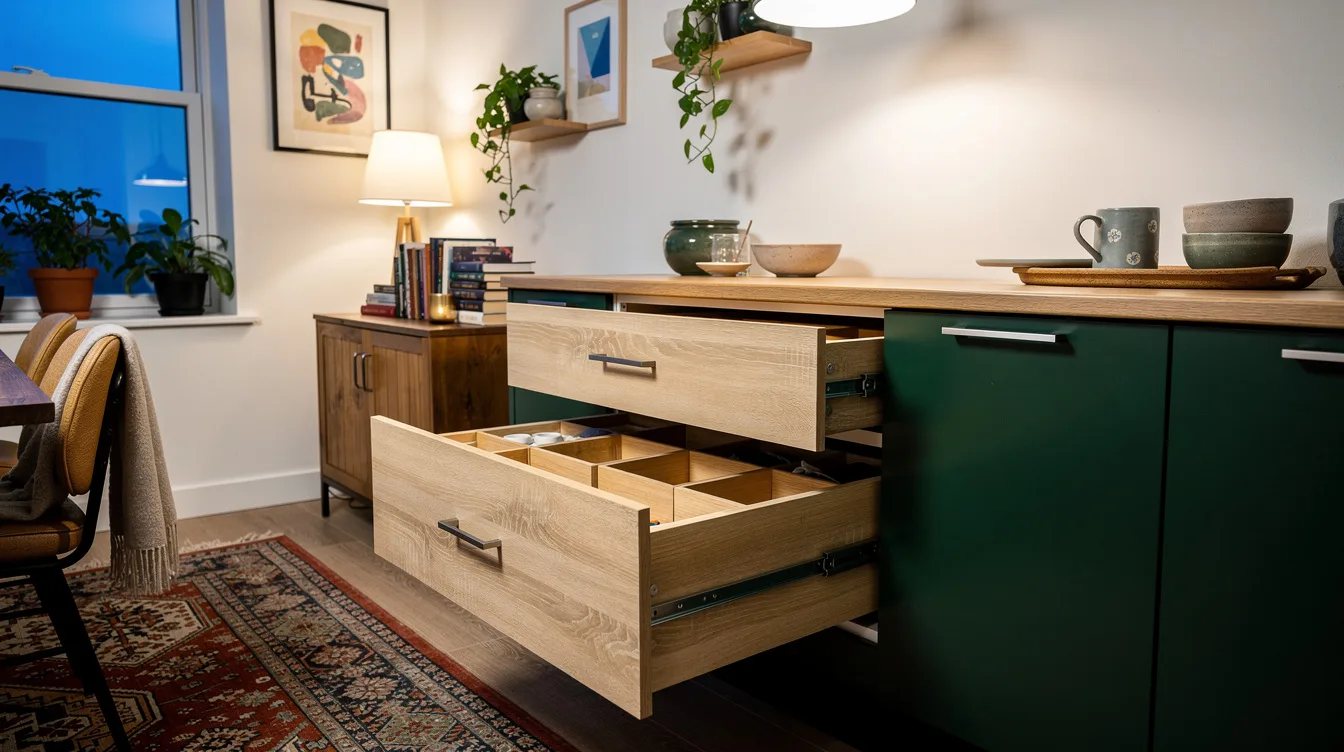
Measuring spoons become difficult to find when they share a shallow pile with bottle openers and clips. A slim Style Selections bin gives them a dedicated front-to-back lane, allowing the handles to face the same direction and leaving the larger drawer area available for bulkier tools.
Keep the bin near the front if these utensils are used every day, but leave enough space for the drawer to close without catching a handle. Clear plastic earns its place here because a quick glance shows whether the small pieces have migrated or gone missing.
Separate Small Hardware from Flatware
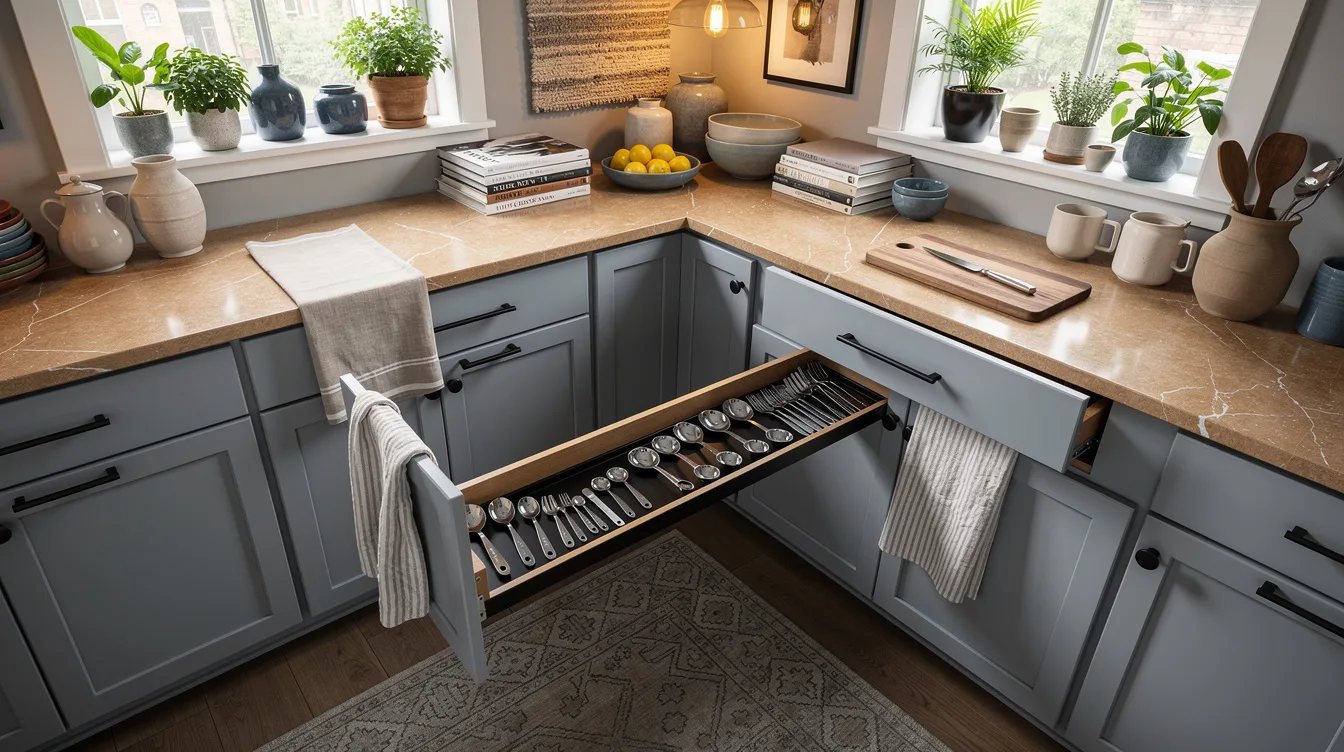
Narrow kitchen drawers often become catchalls because small objects slide beneath larger utensils. Use a bamboo module for clips, spare appliance parts, bag seals, or corks, and keep flatware in a separate lane where its shape remains easy to read.
The Style Selections bamboo bin is listed at about 3 by 9 by 2 inches, so it can contain a small category without taking over the drawer. A bamboo organizer also adds enough visual contrast to make the boundaries between neighboring items obvious.
Protect Vertical Clearance Around Handles
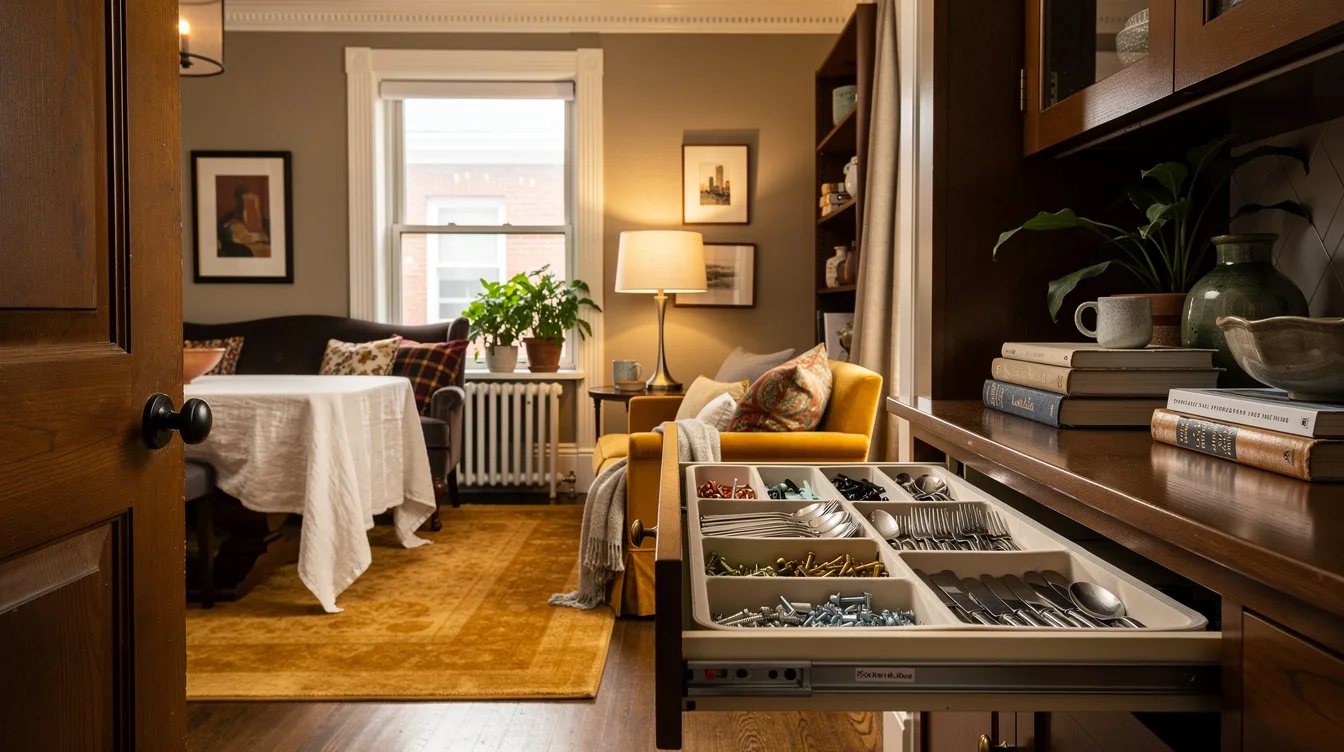
Width is only half the measurement problem. A compact organizer can fit from side to side and still fail if its walls or angled compartments rise into the drawer's usable height.
Before choosing the Joseph Joseph organizer, allow at least about 3.25 inches of drawer height as shown in the Lowe's listing. For shallow drawers, the low Style Selections bins listed at about 2 inches high are safer, especially when the drawer holds utensils with thick handles.
Build a Daily-Use Zone at the Front
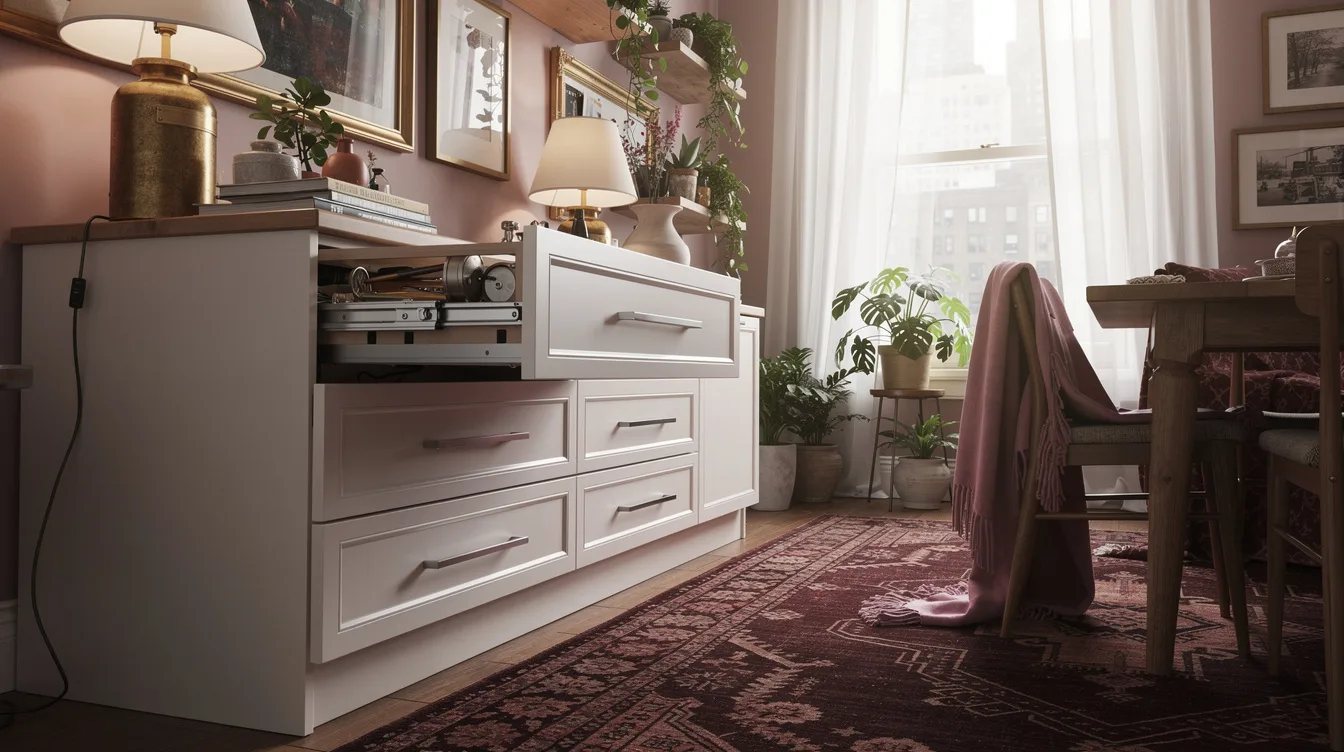
The most efficient narrow drawer keeps the items used most often closest to the opening. Place a clear bin for daily flatware or measuring spoons at the front, then use a second lane for less frequent tools that can stay farther back.
We prefer this layout over filling every inch with containers, because a small empty margin gives fingers room to lift a bin and prevents objects from wedging against the drawer sides. Start with the $5.98 clear bin listed by Lowe's, then add a divider only if the drawer still needs a firm boundary.
Keep reading
- Pedestal Sink Eating Your Bathroom Space? 14 Lowes Organizers Start at $43
- Narrow Apartment Corner Eating Your Tree? 13 Lowe's Stands Under $57
- Narrow Hallway Eating Your Entry Space? 14 Lowe's Benches Under 36 Inches
Measure the interior first, then test one slim bin before buying a full set. That small trial will show whether your drawer needs more lanes, more height, or simply fewer objects competing for the same space.


