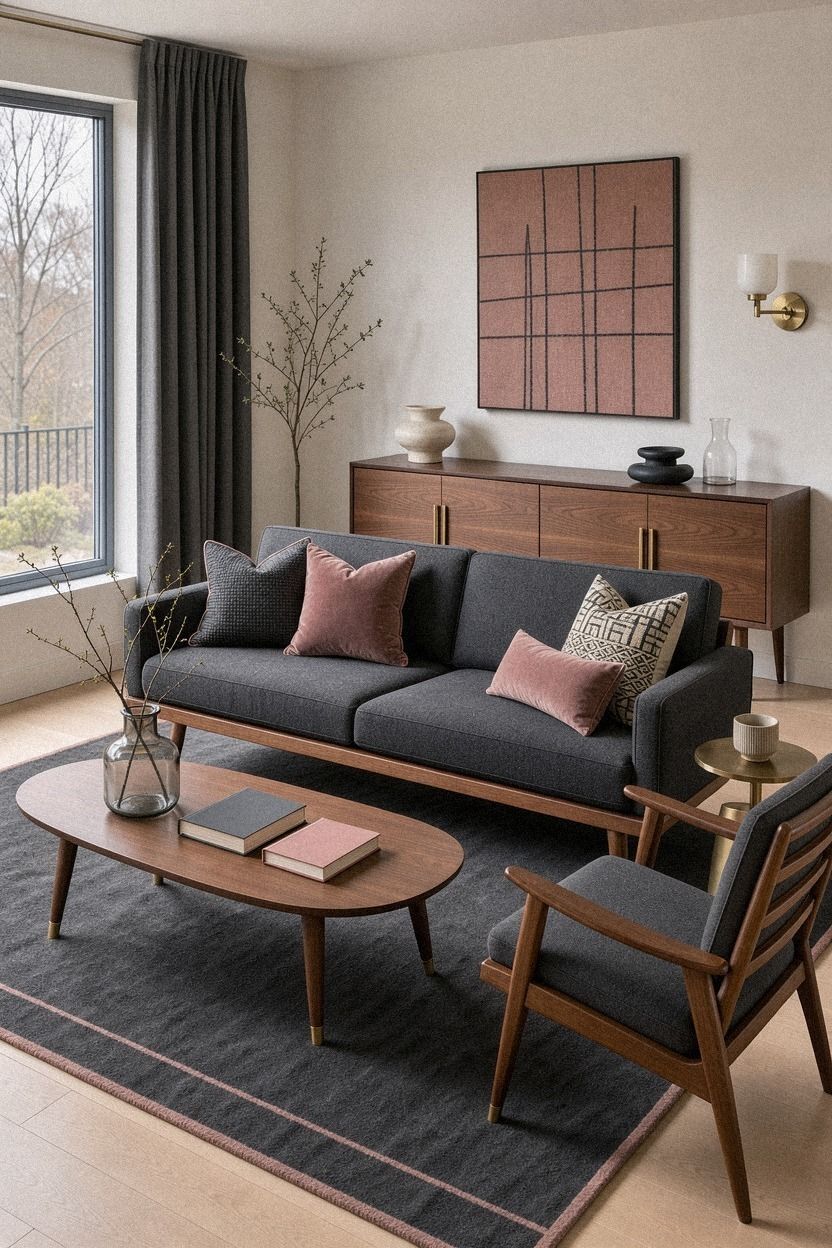
Easy Throw Pillow Sizes Explained, With a Chart You Can Save
13 november 2026Throw pillow sizes usually work best when you combine one 22-inch square, one 20-inch square, and one lumbar. I learned that after buying three identical 18-inch covers that made my sofa look flat and fussy. Your room doesn't need more pillows. It needs better scale. This guide makes the chart simple.
- Layer a 22-Inch Square as Your Anchor
- Pair 20-Inch Squares With a Throw Pillow Size Guide
- Mix 18-Inch Covers for a Flexible Throw Pillow Sizes Chart
- Add a 12-by-20 Lumbar for Better Proportion
- Choose a 14-by-22 Lumbar for a Narrow Seat
- Stack 24-Inch Euros Behind a Bed
- Frame a Chair With One 18-Inch Square
- Use a 16-Inch Pillow on a Bench
- Layer Lumbar Over Square Pillows
- Contrast 20 Inches Over 18 Inches
- Build the Three-Height Pillow Stack
- Follow the Two-Pattern Rule
- Match Pillow Depth to Furniture Depth
- Choose Inserts One Size Larger
- Use Color Temperature Before Matching Color
- Try the One-Large-Pillow Method
- Sort the Budget Before Buying Covers
- Arrange the Throw Pillow Sizes Chart by Use
- Test the Arrangement Before You Commit
1Layer a 22-Inch Square as Your Anchor
Start with a 22-inch square pillow at the back of your sofa or bed. Its larger footprint gives your arrangement a calm, grounded base, while book-matched walnut nearby adds warmth without making the room feel stiff. If you're styling a standard three-seat sofa, one anchor at each arm usually gives you enough balance without swallowing the sitting space.
I prefer 22 inches over 24 inches for most homes because you can still sit comfortably in front of it. Your eye gets height, but your body gets room.
A 24-inch insert can look generous, yet it'll often push smaller pillows forward and make the whole arrangement feel crowded. For a warm, inviting finish, choose one solid, one subtle stripe, and one small pattern. That combination is usually worth the cost because it creates variety without requiring a complete set.
2Pair 20-Inch Squares With a Throw Pillow Size Guide
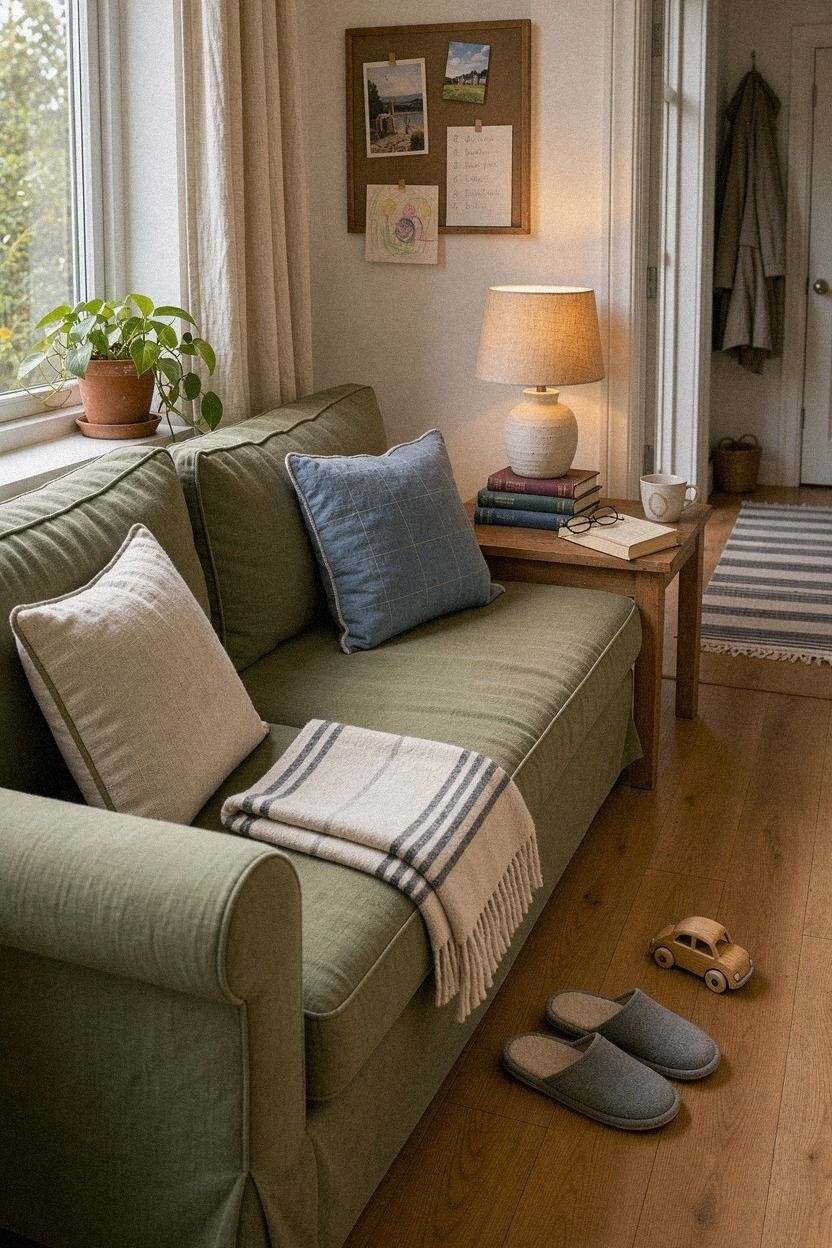
A 20-inch square is the most useful middle size in a throw pillow size guide. Place it in front of your 22-inch anchor, and you'll create depth without building a pillow wall. A warm-white cover with camel and black accents works beautifully here, especially beside warm travertine, whose quiet surface catches lamplight and gives a plain sofa some evening texture.
If you want a more modern look, use two 20-inch pillows in slightly different fabrics rather than matching everything. I tested matching pairs on a narrow loveseat, and they looked too formal.
Your better move is one warm solid and one quiet geometric. And if you're unsure about pattern scale, keep the print smaller than the pillow behind it. That small decision can add serious value to an otherwise modest budget.
3Mix 18-Inch Covers for a Flexible Throw Pillow Sizes Chart

The 18-inch pillow belongs in the front row. It adds a compact layer that you can move when someone sits down, which makes it practical for your everyday room. A midnight-blue cover with copper and ivory accents feels composed, and unlacquered brass nearby develops a patina that keeps the palette from looking too polished.
Use one 18-inch pillow on a chair, two on a loveseat, or one between larger squares on a sofa. Don't use four across a standard couch unless you want a very full look.
Your arrangement needs breathing space. A little wonky is fine.
I like an 18-inch cover with a tiny embroidered motif because it brings detail close to the eye without making the room feel busy. A washable cover is often the best budget buy for a heavily used room.
4Add a 12-by-20 Lumbar for Better Proportion
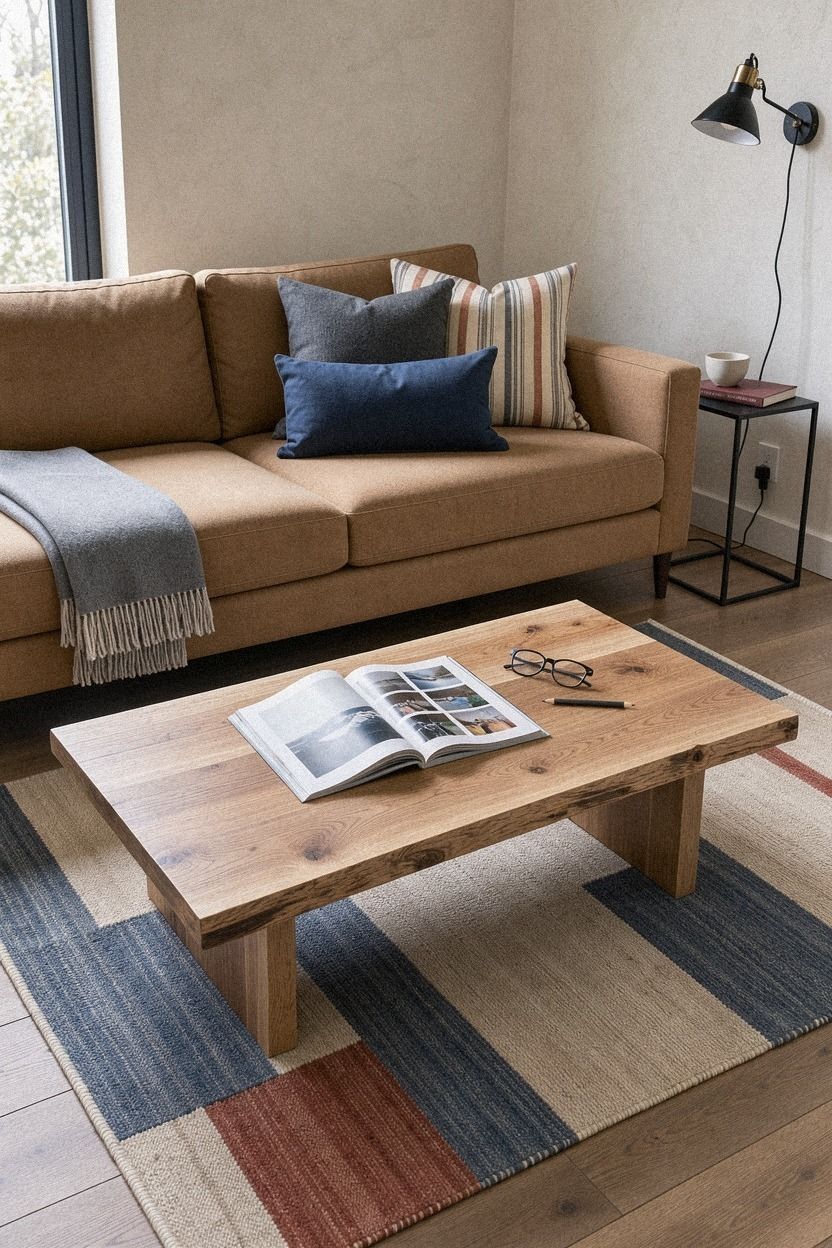
A 12-by-20-inch lumbar pillow gives your composition a horizontal break.
5Choose a 14-by-22 Lumbar for a Narrow Seat
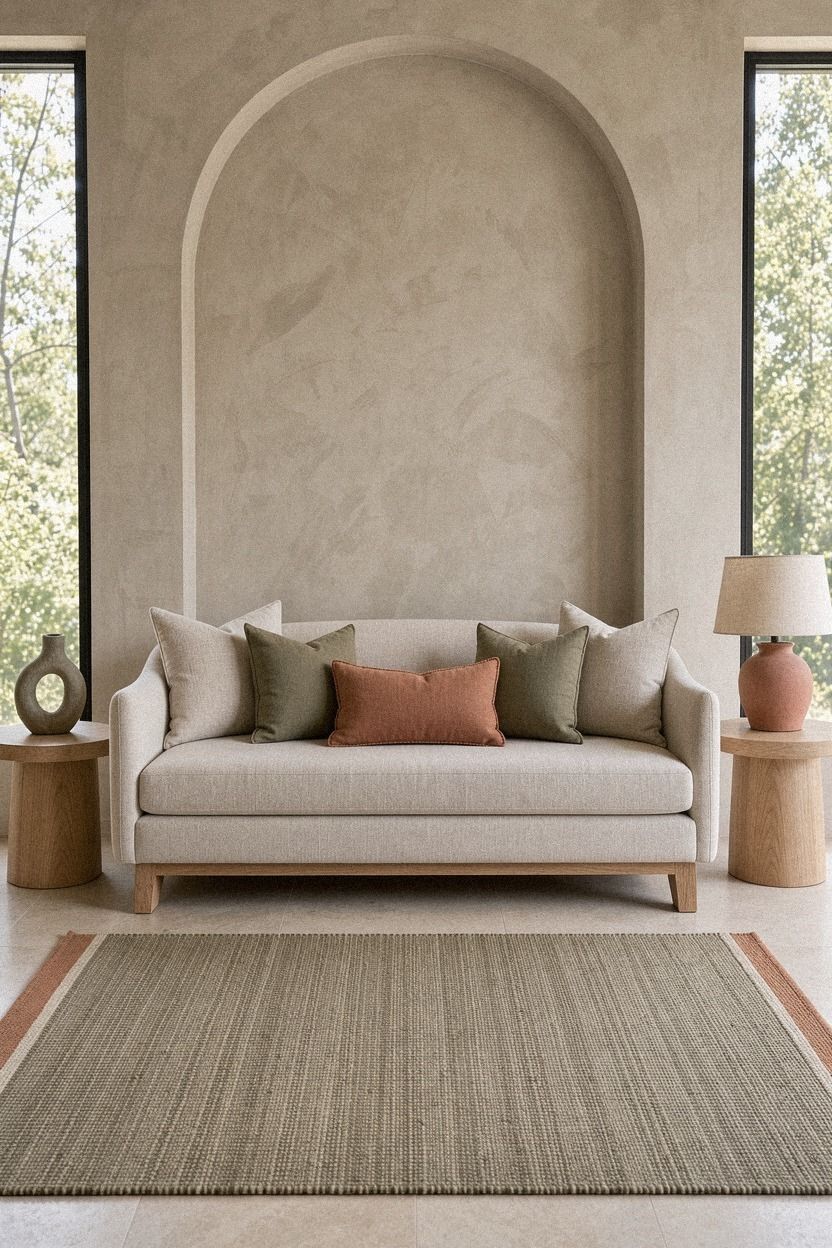
A 14-by-22-inch lumbar is a better fit for a small sofa, apartment bench, or reading chair. Its taller profile gives your back support while still leaving room for your legs. A terracotta, stone, and olive palette works beautifully here, while hand-applied Venetian plaster nearby adds a softly varied surface without becoming bulky.
If you're working with a 72-inch sofa, one lumbar in the center can be enough. For your 48-inch loveseat, keep the arrangement to two pillows total, perhaps one 20-inch square and one lumbar. But don't force symmetry if the furniture is already visually heavy on one side.
A single lumbar can soften a hard arm and make the seat feel more welcoming.
When the question is whether a new cover is worth it, measure the seat first. A beautiful pillow that steals usable sitting space has poor value, no matter how attractive its fabric looks.
6Stack 24-Inch Euros Behind a Bed
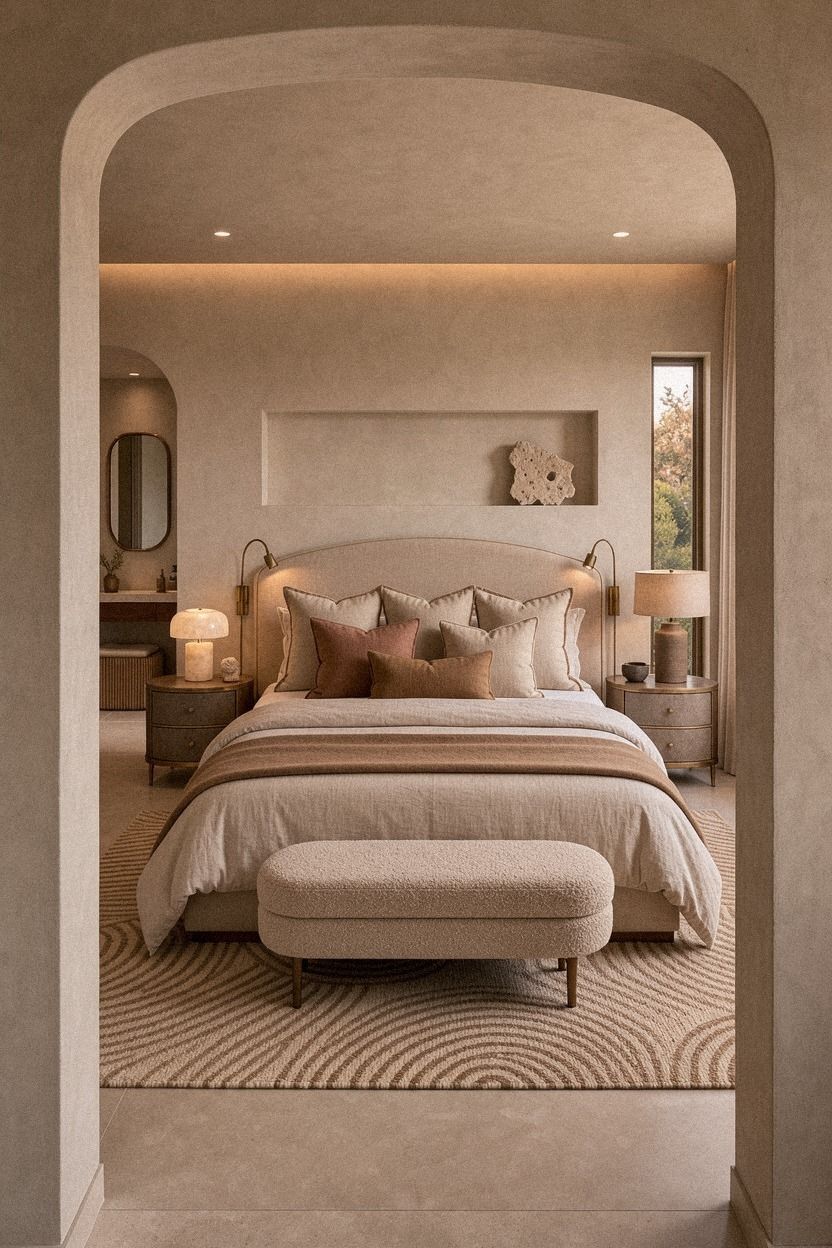
Euro pillows are usually 26 inches square, but a 24-inch insert can work when your headboard or mattress is compact. They create a tall backdrop behind sleeping pillows and help your bed look finished during the day. Shagreen accents nearby add quiet texture, while a clay, linen, and aged-brass palette keeps the arrangement from turning overly soft.
Use two euros on a full or queen bed, and three on a king if the headboard is broad enough. Your pillow size should follow the furniture, not a showroom photo.
I once used three large euros on a narrow queen bed, and the sides looked stuffed while the center disappeared. If your bed is low, choose a lighter cover so the stack doesn't visually overpower the room.
A 24-inch euro is worth considering when you want height without buying a tall upholstered headboard. It can be a smart budget adjustment, but only if the mattress has enough width to carry it.
7Frame a Chair With One 18-Inch Square
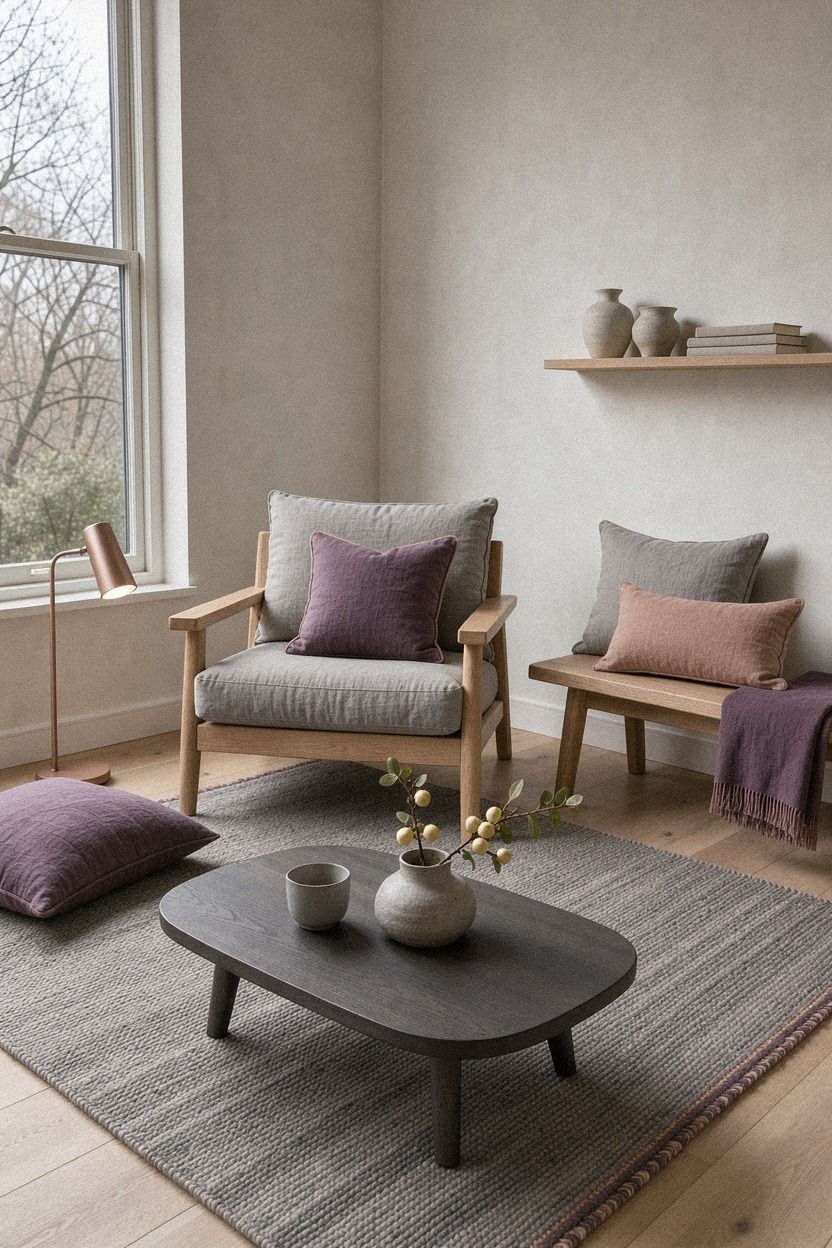
One 18-inch square can make a chair feel intentional without turning it into a display. Put it against the back cushion, then add a folded washed Belgian linen throw over one arm. The contrast between the smooth pillow and the relaxed textile creates a small, comforting corner that feels lived-in.
Your chair doesn't need a matching pillow pair. In fact, I think one strong shape is better because the chair should remain usable.
Try a muted rust cover beside a Benjamin Moore White Dove OC-17 wall, or choose dusty blue if your room already has warm wood. And if the chair sits near a window, select a washable fabric so sunlight and daily use won't make you nervous.
This is one of the easiest places to test a color before committing to a larger purchase. You get noticeable impact, a controlled price, and very little visual risk.
8Use a 16-Inch Pillow on a Bench
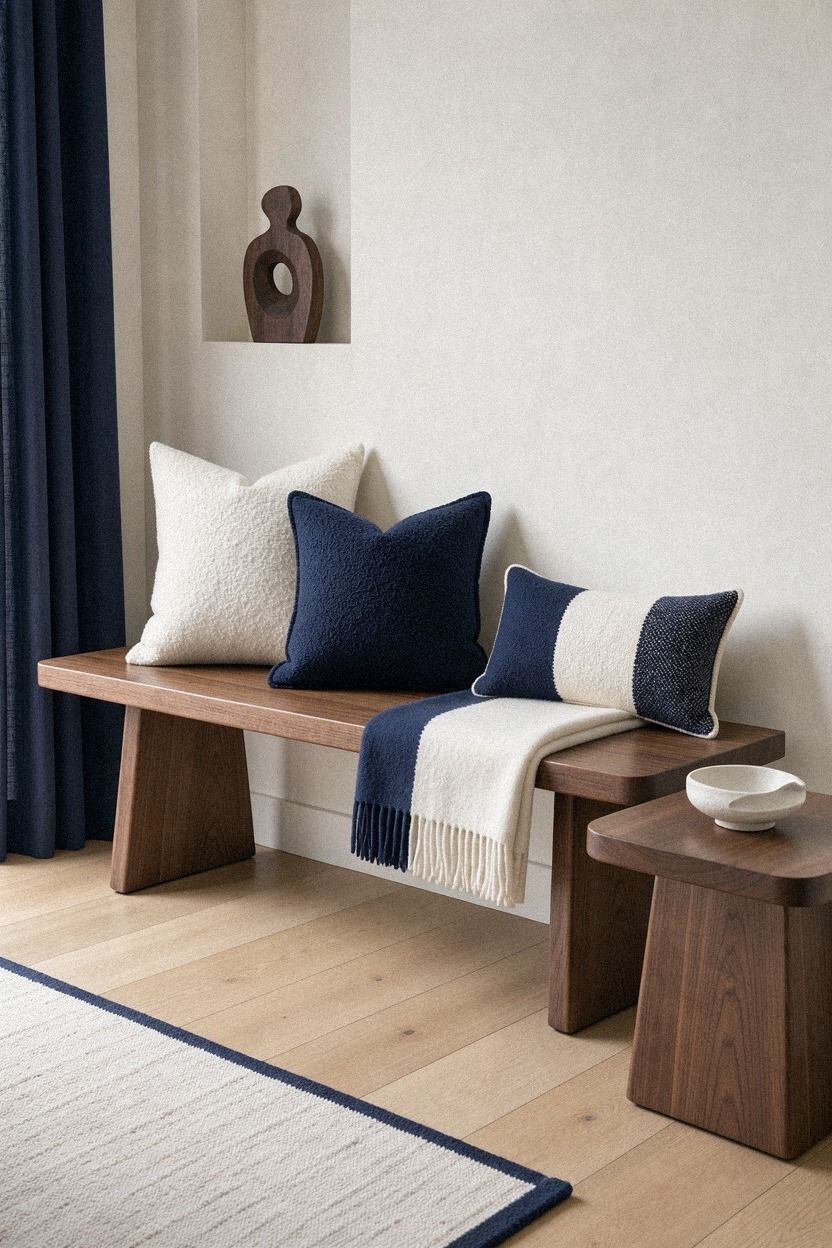
A 16-inch pillow fits a dining bench, entry bench, or shallow window seat where larger forms would steal too much depth. Organic bouclé gives it a soft surface, but you'll want a durable backing fabric if the bench is used often. This is one place where a smaller throw pillow size makes the room feel more comfortable.
Put two 16-inch pillows on a 48-inch bench, leaving a few inches between them. Your eye should still see the bench beneath the arrangement. I prefer offset placement instead of a perfectly centered pair because it feels less staged.
If your bench is near the entry, avoid pale velvet. Shoes, bags, and wet coats don't respect your styling plan.
A durable 16-inch cover can be excellent value in an entryway because it handles daily movement without demanding a large investment.

9Layer Lumbar Over Square Pillows
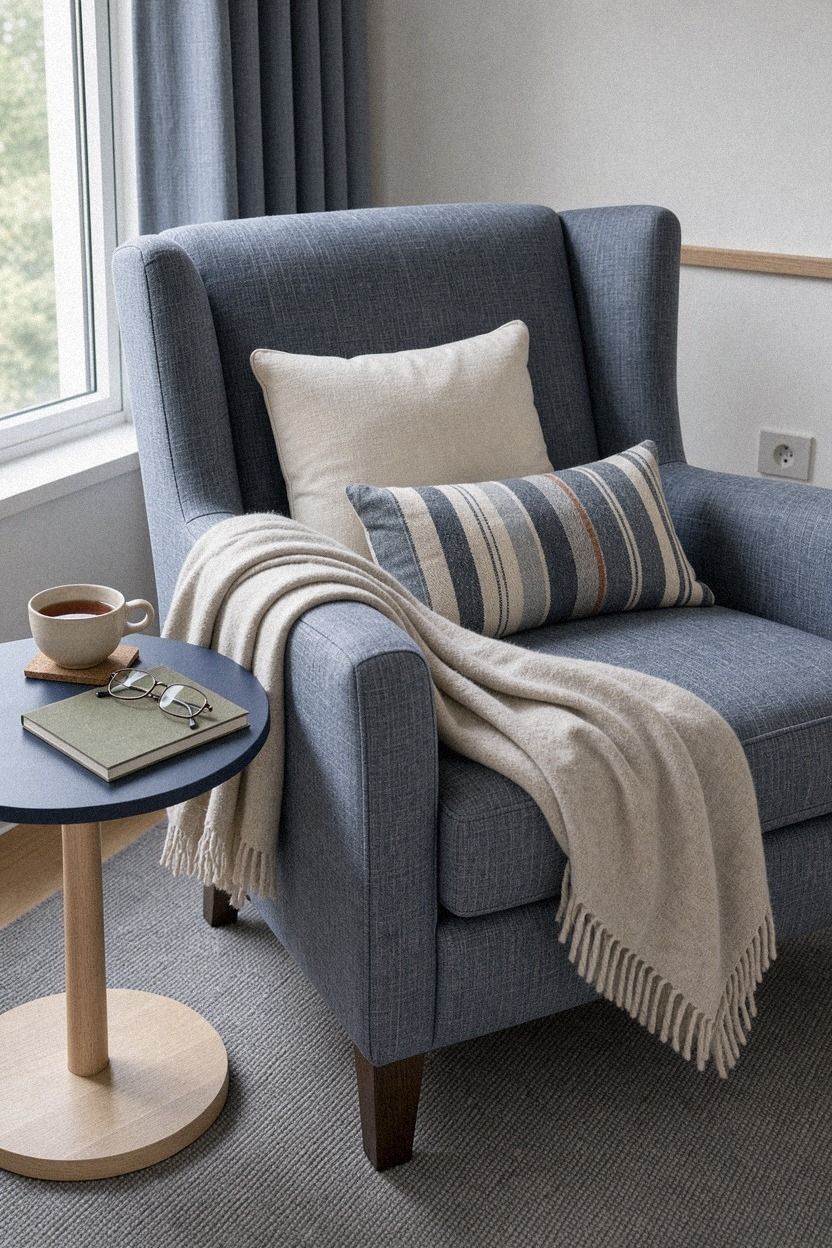
Layering a lumbar over a square pillow creates the clearest depth in a throw pillow arrangement. Put the 22-inch square behind, the 20-inch square in front, and a 12-by-20 lumbar across the center. A nearby slab of Nero Marquina black marble with white veins can echo the emerald, gold, and cream palette without making the pillows match too closely.
Your arrangement should step down gradually. If every pillow is the same height, the display looks flat.
If the front pillow is too small, it disappears. I wouldn't place a 12-inch lumbar in front of a 24-inch square on a deep sofa because the scale gap feels accidental.
For a high-value arrangement, buy the back insert first and add the lumbar later. You can build the composition gradually instead of paying for a complete collection all at once.
10Contrast 20 Inches Over 18 Inches
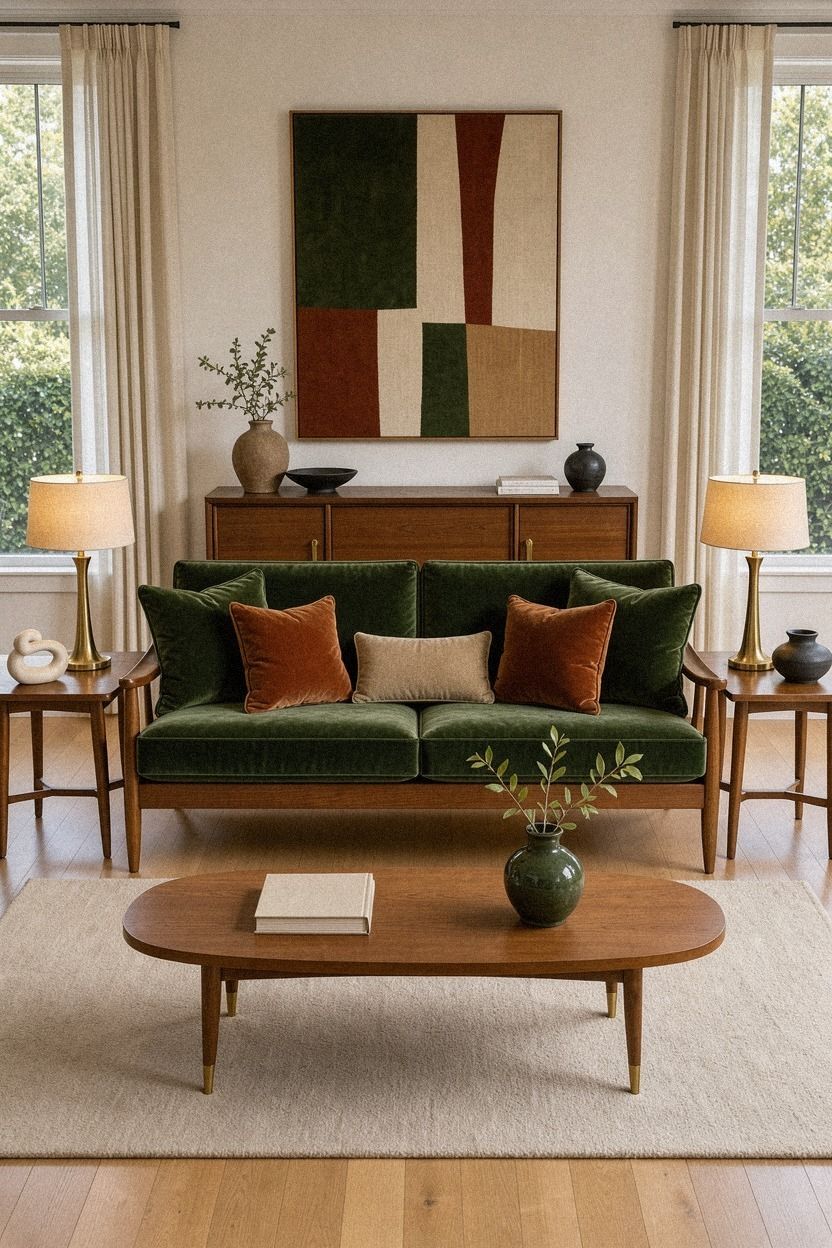
Putting a 20-inch pillow behind an 18-inch pillow gives you a smaller, sharper arrangement.
11Build the Three-Height Pillow Stack
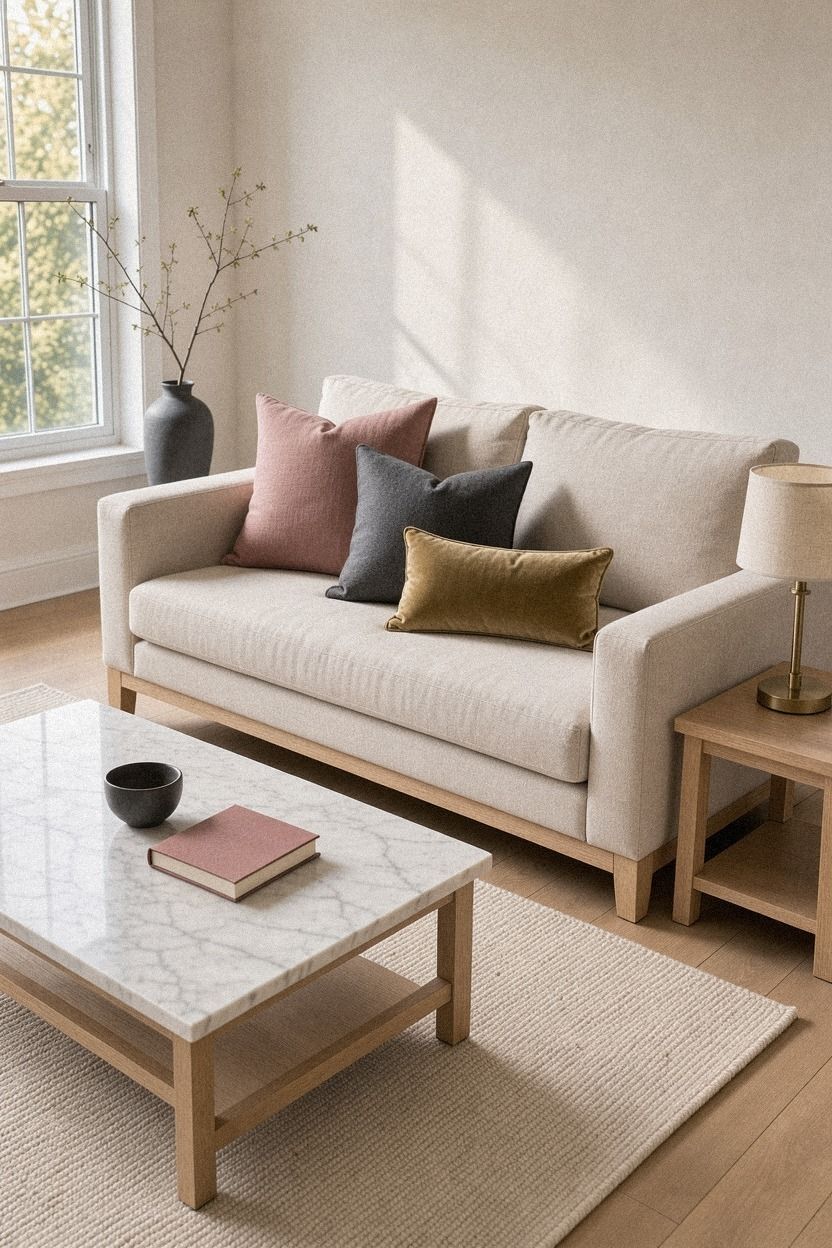
The three-height pillow stack uses a tall back pillow, a medium square, and a short lumbar. Think 22 inches, 20 inches, and 12 by 20 inches. Carrara marble with subtle grey veining nearby reinforces the layered effect because both the stone grain and pillow shapes create horizontal movement.
Start with your tallest pillow at the back and turn the front lumbar slightly instead of keeping every edge perfectly straight. Your room will feel more relaxed, and the arrangement won't resemble a furniture showroom. This stack works best when the materials differ clearly: linen, cotton, and velvet.
It is also a useful way to judge whether a purchase is worth it. If the three shapes already create height, texture, and support, you can stop shopping. More covers may add cost without adding meaningful value.
12Follow the Two-Pattern Rule

The two-pattern rule keeps your throw pillow sizes from becoming visual noise. Choose one larger pattern for the 22-inch pillow and one smaller pattern for the 18-inch or lumbar pillow. Reclaimed weathered teak nearby can inspire the warm-white, camel, and black variation without forcing an exact match.
Your safest formula is one organic pattern, such as a branch or loose stripe, plus one geometric pattern. Don't use two tiny prints because they blur together from a distance. I prefer a broad botanical with a narrow grid, especially when the sofa is neutral.
And if your rug already has a strong design, make the pillow patterns quieter so your eye has somewhere to rest.
Before you buy, compare the pattern scale at the distance from which you'll actually see the sofa. A cover can look dramatic online and strangely timid in the room.
13Match Pillow Depth to Furniture Depth
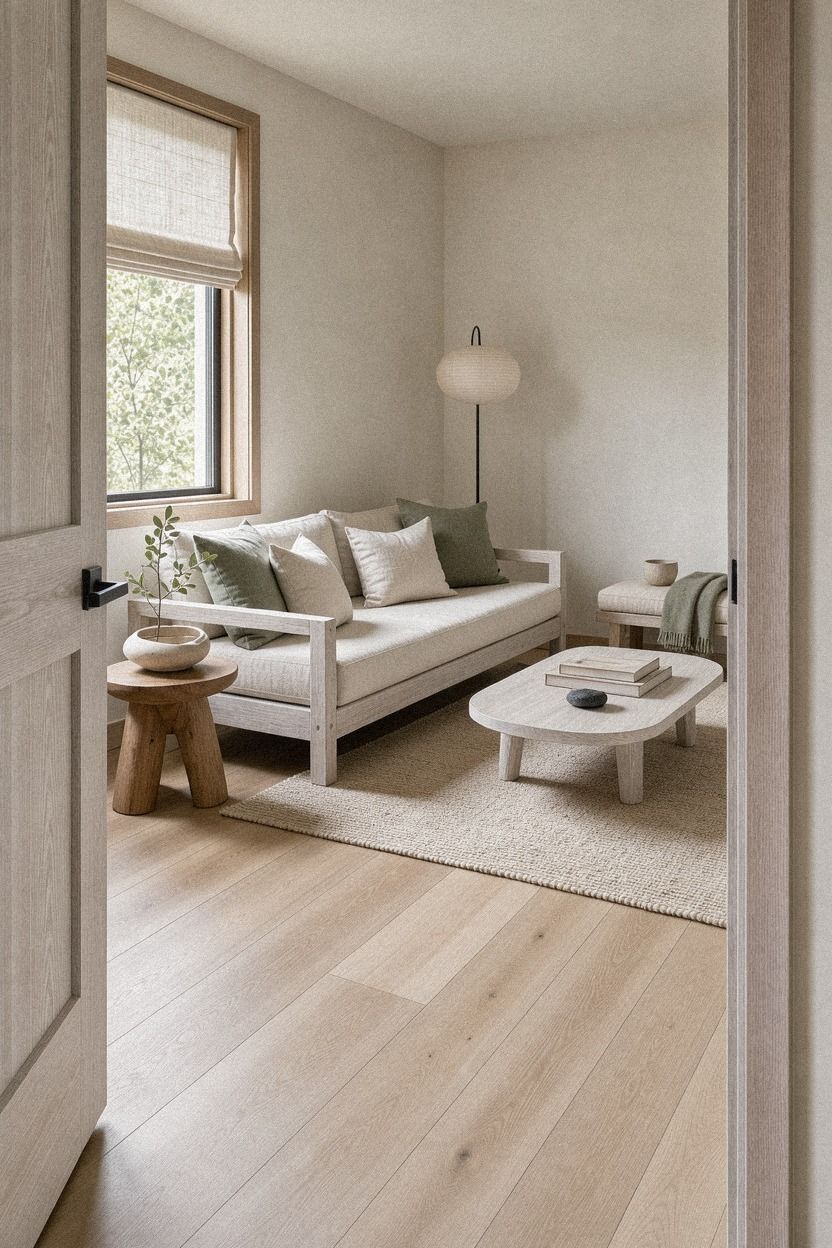
Pillow width matters, but depth matters too. A deep sofa can handle 22-inch and 24-inch pillows, while a shallow apartment sofa usually needs 18-inch or 20-inch shapes. Calacatta marble with gold veining nearby can add polish to a midnight-blue, copper, and ivory palette without making a narrow sofa feel even tighter.
Sit on the furniture before you buy another cover. Your back should still reach the cushion, and your knees shouldn't be pushed forward by a heavy stack.
I wouldn't copy a hotel-style arrangement on a shallow loveseat because hotels expect you to remove pillows before sitting. Your home needs to work at 7 p.m., not only in a photograph.
If you can only afford one improvement, buy the size that restores comfort first. A practical pillow has better long-term value than a dramatic one that spends most of its life on the floor.
14Choose Inserts One Size Larger

A pillow cover often looks fuller when the insert is one size larger than the cover. Put a 22-inch insert inside a 20-inch cover, and you'll get a plumper edge.
A soft, foldable fill gives the shape many people want, while a polyester insert holds a firmer square. Cerused white oak nearby can reinforce the pale, natural palette.
Your choice depends on how often you'll move the pillow. If you like a relaxed, squishy arrangement, choose a flexible fill that is easy to reshape.
If allergies or maintenance matter more, choose a washable synthetic insert. Don't stuff every cover until the seams strain.
I prefer a full edge with a slight slouch because it looks inviting instead of inflated.
A good insert can make an inexpensive cover look far more considered. That is usually a better use of your budget than buying several thin covers with limp filling.
15Use Color Temperature Before Matching Color
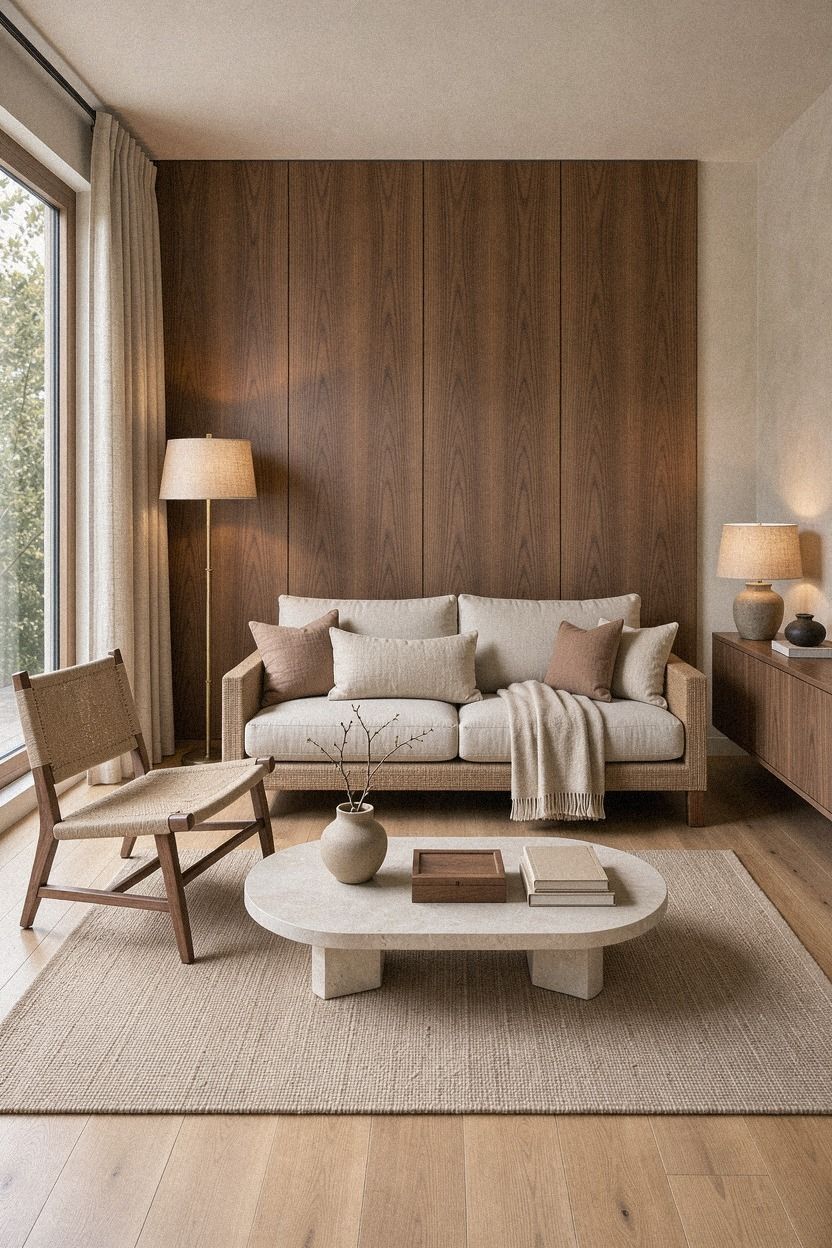
You don't need identical colors if your pillows share a temperature.
16Try the One-Large-Pillow Method

One large pillow can be enough on a petite chair or a minimalist sofa. Choose a 22-inch square in a clay, linen, and aged-brass palette, then place it near book-matched walnut so the furniture carries the rest of the room. This is a strong choice when your space already has art, books, and visible storage.
Your eye needs negative space around the pillow, so don't crowd it with accessories. On a 36-inch chair, one 20-inch square may be all you need.
I like this method for renters because it creates impact without buying a full set. It also gives you a clear answer when your budget is limited: one excellent proportion can beat five mediocre additions.
17Sort the Budget Before Buying Covers

You can build a pillow arrangement slowly. Start with inserts you already own, then spend on one quality cover in a neutral tone, placing it near warm travertine rather than buying six inexpensive covers that lose their shape. A secondhand shop or local marketplace may also give you a useful 20-inch insert for very little.
The best value usually comes from improving the insert and buying one tactile cover. You don't need to match the high tier to create a polished room. If you're comparing prices, include cleaning, shipping, and replacement costs, not only the label on the cover.
An affordable arrangement can still feel luxurious when the proportions are right. Spending more is useful only when the construction, fabric, or longevity genuinely improves.
18Arrange the Throw Pillow Sizes Chart by Use
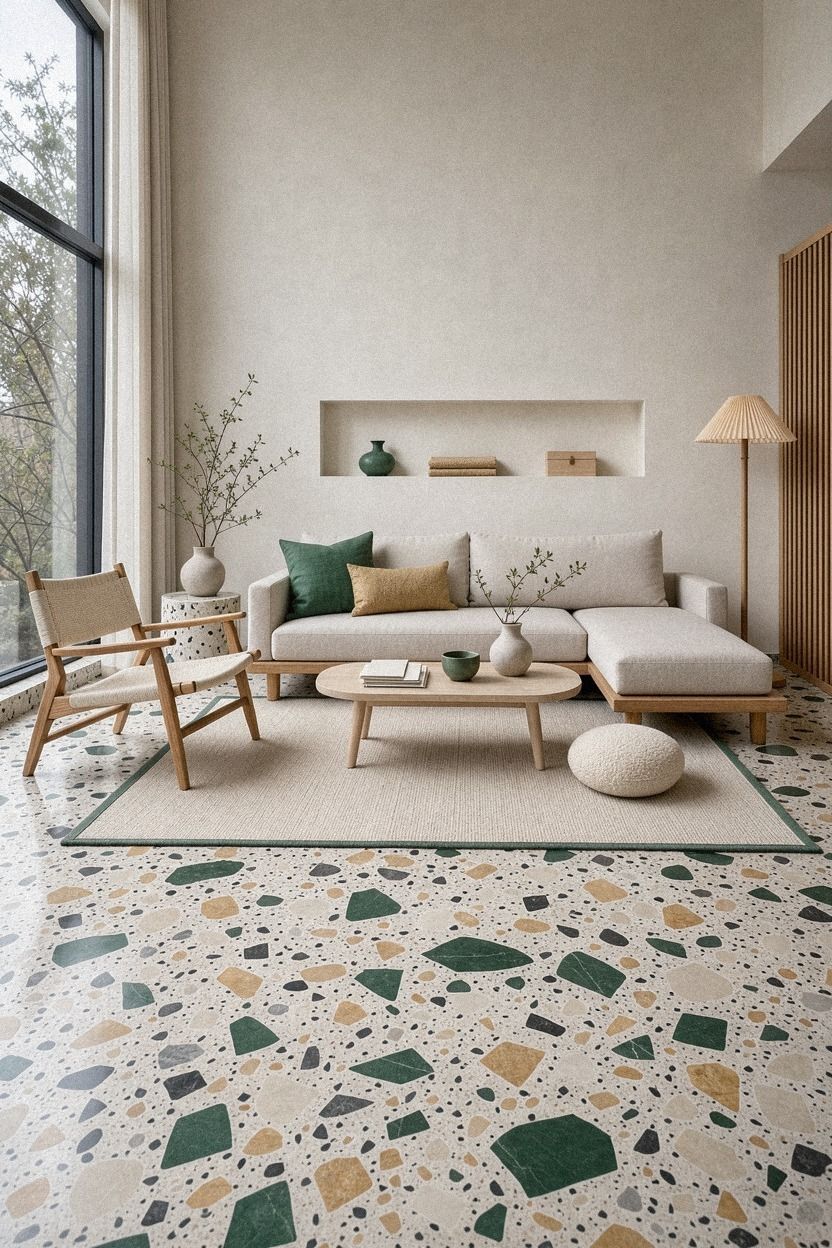
A chart is helpful, but your habits should make the final decision. Use 22-inch squares for back support, 20-inch squares for layering, 18-inch pillows for chairs, and 12-by-20-inch lumbars where you want a horizontal finish. A navy, white, and walnut palette is sensible for pieces that get moved daily, while unlacquered brass developing a patina adds character without demanding a delicate arrangement.
Your best arrangement may change between morning and evening. Keep one lumbar easy to lift if you read on the sofa, and don't place delicate trim where your dog or child will brush against it. I wouldn't choose dry-clean-only covers for a family room.
19Test the Arrangement Before You Commit
Place your covers without inserts first, then fold towels or spare blankets inside to test the scale. Stand six feet away and look at the sofa from the doorway. A console with oversized-chip terrazzo nearby can give the room a tactile anchor, while a basket keeps extra covers accessible.
Your final test is practical. Sit down, reach for a book, and move one pillow aside.
If the arrangement collapses or blocks your shoulder, reduce the stack. If you're still unsure about color, view the covers at morning, afternoon, and evening. Which matters more, a perfect photo or a sofa you'll use?
Use wins!
The Pillow Rule I’d Keep
I used to think good styling meant owning more covers. It doesn't. The real improvement came when I stopped treating pillow sizes as isolated measurements and started reading them as a conversation between furniture, fabric, and the way people sit.
A 22-inch square isn't automatically right because designers use it. It works when your sofa has enough depth to hold it without pushing your back forward.
I also learned that matching sets are rarely the most convincing choice. They make decisions easy, but they remove the small irregularities that make a room feel gathered over time. I prefer one material with visible character, such as washed Belgian flax, beside something smoother and more structured.
Your eye needs contrast, but your body needs comfort. Those goals aren't in conflict.
The money question deserves honesty, too. You can make a room feel warmer with covers you already own, a folded throw, and better placement. If you spend, put the money into the insert and one fabric that feels good in your hands.
A cheap cover with a limp insert won't look polished for long, while one well-filled lumbar can change the whole sofa. That is where the real value is.
And don't ignore the room around the pillows. Three light sources, a rug that reaches under the furniture, and art hung with its center roughly 57 to 60 inches from the floor will affect the arrangement more than another decorative cover.
Your pillows are the finishing layer, not the entire room. If the arrangement feels balanced, comfortable, and easy to maintain, it has already earned its place!
A Few Things Worth Answering
What is the best throw pillow size for a small space?
A 20-inch square paired with a 12-by-20-inch lumbar is usually the most flexible combination. IKEA covers can keep the cost manageable, while a fuller insert gives your small sofa a more finished shape without taking over the seat.
Where can I buy throw pillow pieces on a budget?
Look at IKEA, Wayfair, and Target first, then check Facebook Marketplace or a local thrift store for inserts. You don't need a matching set. One washable cotton canvas cover can anchor pillows you already own.
How much does a throw pillow makeover cost?
A small refresh can cost about $100 to $300, depending on how many covers and inserts you need. Your free options include rearranging existing pillows, washing covers, and using a folded cotton throw to add texture. It can be worth it when the current arrangement is uncomfortable or visibly flat.
Can I create this look on a budget?
Yes, and you can start with three actions: reuse your largest insert, buy one 20-inch cover, and make a lumbar from a fabric remnant. Farrow & Ball Pigeon can also guide a color palette if you're repainting, but paint isn't required.
Is a throw pillow arrangement worth it in a small space?
Yes, because a small room benefits from fewer, better-scaled objects. Use one 20-inch square and one lumbar instead of several tiny pillows. Your sofa will stay usable, and sage linen can add color without making the room feel crowded.
Is this a good idea for a rental?
Yes. Pillows are one of the easiest no-damage changes you can make. Pair them with a removable rug, tension-rod curtains, or peel-and-stick art.
Removable cotton covers let you change the mood without drilling, painting, or risking your deposit.
Where I’d Start First
If I had to pick one, I'd start with a 22-inch square and a properly sized insert. It gives your sofa the shape every smaller pillow needs, and a limp back layer makes every arrangement look unfinished. Save this chart, test what you own, and add one lumbar later.


