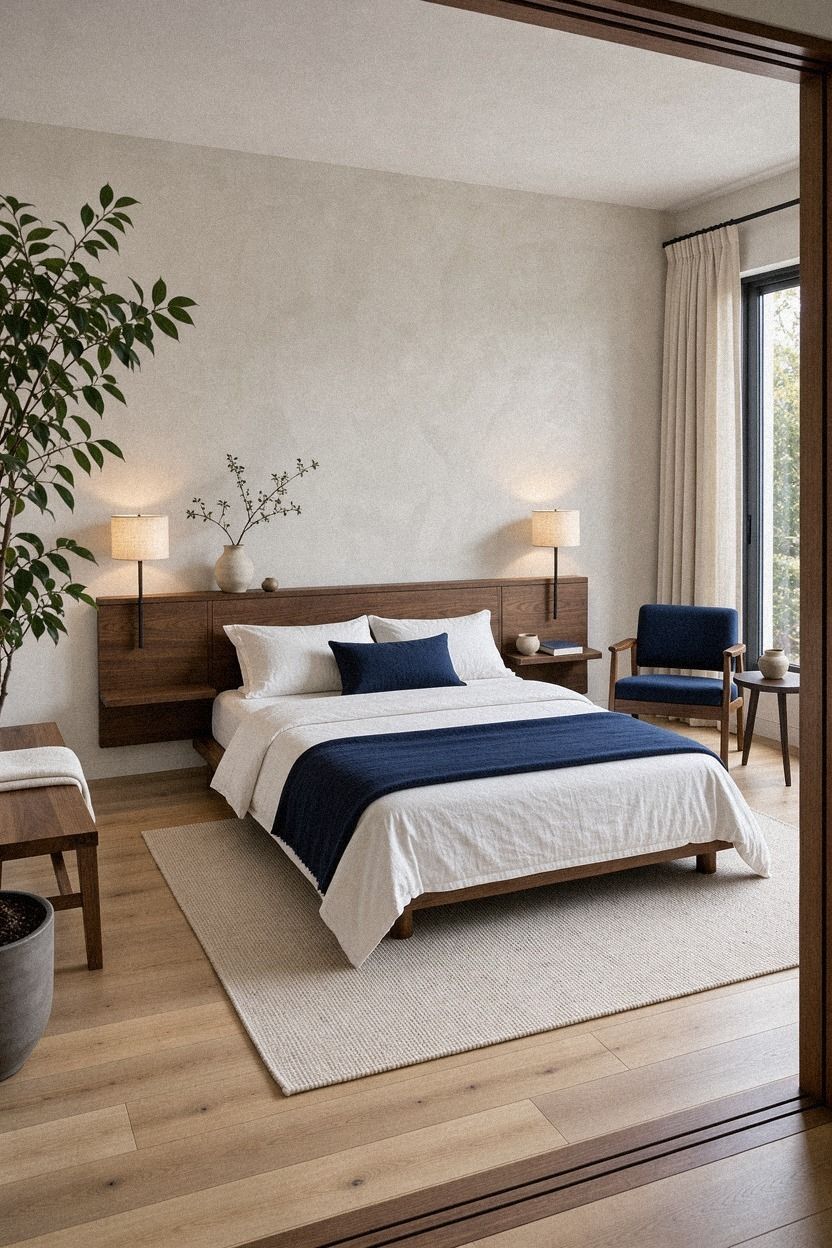
Cozy Bed Styling to Make Your Bed Look Like a Hotel Bed, Even With Basic Linens
07 november 2026How to make your bed look like a hotel bed starts with the base, not a mountain of pillows. I used to buy prettier linens when the real problem was a limp insert and a flat fold. Now I build height, texture, and one quiet color. It works with basic sheets, too!
Begin with the duvet fold, then adjust the lighting and the layers around it. Those small choices create the polished, inviting feeling people associate with a beautiful hotel room.
- Start with crisp white sheets
- Why the hotel sheet band works
- The Three-Height Pillow Stack
- Tuck the bottom sheet with a tailored corner
- Which warm accent color works?
- Texture Before Pattern
- Float a throw at the foot
- The Hotel Hemline
- Match Less, Layer More
- What the Two-Wood Rule Does
- One Oversized Artwork
- Build the Three-Source Light Stack
- Why the rug needs to overlap
- Budget First, Beauty Second
- Paint the wall behind the bed softly
- The Calm Patch
- Make a small bed feel wider
- One Investment, Many Basics
- Choose layered white over perfect matching
1Start with crisp white sheets
The hotel-bed look begins with a clean, bright base, but bright doesn’t mean stark. Choose cotton percale or 600gsm Turkish cotton sheets if you’re replacing yours, then pull the fitted sheet firmly over every corner.
Your eye should see a smooth plane before it notices anything decorative. I prefer Benjamin Moore White Dove OC-17 nearby because the warm white keeps the bed from looking blue under evening lamps.
Don’t chase wrinkles with an iron unless you enjoy that sort of thing. A quick dryer tumble and a firm hand-smoothing will give your bed a relaxed, refined finish.
If your sheets are basic, that’s fine. The important part is that they’re tucked neatly and feel cool against your skin.
If you’re working with a narrow room, let a natural walnut bed base add warmth while the bedding keeps the space airy.
A clean sheet foundation also makes the hotel sheet band look sharper later. Everything works together.
2Why the hotel sheet band works
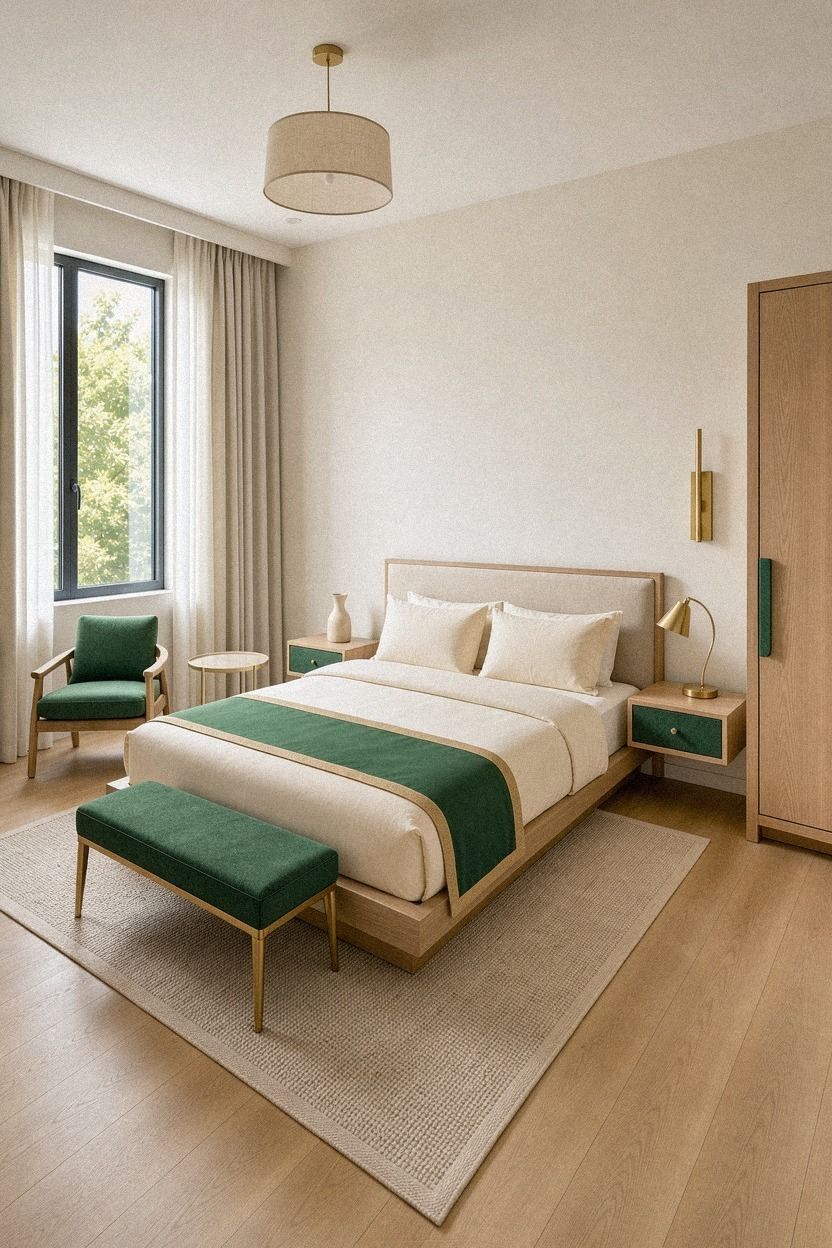
A folded top sheet gives your bed styling a visible edge, and it costs nothing. Pull the sheet high enough to cover the pillows, then fold the upper section down so a wide band sits across the mattress.
The fold should look intentional, with a crisp horizontal line that reads from the doorway. You’ll get the strongest effect with white cotton percale or soft cream.
I made the mistake of folding too little at first. It looked fussy and disappeared under the duvet.
Now I make the band broad enough to read from across the room, then smooth the seam with my palm. You can pair it with IKEA DVALA cotton bedding if you want an affordable base.
The texture matters more than the label, and the clean line makes your bed feel calm, welcoming, and finished!
3The Three-Height Pillow Stack
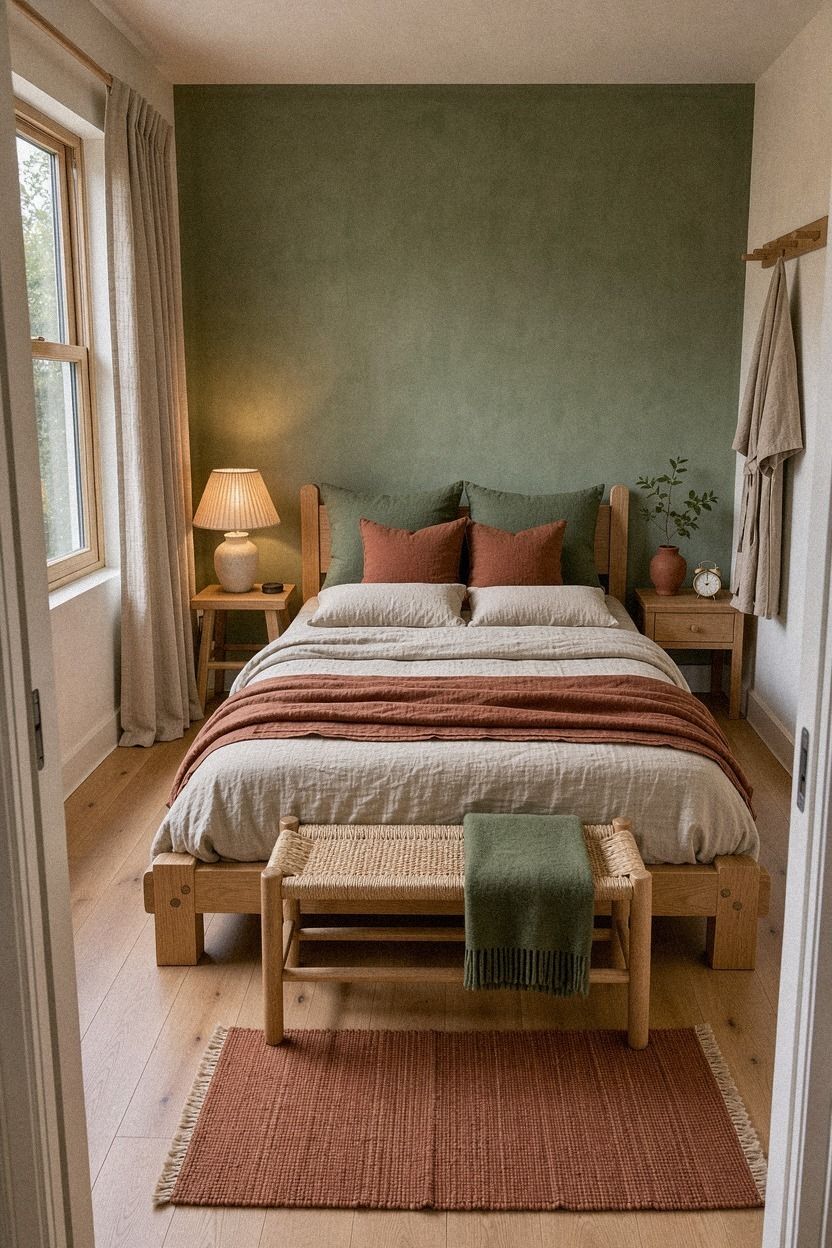
A hotel pillow arrangement works because it has levels, rather than because it has twelve pillows.
4Tuck the bottom sheet with a tailored corner
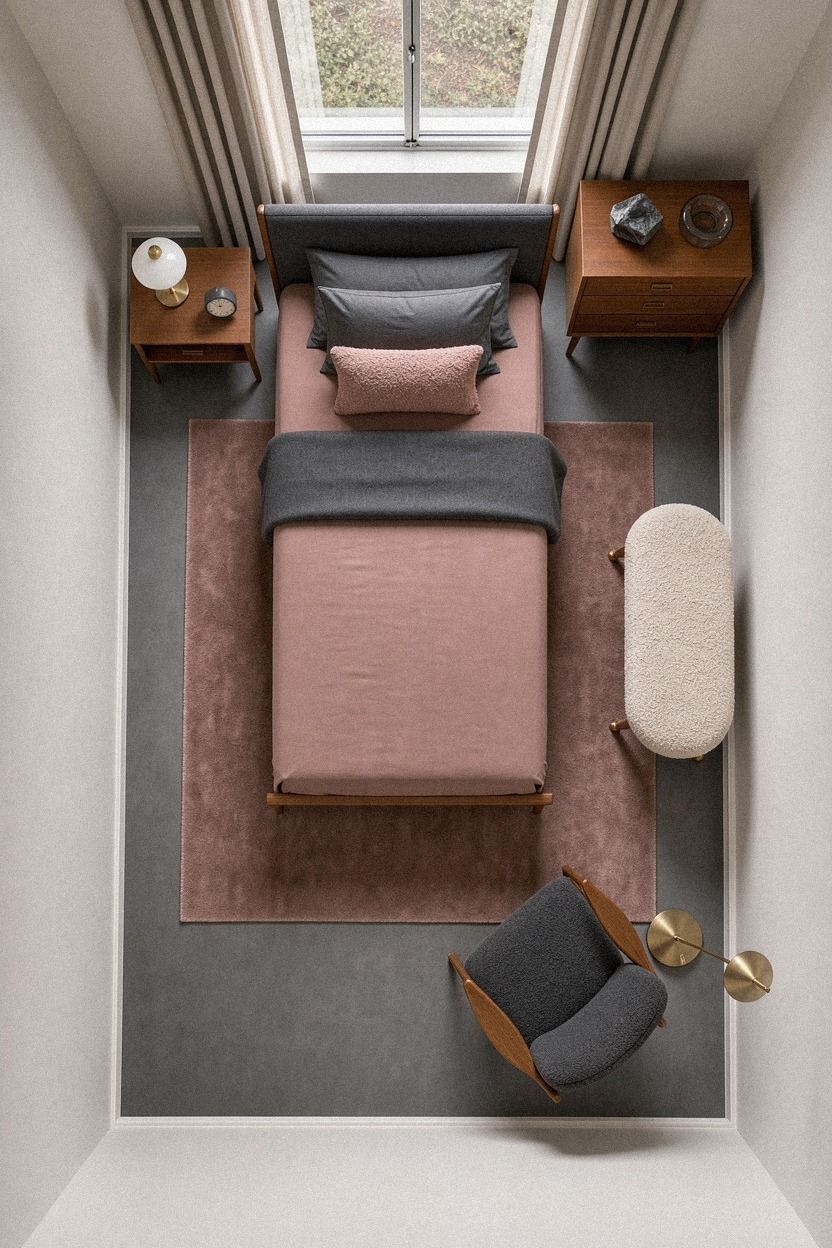
Loose bedding makes even expensive linens look careless, so give your bottom sheet a proper corner. Pull the fabric tight along the mattress side, lift the hanging section, tuck the lower flap under, then fold the upper flap down into a clean diagonal. You don’t need military precision, but you do need enough tension that the corner won’t puff up by morning.
This is where a charcoal organic bouclé bed frame can help because its softly textured edge gives the bedding a clear visual boundary. If your frame is upholstered, keep the tuck shallow and let the fabric fall naturally over the edge.
Don’t overstuff the mattress with pads, either. A bulky protector can undo your work.
Your goal is a smooth corner that feels soft to touch and sharp from across the room.
A tailored corner also makes a basic bed look more deliberate. That crispness is one of the easiest upgrades in the entire room.
5Which warm accent color works?
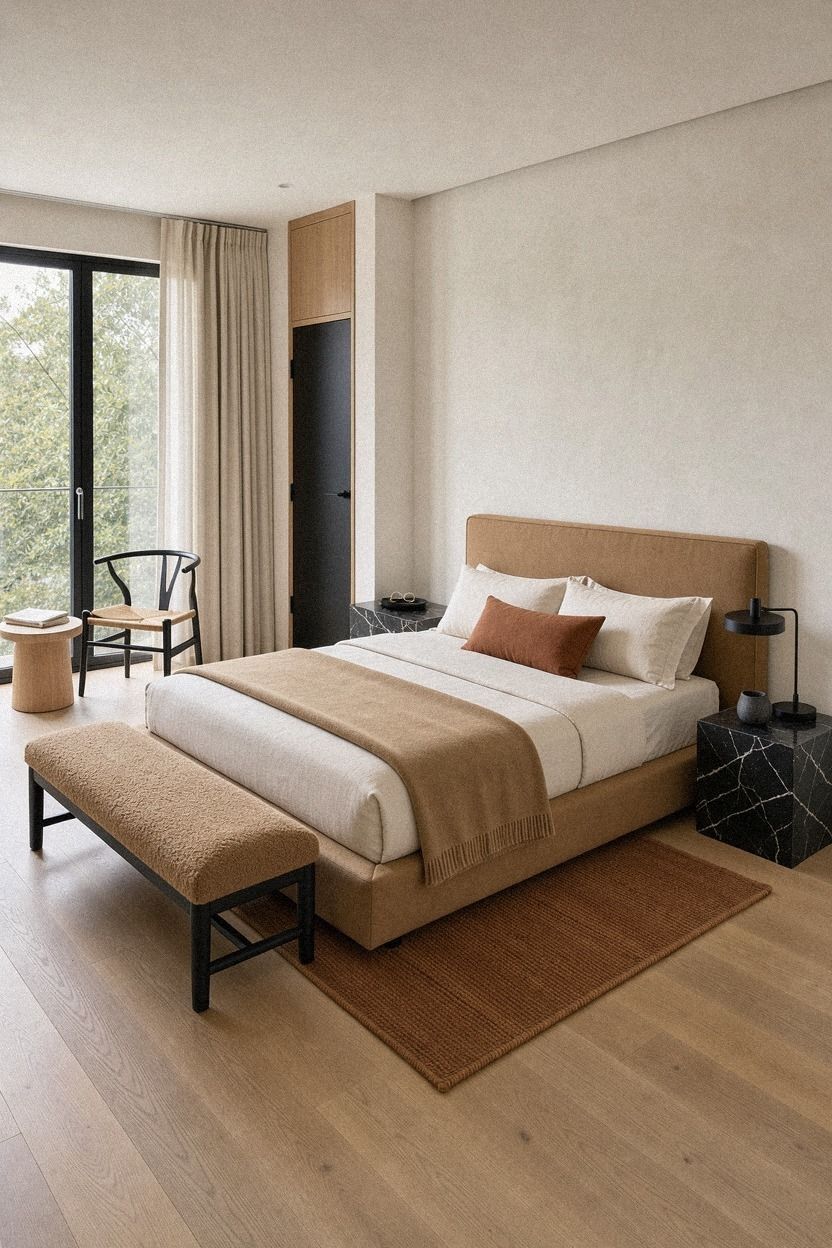
White bedding needs one supporting color, or it can look unfinished.
6Texture Before Pattern
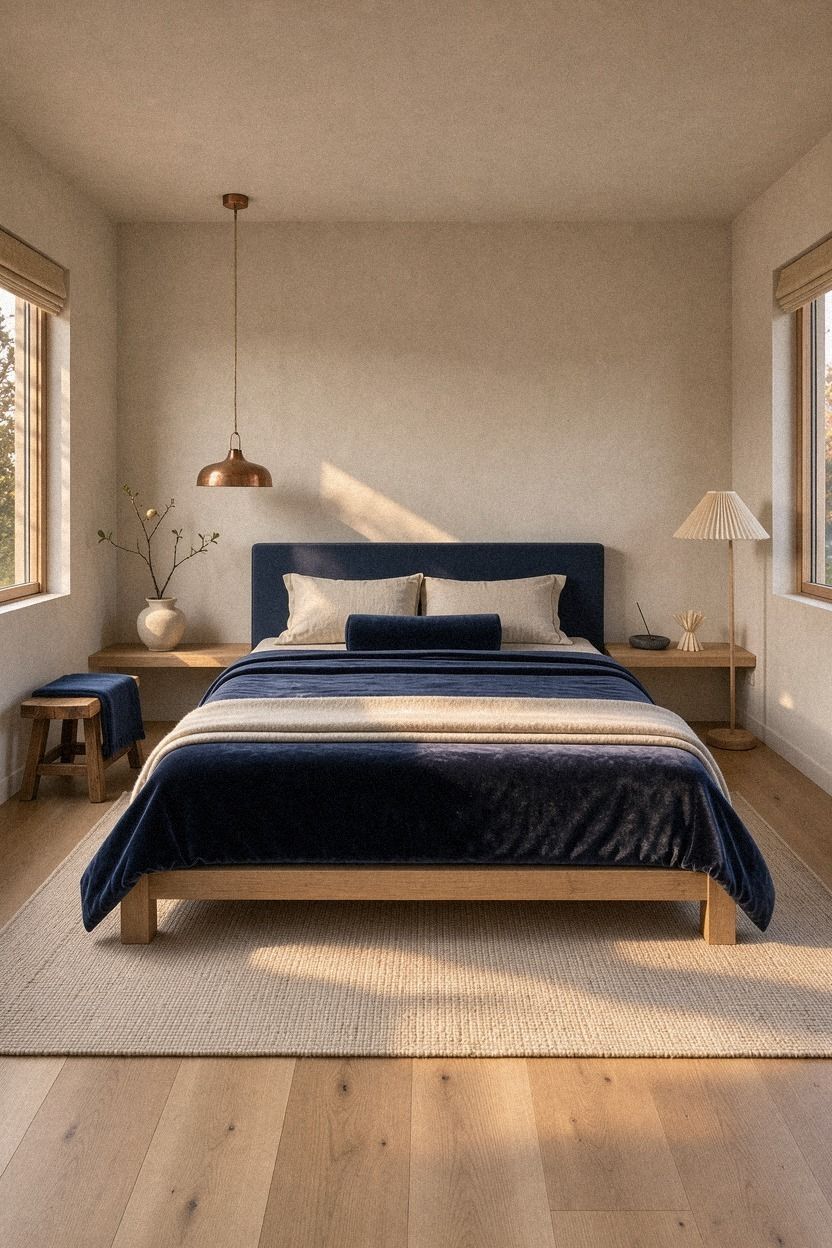
The easiest way to make basic bedding feel luxurious is to create contrast under your hand. Pair smooth cotton with nubby linen, deep-pile mohair velvet, or a softly ribbed knit.
You’ll notice the difference before you see it, especially when late-afternoon light crosses the folds. A midnight-blue deep-pile mohair velvet cushion can bring depth, but it shouldn’t be the only texture on the bed.
I’d choose two strong materials and leave the rest quiet. Patterned sheets, a patterned duvet, and a patterned throw compete for attention, while texture creates richness without visual noise.
Your bed can feel sophisticated with a plain duvet if the surface has variation. For a renter, a Target Threshold linen-blend quilt is a useful middle layer because it reads relaxed and doesn’t demand a full bedding replacement.
The difference is immediate! Run your hand across the bed before adding anything else. If the surface already feels varied, you have enough.
7Float a throw at the foot
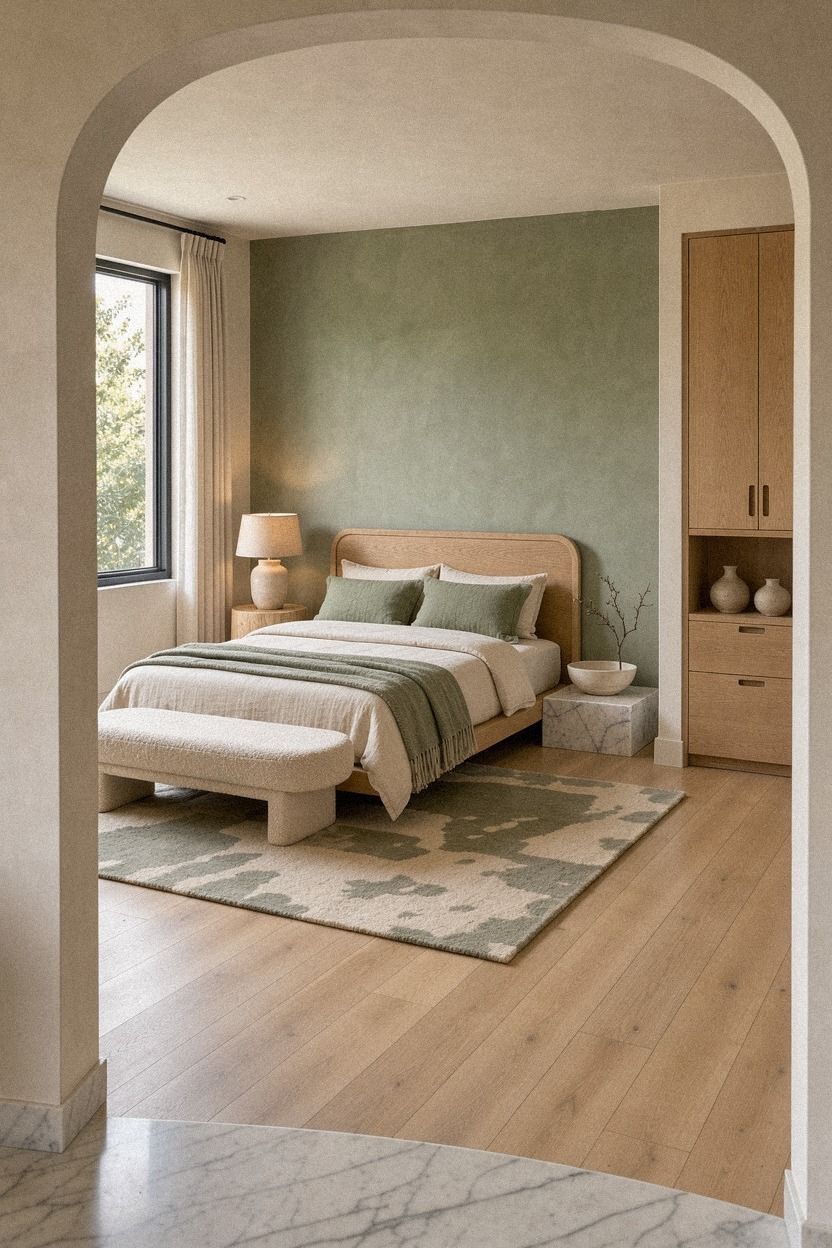
A throw belongs at the foot of the bed because that’s where it adds weight without interrupting sleep.

8The Hotel Hemline
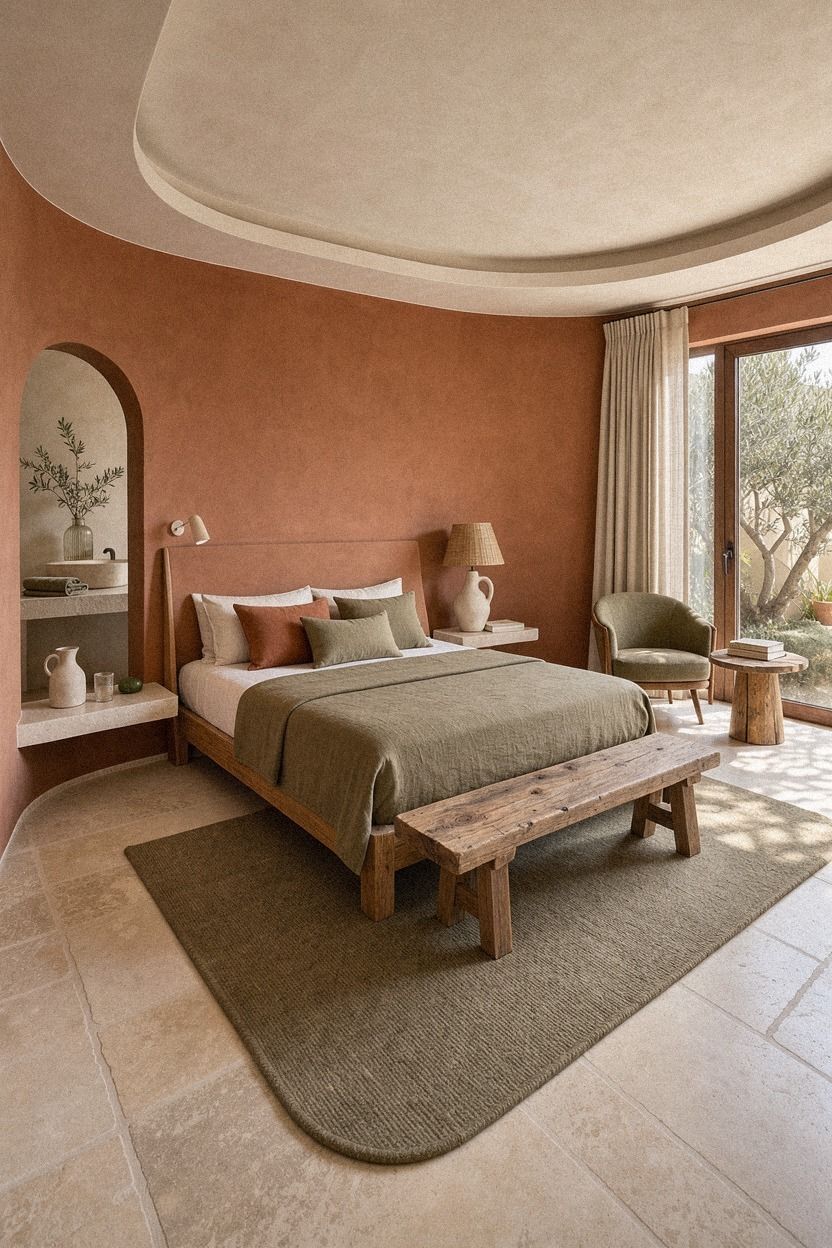
Fold the duvet down about one-third of the bed so the sheet band and upper pillows stay visible. This creates a horizontal hemline that makes your bed look taller and more composed.
You’ll want a medium-fill duvet insert with enough loft to hold a fold, but not so much that it balloons at the sides. A light down-alternative insert works well for this relaxed shape.
I used to pull the duvet all the way to the headboard because it seemed tidier. It wasn’t.
The bed looked like one huge padded rectangle, and the pillows disappeared. Now I fold it with a loose hand, then pull the outer edges slightly toward the corners.
If you’re styling your bed for a small room, this lower fold leaves more wall visible and makes the floor area feel less crowded. It also gives the eye a clear stopping point between the sheet band and the pillow stack.
9Match Less, Layer More
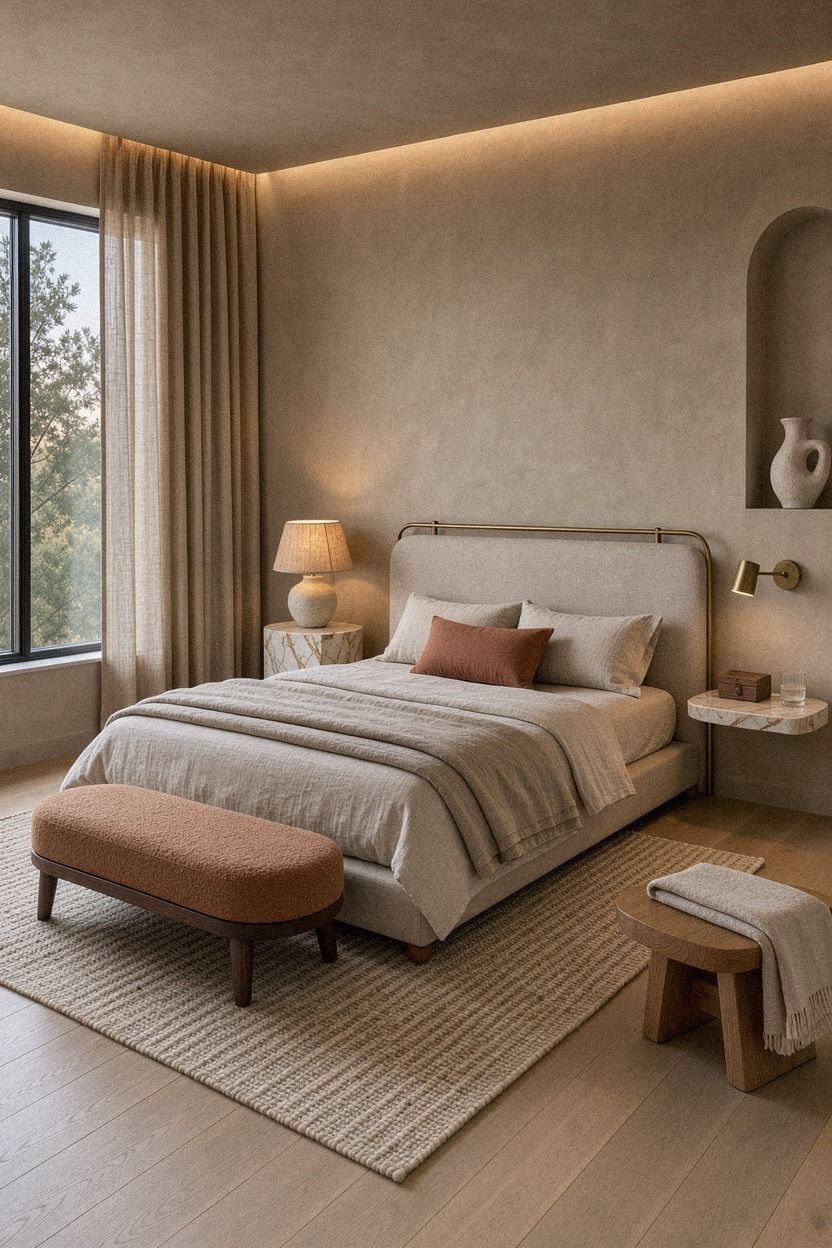
A complete matching bedding set is convenient, but it often makes the room look flat. Swap one piece for a different material, such as a linen coverlet over a cotton duvet or a quilted matelassé folded at the foot.
The contrast gives your bed a more collected, organic finish. West Elm Belgian flax linen is a useful reference for the weight and rumpled surface you want.
The key is restraint. You don’t need a different fabric in every layer, and you don’t need a bold pattern to create interest. Your hands should notice the change when you make the bed.
I’d skip shiny polyester satin because it catches light harshly and tends to look less relaxed.
A linen coverlet can be especially useful between seasons. It adds a graceful, breathable layer without making the bed feel bulky.
10What the Two-Wood Rule Does
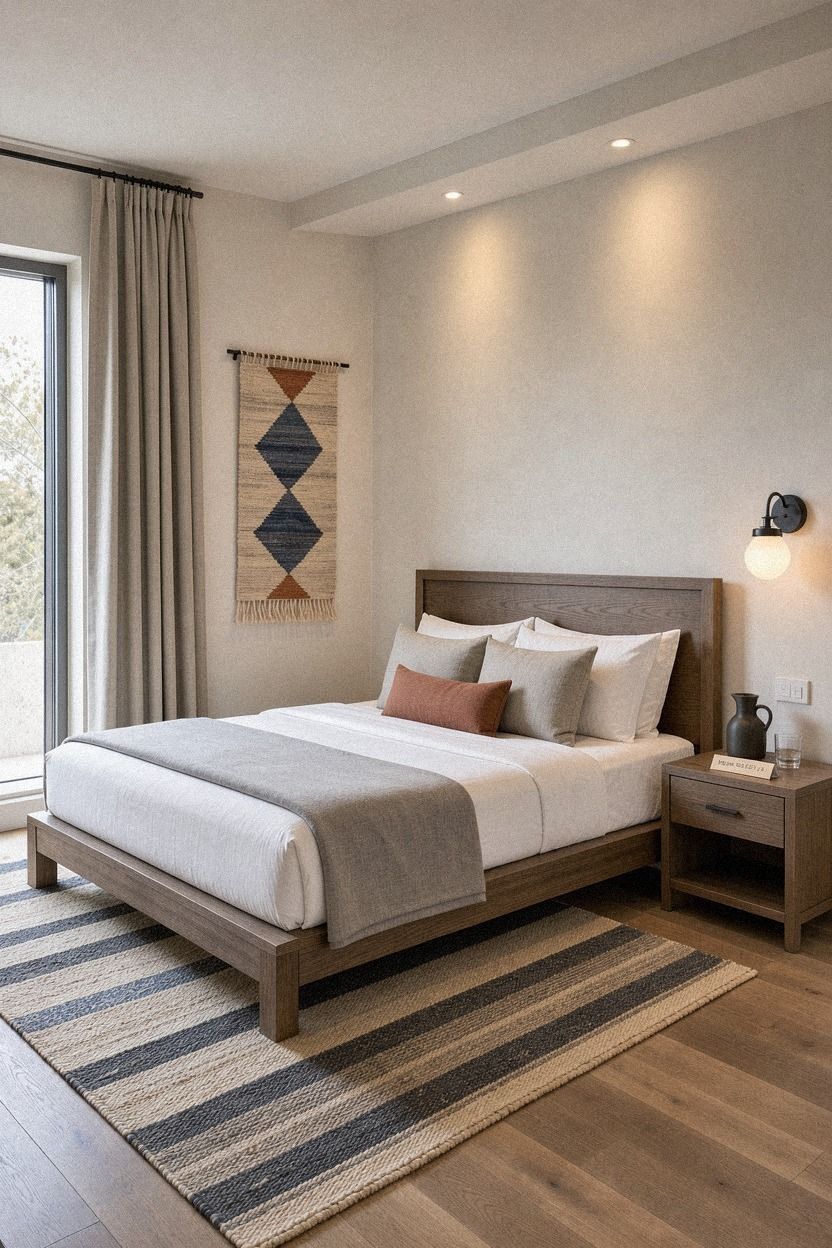
The Two-Wood Rule keeps a bedroom from feeling like a furniture showroom.
11One Oversized Artwork
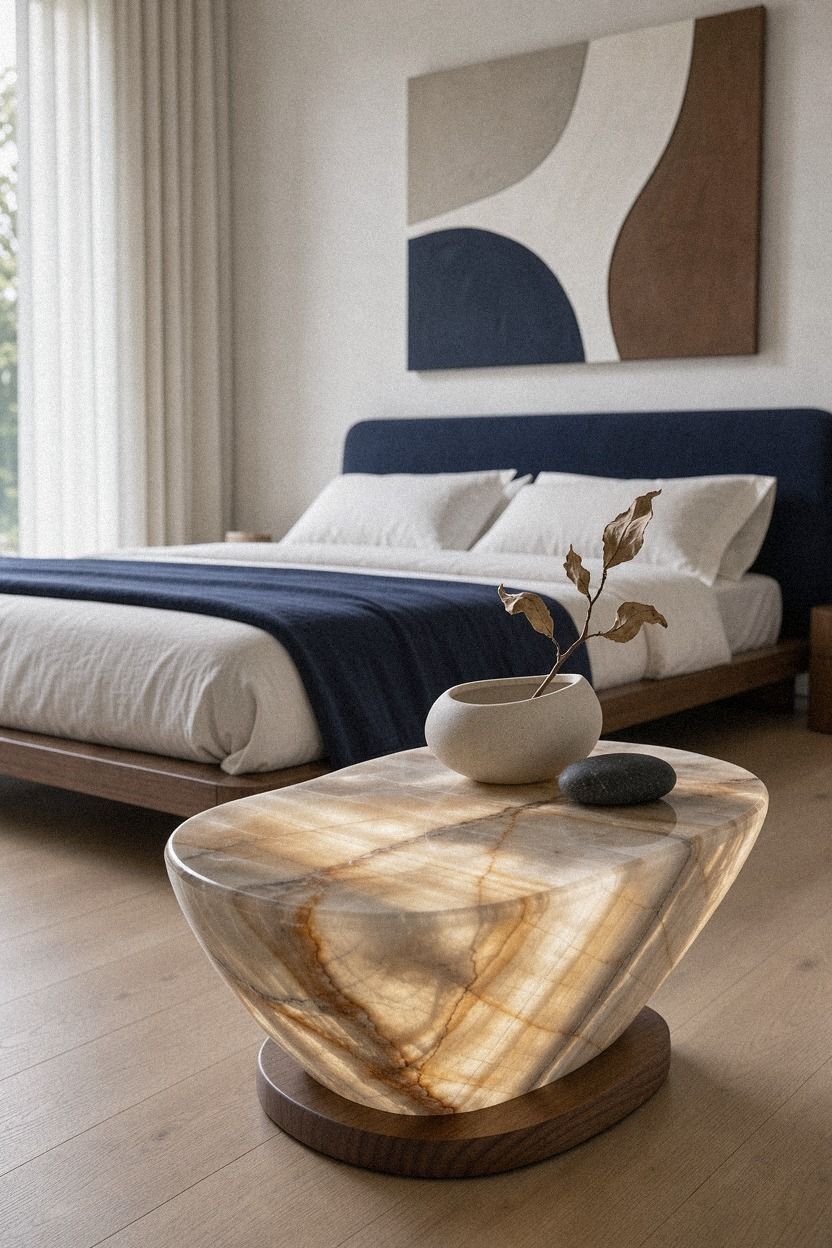
One large artwork above the headboard usually looks more expensive than a grid of tiny pieces. Hang its center about 57 to 60 inches, or 145 to 152 cm, from the floor when the wall allows it.
Your artwork shouldn’t float too high above the bed. The gap needs to feel connected and balanced.
Choose a muted landscape, a charcoal study, or a backlit translucent onyx panel. That stone can bring depth to the wall while giving the artwork and bedding a quiet glow without matching. I’d skip a generic word print because it competes with the softness of the room.
If you’re unsure about scale, tape the outline on the wall first. A broad piece can make a narrow bed feel more generous, while a small artwork may leave the composition looking hesitant.
12Build the Three-Source Light Stack

A hotel room rarely relies on one harsh ceiling fixture. Build three sources instead: overhead light, task light, and ambient light.
That standard mix gives your bed different moods throughout the day. A pair of shaded lamps beside the bed, plus a dimmed ceiling fixture and one low glow, can make white bedding feel soft rather than clinical.
Your bedside lamp should throw light onto the book or glass of water, rather than straight into your eyes. Book-matched walnut works well with warm bulbs because its grain adds warmth without reflecting harshly.
I’d skip cool blue bulbs, even in a modern room. They flatten the bedding and make evening skin tones look gray.
A 2700K bulb usually creates a warm, restful atmosphere. For more detail on placement, revisit the three-source lighting plan while you test your lamps after sunset.
13Why the rug needs to overlap
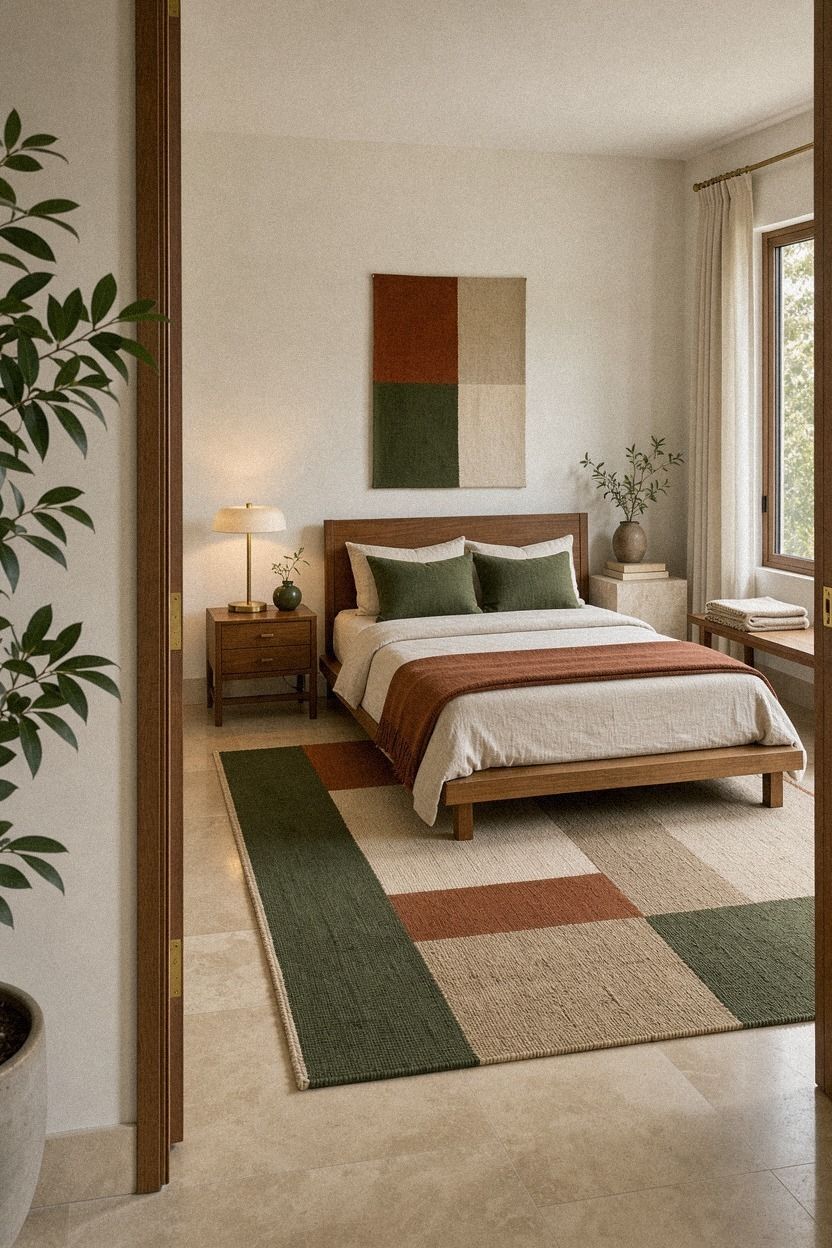
A rug makes the bed feel anchored, but it needs to extend far enough beneath the furniture to read as a foundation.
14Budget First, Beauty Second
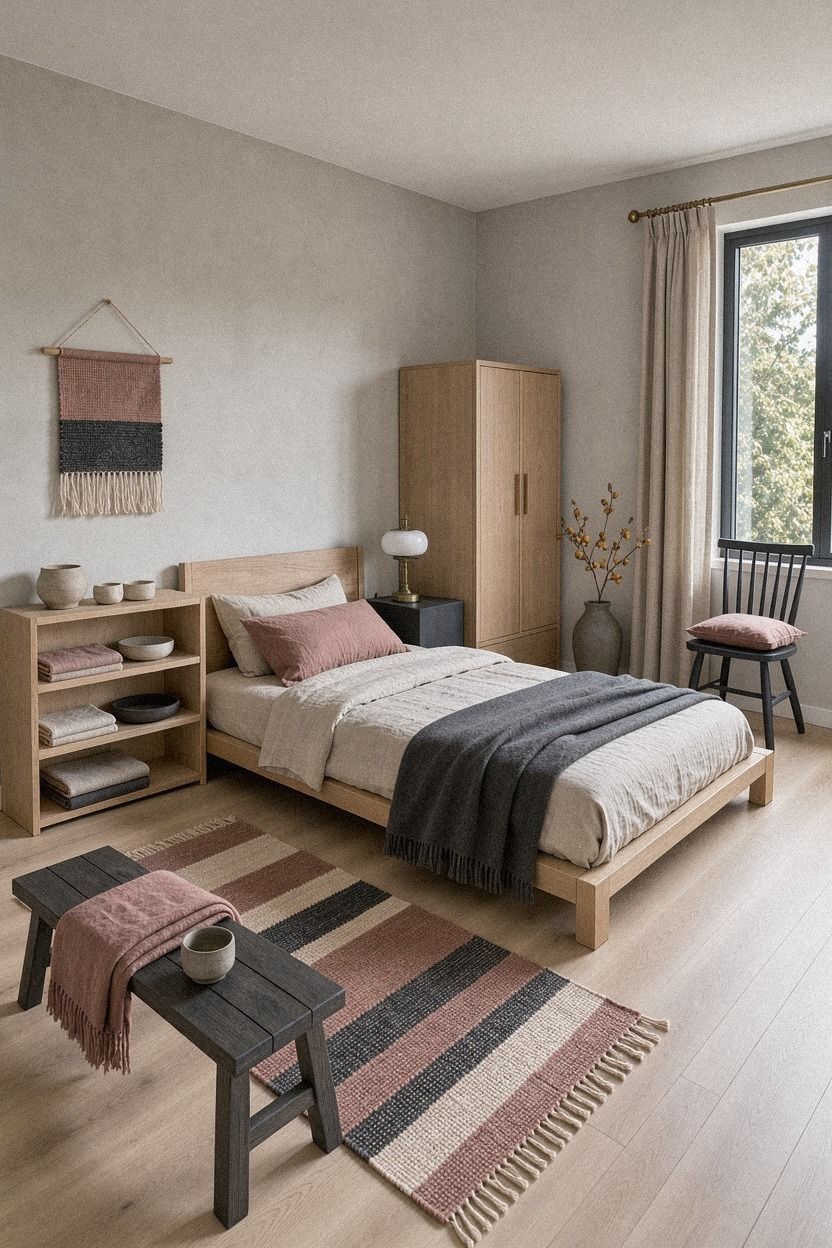
You can create a convincing bed refresh without buying every piece at once. Start with the linens you own, then spend on the layer you touch most often.
A new coverlet may matter more than decorative cushions, while a better insert may matter more than a new duvet cover. Your budget should follow comfort first, then appearance.
These typical US room-refresh figures give the broader cost context:
For a smaller update, a Target cotton matelassé coverlet and a secondhand wood bench can carry the look. You don’t need to spend at the high tier to make your bed feel inviting. A free fold, a better pillow arrangement, and softer lighting can change the room tonight.
Start with the duvet fold, then decide whether the room truly needs another purchase.
15Paint the wall behind the bed softly
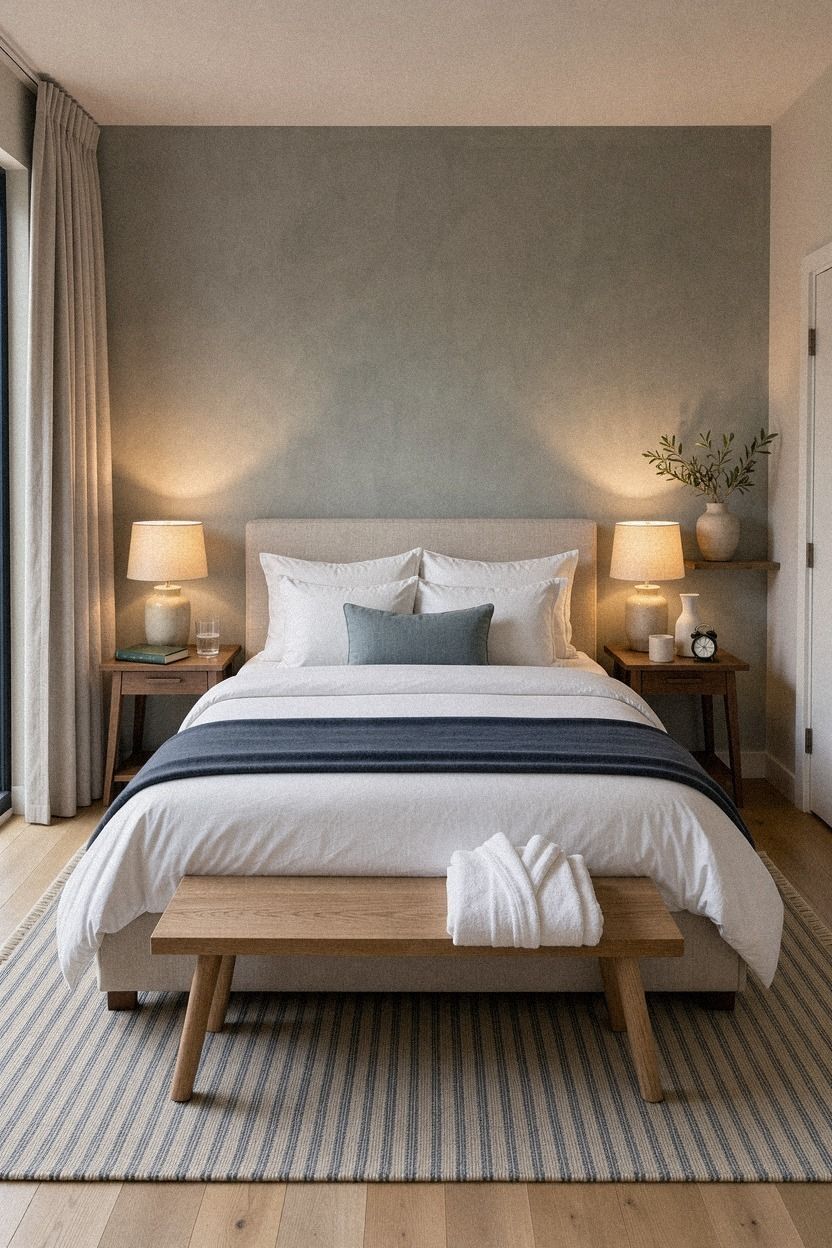
The wall behind your bed is a large backdrop, so paint can do more than any small accessory. Sherwin-Williams Agreeable Gray SW 7029 gives you a gentle neutral if white feels too stark, while a deeper shade can make pale bedding stand out. Test the color beside your lamp because evening light changes gray, beige, and blue more than most samples suggest.
I’d avoid choosing paint from a tiny screen image. Your room has its own floor, trim, and daylight, and the same sample can feel warm in one space and cold in another. If you’re renting, removable fabric panels or a large textile can create a similar backdrop without permanent work.
A soft mushroom paint can feel elegant beside ivory bedding. A deep olive or smoky blue can create a more dramatic, cocooning effect. Choose the backdrop after considering the warm accent color, since the two should support each other.
16The Calm Patch
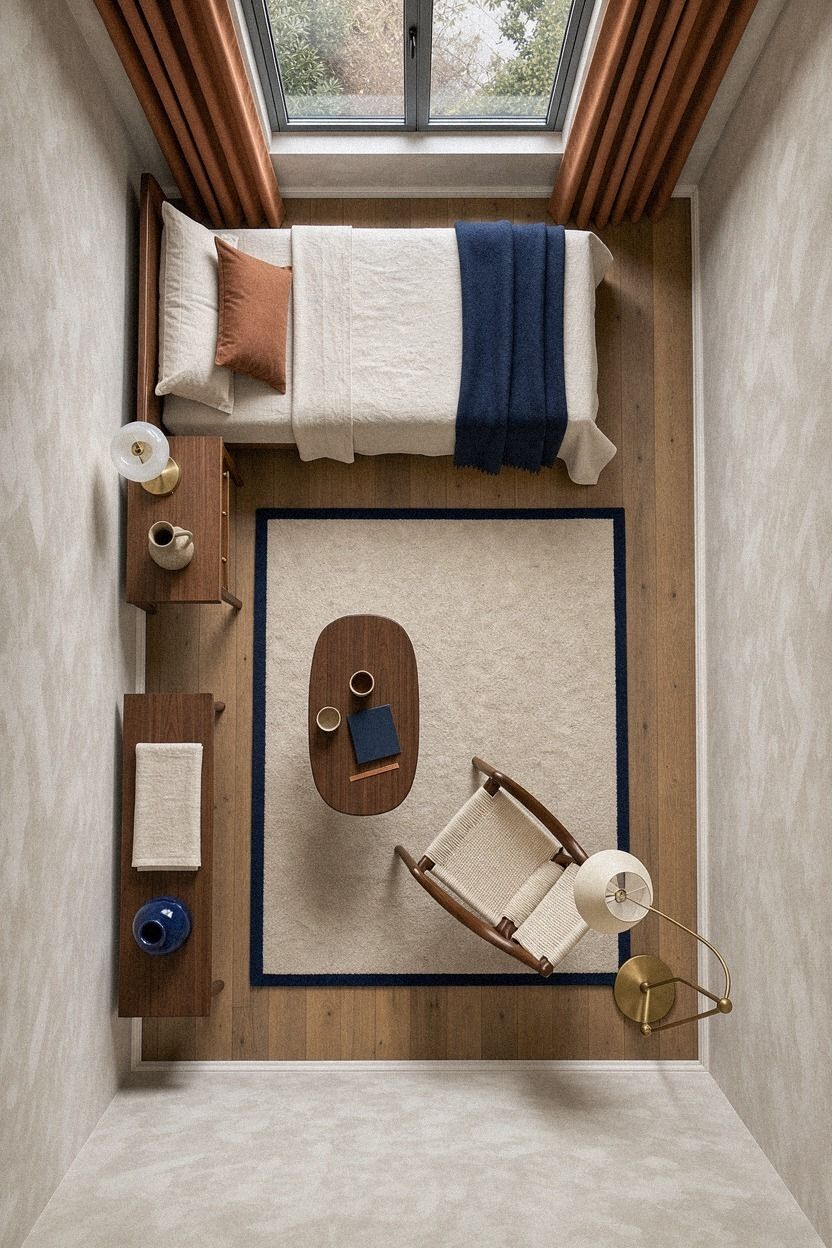
Hotel beds look polished partly because the styling has room to breathe.
17Make a small bed feel wider
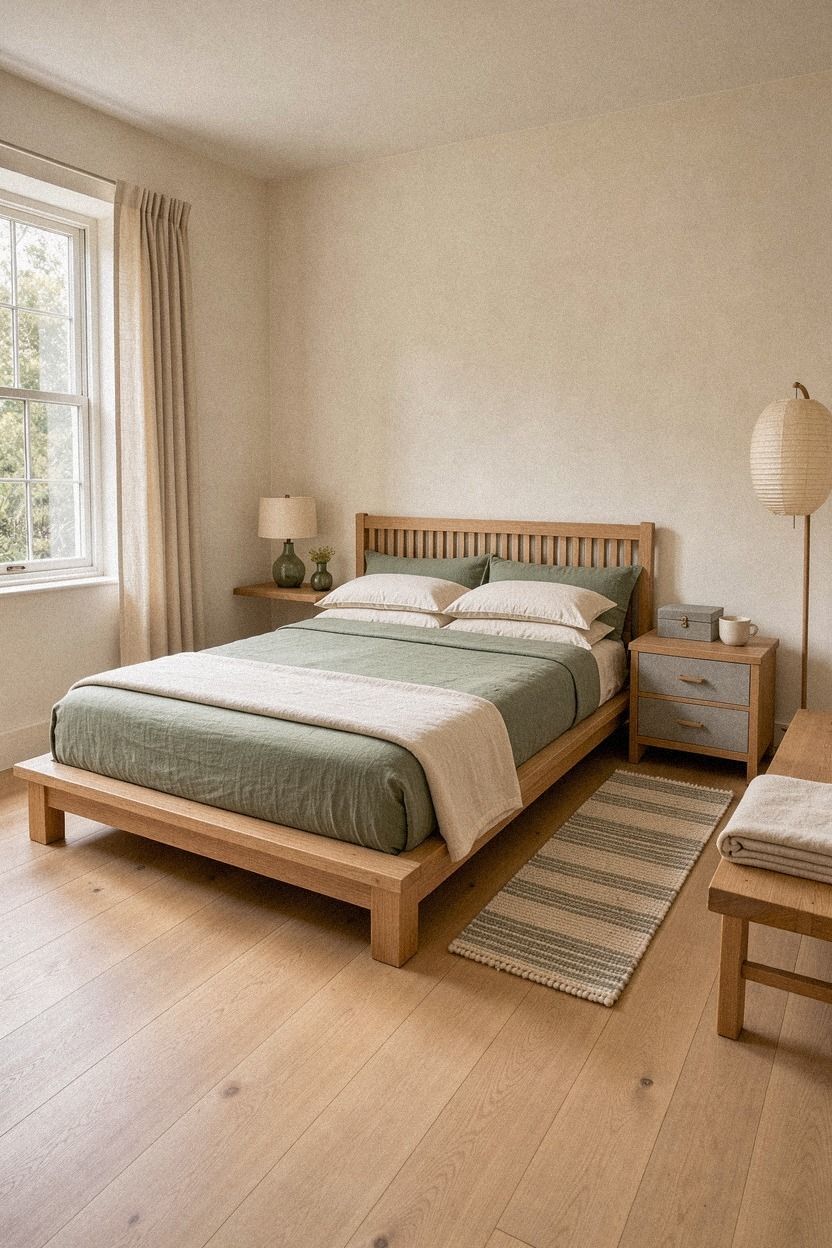
For a small bedroom, keep the bed visually low and extend the composition sideways with matching or balanced nightstands. You can use slim tables instead of bulky chests, then choose lamps with narrow bases. A IKEA HEMNES bedside table can work when you need storage, but keep its upper surface edited so the bed remains the main shape.
Use bedding that falls straight instead of adding thick layers that widen the mattress awkwardly. Your rug should extend beyond the sides where possible, while a single wide artwork can make the wall feel broader. I’d skip oversized European pillows in a very narrow room because they consume useful depth.
If you want a little more height, choose a vertical headboard and keep the wall color close to the bedding. The repeated vertical line makes the room feel taller and keeps the floor visually open.
18One Investment, Many Basics
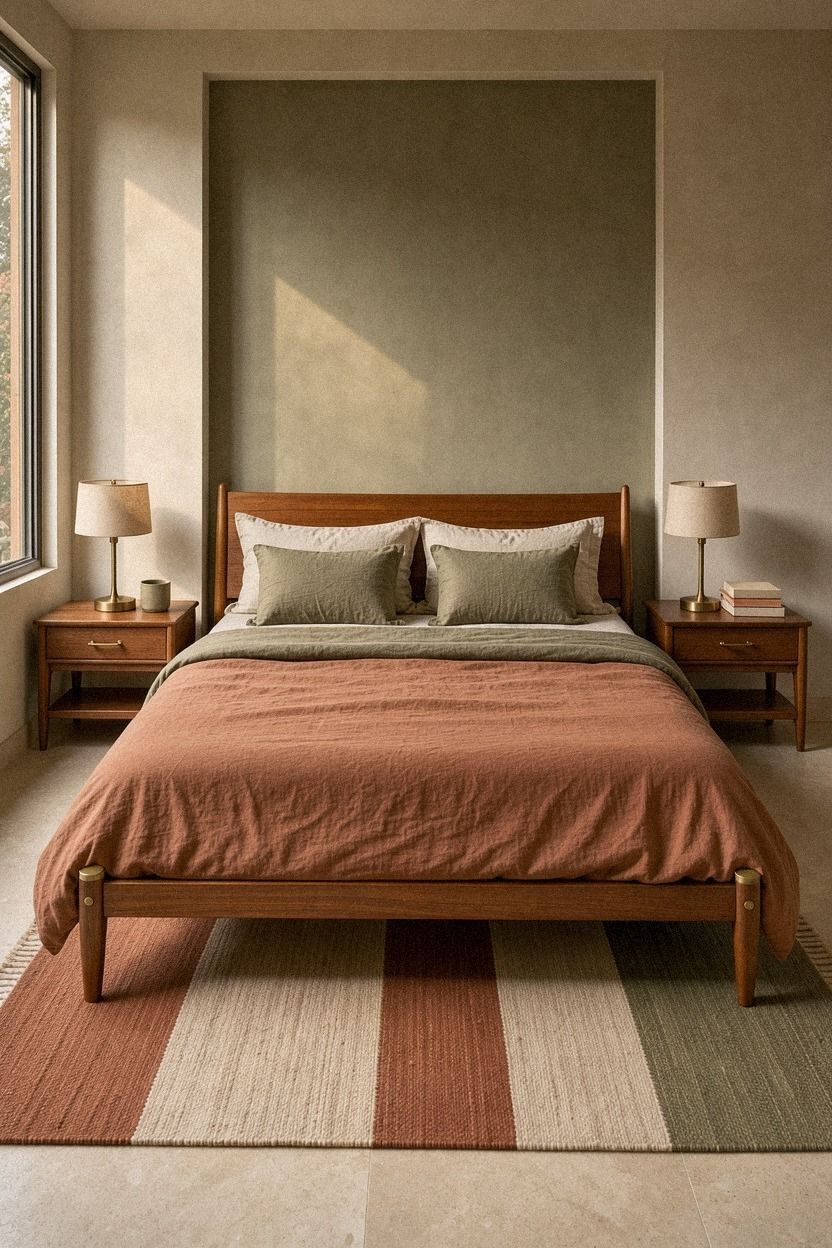
A bed looks richer when one layer has real weight. That might be a linen duvet, a solid wood bench, or a wool throw, while the rest comes from affordable sources. Washed Belgian linen is a useful example of how one substantial material can give a room character, though you don’t need a full linen set to copy the principle.
Choose the investment layer based on what your hands and eyes meet every day. I’d spend on the insert or the coverlet before buying a decorative object. You can find a good textile secondhand, wash it carefully, and let its slight irregularity make the room feel lived-in.
A rental bedroom can still look polished with removable changes. A substantial wool throw or a well-made coverlet can transform the bed without requiring a complete overhaul.
19Choose layered white over perfect matching
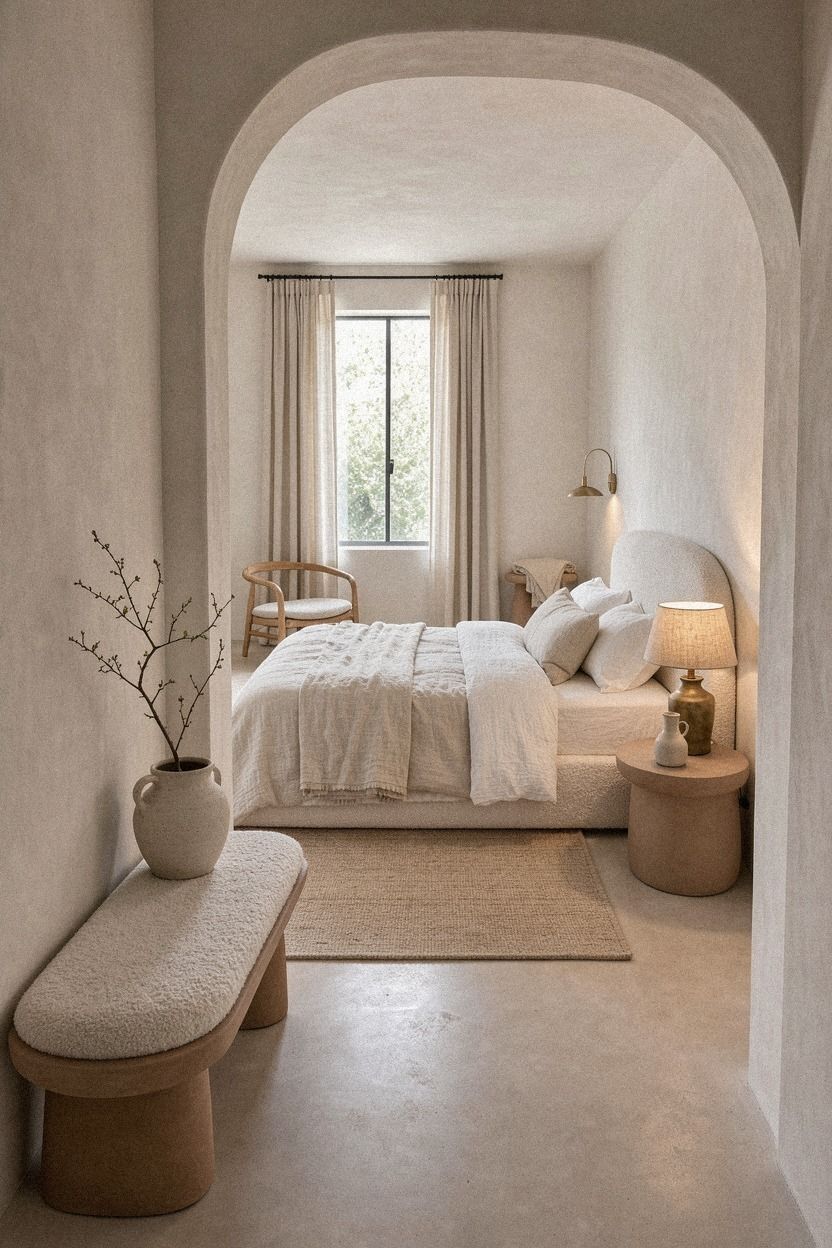
Layered white bedding usually wins over a perfectly matched set because it gives you more room to create depth.
The Design Decision I’d Make Before Buying Anything
I’ve made nearly every common bedding mistake. I bought a stiff duvet because the online listing looked crisp, then spent a month fighting its noisy corners. I chose too many decorative pillows and had nowhere to put them at night.
I even matched the sheets, shams, and coverlet so closely that the entire bed became one flat rectangle. The fix wasn’t more shopping.
It was deciding what the bed needed to do for me.
A hotel bed works because it balances comfort with visual discipline. The sheets feel clean, the layers have different jobs, and the lighting lets the room soften after sunset.
That doesn’t mean your bedroom should look anonymous. You can keep the old frame, use a thrifted bench, and let one imperfect linen throw bring in personality.
A lived-in room has small evidence of a person, such as a book, a folded robe, or a lamp that casts light onto the wall.
My strongest rule is to spend on the layer closest to your body. If the sheets scratch, no arrangement will save the bed.
After that, build the shape with a fold, a pillow stack, and one material with enough weight to hold its place. You don’t need a matching set, and you don’t need to copy a luxury suite.
You need a surface that feels good when you wake up and looks composed when you walk past it.
The room’s supporting pieces should stay quieter. A wool rug, warm paint, and shaded lamp can do more than a pile of decorative objects.
If you’re unsure, remove one item and look again. What remains usually tells you what the room was trying to say and what it could release.
I’d choose honest comfort over a polished display every time, because your bed has to work after the styling is done.
The Questions I Get Asked Most
What is the best hotel-style bed approach for a small bed?
The best approach is a low, layered arrangement with two sleeping pillows, two shams, and one lumbar cushion. IKEA KALLAX birch-effect storage nearby can keep extra bedding out of sight. Choose one accent color, leave the sides open, and use a rug that extends beyond the bed when your floor plan allows it.
Where can I buy hotel-style bedding pieces on a budget?
Look at IKEA, Wayfair, and Target first, then check Facebook Marketplace or a local thrift shop for benches and solid wood nightstands. Belgian flax linen pillowcases can be worth searching for secondhand. Begin with the sheets and duvet you already own, then replace the layer that feels least comfortable.
How much does a hotel-style bed makeover cost?
A small refresh can cost about $100 to $300 if you keep your frame and use existing sheets. Free folds, better pillow placement, and rearranged lighting cost nothing. A new coverlet, throw, or lamp will usually take the largest share of your budget, so choose the layer you touch most.
Can I create a hotel-style bed on a budget?
Yes, and you can start tonight! Fold the duvet down, stack pillows by height, and move one warm lamp closer to the bed.
Target Threshold cotton bedding can provide an affordable middle layer, while a thrifted wool throw adds texture. Use your current sheets as the base and spend only where comfort is lacking.
Is this bed style worth it in a small space?
Yes, because a small room benefits from a clear focal point. Keep the bedding light, use one wide artwork, and avoid bulky decorative pillows.
A low-profile oak bed frame can make the floor feel more open. Your smaller room may even look more composed than a large one because every layer has a visible purpose.
Is a hotel-style bed a good idea for a rental?
Yes. Use no-damage changes such as removable wall fabric, a tension rod for curtains, plug-in sconces, and a freestanding headboard.
Removable linen panels can soften a blank wall without paint. You can also layer a rug, lamp, and throw to change the room’s feeling while leaving the landlord’s finishes untouched.
How should I handle seasonal bedding?
Keep the main sheets and duvet neutral, then rotate one accent layer. A rust throw or chunky merino knit can make the room feel warm in fall, while pale linen works better in summer.
You don’t need separate bedding sets for every season. One stored coverlet can change the bed without filling your closet.
Where I’d Start First
If I had to pick one, I’d start with the duvet fold. It reveals the sheet band, gives the bed a clean horizontal shape, and costs nothing.
Pin the idea for later, then try it tonight with the bedding you already own. Your room may need less than you think.


