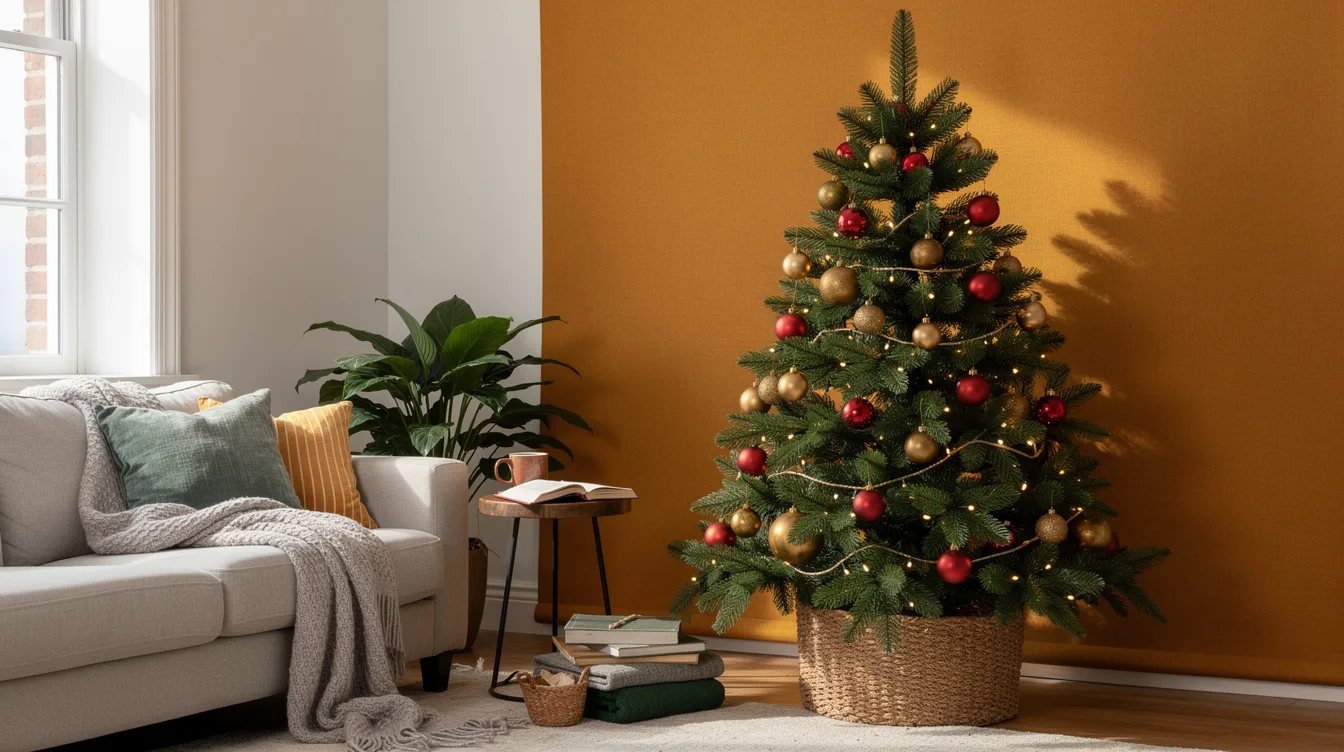
Your Fake Tree Looks Sparse? These 13 Walmart Picks Start at $39.98
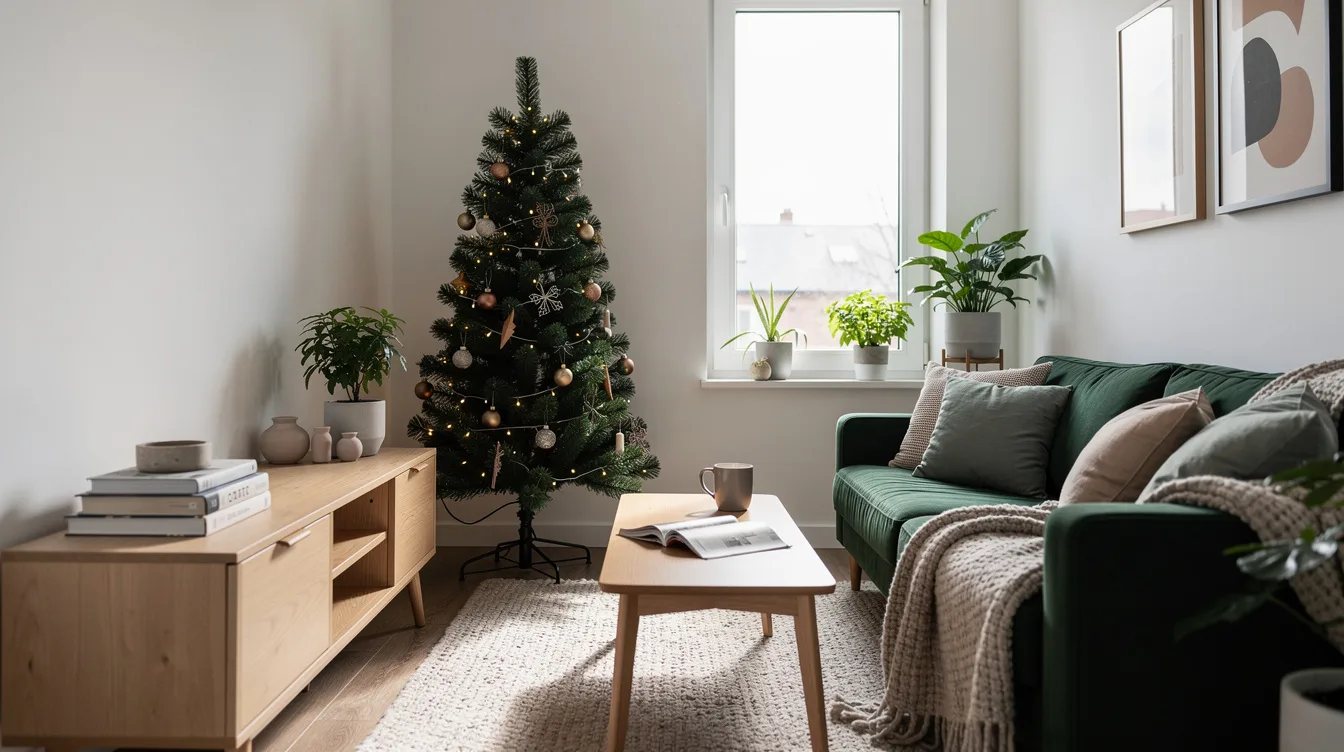
19 october 2026A cheap artificial tree can look surprisingly convincing when its shape, needle material, and styling work together. The difference is easy to see on a 48-inch Cypress: its open branches feel intentional, while an unopened box of compressed foliage looks flat and crowded.
Walmart's under-$100 options offer distinct paths to a more natural display, from the airy our Texas House model to a dense PVC spruce and a PE/PVC fir. These listing prices were checked for this guide, so availability, shipping, and tax can change by ZIP code.
What you will find inside
- Start With the Airy Cypress Shape
- Choose Dense Spruce for a Traditional Main Tree
- Use PE Blend Foliage for Needle Variation
- Match a Pencil Tree to a Narrow Room
- Measure the Tree Footprint Before Ordering
- Open Every Hinged Branch by Hand
- Shape the Outer Tips Toward the Light
- Keep Warm Lights Close to the Branches
- Balance Sparse Areas With Larger Ornaments
- Use Real Materials Near the Base
- Add One Natural Branch Texture
- Treat Flocking as a Deliberate Style
- Leave Shipping and Tax Room in the Budget
Start With the Airy Cypress Shape
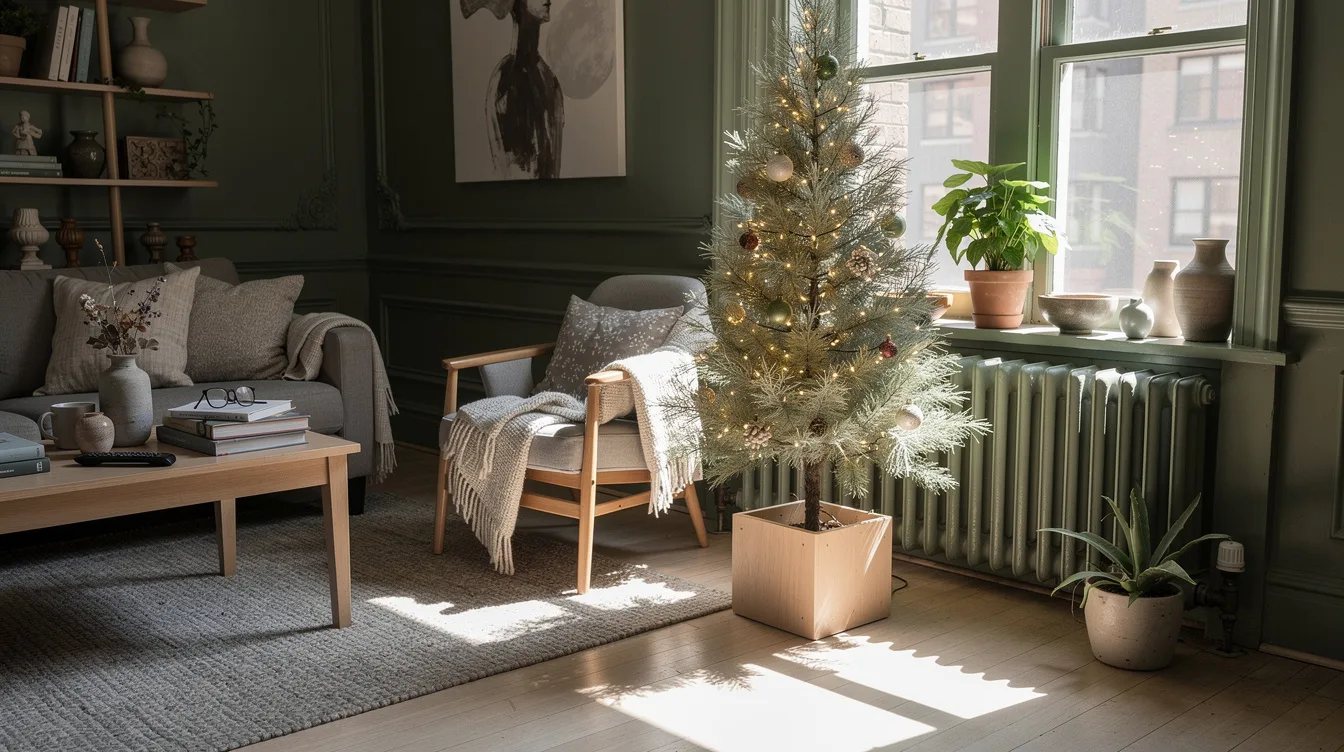
For a small room, the our Texas House 4-foot Pre-Lit Cypress takes a smarter visual route than a miniature version of a full evergreen. Its 172 branch tips create an open, layered silhouette, while 100 warm-white twinkle LEDs add gentle light without making the foliage look crowded.
At about $64, it works best beside an entry console, in a reading corner, or as a secondary tree. The plastic basket-style base resembles woven material from a distance, but add a real basket only if you want a more convincing finish up close.
Choose Dense Spruce for a Traditional Main Tree
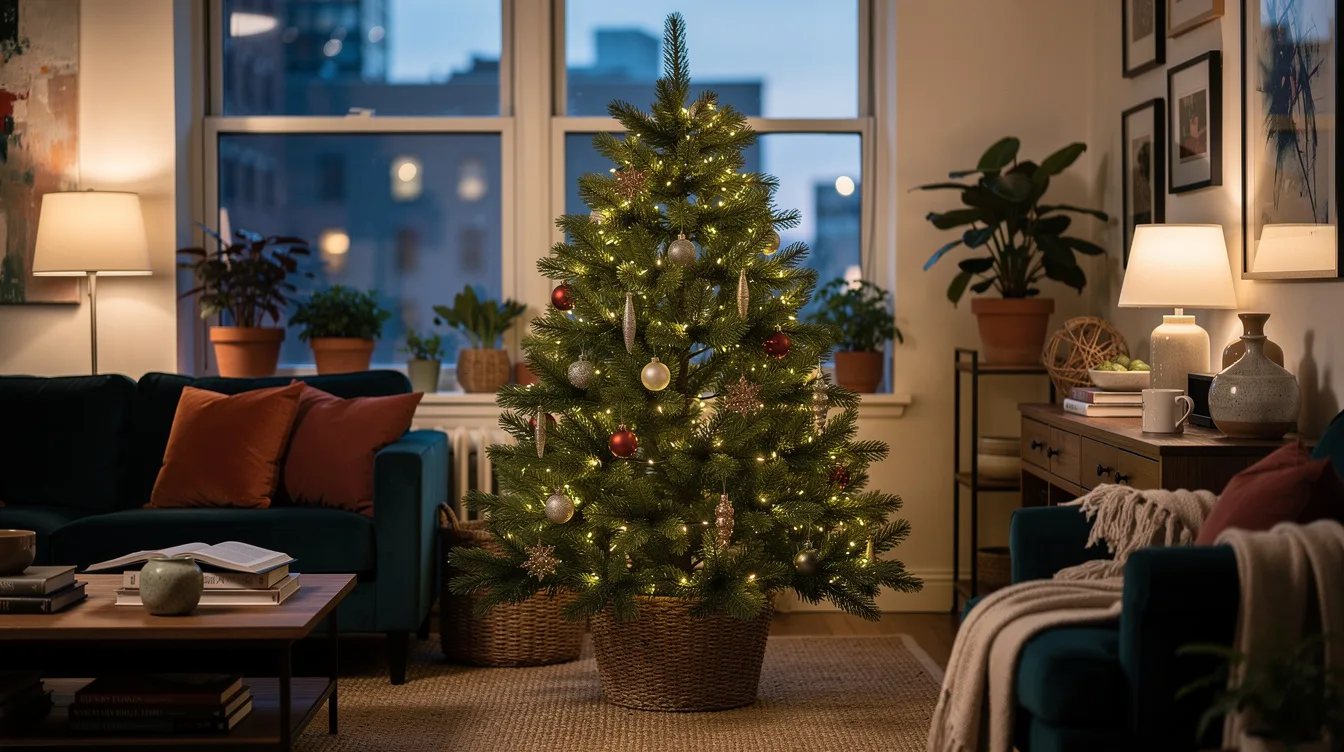
The Best Choice Products 6-foot Premium Unlit Spruce is the stronger pick when the goal is a familiar, full Christmas-tree outline. Its PVC needles, hinged branches, steel structure, folding metal stand, and roughly 800 tips create a broad profile that reads well once ornaments fill the outer branches.
At about $69.99, it leaves room in the budget for better-looking decorations. The listing shows slightly inconsistent tip counts across variants, so treat the approximate figure as a guide rather than a promise of exact density.
Use PE Blend Foliage for Needle Variation
The Uforic 6.5-foot Pre-Lit Aspen Fir offers the most promising material specification in this group: about 900 PE/PVC branch tips and 500 lights. PE foliage can give branch ends more shape and variation than a tree made entirely from flat PVC strips.
At about $95.99, it uses nearly the full budget, and the listing does not disclose the PE percentage. That missing detail matters, so judge the tree by the branch photographs and return policy instead of treating the blend alone as proof of a lifelike finish.
Match a Pencil Tree to a Narrow Room
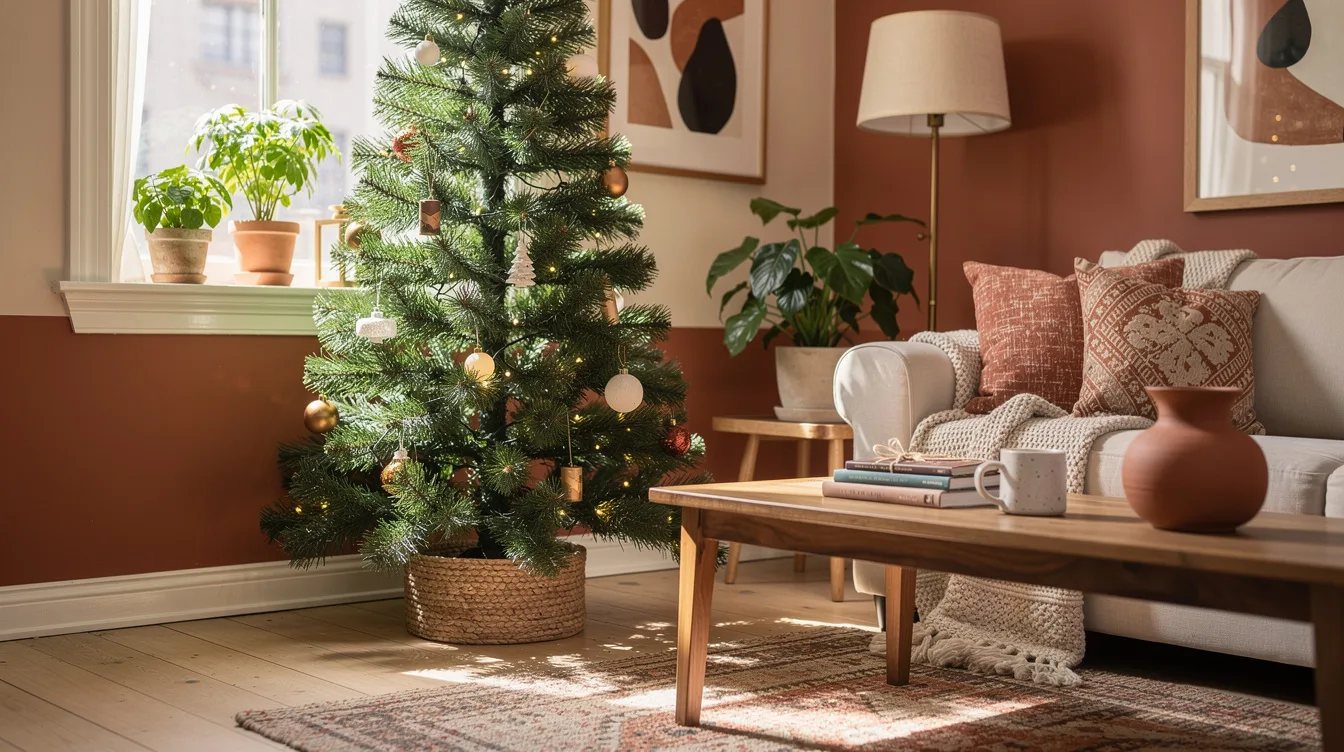
A narrow profile looks more believable when it fits the architecture instead of being forced into a crowded corner. The Funcid 6-foot Artificial Pencil Tree uses mixed PVC/PE tips, hinged construction, and a folding metal stand, making it a practical option for an apartment, hallway, or small bedroom.
Its about $39.98 sale price is appealing, but the pencil shape is intentionally slim and the diameter is not verified in the supplied listing. Leave visible wall space around it and use fewer, larger ornaments so the tree looks deliberate rather than undersized.
Measure the Tree Footprint Before Ordering
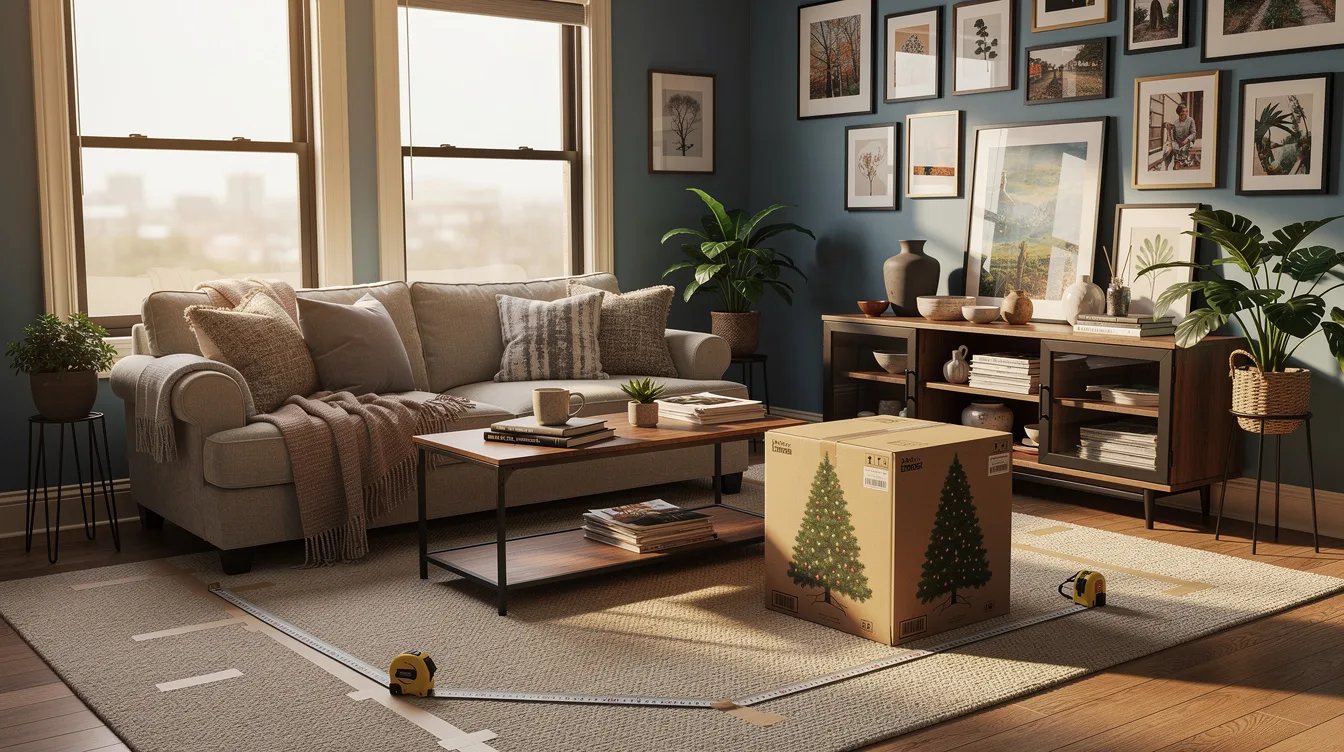
Height alone can make a budget tree seem like a bargain until the widest branches block a doorway or crowd a sofa. The Best Choice Products Spruce measures about 72 inches tall by 51.6 inches wide, while the our Texas House Cypress measures about 48 by 34 inches.
Use those listed dimensions to mark the floor with painter's tape before ordering. For the Uforic and Funcid trees, the available listing confirms height but not diameter, so keep extra clearance until the full shape is known.
Open Every Hinged Branch by Hand
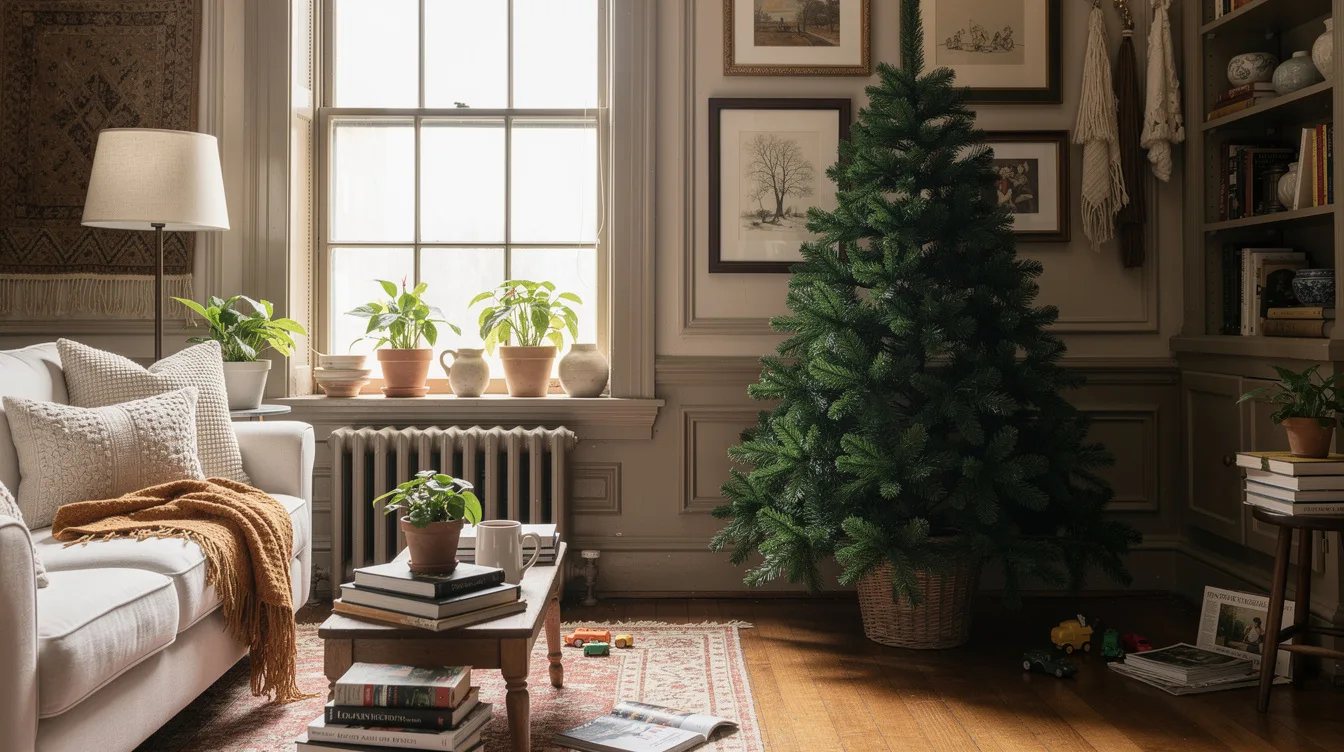
Compressed branches are the fastest way to make an artificial tree look inexpensive. With a hinged tree such as the Best Choice Products Premium Spruce, work from the trunk outward and separate the lower, middle, and upper layers so the silhouette has depth.
Do this before adding lights or ornaments, and wear thin gloves if the branch ends feel rough. The goal is an uneven natural outline, with a few tips extending slightly farther than their neighbors.
Shape the Outer Tips Toward the Light
Artificial foliage looks flatter when every branch points straight sideways. On the Uforic Aspen Fir, angle some PE/PVC tips upward and others toward the room so the light catches different surfaces.
Keep the center slightly darker and fuller than the perimeter. That contrast gives the eye a believable sense of depth, especially when the tree is viewed from a sofa rather than photographed straight on.
Keep Warm Lights Close to the Branches
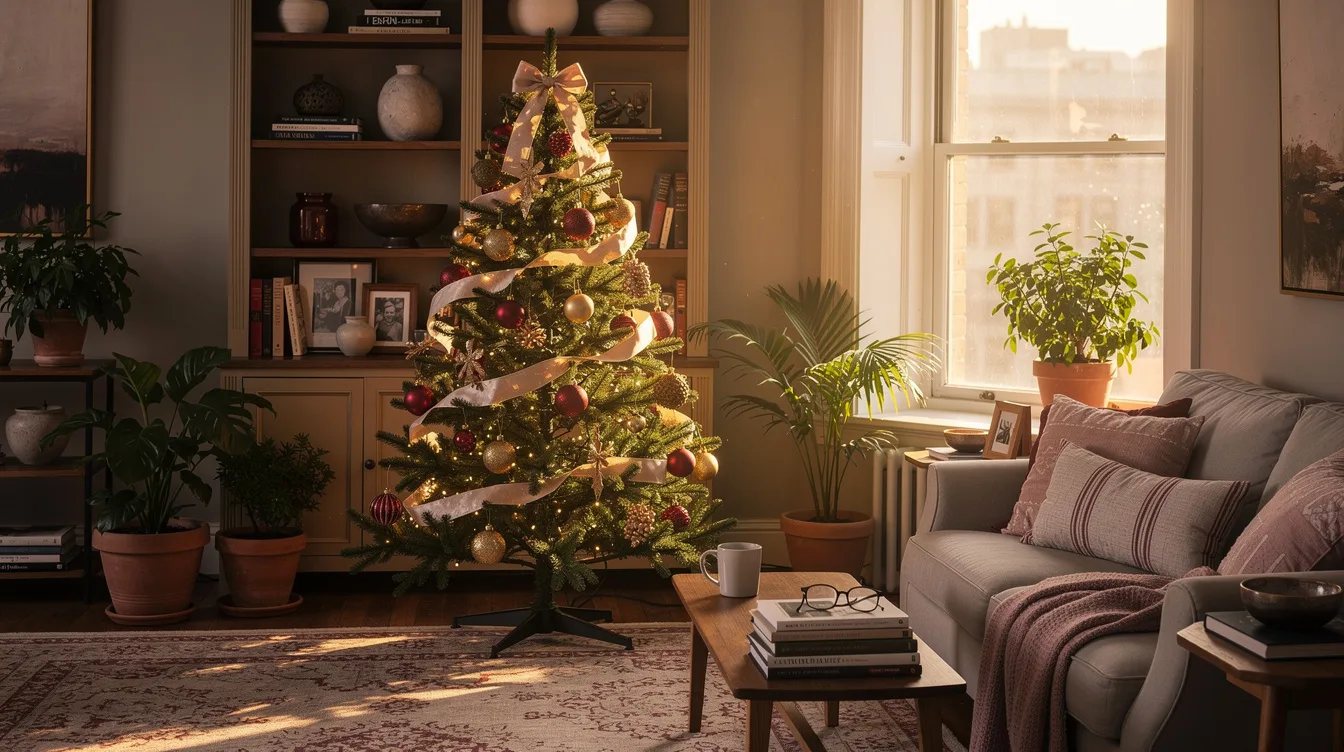
Lights look more integrated when they sit among the branches instead of forming a bright outline around the tree. The our Texas House Cypress includes 100 warm-white twinkle LEDs, so use the existing light placement as part of the tree's texture rather than adding another bright strand immediately.
For an unlit model such as the Best Choice Products tree, choose warm-white lights and tuck them inward before bringing a few bulbs back toward the tips. Cool blue-white bulbs can make PVC foliage look harder and more synthetic.
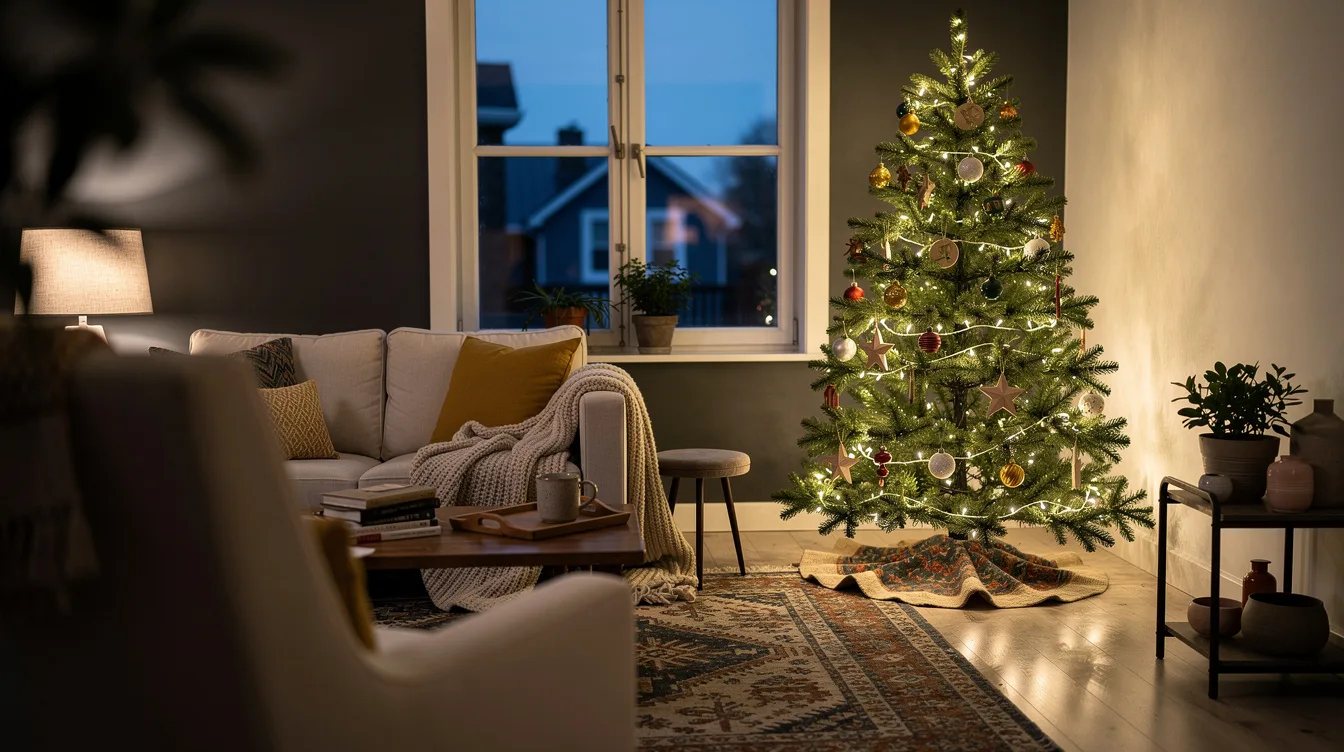
Balance Sparse Areas With Larger Ornaments
Small decorations can exaggerate gaps because they leave too much empty branch visible. On the Funcid Pencil Tree, place a few medium ornaments near the trunk first, then add smaller pieces toward the tips.
Use a restrained mix of matte red, aged brass, and natural wood so the eye reads the tree's form before it notices the individual branches. Avoid covering every inch of foliage, since a little green space helps the shape feel organic.
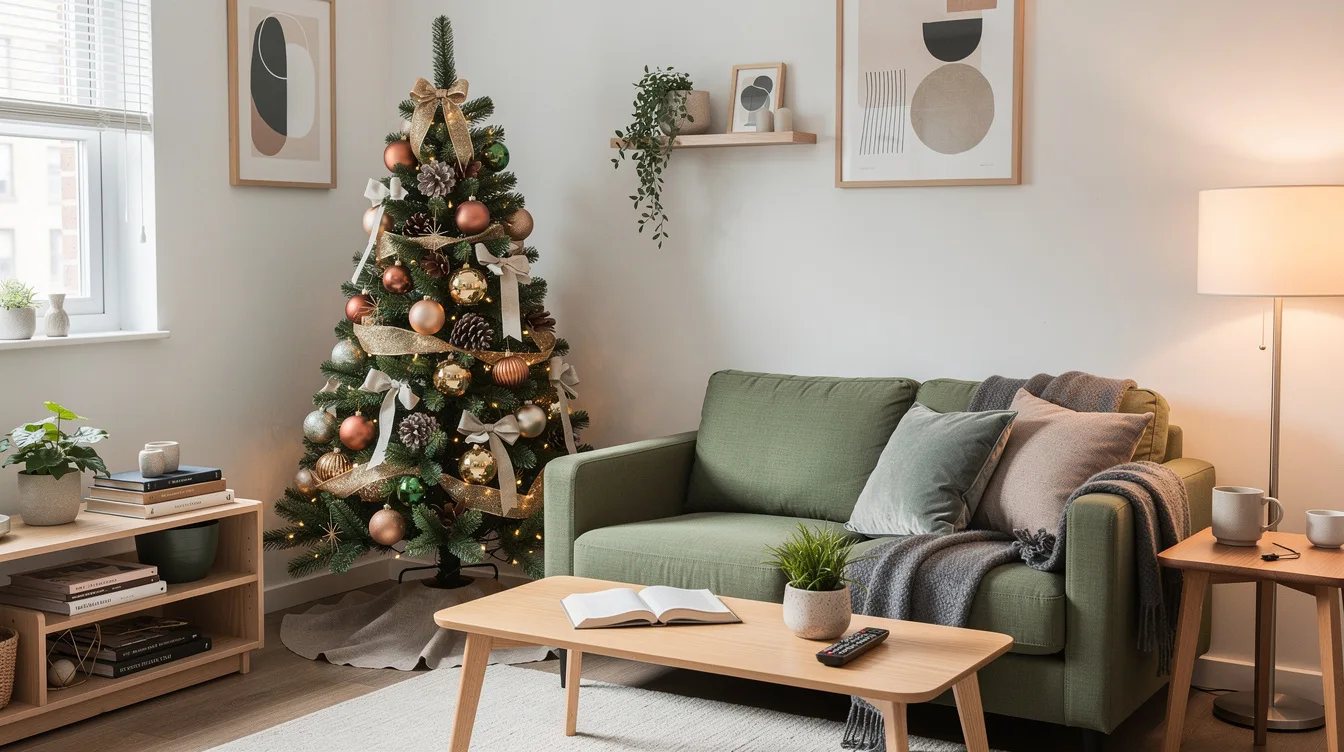
Use Real Materials Near the Base
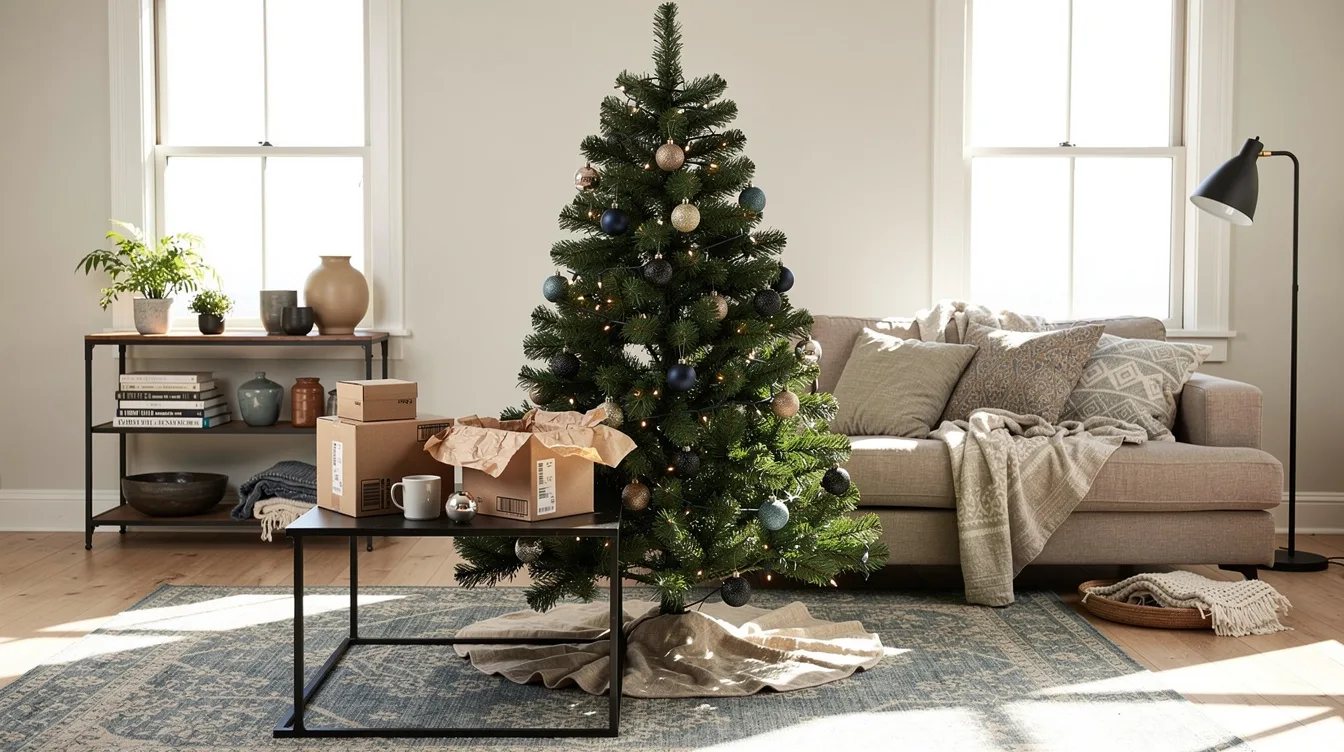
The base is often where a low-cost artificial tree gives itself away. Add a woven basket, unfinished wood riser, or folded cotton tree skirt around the stand, keeping the material substantial enough to look intentional beside the Walmart tree.
The our Texas House model already includes a plastic basket-style base, but its surface is not actual wicker. A real basket can add texture, provided its opening is wide enough to sit safely around the base without pressing against the branches.
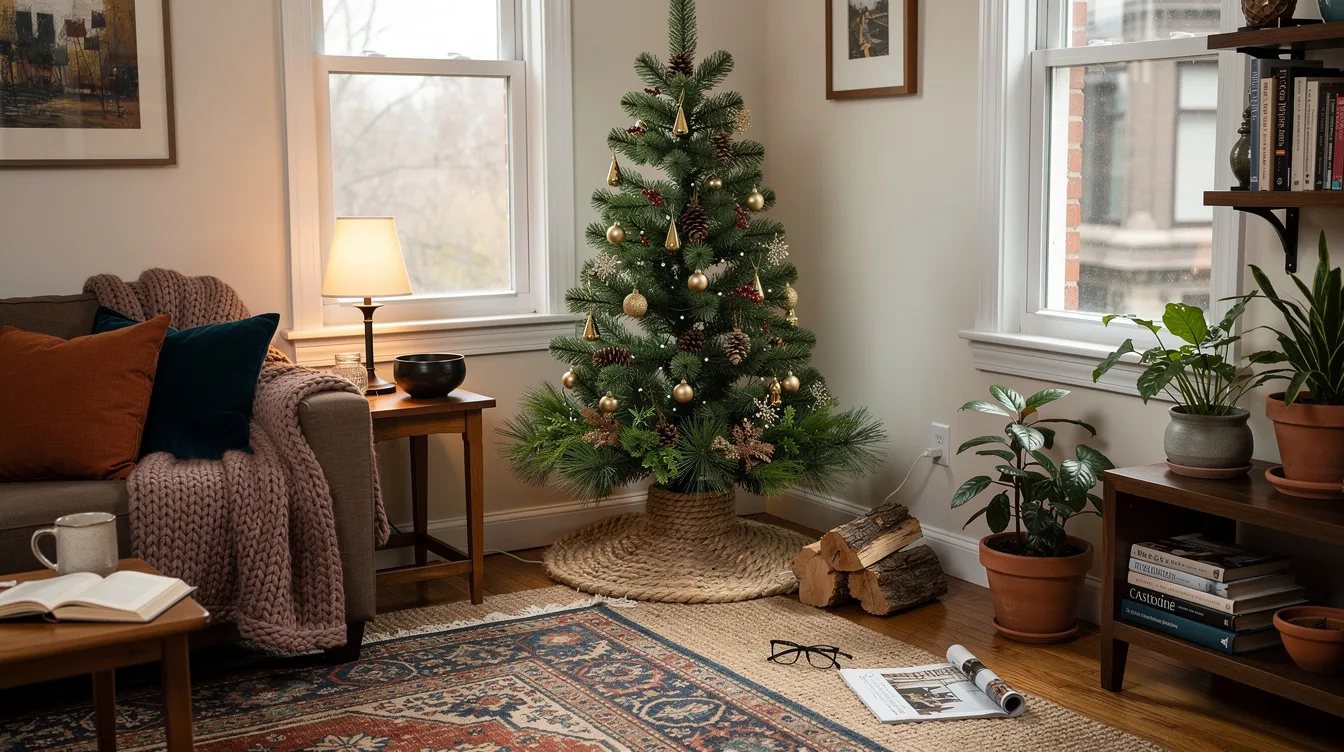
Add One Natural Branch Texture
A single natural material can interrupt the repeated pattern of manufactured needles. Place a few dried eucalyptus stems, bare birch twigs, or thin wood ornaments into the outer branches of the our Texas House Cypress, where its airy silhouette can support the extra texture.
Keep the additions sparse and secure them near the trunk. Too many stems will compete with the foliage and make the tree look decorated for a theme rather than shaped like a real evergreen.
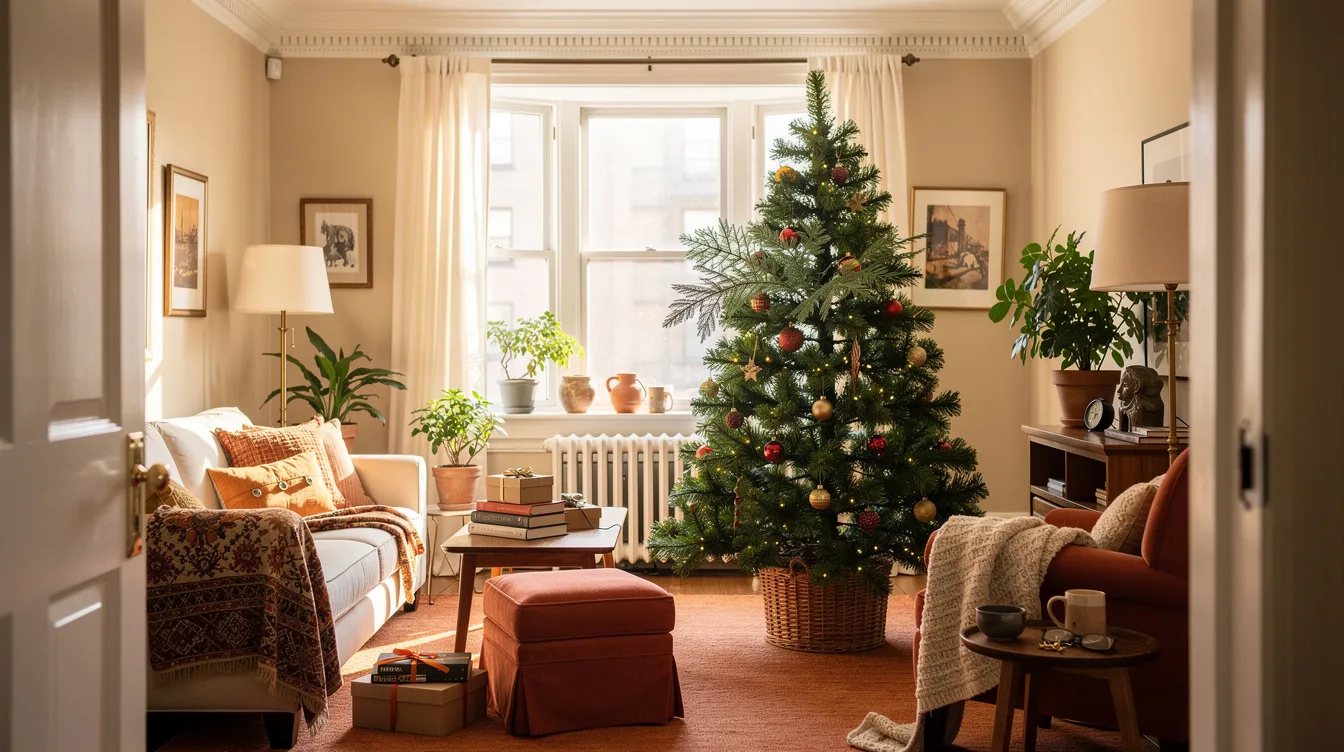
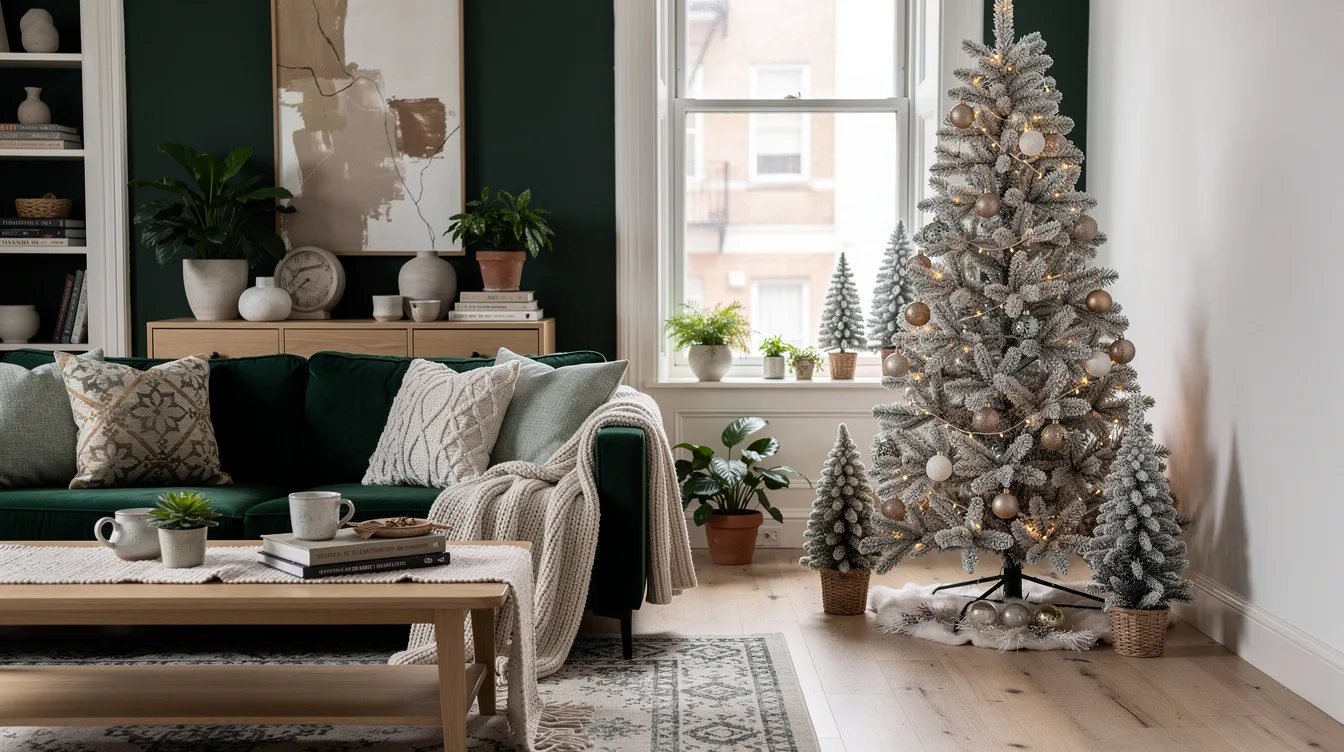
Treat Flocking as a Deliberate Style
The Zimtown 6-foot Flocked Snowy Spruce can look convincing when the room already supports a snow-covered decorating scheme. It measures about 72 inches tall by 39.4 inches wide and costs about $59.99 in the supplied Walmart listing snapshot.
Choose it for the flocked effect, not as the most natural untreated-green tree. Keep the ornaments simple, use warm lighting, and let some of the white finish remain visible so the snow does not become a flat, heavy coating.
Leave Shipping and Tax Room in the Budget
The listed prices are Walmart U.S. Snapshots checked for this guide, not season-long guarantees. The about $64 Cypress, about $69.99 Premium Spruce, and about $95.99 Aspen Fir exclude tax, while shipping and availability can vary by ZIP code.
That makes the Funcid tree a useful low-cost starting point if accessories matter as much as the tree itself. Spend the remaining money on warm lights, a fabric skirt, or ornaments with real wood and metal finishes rather than filling every branch with plastic.
Keep reading
- 14 Walmart Christmas Entryway Finds Under $50 That Look Custom
- Your Christmas Table Looks Bare? 12 Centerpieces Under $30 Fix It
- Landlord Said No Holes? Walmart Christmas Lights Hang Without Drilling
Begin with the room's footprint, then spend ten minutes opening every branch before judging the tree. That small shaping session, followed by warm light and a grounded base, will do more for a believable display than adding another bag of ornaments.


