Forget a $3,000 Closet: Elfa's Under-$350 Kits Are the Smarter Buy
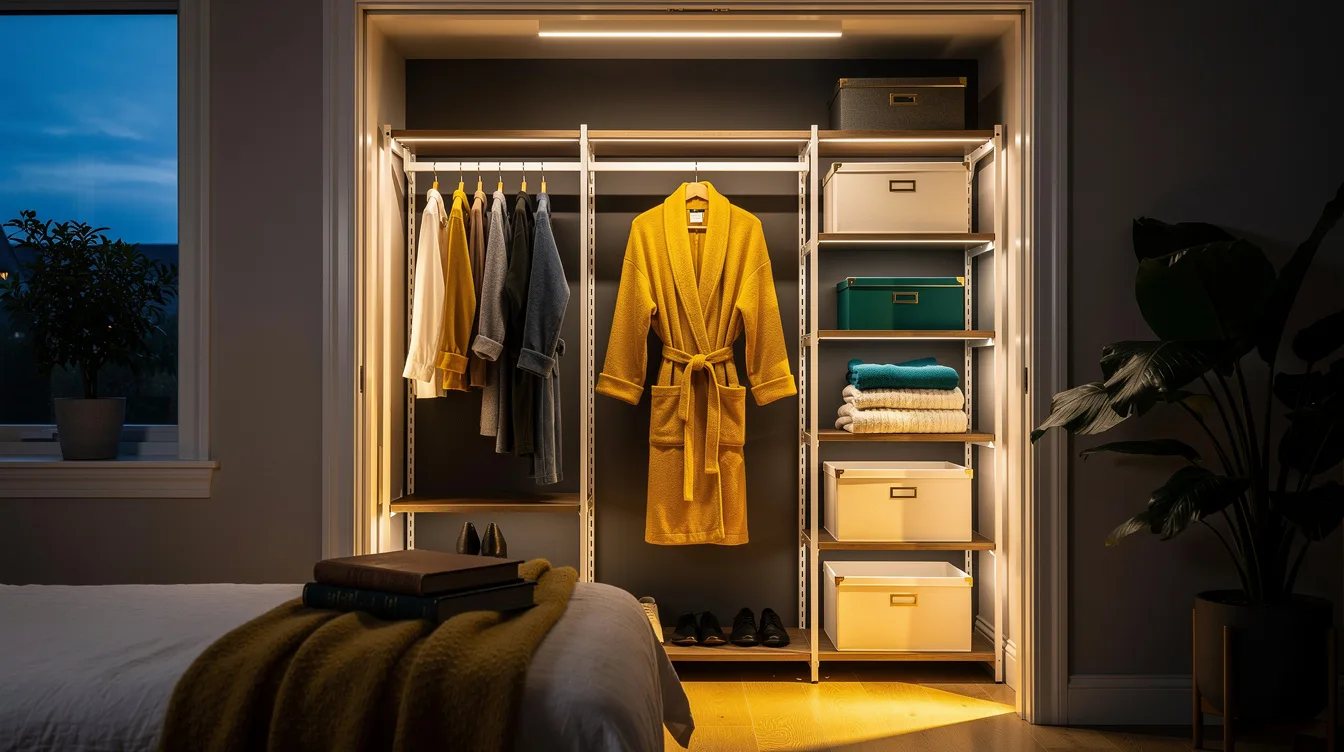
20 september 2026A 36-inch-wide Elfa closet kit can cost about $301 before the finishing touches, yet it can read like a boutique wardrobe priced near $3,000. The difference comes from proportion, repeated finishes, and the discipline to spend the remaining under-$350 budget where the eye actually lands.
Designers use the wall-hung steel structure as the architecture, then soften it with wood-look surfaces, matching bins, and warm light. The result feels intentional because every visible piece supports the same layout.
What you will find inside
- Anchor the Design With the 36-Inch Kit
- Use the 48-Inch System as a Blank Canvas
- Respect the 24-Inch Hanging Depth
- Commit to One Steel Finish
- Build the Top Rail First
- Divide the Wall Into Working Zones
- Cap Wire Shelves With Wood
- Hide Visual Noise in Matching Bins
- Warm the Closet With 2700K Lighting
- Add One Brass-Toned Detail
- Reserve Drawers for High-Value Storage
- Protect the Budget With a Finish Layer
Anchor the Design With the 36-Inch Kit
Start with the Elfa Classic 3-foot Closet Kit when the closet wall is narrow or an alcove needs a polished wardrobe zone. Current listings place the base at about $301, with listed dimensions of 36 inches wide, 16 inches deep, and 84 inches high.
That leaves roughly $49 under the $350 ceiling for one wood-look shelf topper, matching bins, or a warm LED strip. The proportions feel intentional, which matters more than filling every inch with accessories.
Use the 48-Inch System as a Blank Canvas
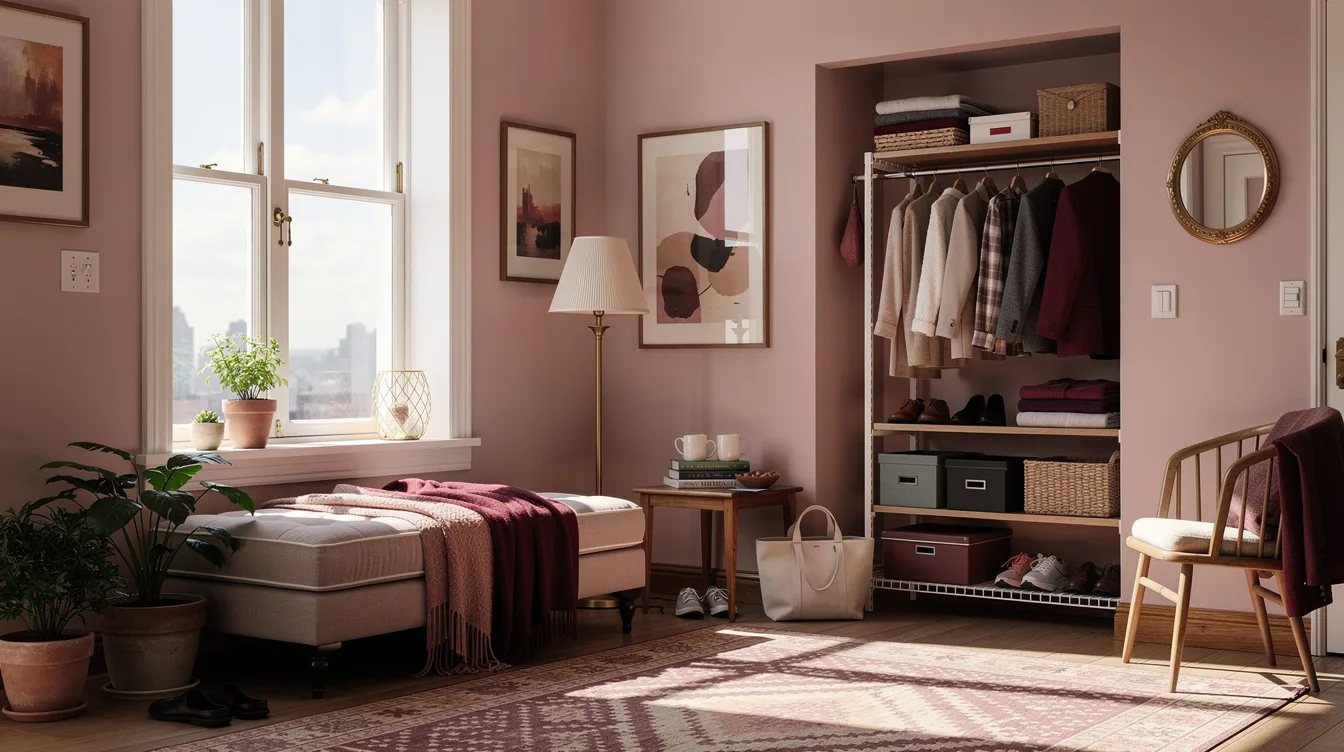
Choose the Elfa Classic 4-foot Basic Shelving Units when a reach-in closet has a wider, uninterrupted wall. The base typically costs about $144, leaving roughly $150 to $200 for shelf caps, bins, lighting, and small finishing details.
This is the strongest value for a broad open closet because the structure supplies visual order before the decorative layer begins. Keep the additions edited, since random storage pieces quickly make a low-cost system look temporary.
Respect the 24-Inch Hanging Depth
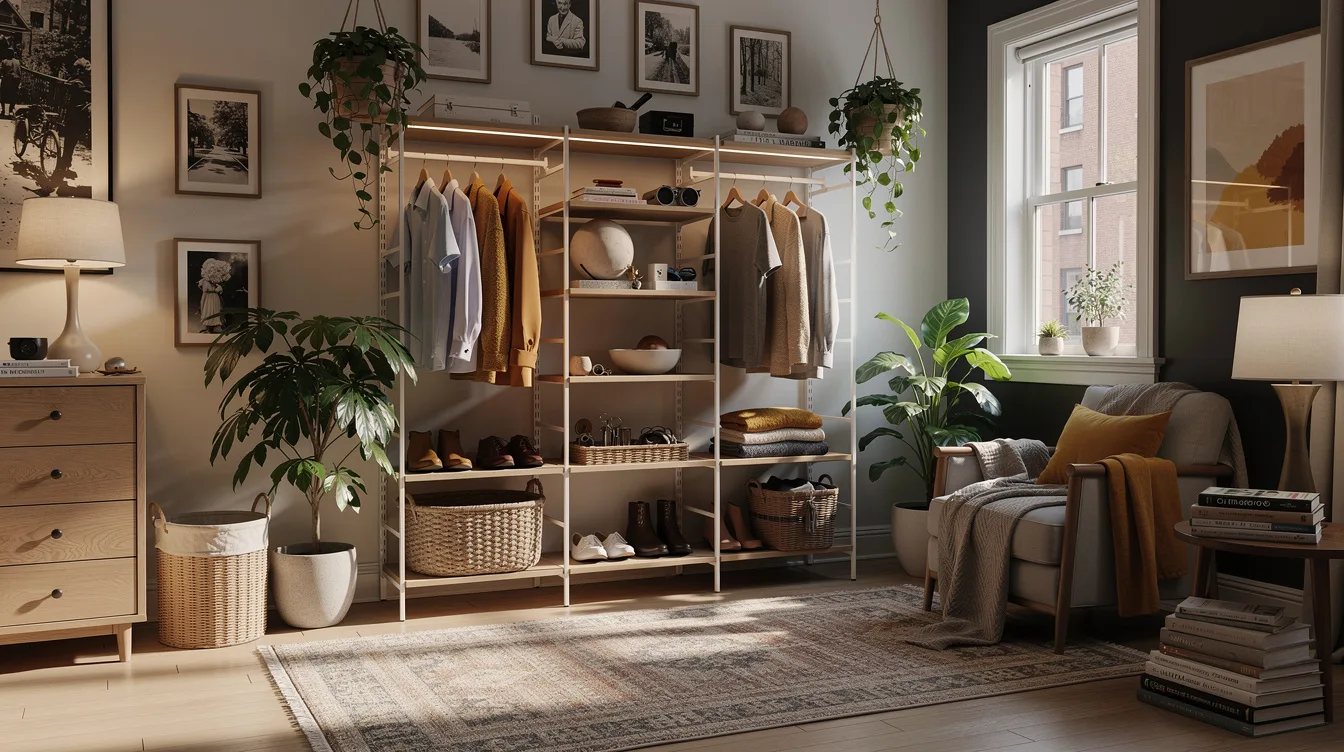
Plan around at least 24 inches of interior depth when full-size front-to-back clothing hangers need to sit comfortably. The Elfa 16-inch Classic kit works better in shallow niches, linen closets, utility spaces, or wardrobes where garments can be managed carefully.
Elfa ventilated shelves also come in 12-, 16-, and 20-inch depths, so measure the wall and door swing before buying components. A beautiful closet that makes jackets scrape the door is a bad bargain at any price.
Commit to One Steel Finish
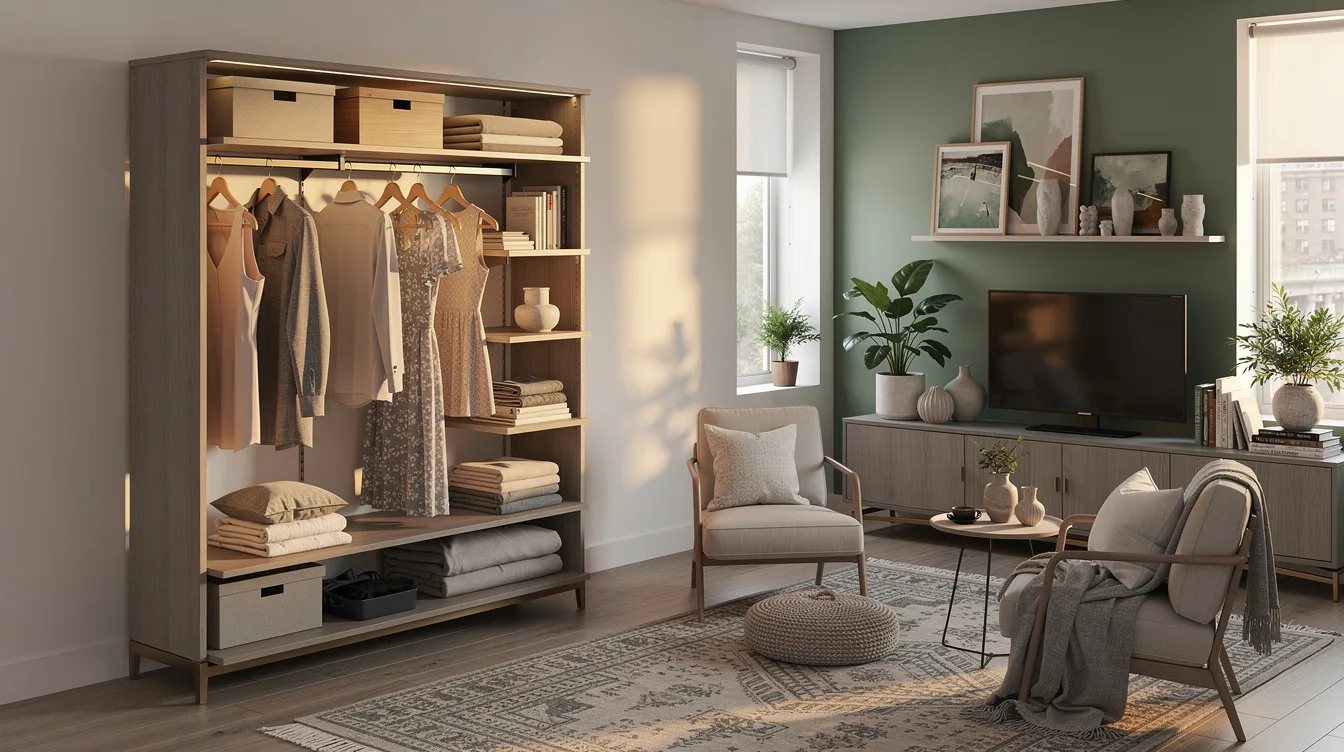
Pick either white powder-coated steel or graphite and repeat that finish across the rails, standards, brackets, and hanging rods. White reads lighter in a small closet, while graphite gives the same affordable system a sharper, furniture-like presence.
Mixing finishes can work, but only when the contrast is deliberate. For a starter kit under $350, one consistent metal color creates the cleanest built-in impression and keeps the eye focused on the layout.
Build the Top Rail First
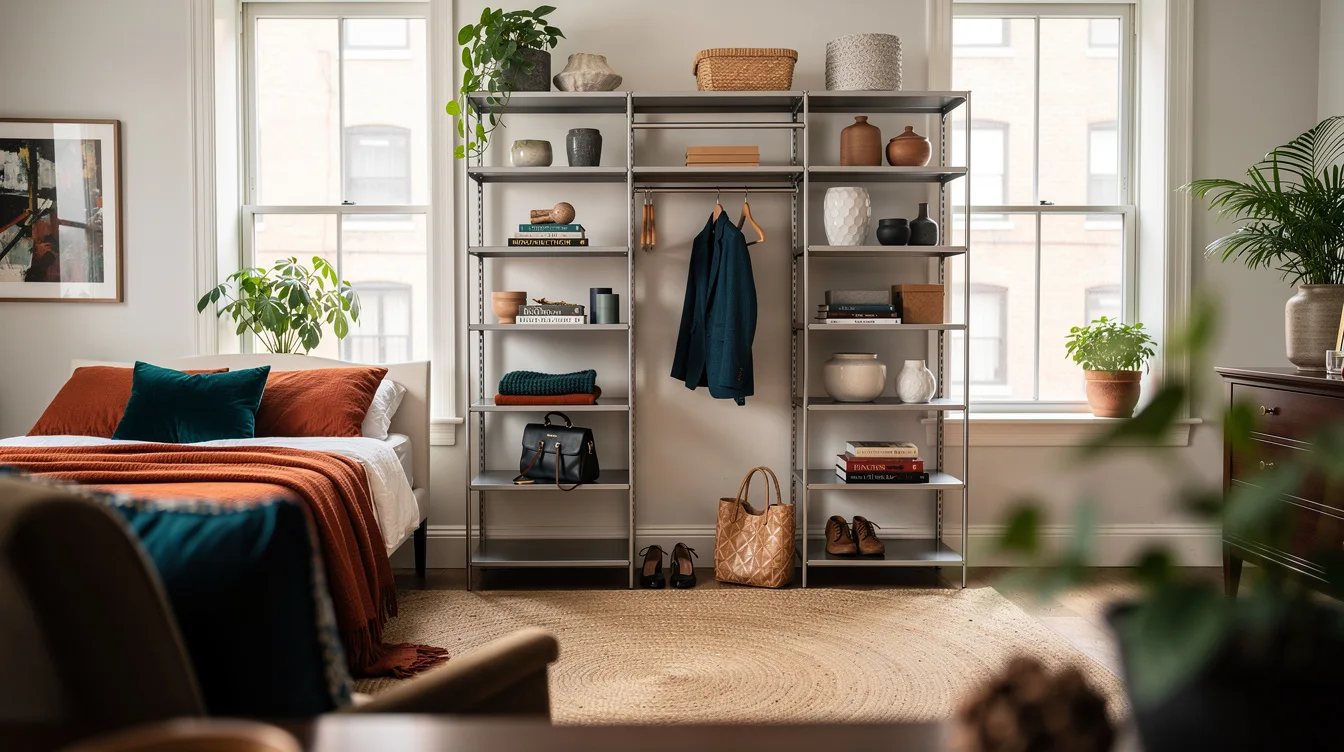
Install the Elfa top track as a continuous horizontal line, then align every vertical standard beneath it. That upper edge is one of the details people read as custom construction, especially when the track follows the full usable width of the closet.
Check the wall, trim, and stud locations before loading shelves or rods. A level rail with evenly spaced standards looks expensive; a slightly wandering rail makes even premium bins appear careless.
Divide the Wall Into Working Zones
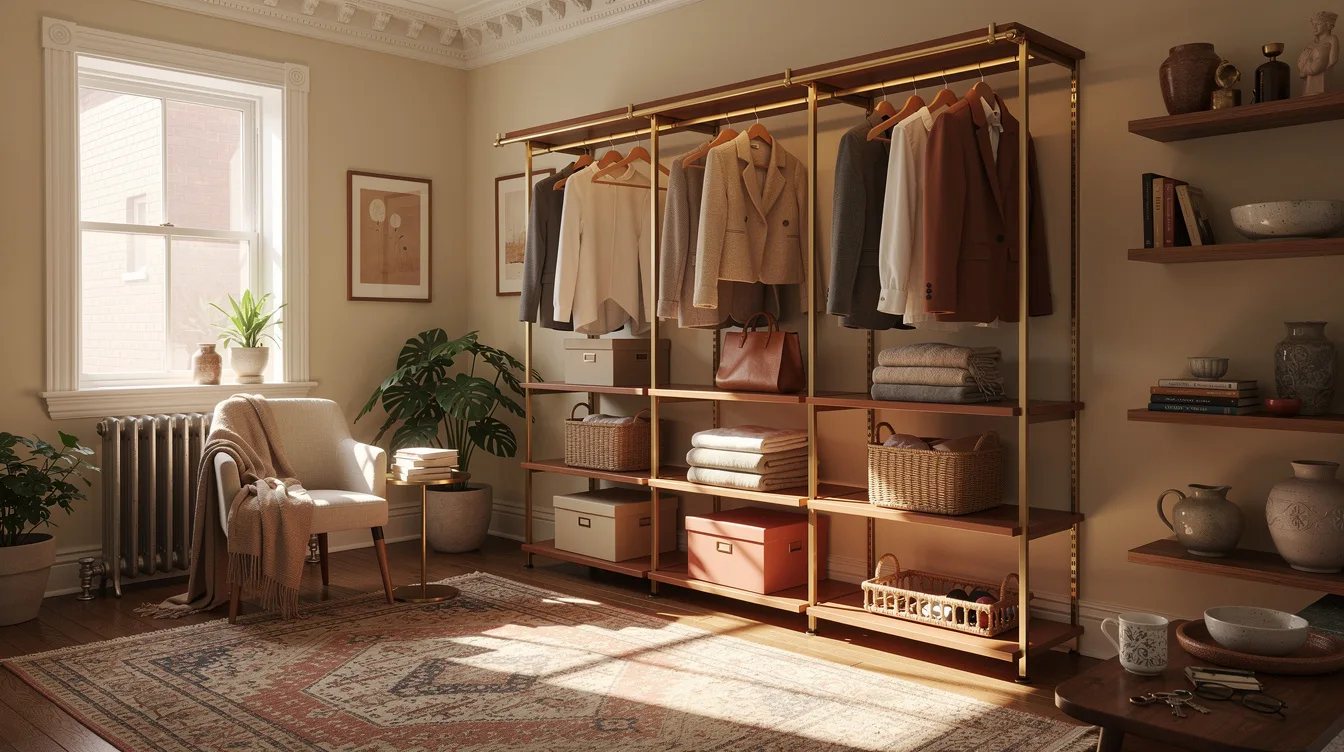
Give the closet a clear hanging zone, a folded-clothing zone, and a smaller accessories zone. With Elfa ventilated shelving, one side can hold a hanging rod while the other carries folded sweaters, handbags, or labeled containers.
Use the 36-inch kit for a compact wardrobe wall or extend the same logic across the roughly 48-inch basic system. The eye understands repeated bays quickly, which makes a modest installation feel planned rather than improvised.
Cap Wire Shelves With Wood
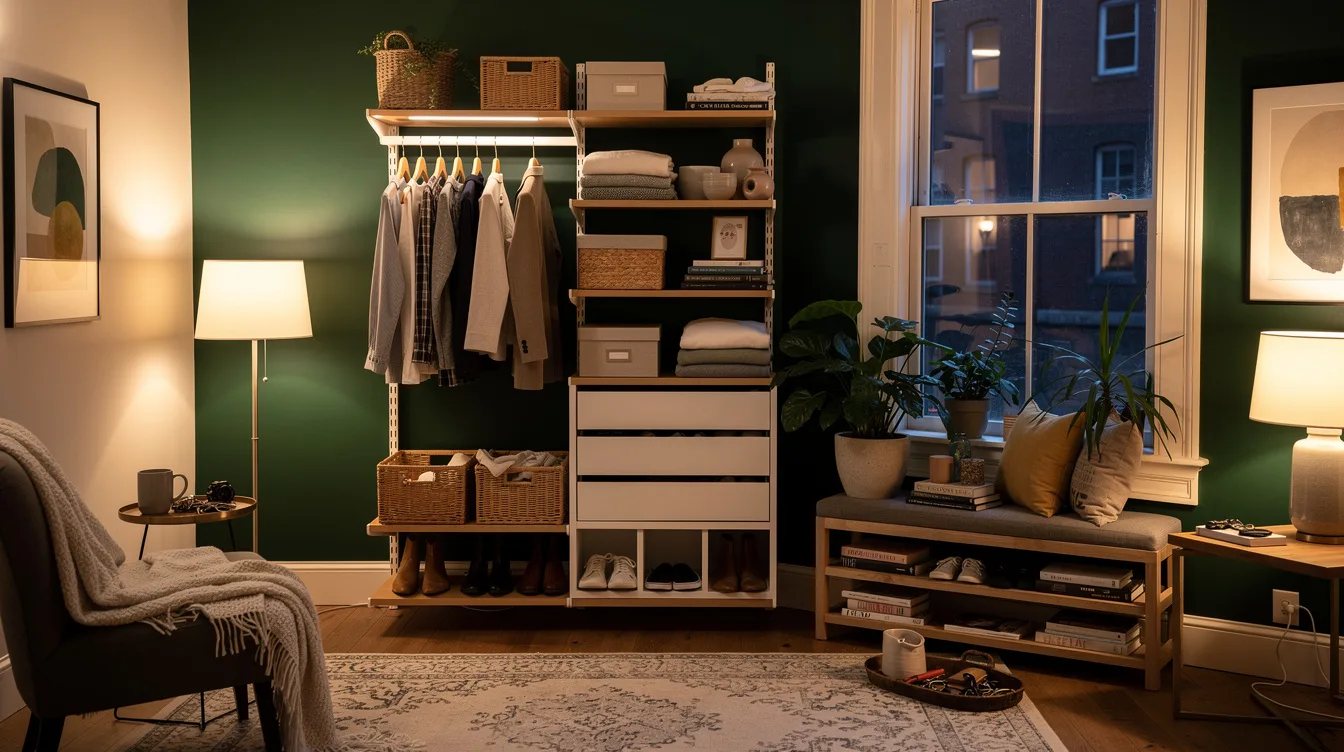
Add a bamboo or solid-pine shelf surface where the eye lands first, such as the top shelf or a folded-clothing bay. Wood-look surfaces soften the industrial steel and create the furniture cue that helps an Elfa system resemble a boutique closet.
One or two shelf toppers are enough for a restrained budget. Covering every shelf can consume the money better spent on lighting and matching containers, especially when the base system already provides useful ventilated storage.
Hide Visual Noise in Matching Bins
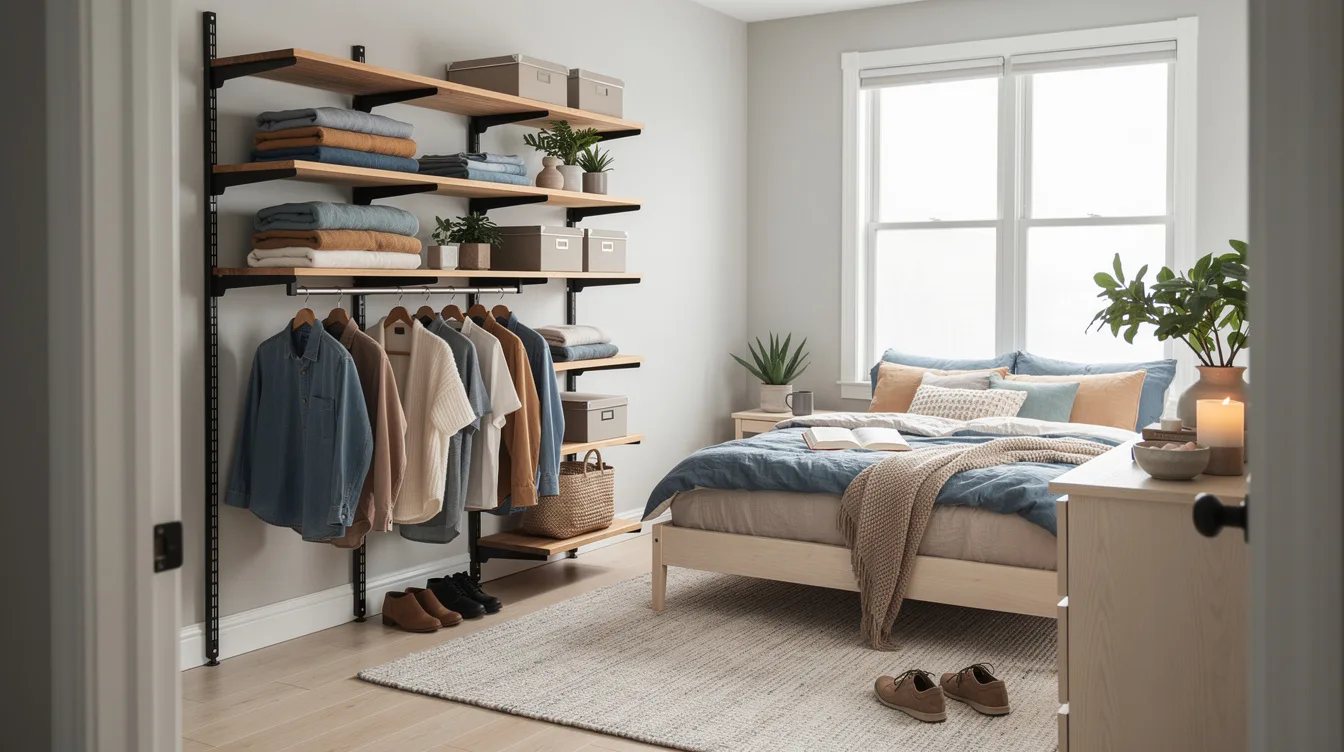
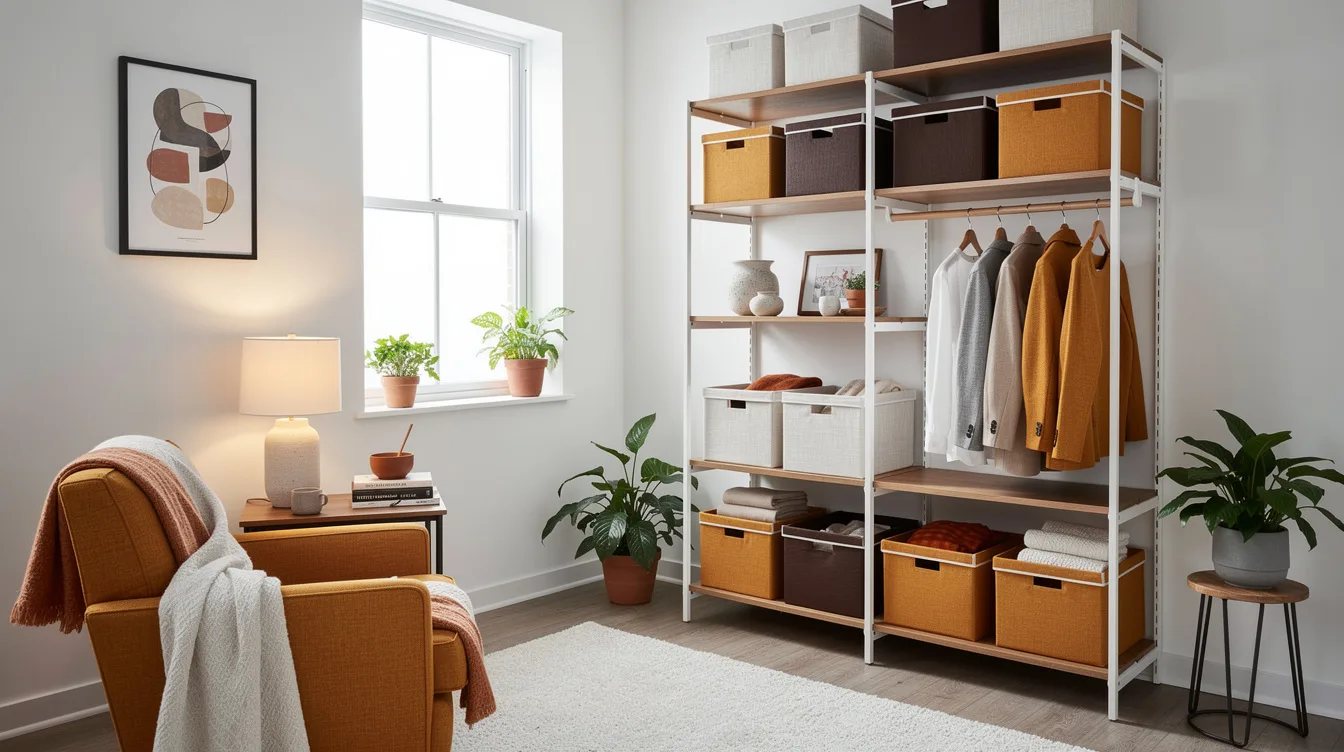
Use identical ivory fabric or canvas bins for small accessories, seasonal items, and soft goods that do not need to remain visible. Matching fronts create a quiet block of color and conceal the uneven shapes that make open shelving look inexpensive.
Choose bins that fit the actual shelf depth instead of buying a large set first. A few correctly sized containers from Target, Walmart, or IKEA will look more deliberate than a crowded collection of mismatched plastic boxes.
Warm the Closet With 2700K Lighting
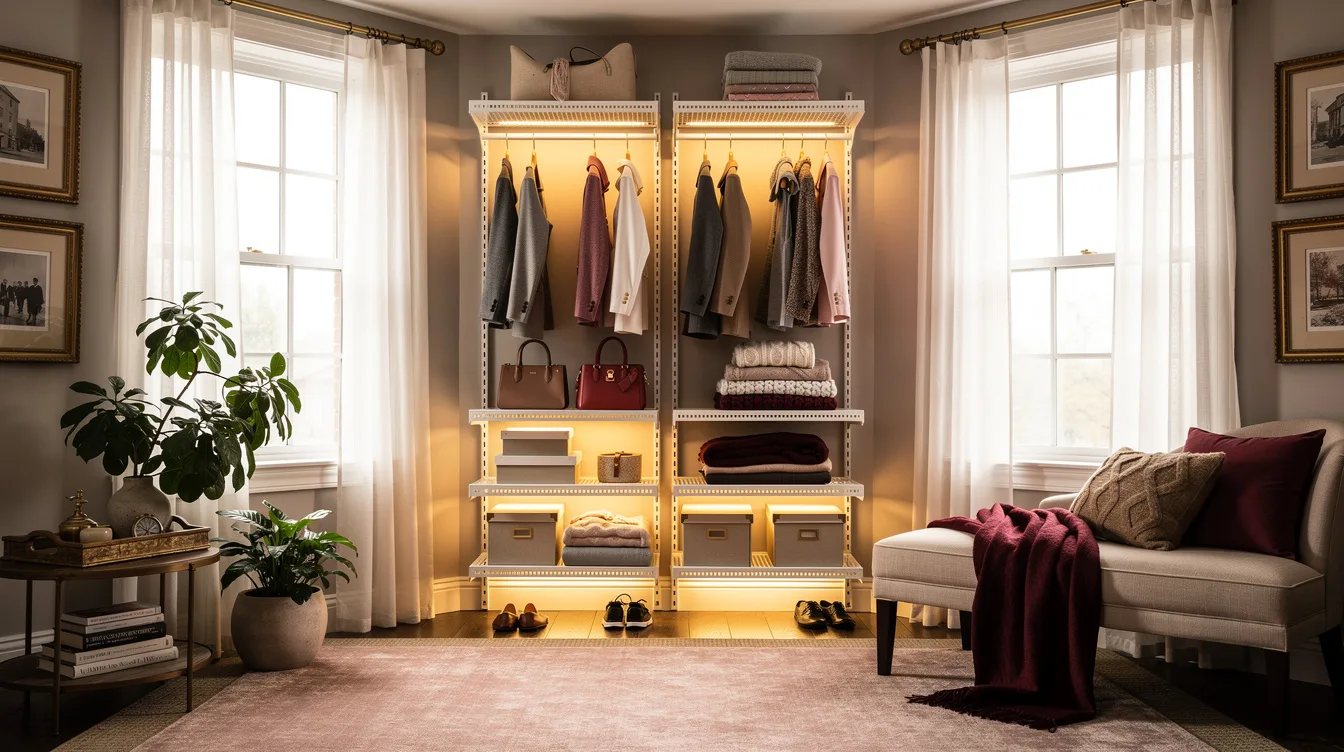
Install a slim 2700K to 3000K LED strip beneath the upper shelf or along the front edge of the hanging bay. Warm light gives white steel and wood-look surfaces a richer tone while making clothes easier to distinguish.
Look for a low-profile, plug-in option from Amazon or Home Depot and hide the cord along the standard where possible. Cool blue lighting makes the system feel utilitarian, so skip it even when the price is tempting.
Add One Brass-Toned Detail
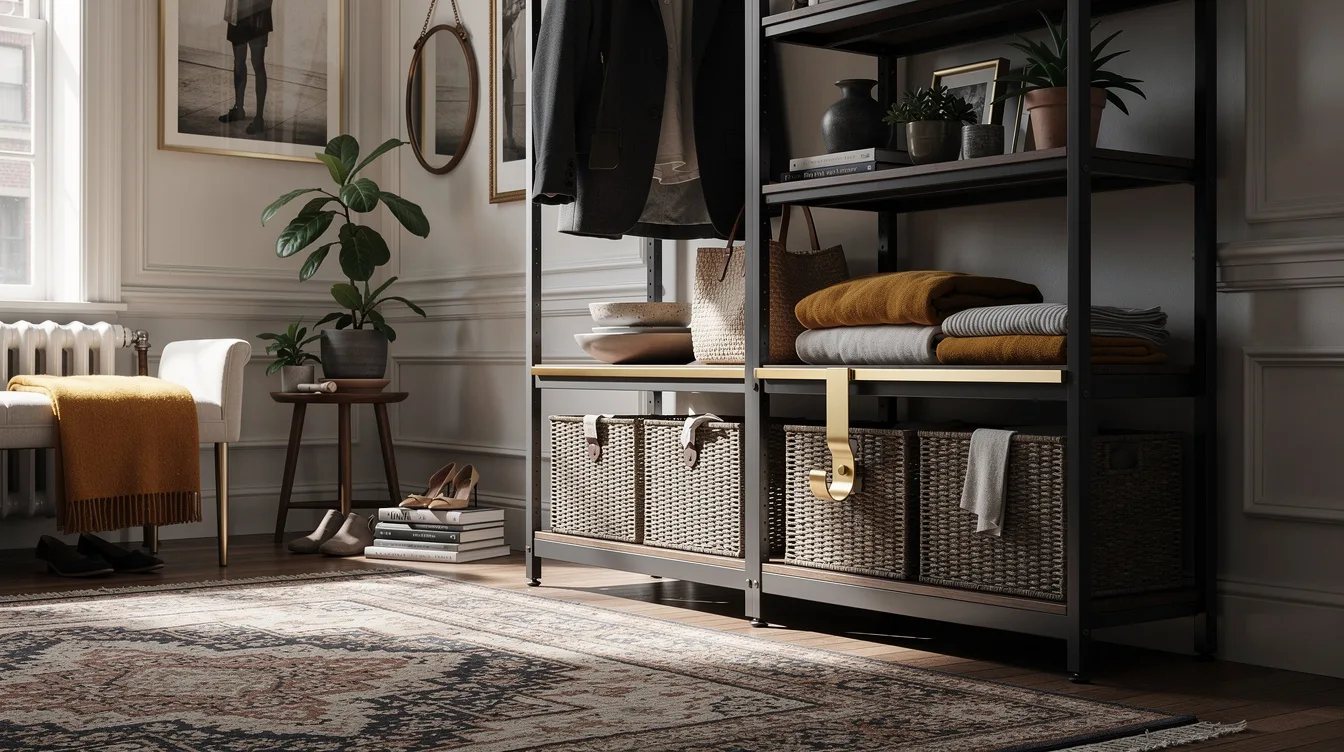
Introduce a single group of brass label holders on fabric bins, drawer fronts, or a small accessory tray. The warm metal provides contrast against white or graphite steel without forcing the budget toward expensive hardware.
Keep the accent narrow and repeat it once or twice, rather than scattering brass across every component. A restrained detail reads like a design decision; too many metallic pieces make a starter kit look decorated instead of built.
Reserve Drawers for High-Value Storage
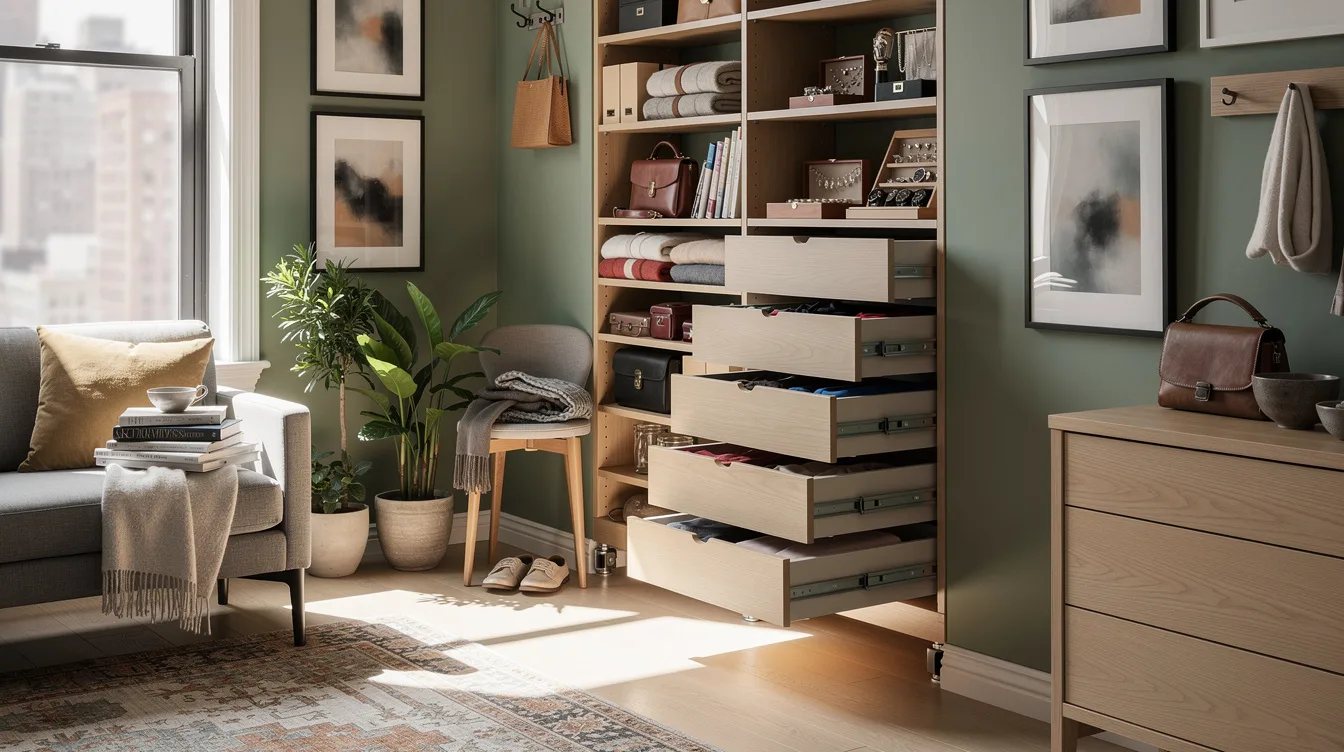
Choose the Elfa Classic 2-foot Closet Kit with drawers only when accessories, handbags, or folded clothing truly need concealed storage. A discounted kit can land around $336, leaving roughly $10 to $14 for labels or a small light while staying near the cap.
Mesh drawers are especially useful for small items because contents remain visible without sitting in open piles. Add consistent liners and acrylic dividers, then stop buying accessories once the drawer tower has a clear purpose.
Protect the Budget With a Finish Layer
Spend first on the Elfa wall-hung steel structure, then reserve the remaining money for the details people notice from the doorway: aligned shelf surfaces, identical bins, warm light, and one repeated accent.
A typical $220 base system with about $100 in coordinated finishes can look more considered than a $350 installation crowded with random organizers. Before checkout, total the kit, shelf toppers, bins, lighting, and shipping so the final number stays below $350.
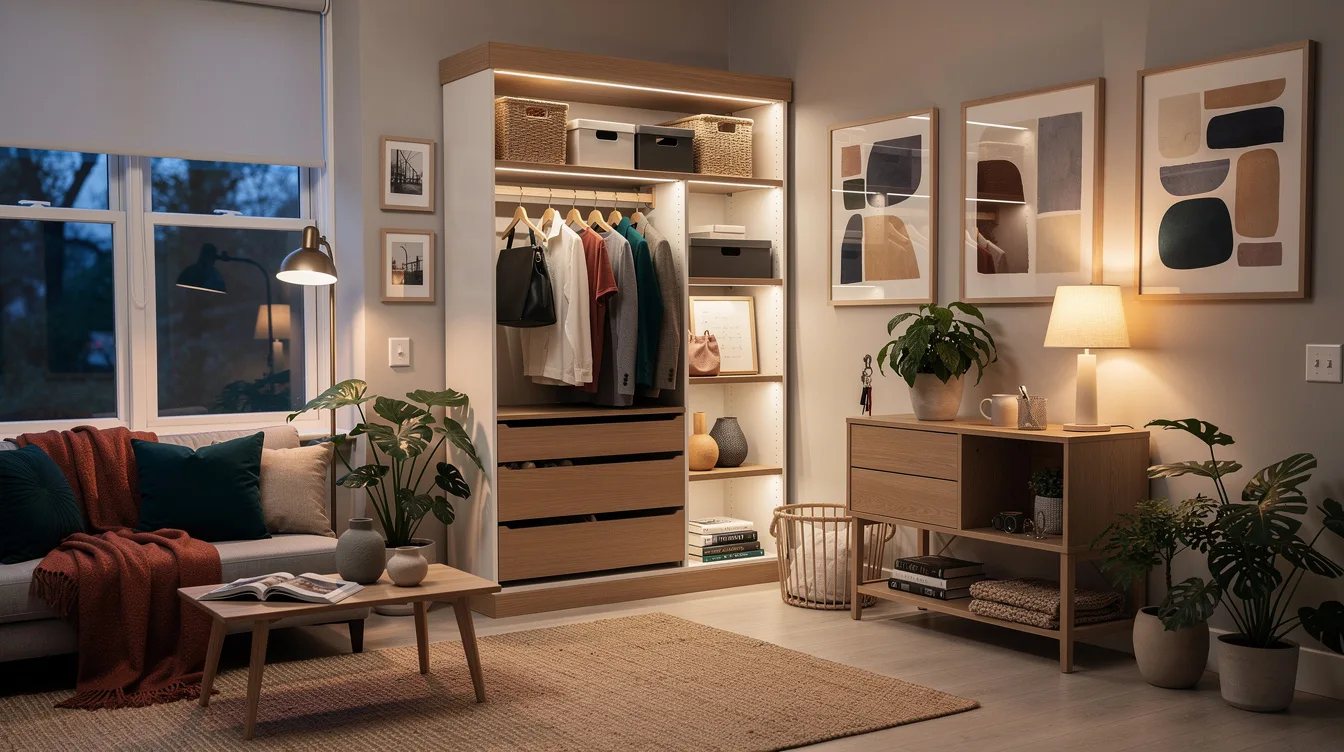
Measure the closet depth first, then choose the 36-inch or roughly 48-inch base that fits without crowding the doors. After that, buy one coordinated finish layer and stop before extra accessories dilute the clean lines.