
13 Hotel Bed-Layering Steps Housekeepers Use for a Five-Star Finish
26 august 2026A polished hotel bed begins with a very practical detail: the fitted sheet cannot ripple beneath the sleeper. On a typical 60-by-80-inch queen bed, five to seven purposeful layers create the plush look without turning the mattress into a pillow pile.
Housekeepers rely on smooth cotton, a generously sized duvet, and matching drops on both sides. The result looks composed at 9 a.m. And still feels easy to sleep in at midnight.
What you will find inside
- Start With Support, Then Add Cushion
- Pull On a Quiet Breathable Protector
- Match Pocket Depth Before Buying Sheets
- Choose Crisp Percale for the Base
- Add the Flat Sheet With a Generous Turnback
- Size Up the Duvet for Even Drops
- Use a Washable White Duvet Cover
- Fold the Top Sheet Over the Duvet
- Tuck the Foot With Hospital Corners
- Stack Sleeping Pillows Before Decorative Ones
- Frame the Bed With Euro Shams
- Fold a Lightweight Coverlet at the Foot
- Edit the Color Story Before Stepping Back
Start With Support, Then Add Cushion
Keep the mattress supportive and add a 3-inch cotton topper only when the surface needs softness. A topper should soften pressure points while leaving enough firmness underneath for the bed to feel stable when you sit or turn over.
For a queen, buy the topper in the mattress size and secure its corners before any linen goes on. Costco memory-foam toppers can be a sensible value, but skip anything so thick that your fitted sheet can no longer grip the mattress.

Pull On a Quiet Breathable Protector
A mattress protector is the invisible first layer, and it must lie flat. Choose Tencel or cotton protection over a crinkly plastic membrane, since noise and trapped heat ruin the calm, cool hotel impression.
Stretch it tight over every corner and check that no elastic has curled under the mattress. Target cotton protectors are useful for a guest bed because they add washable protection without changing the feel of the mattress much.
Match Pocket Depth Before Buying Sheets
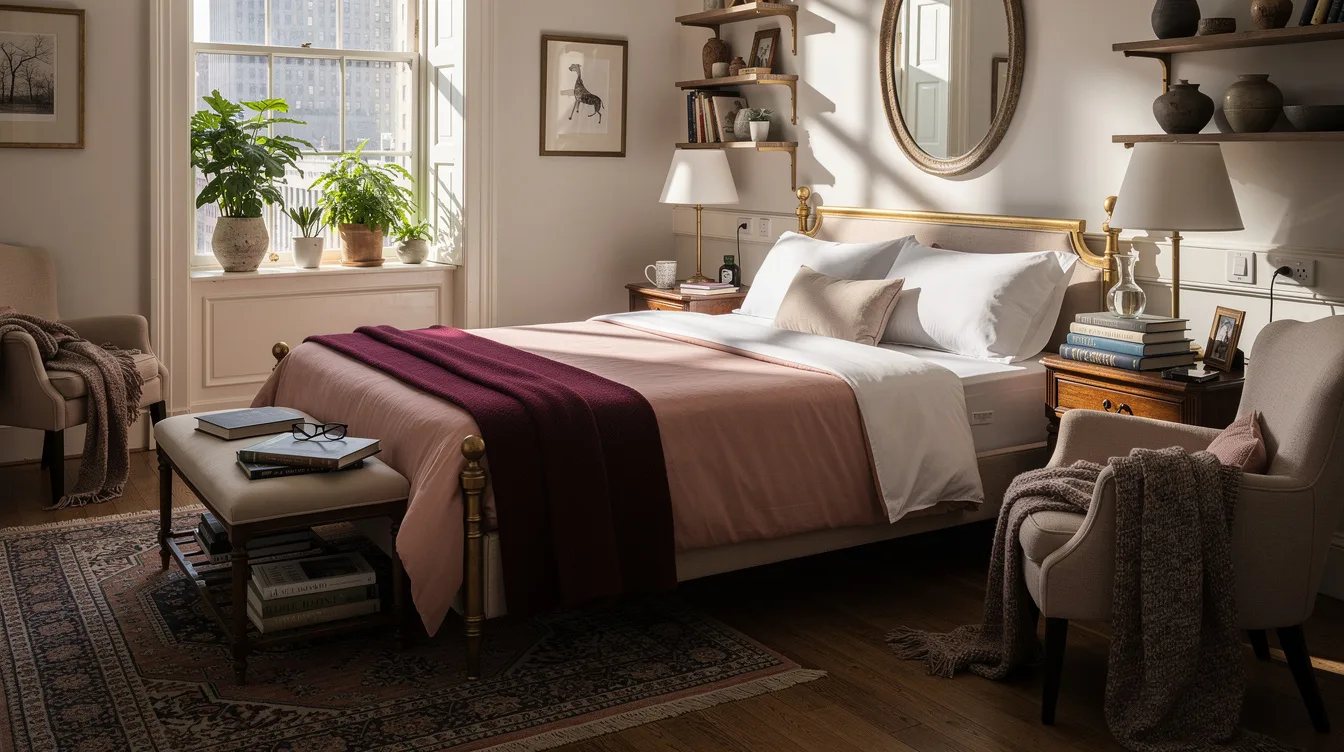
Measure the mattress and topper together, then choose a fitted sheet with a pocket about 2 inches deeper than that total. A roughly 10-to-12-inch mattress setup usually needs a sheet that can accommodate about 14 inches, not a loose oversized pocket.
Use white long-staple cotton for the cleanest hotel-style base. A fitted sheet that stays taut makes the whole bed look more expensive, while loose corners make even excellent bedding feel careless.
Choose Crisp Percale for the Base
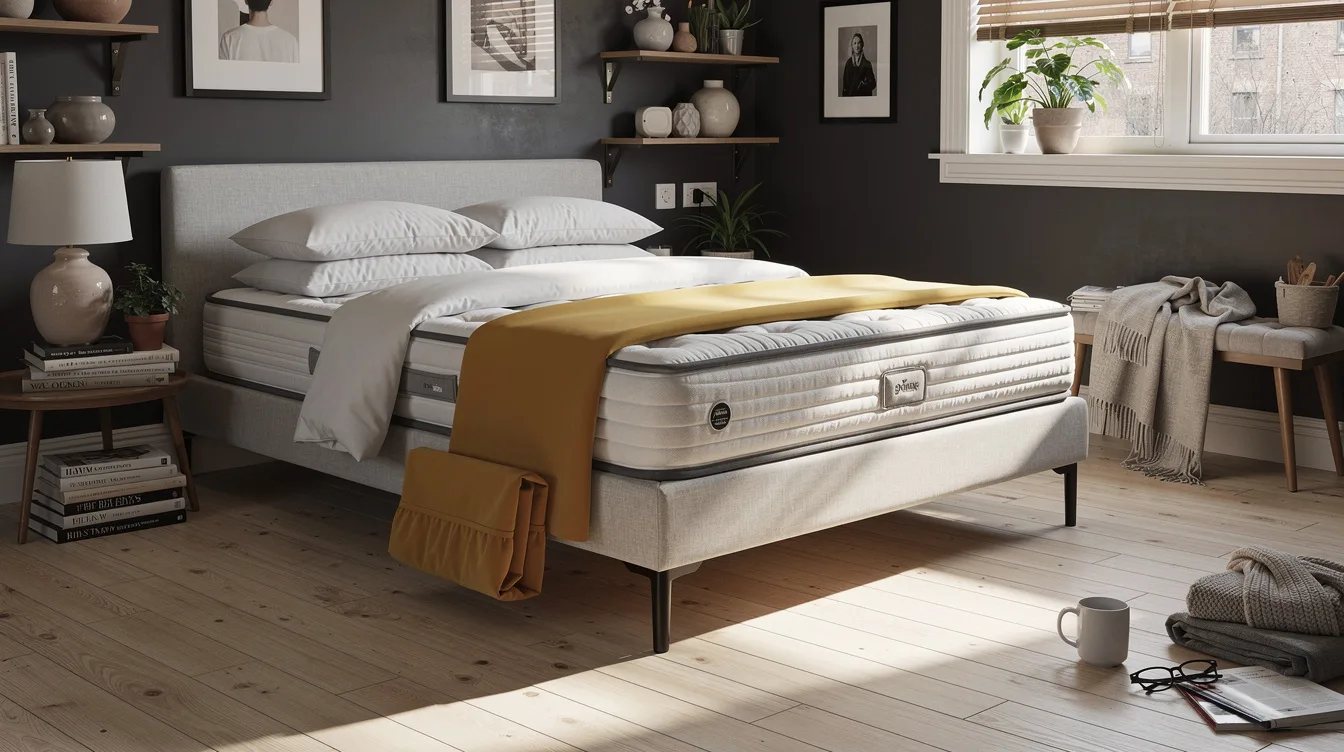
For the classic cool hand of a hotel bed, choose cotton percale sheets in a typical 200-to-300 thread-count range. Percale has a matte finish and a light, crisp feel that reads fresher than shiny fabric under bright bedroom light.
IKEA DVALA cotton sheets offer a practical place to start if you want an uncomplicated white set. Satin weave can work for people who prefer a smoother, warmer feel, but percale gives the sharper housekeeper finish.

Add the Flat Sheet With a Generous Turnback
The flat sheet is the layer many home beds miss, yet it does much of the visual work. Place the white flat sheet face down over the fitted sheet, leaving enough fabric at the head to fold back over the duvet later.
For a queen bed, a flat sheet around 106 by 122 inches gives useful side coverage and a proper top fold. Tuck the foot smoothly, then leave the upper portion free so the bed stays comfortable rather than tightly wrapped.

Size Up the Duvet for Even Drops
A duvet should fall evenly beyond both mattress edges, usually by about 6 to 10 inches per side for a hotel-style profile. On a queen, a king-size down-alternative comforter often creates that generous drop better than a queen comforter.
Buy for the mattress width and bed-frame height, not the label alone. Wayfair oversized comforters can be worth considering when a tall platform bed exposes too much mattress with a standard-size duvet.

Use a Washable White Duvet Cover
Put the duvet inside a white cotton duvet cover and align every corner before buttoning or zipping it closed. The cover creates the smooth, unified surface associated with a suite bed and makes regular washing far less complicated.
Shake the insert down toward the foot, then pull it back into the top corners before making the bed. Amazon cotton duvet covers with interior ties help stop the insert from bunching into one stubborn side overnight.

Fold the Top Sheet Over the Duvet
Bring the flat sheet over the duvet, then fold both layers down together at the head of the bed. That clean band of white percale is a familiar hotel detail because it frames the sleeping area without adding another bulky textile.
A fold around 8 to 12 inches deep usually looks balanced on a queen bed. Keep the fold straight from corner to corner, because a lopsided turnback draws more attention than any decorative pillow can fix.

Tuck the Foot With Hospital Corners
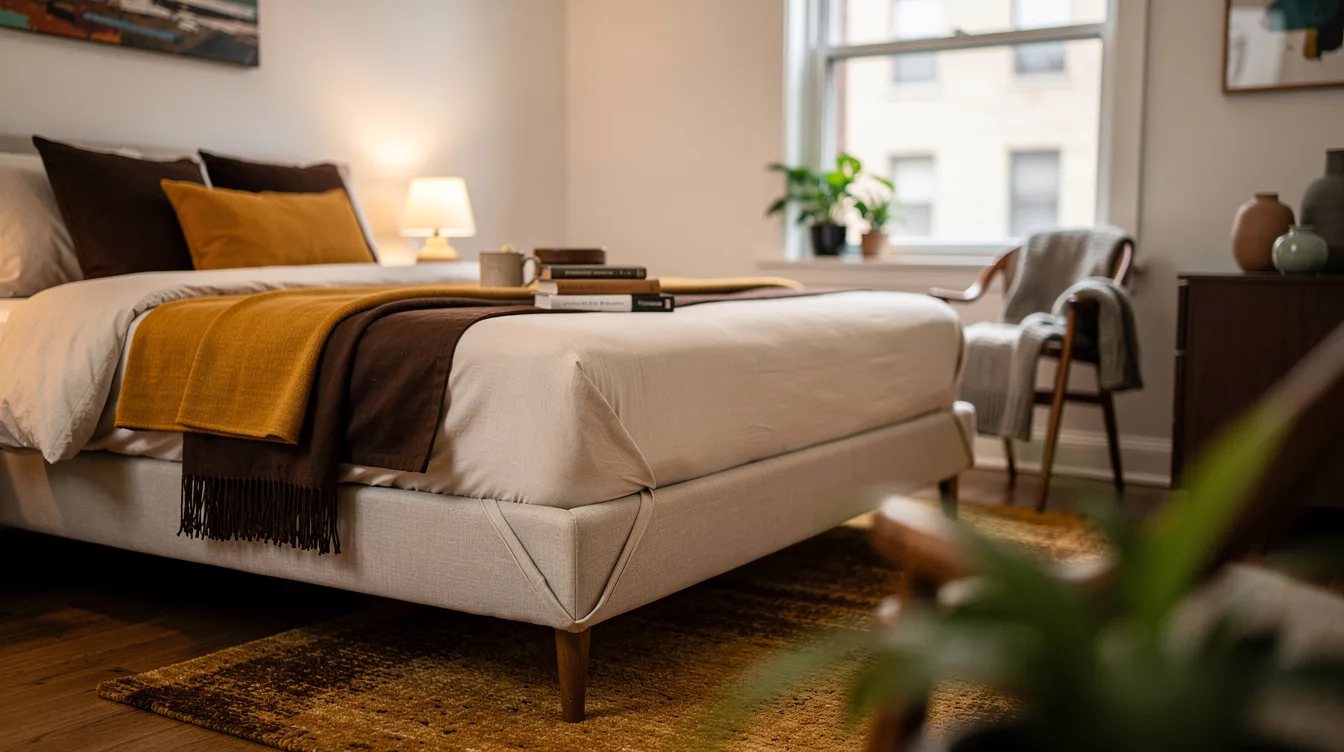
At the foot, use hospital corners to give the linens a squared, disciplined edge. Lift the side of the flat cotton sheet into a diagonal, tuck the hanging fabric under the mattress, then lower and tuck the triangle.
Do this only at the lower third of the bed, leaving the top easier to pull back. The goal is a crisp visual frame, not a bed so tightly tucked that guests have to wrestle their way under it.
Stack Sleeping Pillows Before Decorative Ones
Build the pillow arrangement around actual sleep, not display. A queen bed works well with four standard or queen pillows, two upright against the headboard and two in front, especially when two sleepers use different lofts.
Use matching pillowcases in the same white fabric as the sheets for a unified field. Home Depot pillow protectors can keep the sleeping pillows fresher while preserving the clean, identical look from the doorway.

Frame the Bed With Euro Shams
Add two 26-inch Euro shams when the headboard is tall enough to support them. Their square shape gives the bed a broad, structured silhouette and fills the visual gap that standard rectangular pillows often leave.
Place them behind the sleeping pillows for a tailored look, or in front for a softer, lounge-like setup. Walmart Euro pillow inserts are an easy option, but choose firm fills so the shams stand up instead of slumping by breakfast.

Fold a Lightweight Coverlet at the Foot
A lightweight coverlet belongs across the lower third of the bed, folded lengthwise into a neat band. Use waffle-weave cotton or a thin quilt, since this layer adds shape and protects the duvet from shoes, pets, and luggage.
It should look intentional, not heavy enough to become another comforter. Lowe's neutral throws can work in a pinch, but a full-width coverlet gives a queen or king bed a more symmetrical finish.

Edit the Color Story Before Stepping Back
Keep the main field white, ivory, or soft warm gray, then limit the foot layer and accent cushions to one restrained color family. Oatmeal linen, muted navy, or deep olive brings warmth without interrupting the calm order of the bed.
Skip glossy synthetic pillows and loud patterned sets that compete with the clean layers. Ace Hardware woven baskets beside the bed can hold the extra blanket, keeping the surface clear and the room ready for guests.

Begin with the fitted sheet and duvet size before buying any accents. A taut white base plus one oversized insert will do more for the room than a stack of decorative pillows ever will.