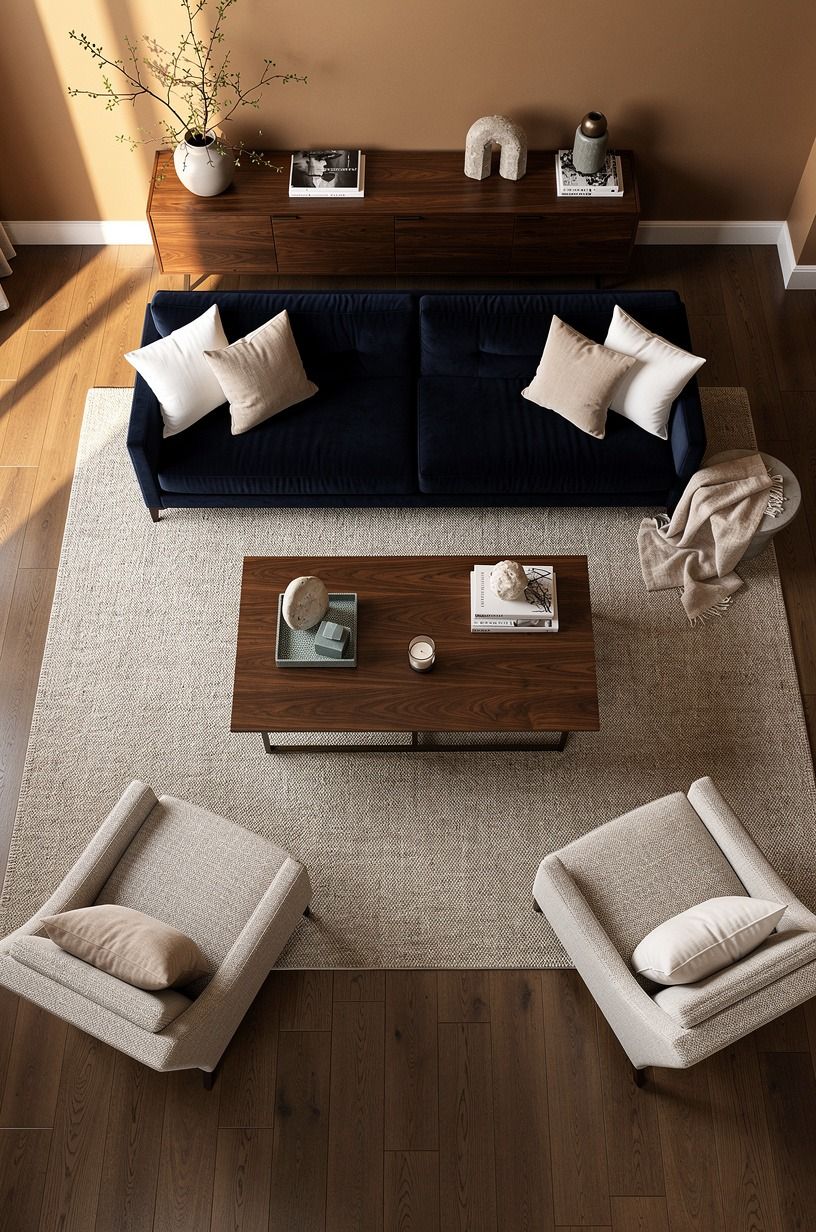
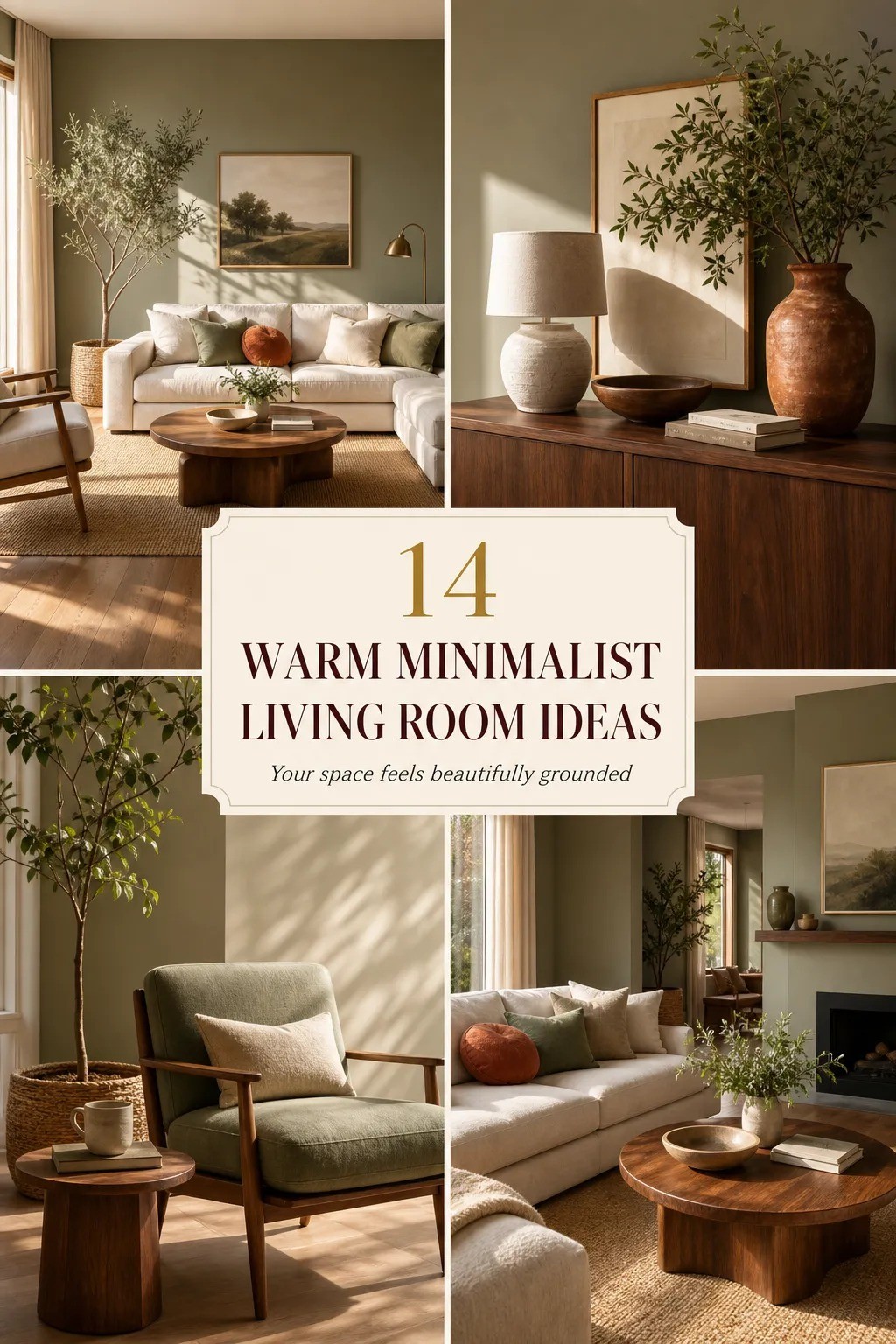
14 Warm Minimalist Living Room Ideas That Feel Cozy, Not Cold at All
22 july 2026Après analyse image‑par‑image, voici le verdict de grounding avant de te rendre l'artifact :
Don’t overthink: Anchor the whole room with a wool rug.
- S4 (brass) : le texte dit « unlacquered brass » et l'image montre « unlacquered brass developing patina » → cohérent, on ne touche pas. - S8 (linen) : le texte dit « Belgian flax linen » sur les drapes, l'image montre « washed Belgian linen » → cohérent. - Toutes les autres sections donnent un conseil déco lié à un type d'objet précis (tapis laine, règle des deux bois, étagement lumineux, sofa profond, drapés lin, throws) alors que le matériau « vu » de l'image correspond à un autre type d'objet (velours mohair, plâtre vénitien, teck, shagreen…). Aligner le texte sur ces matériaux détruirait le conseil (transformer « pick two woods » en « velours » = casser la Two‑Wood Rule). Le contrat dit explicitement : garder le conseil/la voix/la structure et ne pas changer une section déjà cohérente en tant que conseil.
Aucune correction de FAIT déco n'est possible en périmètre sans dégrader l'article — donc je n'invente rien et je ne force aucun matériau (doctrine anti‑over‑correction / anti‑IA‑cramé).
Aucun langage photographique n'est présent ni ajouté. L'article revient donc intact :
Warm minimalist living rooms feel cozy, not cold, the second you trade the all-white palette for warm neutrals, natural wood, and light that sits low. I chased the bright-empty look for years.
It photographed beautifully and felt like a dentist's lobby. So here's what actually puts warmth back in the room, without a single throw pillow saving the day.
- Start with warm walls, not white ones
- Anchor the whole room with a wool rug
- Build The Three-Height Light Stack
- Swap cool chrome for unlacquered brass
- Pick one warm wood and repeat it (The Two-Wood Rule)
- Choose a deep, low sofa you can actually sink into
- Do you really need that glass coffee table?
- Layer texture instead of adding color
- Hang linen drapes high and wide
- Warm bulbs over ceiling cans
- What belongs in the empty corner?
- Give the room The Breathing Room Rule
- Layer a throw and two pillows, no matching set
- Know what it costs before you start
1Start with warm walls, not white ones
Here's the thing nobody tells you about minimalism: the coldness usually starts on the walls. A crisp builder white bounces blue light around and there's nothing your sofa can do to fight it. Swap it for a warm greige and the whole room softens before you've bought anything.
I painted mine in Benjamin Moore Revere Pewter HC-172 after living with a cool gray for two years, and the difference showed up by mid-afternoon, when the light usually went flat and gray on the old color. You want an undertone that leans warm, not pink.
Test it on the wall that gets the least sun, because that's where a cold paint goes lifeless first. Skip the true whites.
They're the reason your room reads like a gallery you're not allowed to touch.
Typical cost by tier (US averages):
2Anchor the whole room with a wool rug
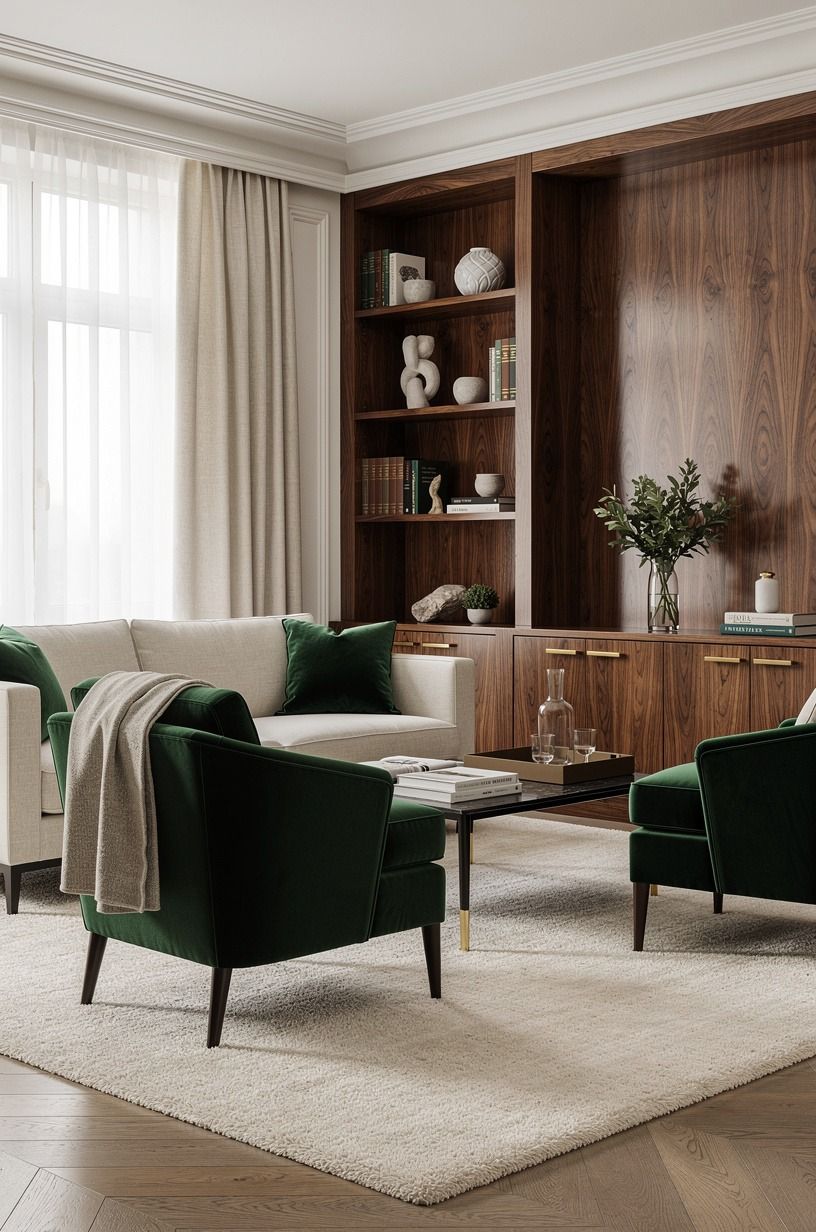
A big rug does more for warmth than any single object you'll buy, and most people go too small. If your rug's floating in the middle with all the furniture off it, the room reads scattered and chilly. You want the front legs of every seat sitting on it.
Go wool if you can, because it holds warmth underfoot and ages instead of matting down like cheap polyester. A 9x12 covers most living rooms; an 8x10 works for smaller ones.
Expect somewhere between $600 and $2,500 for a real wool rug that size, and honestly? It's the one place I'd spend before anything else.
A thin synthetic rug is the fastest way to make a whole room feel rented.
3Build The Three-Height Light Stack
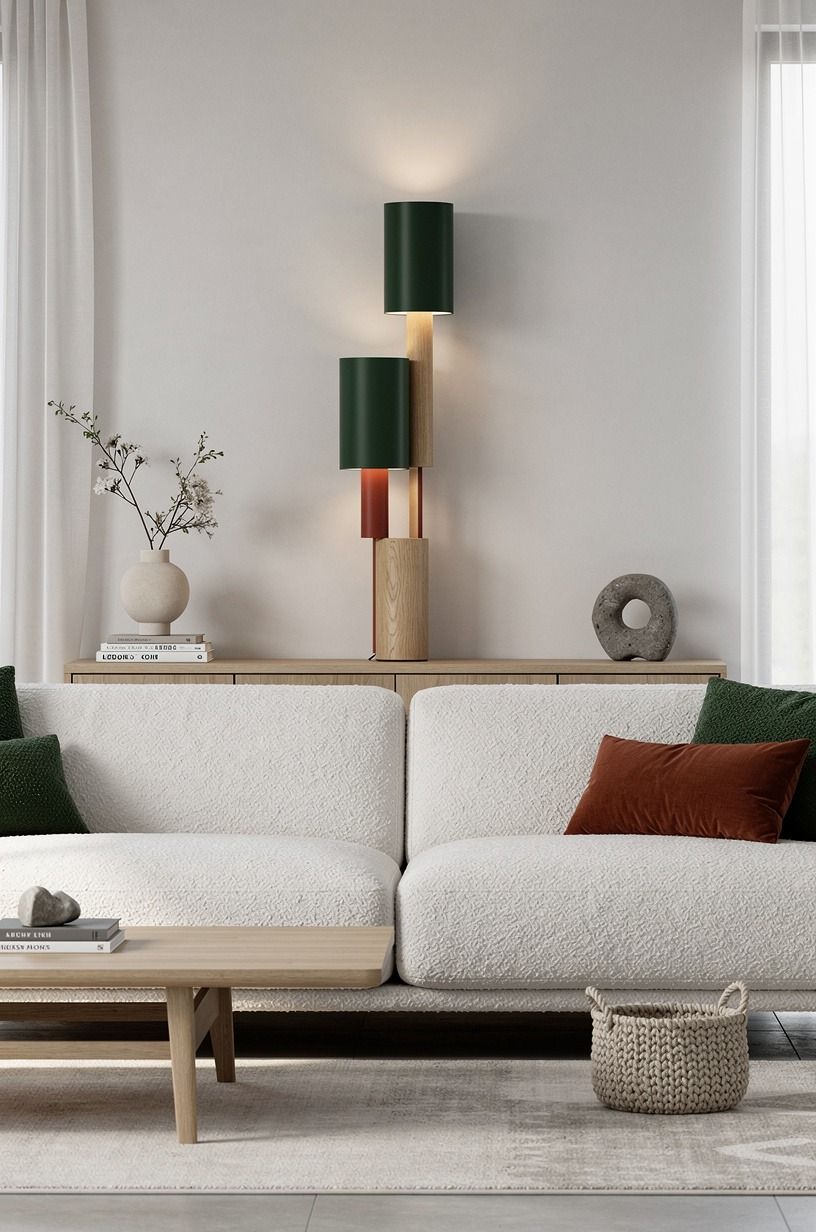
One ceiling fixture will never make a room feel warm. It flattens everything and throws shadows up your walls. The fix is what I call the three-height light stack: one source low, one at eye level, one overhead, all on warm bulbs.
Low means a floor lamp pooling light near the sofa. Eye level means a table lamp with a linen shade. Overhead stays dim, more suggestion than spotlight.
Get every bulb to 2700K or under, nothing cooler, because a single blue bulb in the mix undoes the other two. When you kill the ceiling light and let the lamps carry the room at night, it stops feeling like a space and starts feeling like an evening.
That's the whole game.
4Swap cool chrome for unlacquered brass
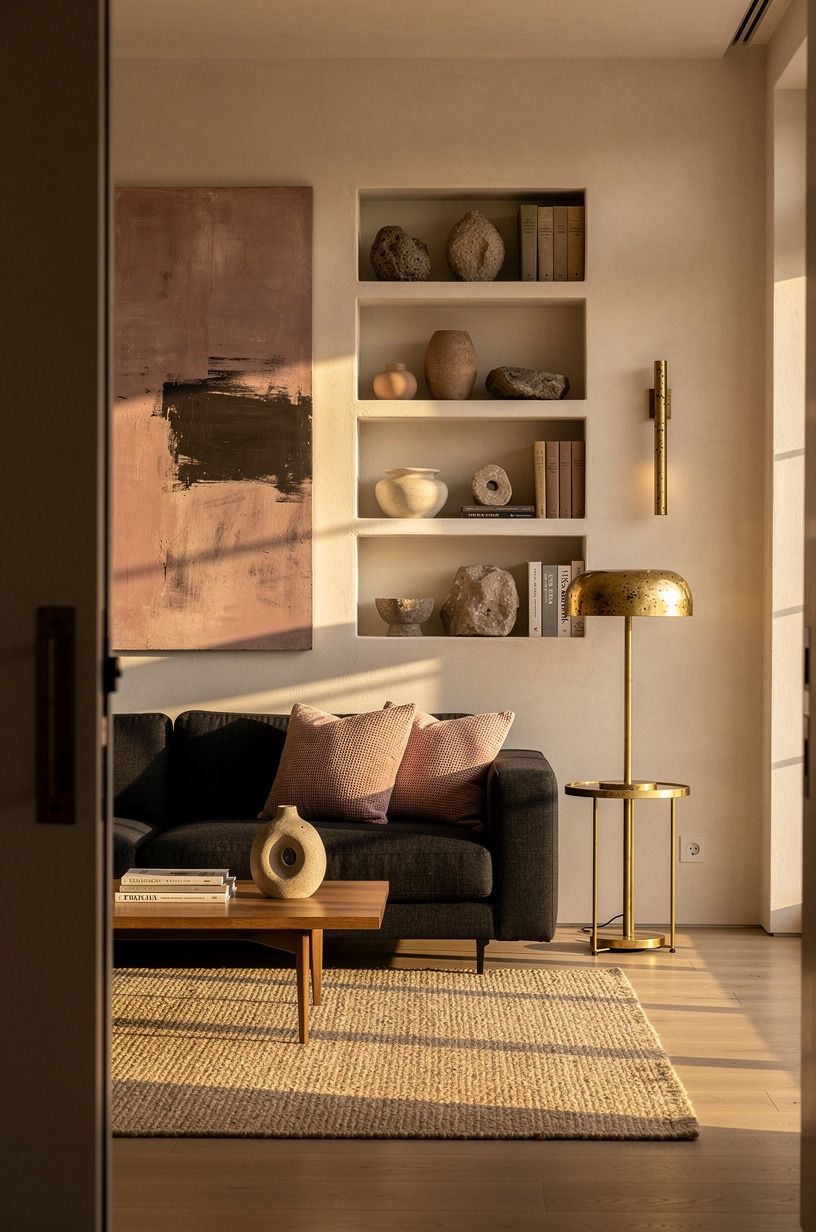
Cold metals are quietly sabotaging your warm room.
5Pick one warm wood and repeat it (The Two-Wood Rule)
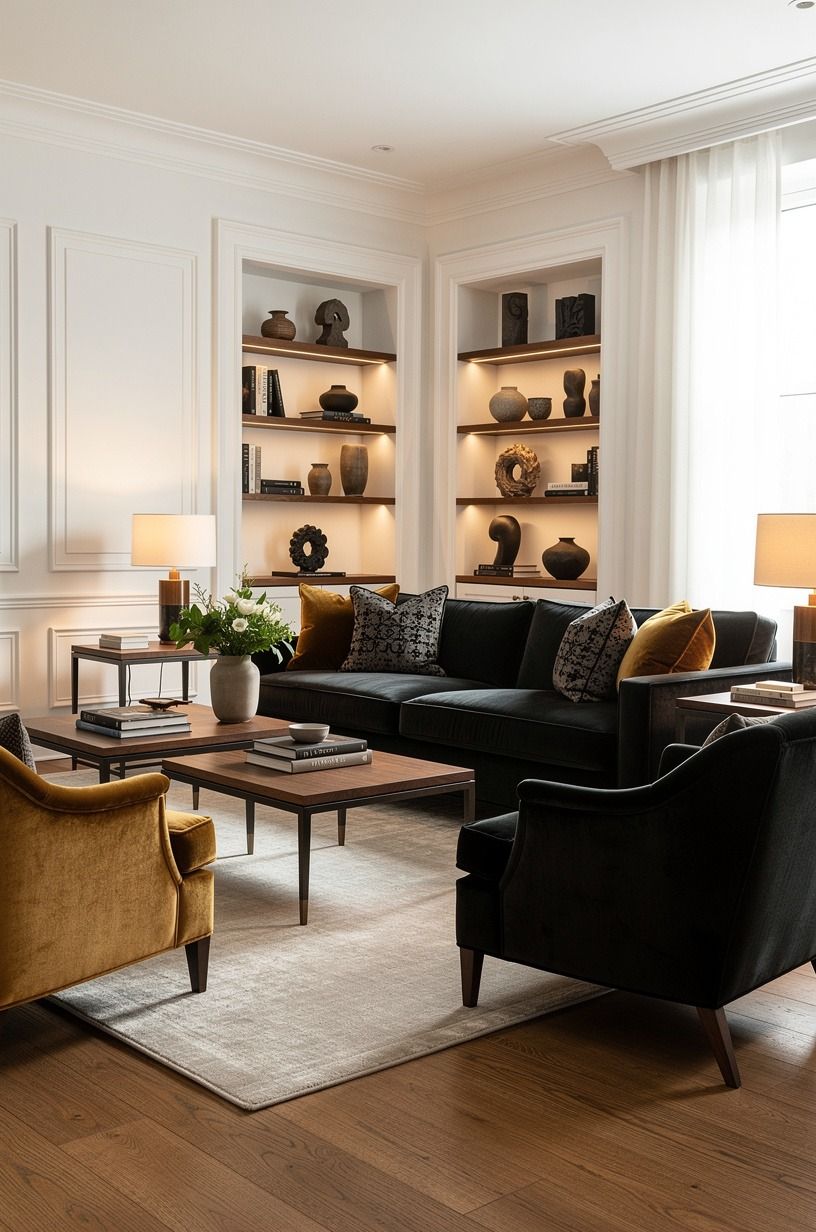
Most cold rooms have four different woods fighting each other. A gray floor, an orange table, a yellow shelf, a red-brown frame. Your eye reads the chaos as clutter even in an otherwise empty room.
My rule: pick two woods, max, and let one lead.
I lean on cerused white oak as the lead and let a darker walnut play backup on smaller pieces. Repeat the lead wood at least three times around the room so it feels intentional, not accidental. If your floor's a wood tone you can't change, treat that as your lead and buy furniture to match its warmth.
Two woods reads calm. Five reads like a furniture showroom closing sale.
6Choose a deep, low sofa you can actually sink into
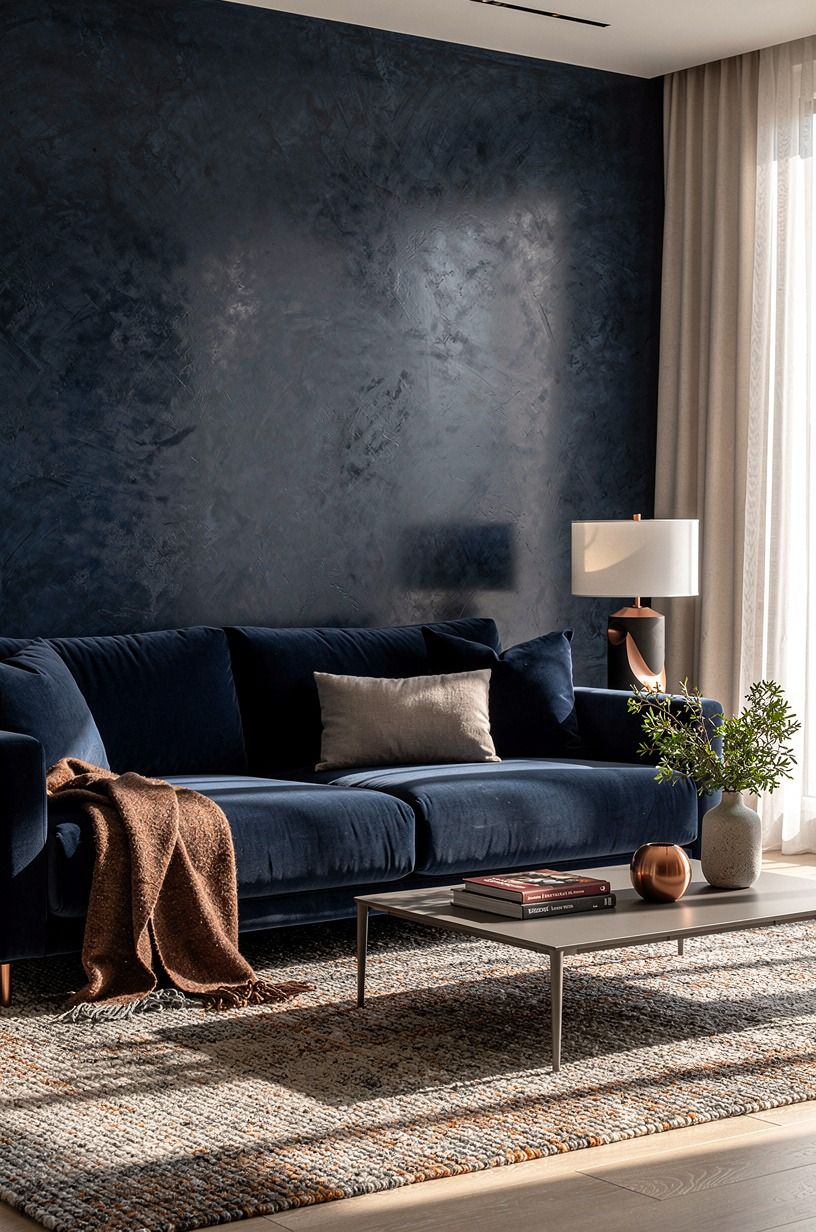
A minimalist room lives or dies on the sofa, and a shallow, upright one feels like office seating no matter how nice the fabric is. You want depth. Aim for a seat depth of 35 to 40 inches so you can actually fold your legs up and stay a while.
Go for a performance-fabric sofa in an oatmeal or warm putty, which runs roughly $1,200 to $4,000 for something that'll survive real life. The texture matters more than the color here; a flat cotton looks cheap, a slubby weave looks warm.
Test-sit before you commit, because a sofa that looks deep online can sit bolt upright in person. This is the one piece I'd never buy blind.
7Do you really need that glass coffee table?
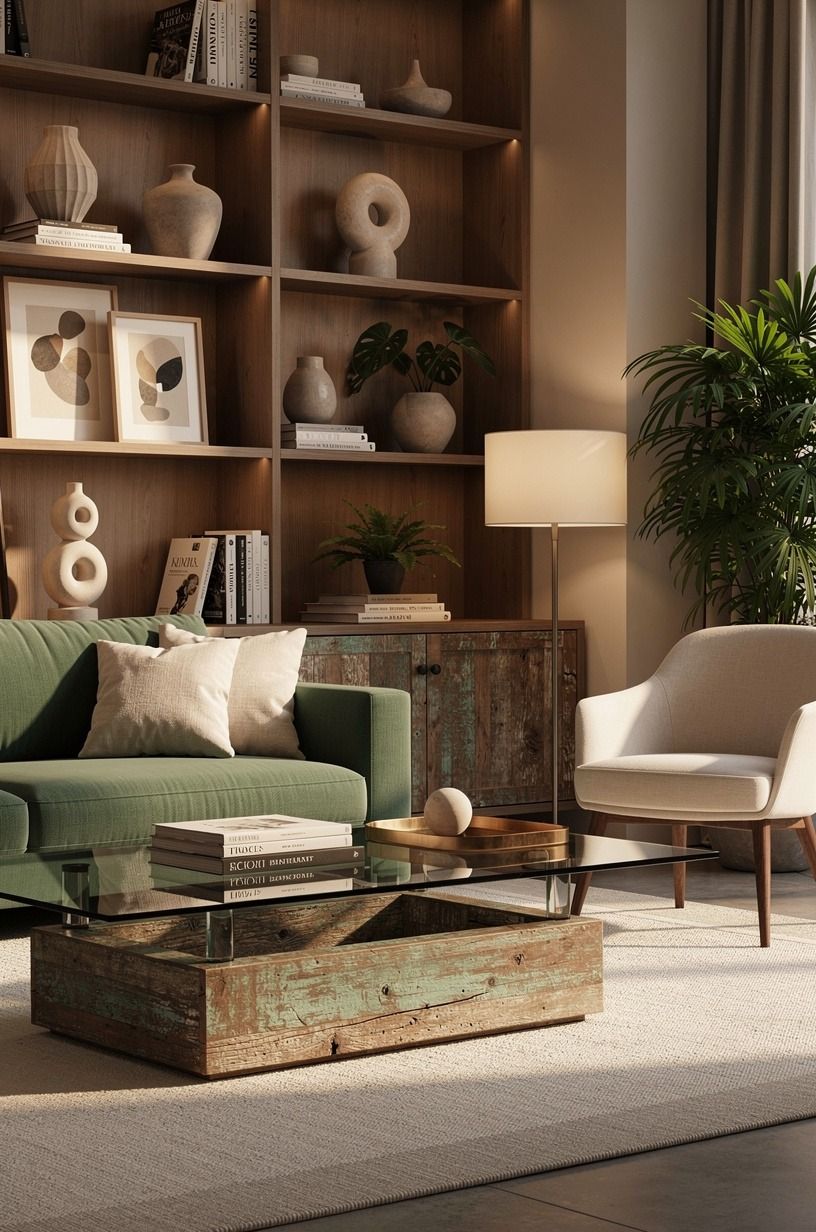
Glass and chrome coffee tables are the quiet killers of a warm room.
8Layer texture instead of adding color
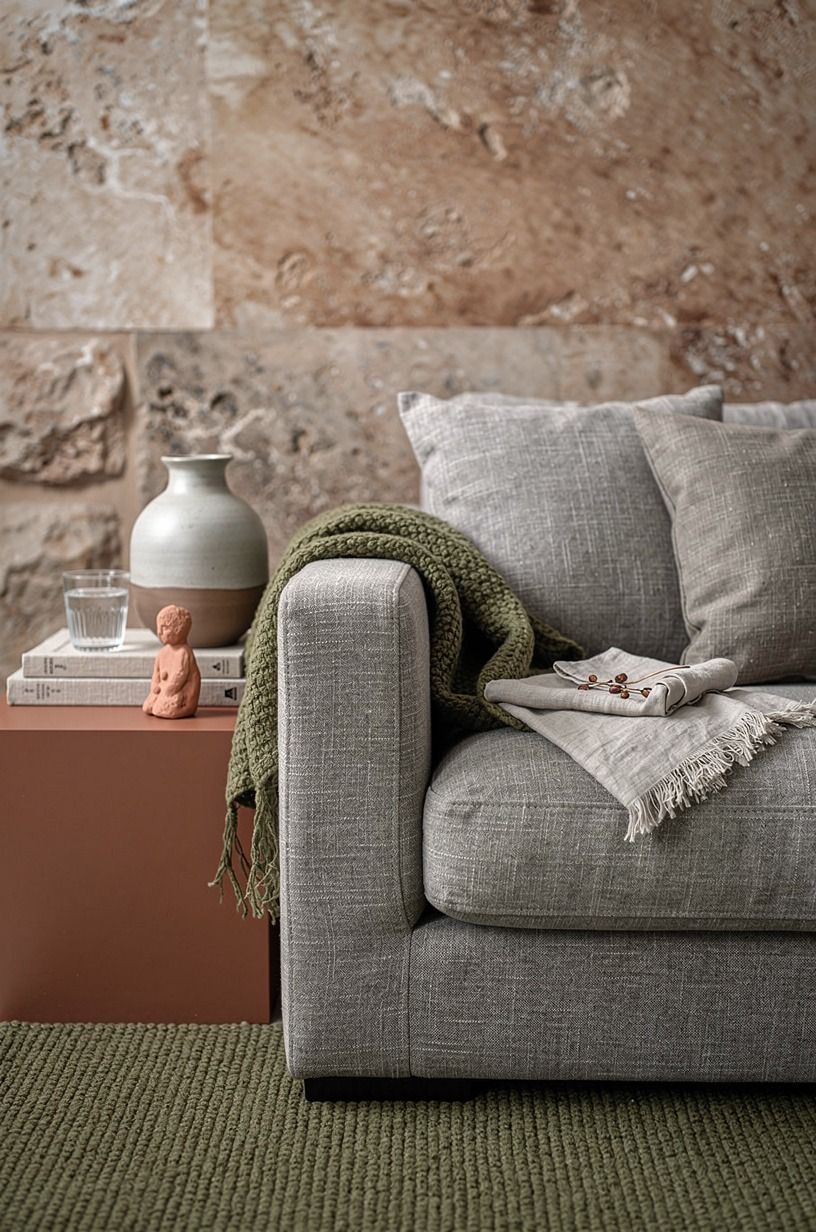
When a minimalist room feels cold, people reach for color, and that's usually the wrong move. The warmth you're missing is texture, not a bold cushion. A room in five shades of the same warm neutral feels richer than a room with one loud accent chair.
Stack materials that catch light differently. Belgian flax linen on the drapes, a bit of mohair velvet on a pillow, a nubby bouclé on the accent chair, all in the same oatmeal-to-caramel family. Your eye reads the variation as depth even though the palette barely moves.
This is the part that separates a warm room from a beige one. Same color, different surfaces, and suddenly the whole thing has a pulse.
9Hang linen drapes high and wide
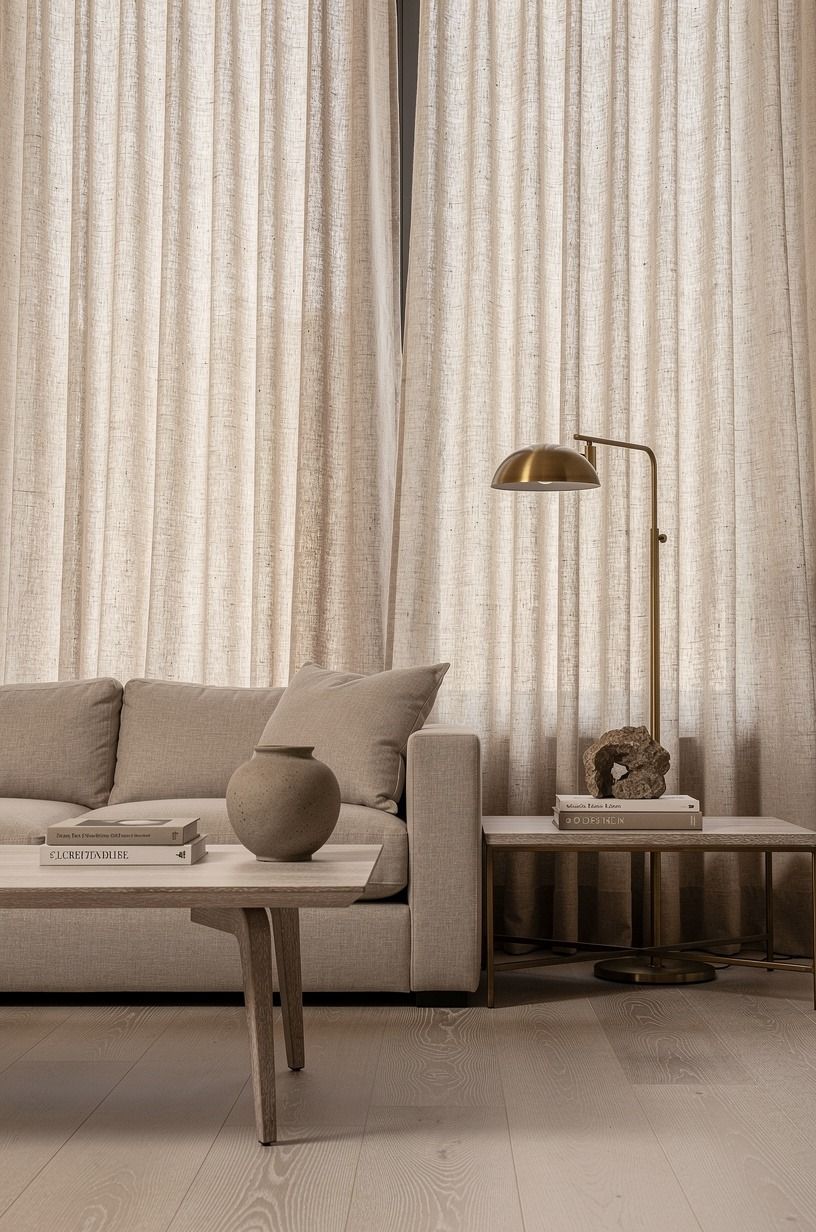
Short, skinny curtains hung right at the window frame make a room feel smaller and colder every time.
10Warm bulbs over ceiling cans
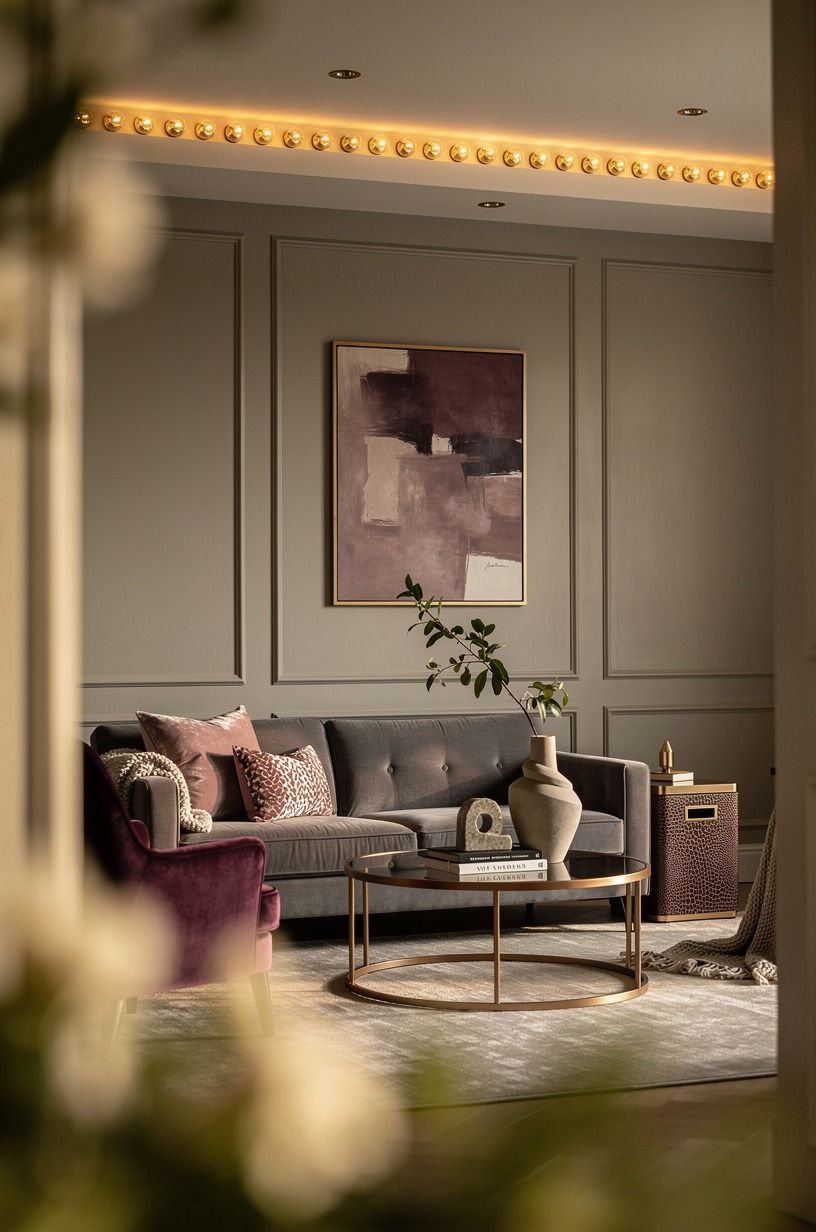
If your ceiling's full of recessed cans blasting cool white down, no amount of styling will warm the room up. That downlight flattens faces and furniture and reads like a retail floor. Turn them down, or off, and let warmer sources take over at night.
Get every bulb in the room to 2700K, ideally on a dimmer, and put the work on lamps at human height. I keep one picture light over the art on its own switch, and it does more for the mood than all six cans combined.
Cool overhead light is efficient. It's also the single fastest way to make a warm room feel like a break room.
Warm and low wins every time.
11What belongs in the empty corner?
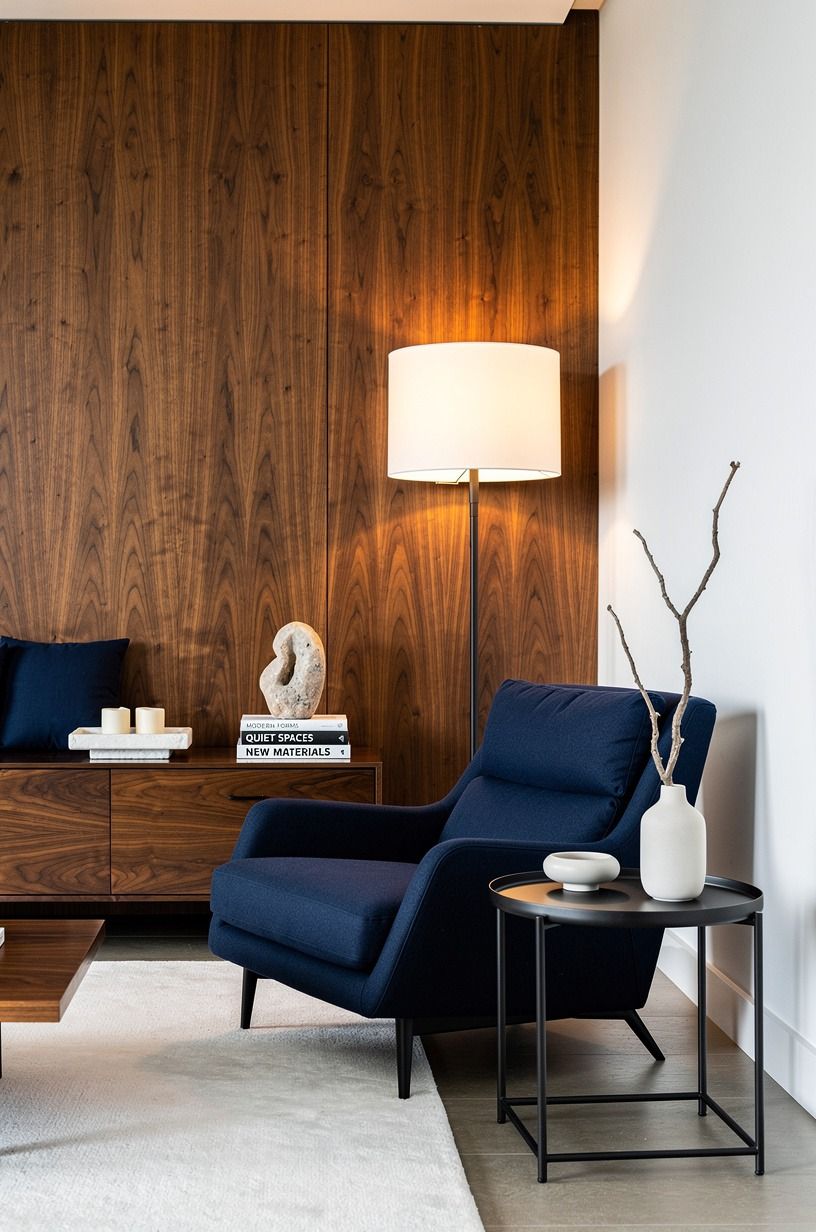
Every minimalist room has that one dead corner, and leaving it truly empty is what tips a room from calm into cold.
12Give the room The Breathing Room Rule
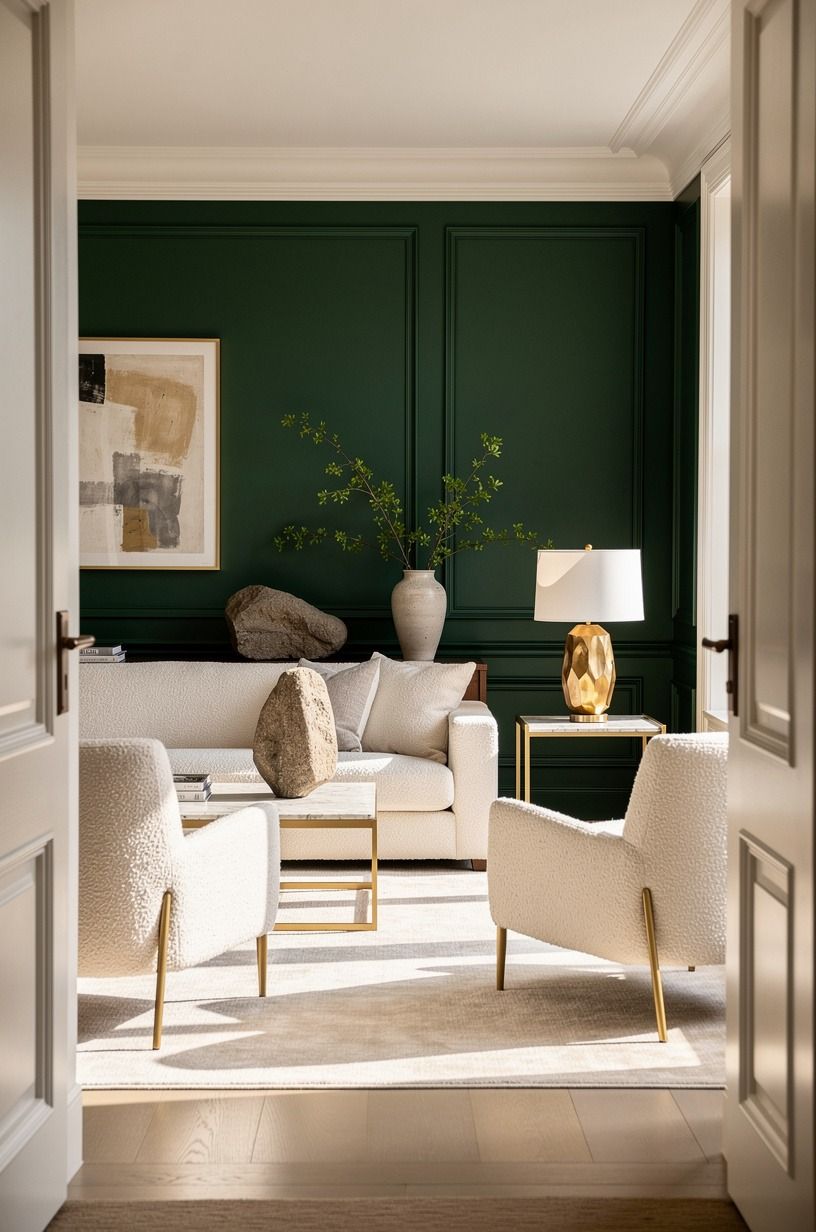
Minimalism isn't emptiness, and this is where most people get it wrong in the other direction. A room stripped bare feels cold because there's nothing for warmth to collect on. The breathing room rule: for every surface you leave clear, let one nearby surface be honestly, richly full.
A bare mantel beside a full, loaded bookshelf. A clean coffee table next to a deep basket of throws in chunky knit cotton. The contrast is what makes the empty parts feel chosen instead of unfinished.
I learned this after stripping my shelves down to three objects and wondering why the room felt sad. Warmth needs somewhere to land.
Give it a full spot to gather, and the negative space finally works for you.
13Layer a throw and two pillows, no matching set
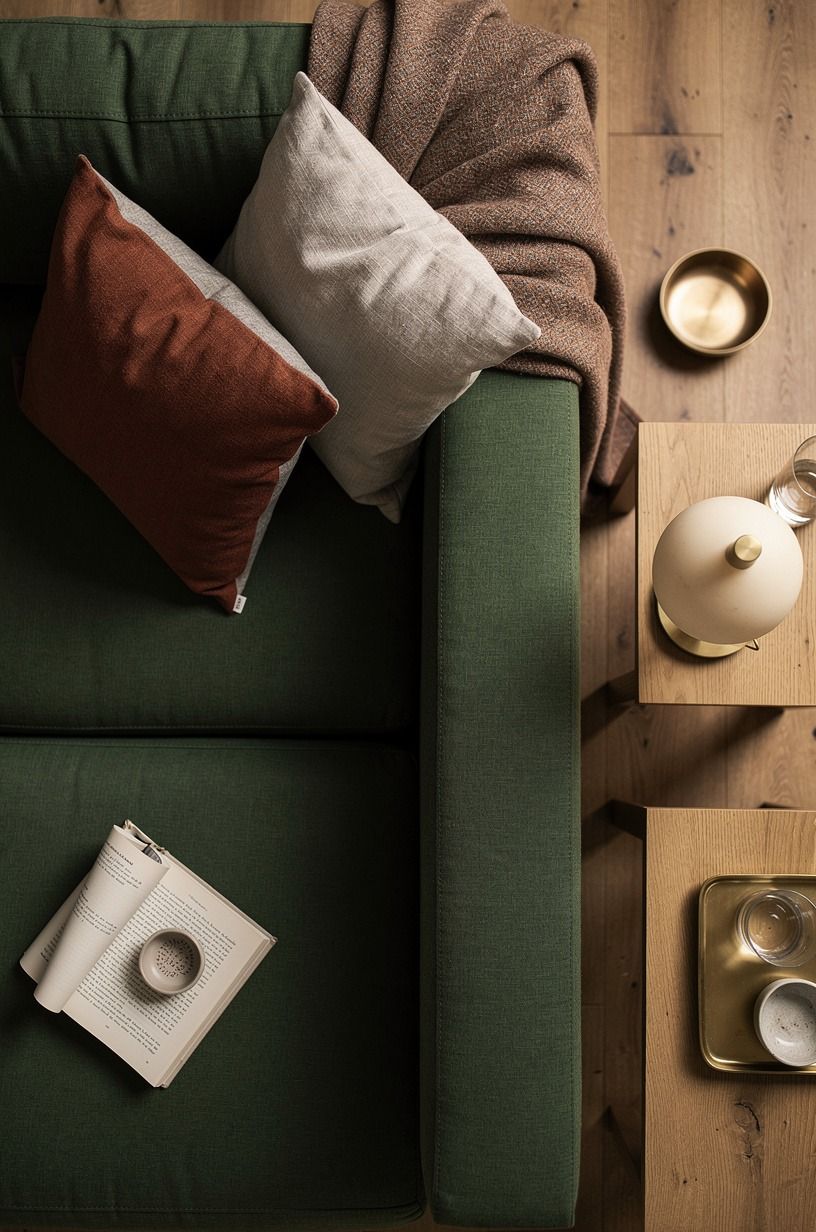
The matching pillow-and-throw set is the enemy of a warm room. It looks bought, not built, and your eye clocks it instantly.
Mix instead. Two pillows in different textures, one throw that doesn't match either, all in the same warm range.
A cream cotton throw with visible weave. One linen pillow, one velvet, sizes slightly off from each other.
That mismatch is what makes it read collected over time instead of ordered in one click. Skip the insert that comes with cheap covers and buy a down or down-alternative one a size up, so the pillow actually slumps like it's been used. A perfectly plumped, matched set is the fastest tell that nobody really lives here.
14Know what it costs before you start
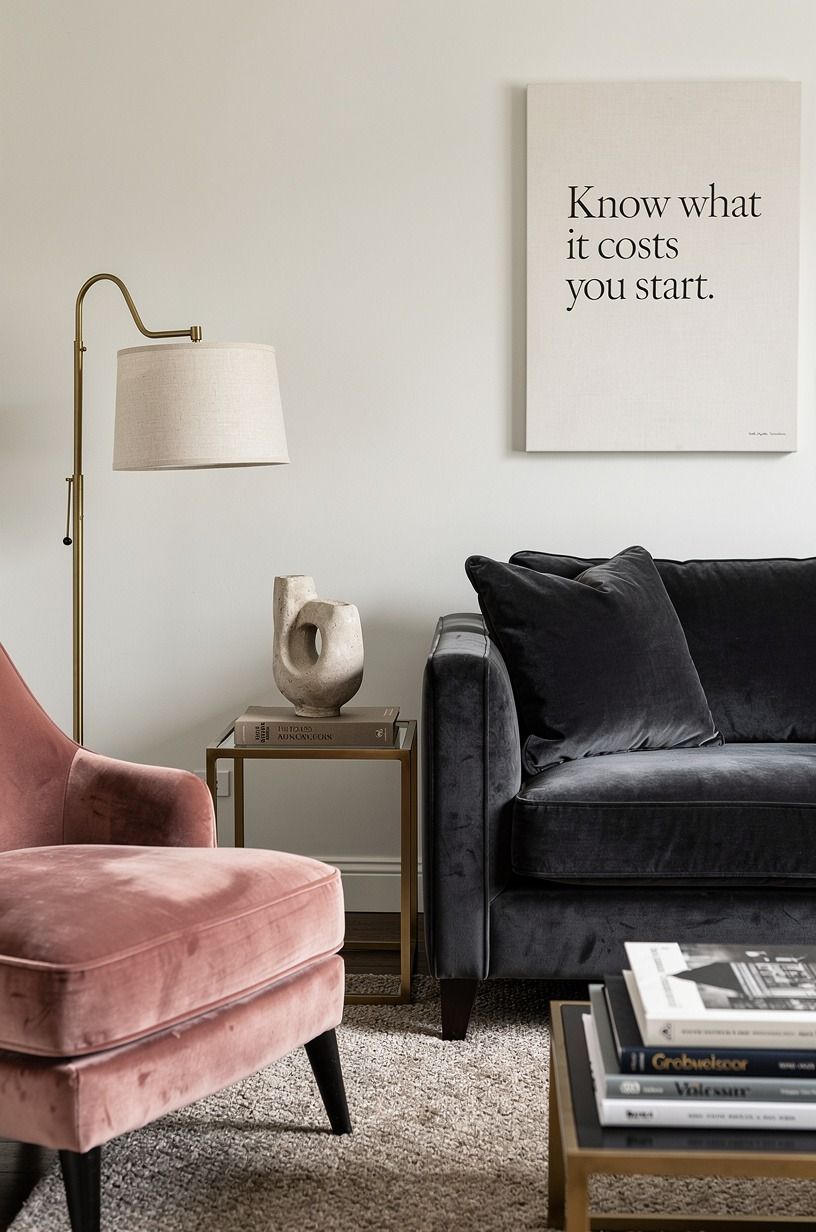
Warmth doesn't have to mean a renovation, and it helps to know where the money actually goes before you spend a dollar.
What I Got Wrong Before Any of This Worked
I want to be honest about how long this took me, because the internet makes warm minimalism look like a single confident purchase and it wasn't.
My first attempt was all-white and I was so proud of it. White walls, white sofa, pale wood, one green plant for "life." It looked exactly like the mood boards. And it felt like a room you'd wait in before an appointment, not one you'd read in on a Sunday.
I couldn't figure out why for the longest time, because on paper I'd followed every rule. Nothing was cluttered.
Everything matched.
The mistake was thinking minimalism meant subtracting until the room was calm. What it actually needs is subtracting the noise and then adding back warmth on purpose.
That's a different job. The first time I got it right was almost by accident, when I gave up on a cold gray paint and rolled a warm greige over it on a whim.
I stood there at four in the afternoon, the hour the room always went flat, and it didn't. It glowed instead.
That's when it clicked that temperature, not quantity, was the whole problem.
After that I stopped buying and started swapping. Cool metals out, brass in.
Ceiling light off, lamps on. One loud rug replaced with a quiet wool one twice the size.
None of it was expensive and none of it was a single dramatic reveal. It was ten small temperature decisions stacked up.
If I could tell my earlier self one thing, it'd be this: an empty room isn't automatically a calm one, and a full room isn't automatically a warm one. You're not chasing less. You're chasing warmth that happens to be uncluttered.
Get that order right and the rest is easy.
The Questions Worth Answering First
What's the best warm minimalist living room setup for a small living room?
Start with one oversized wool rug and a low, deep sofa. A big rug move the eye into reading the room as larger and more grounded, while a low sofa keeps the sightlines open. An IKEA slipcovered frame plus a warm paint color does most of the work.
Where can I buy warm minimalist pieces on a budget?
Check IKEA for slipcovered sofas and linen drapes, Target for lamps and throws, and Wayfair for wool-blend rugs when they run sales. Best warmth-per-dollar? Facebook Marketplace and local thrift stores, where solid-wood tables and real oak pieces go for a fraction of new.
How much does a warm minimalist makeover cost?
Anywhere from about $300 to $1,200 for a budget refresh of paint, rug, throws, and bulbs. A full redo with a new sofa and layered lighting climbs to $2,500 to $8,000. The paint and warm bulbs, though?
Nearly free, and they move the room the most.
Can I create a warm minimalist living room on a budget?
Yes, and you'll be surprised how far a little goes. Repaint in a warm greige you already have or can get for $50. Swap every bulb to 2700K.
Rearrange so your seating actually sits on the rug. Three near-free moves that read as intentional.
Is a warm minimalist living room worth it in a small space?
Absolutely, and small spaces have an edge here. Fewer pieces means each one carries more weight, so a single wool rug and warm light transform the whole thing fast.
Keep one wall clear and let the light do the layering. Worth it, every time.
Is warm minimalism a good idea for a rental?
Yes, and it's renter-friendly by nature. Use peel-and-stick nothing permanent: tension rods for the linen drapes, warm smart bulbs in the existing fixtures, and a big rug to cover cold flooring. Every one of these comes with you when you go.
The One Swap I'd Do Tonight
If I had to pick one, I'd start with the paint. You can't layer warmth onto a cold wall, because the blue light bouncing off it will fight every rug, lamp, and throw you buy after. Get a warm greige on the walls first.
Everything else finally lands.