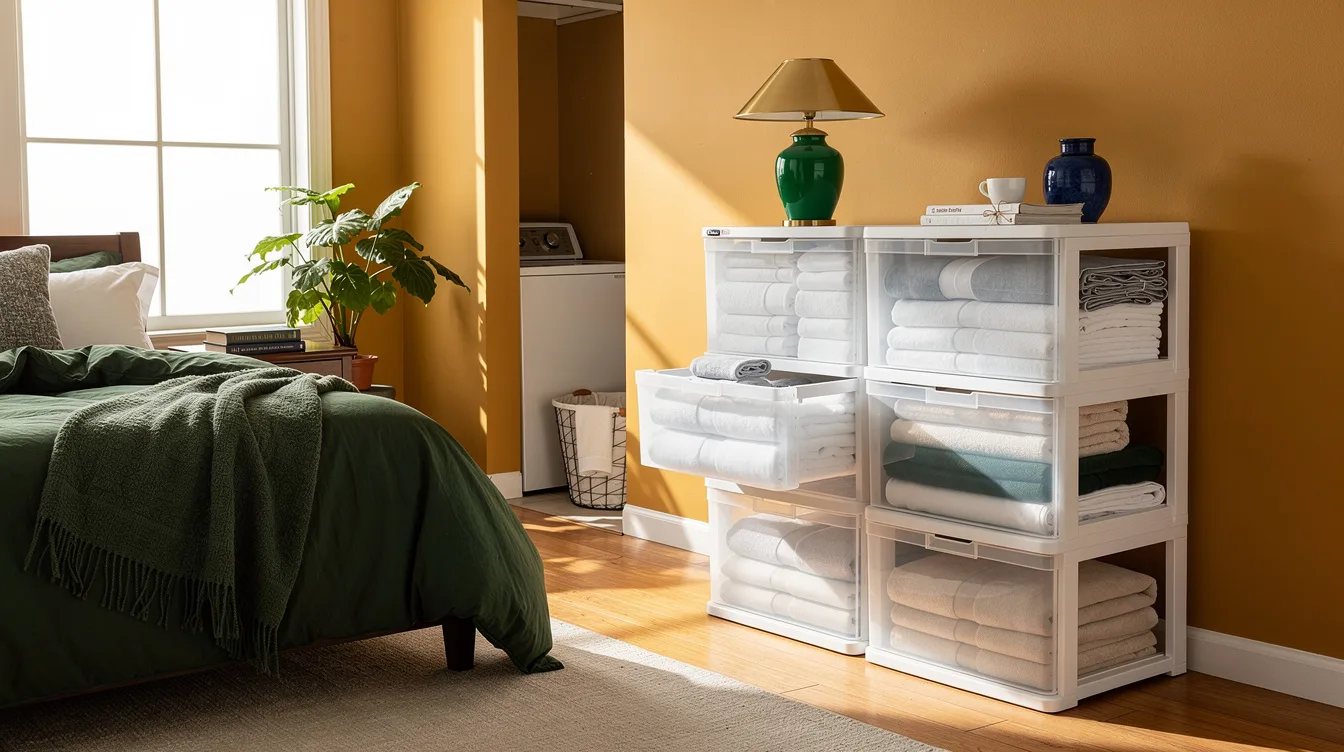
No Linen Closet? Sterilite Drawer Towers Give Every Linen a Home
12 november 2026A missing linen closet becomes a daily problem when bath towels, pillowcases, and sheet sets have nowhere consistent to land. The wide Sterilite 3 Drawer Wide Weave Tower measures about 21⅞ inches wide by 15⅞ inches deep by 24 inches high, giving folded linens more room than the narrow tower format.
Think of these units as a compact linen dresser rather than a full-height closet replacement. With a typical budget of roughly $30 to $60 per wide tower, the right combination can create a useful storage station in a bedroom, laundry area, or small bathroom.
What you will find inside
- Start With the Wide 2530 Tower
- Build a Six-Drawer Linen Wall
- Give Every Drawer One Linen Job
- Use the Slim 2630 in Tight Gaps
- Pair Wide and Narrow Storage
- Choose the 4440 for Taller Sorting
- Make Clear Drawers Earn Their Place
- Measure the Door Swing Before Shopping
- Fold to the Drawer Bottom
- Reserve the Wide Unit for Bulky Pieces
- Check the Pack Count at Checkout
- Keep the Plastic Finish Intentional
- Treat the Tower as a Linen Dresser
Start With the Wide 2530 Tower
The wide three-drawer model is the strongest starting point because folded linens need horizontal room. The Sterilite 3 Drawer Wide Weave Tower, model 2530, measures about 21⅞ inches wide by 15⅞ inches deep by 24 inches high.
Its listed drawer-bottom dimensions are approximately 19⅛ by 13¼ inches, with about 6⅝ inches of height. That footprint gives bath towels and folded sheet sets a more natural landing place than a narrow tower, which is why designers would choose it first for a missing linen closet.
Budget roughly $30 to $60 per wide tower at competitively priced retailers in 2026. Walmart examples have appeared around $27 to $34, while Amazon examples have landed around $55 to $58, so shopping around matters.
Build a Six-Drawer Linen Wall
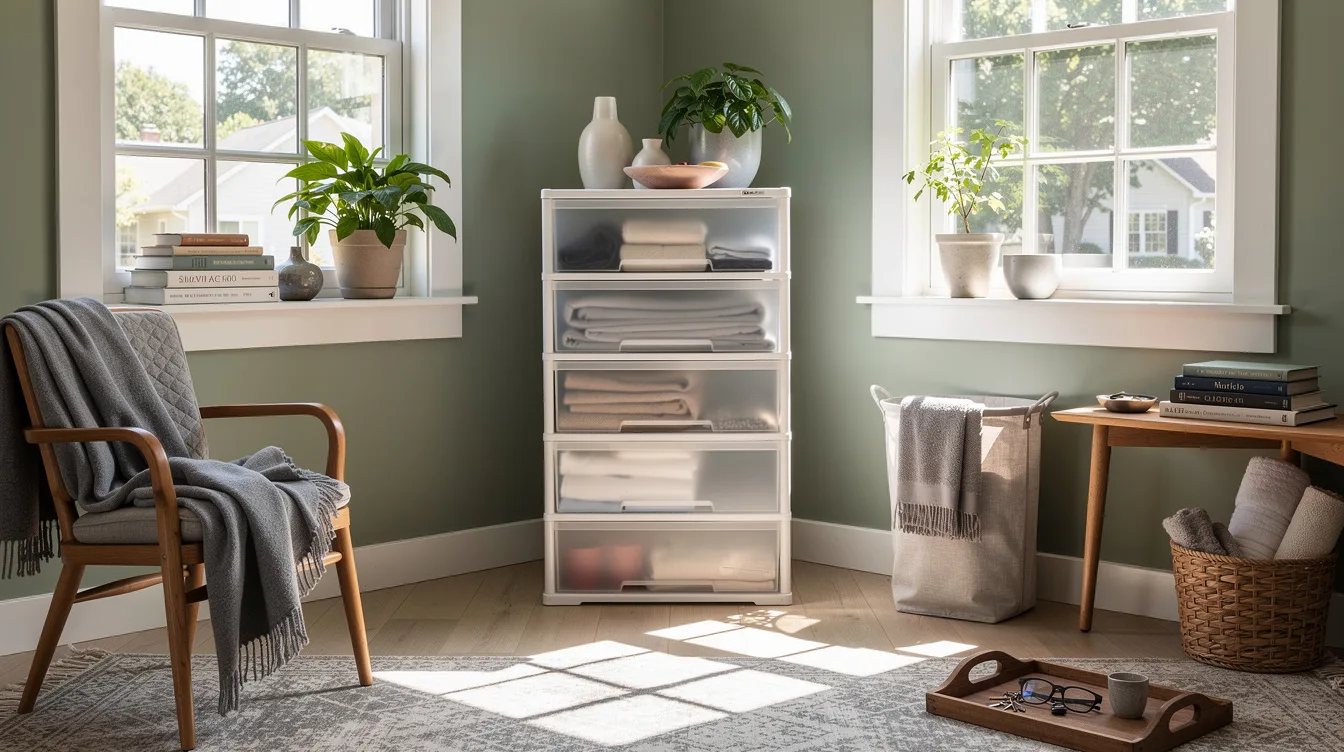
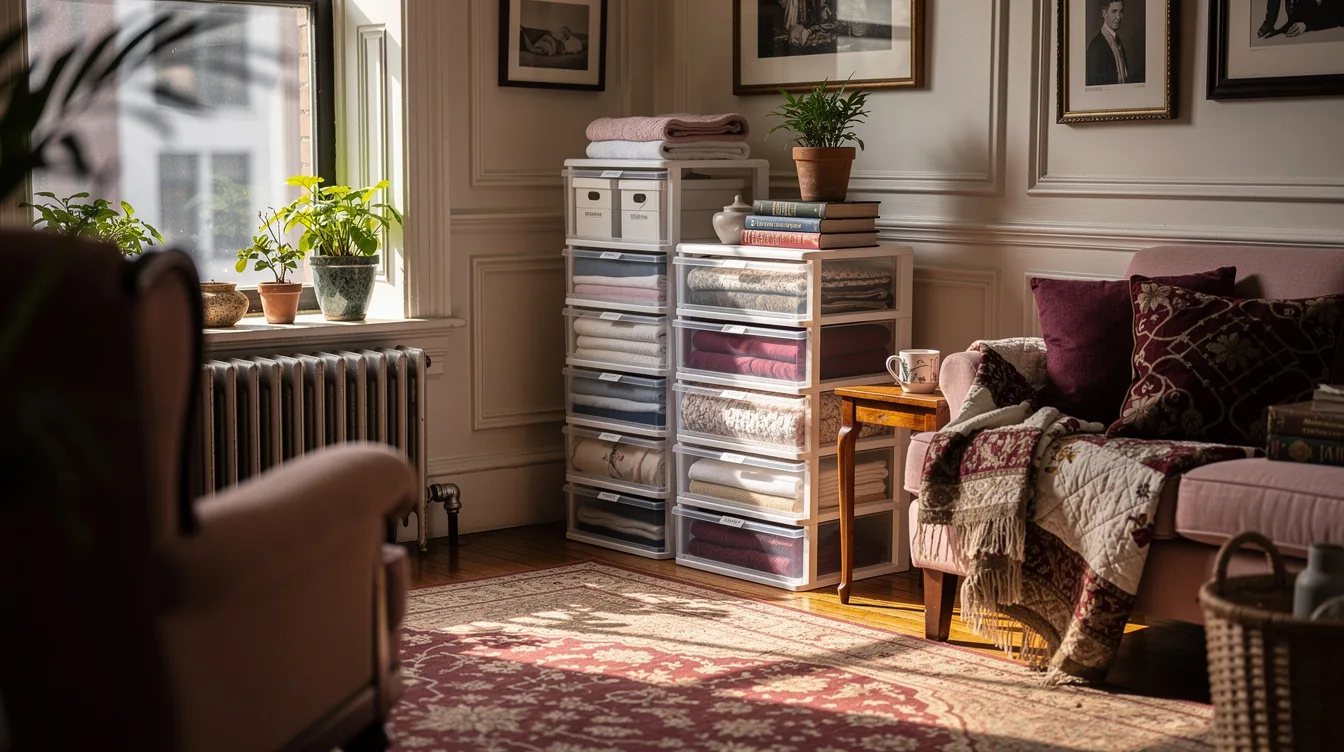
Two wide towers placed side by side create the most practical all-around replacement for everyday linen storage. Together, they occupy about 43¾ inches of width, 15⅞ inches of depth, and 24 inches of height before allowing a small gap between the units.
Use one tower for bath towels, hand towels, and washcloths, then give the second tower the sheet sets and pillowcases. Six drawers are enough to separate the categories without forcing every item into one overflowing compartment.
Expect a working purchase budget of roughly $60 to $120 for the pair when each tower falls within the typical $30 to $60 range. Place the units against a bedroom wall, near the laundry area, or inside a shallow recess with the drawer fronts easy to reach.
Give Every Drawer One Linen Job
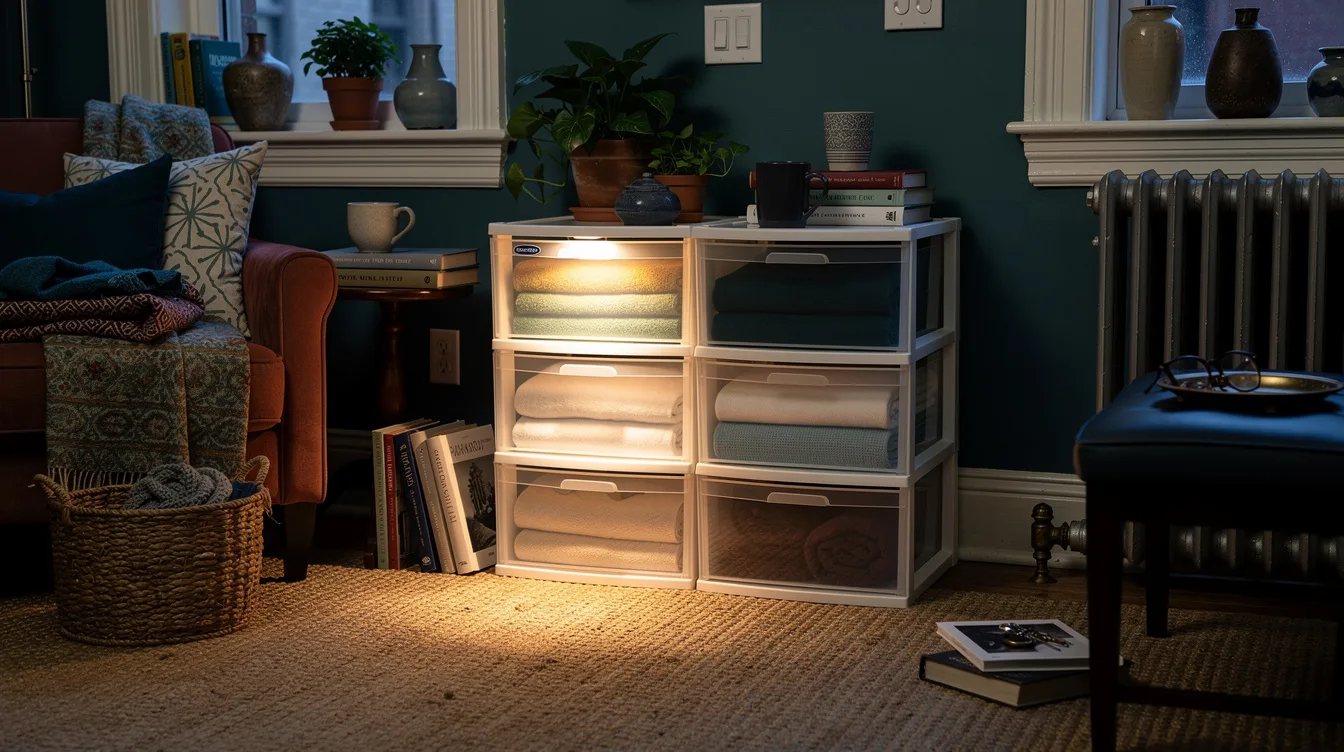
A linen tower works best when each drawer has one clear assignment. Labeling is optional, but a consistent order makes the storage feel more like a compact dresser and less like a temporary pile of plastic bins.
Try bath towels in the top drawer, hand towels and washcloths in the middle drawer, then reserve the bottom drawer for sheet sets. A second unit can hold pillowcases, guest linens, spare towels, or the less frequently used bedding.
Fold each sheet set into its matching pillowcase before placing it away. That small habit keeps the drawer from becoming a hunt through loose fitted sheets, and it uses the available depth more efficiently.

Use the Slim 2630 in Tight Gaps
The narrow three-drawer model earns its place where a wide unit cannot fit. The Sterilite 3 Drawer Weave Tower, model 2630, is about 12⅝ inches wide by 15 inches deep by 24 inches high, making it useful beside a vanity, washer, or bedroom door.
Its listed drawer-bottom dimensions are approximately 12½ by 10 inches, with about 7 inches of height. That makes it a better match for washcloths, hand towels, pillowcases, and small guest supplies than for bulky bath sheets.
Budget roughly $20 to $40 for a single slim tower, with Walmart listings starting around $19.77 and varying by seller and pack size. Cement is one listed finish, and the opaque decorative weave helps the unit read as furniture from across the room.

Pair Wide and Narrow Storage
When a room has one broad wall and one awkward gap, combine a wide tower with a slim tower instead of forcing identical pieces into the layout. The wide unit can handle folded towels and sheet sets, while the narrow unit takes pillowcases and washcloths.
This combination creates about 34½ inches of total width before allowing space between the units. Keep the taller visual weight toward the wall or corner, and leave enough clearance for every drawer to open fully.
Designers favor this arrangement because it follows the room rather than pretending the missing closet had a standard footprint. A small difference in width can make the storage usable in a hallway, rental bathroom, or compact laundry zone.
Choose the 4440 for Taller Sorting
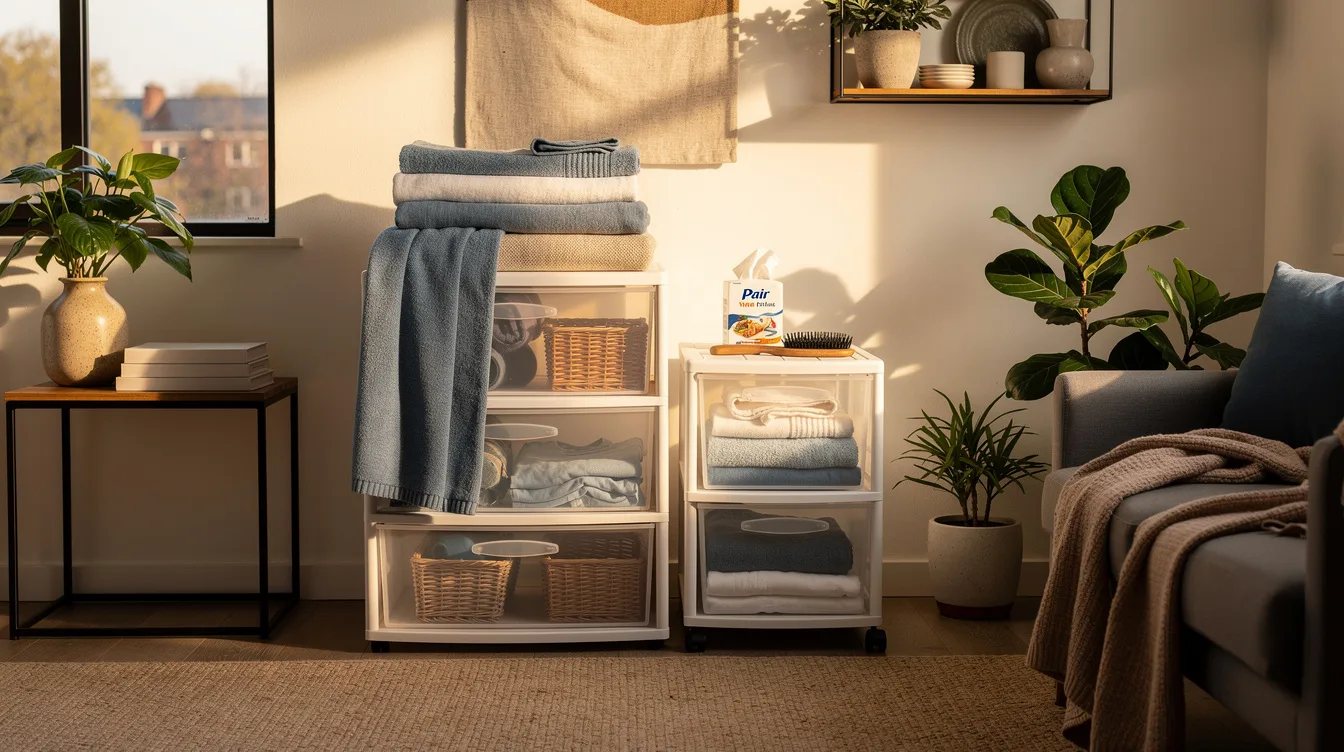
A four-drawer tower makes sense when vertical storage is more valuable than a low dresser profile. The Sterilite Wide 4 Drawer Cross-Weave Tower, model 4440, measures about 21 inches wide by 15⅝ inches deep by 33¼ inches high.
The listed drawer-bottom dimensions are approximately 18 by 13¾ inches, with about 7 inches of height. Four separate drawers allow bath towels, hand towels, sheet sets, and guest linens to stay apart without adding a second piece.
A Walmart wide four-drawer weave listing has been advertised around $48, but verify the model number before treating that price as an exact match for model 4440. The Espresso cross-weave finish and removable drawers with carrying handles suit a laundry area that needs frequent access.
Make Clear Drawers Earn Their Place
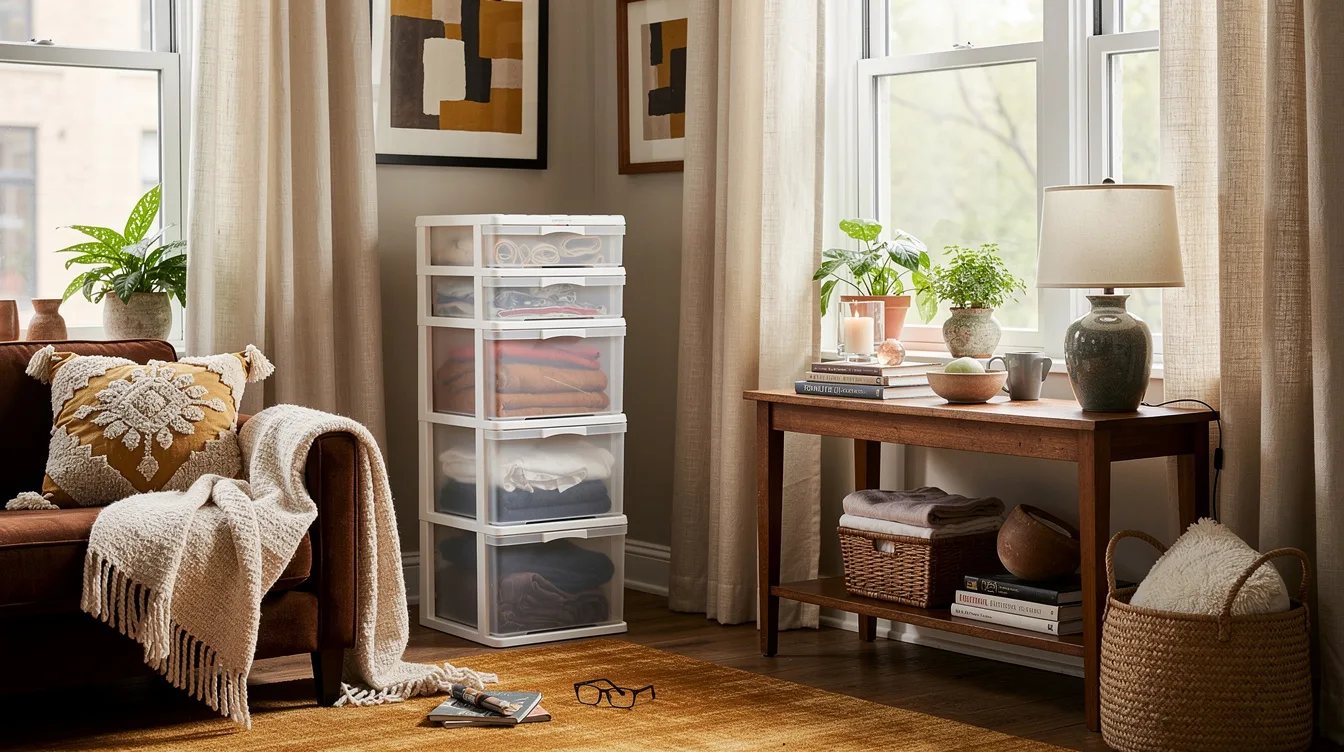
Choose modular clear drawers when seeing the contents matters more than concealing them. The Sterilite 27-Qt Stacking Drawer measures about 14⅜ inches wide by 17 inches deep by 10¼ inches high per drawer, so it can be arranged as a short stack or a wider grouping.
Advertised packs have landed around $57 to $64 for four, or roughly $14 to $16 per drawer in those packs. The clear front is especially useful for guest towels, spare pillowcases, and sheet sizes that are easy to confuse.
Use this option in a closet recess, laundry room, or utility zone where visible contents will not make the room feel busy. If the storage sits in a bedroom, opaque weave-front towers usually create a calmer appearance.
Measure the Door Swing Before Shopping
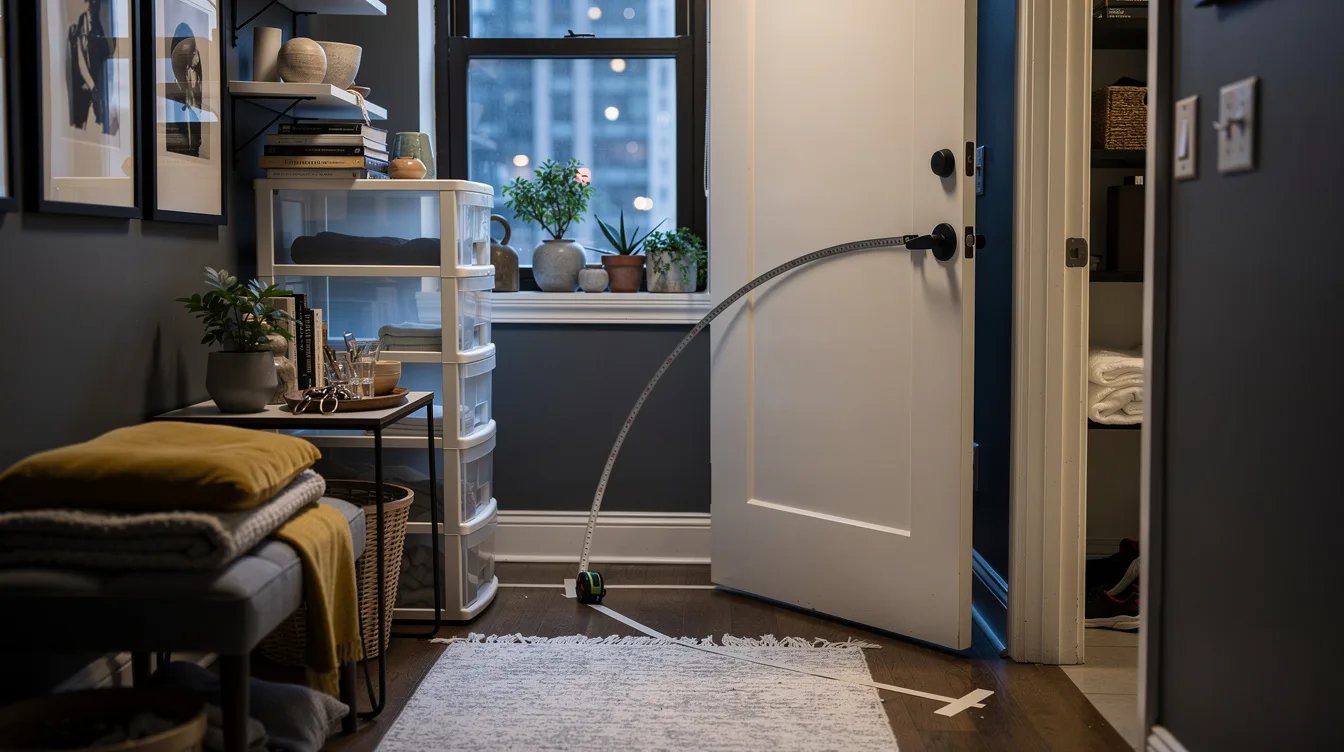
Measure the available width, depth, and height at the exact spot where the tower will stand. A 15⅞-inch-deep wide tower can fit many shallow spaces, but a nearby door, baseboard, outlet, or hamper may reduce the usable clearance.
Mark the footprint on the floor with painter's tape before ordering. For two wide towers, plan around 43¾ inches of combined width plus a small gap, and check that drawers can extend without striking a wall or another cabinet.
Keep the top of a 24-inch tower available for a folded blanket or a small tray only if the drawers remain easy to open. The taller 33¼-inch model deserves a separate clearance check because its vertical presence can crowd a narrow passage.
Fold to the Drawer Bottom
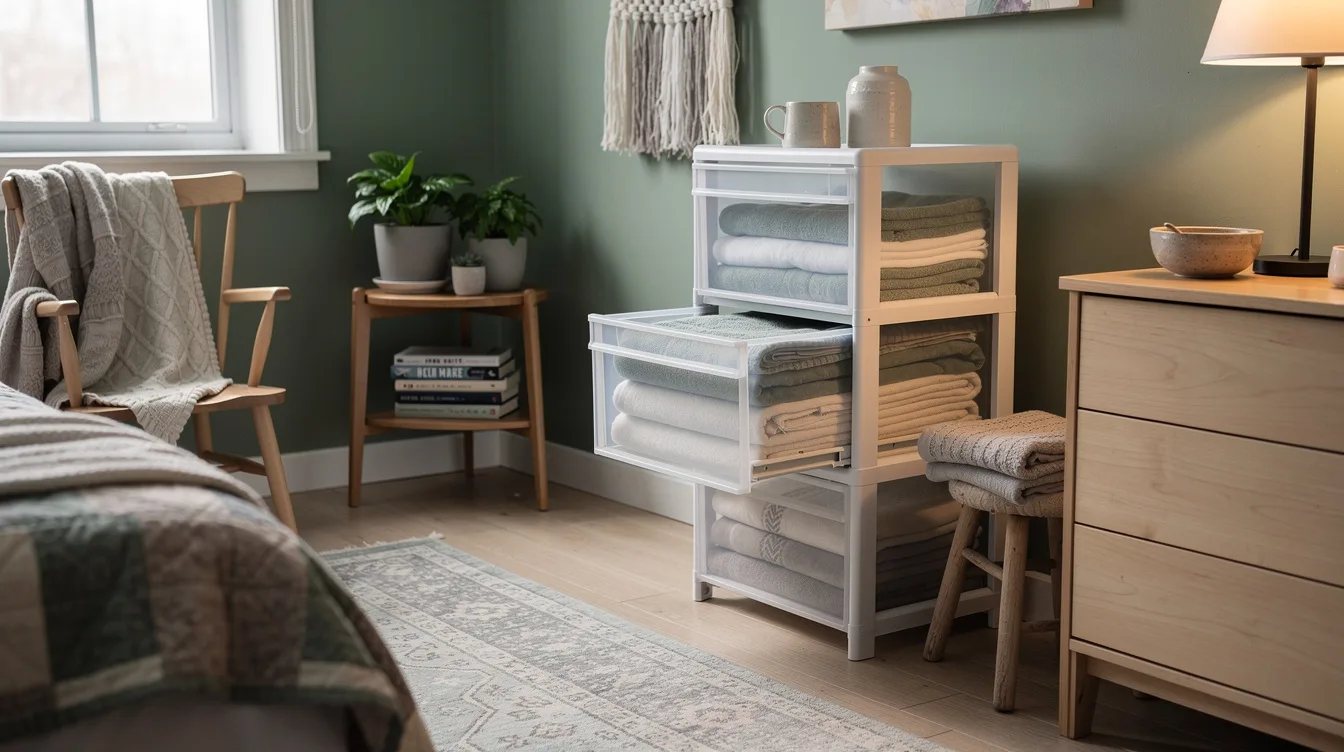
Use the drawer-bottom dimensions as the real planning guide, rather than the outside measurements alone. For the wide 2530, folded stacks should work within approximately 19⅛ by 13¼ inches, while the slim 2630 favors stacks around 12½ by 10 inches.
Fold bath towels into compact rectangles that sit below the drawer height, then place the stack with the fold facing outward. This lets you see the category immediately and prevents the top towel from becoming the only one that gets used.
Sheet sets need a little more discipline because fitted corners create bulk. Fold the fitted sheet and flat sheet together, add the matching pillowcase, and keep the finished bundle low enough that the drawer closes without pressure.
Reserve the Wide Unit for Bulky Pieces
Give the broadest drawers the linens that consume the most surface area. Bath towels, heavier blankets, and folded sheet sets benefit from the wide drawer bottom, while washcloths and pillowcases can live in narrower compartments.
This division prevents the common mistake of using the wide tower for tiny items and then discovering that bath towels have nowhere comfortable to go. The larger model should carry the storage burden, not merely occupy the most visible spot.
For a two-tower arrangement, place the wide units together when the wall allows it. A matched pair reads as one compact linen dresser and creates a clear visual zone for the room.
Check the Pack Count at Checkout
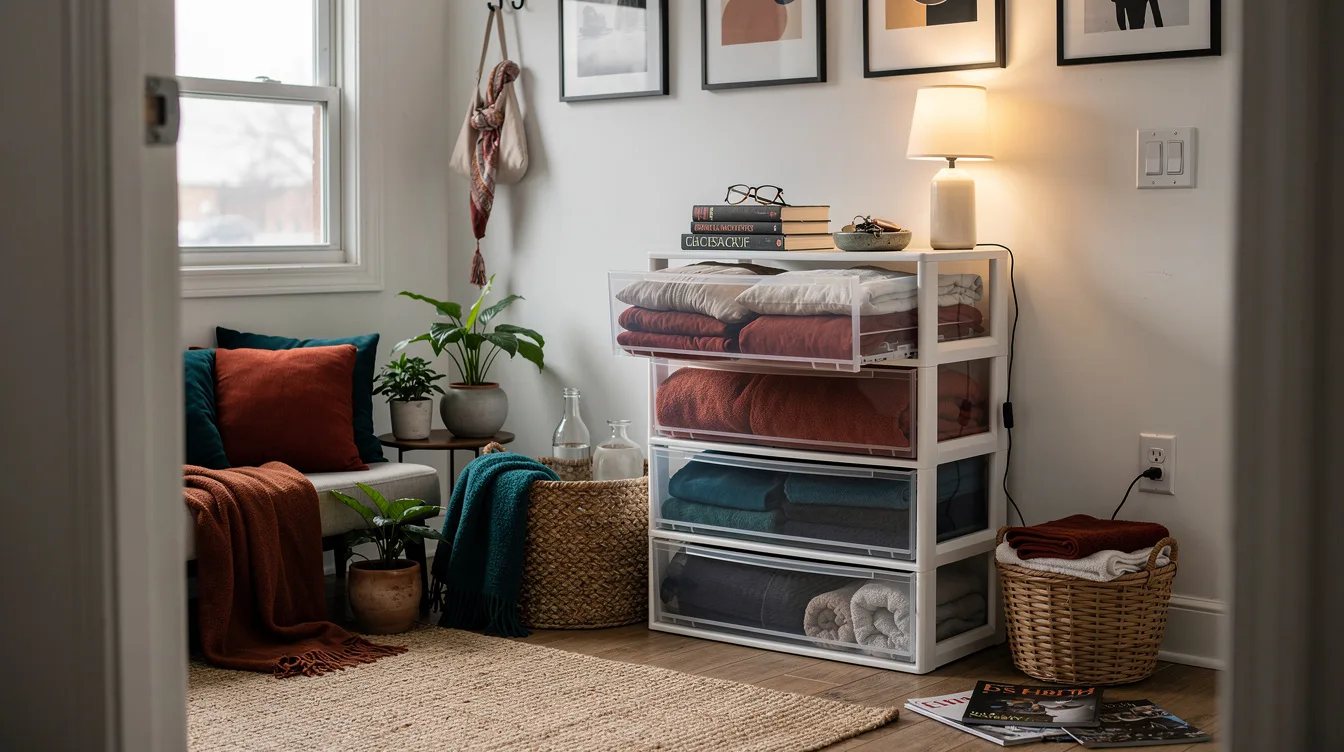
Compare the number of units before comparing the headline price. Search results can place a single tower, a two-pack, and an eight-pack beside one another, making a low-looking price difficult to judge.
Target listings have included eight narrow towers in one offer, while Walmart, Amazon, and Home Depot examples can show different sellers or quantities for similar weave-front products. Confirm the model number, drawer count, color, and pack size before placing the order.
For a two-wide-tower layout, calculate the total before tax and delivery. A pair priced in the typical $30 to $60 range per unit lands around $60 to $120, while a marketplace listing around $70 to $83 may represent the same general format at a less competitive price.
Keep the Plastic Finish Intentional
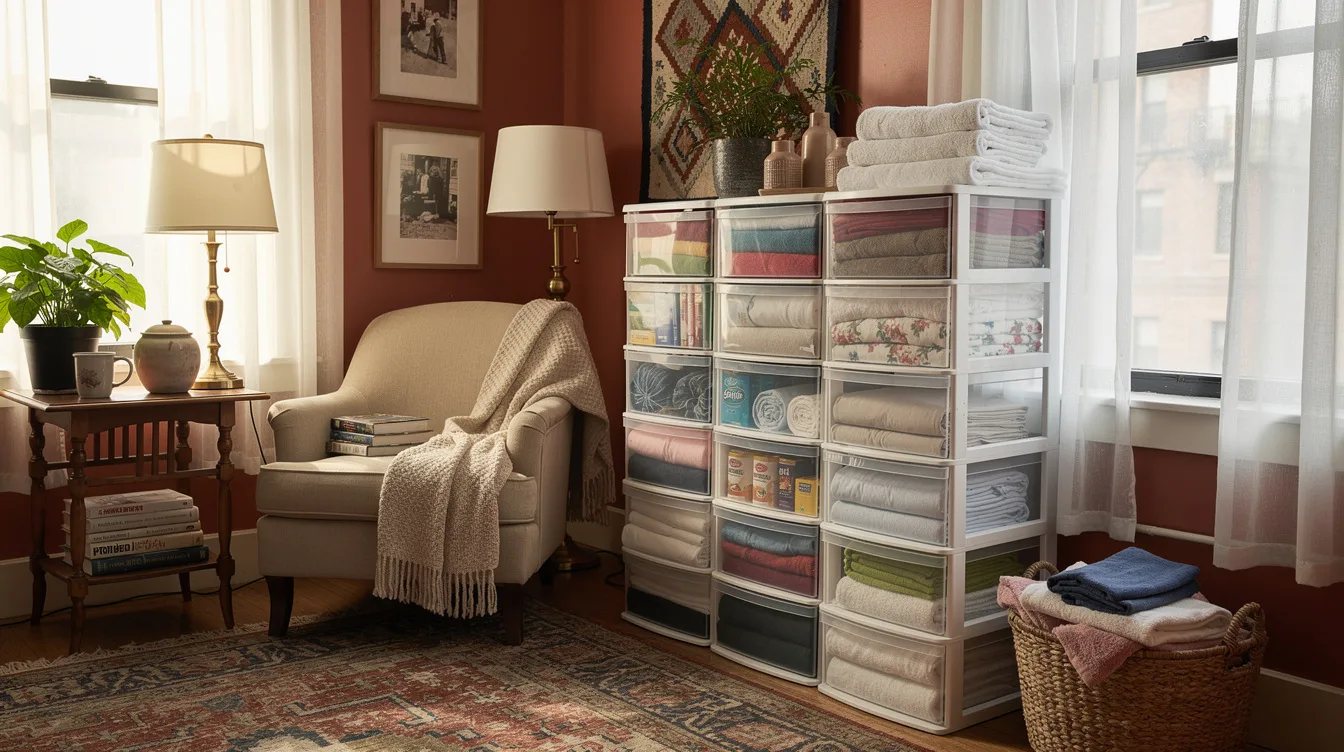
Plastic storage looks considered when its color and placement support the room. Keep one finish across the main linen station, and avoid mixing a visible clear stack with several opaque weave fronts unless the arrangement has a clear purpose.
The 2530 has an opaque woven-look front, but it is plastic rather than real wicker. That distinction matters in a bathroom or laundry area because the unit offers a decorative texture without asking the room to pretend it is a natural-fiber cabinet.
Place the tower beside materials that can hold their own, such as painted drywall, light oak, or brushed metal. A small framed print above a low pair can make the zone feel finished, but leave the drawer fronts visually unobstructed.
Treat the Tower as a Linen Dresser
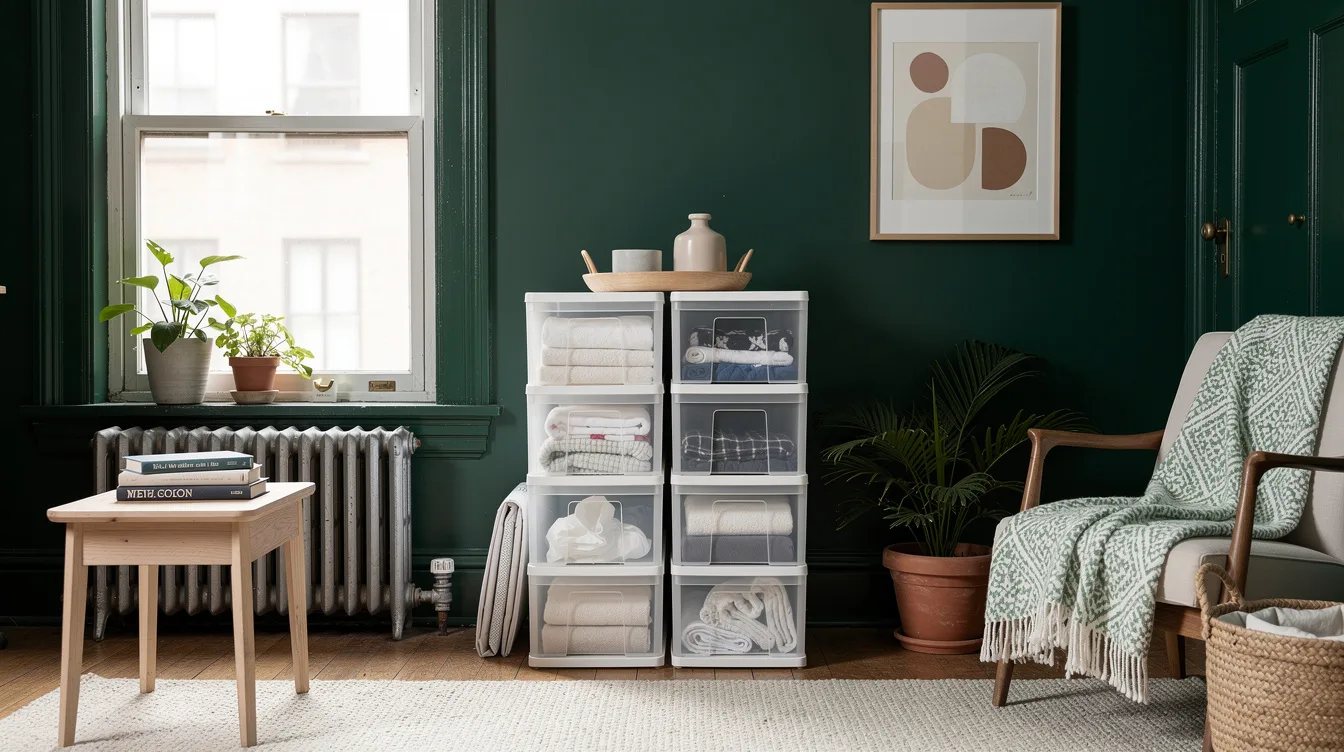
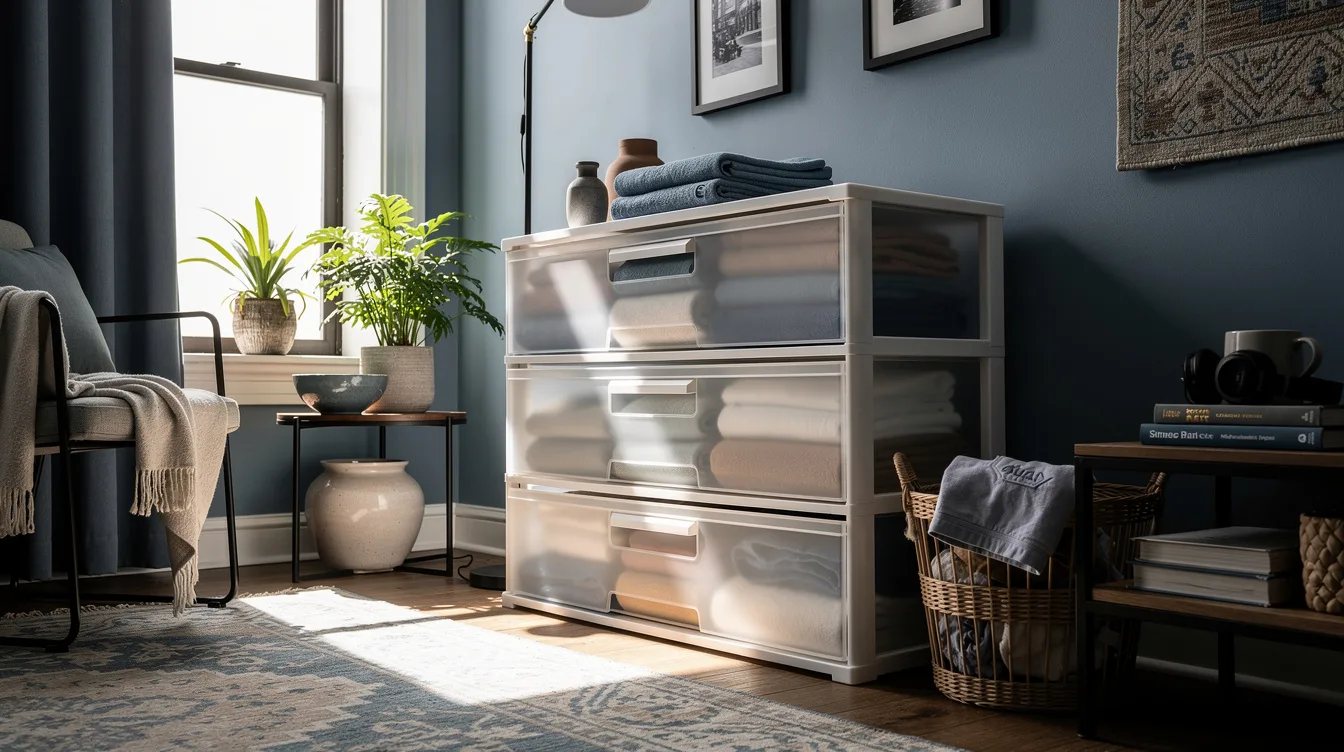
A drawer tower replaces the everyday-storage part of a missing linen closet, not the full height or capacity of built-in cabinetry. That distinction keeps expectations realistic and helps the layout focus on towels, washcloths, pillowcases, and folded sheet sets.
Use a wide three-drawer unit as the core, then add a slim or four-drawer piece only when the room genuinely needs another category. A crowded wall of towers can make a small bedroom or hallway feel narrower than the original storage problem.
Keep rarely used comforters and seasonal bedding elsewhere if the drawers become difficult to close. The best setup leaves enough breathing room for the linens that the household reaches for every week.
Keep reading
- Builder Closet Eating Your Storage? 13 Home Depot ClosetMaid Kits Under $150
- 13 Best New Home Depot Tiny Closet Organizers Under $750
Begin by taping out the footprint for one wide 2530 tower, then decide which linen category deserves each drawer. That simple test reveals whether the room needs a second wide unit, a narrow companion, or a taller four-drawer station before money and floor space are committed.