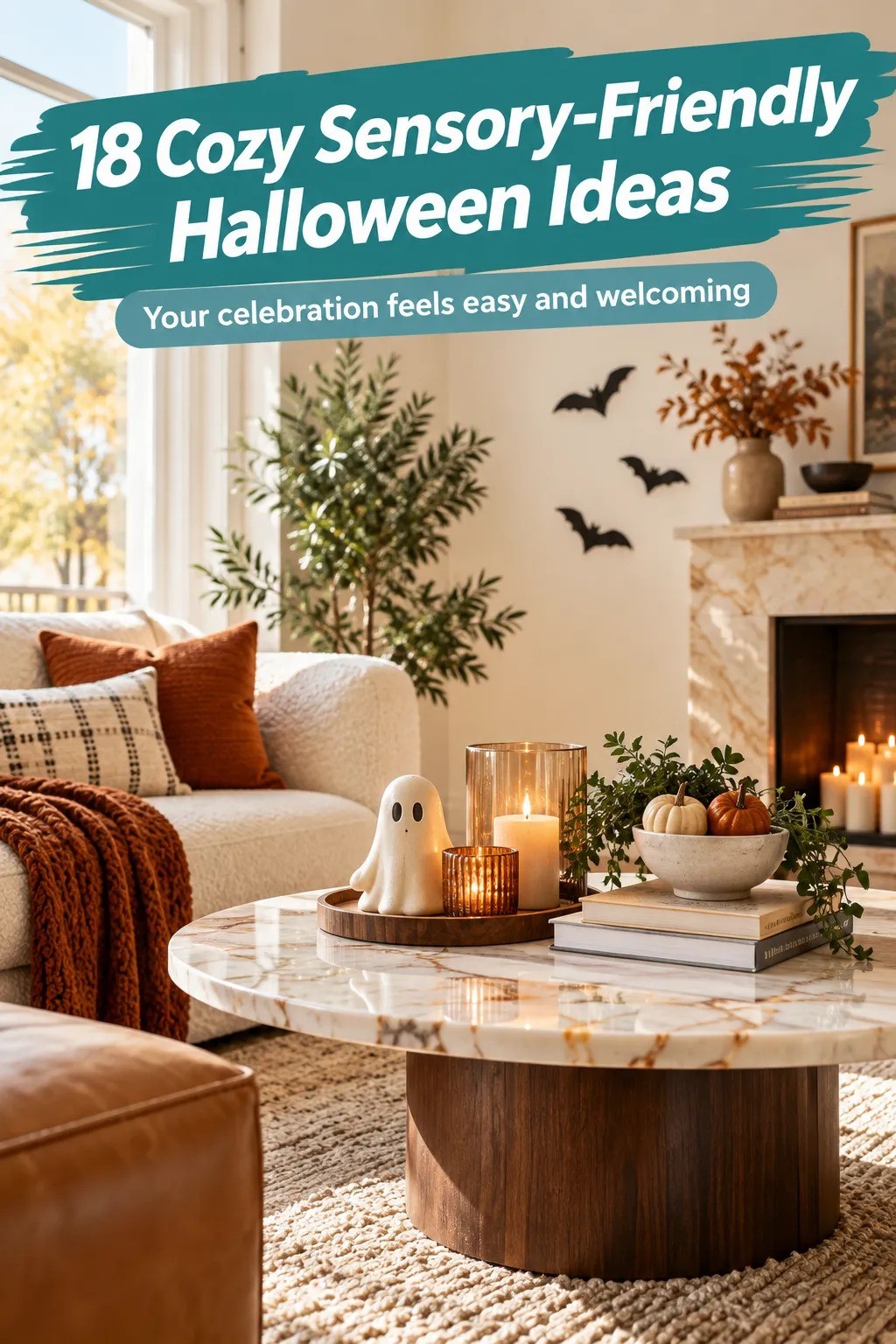
18 Sensory-Friendly Halloween Decorating Ideas for Kids Who Love It, Not Scares
22 september 2026Sensory-friendly Halloween decorating for kids who love it but hate being scared works best when you control the light, sound, texture, and surprise. I learned that after one blinking skeleton sent my child straight behind the sofa. Gentle details can still feel charming, festive, and exciting. You don't need a haunted house to make October memorable!
- Layer a Gentle Glow Instead of Flashing Lights
- Build the Three-Height Light Stack
- Paint a Soft Pumpkin Color Wash
- Swap Scary Faces for Friendly Silhouettes
- Frame a Calm Halloween Reading Nook
- Use the Predictable Basket Method
- Hang Soft Bats on a Tension Rod
- Make a Friendly Monster Gallery
- Choose Texture Over Noise
- Create a No-Surprises Entry Table
- Style a Soft Pumpkin Parade
- Hang a Clear Costume Station
- Set a Budget With Realistic Tiers
- Protect a Quiet Corner With Curtains
- Paint the Back of a Bookcase
- Mix Familiar Toys With Halloween Pieces
- Use a “Yes, No, Maybe” Decoration Board
- Prepare a Calm Halloween Reset
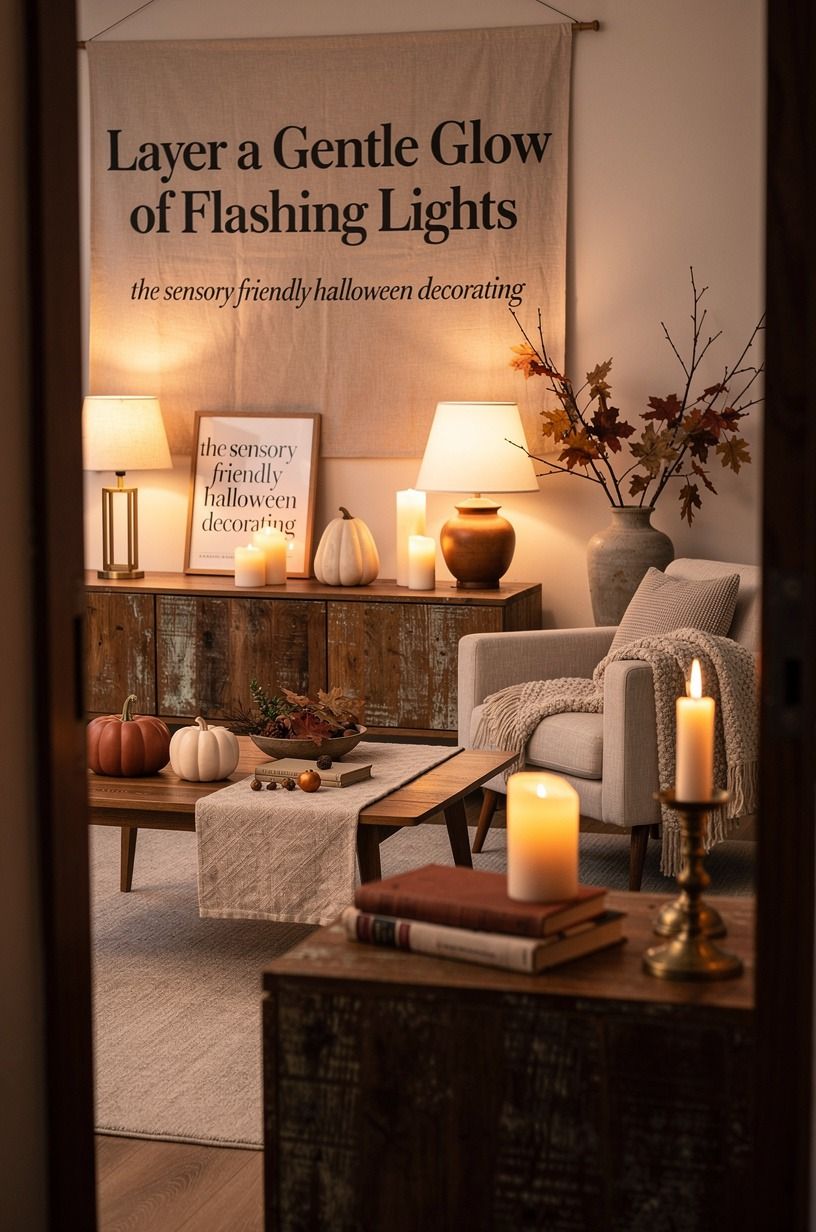
1Layer a Gentle Glow Instead of Flashing Lights
Start with steady light, because your child can enjoy Halloween without bracing for a sudden strobe. A strand of warm-white LEDs around a reclaimed weathered-teak bookshelf feels calming when the bulbs stay on continuously. You can pair them with a small aged-brass lamp covered by a washed linen shade for a soft pumpkin effect.
I'd skip flashing strips, even if they're inexpensive, because the repeated change is more distracting than festive.
Give your child control over the switch, too. Your child might want the lights on during dinner and off during quiet play, and that's easy to respect. A battery timer can help you keep the room welcoming without leaving cords across the floor.
The warm glow lands softly on Farrow & Ball Red Earth No. 64, while clay and aged-brass accents still give you a recognizable Halloween palette.
Use this arrangement in a reading corner, bedroom, or entryway where you can adjust the brightness quickly. Your child gets atmosphere without a visual ambush.
2Build the Three-Height Light Stack
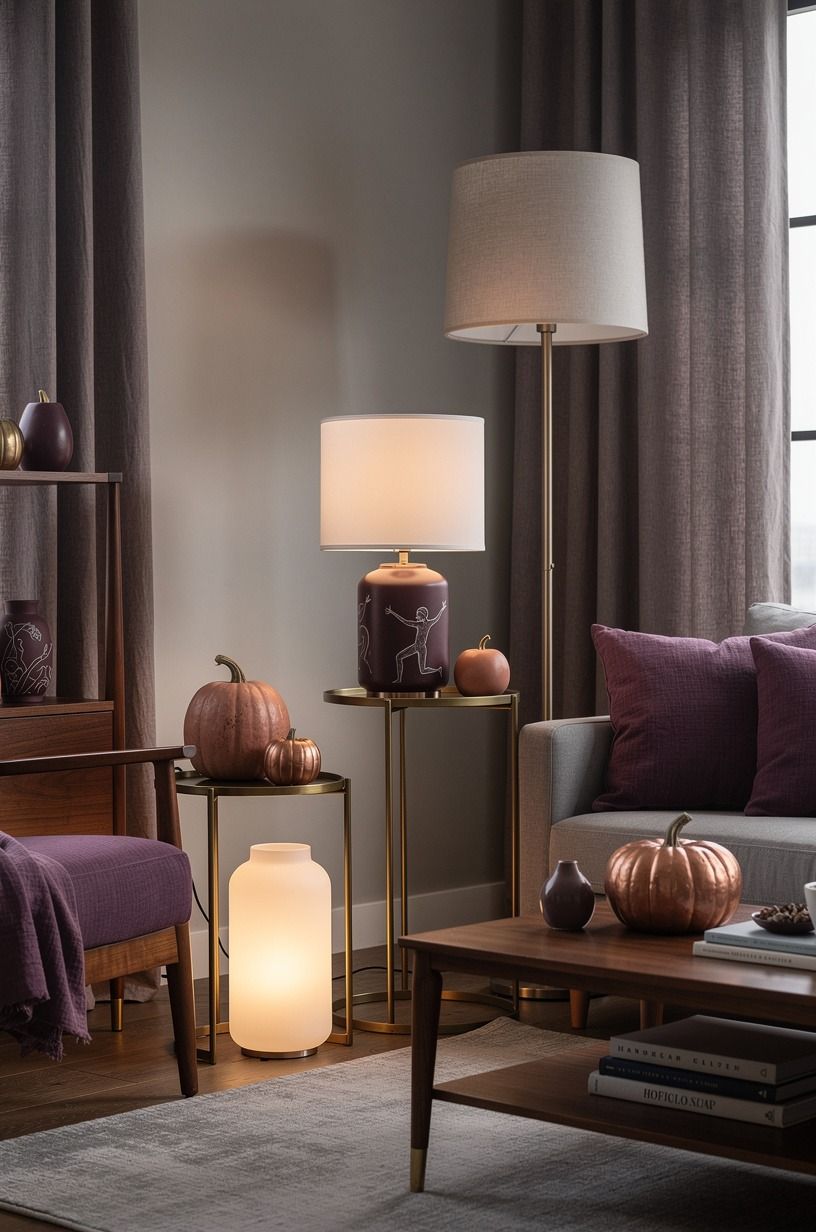
The Three-Height Light Stack uses one light near the floor, one at your child's eye level, and one higher on a shelf. It creates a soothing rhythm without filling the room with harsh overhead glare.
I like a plug-in night-light low on the wall, a small Target Threshold lantern in rose gold on a dresser, and a shaded lamp above. Each glow has a job, so your child can read the room easily.
Keep the lowest light dim and steady. You don't want a bright beam shining across your child's face as they move through the space.
A washed Belgian linen shade against Farrow & Ball Pelt No. 254 can make the middle zone feel gentle and warm. If you're decorating a rental, removable hooks keep the setup flexible.
And give your child the final say about placement. You might prefer the lantern on a shelf, but your child may feel safer seeing it beside the bed. That small choice can make the whole room feel more peaceful.
3Paint a Soft Pumpkin Color Wash
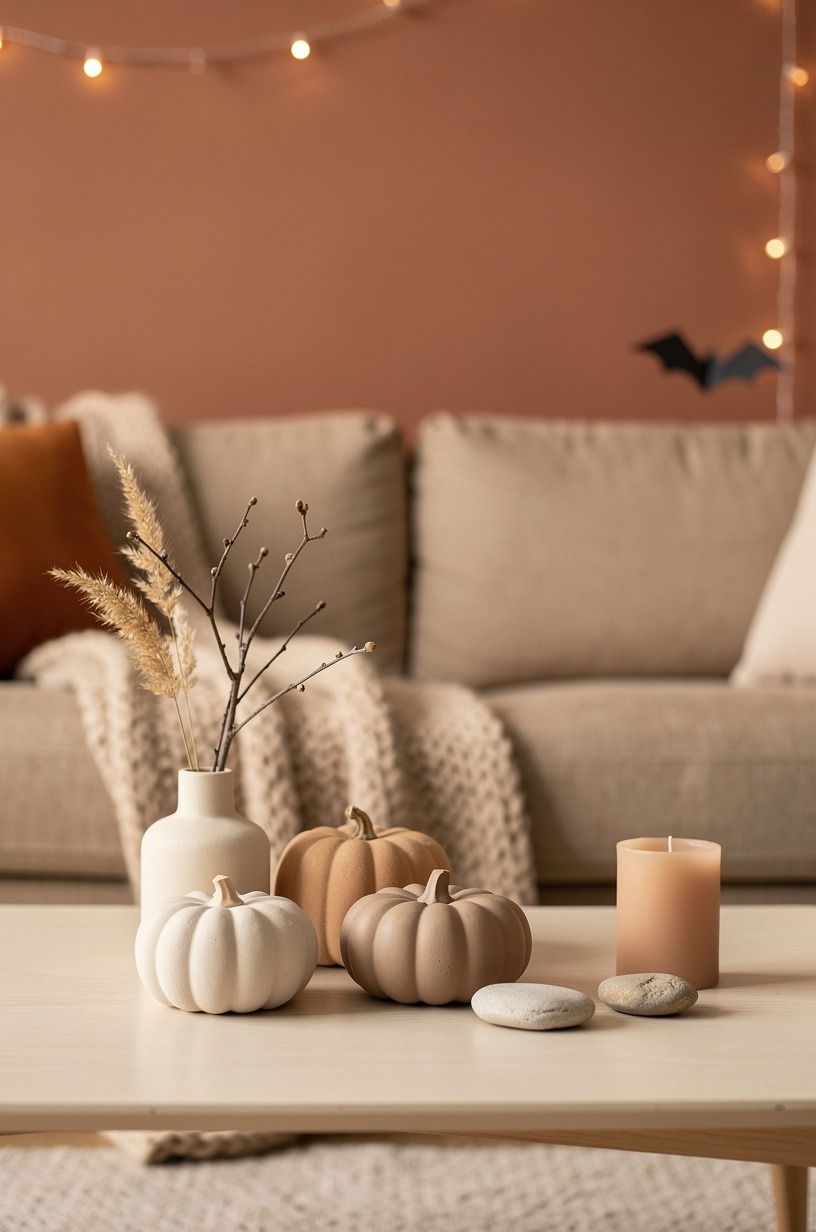
A full navy wall can feel loud, especially in a small room, so I'd choose a quieter color wash instead.
4Swap Scary Faces for Friendly Silhouettes
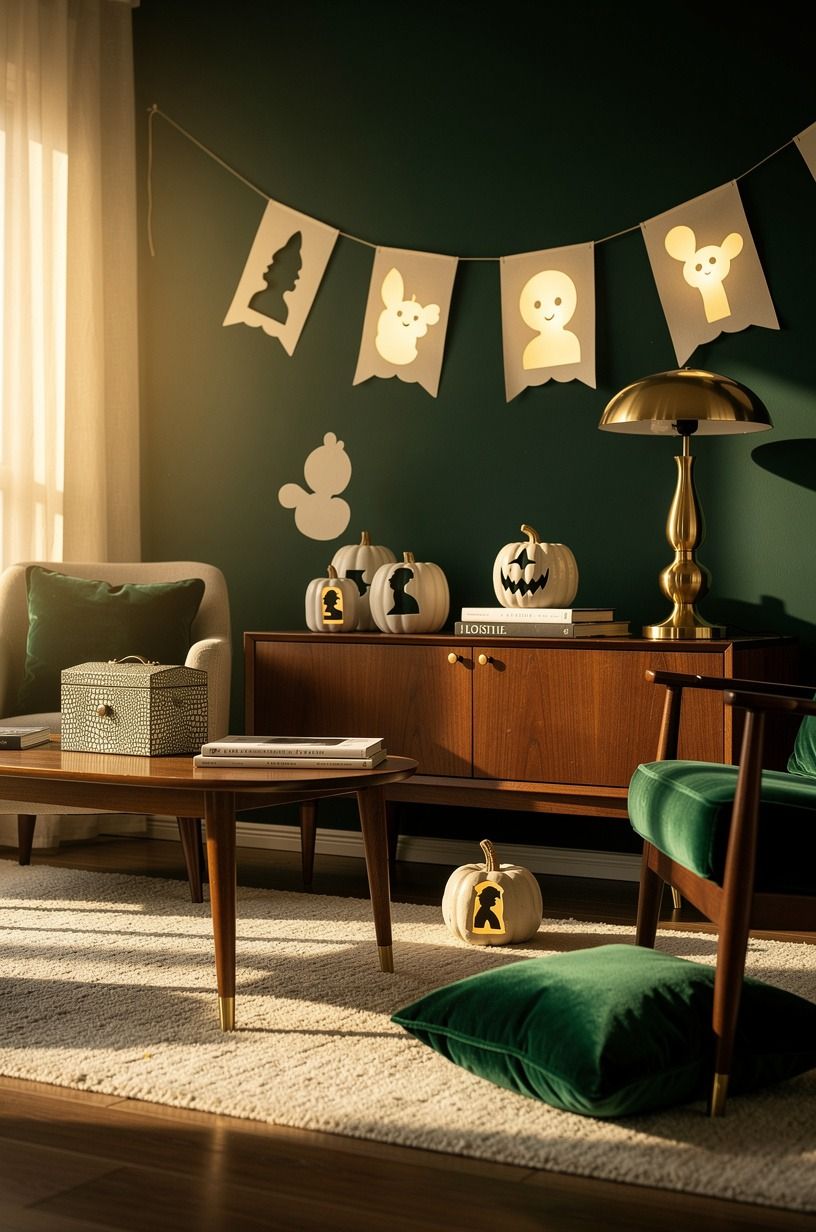
Halloween doesn't need a collection of staring faces. Replace them with simple emerald, gold, and cream silhouettes, moons, acorns, and rounded pumpkins that your child can recognize at a glance. You can cut the shapes from matte cream paper, then add one shagreen-textured accent so the display has a soft, tactile finish.
I would skip realistic masks and oversized eyes. They may look dramatic to you, but your child might notice them each time they turn a corner.
A friendly cat silhouette with a curved tail gives you the season without the jump-scare feeling. Your child can also help arrange the shapes, which makes the wall feel familiar rather than unpredictable.
Try placing the garland below open shelves at child height, between 36 and 48 inches from the floor. That keeps the display visible without making it loom above your child.
And if your child wants to remove one shape, let them. The best decoration is the one your family can live with comfortably.
5Frame a Calm Halloween Reading Nook
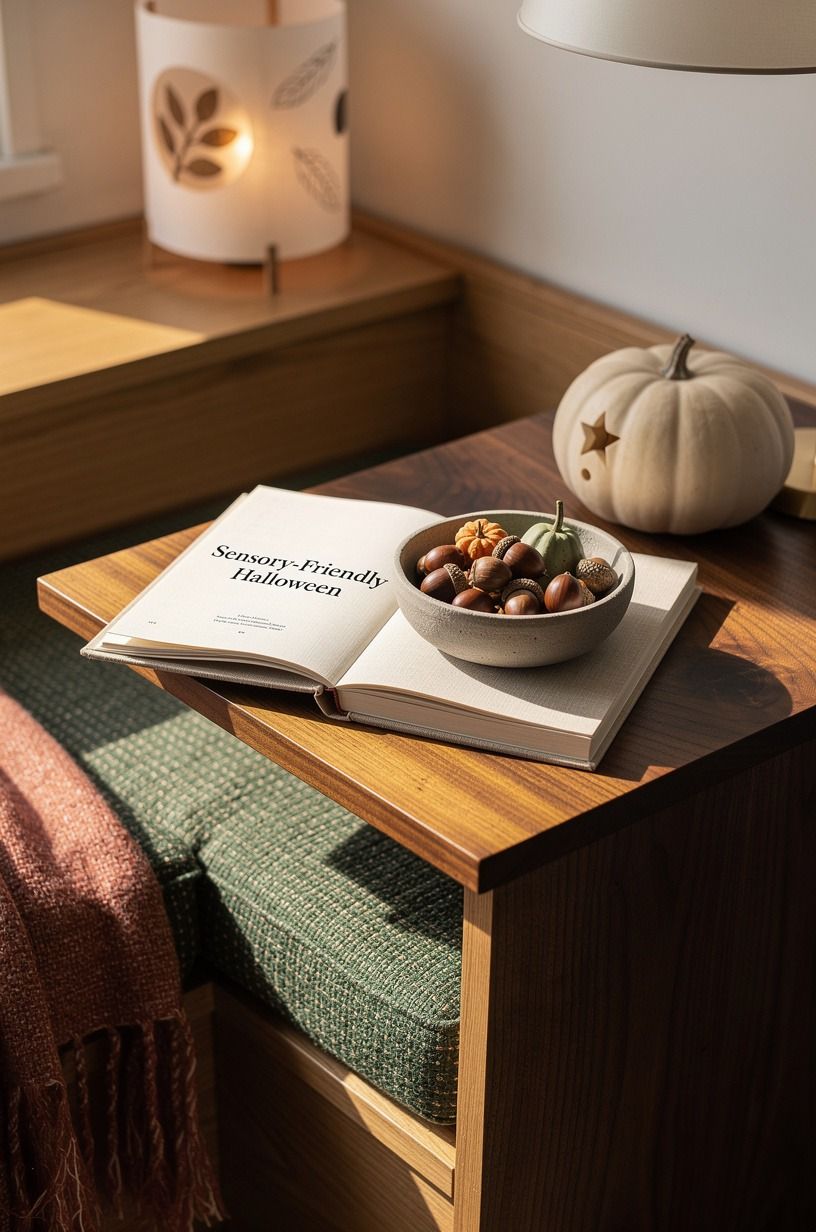
Create a reading nook with one chair, one blanket, and a small basket of familiar books. A forest-green cushion pairs with a book-matched walnut accent, while a cotton throw gives your child a predictable place to settle. You can decorate the nearby wall with paper bats that have rounded wings rather than sharp, dramatic angles.
Your child doesn't need to sit in the nook all evening. The value is knowing that the space is available when the party noise, costumes, or doorbell becomes too much. I prefer a low natural-oak stool beside the chair over a tall side table, because your child can move around it without bumping into corners.
Keep the color story earthy and restrained. A rust pillow, cream blanket, and one book-matched walnut accent feel inviting without competing with the books.
If you're working with a small room, place the chair near a wall instead of floating it in the center. Your child gets a clear retreat, and you keep the walking path open.
6Use the Predictable Basket Method
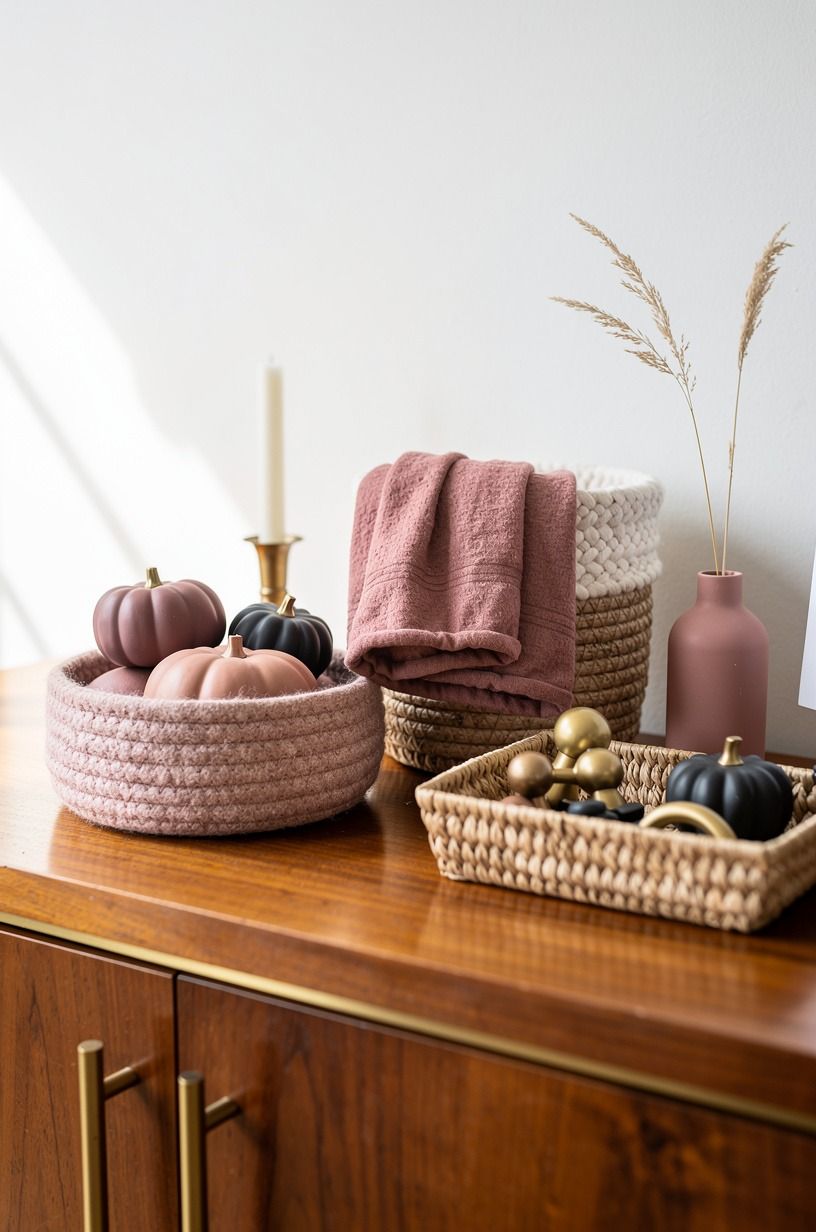
A basket can make Halloween objects feel organized instead of scattered. Choose one organic-bouclé basket in dusty rose and charcoal, finished with an aged-brass detail, for soft pumpkins, fabric ghosts, and removable garlands.
Your child can see what belongs inside, and you can put the basket away when the room needs to feel quiet. This is one of my favorite gentle Halloween ideas because it supports routine.
Labeling isn't necessary if your child prefers pictures. A small brass pumpkin on the basket tells your child what belongs there without adding another written demand. You can also keep costumes, sensory headphones, or a familiar toy nearby, so your child doesn't have to search when they need a break.
I'd avoid a deep storage bin with a snapping lid. The sound can be startling, and your child may struggle to see what is inside. A charcoal KALLAX cube with an open organic-bouclé basket and a brass pull gives you the same storage benefit with less friction.
Your child gets access, while you get a room that can be reset quickly.
7Hang Soft Bats on a Tension Rod
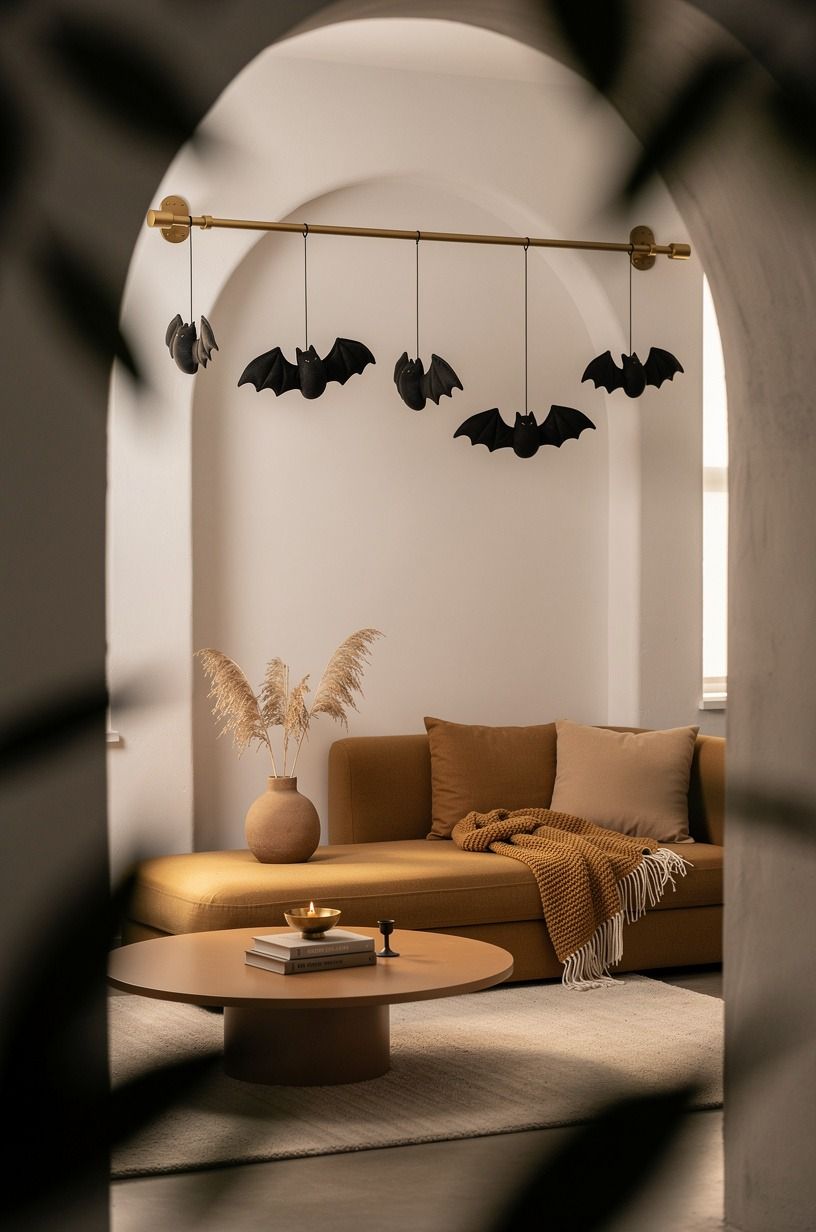
A tension rod lets you create a seasonal display without drilling, and it works especially well in a rental.
8Make a Friendly Monster Gallery
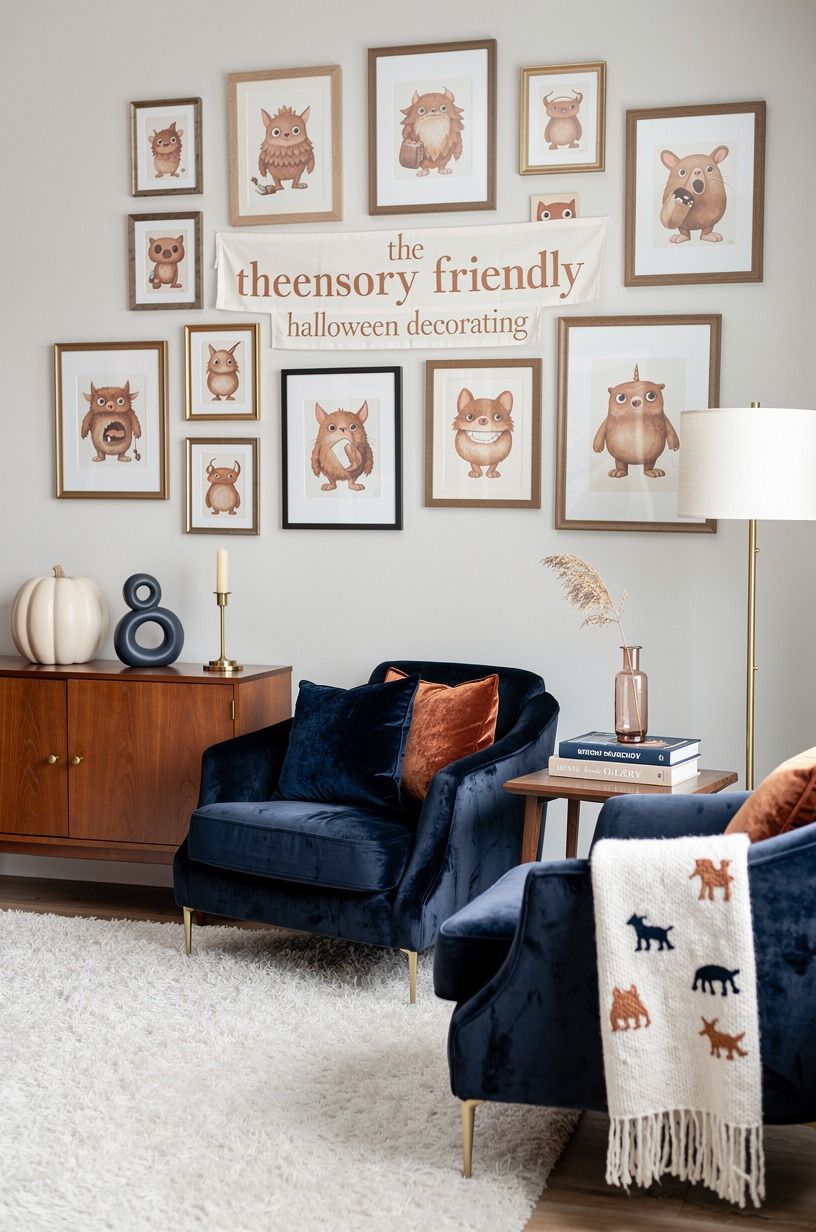
Turn monsters into portraits with clear rules: rounded bodies, open smiles, and no sharp teeth. Use watercolor paper in midnight blue, copper, and ivory, then frame each drawing in simple wood. Your child can decide whether a monster gets three eyes, a hat, or no face at all.
I like this better than buying a preprinted scary set because your child can define what “monster” means. One child might draw a sleepy purple creature, while another makes a bright green friend with six arms. Both can look playful without pretending that fear is required for Halloween.
Hang the gallery at your child's eye level, leaving generous space between the frames. A crowded wall can feel busy even when every picture is gentle.
If you want a furniture anchor, place the art above a CB2 Primitivo bench with a deep-pile mohair velvet cushion. Your child gets a place to sit, and you get a display with real personality.
9Choose Texture Over Noise
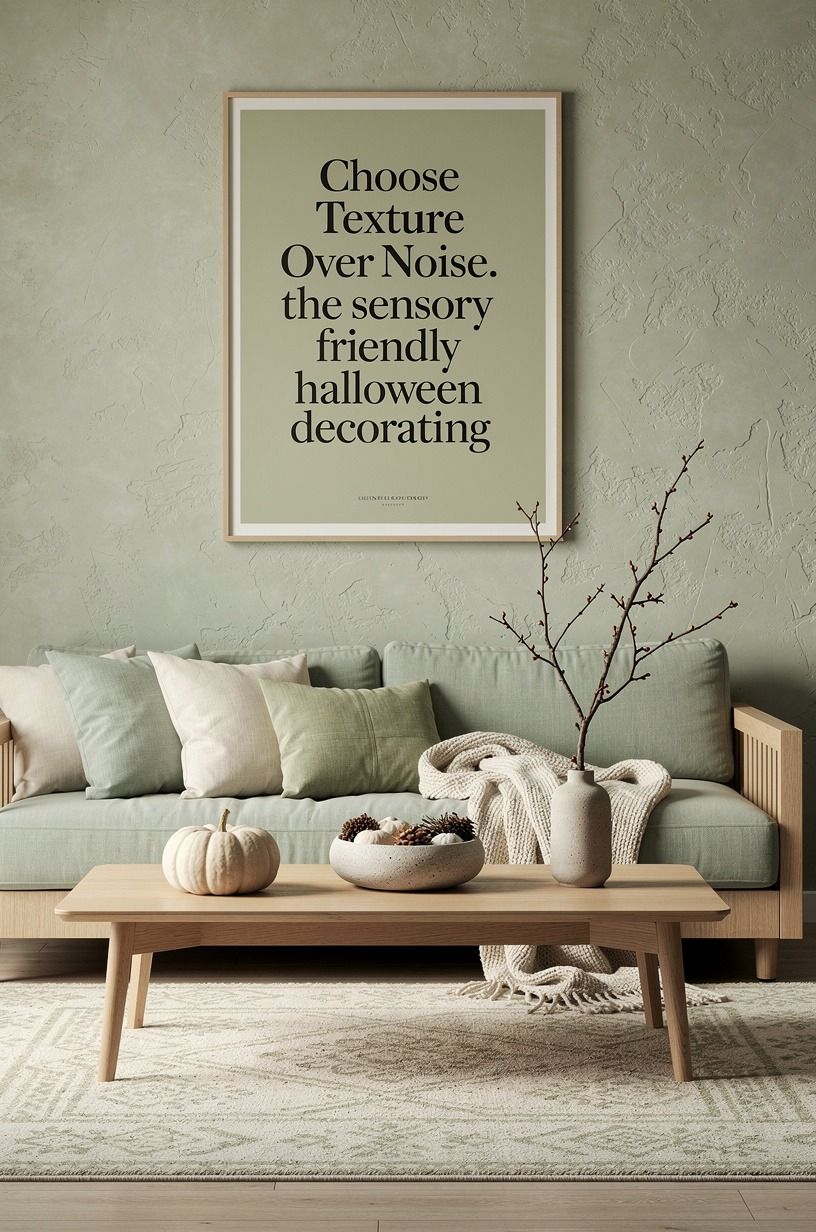
You can create a rich Halloween room through texture instead of sound. Layer a 5x7-foot play rug with a warm-cream blanket, a natural-wood pumpkin, and a basket of smooth wooden shapes. Your child gets visual interest and tactile options without music, motion sensors, or talking decorations.
I'd skip sound-activated props completely for a sensory-friendly setup. They may seem exciting for visitors, but your child can't predict when they will start.
A quiet room with hand-applied Venetian plaster and natural-wood textures feels more sophisticated and more usable after the holiday ends. You can keep the rug in the room year-round, which makes the seasonal change smaller.
Let your child touch materials before you buy or display them. Some textiles feel soft, while another fabric may feel slippery or irritating.
Your child might prefer a chunky knit or brushed cotton instead. And if you place the rug near a bed, keep the edge flat so your child can move safely during nighttime trips.
10Create a No-Surprises Entry Table
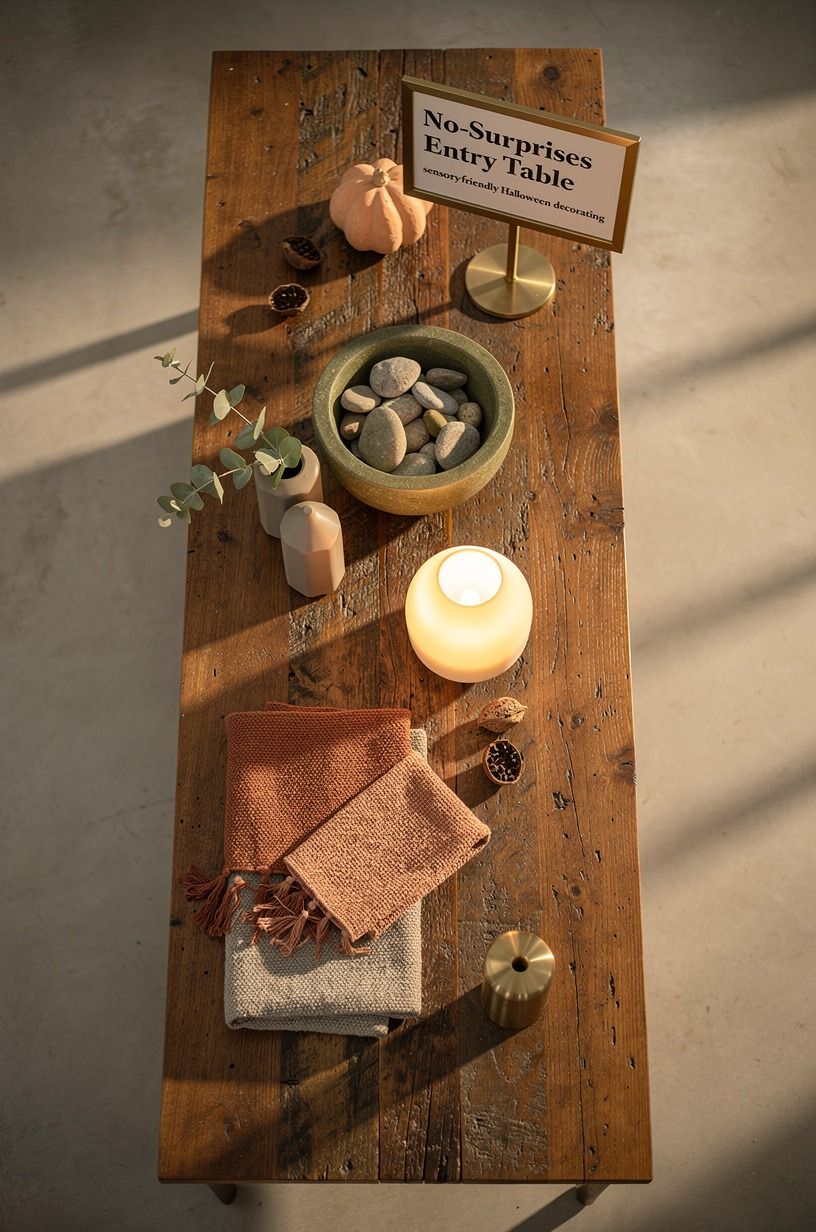
Your entry should explain the season before your child walks farther inside.
11Style a Soft Pumpkin Parade
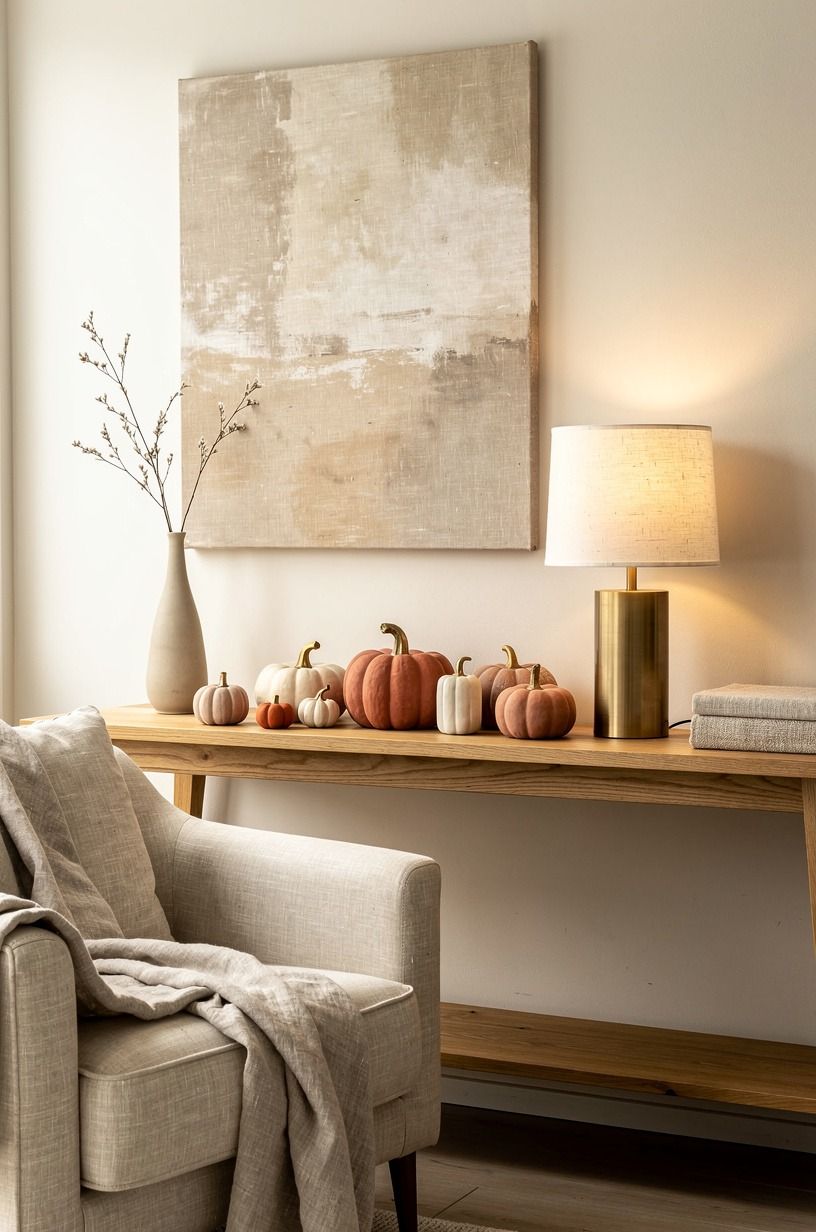
Line up fabric pumpkins in three sizes along a shelf or windowsill. Choose washed Belgian linen pumpkins in clay, cream, and aged-brass tones rather than shiny orange plastic. The repeated shapes create a harmonious display that still reads as Halloween from across the room.
Keep the largest pumpkin at the center only if your child enjoys visual symmetry. Otherwise, place the largest piece at one end and let the arrangement feel more casual. I prefer an imperfect lineup because it looks lived-in, and your child won't feel that every object has to remain in one exact position.
Make sure the shelf is secure and that the pumpkins can't fall into a walkway. For open shelves at child height, stay within the 36 to 48 inch range and leave room for your child's hands. Your child can rearrange the parade, which turns decorating into a gentle activity rather than a display they aren't allowed to touch.
12Hang a Clear Costume Station
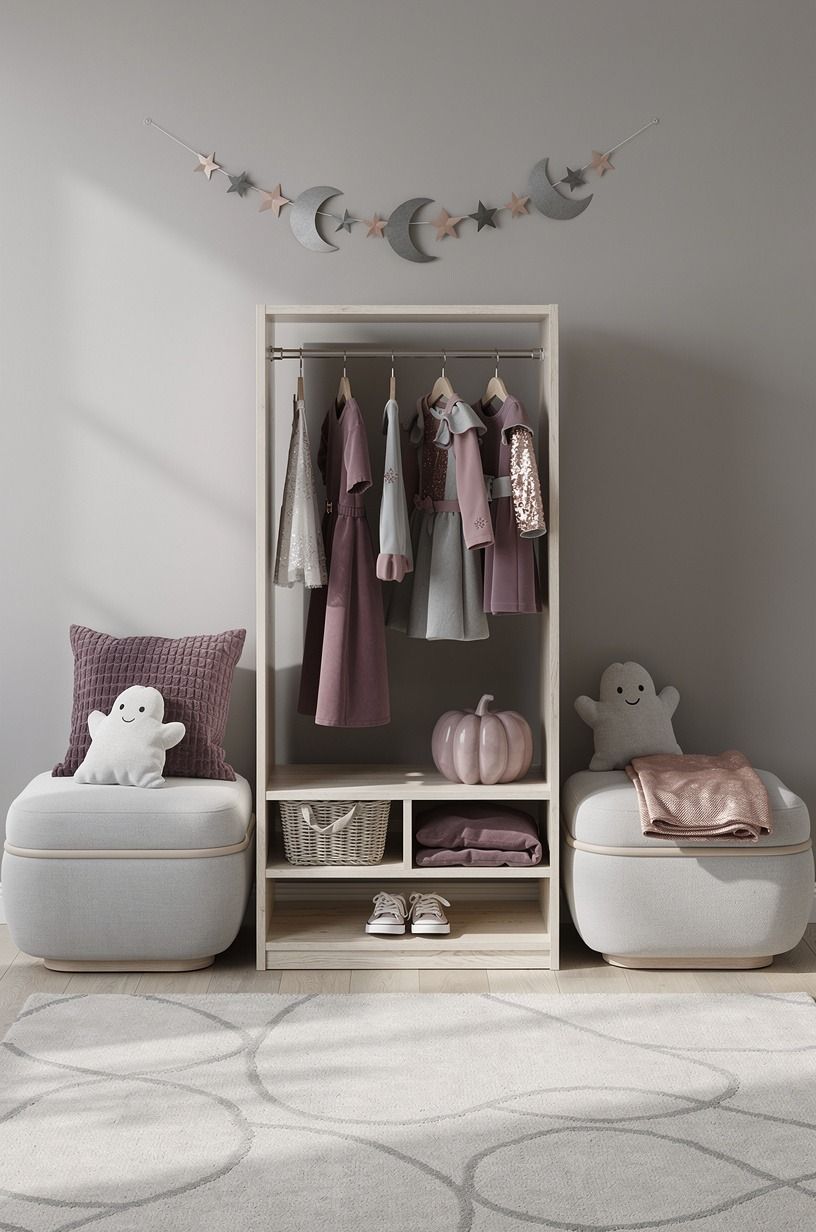
A costume station can reduce uncertainty on Halloween night. Use an open cerused white-oak peg rail with one plum cape, one soft grey hat, a rose-gold hook, and one familiar pair of shoes. Your child can see every option before getting dressed, and you won't need to pull open several drawers while the doorbell rings.
Choose costumes without scratchy seams, tight collars, or hard masks. A cotton jersey cape may feel easier than stiff polyester, and a knit animal hat can replace face paint. I'd skip anything that covers your child's eyes unless they've tried it calmly before.
Your child needs to see where they are going, especially when the room is decorated.
Place the rail near a mirror only if your child enjoys mirrors. Some children like checking the finished outfit, while others find the reflection distracting. A simple grey curtain can hide the station after Halloween if the visual clutter becomes tiring.
You get a tidy room, and your child keeps control over access.
13Set a Budget With Realistic Tiers
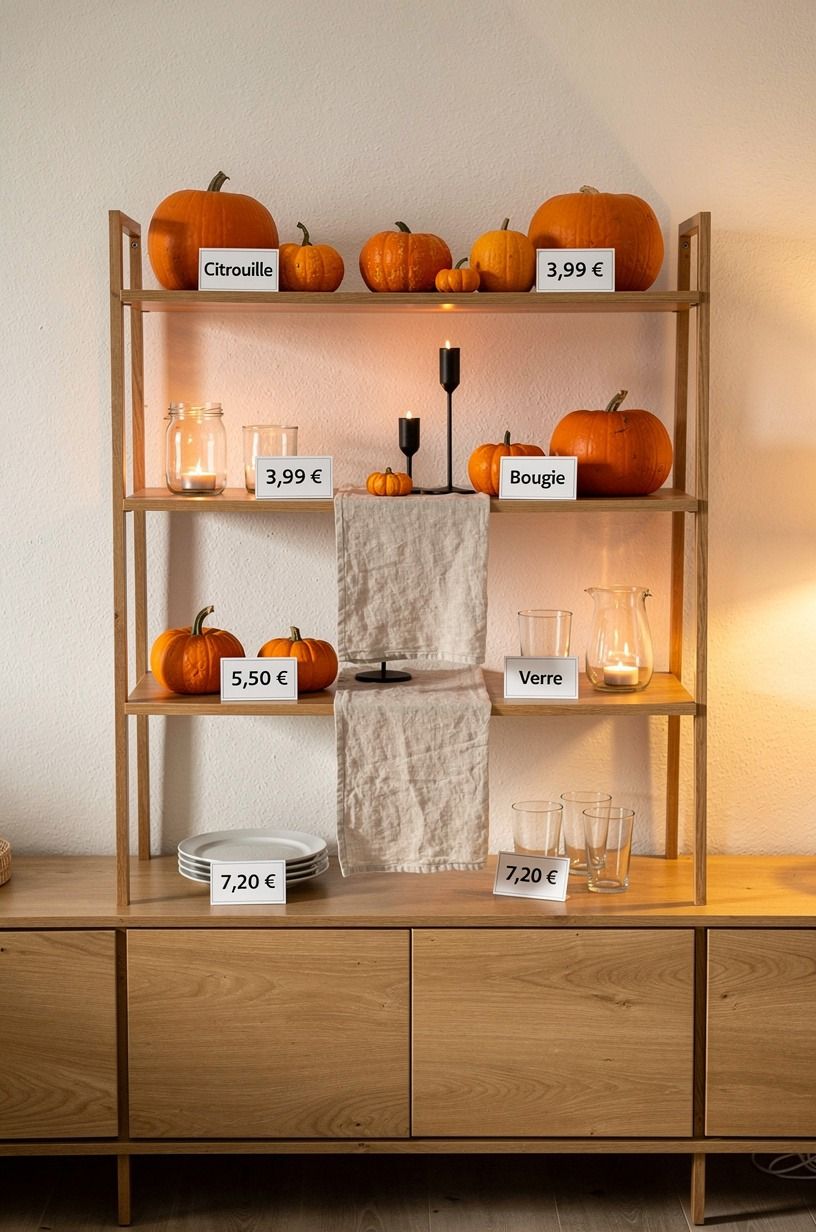
You don't need a full room makeover to create peaceful Halloween décor. Start with one light source, one soft textile, and one predictable display. The typical US ranges below are useful if you're planning a larger kids' room update, but your child may need only a few carefully chosen changes.
Your child may respond better to a $20 fabric pumpkin than to a high-end mural, so don't assume more spending creates more comfort. I would put money toward storage and adjustable lighting before a large statement piece. A navy washable quilt, white basket, and small shagreen accent can do more for your child's daily experience than expensive seasonal furniture.
14Protect a Quiet Corner With Curtains
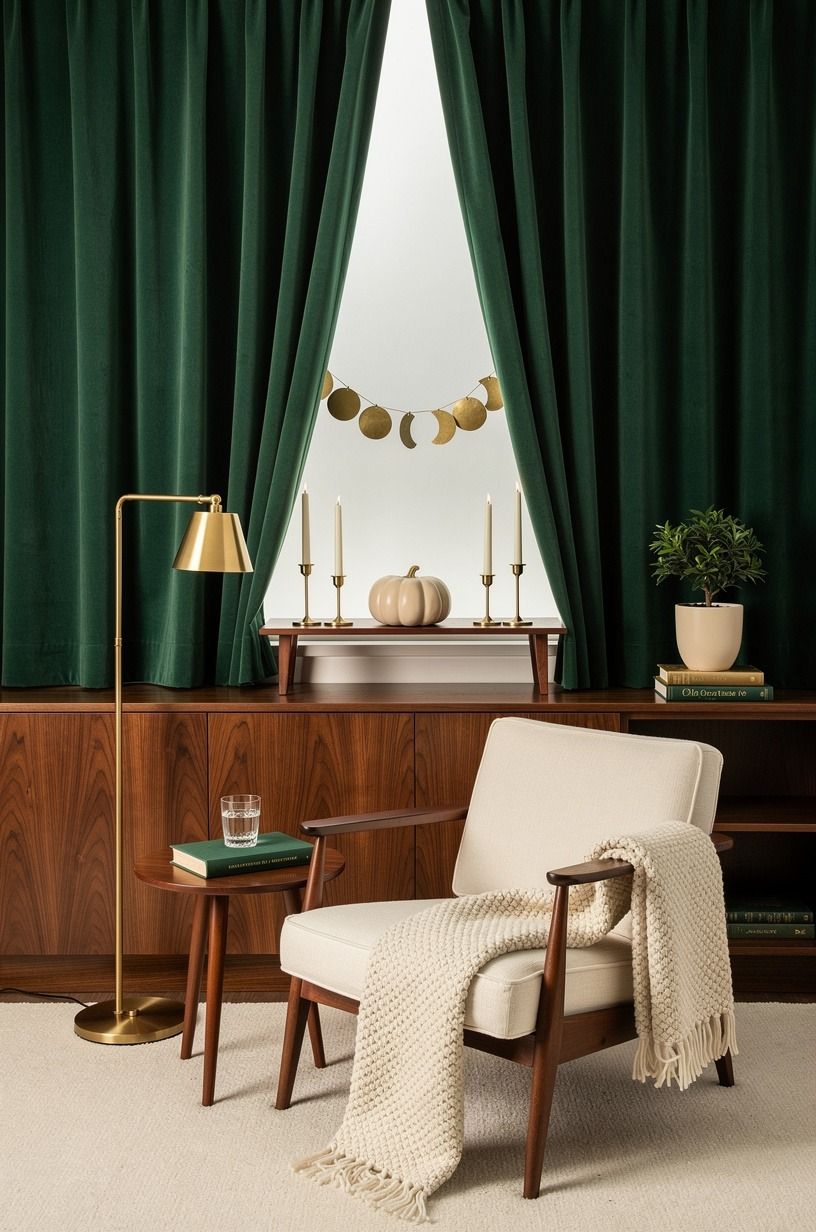
A curtain can create a visual boundary without making a room feel closed off. Hang warm-cream blackout curtains with emerald and gold trim on a tension rod around a reading chair, bed nook, or play corner. Your child can pull them partly closed when the room feels too busy, while you can keep them open for everyday use.
Don't make the corner so enclosed that you can't see your child or they can't exit easily. The goal is a soft visual filter, not isolation.
I like warm cream or dusty green better than solid black because the fabric still feels inviting during the day. Your child can decide whether the curtain stays open, halfway, or closed.
Use a familiar blanket inside, perhaps beside a small book-matched walnut table. If the blanket's weight feels uncomfortable, choose a lighter cotton instead. You know whether your child seeks pressure or avoids it, so let that observation guide the purchase.
The curtain is only useful when your child wants to use it.
15Paint the Back of a Bookcase
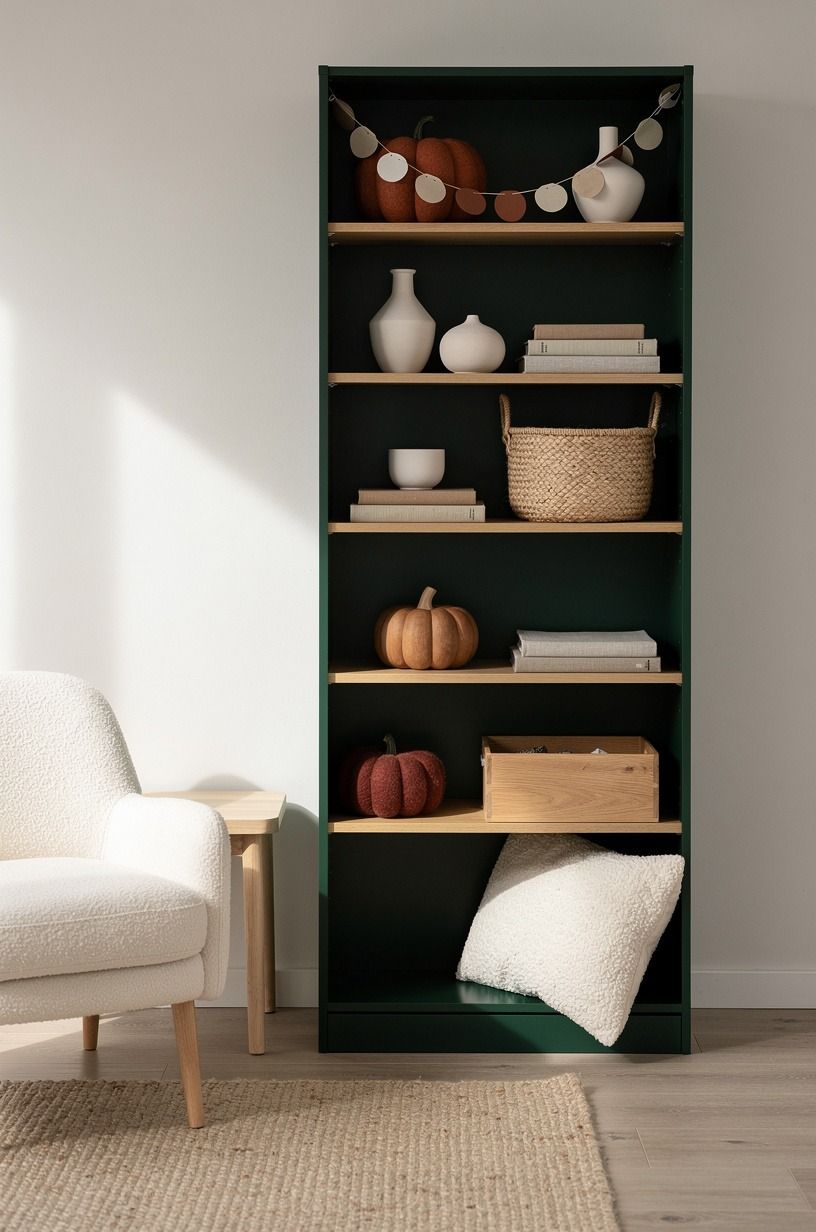
Painting the back panel of a bookcase gives you a seasonal color moment without covering an entire wall. Try Farrow & Ball Studio Green No. 93 behind natural-oak objects, a rust-colored pumpkin, and a small organic-bouclé animal figure. The deep green can feel gentle and cheerful rather than sugary or loud.
If your child prefers a warmer color, Sherwin-Williams Cavern Clay SW 7701 gives the display a quieter rust-toned background. I wouldn't combine several strong paint colors inside one small bookcase, because the shelves can start to look like a toy aisle. Choose one backdrop, then repeat two or three decorations.
Measure before you paint or use removable paper, especially if you're decorating a rental. Your child can help select the shelf contents, but you should keep heavy objects low. An open shelf at 36 to 48 inches is easy for your child to reach, and you can reserve the highest shelf for items that need supervision.
16Mix Familiar Toys With Halloween Pieces
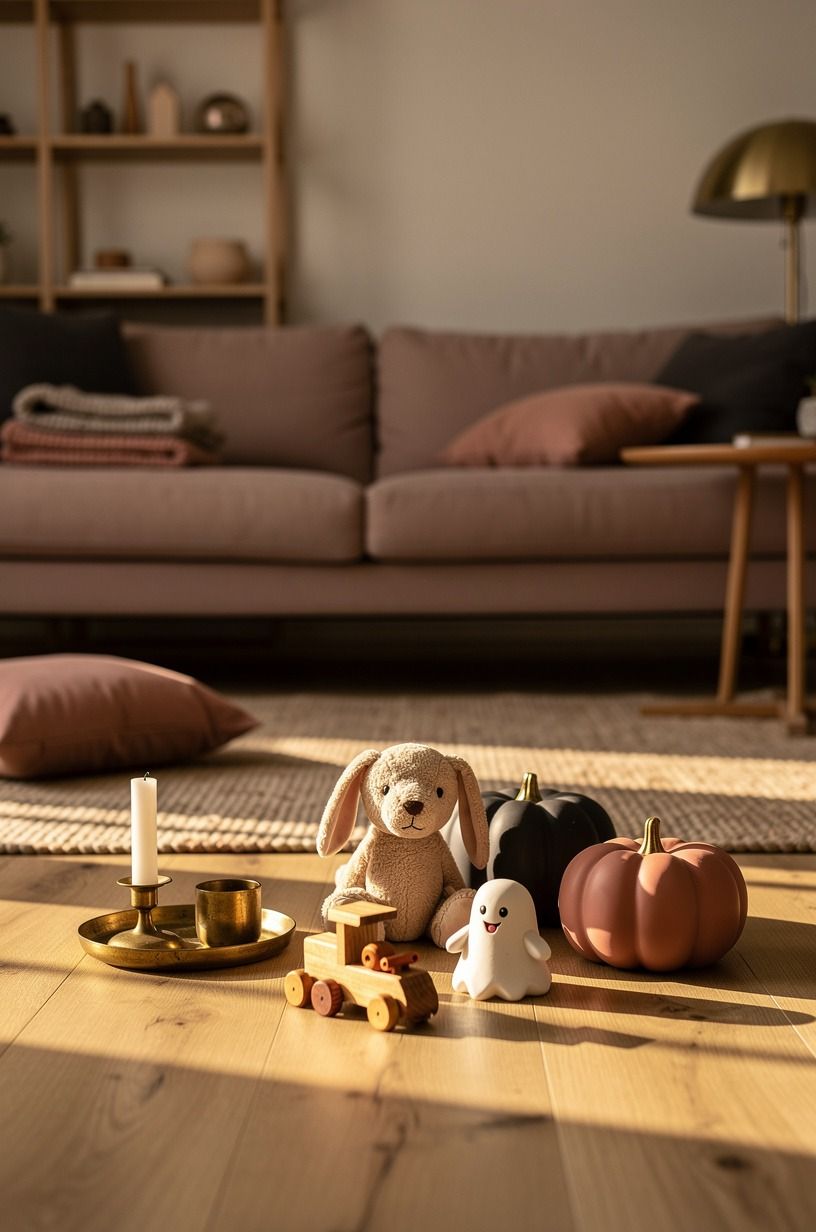
Familiar toys make new decorations feel less strange.
17Use a “Yes, No, Maybe” Decoration Board
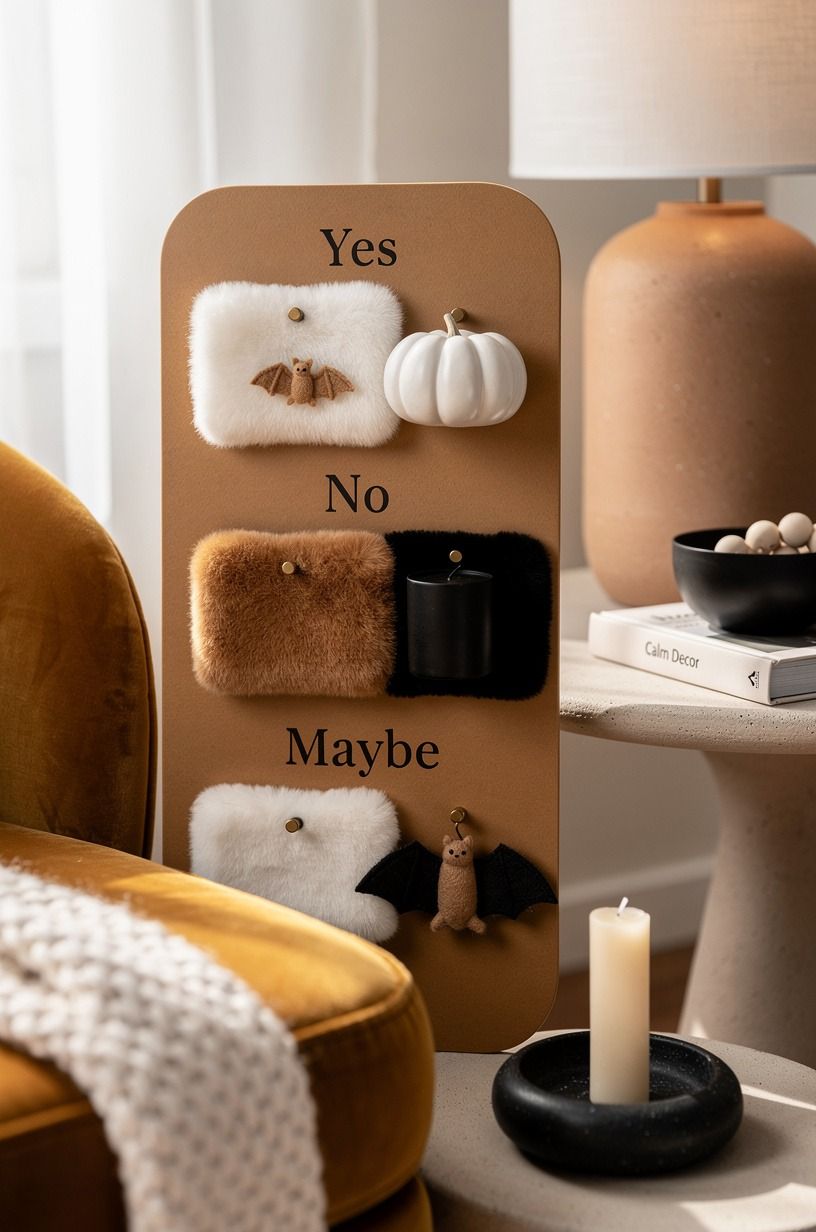
A simple board can help your child communicate preferences before the decorations go up. Draw three columns labeled yes, no, and maybe, then add pictures of pumpkins, bats, lights, masks, and sound props. Your child can point, move cards, or tell you what feels right.
The board is useful even if your child speaks easily, because preferences can change when the room looks different. A warm-white board with camel-colored deep-pile mohair velvet trim feels approachable and can stay up through the season. You don't need to persuade your child to move an item into the yes column.
A no is useful information.
I would also include a “try later” card for decorations your child isn't ready to see. That gives you room to revisit the idea without forcing the moment.
Your child gets agency, and you get a clear plan. And if the board itself feels overwhelming, use three small containers instead.
18Prepare a Calm Halloween Reset
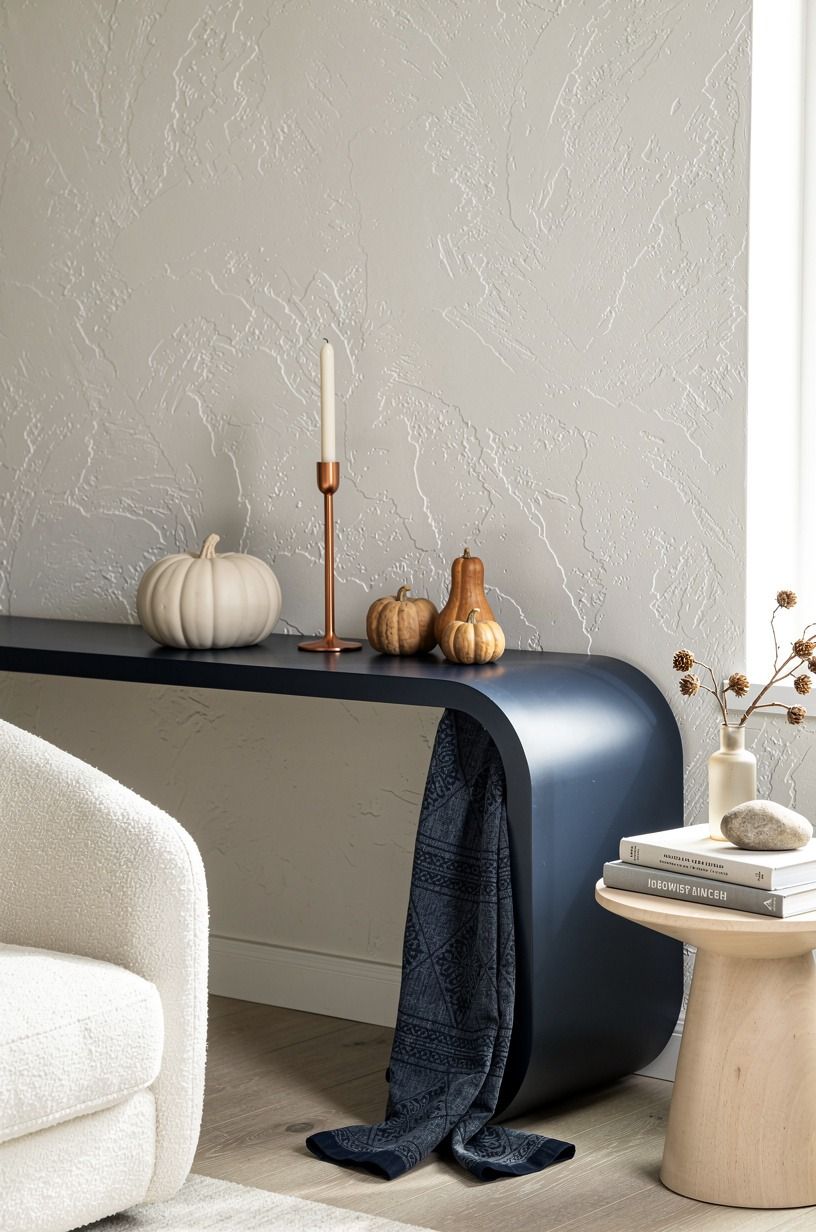
The best decoration plan includes a reset after the excitement. Keep a midnight-blue throw, familiar ivory pajamas, a copper-toned low lamp, and a simple basket in one easy-to-reach place. Your child can move from costumes and visitors back to a predictable routine without searching through a busy room.
Set the reset area before Halloween night, not after your child is already overwhelmed. You can dim the overhead light, turn off music, and remove any decoration that has become irritating. I prefer a plain corner beside a wall finished in hand-applied Venetian plaster over a themed recovery zone, because your child needs less visual information at that point.
Tell guests what the reset means before they arrive. Your child doesn't have to greet every person, wear a costume, or stay near the decorations.
An ivory pajama set may be more valuable than another seasonal purchase. Your child should finish the night feeling secure, and you should have a plan that makes that possible.
The Rule I Keep Coming Back To
I used to think sensory-friendly Halloween décor meant removing all the personality from the holiday. I was wrong.
The rooms that worked best weren't empty or overly careful. They had color, texture, and small moments of surprise, but every detail had a clear edge.
Your child could tell what an object was, where it belonged, and how to get away from it.
My biggest mistake was treating “gentle” as a color palette instead of a system. I painted one wall a soft gray, then added blinking lights, a sound prop, and a mask near the door. The color was calm, but the room wasn't.
Your child experiences the whole sequence, not the individual shopping decisions. That changed how I decorate.
Now I start with control. Can your child turn the light off?
Can they move the basket? Can they leave the display without walking through it? If the answer is no, I change the layout before I buy anything else.
A steady lamp, a 5x7-foot rug, and open storage at 36 to 48 inches can be more useful than a dramatic centerpiece.
I also don't promise that every seasonal detail will work. Your child may love fabric bats one year and reject them the next.
That's not failure. It means your child is giving you information.
Keep the pieces that create a comforting rhythm, remove the ones that create tension, and let Halloween remain a holiday your family can shape together.
A Few Things Worth Answering
What is the best sensory-friendly Halloween decorating idea for a small sensory-friendly room?
A steady lamp, a soft rug, and open storage are the best starting points because they create predictable comfort without taking much space. Try an aged-brass lamp, a 5x7-foot play rug, and one basket your child can move. Your child gets a calm visual anchor and a clear retreat.
Where can I buy sensory-friendly Halloween pieces on a budget?
Look at IKEA, Wayfair, and Target for simple lamps, fabric pumpkins, and open baskets. You can also check Facebook Marketplace or a thrift store for wood trays and cotton textiles. Your child may prefer one familiar secondhand piece over a new themed set, so shop with texture and control in mind.
How much does a sensory-friendly Halloween makeover cost?
A small update can cost about $100 to $300 when you reuse furniture and focus on lighting, fabric, and storage. Larger kids' room projects typically range from the budget tier of $150-$600 to high projects of $5,000-$15,000. Your child doesn't need the largest tier to feel comfortable.
Can I create sensory-friendly Halloween décor on a budget?
Yes, and you can start with three low-cost changes: turn off flashing lights, make a basket for seasonal items, and create a quiet corner with a familiar blanket. Your child can also draw friendly monsters on recycled paper. Those changes are gentle, flexible, and easier to adjust than permanent décor.
Is sensory-friendly Halloween décor worth it in a small space?
Yes, because a small space makes it easier for your child to understand the decoration plan. Keep one clear walking path, use a 5x7-foot rug only where it fits safely, and place open shelves at 36 to 48 inches. Your child gets fewer visual surprises, and you can reset the room quickly.
Is sensory-friendly Halloween decorating a good idea for a rental?
Yes. Use peel-and-stick decals, a tension rod, removable hooks, and fabric décor instead of permanent changes.
Your child can still enjoy a warm seasonal room, and you can remove the setup without repairing walls. Keep heavy or breakable items low, especially if your child likes rearranging displays.
Where I'd Start First
If I had to pick one, I'd start with the calm reset corner. Your child needs a reliable exit more than another pumpkin, and a lamp, blanket, and open basket can work every night. Pin the reset idea for later, then let your child choose what belongs there.