Designers Say the 12-Inch Console Rule Saves Every Tiny Entryway
25 july 2026My current apartment entry is 38 inches wide, which means every single piece I put in it had to earn its footprint. Most small entryways fail for the same handful of reasons, and designers will tell you the fixes are cheaper than the mistakes. A workable setup, a slim shoe cabinet around $40, one mirror, a few hooks, typically costs under $150 total.
Here are the seven errors to ditch first.
Stop Letting Shoes Flood the Floor
The single most common failure I see in small apartment entryways is a loose pile of shoes by the door. It reads as chaos before you even step inside.
The fix is a shallow wall-mounted cabinet, and the gold standard for tight spaces is the IKEA TRONES, roughly 7 1/8 inches deep and typically about $40 for a two-pack. It swallows six pairs of shoes and eats almost zero floor space.
One honest caveat: the TRONES is polypropylene, so it looks like what it costs. If you want a more furniture-like feel, the IKEA BISSA runs typically around $50 to $80 and still stays slim.
My strong opinion: in an apartment under 700 square feet, a closed cabinet beats an open rack every time. Hidden clutter is the whole game.
Hang a Mirror, Skip the Gallery Wall
Designers put a mirror in nearly every small entryway for two reasons: it bounces light and it gives you the last-look check before you leave. A gallery wall of tiny frames does neither.
A round mirror around 24 to 30 inches wide is the sweet spot above a cabinet or console. Target's Threshold line typically sells them in the $30 to $60 range, and the thin black metal frames read far more expensive than they are.
Hang it so the center sits around 57 to 60 inches from the floor. Too high is the mistake I see most, and it instantly looks like a rental afterthought.
Add Hooks Before You Add Furniture
If your budget covers exactly one upgrade, make it hooks. Two to four of them solve coats, bags, dog leashes, and keys for typically under $25 total.
A simple peg rail from Home Depot or a set of matte black single hooks from Amazon works in almost any style of apartment. Matte black hardware is my default because it disappears against both white and colored walls.
Mount them at two heights if kids or long coats are in the picture. One row at about 66 inches, another around 48.
Renters, take note: adhesive hooks rated for 5 pounds each handle most daily loads and leave the wall intact.
Choose a Console Under 12 Inches Deep
The depth number is the whole decision. Anything deeper than about 12 inches will make a narrow entry feel like an obstacle course, and designers are blunt about this.
Wayfair carries narrow console tables typically from about $65 to $200, and filtering by depth under 12 inches is the first click you should make. Depth first, style second, logo never.
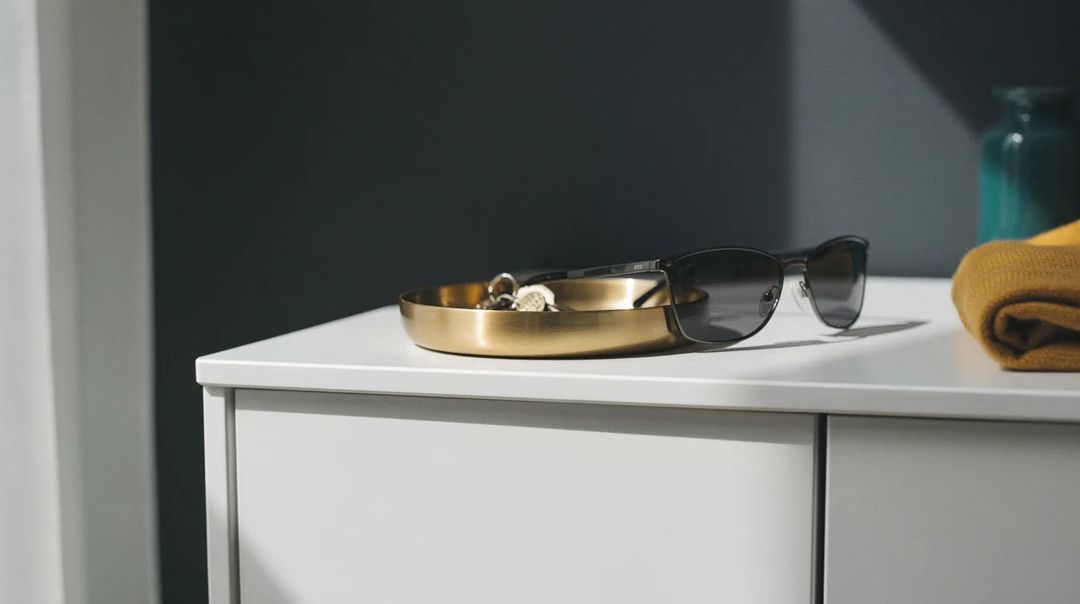
A 10 to 12 inch deep console still holds a tray for keys, a small lamp, and a stack of mail. That is genuinely all an entry needs.
If even 10 inches is too much, a floating shelf at console height does the same job for typically around $20 to $40 and keeps the floor completely clear.
Define a Drop Zone With One Runner
A runner tells your brain: this is a room, not a hallway you happen to dump things in. It is the cheapest way to make an entry feel intentional.
For a typical apartment entry, a 2 x 6 foot runner works well, and washable options from Amazon or Target typically run about $30 to $60. Washable matters here, because this rug takes more abuse than any other textile in your home.
Pick a low pile. A chunky shag runner by a front door is a tripping hazard and a dirt magnet, and no amount of style rescues it.
One strong opinion: skip the tiny doormat-sized rug that floats in the middle of the floor. It visually shrinks the space and slides around constantly.
Sit Down Only If the Clearance Allows It
A bench is lovely until it blocks the door swing. Designers only approve entry benches when you can keep roughly 36 inches of clear walkway, which is the standard comfortable passage width.
If you have the room, a storage bench around 36 to 42 inches wide does double duty. Target and Walmart carry solid options typically in the $80 to $150 band, and the hidden compartment eats scarves and hats all winter.
If you do not have the room, accept it. A cramped entry with a bench is worse than an open entry without one.
A wall-mounted folding seat is the underrated middle ground, typically around $40, and it vanishes when you do not need it.
Light It Like a Room, Not a Closet
Most apartment entries inherit one sad ceiling flush mount, and most people just live with it. Designers treat this as a fixable error, not a fact of life.
A plug-in wall sconce or a small table lamp on the console changes everything. IKEA sells plug-in sconces typically for around $25 to $45, and no electrician is required.
Aim for a warm bulb around 2700K. Cool white light in an entryway makes every coat hook and shoe look like a waiting room.
If hardwiring is possible in your place, a semi-flush fixture with a real shade runs typically about $60 to $120 at Home Depot and is worth every dollar.
Start with the shoe cabinet and the mirror, because those two pieces solve the mess and the light in one weekend. Everything else on this list is a $25 decision you can make later.