23+ Cottage Garden Ideas That Feel Like a Magazine Spread
23 february 2026You know that moment when you stumble across a garden that makes you stop mid-scroll? The kind with roses tumbling over weathered gates and lavender spilling onto stone paths like it's been there forever. That's cottage garden magic, and honestly, it's easier to create than Instagram makes it look.
These 23 cottage garden ideas strip away the intimidation factor and show you exactly how to layer plants, choose pathways, and add those lived-in details that make a space feel like it's been loved for decades. No overthinking required.
1. Layered Perennial Borders With Heritage Stone Pavers
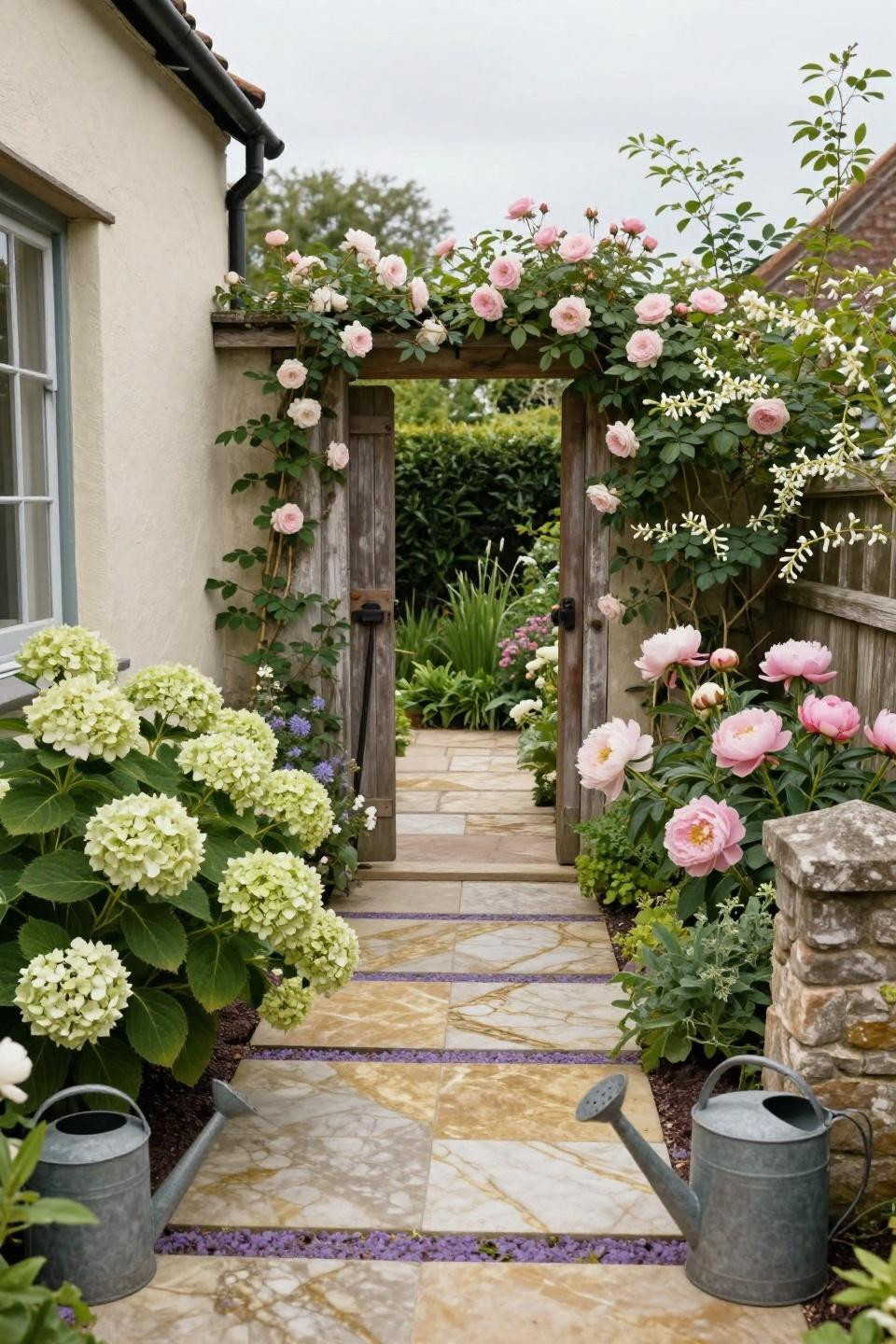
Hydrangeas and peonies make the absolute best friends when you plant them together. The sage-green tones cool down all that soft pink, and Calacatta marble pavers (or affordable lookalikes from Home Depot's natural stone section) ground the whole scene without fighting for attention.
2. Climbing Roses on Hand-Forged Iron Arbor
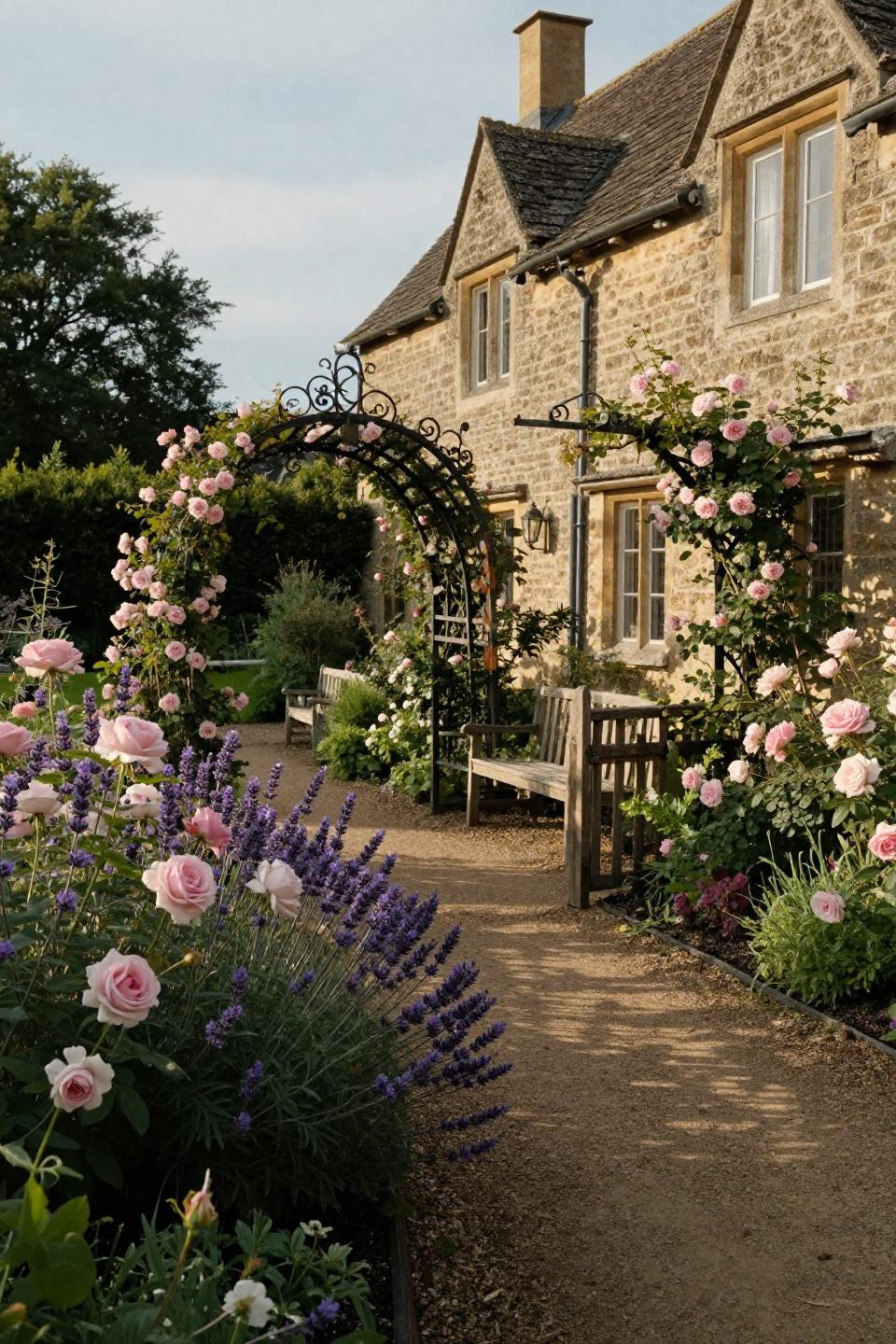
That 1920s blacksmith joinery isn't just pretty, it's stupidly durable. Modern powder-coated versions from Gardener's Supply Company run around $400 and handle years of rose weight without buckling.
3. Cascading Heritage Roses With Travertine Pathways
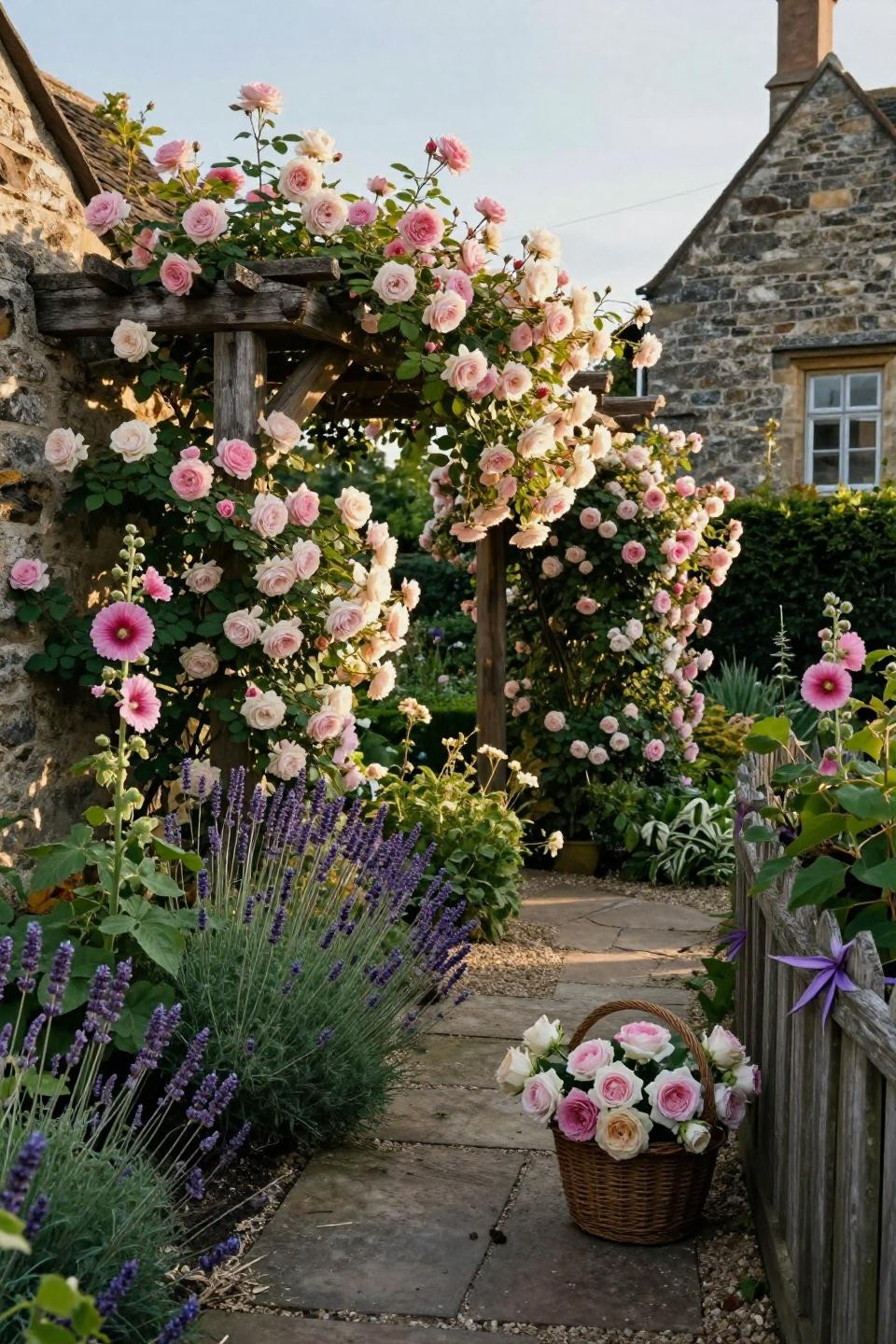
Travertine is sneaky expensive, but reclaimed pieces from salvage yards cost half as much and come with better character. Let clematis fill in the gaps where roses won't climb, they're less fussy about pruning.
4. Dense Delphinium and Lavender Mixed Borders
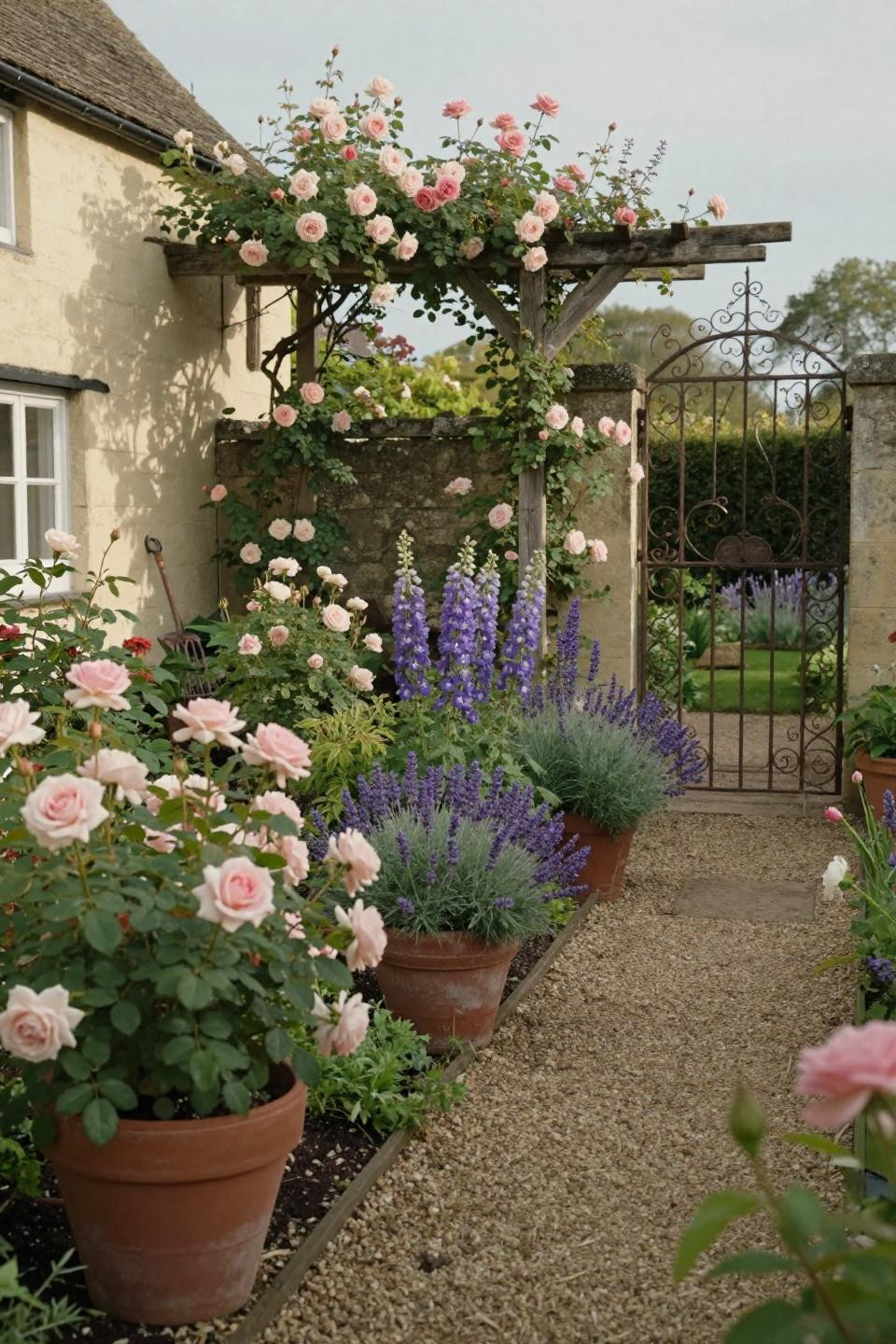
Delphiniums need staking by July or they'll flop across your gravel like dramatic teenagers. Use bamboo stakes, not those awful green plastic ones that photograph terribly.
5. Box Hedging With Foxglove Accents
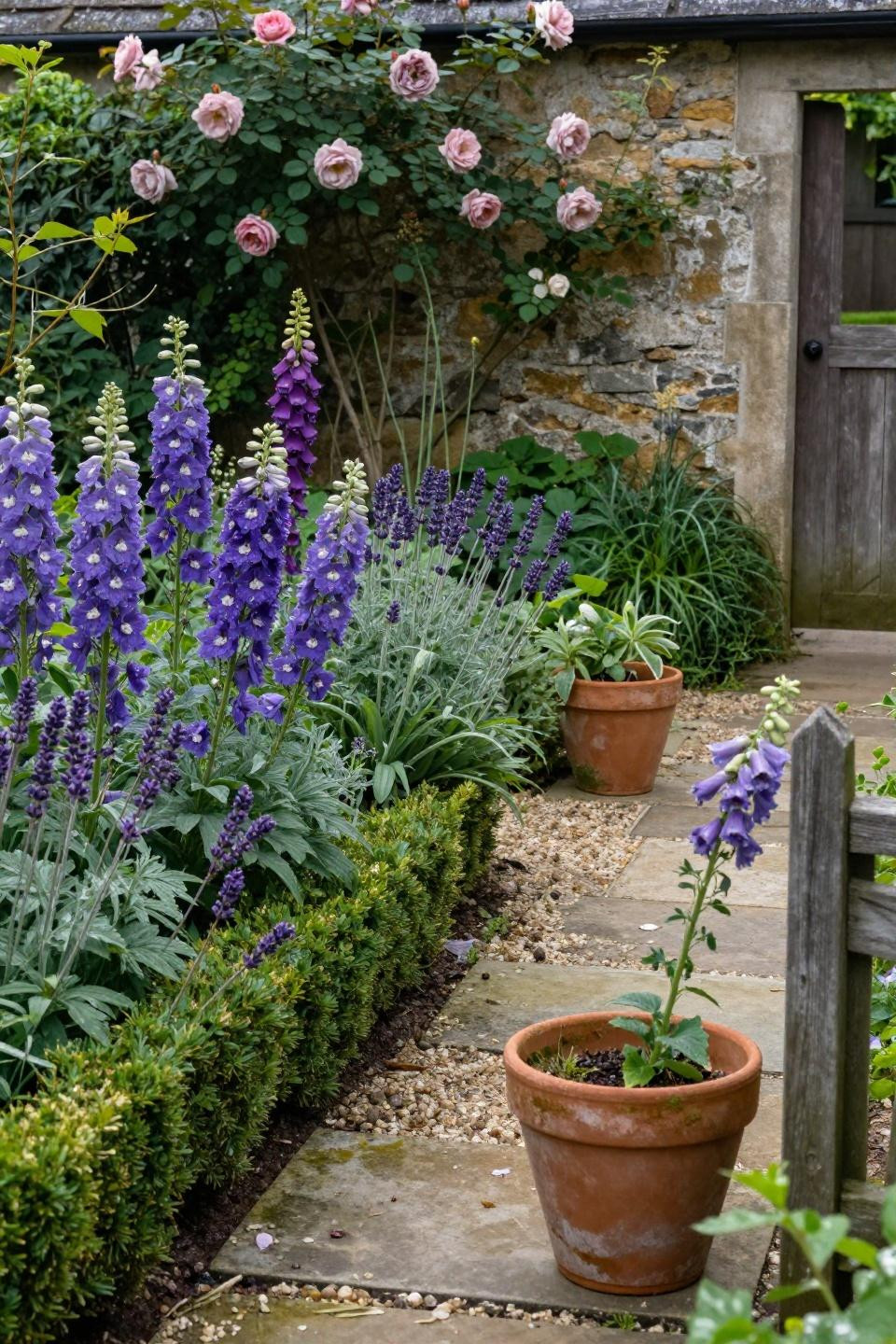
Box hedging takes three years to look established, so buy the biggest plants you can afford upfront. Foxgloves self-seed like crazy once they're happy, which means free plants forever if you don't deadhead too aggressively.
6. Lime-Washed Cottage Walls With Clematis
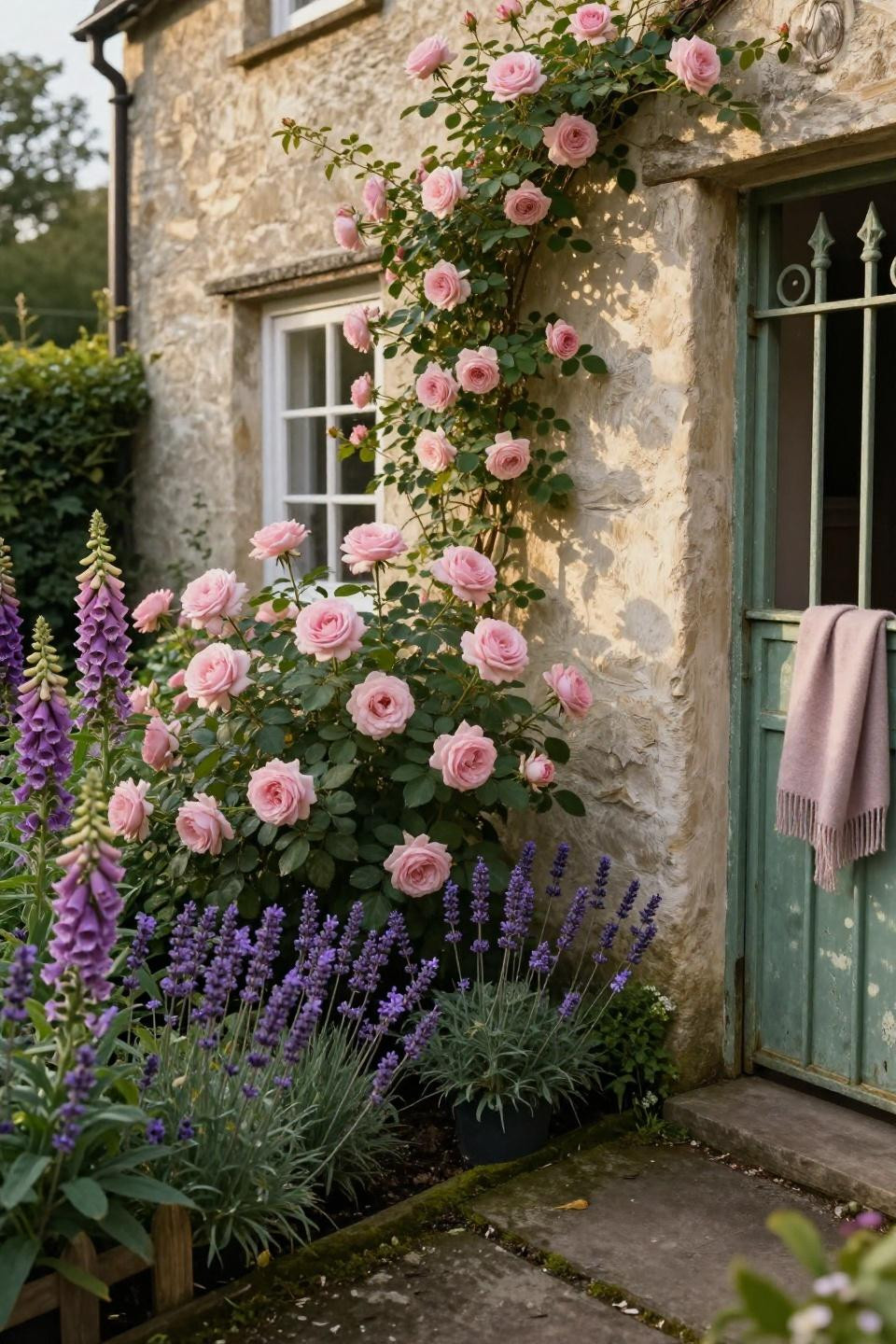
That brushstroke texture happens when you apply limewash in random directions instead of tidy vertical strokes. It's messier but way more authentic looking.
7. Sage Green Arbor With Coral Climbing Roses
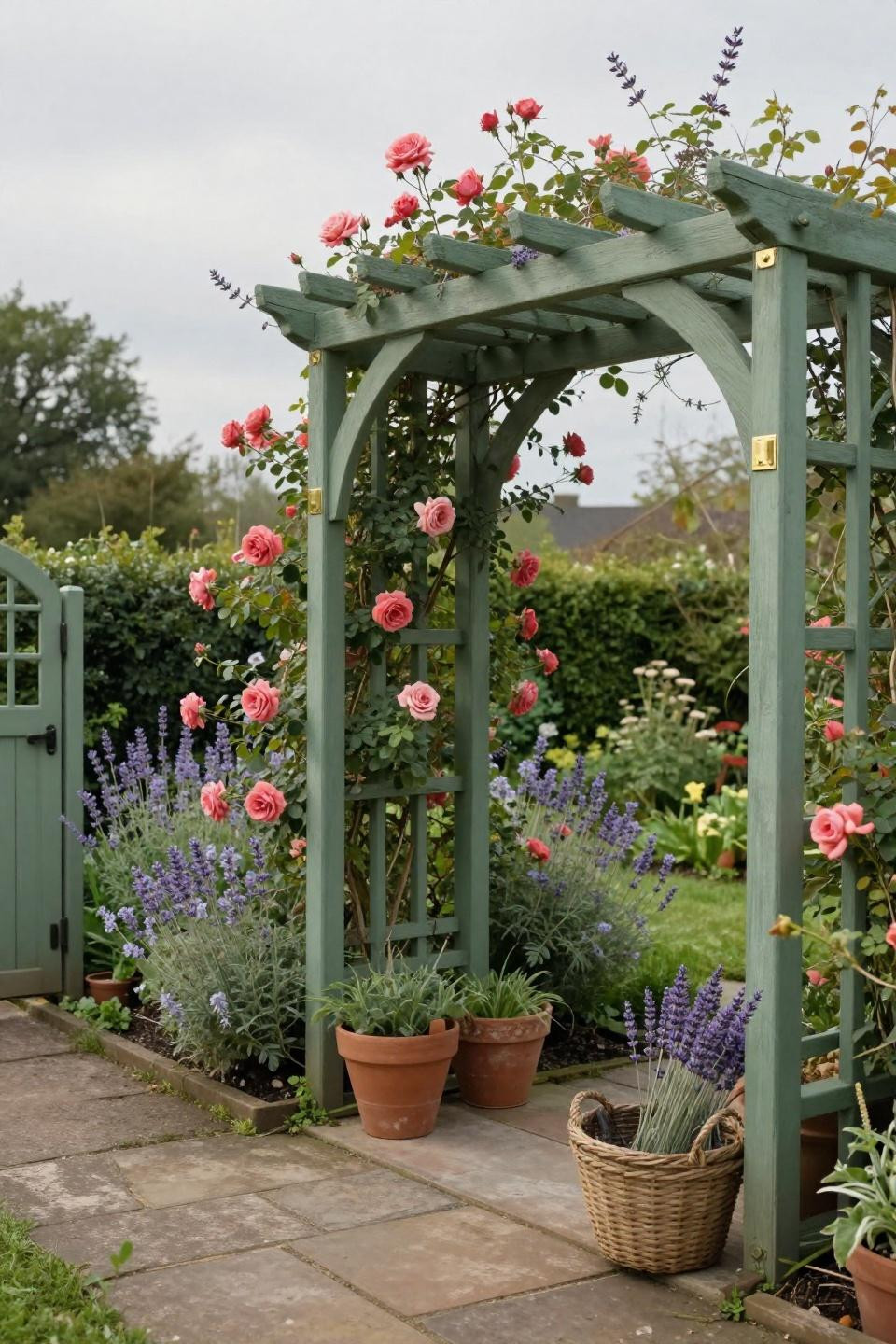
Unlacquered brass hardware ages into that perfect tarnished gold within six months of weather exposure. It's worth the extra $40 over basic steel hinges.
8. Calacatta Gold Stepping Stones Through Lavender
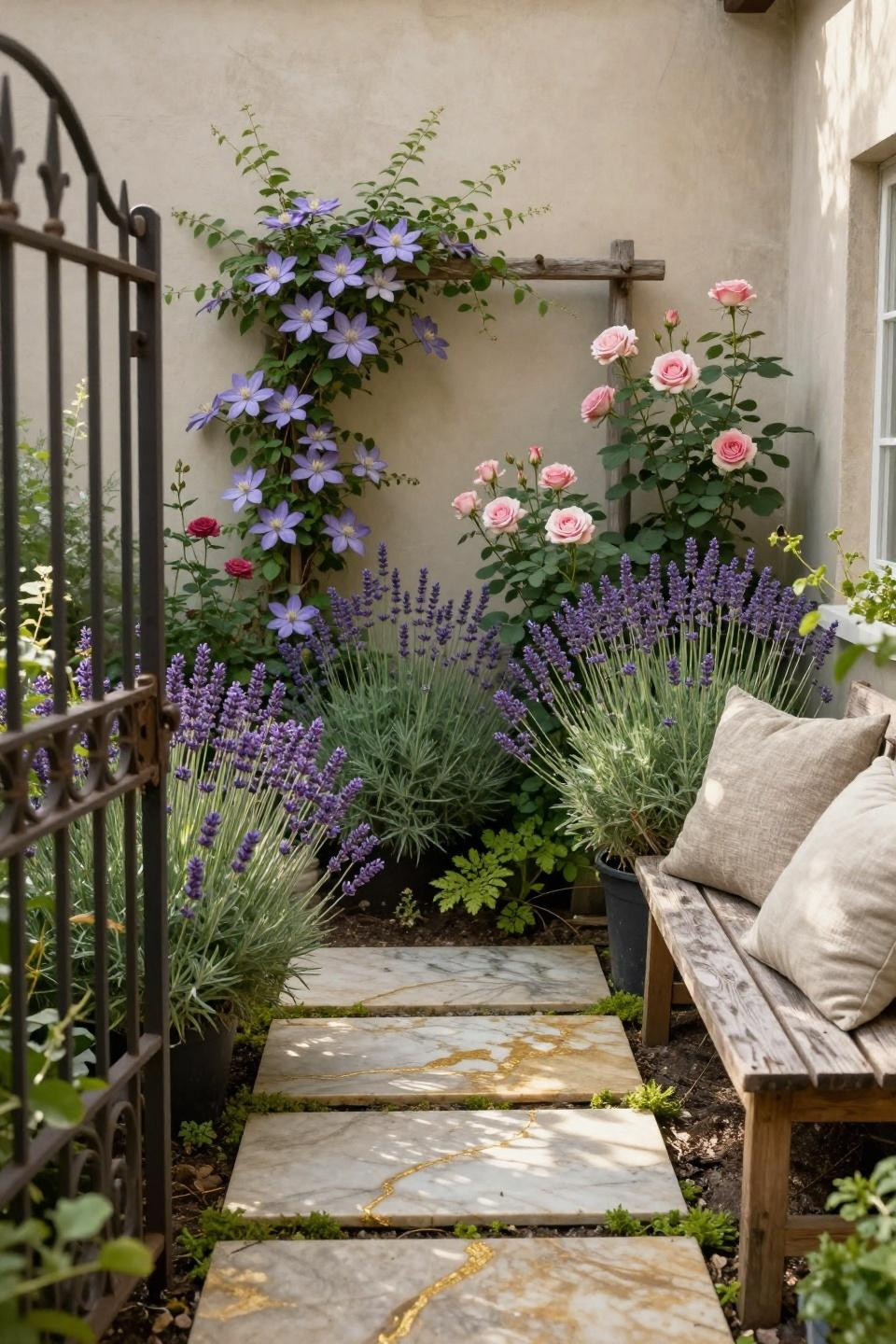
Let moss grow in the joints between stones instead of fighting it with weed killer. It softens everything and actually helps with drainage during heavy rain.
9. Travertine Pavers With Fossil Impressions
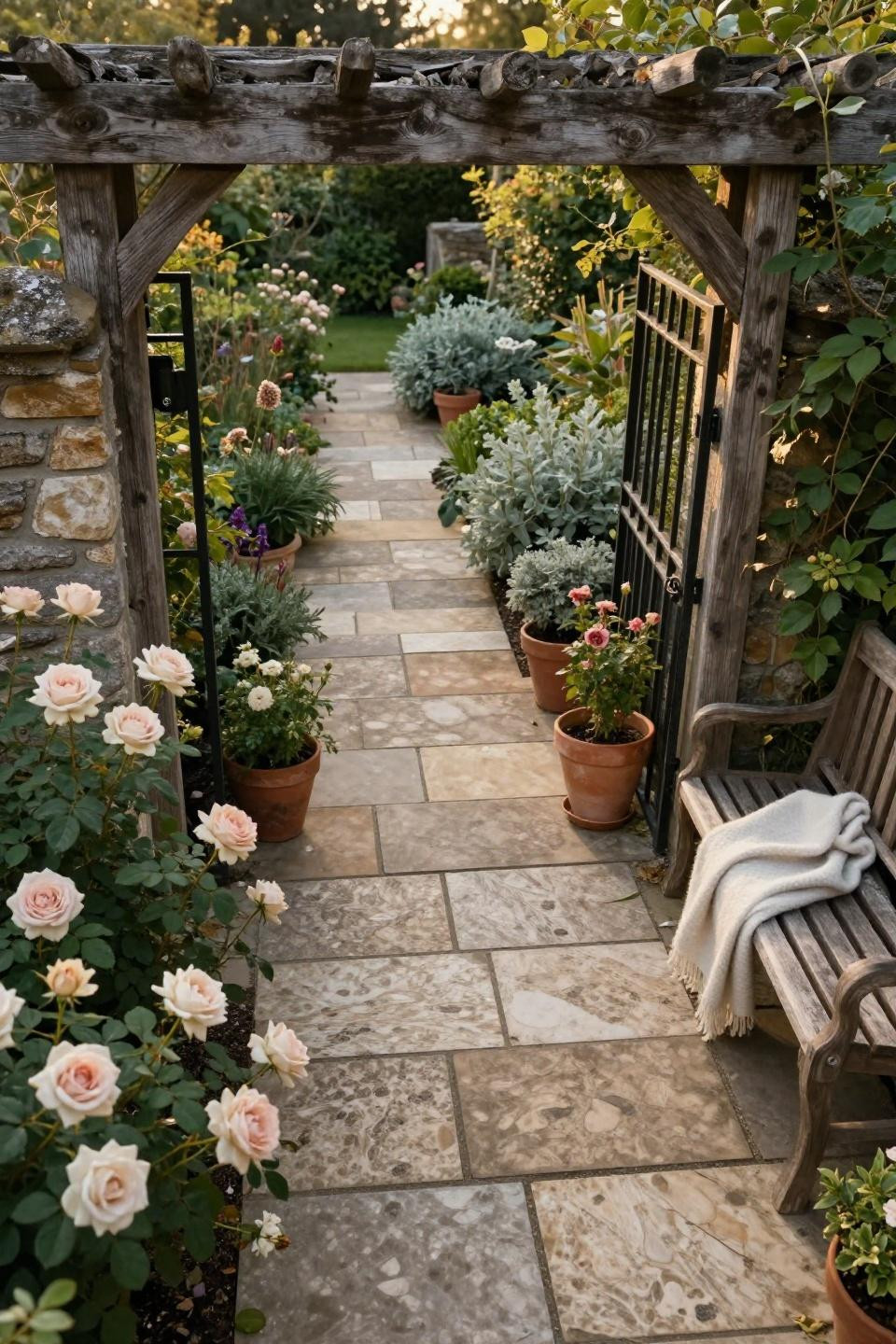
Those fossil details in natural travertine make every stone slightly different, which is the whole point. Porcelain lookalikes photograph fine but feel weirdly perfect in person.
10. Weathered Terracotta With Worn Pathways
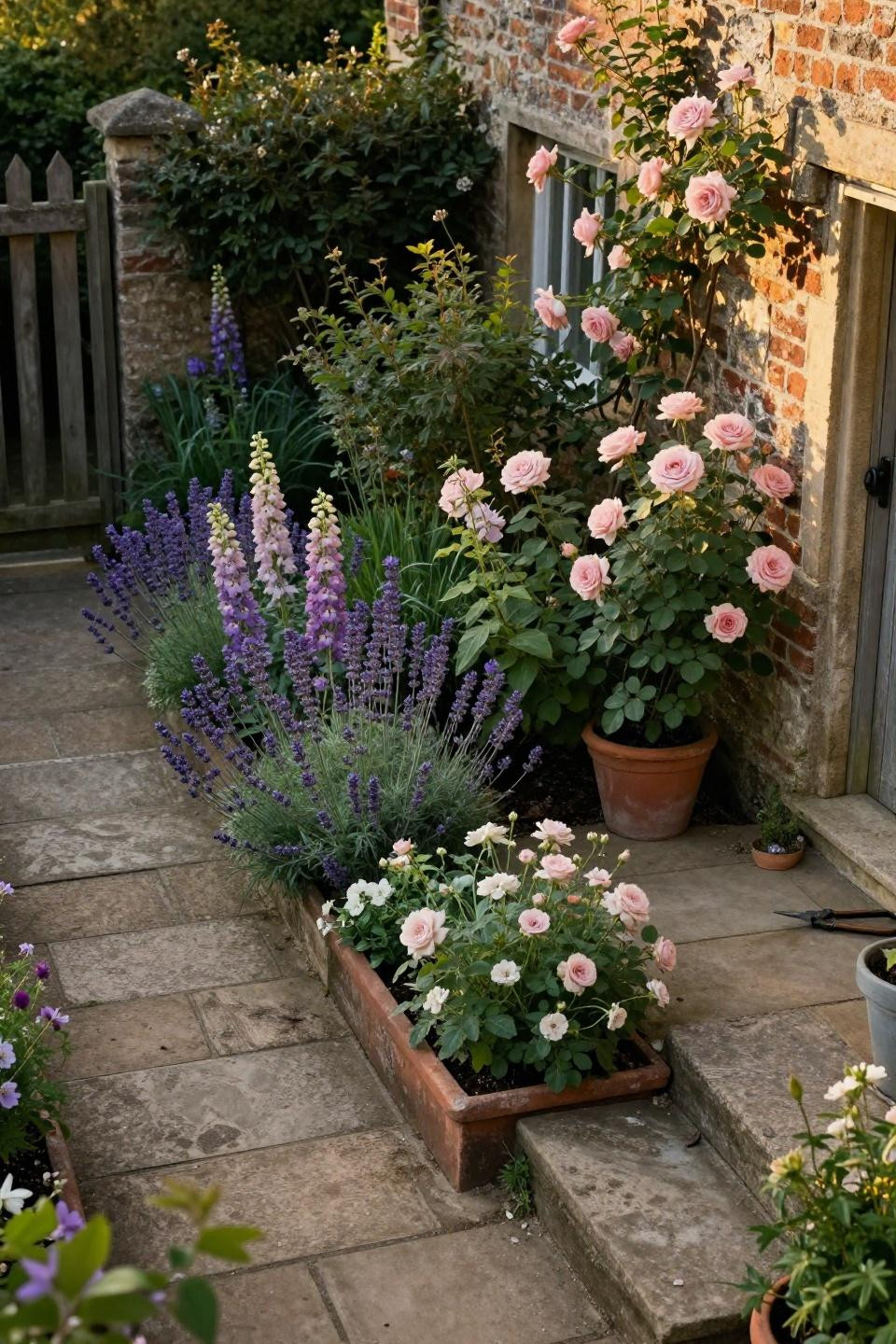
New terracotta pots look painfully orange. Speed up aging by coating them in yogurt and leaving them in shade for two weeks, the bacteria creates instant patina.
11. Whitewashed Timber Arbor With Gravel Pathway
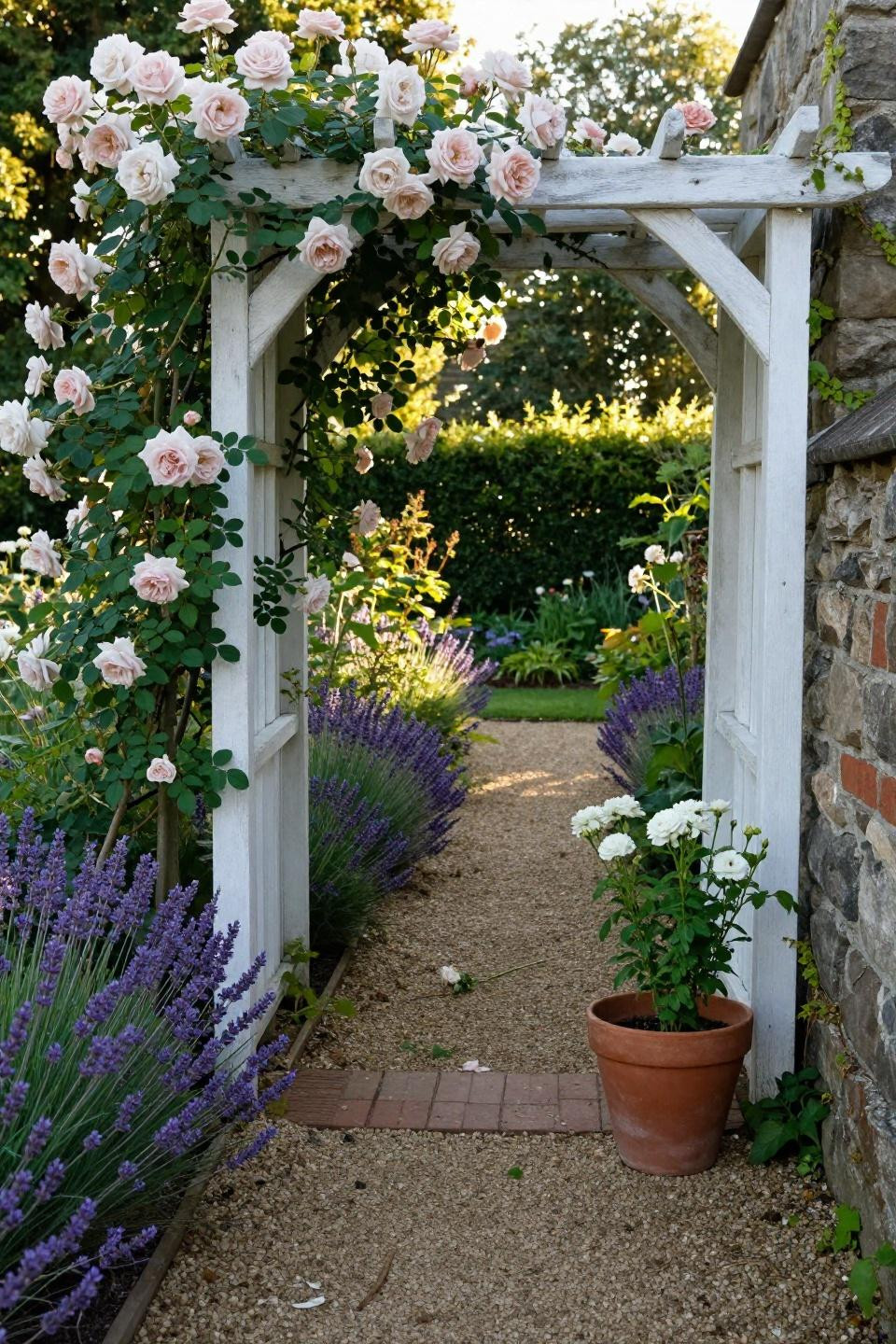
Pea gravel (3/8 inch) stays put way better than larger stones and doesn't hurt bare feet in summer. Budget around $45 per cubic yard for decent coverage.
12. Limestone Edging With 50-Year Moss Growth
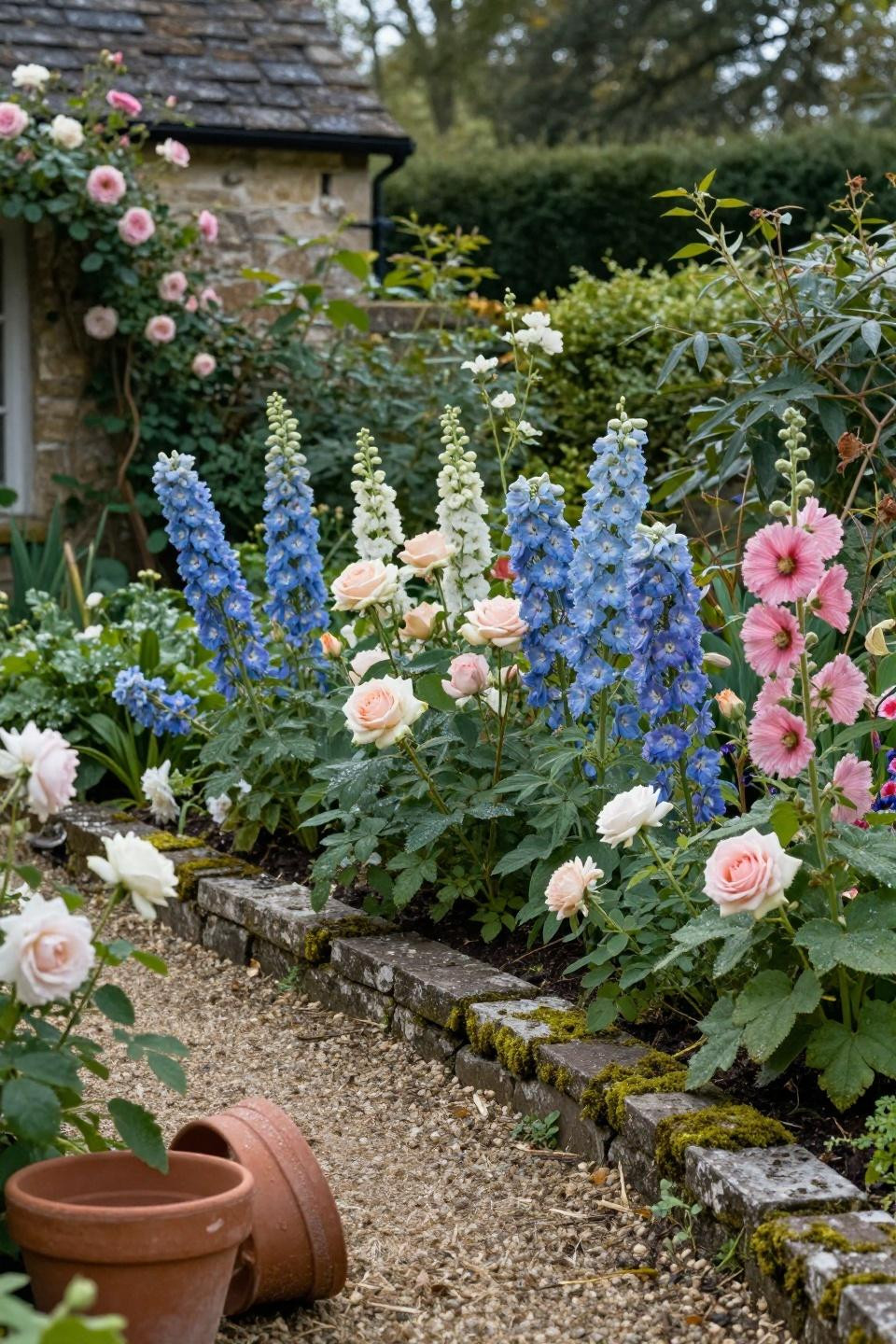
You can't fake decades of moss colonization, but you can plant near shade and water edges consistently. Limestone holds moisture longer than granite, which helps.
13. Flagstone Path With Geometric Shadow Patterns
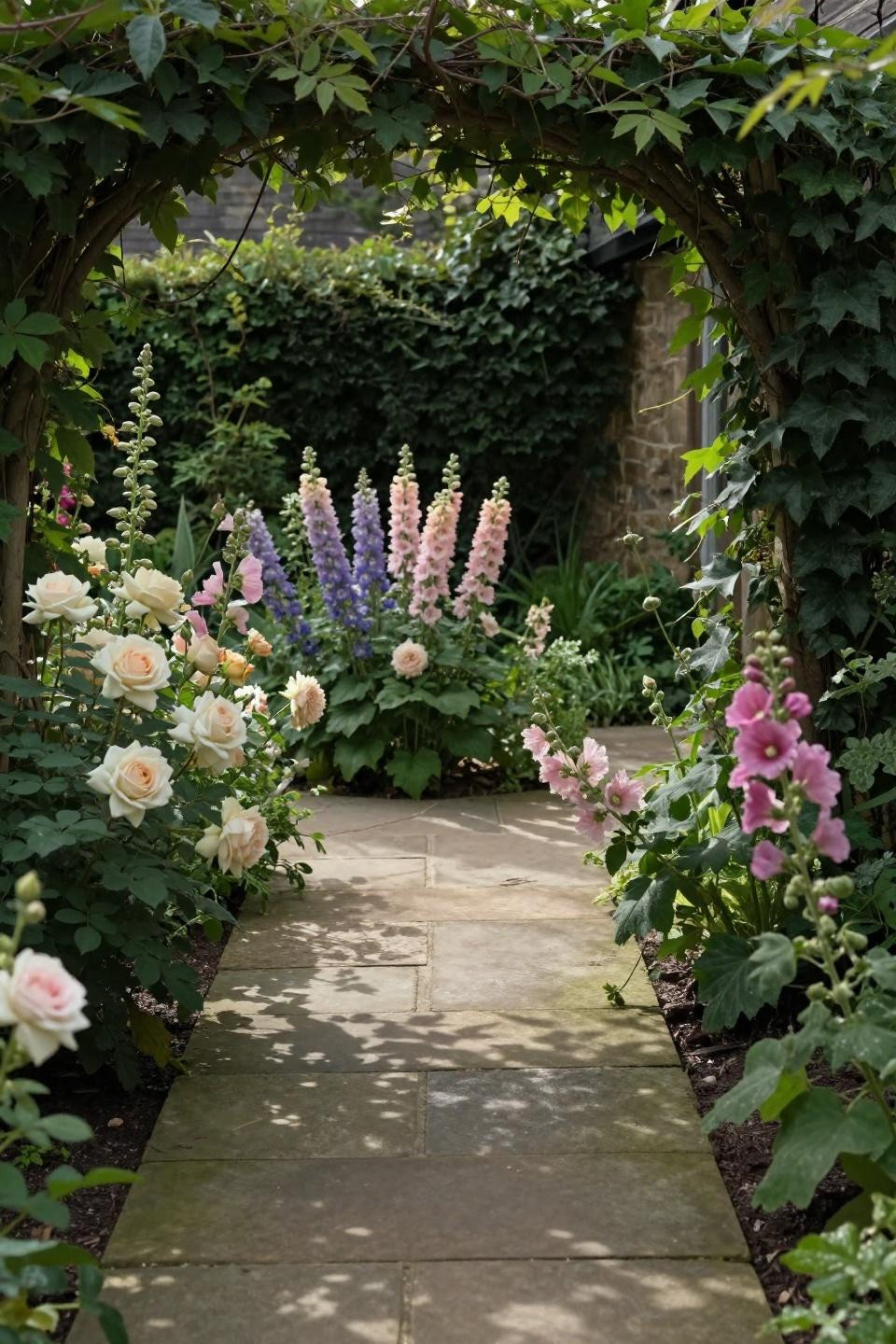
Irregular flagstones look more natural than uniform pavers, but leave at least 2 inches between stones or grass will take over by August. Sand works better than soil for filling gaps.
14. Brick Pavers With Wisteria Overhead
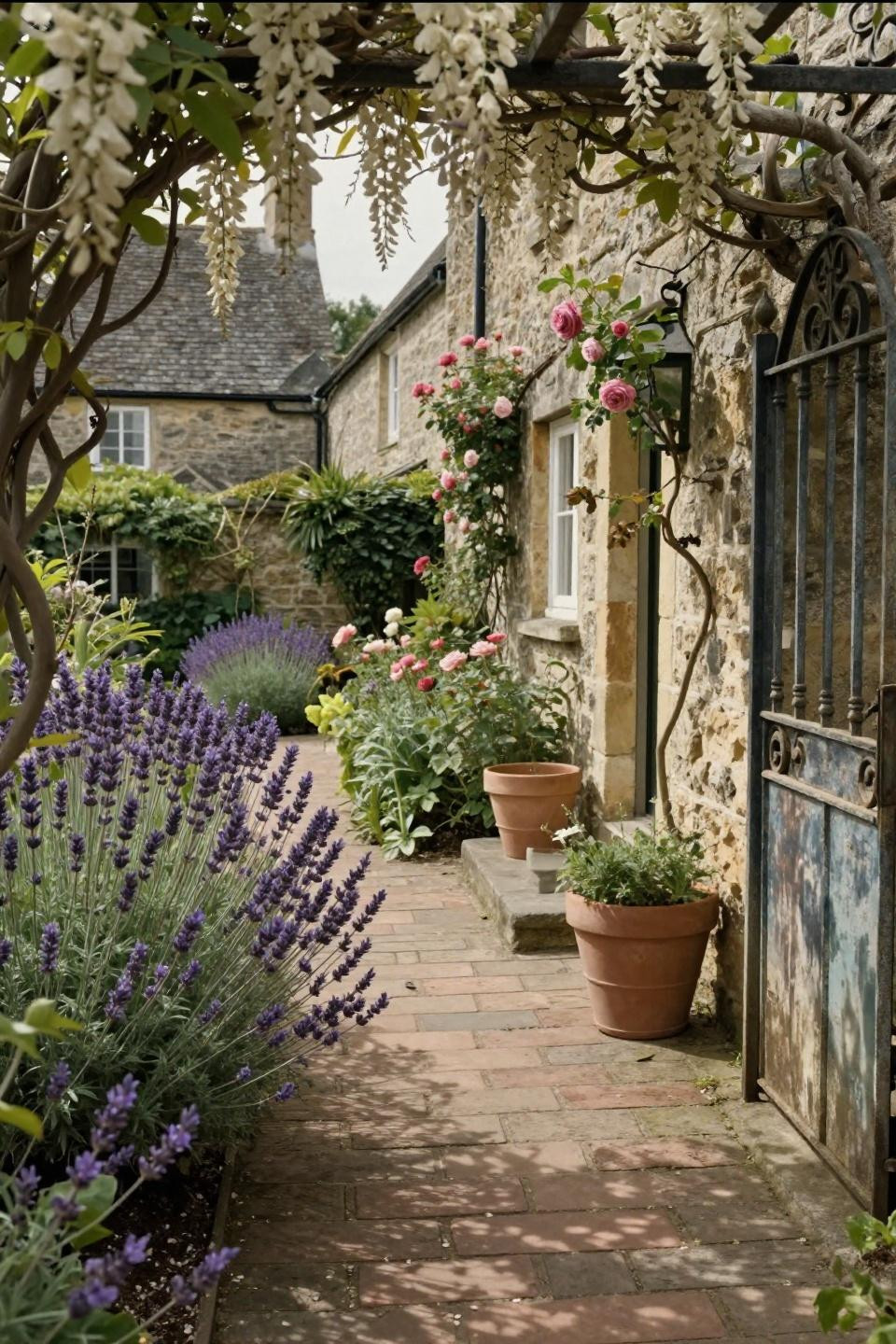
Wisteria needs aggressive pruning twice a year or it'll destroy gutters and siding. Set phone reminders for late winter and mid-summer or you'll forget and regret it.
15. Reclaimed Wood Shelving With Travertine Flooring
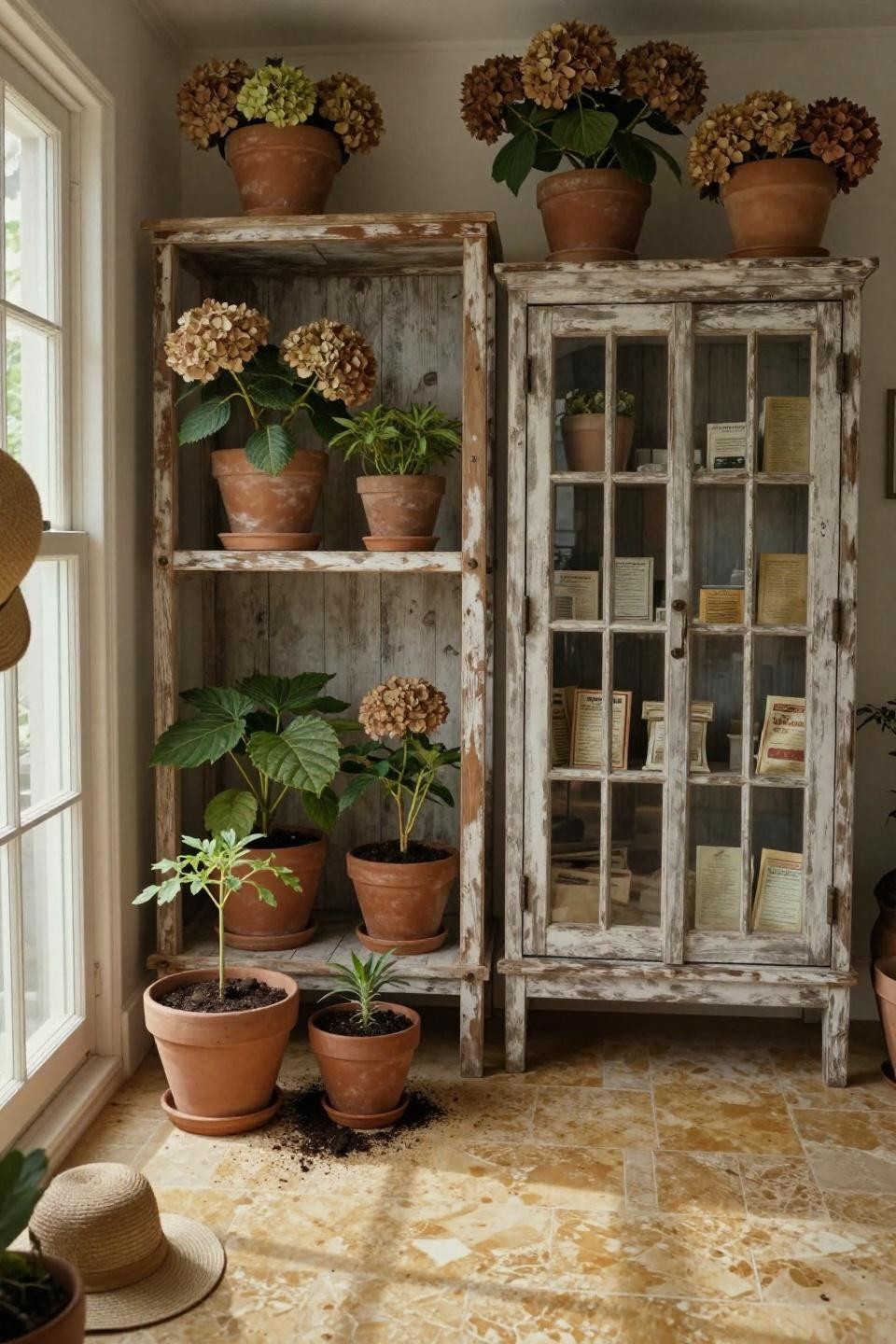
This works for potting sheds and covered porches, not outdoor gardens where rain would destroy wood finishes. Those hand-applied whitewashed planks are probably pine with diluted latex paint, super budget-friendly to DIY.
16. Hand-Forged Iron Arbor With Belgian Linen Bench
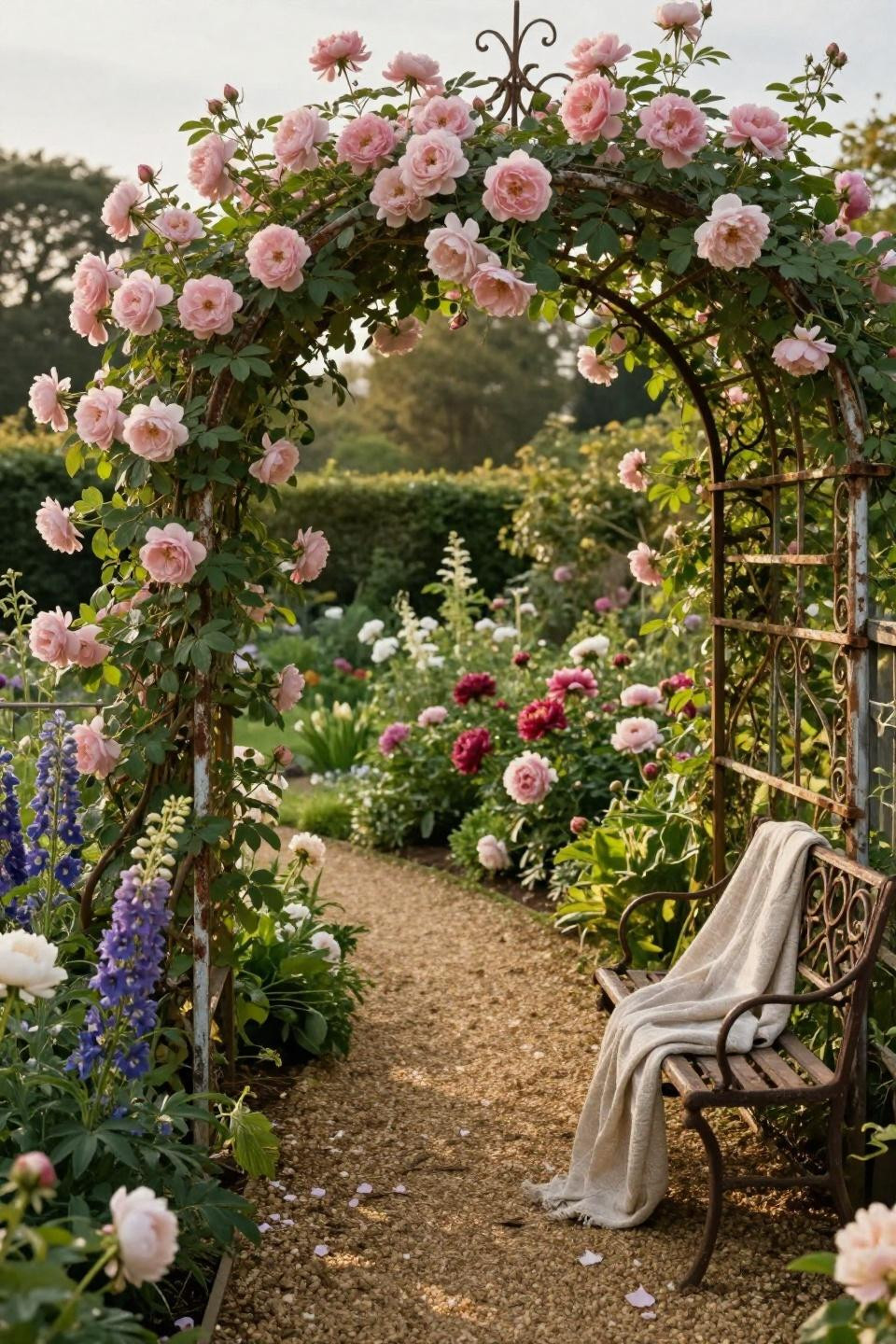
Belgian linen cushions need to come inside during rain or they'll mildew within days. Sunbrella outdoor fabric looks nearly identical and handles weather without babysitting.
17. Ornate Wrought Iron Gate With Lime Wash Walls
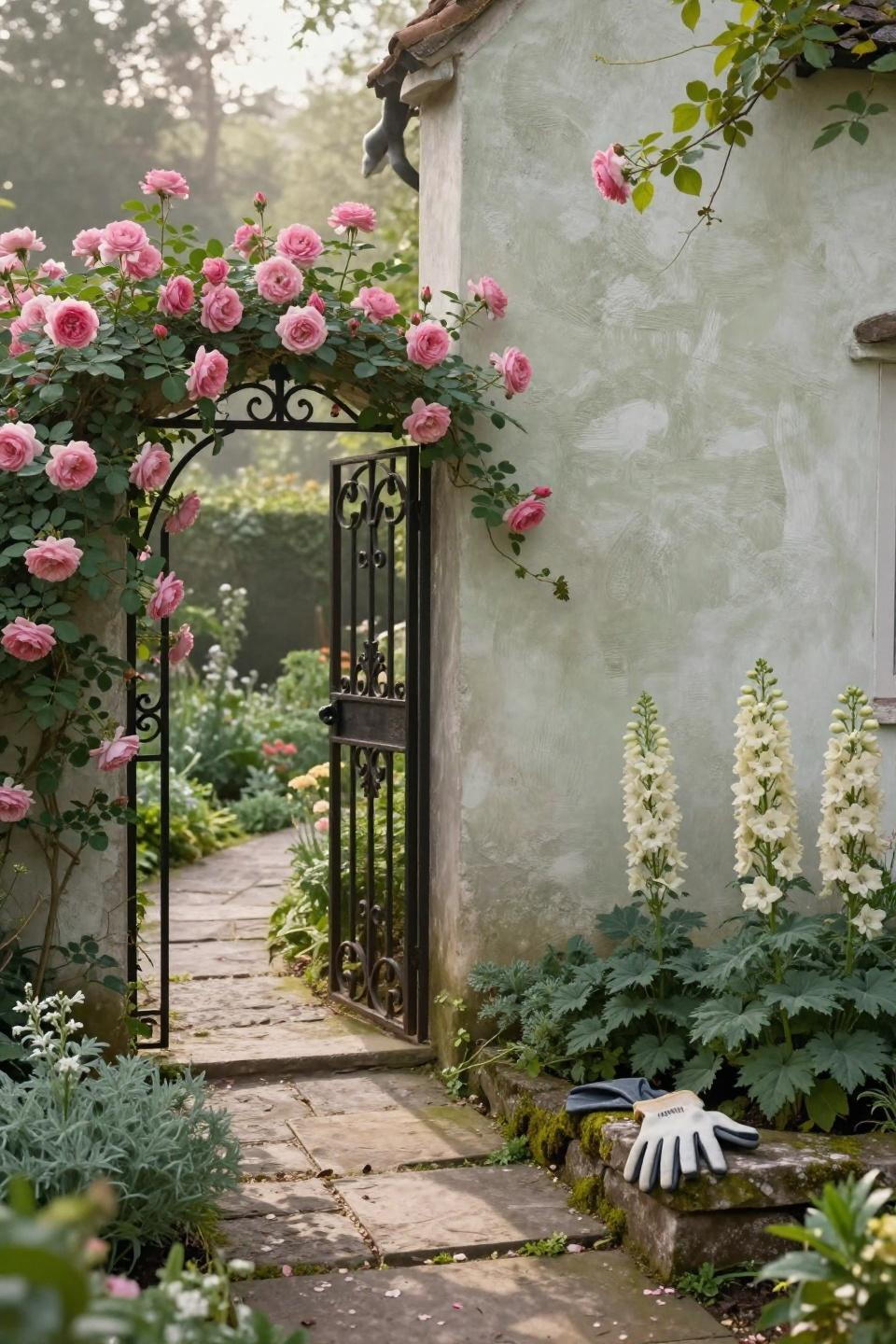
That natural tonal variation in limewash comes from applying it in thin, uneven layers. Three coats looks better than two thick ones, even though it takes longer.
18. Hand-Forged Iron Archway With Oxidized Brass Details
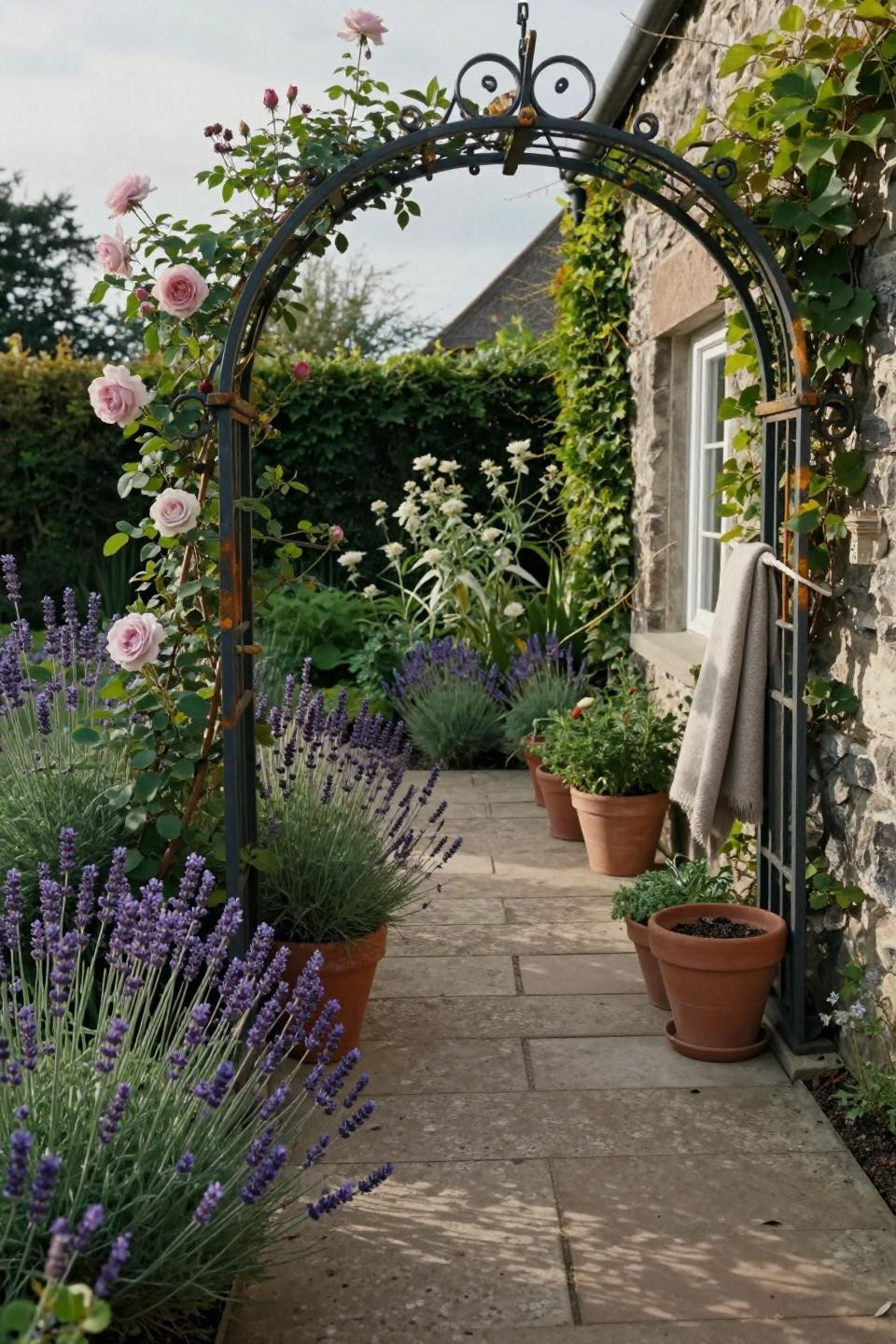
Those visible blacksmith hammer marks tell you it's custom metalwork, which starts around $1,200 for an archway. Mass-produced versions from Wayfair run $300 but lack that irregular texture.
19. Aged Terracotta Cluster With Spilled Soil
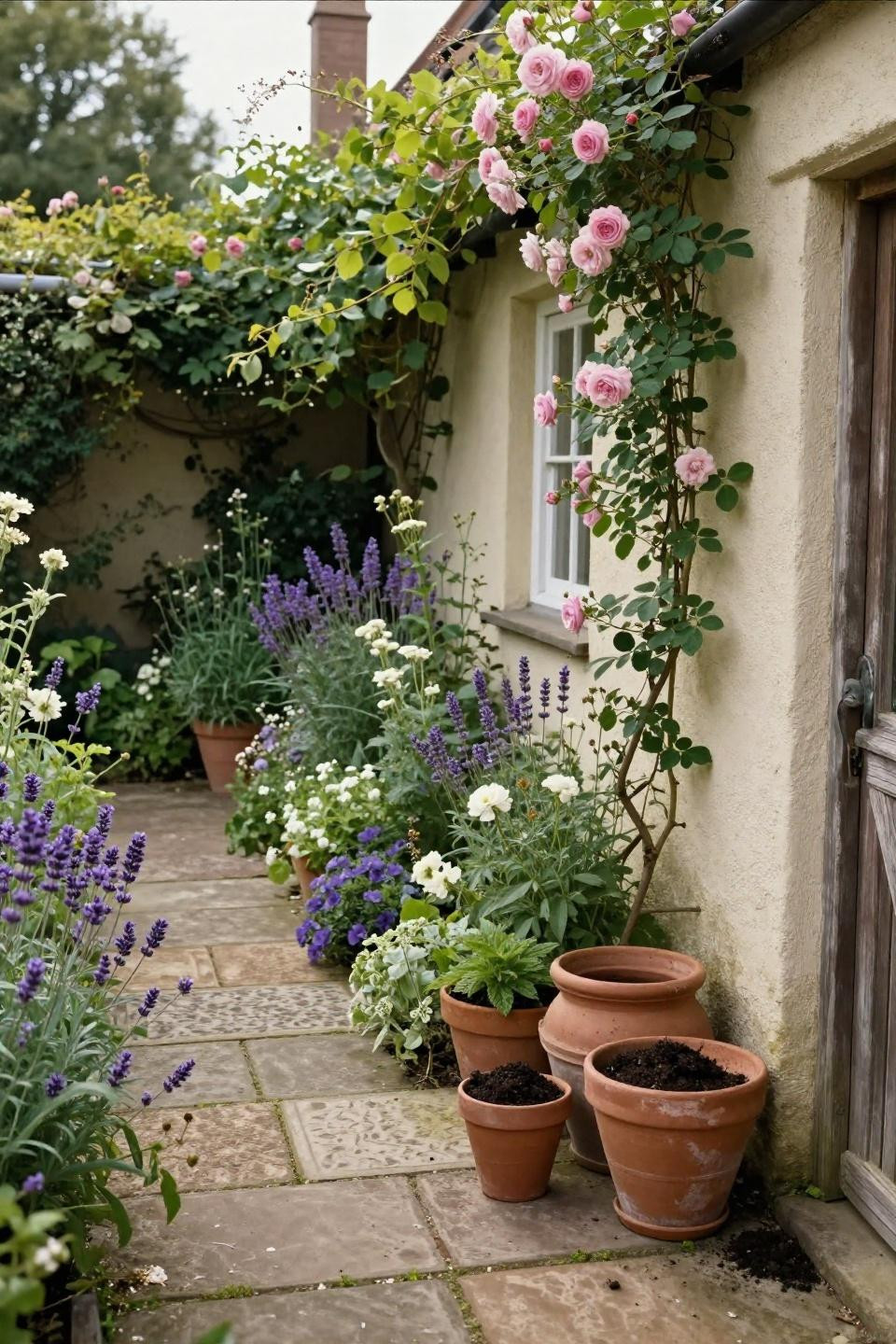
Asymmetrically grouped pots (three or five, never even numbers) look intentional instead of scattered. One slightly tipped with visible soil reads as lived-in, not messy.
20. Travertine Edging With Natural Moss Joints
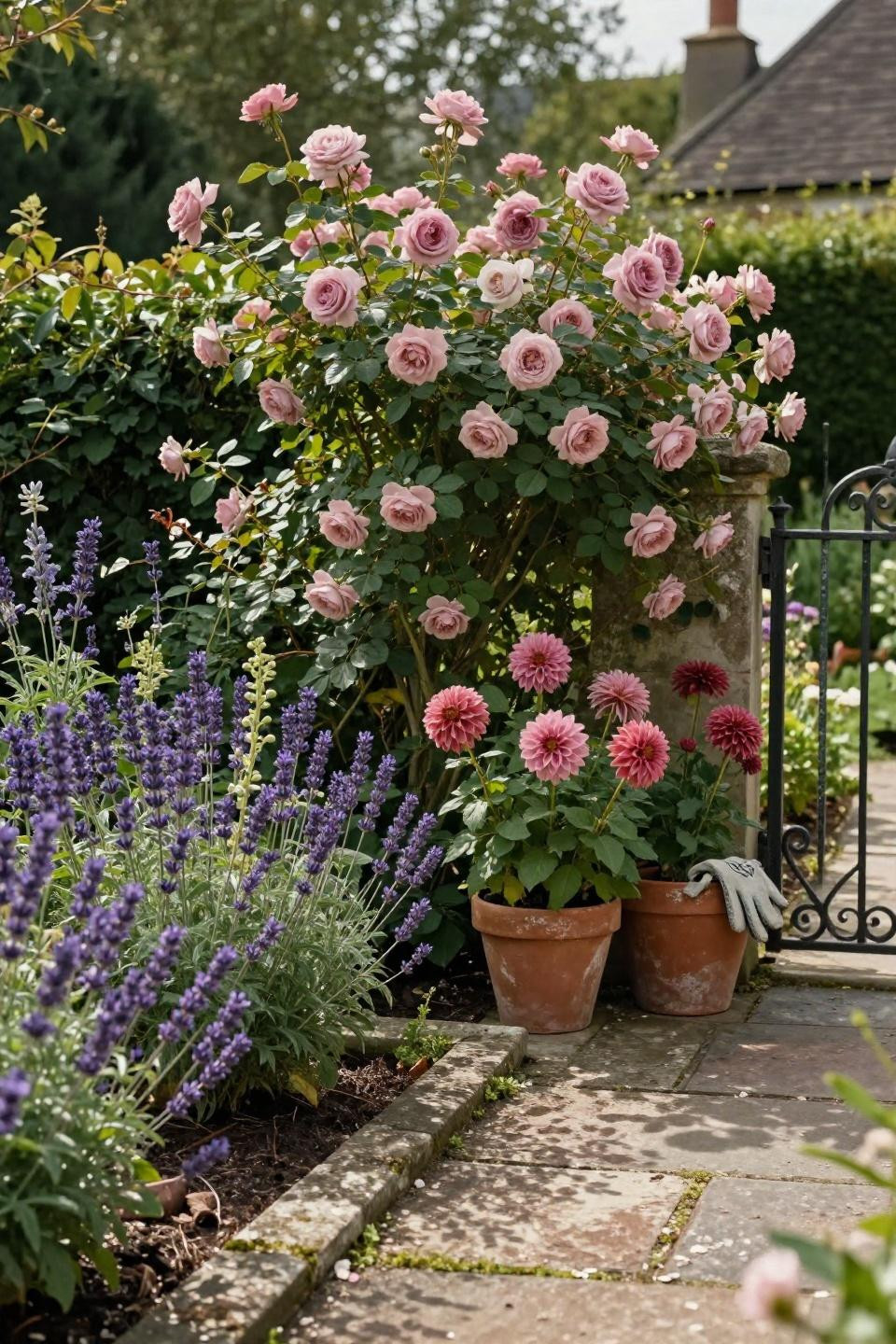
Skip polymeric sand between stone joints if you want moss to establish. Regular sand allows water penetration and creates the right conditions for natural growth.
21. Unlacquered Brass Gate With Copper Arbor
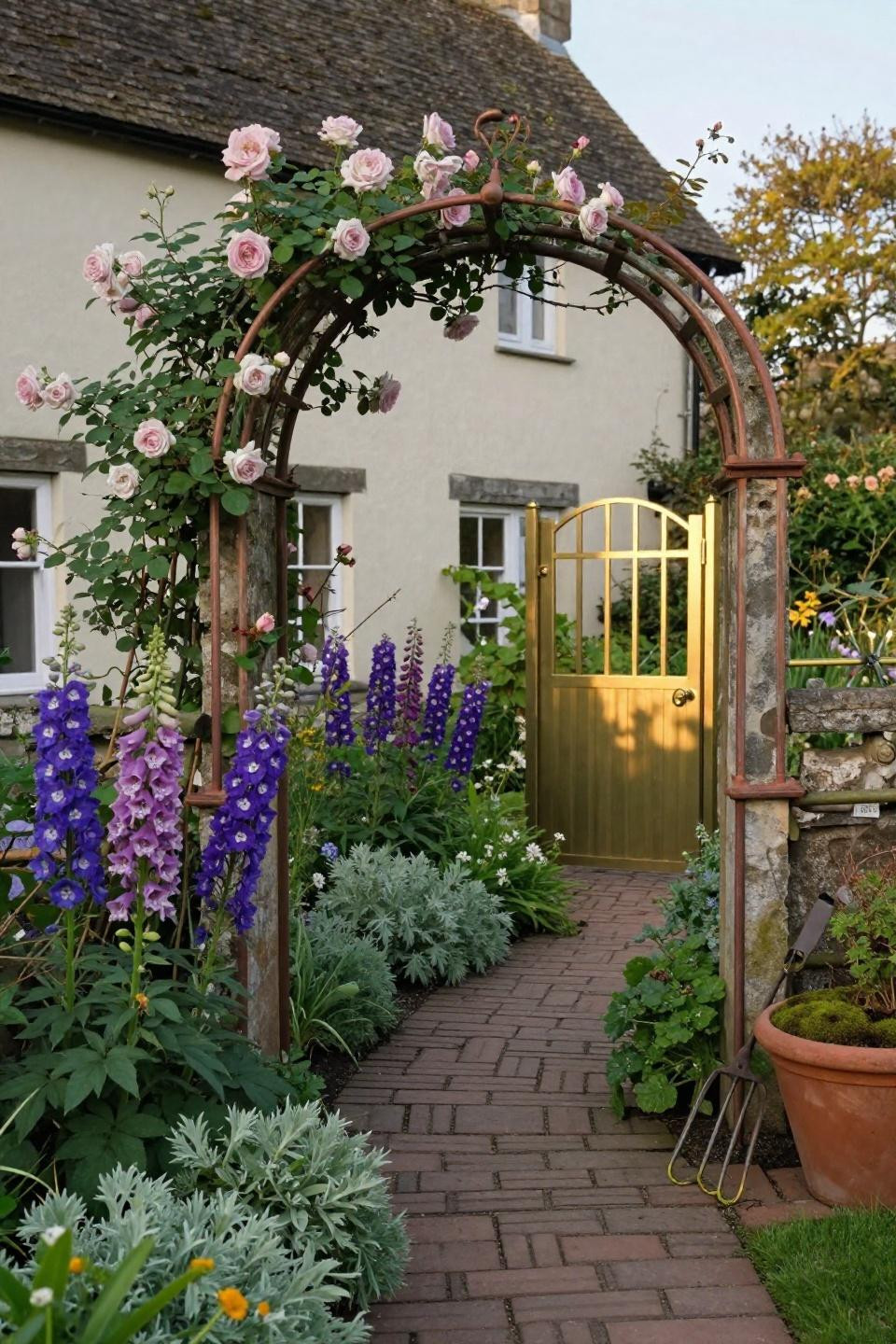
Copper develops verdigris (that blue-green patina) faster in humid climates. Coastal gardens see it within months, while dry climates might take two years for the same effect.
22. Hand-Stacked Limestone Wall With Asymmetrical Chimney
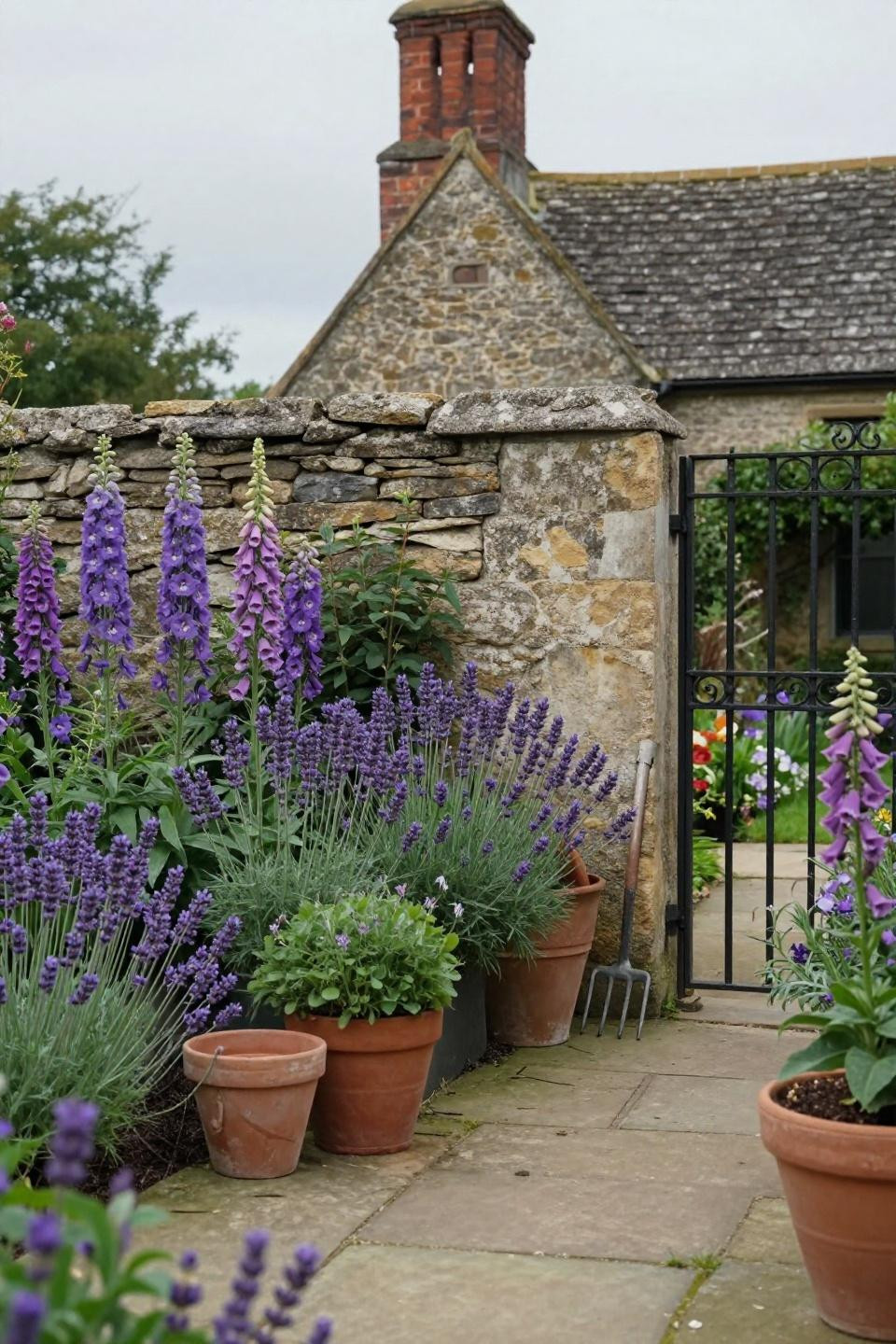
Natural weathering patterns on limestone take decades to develop, but you can buy reclaimed stone from old farm walls through local stone yards. It costs more but arrives pre-aged.
23. Reclaimed Oak Raised Beds With Apple Tree Canopy
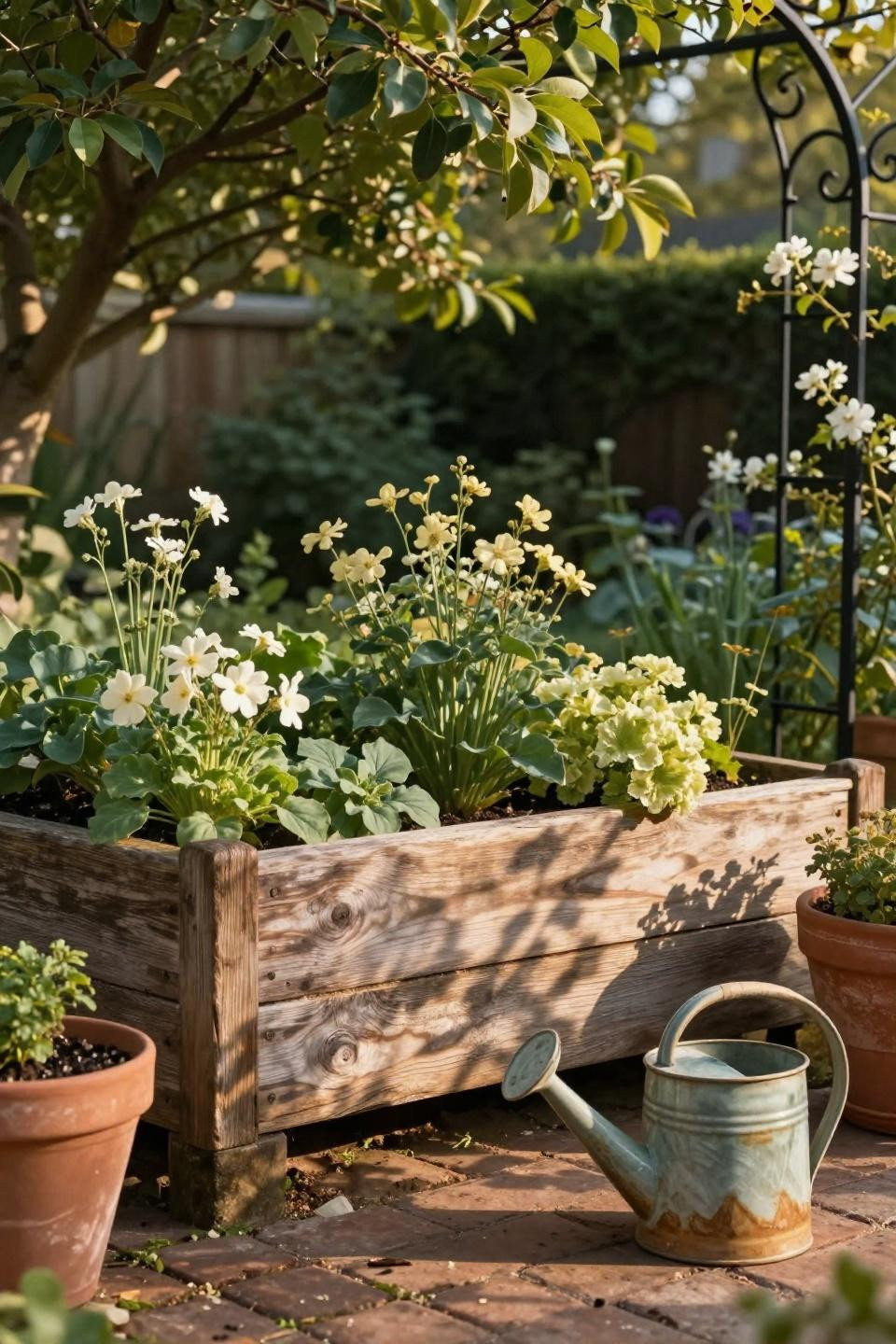
Oak raised beds last 15+ years untreated because the wood's natural tannins resist rot. Cedar gets all the hype, but reclaimed oak often costs less and performs just as well.
The Secret Nobody Mentions
Cottage gardens look accidentally perfect because they're built in layers over years, not installed in a weekend. Start with hardscaping (paths, walls, arbors), then add structure plants (roses, lavender, box hedging), and finally let self-seeders (foxgloves, hollyhocks, forget-me-nots) fill gaps on their own schedule.
The gardens that make you stop scrolling aren't following rigid plans. They're responding to what grows well, what self-seeds where, and what feels right when you're actually standing in the space with coffee in hand. That's the whole point.