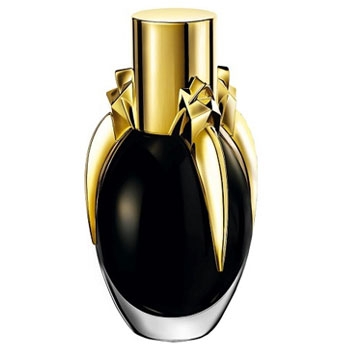
What are the 7 most iconic celebrity fragrances?
19 july 2012Katy Perry, Lady Gaga, David Beckham, JLO… You are fan of one of them ? Discover their most iconic scent and enter into their world !
1. Glow by JLO by Jennifer Lopez… if you want to feel sexy
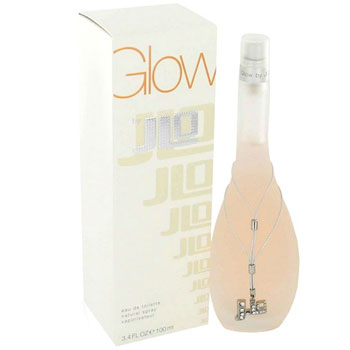 Your style :
Magnetic and radiant
I recommend you :
The first perfume of the American singer : intimate and sensuous… like Jennifer Lopez’s aura.
The scent :
A ‘sexy clean’ fragrance with flowers, musky notes and light amber : a soft mix that evokes the smell of the skin.
If you are totally mad about Glow, I advise you to try the new fragrance Glowing with its illuminating bottle!
2. Soul2Soul for men by Tim McGraw… if for you, perfume rhymes with love
 Your style :
Elegant and confident
I recommend you :
This fresh and modern scent is inspired by Tim’s love for his wife Faith Hill. A symbol of eternal commitment between the two singers and a nice demonstration of love.
The scent :
A woody and aromatic fragrance with oak tree, pepper, brandy and saffron. Dynamic and rugged.
You are in couple ? I recommend you to make discover to your partner the feminine version, a floral and fruity scent : Soul2Soul by Faith Hill.
3. Fantasy by Britney Spears… if you live in an enchanting world
 Your style :
Colorful and funny
I recommend you :
A modern love elixir and its glamorous fuchsia bottle adorned with green diamonds. So girly !
The scent :
A sensual and sparkling fragrance with fruits : lychee and kiwi. Flowers : jasmine and orchid. And a gourmand touch : white chocolate and a cupcake accord.
If you prefer red color, try Hidden Fantasy but if your favorite hue is clear blue, Circus Fantasy is made for you. I’m sure you will like them !
4. Unforgivable for men by Sean John… if you love Champagne and limos
.jpg) Your style :
Your style :
Rich and famous
I recommend you :
This scent will take you into the life of the famous singer and producer. At least, the time of a perfume bottle !
The scent :
Lemon and bergamot are mingled with a duet of clary sage and lavender and a sparkling touch of champagne. The result ? A fresh and sexy scent.
If you prefer Usher, I suggest you to try his fragrance for men.
5. Fame by Lady Gaga… if you have an explosive personality
 Your style :
Provocative and surprising
I recommend you :
This dark fragrance with its mysterious black juice. Why mysterious ? The perfume becomes invisible once sprayed.
The scent :
An opulent cocktail of white flowers, apricot and frankincense. You’ll be completely gaga !
If you like original bottles but prefer Beyoncé than Lady Gaga, I invite you to test Pulse, a blue and energetic potion.
6. Homme by David Beckham… if you dream to be a superstar sportsman
 Your look :
Sporty yet charismatic
I recommend you :
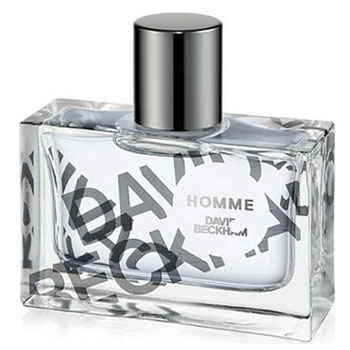
This masculine perfume that captures the seduction of the sportsman. I like : the modern bottle with big grey lettering.
The scent :
Woody notes with cashmere wood and mahogany. Spicy and aromatic tones with pepper and rosemary. And, the presence of an imaginary flower : black dahlia.
You are more basketball than soccer ? You should find out Michael Jordan‘s line of perfumes and especially the latest scent : Flight.
7. Purr by Katy Perry… if you are an animal lover
 Your look :
Eccentric and mischievous
I recommend you :
This purple cat-shaped bottle with its brilliant catlike eyes. Inevitably inspired by Katy’s passion for cats !
The scent :
Juicy fruits, a bunch of flowers and an ambery dry-down : the recipe for… purring with pleasure !
In 2012, Katy Perry introduces a new fragrance : Meow. I advise it if you like fruity and sweet scents !
And you, what are your favorite celebrity fragrances ? Tell us…
Angelica Root
See their portraitI love flowers, fashion… and of course perfumes ! I’m a true perfume lover. My friends always ask me when they want an advice on a new fragrance. What do I do when I’m not visiting perfumeries and department stores ? Well, I read books on botany. Did I tell you that I love flowers,...


Aucune...
Report abuseI wonder why they didn't include Jessica Simpson's FANCY. I have had this perfume twice and I love it. I would say it's my signature scent. It's soft smelling, vanilla, floral, and sweet.
Report abuseI do not have really one...Lady Gaga sounds interesting but somehow I stayed away from celebrity fragrances.I tried few I went back to my other choices...
Report abuse