Myrrh (Commiphora Myrrha) perfumes
Myrrh (Commiphora Myrrha) scented fragrances
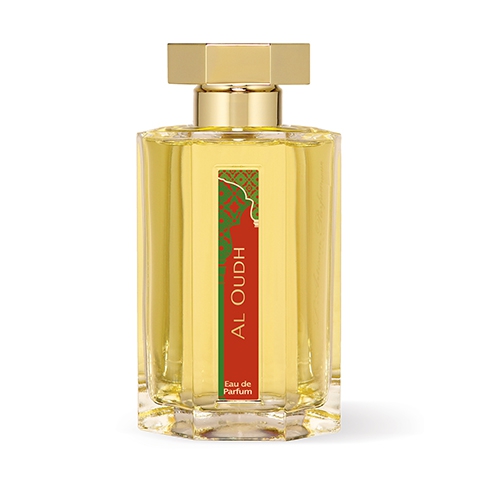
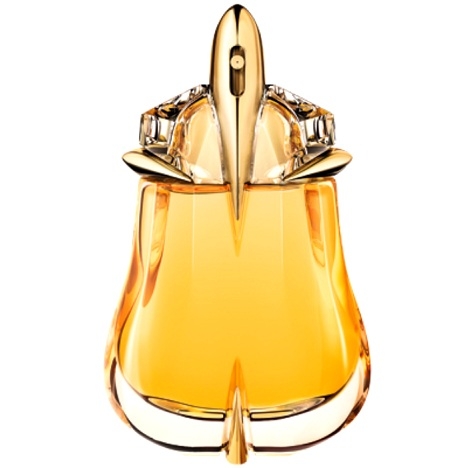
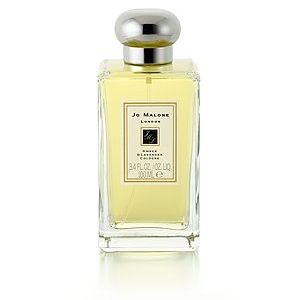
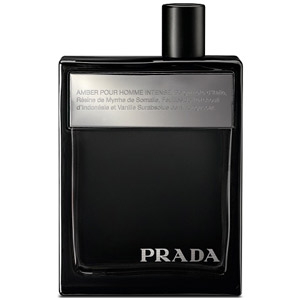
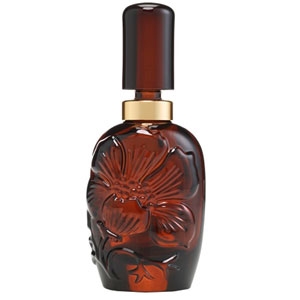
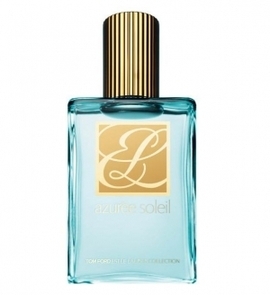
Would you like to explore more fragrances?
Discover launches through a specific brand or olfactory family depending on your preference
Refine the selection
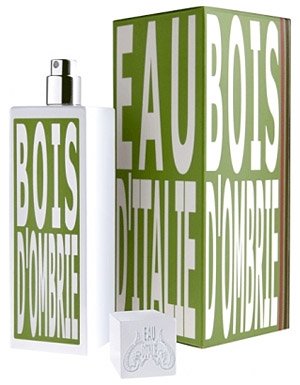
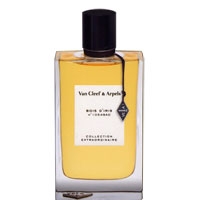
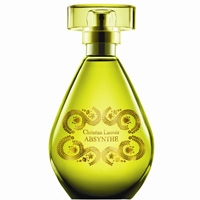
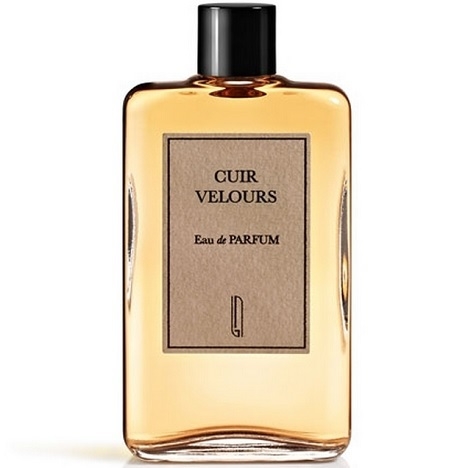
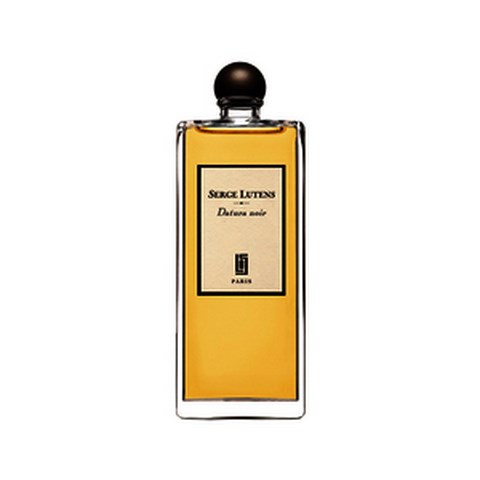
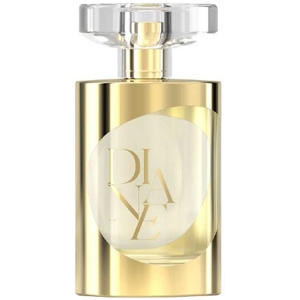
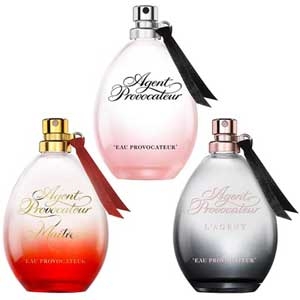
Warm, ambry, aromatic, mossy, resinous.
Extraction Method
Myrrh is obtained through exudation (natural or via man-made incisions) from the bark of the myrrh tree or shrub. The thick, whitish liquid collected soon turns brown from oxidation. It is then steam-distilled in order to provide the essence.
Use
Myrrh’s warm, balsamy note is frequently used as a base note in oriental scents. Its distinctive aroma can evoke benzoin and frankincense, as well as moss. Serge Lutens built a fragrance around it in his Salons du Palais Royal Shiseido collection.
virtues
In addition to perfumery, essential oil of myrrh has long been used in medicinal preparations (as a salve for the mouth and skin). Myrrh is also used in the recipe for certain liqueurs, like Benedictine.
History
The history of myrrh is undoubtedly as old as that of frankincense. The Ancient Egyptians used it to make kyphi and for embalming. Myrrh was one of the presents that the Three Kings brought to the infant Jesus. The Greeks used it to flavor beverages.
You do not find your perfume?
View moreExplore more fragrances?
Discover launches through a specific brand or olfactory family depending on your preference
Refine the selection
